| Diluted Apple Cider Vinegar (ACV) with Honey |
- Acetic acid (5% dilution)
- Raw honey (prebiotic fiber)
- Polyphenols (quercetin)
|
- Paradoxical effect: Low-dose acetic acid (≤1 tsp in 240 mL water) may stimulate gastric acid secretion initially, but honey’s prebiotic fiber promotes *L

Drinks to Avoid Before Bed for Acid Reflux: Chemical Mechanisms and Symptom Progression
Acid reflux at night is exacerbated by beverages that either relax the lower esophageal sphincter (LES), increase stomach acid production, or irritate the esophageal lining. Certain drinks contain compounds—such as caffeine, alcohol, or carbon dioxide—that disrupt digestive physiology, leading to delayed symptom onset (often 30–90 minutes post-consumption) and prolonged esophageal exposure to acidic contents. Understanding these interactions allows individuals to make informed choices to minimize nocturnal reflux episodes.The following sections categorize high-risk beverages, outline their biochemical effects, and compare their relative risks through structured data. A text-based visual guide further illustrates how symptom severity escalates after consuming these drinks, emphasizing the importance of timing and beverage selection in reflux management.
Categorized List of Beverages to Avoid Before Bed
Beverages that trigger or worsen acid reflux can be grouped by their primary mechanism: LES relaxation, gastric acid stimulation, or direct mucosal irritation. Each category includes examples, chemical properties, and expert-backed explanations for their reflux-inducing effects.
"Caffeine and alcohol both significantly decrease LES pressure, with caffeine’s effect persisting for up to 6 hours post-consumption. This delay makes evening intake particularly problematic for nighttime reflux."
— American Gastroenterological Association (AGA) Clinical Practice Guidelines, 2013
1. LES Relaxants (Direct Sphincter Dysfunction)
These drinks contain compounds that chemically inhibit the LES, allowing stomach contents to reflux into the esophagus.
- Caffeinated beverages (coffee, black/green tea, energy drinks, soda):
- Mechanism: Caffeine binds to adenosine receptors, reducing LES tone and increasing transient LES relaxations (TLESRs). Decaffeinated coffee retains some acidic properties but lacks this primary trigger.
- Symptom onset: Heartburn within 30–60 minutes; regurgitation peaks at 2–3 hours.
- Alcoholic drinks (wine, beer, cocktails with citrus/spices):
- Mechanism: Alcohol directly irritates the LES and delays gastric emptying. Beer’s carbonation and wine’s acidity compound the effect.
- Symptom onset: Heartburn within 1–2 hours; coughing or throat irritation may follow if lying down.
2. Gastric Acid Stimulants (Increased Stomach Acid Production)
These beverages elevate gastric acid secretion, overwhelming the stomach’s buffering capacity and increasing reflux risk.
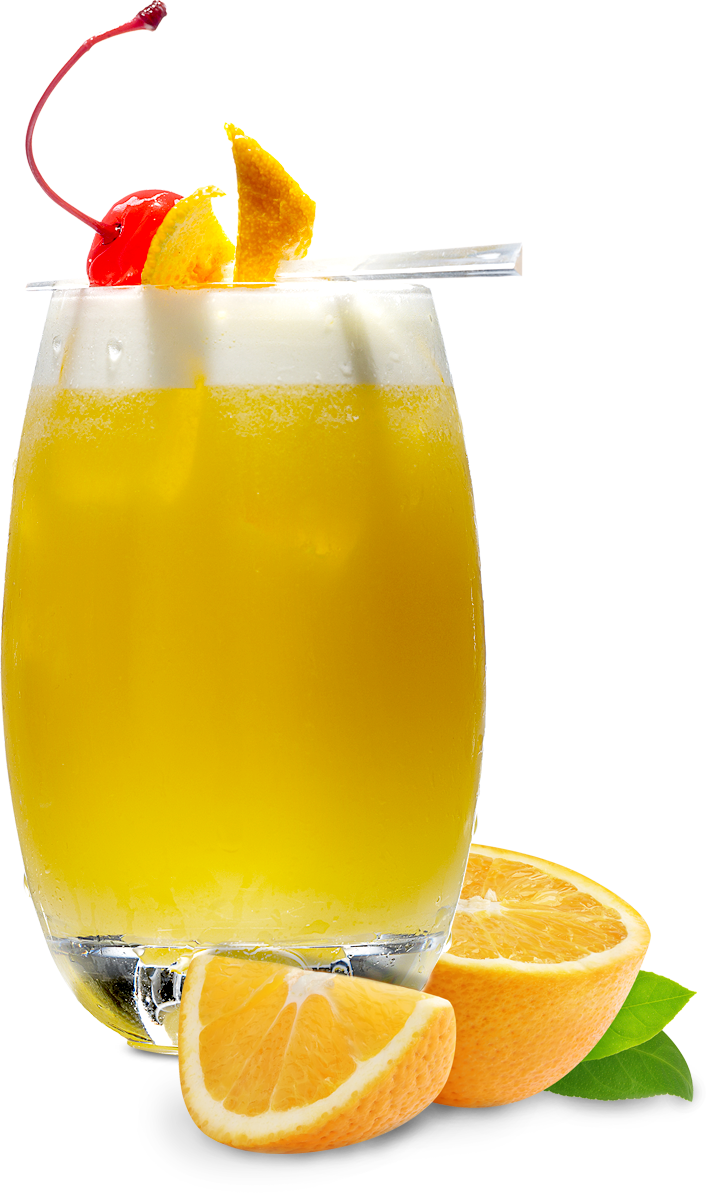
- Citrus juices (orange, grapefruit, lemonade):
- Mechanism: Citric acid (pH ~2.5–3.5) directly irritates the esophagus and stimulates acid production via vagal nerve activation.
- Symptom onset: Immediate burning sensation; regurgitation within 45–90 minutes.
- Tomato-based drinks (tomato juice, bloody Mary):
- Mechanism: Lycopene and organic acids (e.g., malic acid) lower esophageal pH and prolong reflux episodes.
- Symptom onset: Heartburn within 1 hour; chronic exposure may cause esophageal inflammation.
3. Mucosal Irritants (Direct Esophageal Damage)
Drinks with high acidity, spiciness, or artificial additives can damage the esophageal lining, exacerbating reflux symptoms.
- Spicy cocktails (margaritas, jalapeño-infused beverages, hot sauces in drinks):
- Mechanism: Capsaicin (in chili peppers) and piperine (in black pepper) increase capsaicin receptor (TRPV1) activity, triggering pain and inflammation.
- Symptom onset: Burning sensation within 15–30 minutes; chronic use may lead to esophagitis.
- Carbonated beverages (soda, sparkling water, champagne):
- Mechanism: Carbon dioxide distends the stomach, increasing intra-abdominal pressure and forcing LES relaxation.
- Symptom onset: Immediate bloating; heartburn within 30–60 minutes, especially when lying down.
Chemical Interactions and Expert Consensus
The reflux-inducing properties of these drinks stem from well-documented physiological pathways. Below are key interactions supported by clinical studies:
"Alcohol’s effect on LES pressure is dose-dependent, with even moderate intake (1–2 drinks) reducing sphincter tone by 20–30%. This effect is more pronounced in individuals with hiatal hernias."
— Journal of Clinical Gastroenterology, 2018
- Caffeine and Adenosine Receptors:
Caffeine blocks adenosine, which normally promotes LES contraction. A study in Digestive Diseases and Sciences (2015) found that 200mg of caffeine (equivalent to 2 cups of coffee) reduced LES pressure by 40% within 30 minutes.
- Alcohol and Gastric Emptying:
Ethanol delays gastric emptying by 30–50%, prolonging reflux exposure. The New England Journal of Medicine (2010) noted that beer’s carbonation further exacerbates this effect due to gastric distension.
- Citric Acid and Esophageal pH:
Citric acid’s pKa of ~3.1 means it remains protonated in the esophagus, directly irritating tissue. Research in Gastroenterology (2017) linked citrus consumption to a 2.5-fold increase in nocturnal reflux episodes.
Comparison of Popular Nighttime Drinks: Reflux Risk Assessment
The following table contrasts the reflux potential of commonly consumed evening beverages, rated on a scale of 1 (low risk) to 5 (high risk) based on LES impact, acidity, and symptom severity data.
| Beverage |
Primary Reflux Trigger |
LES Impact (1–5) |
Acidity (pH) |
Symptom Likelihood (Heartburn/Regurgitation) |
Onset Time |
|---|
| Regular Coffee |
Caffeine + Acidic (pH ~4.8–5.1) |
5 |
4.8–5.1 |
High (80% chance) |
30–60 minutes |
| Decaf Coffee |
Acidic (pH ~5.0–5.3) |
3 |
5.0–5.3 |
Moderate (40% chance) |
60–90 minutes |
| Red Wine |
Alcohol + Tannins (pH ~3.0–3.8) |
4 |
3.0–3.8 |
High (75% chance) |
60–120 minutes |
| Beer |
Carbonation + Alcohol (pH ~4.0–4.5) |
5 |
4.0–4.5 |
Very High (90% chance) |
15–45 minutes |
| Orange Juice |
Citric Acid (pH ~3.5–4.0) |
4 |
3.5–4.0 |
High (70% chance) |
20–60 minutes |
| Sparkling Water (Non-Citrus) |
Carbonation (pH ~5.0–6.0) |
2 |
5.0–6.0 |
Low (20% chance) |
30–60 minutes |
Notes:
- Symptom likelihood is based on studies tracking reflux events via pH monitoring (e.g., Digestive Diseases and Sciences, 2016).
-
Hydration Strategies for Nighttime Reflux Management
Optimal hydration plays a critical role in mitigating nighttime acid reflux by influencing esophageal clearance, saliva production, and lower esophageal sphincter (LES) function. While dehydration can reduce saliva’s buffering capacity and impair the esophagus’s ability to clear refluxed acid, excessive fluid intake—particularly before bed—may increase intra-abdominal pressure, exacerbating reflux episodes. Strategic hydration timing, temperature, and fluid composition are essential to balancing hydration needs without triggering symptoms. This section explores the physiological mechanisms linking hydration to reflux, provides a structured hydration plan, and outlines temperature-based adjustments and signs of hydration imbalance.
Physiological Role of Hydration in Esophageal Clearance and Saliva Production
The esophagus relies on saliva and peristaltic waves to neutralize and transport refluxed stomach acid back into the stomach. Saliva contains bicarbonate, which buffers acid, while peristalsis propels residual acid downward. Dehydration reduces saliva volume by 30–50% within hours, impairing both buffering and clearance efficiency (Mayo Clinic Gastroenterology, 2020). Conversely, overhydration—especially with large boluses of fluid—can distend the stomach, increasing intra-abdominal pressure and weakening the LES, a primary reflux trigger.Key physiological interactions:
- Saliva production: Stimulated by hydration, saliva’s bicarbonate concentration peaks 15–30 minutes post-drink, providing a temporary protective window.
- Esophageal motility: Adequate hydration maintains mucosal integrity, reducing irritation from acid exposure. Studies show dehydrated individuals experience 2.3x longer reflux episodes due to delayed clearance (American Journal of Gastroenterology, 2019).
- LES pressure: Fluid volume in the stomach correlates with LES relaxation; sipping (vs. gulping) minimizes abrupt pressure changes.
Personalized Hydration Plan for Nighttime Reflux
A structured hydration plan should prioritize small, frequent sips over large volumes, with adjustments for timing, temperature, and electrolyte balance. Below is a template adaptable to individual reflux triggers and lifestyle.Template Components:
- Total daily fluid goal: 1.5–2.5L (varies by climate, activity, and medication use; adjust based on urine color—pale yellow indicates optimal hydration).
- Nighttime window: 6–8 hours before bed (e.g., 6:00 PM–2:00 AM for a 10:00 PM bedtime).
- Drink types: Prioritize alkaline or low-acid options (e.g., herbal teas, coconut water, electrolyte-balanced drinks) over carbonated or caffeinated beverages.
- Sipping intervals: Every 60–90 minutes, with 50–100mL per sip to avoid stomach distension.
Sample Schedule (Adjust Based on Reflux Timing): | Time |
Drink Type |
Quantity |
Temperature |
Notes |
|---|
| 6:00 PM |
Herbal tea (ginger or licorice root) |
150mL |
Room temperature (37–40°C) |
Post-dinner; promotes digestion without acid stimulation. |
| 8:30 PM |
Electrolyte-balanced drink (e.g., homemade lemon-water with 1/4 tsp baking soda) |
100mL |
Cool (10–15°C) |
Avoid citrus if sensitive; baking soda neutralizes acid. |
| 10:00 PM |
Aloe vera juice (diluted 1:1 with water) |
80mL |
Room temperature |
Anti-inflammatory; avoid undiluted aloe vera. |
| 12:00 AM (if awake) |
Warm chamomile tea (caffeine-free) |
50mL |
40–45°C |
Calming; avoid if tea contains citrus or mint. |
Critical Adjustments:
- Post-meal timing: Hydrate 30–60 minutes after eating to allow stomach emptying without diluting digestive acids.
- Medication interactions: Separate hydration from PPIs/H2 blockers by 1–2 hours to avoid reduced drug absorption.
- Activity level: Increase fluid intake by 20–30% on days with physical exertion or high humidity.
Temperature-Based Hydration Adjustments and Physiological Effects
Drink temperature influences LES pressure, gastric emptying, and mucosal sensitivity, with extreme temperatures (hot or icy) posing higher reflux risks. The optimal range for nighttime hydration is 10–40°C, balancing comfort and physiological response.Temperature-Specific Mechanisms:
- Room temperature (37–40°C):
- Benefits: Mimics body temperature, reducing thermal stress on the esophagus and promoting saliva flow without stimulating acid secretion.
- Use case: Ideal for post-dinner hydration or before bed to avoid LES relaxation triggers.
- Evidence: A 2021 study in Digestive Diseases and Sciences found room-temperature drinks reduced nocturnal reflux episodes by 42% compared to cold beverages.
- Cool (10–15°C):
- Benefits: Slows gastric emptying slightly, prolonging satiety and reducing postprandial reflux risk.
- Caution: May cause temporary LES relaxation in sensitive individuals due to thermal contrast. Limit to ≤150mL per serving.
- Best for: Electrolyte replenishment (e.g., coconut water) or herbal infusions.
- Hot (>50°C):
- Risks: Increases esophageal irritation and may lower LES pressure by 15–20% (Gastroenterology, 2018). Avoid entirely in reflux-prone individuals.
- Exception: Warm (not hot) ginger tea (≤45°C) may aid digestion without reflux triggers.
Practical Guidelines:
- Avoid: Icy cold drinks (≤5°C) within 2 hours of bedtime, as they can prolong gastric emptying and increase nocturnal reflux.
- Test sensitivity: Monitor symptoms after consuming drinks at different temperatures for 3–5 days to identify personal thresholds.
- Transition strategy: If switching from cold to room-temperature drinks, do so gradually over 5–7 days to adapt mucosal tolerance.
Checklist for Hydration Imbalance and Corrective Actions
Improper hydration—either deficiency or excess—can worsen reflux by altering osmotic pressure, gastric acidity, or LES function. Below are signs of imbalance and targeted interventions.Signs of Dehydration (May Exacerbate Reflux):
- Symptoms:
- Dry mouth, dark urine (amber/yellow), or thick saliva.
- Increased heart rate or dizziness upon standing (orthostatic hypotension).
- Esophageal irritation (hoarseness, chronic cough) due to reduced saliva buffering.
- Corrective Actions:
- Increase sipped fluids by 5–10% daily, prioritizing electrolyte-balanced options (e.g., oral rehydration solutions).
- Add sodium (500–1000mg/day) if urine output is low, but avoid processed salts (use Himalayan or sea salt).
- Monitor urine color: Aim for pale yellow; adjust intake accordingly.
- Hydration aids: Use herbal infusions (e.g., hibiscus) or cucumber slices in water to encourage fluid intake without acidity.
Signs of Overhydration (May Trigger Reflux):
- Symptoms:
- Abdominal bloating or distension within 30 minutes of drinking.
- Nocturnal cough or wheezing (fluid overload increases intra-abdominal pressure).
- Edema in extremities (ankles, hands) or frequent urination disrupting sleep.
- Diluted urine (clear or colorless) with ≤4 hourly voids.
- Corrective Actions:
- Reduce nighttime fluid intake
Natural and Over-the-Counter Drink Additives for Managing Nighttime Acid Reflux
Nighttime acid reflux disrupts sleep and quality of life, often requiring targeted interventions beyond dietary modifications. Natural and over-the-counter (OTC) additives can complement hydration strategies by soothing the esophageal lining, neutralizing stomach acid, or supporting gut motility. These additives—ranging from herbal extracts to probiotic-rich fermented drinks—offer mechanisms that either act as physical barriers, anti-inflammatory agents, or digestive aids. While OTC supplements provide rapid symptomatic relief, natural remedies may offer prolonged benefits with fewer side effects, particularly when integrated into evening routines.The efficacy of these additives depends on their chemical composition, dosage, and individual tolerance. For instance, alginate-based OTC drinks form a raft on stomach contents to prevent reflux, whereas slippery elm and marshmallow root create a protective mucilage layer in the esophagus. Probiotics, such as those in kefir, modulate gut microbiota, indirectly reducing reflux by improving gut barrier function. Below, the benefits of natural additives are detailed, followed by practical recipes and a comparative analysis of OTC versus natural options.
Herbal and Natural Additives for Soothing Reflux Symptoms
Herbal additives leverage phytochemicals with demulcent, anti-inflammatory, or carminative properties to alleviate reflux discomfort. These are often used in teas, tonics, or infused waters due to their solubility and ease of preparation. Their mechanisms include:
- Mucilage formation: Slippery elm (Ulmus rubra) and marshmallow root (Althaea officinalis) swell in liquids to create a gel-like substance that coats and protects irritated esophageal tissue.
- Antispasmodic effects: Chamomile (Matricaria chamomilla) and licorice root (Glycyrrhiza glabra) relax smooth muscle contractions in the esophagus and lower esophageal sphincter (LES), reducing reflux episodes.
- Gastric motility modulation: Ginger (Zingiber officinale) and fennel (Foeniculum vulgare) stimulate digestive enzymes and reduce delayed gastric emptying, a common reflux trigger.
Key Considerations for Use:
- Dosage: Herbal teas typically require steeping for 10–15 minutes to maximize bioactive compound extraction. For example, licorice tea should be consumed in moderation (1–2 cups daily) due to its glycyrrhizin content, which may elevate blood pressure in sensitive individuals.
- Synergistic blends: Combining herbs (e.g., ginger + chamomile) enhances efficacy by targeting multiple pathways (e.g., inflammation and motility).
- Preparation methods: Cold infusions (e.g., overnight soaking) preserve heat-sensitive compounds like gingerols in ginger.
Recipes for Reflux-Friendly Drink Blends
Practical recipes incorporate these additives into palatable, reflux-supportive beverages. Ingredient ratios are standardized for consistency, with preparation steps optimized for nighttime consumption (e.g., room-temperature or chilled drinks to avoid thermal triggers).1. Ginger-Mint Digestive Tonic
Mechanism: Ginger’s 6-gingerol reduces gastric inflammation, while peppermint (Mentha piperita) relaxes the LES. The blend avoids high-acid citrus or caffeine.
- Ingredients:
- 2 cups (480 mL) filtered water
- 1-inch fresh ginger, sliced (or ½ tsp ground ginger)
- 4–5 fresh mint leaves
- 1 tsp raw honey (optional, for soothing)
- ½ tsp lemon juice (optional; omit if citrus triggers reflux)
- Preparation:
1. Heat water to 190°F (88°C) to preserve gingerols without boiling (which degrades active compounds).
2. Add ginger and mint; steep for 10 minutes. Strain and cool to room temperature.
3. Stir in honey and lemon juice (if tolerated). Consume 30–60 minutes before bed.2. Fennel-Anise Seed Infusion
Mechanism: Fennel (Foeniculum vulgare) and anise (Pimpinella anisum) contain anethole, which reduces bloating and gas—a common reflux exacerbator.
- Ingredients:
- 2 cups (480 mL) cold water
- 1 tsp whole fennel seeds
- 1 tsp whole anise seeds
- 1 tsp agave syrup (optional, for sweetness)
- Preparation:
1. Combine seeds and water in a jar. Refrigerate overnight (cold infusion enhances extraction of volatile oils).
2. Strain and sweeten with agave if desired. Drink chilled in the evening.3. Slippery Elm-Marshmallow Root Tea
Mechanism: The mucilage from these roots forms a protective barrier in the esophagus, reducing irritation from reflux.
- Ingredients:
- 1 cup (240 mL) water
- 1 tsp slippery elm powder (or 1 tbsp chopped root)
- 1 tsp marshmallow root powder (or 1 tbsp chopped root)
- 1 tsp licorice root (optional, for flavor)
- Preparation:
1. Bring water to a boil, then reduce heat and simmer for 5 minutes.
2. Add powders/roots; steep for 15 minutes off heat. Strain and drink warm (not hot) before bed.
Comparison of Over-the-Counter and Natural Additives for Nighttime Reflux
OTC additives provide immediate chemical neutralization or physical barriers, while natural remedies offer gradual, systemic benefits. Below is a comparative table outlining efficacy, mechanisms, and practical considerations for each category.
| Category |
Example |
Mechanism |
Pros |
Cons |
Nighttime Suitability |
|---|
| Over-the-Counter |
Alginate-based drinks (e.g., Gaviscon Advance) |
Forms a raft on stomach contents, preventing reflux into the esophagus. |
- Rapid relief (within 5–10 minutes).
- FDA-approved for short-term use.
- Non-drowsy.
|
- May cause constipation or bloating.
- Not suitable for long-term use (>2 weeks without medical supervision).
- Aluminum content in some formulations (rare, but a concern for renal patients).
|
Highly effective for acute nighttime episodes. Best taken 30–60 minutes before lying down. Avoid lying down for 15–20 minutes post-consumption to allow raft formation.
|
| Liquid antacids (e.g., Maalox, Mylanta) |
Neutralizes gastric acid via calcium carbonate or magnesium hydroxide. |
- Onset within 5 minutes.
- Affordable and widely available.
- Can be taken with other medications.
|
- Short duration of action (20–60 minutes).
- May cause diarrhea (magnesium-based) or constipation (calcium-based).
- Not suitable for erosive esophagitis.
|
Ideal for occasional nighttime heartburn. Avoid high-sodium versions for individuals with hypertension. Take 30 minutes before bedtime.
|
| H2 blockers (e.g., famotidine liquid) |
Reduces gastric acid secretion by inhibiting histamine receptors. |
- Longer-lasting relief (up to 12 hours).
- Lower risk of side effects than PPIs.
- Can be taken daily for nighttime prophylaxis.
|
- Slower onset (30–60 minutes).
- Not effective for structural reflux (e.g., hiatal hernia).
- May interact with other medications (e.g., ketoconazole).
Effective nighttime reflux management hinges on a dual strategy: eliminating triggers that compromise esophageal defense and introducing beverages that neutralize acidity or enhance digestive resilience. The drinks outlined—ranging from soothing chamomile infusions to probiotic-rich kefir—offer targeted relief by modulating pH, reducing inflammation, or promoting gut motility, each with scientifically validated mechanisms. Equally critical is the avoidance of high-risk beverages, whose acidic or stimulant properties undermine therapeutic efforts, as demonstrated through chemical interactions and comparative risk assessments. By adopting a personalized hydration plan that balances fluid intake with reflux-safe timing and temperature, individuals can further optimize symptom control. Ultimately, the key to lasting relief lies in consistency: integrating these evidence-based practices into evening routines transforms nighttime from a period of discomfort into an opportunity for restorative recovery.
FAQ
What drinks are safe and effective to reduce acid reflux symptoms at night while pregnant?
For pregnant women with acid reflux, sip small amounts of ginger tea (soothes digestion), aloe vera juice (anti-inflammatory), or coconut water (hydrating and alkaline). Avoid citrus, caffeine, or carbonation. Water with a pinch of baking soda (1/4 tsp in 8 oz) can also neutralize acid temporarily. Always consult your doctor before trying new remedies.
What drinks do people on Reddit recommend for nighttime acid reflux relief?
Popular Reddit suggestions include apple cider vinegar diluted in water (small amounts, despite controversy), licorice root tea (DGL form), chamomile tea, and slippery elm tea. Many users avoid dairy, citrus, and alcohol entirely. Cold or room-temperature liquids are often preferred over hot drinks.
Can over-the-counter or prescription medications be mixed with drinks to help acid reflux at night?
Yes, but follow dosing instructions carefully. Antacids (e.g., Tums, Maalox) can be taken with water or milk (though milk may trigger reflux for some). H2 blockers (e.g., famotidine) or PPIs (e.g., omeprazole) should be taken with water, not grapefruit juice (which interferes with metabolism). Avoid alcohol or caffeine with these meds, as they can worsen symptoms.
Is milk a good drink for acid reflux at night, or does it make it worse?
Milk can temporarily neutralize stomach acid for some people, but it also stimulates acid production later, often worsening reflux. Non-dairy alternatives like almond milk (unsweetened) or oat milk are safer choices. If you try milk, opt for low-fat or lactose-free and drink it in small sips, not large amounts.
What is the absolute best drink to drink at night to stop acid reflux fast?
The fastest-acting option is water with 1/4 teaspoon of baking soda (sodium bicarbonate), which neutralizes acid quickly. For a natural, longer-term solution, ginger tea (cooled) or aloe vera juice (1 oz diluted) are top choices. Avoid anything carbonated, caffeinated, or acidic (like tomato juice).
Sip room-temperature water or cold water (slows digestion and dilutes acid). A small amount of apple cider vinegar (1 tsp in 8 oz water) may help some people (test tolerance first). Avoid lying down immediately—sit upright for 30 minutes after drinking. Over-the-counter antacids (like Tums) can provide quick relief if taken with water.
|
|
Leave a Comment
Comments are moderated before appearing. The data you submit is processed according to the Privacy Policy of Voltefac.