| Licorice Root (DGL) |
- Polysaccharides (glycoproteins, mucopolysaccharides)
- Flavonoids (liquiritigenin, glabridin)
- Trace glycyrrhizin (in DGL)
|
- Forms demulcent gel; stimulates PGE2 synthesis
- Inhibits NF-κB-mediated inflammation
- Weak H+/K+ ATPase inhibition (non-DGL)
|
- Hypertension, hypokalemia (avoid non-DGL forms)
- Pregnancy (estrogen
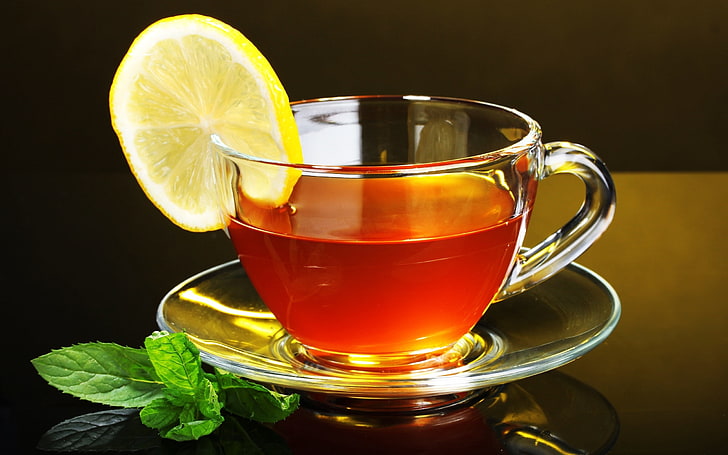
Teas to Avoid: Identifying Triggers and Alternatives
Certain teas, while popular for their flavor or health benefits, may worsen acid reflux due to their chemical composition. Caffeine, tannins, and citrus compounds are primary culprits, as they can relax the lower esophageal sphincter (LES), delay gastric emptying, or irritate esophageal mucosa. Understanding these mechanisms allows individuals to make informed substitutions or modifications to enjoy tea without exacerbating reflux symptoms. This section categorizes problematic teas, explains their physiological interactions, and provides practical strategies for mitigation.
Categorization of Reflux-Triggering Teas
Teas that aggravate acid reflux fall into three primary categories based on their bioactive compounds: caffeinated teas, high-tannin teas, and citrus-infused teas. Each category affects reflux through distinct biochemical pathways, necessitating targeted avoidance or modification strategies.
-
Caffeinated Teas
Caffeine, a central nervous system stimulant, reduces LES pressure by antagonizing adenosine receptors, thereby increasing the risk of reflux episodes. Black tea, green tea (especially matcha), and oolong tea contain significant caffeine levels, with concentrations varying based on brewing time and leaf grade. For example, a standard 8-oz cup of black tea may contain 40–70 mg of caffeine, while matcha can exceed 140 mg due to its powdered form.
-
High-Tannin Teas
Tannins, polyphenolic compounds in tea, bind to proteins and may irritate the esophageal lining while also delaying gastric emptying. Black tea and pu-erh tea are particularly rich in tannins, with levels peaking during prolonged steeping. Tannins also interact with medications (e.g., antacids) by forming insoluble complexes, reducing their efficacy.
-
Citrus-Infused Teas
Citrus teas (e.g., Earl Grey, lemon-infused green tea) introduce acidic compounds (e.g., citric acid, limonene) that lower esophageal pH and stimulate gastric acid secretion. Even artificial citrus flavors in commercial teas can provoke reflux, as they mimic the physiological effects of natural citrus. Hibiscus tea, despite its tartness, contains malic and citric acids, which may further delay digestion in susceptible individuals.
Chemical Mechanisms of Reflux Exacerbation
The adverse effects of problematic teas on acid reflux stem from specific molecular interactions:
-
Caffeine and LES Relaxation
Caffeine inhibits adenosine receptors (A₁ and A₂A subtypes) in the LES, leading to transient relaxation. This effect is dose-dependent, with studies showing ≥100 mg of caffeine significantly reducing LES pressure in individuals with gastroesophageal reflux disease (GERD). The half-life of caffeine (~5 hours) prolongs its impact, particularly in those with delayed gastric emptying.
-
Tannin-Induced Esophageal Irritation
Tannins (e.g., catechins, theaflavins) form complexes with salivary proteins, creating an astringent sensation that may trigger esophageal contractions. In vitro studies demonstrate that tannins increase esophageal epithelial permeability, heightening sensitivity to acid. Additionally, tannins bind to digestive enzymes (e.g., pepsin), potentially impairing protein digestion and prolonging gastric residence time.
-
Citric Acid and Gastric Acid Secretion
Citric acid directly stimulates parietal cells via cholecystokinin (CCK) release, enhancing hydrochloric acid production. Limonene, a citrus terpene, has been shown to inhibit gastric emptying in animal models, further contributing to reflux. Even low pH (<4.0) beverages can weaken the esophageal mucosal barrier, increasing vulnerability to acid damage.
Modification Strategies for Problematic Teas
Individuals who wish to continue consuming reflux-triggering teas can mitigate adverse effects through targeted adjustments. These modifications leverage chemical properties (e.g., solubility, extraction kinetics) to reduce problematic compounds while preserving flavor.
-
Reducing Caffeine Content
Shorten steeping time (e.g., 2–3 minutes for black tea vs. 4–5 minutes) to limit caffeine extraction. Opt for half-caffeinated blends or switch to caffeine-free alternatives like white tea or rooibos. Decaffeinated teas undergo solvent extraction (e.g., CO₂ or methylene chloride), which may leave trace residues; verify with manufacturers for purity.
-
Lowering Tannin Levels
Steep tea in hot water below 80°C (176°F) to minimize tannin solubility. For black tea, use 1 tsp per 8 oz of water and steep for 1–2 minutes. Adding a pinch of baking soda (sodium bicarbonate) to the tea can neutralize tannins, though this may alter taste. Avoid re-steeping leaves, as tannin concentration increases with repeated brewing.
-
Removing Citrus Components
Strain out citrus zest or peel before consumption, as these contain the highest concentrations of limonene and citric acid. For commercial citrus teas, choose flavorings labeled "natural" but derived from non-acidic sources (e.g., vanilla or cinnamon). If using fresh lemon, dilute juice with water (e.g., 1:10 ratio) and consume immediately to reduce acidity.
Role of Artificial Additives in Commercial Teas
Commercial teas often contain artificial sweeteners, flavors, and preservatives that may irritate the esophagus or interact with reflux medications. Common additives include:
-
Artificial Sweeteners
Sucralose and aspartame are non-caloric but may stimulate gastric acid secretion via sweet taste receptors (T1R2/T1R3). A 2018 study in Gastroenterology found that sucralose increased intragastric acidity by 15% in GERD patients. Sorbitol, a sugar alcohol, is a known osmotic laxative that can exacerbate reflux by accelerating gastric emptying inconsistently.
-
Flavor Enhancers
Monosodium glutamate (MSG) and hydrolyzed vegetable protein (HVP) can trigger esophageal hypersensitivity in some individuals. Citric acid derivatives (e.g., sodium citrate) are added for tanginess but may prolong LES relaxation similarly to natural citrus acids. Artificial vanilla extract often contains diethyl phthalate, a plasticizer linked to esophageal irritation in animal studies.
-
Preservatives
Potassium sorbate and sodium benzoate are antimicrobial agents that may disrupt esophageal microbiota, weakening the mucosal barrier. In acidic conditions (pH <4.0), sodium benzoate forms benzaldehyde, a compound associated with esophageal burning in sensitive individuals.
Warning List: Teas with Known Reflux Interactions
Certain teas have documented interactions with reflux conditions or anatomical vulnerabilities. The following should be avoided or consumed with caution:
-
Spearmint Tea
While often recommended for indigestion, spearmint relaxes the LES by ~30% in individuals with hiatal hernia, increasing reflux risk. A 2015 study in World Journal of Gastroenterology noted worsening symptoms in 60% of participants with hiatal hernia after spearmint consumption.
-
Hibiscus Tea
Contains malic and citric acids (pH ~2.5), which may delay gastric emptying by up to 40% in some individuals. High doses (>2 cups/day) have been associated with esophageal erosions in case reports.
-
Peppermint Tea
Menthol compounds reduce LES pressure by ~25–30% and may exacerbate reflux in 50% of GERD patients, per a 2019 American Journal of Gastroenterology review. Avoid in the 2 hours before bedtime.
-
Earl Grey Tea
Bergamot oil (citrus-derived) contains furocoumarins, which are photosensitizers that may increase esophageal irritation when combined with sun exposure. The high tannin and caffeine content further compounds reflux risk.
-
Ginseng Tea
Panax ginseng stimulates gastric acid secretion via CCK release and may delay gastric emptying in high doses (>2 g/day). Avoid
Practical Brewing and Consumption Guidelines for Reflux-Friendly Teas
Optimal preparation and timing of tea consumption play a critical role in mitigating acid reflux symptoms while maximizing therapeutic benefits. Improper brewing techniques—such as excessive heat, prolonged steeping, or incorrect ratios—can increase tannin extraction, caffeine content, or irritant compounds, potentially exacerbating gastrointestinal discomfort. Equally important is the strategic timing of tea intake relative to meals, as digestive physiology fluctuates throughout the day. This section provides evidence-based guidelines for brewing, consumption schedules, and quality selection to ensure reflux-friendly teas are both effective and non-irritating.
Optimal Brewing Parameters for Reflux-Friendly Teas
The physiological effects of tea on acid reflux are heavily influenced by brewing variables, including water temperature, steeping duration, and leaf-to-water ratio. These parameters determine the extraction of beneficial compounds (e.g., polyphenols, flavonoids) while minimizing irritants like caffeine, tannins, or volatile oils that may trigger reflux. Below are standardized brewing protocols for common reflux-friendly teas, derived from culinary science and clinical recommendations.General Principles for Brewing:
- Water Temperature: Use freshly boiled water (100°C) for herbal teas and 85–90°C for green and white teas to prevent bitterness and excessive tannin release.
- Steeping Time: Limit steeping to 3–5 minutes for green/white teas and 5–7 minutes for herbal infusions to avoid over-extraction of astringent compounds.
- Leaf-to-Water Ratio: Maintain a ratio of 1 teaspoon (2–3g) of loose leaf per 240ml (8oz) of water for most teas; adjust for stronger or lighter infusions as needed.
Tea-Specific Guidelines: | Tea Type |
Water Temperature (°C) |
Steeping Time |
Leaf-to-Water Ratio |
Key Considerations |
|---|
| Chamomile |
95–100 |
5–7 minutes |
1 tbsp (5g) per 240ml |
Longer steeping enhances apigenin content (anti-inflammatory), but avoid exceeding 10 minutes to prevent bitterness. |
| Ginger |
100 (fresh slices) / 90 (dried) |
8–10 minutes (fresh) / 5–7 minutes (dried) |
1-inch fresh slice or 1 tsp dried per 240ml |
Fresh ginger releases more gingerols (anti-nausea compounds) but may be harsher; dried ginger is milder. |
| Licorice Root |
95–100 |
10–12 minutes |
1 tsp (3g) per 240ml |
Prolonged steeping increases glycyrrhizin (soothes mucosal lining), but avoid excessive intake if hypertensive. |
| Green Tea (e.g., Sencha) |
70–80 |
2–3 minutes |
1 tsp (2g) per 240ml |
Lower temperature preserves catechins (e.g., EGCG) without bitterness; avoid re-steeping to prevent caffeine overload. |
| Aloe Vera Tea |
90–95 |
5–7 minutes (gel form) |
1 tsp aloe gel per 240ml |
Use decolorized aloe vera (food-grade) to avoid laxative effects; strain thoroughly to remove fibrous residue. |
Avoiding Common Mistakes:
- Overbrewing: Prolonged steeping (e.g., >10 minutes for herbal teas) increases tannins, which may irritate the esophagus and reduce digestive enzyme activity.
- Boiling Water for Green/White Teas: Temperatures above 90°C degrade heat-sensitive polyphenols and release bitter compounds, counteracting reflux benefits.
- Metal or Plastic Containers: Use glass or ceramic to prevent leaching of harmful chemicals (e.g., BPA from plastics) or oxidation of tea compounds.
Strategic Consumption Timing Relative to Meals
The timing of tea consumption influences gastric emptying, lower esophageal sphincter (LES) pressure, and digestive enzyme activity. Teas with carminative (gas-relieving) or mucosal-protective properties (e.g., chamomile, licorice) are most effective when consumed 30–60 minutes post-meal, while stimulant teas (e.g., green tea) should be avoided within 1 hour of eating to prevent delayed gastric emptying. Below is a evidence-based timeline for optimal intake:Post-Meal Consumption (30–60 Minutes After Eating): -
Chamomile, Licorice Root, or Marshmallow Root Teas:
These teas enhance mucosal healing and reduce inflammation. Consuming them 45–60 minutes post-meal aligns with the peak of gastric emptying, minimizing reflux risk while maximizing soothing effects.
- Example: A cup of chamomile tea with 1 tsp honey (to enhance anti-inflammatory properties) 1 hour after a high-fat meal.
-
Ginger Tea (Fresh or Dried):
Ginger accelerates gastric emptying and reduces nausea, making it ideal 30–45 minutes post-meal. However, avoid consuming it immediately after meals, as its volatile oils may relax the LES prematurely.
- Example: 240ml of ginger tea (steeped for 8 minutes) with a pinch of black pepper (1/8 tsp) to enhance bioavailability of gingerols.
Pre-Meal Consumption (1–2 Hours Before Eating):-
Green Tea (Low-Caffeine Varieties):
Catechins in green tea may temporarily increase LES pressure, but excessive caffeine (>50mg) can relax the sphincter. Consume decaffeinated or half-caffeinated green tea 1–2 hours before meals to avoid irritation.
- Example: A cup of sencha green tea (steeped at 75°C for 2 minutes) with a slice of lemon (optional) to enhance catechin absorption.
-
Peppermint Tea (Moderate Use):
Peppermint relaxes the LES in some individuals, but its carminative effects can be beneficial 1 hour before meals for bloating-prone reflux sufferers. Discontinue if heartburn worsens.
- Example: 240ml of peppermint tea (steeped for 5 minutes) with 1 tsp fennel seeds to reduce gas without over-relaxing the LES.
Avoid Before Bedtime:-
Stimulant Teas (Green, Black, or Yerba Mate):
Caffeine and theobromine in these teas can delay gastric emptying and reduce LES pressure, increasing nocturnal reflux risk. Avoid consuming them within 3 hours of bedtime.
-
Highly Acidic Herbal Teas (e.g., Hibiscus):
While hibiscus tea is rich in antioxidants, its pH of ~2.5 can irritate the esophagus in reflux-prone individuals. Limit intake to small amounts (120ml) and avoid before lying down.
Checklist for Selecting High-Quality Reflux-Friendly Teas
The quality of tea leaves

Lifestyle Integration: Tea as Part of a Comprehensive Acid Reflux Management Plan
Tea can serve as a strategic component in managing acid reflux when integrated into a structured lifestyle approach that addresses dietary habits, meal timing, stress reduction, and complementary therapies. Effective reflux management requires a holistic strategy where tea consumption aligns with evidence-based dietary adjustments, behavioral modifications, and physiological support systems. This section explores how to incorporate tea into a daily reflux management routine, including meal planning, stress mitigation, and practical considerations for optimal efficacy.The therapeutic potential of tea extends beyond its direct impact on gastric acidity; it also supports digestive motility, mucosal integrity, and stress-related triggers. By pairing tea with small, frequent meals and other reflux remedies—such as probiotics, elevation during sleep, and mindful consumption practices—individuals can create a synergistic approach to symptom control. Below, structured guidelines and sample frameworks illustrate how to harmonize tea intake with broader reflux management strategies.
Daily Schedule for Tea Consumption and Reflux Management
A well-timed daily schedule ensures that tea’s benefits are maximized while minimizing potential triggers. The following framework integrates tea consumption with dietary adjustments, probiotic intake, and behavioral strategies to optimize reflux control throughout the day.Key Principles for Integration:
- Meal Frequency and Portion Control: Small, frequent meals (5–6 per day) reduce intragastric pressure, a primary driver of reflux. Tea should be consumed between meals or at least 30–60 minutes after eating to avoid diluting stomach acid or triggering distension.
- Post-Meal Elevation: Remaining upright for 2–3 hours after meals, including tea consumption, helps prevent reflux episodes by reducing the likelihood of gastric contents refluxing into the esophagus.
- Probiotic Synergy: Fermented foods (e.g., yogurt, kefir) or probiotic supplements (e.g., Lactobacillus or Saccharomyces boulardii) can be paired with reflux-friendly teas (e.g., chamomile or ginger) to support gut microbiome balance, which indirectly reduces inflammation and reflux severity.
- Hydration Balance: Tea should not replace water intake; aim for 1.5–2 liters of fluid daily, with tea contributing no more than 20–30% of total intake to avoid overhydration, which can increase intragastric volume.
Sample Daily Schedule: | Time |
Activity |
Tea Pairing |
Additional Remedies |
|---|
| 7:00 AM |
Wake up, hydration |
Warm lemon balm tea (1 cup, room temperature) |
Probiotic capsule (e.g., 10 billion CFU) |
| 7:30 AM |
Breakfast (small, low-fat, high-fiber) |
None (wait 30–60 minutes) |
Chewable antacid if needed |
| 9:30 AM |
Morning snack (e.g., almonds, banana) |
Licorice root tea (½ cup, lukewarm) |
Elevate head during work if sedentary |
| 12:00 PM |
Lunch (balanced, no spicy/fried foods) |
None (wait 2 hours) |
Peppermint oil capsule (if no heartburn) |
| 2:30 PM |
Afternoon tea break |
Chamomile tea (1 cup, warm) |
Deep breathing exercises (5 minutes) |
| 5:00 PM |
Dinner (light, early timing) |
None (wait 2 hours) |
H2-blocker (e.g., famotidine) if prescribed |
| 7:00 PM |
Evening wind-down |
Ginger tea (½ cup, cool) |
Probiotic yogurt (plain, unsweetened) |
| 9:00 PM |
Bedtime preparation |
Lavender tea (1 cup, warm) |
Elevate bed 6–8 inches; avoid lying flat |
Notes for Adjustments:
- Individual Tolerance: Monitor reactions to specific teas (e.g., licorice may elevate blood pressure in some individuals). Discontinue if symptoms worsen.
- Caffeine Sensitivity: Limit black/green tea to 1–2 cups daily if caffeine exacerbates reflux; opt for decaffeinated or herbal alternatives.
- Timing Flexibility: Adjust tea consumption based on personal reflux triggers (e.g., avoid tea 1–2 hours before bedtime if nighttime reflux occurs).
Sample Meal Plan with Reflux-Friendly Tea Pairings
A structured meal plan ensures that tea is consumed at optimal times relative to food intake, while also aligning with reflux-safe dietary principles. The following examples emphasize portion control, low-acid ingredients, and strategic tea pairings to support digestion and reduce symptoms.Breakfast:
- Meal: Oatmeal with chia seeds, sliced pear, and almond butter (avoid citrus or high-fat toppings).
- Tea Pairing: Licorice root tea (½ cup, lukewarm) – Consumed 30 minutes after breakfast to support gastric mucosal protection without diluting stomach acid.
- Rationale: Oats provide soluble fiber to slow gastric emptying, while licorice’s deglycyrrhizinated form (DGL) may enhance mucosal defense. Avoid coffee or black tea, which can relax the lower esophageal sphincter (LES).
Lunch:
- Meal: Grilled chicken salad with spinach, cucumber, avocado (¼), and olive oil dressing (1 tbsp). Serve with 1 small whole-grain roll.
- Tea Pairing: Chamomile tea (1 cup, warm) – Consumed 2 hours post-lunch to promote relaxation and reduce stress-induced reflux.
- Rationale: Chamomile’s anti-inflammatory properties may soothe esophageal irritation, while its mild sedative effects can counteract anxiety-related reflux triggers.
Dinner:
- Meal: Baked salmon with quinoa and steamed broccoli (avoid garlic/onions if they trigger symptoms). Portion: 3 oz salmon, ½ cup quinoa, 1 cup broccoli.
- Tea Pairing: Ginger tea (½ cup, cool) – Consumed 1 hour before dinner to stimulate digestion and reduce postprandial reflux risk.
- Rationale: Ginger enhances gastric emptying and may reduce LES pressure, but must be consumed before eating to avoid immediate acid stimulation. Cool temperatures reduce thermal irritation.
Snacks (if needed):
- Option 1: 1 small apple with 1 tbsp almond butter.
Tea Pairing: Peppermint tea (½ cup, room temperature) – Consumed 30 minutes post-snack to relieve bloating (if tolerated).
- Option 2: 1 cup Greek yogurt (plain, unsweetened) with ½ cup blueberries.
Tea Pairing: Fennel seed tea (¼ cup, warm) – Supports digestion and may reduce gas-related reflux.Key Adjustments for Portion Control:
- Protein: Limit to 4–6 oz per meal to avoid delayed gastric emptying.
- Fats: Restrict to 5–10g per meal; opt for healthy fats (e.g., avocado, olive oil) in moderation.
- Fiber: Prioritize soluble fiber (oats, chia seeds) over insoluble (whole grains, nuts) if constipation is a concern.
- Avoid: Carbonated beverages, mint (if it relaxes LES), and caffeine within 2 hours of meals.
Role of Tea in Stress Management and Reflux Trigger Reduction
Stress and anxiety are well-documented triggers for acid reflux, as they elevate cortisol levels, which can delay gastric emptying and increase LES relaxation. Tea compounds with adaptogenic, anxiolytic, or digestive-modulating properties can indirectly mitigate reflux by addressing stress pathways. BelowThe interplay between tea and acid reflux reveals a delicate balance between therapeutic potential and individual variability, where scientific evidence meets practical application. Teas like licorice root, slippery elm, and marshmallow root offer clinically supported benefits for symptom relief, provided they are prepared and consumed with precision—avoiding triggers such as caffeine, citrus, or excessive tannins while optimizing bioactive compound extraction. Beyond symptom management, these beverages can complement broader reflux strategies, from dietary adjustments to stress reduction techniques like lavender-infused teas. By adopting a structured approach to tea selection, brewing, and timing, individuals can harness their digestive benefits while minimizing adverse effects. Ultimately, the key lies in informed choices: selecting teas aligned with physiological needs, adhering to evidence-based guidelines, and integrating them thoughtfully into a holistic reflux management framework.
FAQ
what tea is good for acid reflux and heartburn?
Q: Which teas are effective for relieving both acid reflux and heartburn?
what tea is good for acid reflux and bloating?
Q: What teas help with acid reflux-related bloating?
what tea is good for acid reflux and gas?
Q: Which teas are best for reducing acid reflux symptoms like gas?
what tea is good for acid reflux when pregnant?
Q: What safe teas can pregnant women drink for acid reflux?
what tea is good for acid reflux and gastritis?
Q: Are there specific teas that help acid reflux and gastritis?
what tea is best for acid reflux?
Q: What is the single best tea for managing acid reflux symptoms?
|
Leave a Comment
Comments are moderated before appearing. The data you submit is processed according to the Privacy Policy of Voltefac.