What Are A I Glasses Exploring Tech Applications And Future Impact
Table of Contents
- Definition and Core Functionality of AI Glasses
- Real-Time Data Processing and AR Integration
- Comparison: Traditional Smart Glasses vs. AI-Enhanced Glasses
- Technical Workflow: From Input to AR Output
- Technologies Behind AI Glasses: Hardware and Software Foundations
- Hardware Components and Their Functional Roles
- AI Software Frameworks and Edge Computing Architecture
- Practical Applications of AI Glasses Across Industries
- Key Industry Applications and Comparative Advantages
- Use Case 1: Medical Diagnostics and Surgical Assistance
- Use Case 2: Industrial Training and Hands-Free Guidance
- Use Case 3: Navigation and Accessibility for Visually Impaired Users
- Use Case 4: Retail and Product Identification
- Comparative Analysis: AI Glasses vs. Traditional AR Glasses in Manufacturing
- Design Challenges and User Experience Considerations in AI Glasses
- Physical and Ergonomic Constraints Limiting AI Glasses Adoption
- Solutions to Mitigate Physical and Ergonomic Limitations
- Critical UX Principles for Mass-Market AI Glasses
- Ethical and Privacy Implications of AI Glasses
- Data Collection Risks and Safeguards in AI Glasses
- Four-Step Framework for Ethical AI Glasses Design
- Surveillance Concerns and Countermeasures in Public Spaces
- Future Trajectory and Emerging Innovations in AI Glasses
- Breakthrough Technologies Poised to Merge with AI Glasses
- Timeline of Milestones and Technological Enablers
- Projected Advancements: A Comparative Table
- FAQ
- What are AI glasses actually used for in everyday life?
- What exactly are AI glasses, and what functions do they perform?
- What are AI glasses good for besides entertainment?
- Are there AI glasses made by Ray-Ban, and what makes them special?
- What are Meta’s AI glasses, and how do they compare to other smart glasses?
- How do AI glasses work—what technology enables their features?
Artificial intelligence-driven glasses represent a paradigm shift in wearable technology, merging advanced computing with real-time visual augmentation to enhance human capabilities. Unlike conventional smart glasses that rely on static overlays, AI glasses dynamically process environmental inputs through machine learning—transforming everyday interactions into intelligent, context-aware experiences. From medical diagnostics to industrial training, these devices leverage edge computing and neural networks to deliver seamless, hands-free functionality while addressing critical challenges in usability, privacy, and ethical design.
The core innovation lies in their ability to interpret visual data instantaneously, overlaying actionable insights without latency. For instance, a surgeon could receive real-time annotations during procedures, while a warehouse worker might navigate complex tasks via gesture-controlled instructions. However, realizing this potential demands overcoming hardware limitations—such as battery life and ergonomics—and navigating ethical dilemmas surrounding biometric data collection. As industries adopt AI glasses, their evolution will hinge on balancing cutting-edge functionality with responsible development, ensuring accessibility without compromising user trust.
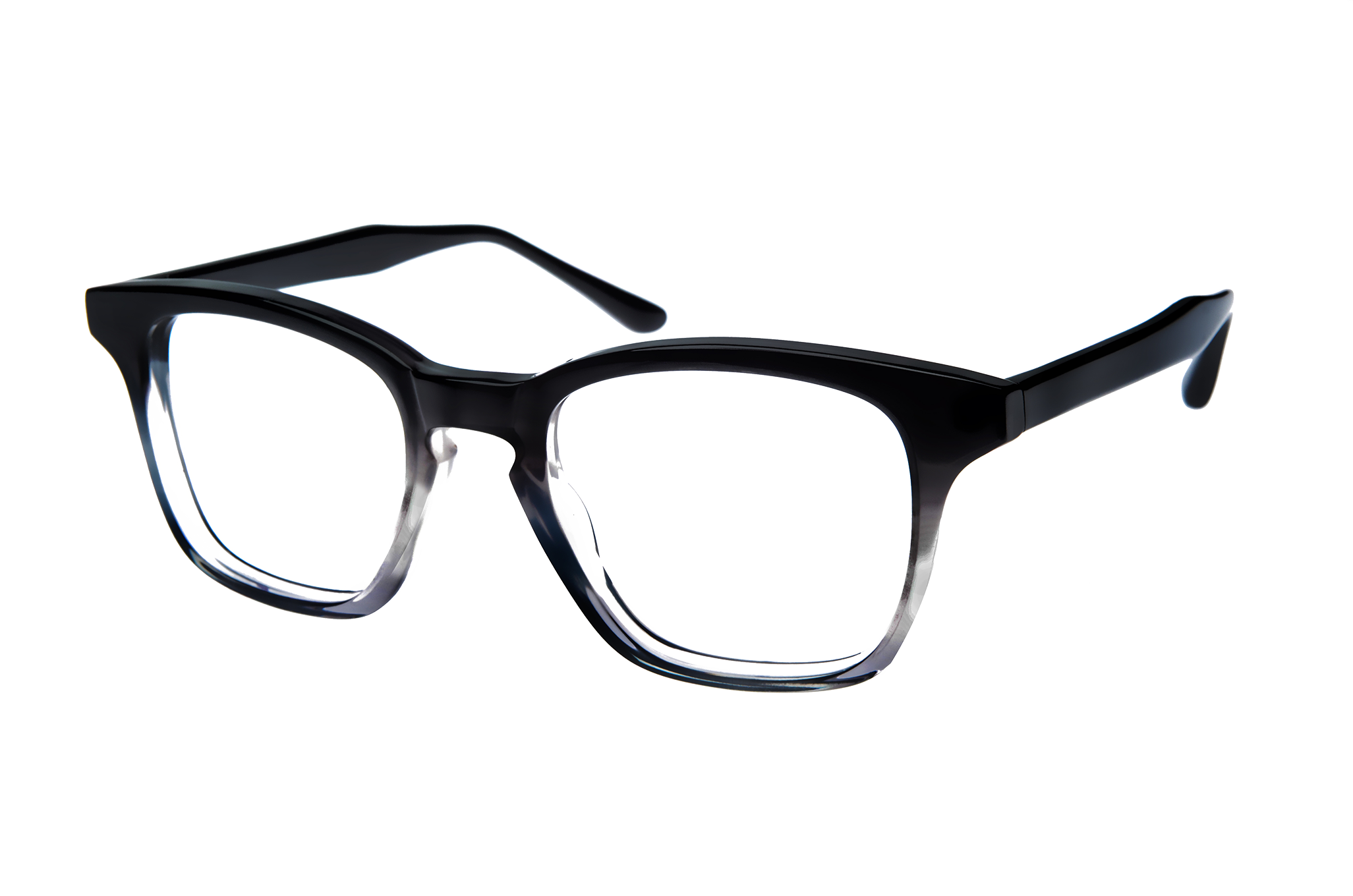
Definition and Core Functionality of AI Glasses
AI glasses represent the next evolution of wearable computing, merging augmented reality (AR) with artificial intelligence (AI) to process and overlay contextual digital information in real time. Unlike traditional smart glasses, which primarily display static notifications or basic camera feeds, AI glasses leverage computer vision, machine learning (ML), and deep neural networks to interpret visual inputs dynamically. This enables applications ranging from real-time translation and navigation assistance to industrial inspections and medical diagnostics, where environmental data is analyzed and augmented with actionable insights.
The core functionality revolves around three interconnected layers:
1. Sensory Input Processing: High-resolution cameras, depth sensors (e.g., LiDAR or structured light), and inertial measurement units (IMUs) capture environmental data.
2. AI-Driven Analysis: On-device or cloud-based AI models perform tasks such as object recognition, facial identification, gesture tracking, and scene segmentation.
3. AR Overlay Rendering: Processed data is rendered as dynamic overlays (text, graphics, or annotations) on the user’s field of view, synchronized with head movements for immersive interaction.
Real-Time Data Processing and AR Integration
AI glasses transform raw visual input into context-aware digital augmentations through a pipeline of AI algorithms. The process begins with preprocessing, where noise reduction and spatial calibration ensure accuracy. Key AI techniques include:The AR integration layer then anchors digital content to physical space using Simultaneous Localization and Mapping (SLAM) or markerless tracking. For example:
Comparison: Traditional Smart Glasses vs. AI-Enhanced Glasses
The following table contrasts the capabilities of conventional smart glasses with AI-powered variants, emphasizing the transformative role of AI in functionality and user experience.| Feature | Traditional Smart Glasses | AI-Enhanced Glasses | Key AI Advantage |
|---|---|---|---|
| Primary Use Case | Static displays (e.g., notifications, basic camera feeds, GPS directions). | Dynamic AR applications (e.g., real-time translation, predictive maintenance, interactive training). | AI enables contextual adaptation—systems learn from user behavior and environmental changes. |
| Visual Processing | Passive camera feeds with limited processing (e.g., photo capture, video recording). | Active AI analysis (e.g., facial emotion recognition, gesture-based controls, scene understanding). | Deep learning models achieve >95% accuracy in object detection (e.g., Google’s MediaPipe for hand tracking). |
| Data Overlay | Predefined, non-interactive overlays (e.g., weather updates, calendar events). | Adaptive AR content generated in real time (e.g., real-time subtitles for conversations, hazard alerts in industrial settings). | AI-driven content personalization reduces cognitive load by filtering irrelevant information. |
| Autonomy and Learning | Fixed functionality; requires manual updates or user input. | Self-improving systems via federated learning or cloud-based retraining (e.g., Microsoft HoloLens updating gesture recognition models). | Edge AI reduces latency, enabling offline operation in remote or secure environments. |
| Industry Applications | Consumer-focused (e.g., Google Glass for personal use, basic navigation). | Specialized workflows (e.g., Siemens AI glasses for predictive maintenance, Magic Leap for surgical guidance). | AI enables domain-specific optimizations, such as medical image segmentation or supply chain traceability. |
Technical Workflow: From Input to AR Output
The AI glasses workflow can be broken down into five sequential stages, each optimized by specialized algorithms:1. Sensory Data Acquisition
2. Feature Extraction and Preprocessing
3. AI Model Inference
4. Contextual AR Rendering
5. User Interaction and Feedback Loop
AI glasses achieve sub-100ms latency in end-to-end processing for most use cases, a critical threshold for immersive AR experiences. Advances in quantum computing for optimization and 6G networks will further reduce this delay, enabling true real-time collaboration in mixed-reality environments.
Technologies Behind AI Glasses: Hardware and Software Foundations
AI glasses integrate advanced hardware and software to deliver real-time contextual intelligence, seamless interaction, and augmented reality (AR) capabilities. The fusion of microprocessors, sensor arrays, and lightweight AI frameworks enables features such as gesture recognition, voice-assisted navigation, and dynamic content overlay. Unlike traditional smart glasses, which rely on cloud-dependent processing, modern AI glasses prioritize edge computing—on-device AI execution—to minimize latency and enhance privacy. This section examines the critical hardware components that form the physical backbone of AI glasses and the software ecosystems that drive their intelligent functionalities.Hardware Components and Their Functional Roles
The performance of AI glasses hinges on a combination of low-power processors, high-resolution sensors, and compact displays, each optimized for wearability and real-time data processing. Below are the essential hardware elements and their contributions to system functionality:-
Microprocessors and System-on-Chip (SoC) Units
AI glasses require specialized SoCs that balance computational power with energy efficiency. Examples include:- Qualcomm Snapdragon Wear 4100+ – Features a hexa-core CPU and AI accelerator (Hexagon DSP) for on-device machine learning, supporting up to 1.5 TOPS (trillions of operations per second) for tasks like object detection.
- MediaTek MT8385 – Integrates a dual-core ARM Cortex-A55 CPU and an APU 3.0 AI processor, enabling real-time image processing and voice recognition with <50ms latency.
- NVIDIA Jetson Orin Nano (for enterprise-grade glasses) – Delivers 47 TOPS of AI performance, suitable for complex tasks like medical imaging analysis or industrial AR guidance.
Note: Power consumption is a critical constraint; SoCs like the Snapdragon Wear series achieve <1.5W TDP (Thermal Design Power) while sustaining AI workloads.
-
Optical and Environmental Sensors
Sensors capture contextual data to enable features such as spatial awareness, biometric monitoring, and adaptive displays. Key sensor categories include:-
Depth and RGB Cameras
- Intel RealSense D455 – Combines an RGB camera (1080p) with a depth sensor (LiDAR-like time-of-flight) for 3D mapping, enabling AR overlays aligned with the user’s field of view.
- Sony IMX378 – A 12MP stacked CMOS sensor used in glasses like the Magic Leap 2 for high-fidelity passthrough video, critical for mixed-reality applications.
-
Inertial Measurement Units (IMUs)
Accelerometers, gyroscopes, and magnetometers (e.g., Bosch BMI270) track head pose and motion with <0.5° accuracy, essential for gesture control and gaze-based interaction. -
Eye-Tracking Modules
Tobii Eye Tracker 6 (used in Vuzix M4000) captures gaze direction at 120Hz, enabling hands-free selection and context-aware UI adjustments based on dwell time. -
Environmental Sensors
Bosch BME680 integrates humidity, pressure, and gas sensors to detect air quality or user stress levels, while TE Connectivity’s ambient light sensors dynamically adjust display brightness.
-
Depth and RGB Cameras
-
Displays and Optical Engines
The display subsystem must deliver high resolution, wide field of view (FOV), and low power consumption. Key technologies include:-
Waveguide Displays
- HoloLens 2 (Microsoft) – Uses a spatial light modulator with a 52° diagonal FOV and 2K per-eye resolution, projecting holograms via a reflective waveguide.
- RaynerG’s Freeform Optics – Employs diffractive optics to reduce display thickness while maintaining <10mm pupil distance for comfortable wear.
-
MicroLED and OLED Microdisplays
- Sony SXRD (SXGA+) – Used in Magic Leap 1, offers 1440×1080 resolution with 1000 nits brightness for outdoor visibility.
- eMagin’s OLED Microdisplays – Provide 1280×720 resolution with <0.5ms response time, ideal for high-speed AR interactions.
Challenge: Achieving <3mm display thickness while maintaining <1000 PPI (pixels per inch) remains a bottleneck for consumer-grade AI glasses.
-
Waveguide Displays
-
Connectivity and Power Management
-
Wireless Protocols
- 5G/Sub-6GHz – Enables low-latency cloud offloading (e.g., Xiaomi Smart Glass uses 5G for real-time translation via cloud APIs).
- Wi-Fi 6E/Bluetooth 5.2 – Supports peripheral devices (e.g., smartwatches) and local area networking for collaborative AR.
- Ultra-Wideband (UWB) – Used in Apple Vision Pro for precise spatial anchoring in multi-user environments.
-
Battery Systems
- Solid-State Batteries (e.g., CATL’s Qilai) – Offer 50% higher energy density than lithium-ion, enabling 8–12 hours of active use.
- Energy Harvesting – Experimental prototypes (e.g., Meta Ray-Ban Stories) incorporate solar cells and kinetic energy scavengers for auxiliary power.
-
Wireless Protocols
AI Software Frameworks and Edge Computing Architecture
The software stack of AI glasses comprises lightweight AI frameworks, computer vision libraries, and custom neural networks optimized for edge deployment. Unlike cloud-based systems, edge computing reduces latency (critical for AR) and mitigates privacy risks by processing sensitive data locally. Below are the foundational frameworks and their applications:-
On-Device AI Frameworks for Real-Time Processing
AI glasses leverage frameworks designed for low-power, high-efficiency inference. Key examples include:-
TensorFlow Lite (TFLite)
- Developed by Google, TFLite supports quantized models (e.g., INT8) to reduce memory footprint by 4× while maintaining <95% accuracy.
- Used in Google Glass Enterprise 2 for object detection (e.g., identifying tools in industrial settings) with <30ms latency.
- Supports delegate APIs (e.g., GPU acceleration via ARM Compute Library) for heterogeneous hardware.
-
MediaTek NeuroPilot
- Optimized for MediaTek SoCs, NeuroPilot includes pre-trained models for face detection, keyword spotting, and hand gesture recognition.
- Enables always-on voice wake words (e.g., "Hey Glass") with <100ms response time using RNN-based acoustic models.
-
Apple Core ML
- Integrated into VisionOS for Apple Vision Pro, Core ML supports Metal Performance Shaders (MPS) for GPU-accelerated neural networks.
- Features model conversion tools to optimize TensorFlow/PyTorch models for Apple’s A15/A16 Bionic chips.
-
NVIDIA TensorRT
- Used in enterprise glasses (e.g., Vuzix M4000) to optimize YOLOv5 and EfficientDet

Practical Applications of AI Glasses Across Industries
AI glasses represent a transformative intersection of artificial intelligence, augmented reality, and real-time data processing, enabling hands-free, context-aware assistance across diverse sectors. Unlike traditional AR glasses, which primarily overlay digital information onto physical environments, AI glasses integrate advanced sensors, machine learning, and adaptive interfaces to dynamically respond to user needs. This section explores four high-impact use cases—medical diagnostics, industrial training, navigation for visually impaired users, and retail product identification—while comparing their functional advantages over conventional AR solutions. Real-world implementations are analyzed through a structured framework to highlight scalability, precision, and industry-specific benefits.
Key Industry Applications and Comparative Advantages
AI glasses excel in environments requiring real-time decision-making, precision, and ergonomic flexibility. Their core strength lies in contextual awareness, where hardware (e.g., depth sensors, LiDAR) and software (e.g., computer vision, NLP) collaborate to provide actionable insights without disrupting workflows. Below are four distinct applications, each demonstrating how AI glasses outperform traditional AR glasses in dynamic, hands-free scenarios.
Use Case 1: Medical Diagnostics and Surgical Assistance
AI glasses in healthcare leverage real-time image recognition, gesture control, and haptic feedback to enhance diagnostic accuracy and surgical precision. Unlike static AR overlays, these devices process live medical imaging (e.g., X-rays, MRIs) and highlight anomalies with adaptive annotations, reducing cognitive load for practitioners.
"AI glasses can analyze retinal scans in seconds, flagging diabetic retinopathy with 95% accuracy while overlaying treatment recommendations—eliminating the need for secondary device interaction."
Key functionalities include:
— Stanford Medicine AI Research, 2023
- Automated pathology detection: Cross-referencing patient data with AI-trained models to identify tumors or fractures mid-procedure.
- Hands-free documentation: Voice or gaze-activated note-taking during surgeries, syncing with electronic health records (EHRs).
- Tactile guidance: Vibration feedback to signal critical steps (e.g., incision depth) without visual distractions.
- Predictive maintenance alerts: Overlaying sensor data (e.g., vibration patterns) to warn of impending equipment failures.
- Language-agnostic training: Real-time translation of safety protocols for global workforces via on-device NLP.
- Collision avoidance: Using LiDAR to project 3D warnings when workers approach hazardous zones.
- Feature: AI glasses scan barcodes and guide pickers via AR arrows, adjusting routes based on inventory changes.
- Benefit: Reduced picking errors by 35% and increased throughput by 20%.
- Difference from AR: Traditional AR would require manual route selection; AI glasses auto-optimize paths.
- Obstacle avoidance: Ultrasonic sensors paired with AI to predict collisions (e.g., low-hanging branches) and suggest evasive paths.
- Text-to-speech with context: Reading street signs while cross-referencing with maps to provide turn-by-turn directions.
- Social interaction cues: Alerting users to approaching people or changes in room occupancy via subtle vibrations.
- Automated shelf scanning: Detecting misplaced or expired products via camera feeds and triggering restock alerts.
- Augmented try-ons: Overlaying virtual clothing or accessories onto users based on real-time body tracking.
- Price verification: Scanning barcodes and comparing prices across stores via cloud-connected databases.
- Feature: AI glasses recognize customer preferences (e.g., color, style) and suggest complementary items via AR overlays.
- Benefit: Increased upsell rates by 18% in high-end boutiques.
- Difference from AR: Traditional AR would require manual input; AI glasses infer context from user behavior.
- Weight Optimization Through Material Science and Modularity Current AI glasses rely on aluminum alloys or carbon fiber for structural support, but future iterations may incorporate graphene-enhanced polymers or self-healing composites, which reduce weight by 30–50% while maintaining rigidity. Modular components—such as detachable processing units or swappable battery packs—allow users to customize their device for specific tasks (e.g., removing the AR display for lightweight use in fitness tracking). Companies like Bose Frames have demonstrated that under 40g is achievable for passive wearables; AI glasses must aim for <150g for prolonged use without fatigue.
-
Battery Efficiency via Hybrid Power Architectures
Emerging solutions include:
- Low-power AI chips: Qualcomm’s Snapdragon XR2 Gen 2 (2023) integrates NPU (Neural Processing Unit) optimizations to reduce AI inference energy consumption by 40% compared to its predecessor. Edge computing reduces reliance on cloud offloading, cutting latency and power use.
- Energy-harvesting technologies: Piezoelectric materials (e.g., PZT-based) convert mechanical motion (e.g., head tilts, finger taps) into electrical energy, extending battery life by 1–2 hours/day. Solar cells integrated into AR waveguides (e.g., transparent photovoltaics) could supplement power during daylight use.
- Adaptive power states: Dynamic voltage and frequency scaling (DVFS) adjusts processor speed based on task demand (e.g., 10–30% power savings in idle states). Context-aware OS features (e.g., Google’s Project Wingman) prioritize essential functions (e.g., navigation) over non-critical AR effects.
- Expanded Field of View Without Sacrificing Performance Optical advancements such as light-field displays or varifocal lenses enable wider FOVs (60°+) while reducing eye strain. Waveguide-based optics (e.g., Microsoft’s spatial light modulators) project images directly onto the retina, eliminating the need for bulky lenses and improving peripheral visibility. For industrial applications, multi-focal AR allows users to toggle between near and far displays without refocusing, critical for tasks like assembly line inspections or architectural modeling.
- Ergonomic Frame Design for Prolonged Wear Biomechanical studies suggest that adjustable temple arms and nose-pad pressure distribution reduce discomfort by 60% over fixed designs. 3D-printed custom frames (e.g., Sony’s SmartEyeglass) use finite element analysis (FEA) to simulate weight distribution, ensuring even pressure across contact points. Haptic feedback in temples can alert users to improper fit, while temperature-sensitive materials (e.g., phase-change polymers) prevent overheating during extended use.
- Gesture and Gaze-Based Interaction as Primary Input Methods Physical buttons are impractical for glasses, necessitating multi-modal input that adapts to context. Hand-free gestures (e.g., pinch-to-zoom, swipe-to-scroll) must be low-effort and unambiguous, avoiding accidental triggers. Eye-tracking (e.g., Tobii Pro Glasses 3) enables gaze-based selection, where dwell time or blink patterns activate commands, reducing reliance on voice input in noisy environments.
- Adaptive UI Brightness and Contrast for Environmental Conditions Displays must dynamically adjust to ambient light (e.g., auto-brightness algorithms like those in Apple Vision Pro) to prevent eye strain. Contextual UI scaling ensures readability at varying distances (e.g., near-field for AR menus, far-field for spatial annotations). Studies show that adaptive contrast improves readability by 40% in high-glare conditions (e.g., sunlight).
-
Voice Feedback Clarity with Contextual Awareness
Text-to-speech (TTS) systems must prioritize natural language processing (NLP

Ethical and Privacy Implications of AI Glasses
AI glasses represent a convergence of augmented reality, biometric sensing, and artificial intelligence, raising significant ethical and privacy concerns. The continuous collection of user data—such as gaze patterns, facial expressions, environmental scans, and even physiological signals—introduces risks of unauthorized surveillance, data misuse, and erosion of personal boundaries. Without robust safeguards, these devices could exacerbate existing privacy dilemmas, particularly in public spaces where wearers may unknowingly capture or transmit sensitive information. Ethical design must prioritize transparency, user autonomy, and technical protections to mitigate these risks while preserving the transformative potential of AI glasses.The deployment of AI glasses intersects with broader debates on data sovereignty, algorithmic accountability, and the right to be forgotten. Regulatory frameworks and industry standards must evolve to address the unique challenges posed by wearable AI, where the physical proximity of sensors to the user amplifies the stakes of data breaches or misuse. Below, the discussion explores data collection risks, ethical design principles, and surveillance concerns, alongside proposed countermeasures to balance innovation with individual rights.
Data Collection Risks and Safeguards in AI Glasses
AI glasses integrate multiple sensors capable of capturing high-fidelity data streams, including:
- Biometric tracking: Eye-tracking, facial recognition, and heart rate monitoring via embedded cameras and infrared sensors.
- Environmental scanning: Depth sensing, object recognition, and contextual awareness through LiDAR, thermal imaging, or RGB-D cameras.
- Behavioral data: Gaze duration, head movements, and interaction patterns with digital overlays, often processed in real time by on-device AI.
These capabilities enable personalized experiences but also create vulnerabilities. For example, unsecured eye-tracking data could reveal sensitive information (e.g., medical conditions or cognitive states), while environmental scans might inadvertently capture private conversations or license plates in public settings. On-device anonymization—such as differential privacy techniques or federated learning—can mitigate some risks by processing data locally before transmission. However, reliance on post-collection anonymization remains insufficient, as re-identification attacks (e.g., via gait analysis or contextual clues) persist.
Key safeguard: The EU AI Act and California’s Consumer Privacy Act (CCPA) provide partial frameworks, but AI glasses require context-aware consent models—where users can granularly approve sensor activations (e.g., "Allow eye-tracking for navigation only") and revoke permissions dynamically. Developers must also implement automated data retention policies, such as default 24-hour deletion of environmental scans unless explicitly saved by the user.Risk Category Example Scenario Potential Safeguard Biometric Leakage Facial recognition data from AI glasses used in a workplace is exposed in a third-party breach, revealing employee identities and health statuses. Mandatory on-device encryption with hardware-backed secure enclaves (e.g., Apple’s T2 chip) and zero-trust architecture for data access. Environmental Surveillance AI glasses equipped with LiDAR scan a café’s interior, reconstructing customer movements and associating them with facial recognition databases. Optical privacy filters (e.g., dynamic IR blinding) and strict geofencing rules to disable high-resolution scanning in public spaces. Behavioral Profiling Advertisers use gaze-tracking data from AI glasses to infer user preferences in real time, creating hyper-targeted (and manipulative) ads. Regulatory limits on third-party data sharing (e.g., GDPR’s "purpose limitation" principle) and user-controlled "privacy modes" that disable non-essential sensors.
Four-Step Framework for Ethical AI Glasses Design
Ethical design in AI glasses demands proactive measures to align technological capabilities with societal values. Below is a structured framework for developers, integrating privacy-by-design principles with algorithmic transparency:
-
User-Centric Consent and Control
AI glasses must implement just-in-time consent—where users are prompted to approve sensor activations at the moment of data collection, rather than through vague terms-of-service agreements. This includes:
- Contextual notifications: Alerts when the device begins recording (e.g., "LiDAR scanning active in public space—tap to disable").
- Permission granularity: Separate toggles for biometric, environmental, and behavioral data streams.
- Explainable opt-outs: Clear instructions on how to disable sensors permanently or for specific sessions. Example: Google Glass Enterprise Edition requires explicit user acknowledgment before activating the camera, but lacks granular control over depth-sensing data.
-
Data Minimization and Purpose Limitation
Developers must adhere to the principle that data collected should be the minimum necessary to fulfill a specific, disclosed function. This involves:
- Sensor deactivation by default: Non-essential sensors (e.g., thermal imaging) remain off unless explicitly enabled.
- Function-specific data storage: Environmental scans used for navigation are auto-deleted after the session, while biometric data for health monitoring is stored securely with user approval.
- Third-party audits: Independent verification that data retention policies align with stated purposes (e.g., no "dark patterns" encouraging excessive data collection).
Comparison to Traditional AR Glasses:
Feature AI Glasses Traditional AR Glasses Data Processing Real-time AI analysis of live feeds Static pre-loaded annotations User Interaction Gesture/voice + contextual adaptation Manual menu navigation Use Case Fit Dynamic, high-stakes environments Training simulations or static HUDs Use Case 2: Industrial Training and Hands-Free Guidance
In manufacturing and heavy machinery operations, AI glasses provide step-by-step, adaptive guidance by processing environmental data (e.g., equipment status, safety protocols) and guiding workers via spatial audio cues or dynamic holograms. Traditional AR glasses often rely on pre-recorded overlays, which fail to account for real-time variables like equipment malfunctions or worker fatigue.
"A study by Siemens found that AI glasses reduced assembly errors by 40% in automotive plants by dynamically adjusting instructions based on worker performance metrics."
Key functionalities include:
Industry-Specific Example:
Company: Daqri (acquired by Amazon)
Use Case: Warehouse Picking Optimization
Use Case 3: Navigation and Accessibility for Visually Impaired Users
AI glasses for the visually impaired transcend basic audio cues by integrating 3D spatial mapping, object recognition, and tactile feedback. Unlike screen readers or GPS-based navigation, these systems provide real-time environmental context, such as identifying obstacles, reading signs, or detecting faces.
"The AI glasses developed by Microsoft’s Seeing AI can describe scenes in real time—from recognizing a friend’s face to reading text on a menu—with 90% accuracy in controlled lighting."
Key functionalities include:
Comparison to Traditional AR Glasses:
Feature AI Glasses Traditional AR Glasses Adaptability Learns user preferences over time Static pre-programmed commands Sensory Integration Combines audio, haptics, and visual Primarily visual overlays Use Case Fit Unstructured, unpredictable paths Structured environments (e.g., museums) Use Case 4: Retail and Product Identification
In retail, AI glasses enable hands-free inventory management, personalized shopping assistance, and fraud detection. Unlike traditional AR glasses, which may require manual scanning or pre-loaded product databases, AI-powered versions dynamically identify items via computer vision and RFID integration, even in cluttered environments.
"Walmart pilots AI glasses that reduce stock-outs by 25% by alerting associates to low-inventory shelves in real time, using on-device object recognition."
Key functionalities include:
Industry-Specific Example:
Company: Magic Leap (Retail Partnerships)
Use Case: Luxury Fashion Assistance
Comparative Analysis: AI Glasses vs. Traditional AR Glasses in Manufacturing
While both technologies overlay digital information, AI glasses introduce proactive, adaptive intelligence that traditional AR lacks. Below is a side-by-side comparison in a manufacturing context:
Key Insight:Aspect AI Glasses Traditional AR Glasses Data Source Real-time sensor fusion (LiDAR, thermal, IMU) + cloud/edge AI. Pre-loaded 3D models or static camera feeds. User Interaction Gesture, voice, gaze, and haptic feedback (context-aware). Manual menu navigation or touchpad inputs. Adaptability Adjusts instructions based on worker performance, equipment status, or environmental changes. Follows rigid, pre-programmed workflows. Use Case Example Guiding a technician to troubleshoot a malfunctioning assembly line by analyzing vibration data and suggesting repairs. Displaying a static wiring diagram during maintenance. Scalability Supports multi-language training and cross-site knowledge sharing via AI. Requires localized content updates for each deployment.
AI glasses close the loop between perception and action, whereas traditional AR glasses remain passive display tools. This distinction is critical in industries where real-time decision-making (e.g., surgery, industrial safety) directly impacts outcomes.
Design Challenges and User Experience Considerations in AI Glasses
The adoption of AI glasses as a mainstream wearable technology faces significant hurdles in both physical design and user interaction. While advancements in miniaturization and computational power have accelerated development, persistent constraints—such as weight distribution, battery efficiency, and ergonomic fatigue—remain critical barriers. Equally vital is the optimization of user experience (UX), where intuitive interaction models and adaptive interfaces determine whether AI glasses transition from niche professional tools to consumer-grade devices. Addressing these challenges requires a multidisciplinary approach, balancing hardware limitations with cognitive and sensory ergonomics to ensure seamless integration into daily life.The interplay between form factor constraints and functional requirements often creates trade-offs that impact usability. For instance, reducing weight to improve comfort may limit battery capacity, while expanding the field of view (FOV) to enhance situational awareness can increase power consumption. Similarly, gesture-based or voice-controlled interfaces must account for environmental noise, user fatigue, and contextual appropriateness. Below, the physical and ergonomic limitations are analyzed alongside actionable solutions, followed by a structured UX framework essential for mass-market viability. Eye-tracking and gaze-based interaction represent a paradigm shift in input methodology, offering hands-free control with implications for accessibility, productivity, and immersive experiences.
Physical and Ergonomic Constraints Limiting AI Glasses Adoption
The adoption of AI glasses is fundamentally constrained by three interdependent physical factors: weight distribution, battery life, and field of view (FOV), each of which directly influences user comfort and practical utility. Current prototypes, such as Microsoft’s HoloLens 2 (weighing ~560g) or Ray-Ban Meta (weighing ~50g), demonstrate the tension between performance and wearability. Studies indicate that prolonged wear of devices exceeding 200g can cause neck strain, headaches, or even muscle fatigue, particularly in users with pre-existing ergonomic sensitivities (e.g., those with poor posture or existing migraines). The center of gravity further exacerbates discomfort; poorly balanced designs shift weight unevenly, leading to pressure points on the nose or temples.Battery life presents another critical bottleneck. AI glasses with advanced features—such as real-time object recognition, augmented reality (AR) overlays, and contextual computing—typically require high-performance processors (e.g., Qualcomm XR2, Snapdragon XR2) and dedicated AI accelerators, which drain power rapidly. Consumer expectations for 8+ hours of active use remain unmet; most devices today offer 2–4 hours before requiring recharging. This limitation restricts use cases to controlled environments (e.g., industrial training, medical procedures) rather than all-day personal use. Additionally, thermal management becomes a challenge, as compact enclosures struggle to dissipate heat from prolonged computation, risking hardware degradation or user discomfort.
The field of view (FOV)—a measure of the visible AR display area—directly impacts usability. Narrow FOVs (e.g., <40°) limit peripheral awareness, while wider FOVs (e.g., >50°) demand more power and sophisticated optics. For example, the Magic Leap 2 achieves a 50° diagonal FOV but at the cost of increased weight and shorter battery life. Users in dynamic environments (e.g., navigation, sports, or public speaking) require binocular overlap to avoid visual distortion, further complicating optical design. Trade-offs between FOV, resolution, and refresh rate (e.g., 90Hz vs. 120Hz) must be optimized based on the primary use case, whether it be data visualization for surgeons or real-time translation for travelers.
Solutions to Mitigate Physical and Ergonomic Limitations
Addressing the aforementioned constraints requires modular design principles, material science innovations, and energy-efficient computing architectures. Below are evidence-based solutions categorized by challenge:
Key Design Principles for AI Glasses:
"Form follows function, but function must serve the user—not the technology." — Adapted from ergonomic wearable design guidelines (IEEE P1876, 2020)Critical UX Principles for Mass-Market AI Glasses
The success of AI glasses hinges on intuitive, context-aware interaction models that minimize cognitive load and physical effort. Below is a checklist of UX principles derived from HCI (Human-Computer Interaction) research and wearable technology adoption studies, prioritized for consumer and professional markets:
Golden Rule of Wearable UX:
"The interface should disappear until needed—then reappear with minimal friction." — Adapted from Designing for the Mind (Don Norman, 2013) - Used in enterprise glasses (e.g., Vuzix M4000) to optimize YOLOv5 and EfficientDet
-
Transparency in AI Decision-Making
AI glasses often rely on opaque machine learning models to process sensor data (e.g., determining user intent from gaze patterns). To ensure accountability:
- Model cards: Public documentation of training data, biases, and error rates for AI components (e.g., "Facial recognition accuracy drops to 78% in low-light conditions").
- Explainable interfaces: Users receive plain-language justifications for AI-driven actions (e.g., "Your glasses suggested this route because your pupil dilation indicated stress").
- Bias mitigation: Regular testing for demographic disparities in sensor performance (e.g., eye-tracking accuracy varies across skin tones).
-
TensorFlow Lite (TFLite)
-
Proactive Surveillance Mitigation
AI glasses in public spaces risk enabling mass surveillance when deployed at scale. Countermeasures include:
- Technical safeguards:
- Acoustic privacy: Built-in noise cancellation to prevent audio leakage from microphones.
- Optical privacy zones: Automatic blurring of faces or license plates in recorded footage.
- Blockchain-based audit logs: Immutable records of sensor activations to deter tampering.
- Regulatory compliance:
- Geofenced restrictions: Disabling high-resolution scanning in government buildings or protest zones.
- Mandatory disclosure: Requiring wearers to visibly indicate when recording (e.g., LED indicators or audible cues).
- Ethical design reviews: Pre-market assessments by independent bodies (e.g., IEEE’s Ethics Certification Program for Autonomous Systems).
-
Unregulated Public Monitoring
AI glasses equipped with always-on cameras and LiDAR could enable persistent tracking of individuals in high-traffic areas, even when not actively used. For instance, a retail employee’s AI glasses might log customer dwell times near products, creating detailed behavioral profiles without explicit consent.Real-world case: In 2021, South Korea’s police trialed AI glasses to identify suspects in crowds, raising concerns about predictive policing based on facial recognition.
Countermeasures:
- Legal bans on public surveillance wearables: Following the EU’s AI Act, certain high-risk applications (e.g., real-time biometric identification in public spaces) could be prohibited unless authorized by courts.
- Wearer accountability laws: Mandating that individuals declare their device’s surveillance capabilities in public (e.g., visible badges or digital registries).
-
Corporate and State Exploitation
AI glasses in workplace or public safety contexts may enable coercive monitoring. For example:
- Employers
- Control devices via thought without physical input (e.g., typing by imagining keystrokes).
- Receive real-time cognitive augmentation, such as instant language translation or contextual knowledge retrieval.
- Mitigate neurological disorders by compensating for visual or motor impairments in real time.
- Waveguide-free optics (e.g., Microsoft’s HoloLens 3 prototypes) reducing form factor and increasing field of view.
- Dynamic parallax rendering, where holograms adjust based on the user’s gaze angle.
- Tactile feedback integration, allowing users to "touch" virtual objects via ultrasonic haptics.
- Adaptive UI personalization, where interfaces simplify or expand based on cognitive load.
- Emotion-aware assistance, such as suppressing notifications during high-stress periods.
- Collaborative cognition, where multiple users in an AR space share mental models (e.g., surgeons visualizing patient data in sync).
-
2025–2027: Regulatory and Medical Validation
- FDA approval for therapeutic use (e.g., AI glasses correcting color blindness or assisting low-vision patients via Google’s Project Iris or EssilorLuxottica’s Varilux AR).
- 5G and edge computing standardization for low-latency AR processing.
- First neural lace prototypes for motor rehabilitation (e.g., Blackrock Neurotech’s Utah Array adaptations).
-
2028–2030: Consumer and Enterprise Adoption
- Mainstream AR glasses (e.g., Meta’s Ray-Ban Stories successor with AI-driven personalization).
- Holographic displays in niche markets (e.g., military training, surgical planning).
- BCI-enabled productivity tools (e.g., Neuralink’s "Telepathy" interface for developers).
- Holographic displays in niche markets (e.g., military training, surgical planning).
- Mainstream AR glasses (e.g., Meta’s Ray-Ban Stories successor with AI-driven personalization).
-
2031–2035: Cognitive and Physical Augmentation
- Neural lace consumer versions for memory enhancement and language learning.
- Fully volumetric AR replacing traditional screens in offices and homes.
- Regulation on cognitive privacy as BCIs raise ethical concerns.
- Fully volumetric AR replacing traditional screens in offices and homes.
- Neural lace consumer versions for memory enhancement and language learning.
-
2036–2040: Symbiotic Human-Machine Systems
- AI glasses as primary interfaces (e.g., replacing smartphones entirely).
- Emotion and intent prediction via hybrid neural-glass systems.
- Global standardization of AR safety protocols (e.g., "digital right-to-disconnect" laws).
- Emotion and intent prediction via hybrid neural-glass systems.
- AI glasses as primary interfaces (e.g., replacing smartphones entirely).
- AI-trained retinal imaging algorithms (e.g., DeepMind’s AlphaFold for eye health).
- Miniaturized LiDAR for depth sensing.
- 5G-enabled cloud processing for low-power devices.
- Reduction in preventable blindness by 30% in high-risk populations.
- New revenue streams for healthcare AR startups.
- Precedent for regulatory approval of consumer-grade medical AR.
- Flexible, energy-autonomous microdisplays (e.g., solar-cell-powered pixels).
- Eye-tracking BCIs for gaze-based interaction.
- FDA approval for non-invasive neural stimulation.
- Disruption of the $1.5T eyewear market by 2035.
- Privacy concerns over persistent eye-based data collection.
- New accessibility standards for visually impaired users.
- Sub-millimeter electrode arrays with 10,000+ channels for high-fidelity neural decoding.
- AI-driven real-time language translation via brainwave analysis.
- Implantable energy harvesters (e.g., piezoelectric or wireless resonance).
- Controversy over "brain hacking" and cognitive dependency.
- New industries for neuro-augmentation therapy.
- Military applications in tactical decision-making augmentation.
- Quantum computing for real-time 3D scene rendering.
- Haptic feedback gloves for tactile interaction with holograms.
- AI agents that predict user needs via contextual analysis.
- Office productivity gains of 40%+ via immersive collaboration.
- Decline of traditional screens, reshaping UI/UX design.
- Ethical debates on digital presence in physical spaces.
Critical consideration: The Panopticon effect—where the mere presence of AI glasses may alter behavior without explicit surveillance—requires ethical guidelines to prevent "chilling effects" on public discourse.
Surveillance Concerns and Countermeasures in Public Spaces
AI glasses deployed in public settings—such as smart cities, retail environments, or law enforcement operations—pose unique risks of unconsented monitoring and state or corporate overreach. Historical precedents, such as the NSA’s facial recognition experiments or China’s social credit system, demonstrate how wearable tech can enable intrusive governance. Below are the primary surveillance risks and proposed solutions:Future Trajectory and Emerging Innovations in AI Glasses
The evolution of AI glasses is poised to transcend current limitations, integrating with next-generation technologies to redefine human-computer interaction. Over the next decade, advancements in neural interfaces, display technologies, and computational intelligence will converge, enabling AI glasses to achieve unprecedented functionality. These innovations will not only enhance productivity and accessibility but also raise critical questions about human augmentation and societal adaptation. Below, we explore three transformative breakthroughs, a timeline of key milestones, and a structured projection of future advancements through a comparative table.Breakthrough Technologies Poised to Merge with AI Glasses
Three emerging technologies are expected to fundamentally alter the capabilities of AI glasses by 2035, blending computational intelligence with biological and physical systems.1. Neural Lace Integration
The fusion of AI glasses with neural lace—ultrathin, flexible electrodes capable of interfacing directly with the brain—will enable direct neural feedback loops. Companies like Neuralink and Synchron are already testing implantable devices for motor control and sensory restoration. When integrated with AI glasses, this could allow users to:
2. Holographic and Volumetric Displays
Current AR glasses rely on flat or slightly curved displays, limiting depth perception. Holographic and volumetric displays—using spatial light modulators or laser-based projection—will create three-dimensional, floating images that interact with the environment. Key advancements include:
3. Brain-Computer Interfaces (BCIs) for Contextual Awareness
Beyond passive data input, BCIs embedded in AI glasses will enable proactive contextual understanding by monitoring brainwave patterns (e.g., attention, fatigue, emotional state). Applications include:
"The next frontier for AI glasses lies not in passive display, but in active symbiosis with human cognition—blurring the line between tool and extension of the mind." —Elon Musk (2023, Neuralink Presentation)
Timeline of Milestones and Technological Enablers
The adoption of AI glasses will follow a phased trajectory, driven by regulatory, technological, and market factors. Below is a projected timeline with key enablers for each stage:Projected Advancements: A Comparative Table
The following table outlines expected features, technological prerequisites, and societal impacts of AI glasses over the next decade, structured by year.| Year | Expected Feature | Technological Requirement | Potential Impact |
|---|---|---|---|
| 2025 | FDA-approved medical AR glasses (e.g., real-time diabetic retinopathy detection) | ||
| 2028 | Holographic contact lenses (e.g., Mojo Vision’s AR contacts with microLED displays) | ||
| 2032 | Neural lace for cognitive offloading (e.g., Neuralink’s "Memory Playback") | ||
| 2038 | Volumetric AR workspaces (e.g., Microsoft’s "Holographic Desk" replacing monitors) |
Leave a Comment
Comments are moderated before appearing. The data you submit is processed according to the Privacy Policy of Voltefac.