What Is In Jagermeister Unveiling Its Core Ingredients And Legacy
Table of Contents
- Core Composition and Ingredients of Jägermeister
- Botanical Ingredients and Their Contributions
- Al Cultural and Historical Significance of Jägermeister Jägermeister’s origins and cultural evolution reflect a blend of German folklore, herbal medicine, and post-war economic ingenuity. Created in the 1930s, the digestif emerged from the traditions of European herbal remedies while aligning with the symbolic rituals of hunting—a practice deeply embedded in German rural life. Its global adoption transformed it from a regional specialty into a phenomenon, though regional consumption patterns reveal distinct cultural adaptations. The brand’s name and marketing have consistently reinforced its ties to nature, tradition, and communal experiences, distinguishing it from other herbal liqueurs. The development of Jägermeister was influenced by the broader context of 20th-century Germany, where natural remedies and craftsmanship held particular value. Its founder, Curt Mast, established the company in 1935 in Wolfenbüttel, Lower Saxony, leveraging the region’s long-standing apothecary traditions. The liqueur’s creation coincided with a period of economic recovery after the Great Depression, positioning it as both a medicinal tonic and a social beverage. Its design—inspired by the Wolfenbüttel Hunting Lodge—further cemented its association with German hunting culture, where it became a staple for celebrating successful hunts and fostering camaraderie among participants. Origins and Foundational Context of Jägermeister
- Symbolism and Ritualistic Use in Hunting Culture
- Regional Consumption Patterns: Germany vs. Global Adoption
- Key Historical Moments in Jägermeister’s Evolution
- Popular Consumption Methods and Recipes
- Common Ways to Consume Jägermeister
- Classic Jägermeister Cocktails: Comparative Analysis
- Regional and Cultural Variations of Jägermeister Drinks
- Non-Alcoholic Uses of Jägermeister
- Marketing, Branding, and Controversies
- Branding Strategies and Visual Identity
- Marketing Tactics and Campaigns
- Notable Controversies and Challenges
- Health and Safety Considerations in Jägermeister Consumption
- Alcohol Content and Acute Health Risks
- Herbal Ingredient Interactions with Medications and Health Conditions
- Comparison of Jägermeister’s Alcohol Content to Other Popular Spirits
- Guidelines for Responsible Consumption
- Visual and Sensory Experience of Jägermeister
- Aroma and Taste Profile
- Mouthfeel and Aftertaste
- Step-by-Step Tasting Guide
- Visual Presentation and Bottle Design
- FAQ
- What ingredients are in Jägermeister?
- What is in a Jäger bomb?
- What is in Jägermeister Orange?
- What is the alcohol content in Jägermeister?
- What is in Jägermeister liqueur?
- What ingredients are in a Jäger bomb drink?
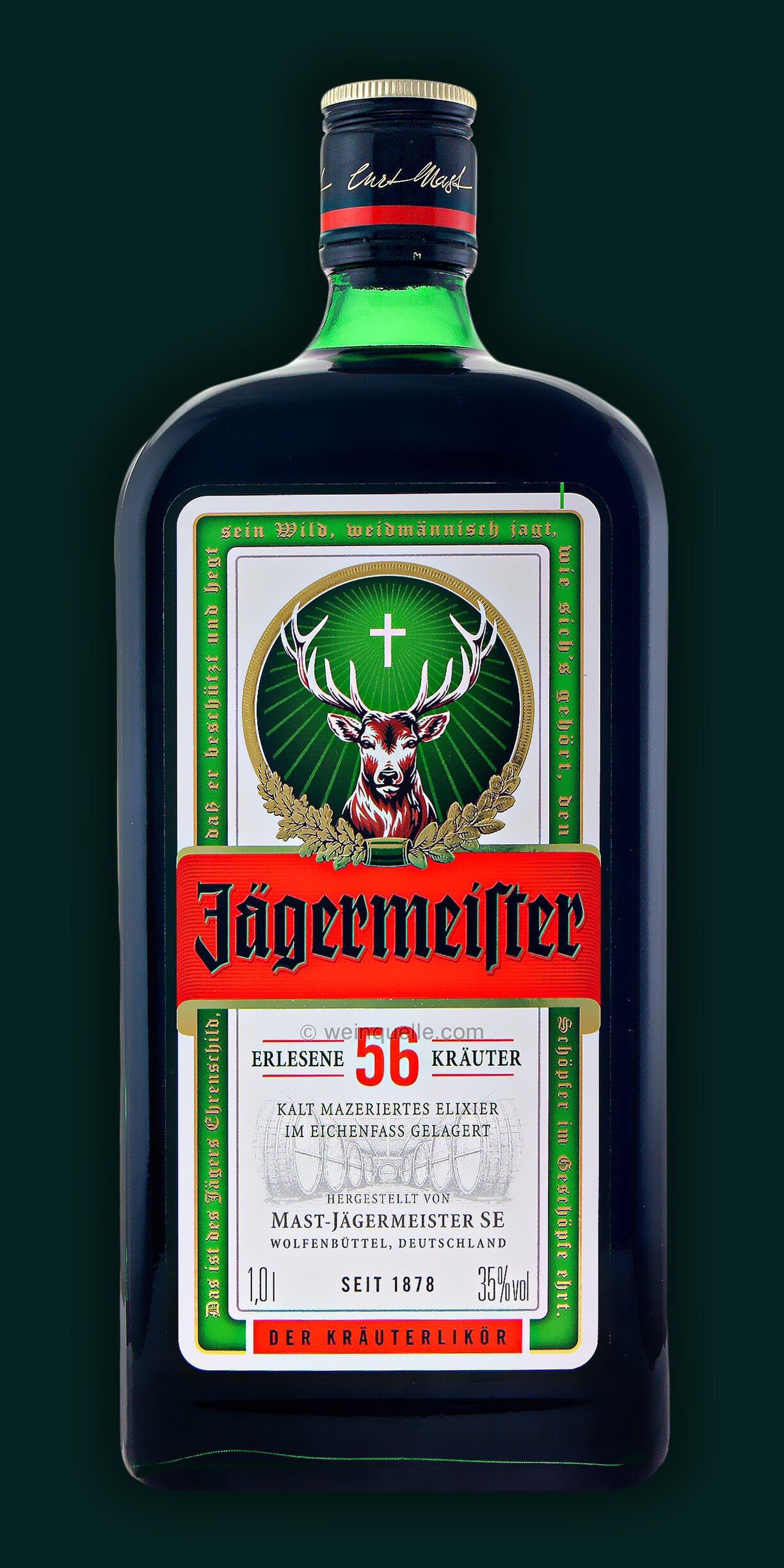
Jägermeister, a globally recognized herbal liqueur, blends centuries-old botanical traditions with modern cultural significance, offering a complex interplay of flavors and history. Beyond its distinctive green hue and herbal aroma, the drink’s composition reflects a meticulous distillation process rooted in German craftsmanship, while its cultural narrative spans from hunting rituals to global cocktail trends. Understanding what is in Jägermeister reveals not only its intricate botanical profile but also its evolution from a niche European elixir to a staple in bars worldwide.
The liqueur’s identity is shaped by its 56 carefully selected herbs, spices, and roots, each contributing to its signature taste—a harmonious balance of sweet, herbal, and slightly medicinal notes. From its origins in the 1930s as a remedy for hunters to its current status as a versatile mixer, Jägermeister’s journey mirrors broader shifts in beverage culture, marketing innovation, and consumer preferences. Exploring its ingredients, production methods, and broader impact provides insight into how a single product transcends its functional purpose to become a cultural phenomenon.
Core Composition and Ingredients of Jägermeister
Jägermeister is a globally recognized herbal liqueur distinguished by its complex, earthy-sweet flavor profile and a proprietary blend of 56 botanical ingredients. Developed in 1935 by Curt Mast, the liqueur combines traditional European herbal remedies with modern distilling techniques, resulting in a balanced harmony of spices, herbs, and citrus notes. Its unique composition—rooted in both medicinal and culinary traditions—contributes to its distinct identity as a digestif and mixer. The distillation process, which includes fermentation and aging, ensures depth and smoothness, while the alcohol content (35% ABV) serves as a solvent to extract and preserve the botanicals' flavors.The liqueur’s formulation adheres to strict secrecy, with only a select few knowing the exact proportions of its ingredients. However, historical and patent records, along with industry insights, reveal the primary categories of botanicals used: roots, herbs, spices, citrus peels, and flowers. Each component plays a role in the drink’s medicinal legacy and aromatic complexity, ranging from warming ginger and cinnamon to herbal notes of gentian and angelica. The following sections dissect these elements, their traditional uses, and their contributions to Jägermeister’s sensory profile.
Botanical Ingredients and Their Contributions
Jägermeister’s flavor is derived from a curated selection of plants, many of which have historical applications in European folk medicine and cuisine. The liqueur’s botanical profile can be categorized into five primary groups, each influencing texture, aroma, and taste. Below is a detailed breakdown of key ingredients, their traditional uses, and their role in the final product."The art of Jägermeister lies not in the individual strength of its herbs, but in their synergy—a balance where bitterness, sweetness, and warmth coalesce into a single, cohesive experience." — Adapted from historical distillery documentation (1940s).Roots and Rhizomes
The foundation of Jägermeister’s earthy depth is built on roots and rhizomes, which contribute bitterness, medicinal undertones, and structural complexity. These ingredients were historically valued for their digestive and anti-inflammatory properties.
-
Gentian (Gentiana lutea)
A bitter root used in traditional medicine to stimulate digestion and appetite. In Jägermeister, it provides an initial sharp bitterness that mellows into a lingering herbal note, balancing the drink’s sweetness. Gentian’s high concentration of gentiopicrin compounds enhances the liqueur’s complexity, making it a cornerstone ingredient. -
Angelica (Angelica archangelica)
A tall perennial herb with a licorice-like aroma, angelica was historically used to treat respiratory ailments and as a digestive aid. In Jägermeister, it adds a sweet, slightly resinous flavor and a subtle citrusy brightness, bridging the gap between bitter and sweet profiles. -
Licorice Root (Glycyrrhiza glabra)
Known for its sweet, anise-like flavor, licorice root was traditionally employed as a cough suppressant and digestive tonic. In the liqueur, it contributes a caramelized sweetness that counteracts the bitterness of gentian, creating a smooth, approachable finish. -
Turmeric (Curcuma longa)
Beyond its culinary use, turmeric has anti-inflammatory properties and was historically used in Ayurvedic and European medicine. In Jägermeister, it imparts a warm, slightly peppery note and a golden hue, adding visual and aromatic depth.
Herbs in Jägermeister introduce aromatic and medicinal qualities, often characterized by fresh, green, or slightly medicinal notes. These were commonly used in teas and tinctures for their antimicrobial and tonifying effects.
-
Mugwort (Artemisia vulgaris)
A herb traditionally used for digestive health and as a sedative. In Jägermeister, it contributes a earthy, slightly camphoraceous aroma and a dry, herbal bitterness that enhances the liqueur’s complexity without overpowering other flavors. -
Thyme (Thymus vulgaris)
Known for its antiseptic properties, thyme adds a warm, slightly minty note to the blend. Its presence is subtle but critical in rounding out the drink’s herbal profile, particularly in its pairing with citrus and spice elements. -
Lavender (Lavandula angustifolia)
Beyond its fragrance, lavender was historically used to treat anxiety and insomnia. In Jägermeister, it introduces a delicate floral note that softens the drink’s intensity, adding a layer of sophistication and elegance. -
Juniper Berries (Juniperus communis)
A staple in gin, juniper berries were traditionally used for their diuretic and antiseptic properties. In Jägermeister, they provide a piney, slightly peppery aroma and a crisp, resinous finish that cuts through the sweetness.
Spices in Jägermeister introduce warmth, sweetness, and depth, often serving as a counterbalance to the herbal and bitter elements. Many were historically used in both culinary and medicinal contexts to aid digestion and circulation.
-
Cinnamon (Cinnamomum verum)
A spice with a long history in digestive remedies, cinnamon adds a sweet, woody warmth to Jägermeister. Its presence enhances the drink’s cozy, inviting character, particularly when paired with citrus and vanilla. -
Cardamom (Elettaria cardamomum)
Used in traditional medicine for its carminative properties, cardamom contributes a floral, slightly citrusy sweetness and a peppery kick. In Jägermeister, it elevates the drink’s aromatic profile, adding a layer of intricacy. -
Cloves (Syzygium aromaticum)
Beyond their culinary use, cloves were historically employed as an antiseptic and pain reliever. In Jägermeister, they provide a bold, aromatic warmth and a hint of sweetness, reinforcing the liqueur’s digestif qualities. -
Nutmeg (Myristica fragrans)
Traditionally used to stimulate digestion and circulation, nutmeg adds a rich, slightly sweet, and earthy note to the blend. Its presence is subtle but critical in creating Jägermeister’s signature warmth and depth.
Citrus elements in Jägermeister introduce brightness, acidity, and a refreshing contrast to the herbal and spiced components. These were historically valued for their vitamin C content and digestive benefits.
-
Lemon Peel (Citrus limon)
The zest and peel of lemons provide a sharp, citrusy acidity that cuts through the drink’s sweetness and heaviness. Historically, lemon was used to prevent scurvy and aid digestion, and its presence in Jägermeister ensures a vibrant, palate-cleansing finish. -
Orange Peel (Citrus sinensis)
Orange peel contributes a sweeter, more rounded citrus note, historically used to treat colds and improve mood. In Jägermeister, it adds a honeyed brightness that complements the spice and herbal elements without overpowering them. -
Vanilla Bean (Vanilla planifolia)
While not a citrus, vanilla’s inclusion bridges the gap between sweet and herbal notes. Traditionally used as a calming agent, it adds a smooth, creamy sweetness that enhances the drink’s overall harmony and approachability.
Flowers and resins in Jägermeister contribute subtle aromatic and textural nuances, often serving as finishing touches to the blend. These ingredients were historically used in perfumery and medicine for their calming and purifying properties.
-
Rose Petals (Rosa spp.)
Beyond their ornamental use, rose petals were traditionally employed for their anti-inflammatory and aphrodisiac properties. In Jägermeister, they introduce a delicate floral note that adds a touch of elegance and softness to the drink’s profile. -
Saffron (Crocus sativus)
One of the most expensive spices in history, saffron was used in medicine for its antioxidant properties. In Jägermeister, it contributes a subtle golden hue and a unique, slightly metallic sweetness that enhances the liqueur’s luxury perception. -
Myrrh (Commiphora myrrha)
A resin with a long history in embalming and medicine, myrrh adds a deep, balsamic note to Jägermeister. Its inclusion reflects the drink’s connection to traditional apothecary practices, providing a complex, earthy undertone.
Al
Cultural and Historical Significance of Jägermeister
Jägermeister’s origins and cultural evolution reflect a blend of German folklore, herbal medicine, and post-war economic ingenuity. Created in the 1930s, the digestif emerged from the traditions of European herbal remedies while aligning with the symbolic rituals of hunting—a practice deeply embedded in German rural life. Its global adoption transformed it from a regional specialty into a phenomenon, though regional consumption patterns reveal distinct cultural adaptations. The brand’s name and marketing have consistently reinforced its ties to nature, tradition, and communal experiences, distinguishing it from other herbal liqueurs.The development of Jägermeister was influenced by the broader context of 20th-century Germany, where natural remedies and craftsmanship held particular value. Its founder, Curt Mast, established the company in 1935 in Wolfenbüttel, Lower Saxony, leveraging the region’s long-standing apothecary traditions. The liqueur’s creation coincided with a period of economic recovery after the Great Depression, positioning it as both a medicinal tonic and a social beverage. Its design—inspired by the Wolfenbüttel Hunting Lodge—further cemented its association with German hunting culture, where it became a staple for celebrating successful hunts and fostering camaraderie among participants.
Origins and Foundational Context of Jägermeister
Jägermeister was formulated during a time when herbal medicines were widely used in Europe, particularly in Germany, where monasteries and apothecaries preserved centuries-old recipes. Mast, a pharmacist and entrepreneur, combined 56 herbs, spices, and fruits—including gentian, licorice root, and anise—into a digestif intended to aid digestion and provide energy. The name Jägermeister translates to "Master of the Hunt" (Jäger = hunter, Meister = master), reflecting its intended use among hunters who relied on the drink to sustain them during long expeditions.The liqueur’s 1935 debut predated World War II, but its production was disrupted by the conflict. Post-war, Mast’s son, Ernst Mast, revived the brand in 1949, rebranding it with a focus on its digestive properties and traditional German craftsmanship. The green bottle design, inspired by the hunting lodge’s roof tiles, became iconic, while the black label featured an illustration of a hunter—a visual motif that persists today. This era also saw the introduction of the "Jägermeister 35" logo, commemorating the original recipe’s age.
The cultural significance of Jägermeister extends beyond its ingredients. In pre-war Germany, herbal liqueurs were common, but Jägermeister distinguished itself by standardizing its recipe and marketing it as a ritualistic beverage. Its association with hunting was not merely symbolic but functional: hunters consumed it to alleviate fatigue, stimulate appetite, and warm themselves in cold climates. The drink’s bitter, herbal profile also aligned with the rugged, outdoorsy lifestyle of German hunters, reinforcing its identity as a masculine, communal elixir.
Symbolism and Ritualistic Use in Hunting Culture
Jägermeister’s connection to hunting culture transcends its functional benefits, embedding the brand in a symbolic tradition tied to masculinity, nature, and communal bonding. The act of drinking Jägermeister was—and remains—ritualized, often consumed in shot form ("Jägerbomb") or as a digestif after meals, particularly in rural German communities. Hunters traditionally shared the drink to celebrate a successful hunt, honor the animal, and reinforce social ties among participants.The name "Jägermeister" carries multiple layers of meaning:
Mastery of the Hunt: Implies skill and authority, positioning the drink as a reward for hunters who demonstrated prowess.
Herbal Authority: The "meister" suffix suggests expertise in natural remedies, aligning with the apothecary roots of the recipe.
German Identity: The term evokes rural, traditional values, contrasting with industrialized urban lifestyles. Historically, Jägermeister was not consumed casually but as part of structured rituals, such as:
Pre-hunt preparation: Hunters drank it to boost stamina and focus.
Post-hunt celebration: Shared among the group to commemorate the kill and share the spoils.
Winter solstice and festivals: In some regions, it was served during harvest festivals or hunting lodges’ gatherings, reinforcing its role as a seasonal beverage. The Jägerbomb, a cocktail mixing Jägermeister with Red Bull, emerged later (1990s) but retained the ritualistic element of communal drinking, though its modern popularity has detached it somewhat from traditional hunting contexts. Nonetheless, the original shot-based consumption (e.g., "Ein Jägermeister, bitte!") remains a cultural shorthand for celebration in Germany.
Regional Consumption Patterns: Germany vs. Global Adoption
Jägermeister’s cultural impact varies significantly between Germany and international markets, reflecting differences in consumption habits, marketing strategies, and social norms.In Germany:
Traditional Digestif Role: Jägermeister is primarily consumed as an after-dinner digestif, often paired with cheese, chocolate, or fruit.
Regional Preferences: In northern Germany, it is more commonly associated with hunting culture, while in southern regions, it is often linked to beer gardens and festivals.
Cultural Rituals: The drink is not typically mixed in its country of origin; instead, it is enjoyed neat or with a splash of water ("mit Wasser"), a practice that underscores its herbal, medicinal heritage.
Marketing Focus: Advertising emphasizes tradition, nature, and German craftsmanship, often featuring hunting scenes, forests, and apothecary imagery. Globally:
Cocktail Culture Dominance: Outside Germany, Jägermeister is far more likely to be mixed, particularly in the Jägerbomb, which became a staple in nightlife (e.g., clubs, festivals).
Youth and Party Association: In the U.S., UK, and Australia, it is often marketed as a party drink, sometimes overshadowing its original digestive purpose.
Cultural Adaptations:
Scandinavia: Consumed as a digestif but also in hot drinks during winter festivals.
Latin America: Often mixed with cola or fruit juices, reflecting local tastes.
Asia: Gaining popularity as a pre-game or social drink, though traditional consumption remains niche.
Controversies and Misconceptions: Some international consumers associate Jägermeister exclusively with the Jägerbomb, unaware of its herbal, medicinal origins. This has led to brand efforts to re-educate markets about its German heritage. The global shift toward mixed consumption has both expanded its reach and diluted its traditional image. While Jägermeister remains a symbol of German identity at home, abroad it is increasingly rebranded as a versatile spirit, balancing heritage marketing with modern trends.
Key Historical Moments in Jägermeister’s Evolution
The brand’s trajectory includes milestones in marketing, controversies, and cultural shifts that shaped its global identity. Below is a chronological overview of pivotal events:
1935 – Founding and Original Recipe
Curt Mast registers Jägermeister in Wolfenbüttel, combining 56 herbs into a digestif. The name and green bottle design are inspired by the local hunting lodge.
1949 – Post-War Revival
Ernst Mast reintroduces Jägermeister after WWII, refocusing on its digestive benefits and traditional German craftsmanship. The brand adopts the "Jägermeister 35" logo, celebrating its 35-herb formula.
1960s–1970s – Expansion into Europe
Jägermeister gains traction in Benelux countries and Scandinavia, marketed as a premium digestif. The company begins exporting small batches, laying the groundwork for global distribution.
1980s – U.S. Market Entry and Early Controversies
Jägermeister is introduced to the American market, initially as a high-end digestif. Early advertising faces criticism for overly sexualized imagery (e.g., a 1986 campaign featuring a woman in a hunting outfit), prompting a shift toward more neutral, nature-focused branding.
1990s – The Jägerbomb and Global Nightlife Boom
The Jägerbomb (

Popular Consumption Methods and Recipes
Jägermeister is renowned for its versatility, transcending its origins as a herbal liqueur to become a staple in both traditional and innovative drink preparations worldwide. Its unique blend of 56 botanical ingredients—ranging from licorice to cloves—allows it to complement a wide array of beverages, from classic shots to elaborate cocktails. Beyond alcoholic consumption, Jägermeister’s aromatic profile has also found applications in culinary arts and health-oriented tonics, reflecting its adaptability across cultures and contexts.The following sections explore its most prevalent consumption methods, regional variations, and non-alcoholic uses, supported by structured comparisons and practical recipes.
Common Ways to Consume Jägermeister
Jägermeister’s consumption spans informal gatherings to high-end mixology, with distinct methods catering to different preferences for intensity, flavor, and presentation. The most widely adopted approaches include:- Straight Shots: Served neat in small glasses (typically 1.5 oz or 44 ml), often accompanied by a slice of lemon or orange to enhance aroma. This method emphasizes the liqueur’s herbal depth and is common in social settings where simplicity is valued.
- Mixed Drinks: Used as a base or modifier in cocktails, where its herbal notes balance sweetness, bitterness, or acidity. Popular examples include the Jägerbomb and Jägertee, which leverage its bold flavor profile.
- Builders in Cocktails: Added incrementally during preparation (e.g., stirred into whiskey or gin) to infuse drinks with its botanical essence without overpowering other ingredients.
- Non-Alcoholic Applications: Incorporated into desserts, marinades, or health tonics, where its licorice and spice notes add complexity without the alcohol content.
Classic Jägermeister Cocktails: Comparative Analysis
The following table compares four iconic Jägermeister-based cocktails, highlighting their ingredients, preparation, alcohol content, and serving suggestions. ABV values are approximate and may vary based on mixer proportions or additional spirits.
Cocktail Name
Ingredients
Preparation Steps
ABV (%)
Serving Suggestions
Jägerbomb
- 1 shot (1.5 oz / 44 ml) Jägermeister
- 1 can (16 oz / 473 ml) Red Bull or similar energy drink
- Pour Jägermeister into a shot glass.
- Drop the shot glass into the energy drink.
- Consume by drinking the energy drink first, then the Jägermeister.
~12%
- Popular in nightlife settings; often served in tall glasses with ice.
- Best enjoyed chilled for a balanced caffeine-herbal contrast.
Jägertee
- 1 shot (1.5 oz / 44 ml) Jägermeister
- 1 can (16 oz / 473 ml) Lipton or similar black tea
- Pour Jägermeister into a glass.
- Add ice and top with chilled black tea.
- Stir gently to combine flavors.
~12%
- Traditionally served in a highball glass with a lemon wedge.
- Popular in Germany and Austria as a post-dinner digestif.
Jäger Sour
- 1 oz (30 ml) Jägermeister
- 1 oz (30 ml) lemon juice
- 0.5 oz (15 ml) simple syrup
- 1 egg white (optional, for froth)
- Ice
- Dry shake (without ice) Jägermeister, lemon juice, syrup, and egg white to emulsify.
- Add ice and shake again until chilled.
- Strain into a coupe glass.
~20%
- Elegant presentation with a lemon twist garnish.
- Often served in upscale bars as a sophisticated herbal sour.
Jäger Cola
- 1.5 oz (44 ml) Jägermeister
- 4 oz (120 ml) cola (e.g., Coca-Cola)
- Ice
- Fill a highball glass with ice.
- Pour Jägermeister over ice.
- Top with cola and stir lightly.
~15%
- Common in casual settings; often garnished with a lime wedge.
- Variations include adding vanilla syrup or a splash of orange juice.
Note: ABV calculations assume standard mixer volumes. Adjustments may be required for dietary restrictions (e.g., egg-free Jäger Sour) or regional alcohol regulations.
Regional and Cultural Variations of Jägermeister Drinks
Jägermeister’s global popularity has led to localized adaptations, often reflecting regional tastes or ingredient availability. The following variations highlight cultural nuances:- Germany and Austria:
Jägermeister mit Zitrone (Jäger with Lemon): A simple shot served with a lemon slice, emphasizing the liqueur’s herbal notes. Common in Stammtisch (local pub) cultures as a pre-dinner aperitif.
Jägertee mit Zimt: A winter variation of Jägertee, infused with cinnamon sticks for warmth, served during festive seasons. - United States and Canada:
Jäger Lemonade: Jägermeister mixed with lemonade and a splash of vodka, popular in summer bars. Variations include adding mint or basil for freshness.
Jäger Old Fashioned: A twist on the classic, substituting bitters with Jägermeister (1 oz) and muddled orange peel, garnished with a flamed orange twist. - Scandinavia:
Jäger Snaps: In Sweden and Norway, Jägermeister is paired with snaps (aquavit) in a layered shot, often served with pickled herring or cheese. The contrast between the herbal liqueur and anise-flavored aquavit is culturally significant.
Jäger Glögg: A non-alcoholic or lightly spiked version of glögg (mulled wine) incorporates Jägermeister (0.5 oz per cup) for depth, served during Christmas markets. - Latin America:
Jäger Caipirinha: A Brazilian adaptation replacing cachaça with Jägermeister (1 oz), mixed with lime, sugar, and ice. The herbal profile complements the citrus.
Jäger Michelada: In Mexico, Jägermeister (1 oz) is added to a michelada (beer cocktail) with lime, hot sauce, and Worcestershire sauce, served with a salt-rimmed glass. - Asia:
Jäger Yuzu Sour: In Japan, Jägermeister (1 oz) is combined with yuzu juice, honey, and egg white for a bright, citrus-forward sour.
Jäger Thai Iced Tea: A Thai-inspired twist using Jägermeister (1 oz), Thai iced tea concentrate, condensed milk, and a splash of vodka, served over ice.
Non-Alcoholic Uses of Jägermeister
Jägermeister’s complex flavor profile extends beyond alcoholic beverages
Marketing, Branding, and Controversies
Jägermeister’s global success is a testament to a meticulously crafted branding strategy that blends mystique, cultural adaptation, and strategic marketing. The brand’s evolution from a niche herbal liqueur to a mainstream spirit staple reflects its ability to reinvent itself while maintaining a core identity centered on tradition and exclusivity. Marketing campaigns have leveraged storytelling, celebrity endorsements, and viral trends to deepen consumer engagement, while controversies—ranging from legal disputes to health debates—have occasionally tested its reputation. Below, an analysis of its branding strategies, promotional tactics, and notable controversies is presented, alongside a curated list of its most iconic advertisements.
Branding Strategies and Visual Identity
Jägermeister’s branding relies on a dual identity: a heritage-driven aesthetic rooted in European folklore and a modern, rebellious edge that appeals to younger demographics. The brand’s logo, introduced in 1935 by founder Curt Mast-Jägermeister, features a black jaguar silhouette with a green background, symbolizing the drink’s exotic origins and medicinal properties. Over the decades, the packaging has undergone subtle yet significant transformations to align with cultural trends while retaining its distinctive design.- Logo Evolution:
The jaguar motif, originally inspired by the animal’s association with strength and mystery, has remained consistent, though its stylization has been refined for clarity and global recognition. Early bottles used hand-painted labels, while modern iterations employ high-definition printing and matte finishes to evoke craftsmanship. The brand’s green color palette—derived from the herbs in its recipe—has been standardized across all marketing materials to reinforce brand cohesion.
- Packaging Design:
The iconic 500ml bottle with its black label and gold foil seal became a status symbol in the 1980s, particularly in Germany, where it was marketed as a gift for special occasions. In the 2000s, Jägermeister introduced limited-edition bottles with glow-in-the-dark labels, holographic foils, and collaborations with artists (e.g., the Jägermeister x Supreme series in 2017). These designs catered to millennial and Gen Z consumers, who value collectibility and social media shareability.
- Brand Messaging:
Jägermeister’s core messaging oscillates between two poles:
1. Tradition and Authenticity: Emphasizing its 1935 origins, handcrafted production, and herbal ingredients (e.g., "25 herbs, 5 spices").
2. Rebellion and Fun: Positioning itself as a party spirit through slogans like "Jägermeister: The Original Herbal Liqueur" and "For Those in the Know." The brand’s mystique—reinforced by its unpronounceable name and secret recipe—fosters an air of exclusivity.
Marketing Tactics and Campaigns
Jägermeister’s marketing strategy has shifted from regional dominance in Europe to a global, multi-channel approach, leveraging sponsorships, digital innovation, and experiential marketing. Key tactics include:- Sponsorships and Event Marketing:
Jägermeister has strategically aligned with music festivals, sports, and nightlife culture to associate the brand with exclusivity and high-energy experiences.
Music Festivals: As the official sponsor of Tomorrowland (since 2013) and Ultra Music Festival, Jägermeister has positioned itself as the drink of electronic music culture, a demographic with high disposable income and social influence.
Sports Partnerships: The brand has sponsored extreme sports events (e.g., Red Bull Crashed Ice) and eSports tournaments, tapping into the gaming community’s love for herbal liqueurs in cocktails like the Jägerbomb.
Nightlife and Clubs: In the 1990s, Jägermeister funded underground raves in Germany, creating a countercultural following before expanding into mainstream clubs. - Celebrity and Influencer Endorsements:
The brand has collaborated with musicians, athletes, and digital influencers to amplify its reach.
Music Icons: Artists like Drake, Snoop Dogg, and The Chainsmokers have featured Jägermeister in songs or music videos, embedding the brand in pop culture. For example, Drake’s "Started From the Bottom" (2013) included Jägermeister in its visuals, associating the drink with luxury and success.
Social Media Influencers: Jägermeister’s #JagermeisterMoments campaign encouraged users to share creative consumption videos, leading to viral trends like the "Jägermeister Shot Challenge" (where users film themselves taking a shot with exaggerated reactions).
Athletes: The brand has partnered with mixed martial artists (e.g., Conor McGregor) and soccer players (e.g., Mesut Özil) to appeal to global sports fans. - Digital and Social Media Strategies:
Jägermeister’s aggressive digital presence includes:
Interactive Websites: The brand’s global website features a "Mix Your Own" tool, allowing users to create and share cocktails, while its app offers mixology tutorials and event listings.
TikTok and Instagram Trends: Filters, challenges, and user-generated content (e.g., "Jägermeister vs. [Other Liquor]" taste tests) have driven organic engagement, with the brand’s TikTok account surpassing 1 million followers.
Controversial Humor: The brand occasionally uses dark or provocative humor (e.g., a 2018 ad showing a man fainting after a shot, captioned "Not everyone can handle Jägermeister") to spark conversations and boost memorability. - Limited Editions and Collaborations:
To maintain relevance, Jägermeister releases seasonal and artist-specific editions, such as:
Jägermeister x Supreme (2017): A collaboration with streetwear brand Supreme featuring a black-and-white label, sold out within hours and resold for hundreds of dollars.
Jägermeister x Star Wars (2015): A limited-edition bottle with a Darth Vader-themed label, capitalizing on niche fandom culture.
Jägermeister Black (2019): A dark rum-infused variant, marketed as a premium alternative to the original.
Notable Controversies and Challenges
Despite its success, Jägermeister has faced legal disputes, health concerns, and cultural backlash, which have occasionally damaged its reputation. Key controversies include:- Legal Issues:
Copyright Infringement: In 2019, Jägermeister sued a German brewery for using a similar jaguar logo, reinforcing its commitment to trademark protection.
Alcohol Advertising Regulations: The brand has clashed with authorities in countries like India and Malaysia, where strict alcohol advertising laws restrict celebrity endorsements and public promotions. - Health and Safety Concerns:
Alcohol Poisoning Risks: Jägermeister’s high proof (35% ABV) and herbal additives have led to emergency room cases in the U.S. and Europe, particularly when mixed with energy drinks (e.g., Jägerbombs). In 2018, a Florida teenager died after consuming multiple Jägerbombs, prompting public health warnings.
Herbal Ingredient Scrutiny: Some health advocates have questioned the long-term effects of its botanical compounds, though no conclusive evidence of harm has been published. - Cultural Missteps:
Offensive Advertising: A 2014 ad in Germany featuring a woman in a bikini with the tagline "Jägermeister: For Those Who Know How to Enjoy Life" was criticized for sexism. The brand apologized and pulled the campaign.
Religious Sensitivities: In Muslim-majority countries, Jägermeister’s alcohol content has led to bans in some regions, though the brand has adapted marketing to emphasize moderation and social settings.
Environmental Criticism: The brand has faced backlash for single-use plastic bottles, though it has since introduced recyclable packaging and sustainability initiatives. - Price and Accessibility Debates:
In emerging markets, Jägermeister’s premium pricing has led to accusations of exploitation, particularly when sold at markups of 300-500% in some Asian countries. The brand has adjusted distribution strategies to improve affordability.

Health and Safety Considerations in Jägermeister Consumption
Jägermeister is a herbal liqueur with a distinctive flavor profile, but its consumption carries health and safety implications due to its alcohol content, herbal composition, and potential interactions with medications or pre-existing conditions. Understanding these risks allows consumers to make informed decisions regarding moderation, mixing, and long-term use. This section examines the physiological effects of Jägermeister, its herbal ingredient interactions, and responsible consumption guidelines to mitigate adverse health outcomes.
Alcohol Content and Acute Health Risks
Jägermeister contains 15–16% alcohol by volume (ABV), classifying it as a high-strength liqueur. Acute risks associated with its consumption include alcohol poisoning, impaired judgment, and increased vulnerability to accidents or injuries. The herbal ingredients, while contributing to its unique taste, do not alter the core intoxicating effects of ethanol. Excessive intake—defined as consuming more than four standard drinks (120 mL) in a short period—can lead to:
Dehydration and electrolyte imbalances due to diuretic effects of alcohol.
Gastrointestinal distress, including nausea, vomiting, or diarrhea, exacerbated by the liqueur’s high sugar content (approximately 22 g per 44 mL serving).
Respiratory depression in cases of binge drinking, potentially resulting in coma or death.
Standard drink equivalents vary by country but generally align with 14 g of pure alcohol. Jägermeister’s 44 mL serving contains roughly 1.5–1.7 standard drinks, higher than many cocktails but comparable to fortified wines or some liqueurs.
Herbal Ingredient Interactions with Medications and Health Conditions
Jägermeister’s formula includes 56 herbs and spices, several of which may interact with medications or exacerbate health conditions. Key concerns include:1. Blood Thinners and Herbal Interactions
Ginger and garlic in Jägermeister may potentiate the effects of anticoagulants (e.g., warfarin) or antiplatelet drugs (e.g., aspirin), increasing bleeding risk.
Licorice root (a known ingredient) can elevate blood pressure and interfere with medications for hypertension or heart conditions by inhibiting 11-beta-hydroxysteroid dehydrogenase (11β-HSD), an enzyme that regulates cortisol levels. 2. Sedatives and Central Nervous System Depressants
Valerian root and hops in Jägermeister may enhance the sedative effects of benzodiazepines (e.g., diazepam), opioids, or sleep aids, leading to excessive drowsiness or respiratory suppression.
Alcohol’s depressant properties further amplify these risks, particularly in elderly individuals or those with liver impairment. 3. Diabetes and Blood Sugar Regulation
The liqueur’s high sugar content (primarily from glucose-fructose syrup) can spike blood glucose levels, posing risks for individuals with type 1 or type 2 diabetes or insulin resistance. A single 44 mL serving may contain ~9 g of sugar, equivalent to two teaspoons.
Cinnamon and clove in Jägermeister may theoretically improve insulin sensitivity, but their effects are negligible compared to the alcohol’s metabolic demands. 4. Liver and Kidney Function
Chronic consumption strains the liver, as alcohol metabolism generates acetaldehyde, a toxic byproduct. Jägermeister’s herbal components, while not hepatotoxic, do not mitigate this risk.
Dandelion root (a diuretic) may interact with medications for kidney disease or electrolyte disorders, such as furosemide (Lasix), by altering fluid balance.
Consumers with pre-existing conditions or those taking prescription medications should consult a healthcare provider before regular Jägermeister consumption, particularly if the liqueur is mixed with other herbal supplements or alcohol.
Comparison of Jägermeister’s Alcohol Content to Other Popular Spirits
The following table compares Jägermeister’s ABV, serving size, and standard drink equivalents to common spirits, highlighting its positioning in the market:
Spirit
ABV (%)
Serving Size (mL)
Alcohol per Serving (g)
Standard Drinks (14 g alcohol)
Sugar per Serving (g)
Jägermeister
15–16
44
6.6–6.9
0.47–0.49
~9
Vodka
35–40
44
15.4–17.6
1.1–1.26
0
Gin
37–47
44
16.3–20.3
1.16–1.45
0
Rum (dark/light)
35–50
44
15.4–22
1.1–1.57
0–2
Whiskey/Bourbon
35–50
44
15.4–22
1.1–1.57
0–1
Absinthe
45–74
30
13.5–22.2
0.96–1.59
0
Baileys Irish Cream
17–20
44
7.5–8.8
0.54–0.63
~12
Key Observations:
Jägermeister’s ABV is moderate compared to spirits but lower than absinthe or high-proof rum. Its sugar content is higher than most clear spirits but comparable to other liqueurs like Baileys.
Standard drink equivalents vary; Jägermeister’s serving delivers less alcohol than vodka or whiskey but more than some cocktails (e.g., a 150 mL margarita with 8% ABV contains ~1.2 standard drinks).
Guidelines for Responsible Consumption
Responsible consumption minimizes health risks while allowing enjoyment of Jägermeister. The following evidence-based guidelines apply to adults of legal drinking age:1. Recommended Limits
Moderate consumption: Up to 1 standard drink per day for women and 2 for men, with at least two alcohol-free days per week (per WHO and NIAAA).
Jägermeister-specific: Limit to 1–2 servings (44–88 mL) per occasion, spaced with non-alcoholic beverages (e.g., water, herbal tea) to reduce dehydration.
Pregnancy and breastfeeding: Avoid Jägermeister entirely due to fetal alcohol spectrum disorders (FASD) risks and potential herbal contaminants (e.g., black hellebore, historically used in some liqueurs). 2. Mixing Advice
Avoid mixing with energy drinks (e.g., Jägerbomb), which mask intoxication and increase binge-drinking risks. A 2016 Journal of Studies on Alcohol and Drugs study found this combination doubles the likelihood of alcohol poisoning.
Dilute with soda or fruit juice (e.g., Jägertee) to reduce sugar intake and slow alcohol absorption.
Avoid carbonated mixers (e.g., cola) when consuming Jägermeister, as carbonation accelerates alcohol absorption by 30% (per Alcohol Research: Current Reviews). 3. Signs of Overcon
Visual and Sensory Experience of Jägermeister
Jägermeister is renowned for its distinctive sensory profile, blending complex herbal, spiced, and slightly medicinal notes into a harmonious yet unconventional flavor experience. Unlike traditional liqueurs, its multi-layered taste and aromatic complexity make it a subject of both culinary appreciation and scientific curiosity. The visual presentation, from its iconic bottle design to the interplay of light and glassware, further enhances its sensory perception, distinguishing it from competitors in the herbal liqueur market.
The sensory experience of Jägermeister is defined by its aroma, taste, mouthfeel, and aftertaste, each contributing to its signature character. Its herbal composition—derived from 56 ingredients, including angelica root, gentian, and cardamom—creates a unique olfactory and gustatory journey. When compared to similar herbal liqueurs like Underberg or Becherovka, Jägermeister stands out for its bold spice-forward profile, subtle bitterness, and lingering warmth, rather than the floral or citrus-dominant notes found in others. Understanding these sensory elements, along with proper tasting techniques and visual cues, allows consumers to fully appreciate its craftsmanship and versatility.
Aroma and Taste Profile
Jägermeister’s aroma is an intricate fusion of earthy, medicinal, and sweet-spiced notes, with dominant herbal undertones that evolve upon dilution or heating. The initial olfactory impression often includes citrus zest (lemon, orange), warm spices (cinnamon, clove, nutmeg), and green herbal elements (sage, thyme, mint). As the aroma develops, deeper layers emerge, such as bitter almond (from apricot kernels), licorice (anise), and a faintly medicinal quality reminiscent of tinctures or herbal remedies. The absence of overpowering fruit or floral scents differentiates it from competitors like Underberg (which leans toward citrus and chamomile) or Becherovka (dominated by anise and caraway).The taste follows a structured progression:
First sip: A sweet, slightly syrupy entry with vanilla and caramelized sugar, masking the herbal bitterness.
Mid-palate: Spiced warmth from cinnamon, black pepper, and cardamom, balanced by citrus acidity and green herbal bitterness (gentian, wormwood).
Finish: A long, drying aftertaste with bitter almond, licorice, and a faintly medicinal lingering sensation, often described as "herbal" or "earthy." The alcohol (35% ABV) contributes to a warming, slightly numbing effect on the palate, which intensifies when served chilled. Comparative Analysis with Similar Liqueurs:
Jägermeister’s profile is more spice-forward and bitter than Underberg (which prioritizes citrus and floral notes) and less anise-dominant than Becherovka. Its complexity lies in the layering of sweet, spice, and herbal bitterness, whereas others often favor a single dominant flavor (e.g., Underberg’s chamomile or Becherovka’s fennel).
Mouthfeel and Aftertaste
The mouthfeel of Jägermeister is viscous yet balanced, with a syrupy texture that coats the palate without cloying heaviness. The alcohol content (35% ABV) provides a gentle burn that dissipates quickly, leaving behind a smooth, slightly astringent finish. This texture is influenced by:
Natural sugars (from fruit and herbs) that create a velvety mouthfeel.
Herbal bitterness (gentian, quinine) that adds drying complexity without harshness.
Carbonation or dilution (when mixed) reduces viscosity, revealing crisp herbal and citrus notes. The aftertaste is prolonged and multi-dimensional, with key characteristics:
Primary: Bitterness (gentian, wormwood) and spiced warmth (cinnamon, clove).
Secondary: Medicinal undertones (licorice, bitter almond) and citrus pith (lemon, orange).
Tertiary: A subtle smoky or earthy note, often attributed to aged herbs or wood distillation. Contrast with Competitors:
Underberg’s aftertaste is lighter and more citrus-forward, while Becherovka’s finish is drier and more anise-laden. Jägermeister’s lingering herbal bitterness and spice make it uniquely savory and complex, akin to a herbal digestif rather than a sweet liqueur.
Step-by-Step Tasting Guide
To fully appreciate Jägermeister’s sensory profile, a structured tasting approach—including temperature control, glassware, and technique—is essential. This method isolates key flavor notes and mitigates common misconceptions (e.g., assuming it tastes "like medicine" without proper preparation).Recommended Conditions:
Temperature: 10–12°C (50–54°F) for optimal aroma and flavor balance. Serving too cold (0–5°C) dulls herbal notes, while room temperature (20°C+) accentuates alcohol burn.
Glassware: Tulip or snifter glasses (10–15 oz) concentrate aroma through their shape, while coupe or wine glasses work for mixed drinks.
Lighting: Natural or warm artificial light (avoid fluorescent) to observe color nuances. Dim lighting enhances aroma perception by reducing visual distractions. Tasting Protocol:
-
Initial Observation (Visual & Aroma)
- Pour 1 oz (30 mL) into the glass and swirl gently to release aromas.
- Note the color (amber with greenish hues) and clarity (slightly opaque due to suspended herbs).
- Inhale deeply to identify primary aromas (citrus, spice, herbal).
-
First Sip (Entry & Mid-Palate)
- Take a small sip and hold briefly before swallowing.
- Identify sweetness (caramel, vanilla), citrus acidity, and initial herbal bitterness.
- Note the mouthfeel (viscous, warming).
-
Second Sip (Finish & Aftertaste)
- Sip again, focusing on the progression of flavors (spice → bitterness → medicinal).
- Observe the duration of the aftertaste (aim for 10+ seconds).
- Compare to neat vs. diluted versions (e.g., with tonic or soda) to note how dilution softens bitterness.
-
Temperature Test (Optional)
- Chill a second sample to 5°C (41°F) and repeat tasting.
- Note how coldness suppresses herbal notes but enhances citrus and sweetness.
-
Pairing Test (Optional)
- Add 1 oz (30 mL) of tonic water to a second sample and stir.
- Observe how carbonation and bitterness from tonic (quinine) intensify herbal and medicinal notes.
Key Flavor Notes to Identify:
Sweet: Caramel, vanilla, orange zest.
Spice: Cinnamon, clove, black pepper, cardamom.
Herbal/Bitter: Gentian, wormwood, sage, licorice.
Citrus: Lemon peel, bergamot.
Medicinal: Bitter almond, tincture-like undertones.
Visual Presentation and Bottle Design
Jägermeister’s iconic bottle and color are as integral to its identity as its flavor. The green glass bottle with a black label featuring the stag logo is instantly recognizable, while the liqueur’s deep amber hue (with slight greenish undertones) reflects its herbal and caramelized sugar content.Bottle and Label Design:
Shape: Tall, cylindrical with a wide base, designed for stability and visibility.
Label: Black with gold foil (since 1935), featuring a stag in a hunting scene—symbolizing the "master of the hunt" (Jäger = "hunter" in German).
Cap: Black plastic screw cap (standard) or foil-sealed for premium editions.
Size Variations: Ranges from 50 mL miniatures to 1L bottles, with limited-edition designs (e.g., holographic, matte finishes). Color and Clarity:
Jägermeister stands as a testament to the fusion of tradition and innovation, where herbal alchemy meets contemporary consumption trends. Its core ingredients—meticulously distilled and balanced—create a sensory experience that appeals to both purists and mixologists, while its historical ties to hunting culture and global marketing strategies have cemented its place in modern drinking rituals. Whether savored neat, blended into cocktails, or repurposed in culinary creations, Jägermeister’s legacy extends beyond its botanical composition, embodying adaptability, cultural resonance, and the enduring allure of craftsmanship in the world of spirits.
FAQ
What ingredients are in Jägermeister?
Jägermeister is made with a secret blend of 56 herbs, spices, and botanicals, including roots, fruits, and bark, combined with alcohol (35% ABV). Commonly listed ingredients include gentian root, angelica root, and cloves, but the exact proportions are proprietary. It also contains sugar and water.
What is in a Jäger bomb?
A Jäger bomb is made by dropping a full shot (1.5 oz) of Jägermeister into a glass of draft or canned beer (like Red Bull or vodka Red Bull). The combination creates a fizzy, herbal, and caffeinated drink with about 10–12% ABV, depending on the beer’s alcohol content.
What is in Jägermeister Orange?
Jägermeister Orange is a citrus-flavored variant of the original liqueur, infused with orange peel and other orange-derived ingredients. It retains the same 35% ABV and herbal base but has a sweeter, more citrus-forward taste. The exact botanical blend remains proprietary.
What is the alcohol content in Jägermeister?
Jägermeister has a standard alcohol by volume (ABV) of 35%. This applies to both the original liqueur and most variants, including Jägermeister Orange. The high proof contributes to its strong, herbal flavor.
What is in Jägermeister liqueur?
Jägermeister liqueur is a herbal liqueur containing alcohol (35% ABV), sugar, water, and a proprietary mix of 56 herbs, spices, and botanicals. Key ingredients often include gentian, angelica, and cloves, but the exact formula is kept secret by the manufacturer.
What ingredients are in a Jäger bomb drink?
A Jäger bomb drink consists of a shot (1.5 oz) of Jägermeister poured into a glass of energy drink (like Red Bull or vodka Red Bull). The result is a fizzy, caffeinated cocktail with herbal and sweet notes, typically around 10–12% ABV. No additional mixers are used.
Cultural and Historical Significance of Jägermeister
Jägermeister’s origins and cultural evolution reflect a blend of German folklore, herbal medicine, and post-war economic ingenuity. Created in the 1930s, the digestif emerged from the traditions of European herbal remedies while aligning with the symbolic rituals of hunting—a practice deeply embedded in German rural life. Its global adoption transformed it from a regional specialty into a phenomenon, though regional consumption patterns reveal distinct cultural adaptations. The brand’s name and marketing have consistently reinforced its ties to nature, tradition, and communal experiences, distinguishing it from other herbal liqueurs.The development of Jägermeister was influenced by the broader context of 20th-century Germany, where natural remedies and craftsmanship held particular value. Its founder, Curt Mast, established the company in 1935 in Wolfenbüttel, Lower Saxony, leveraging the region’s long-standing apothecary traditions. The liqueur’s creation coincided with a period of economic recovery after the Great Depression, positioning it as both a medicinal tonic and a social beverage. Its design—inspired by the Wolfenbüttel Hunting Lodge—further cemented its association with German hunting culture, where it became a staple for celebrating successful hunts and fostering camaraderie among participants.
Origins and Foundational Context of Jägermeister
Jägermeister was formulated during a time when herbal medicines were widely used in Europe, particularly in Germany, where monasteries and apothecaries preserved centuries-old recipes. Mast, a pharmacist and entrepreneur, combined 56 herbs, spices, and fruits—including gentian, licorice root, and anise—into a digestif intended to aid digestion and provide energy. The name Jägermeister translates to "Master of the Hunt" (Jäger = hunter, Meister = master), reflecting its intended use among hunters who relied on the drink to sustain them during long expeditions.The liqueur’s 1935 debut predated World War II, but its production was disrupted by the conflict. Post-war, Mast’s son, Ernst Mast, revived the brand in 1949, rebranding it with a focus on its digestive properties and traditional German craftsmanship. The green bottle design, inspired by the hunting lodge’s roof tiles, became iconic, while the black label featured an illustration of a hunter—a visual motif that persists today. This era also saw the introduction of the "Jägermeister 35" logo, commemorating the original recipe’s age.
The cultural significance of Jägermeister extends beyond its ingredients. In pre-war Germany, herbal liqueurs were common, but Jägermeister distinguished itself by standardizing its recipe and marketing it as a ritualistic beverage. Its association with hunting was not merely symbolic but functional: hunters consumed it to alleviate fatigue, stimulate appetite, and warm themselves in cold climates. The drink’s bitter, herbal profile also aligned with the rugged, outdoorsy lifestyle of German hunters, reinforcing its identity as a masculine, communal elixir.
Symbolism and Ritualistic Use in Hunting Culture
Jägermeister’s connection to hunting culture transcends its functional benefits, embedding the brand in a symbolic tradition tied to masculinity, nature, and communal bonding. The act of drinking Jägermeister was—and remains—ritualized, often consumed in shot form ("Jägerbomb") or as a digestif after meals, particularly in rural German communities. Hunters traditionally shared the drink to celebrate a successful hunt, honor the animal, and reinforce social ties among participants.The name "Jägermeister" carries multiple layers of meaning:
Historically, Jägermeister was not consumed casually but as part of structured rituals, such as:
The Jägerbomb, a cocktail mixing Jägermeister with Red Bull, emerged later (1990s) but retained the ritualistic element of communal drinking, though its modern popularity has detached it somewhat from traditional hunting contexts. Nonetheless, the original shot-based consumption (e.g., "Ein Jägermeister, bitte!") remains a cultural shorthand for celebration in Germany.
Regional Consumption Patterns: Germany vs. Global Adoption
Jägermeister’s cultural impact varies significantly between Germany and international markets, reflecting differences in consumption habits, marketing strategies, and social norms.In Germany:
Globally:
The global shift toward mixed consumption has both expanded its reach and diluted its traditional image. While Jägermeister remains a symbol of German identity at home, abroad it is increasingly rebranded as a versatile spirit, balancing heritage marketing with modern trends.
Key Historical Moments in Jägermeister’s Evolution
The brand’s trajectory includes milestones in marketing, controversies, and cultural shifts that shaped its global identity. Below is a chronological overview of pivotal events:1935 – Founding and Original Recipe
Curt Mast registers Jägermeister in Wolfenbüttel, combining 56 herbs into a digestif. The name and green bottle design are inspired by the local hunting lodge.
1949 – Post-War Revival
Ernst Mast reintroduces Jägermeister after WWII, refocusing on its digestive benefits and traditional German craftsmanship. The brand adopts the "Jägermeister 35" logo, celebrating its 35-herb formula.
1960s–1970s – Expansion into Europe
Jägermeister gains traction in Benelux countries and Scandinavia, marketed as a premium digestif. The company begins exporting small batches, laying the groundwork for global distribution.
1980s – U.S. Market Entry and Early Controversies
Jägermeister is introduced to the American market, initially as a high-end digestif. Early advertising faces criticism for overly sexualized imagery (e.g., a 1986 campaign featuring a woman in a hunting outfit), prompting a shift toward more neutral, nature-focused branding.
1990s – The Jägerbomb and Global Nightlife Boom
The Jägerbomb (
Popular Consumption Methods and Recipes
Jägermeister is renowned for its versatility, transcending its origins as a herbal liqueur to become a staple in both traditional and innovative drink preparations worldwide. Its unique blend of 56 botanical ingredients—ranging from licorice to cloves—allows it to complement a wide array of beverages, from classic shots to elaborate cocktails. Beyond alcoholic consumption, Jägermeister’s aromatic profile has also found applications in culinary arts and health-oriented tonics, reflecting its adaptability across cultures and contexts.The following sections explore its most prevalent consumption methods, regional variations, and non-alcoholic uses, supported by structured comparisons and practical recipes.
Common Ways to Consume Jägermeister
Jägermeister’s consumption spans informal gatherings to high-end mixology, with distinct methods catering to different preferences for intensity, flavor, and presentation. The most widely adopted approaches include:- Straight Shots: Served neat in small glasses (typically 1.5 oz or 44 ml), often accompanied by a slice of lemon or orange to enhance aroma. This method emphasizes the liqueur’s herbal depth and is common in social settings where simplicity is valued.
- Mixed Drinks: Used as a base or modifier in cocktails, where its herbal notes balance sweetness, bitterness, or acidity. Popular examples include the Jägerbomb and Jägertee, which leverage its bold flavor profile.
- Builders in Cocktails: Added incrementally during preparation (e.g., stirred into whiskey or gin) to infuse drinks with its botanical essence without overpowering other ingredients.
- Non-Alcoholic Applications: Incorporated into desserts, marinades, or health tonics, where its licorice and spice notes add complexity without the alcohol content.
Classic Jägermeister Cocktails: Comparative Analysis
The following table compares four iconic Jägermeister-based cocktails, highlighting their ingredients, preparation, alcohol content, and serving suggestions. ABV values are approximate and may vary based on mixer proportions or additional spirits.
Note: ABV calculations assume standard mixer volumes. Adjustments may be required for dietary restrictions (e.g., egg-free Jäger Sour) or regional alcohol regulations.
Cocktail Name Ingredients Preparation Steps ABV (%) Serving Suggestions Jägerbomb
- 1 shot (1.5 oz / 44 ml) Jägermeister
- 1 can (16 oz / 473 ml) Red Bull or similar energy drink
- Pour Jägermeister into a shot glass.
- Drop the shot glass into the energy drink.
- Consume by drinking the energy drink first, then the Jägermeister.
~12%
- Popular in nightlife settings; often served in tall glasses with ice.
- Best enjoyed chilled for a balanced caffeine-herbal contrast.
Jägertee
- 1 shot (1.5 oz / 44 ml) Jägermeister
- 1 can (16 oz / 473 ml) Lipton or similar black tea
- Pour Jägermeister into a glass.
- Add ice and top with chilled black tea.
- Stir gently to combine flavors.
~12%
- Traditionally served in a highball glass with a lemon wedge.
- Popular in Germany and Austria as a post-dinner digestif.
Jäger Sour
- 1 oz (30 ml) Jägermeister
- 1 oz (30 ml) lemon juice
- 0.5 oz (15 ml) simple syrup
- 1 egg white (optional, for froth)
- Ice
- Dry shake (without ice) Jägermeister, lemon juice, syrup, and egg white to emulsify.
- Add ice and shake again until chilled.
- Strain into a coupe glass.
~20%
- Elegant presentation with a lemon twist garnish.
- Often served in upscale bars as a sophisticated herbal sour.
Jäger Cola
- 1.5 oz (44 ml) Jägermeister
- 4 oz (120 ml) cola (e.g., Coca-Cola)
- Ice
- Fill a highball glass with ice.
- Pour Jägermeister over ice.
- Top with cola and stir lightly.
~15%
- Common in casual settings; often garnished with a lime wedge.
- Variations include adding vanilla syrup or a splash of orange juice.
Regional and Cultural Variations of Jägermeister Drinks
Jägermeister’s global popularity has led to localized adaptations, often reflecting regional tastes or ingredient availability. The following variations highlight cultural nuances:- Germany and Austria:
Jägermeister mit Zitrone (Jäger with Lemon): A simple shot served with a lemon slice, emphasizing the liqueur’s herbal notes. Common in Stammtisch (local pub) cultures as a pre-dinner aperitif. Jägertee mit Zimt: A winter variation of Jägertee, infused with cinnamon sticks for warmth, served during festive seasons. - United States and Canada:
Jäger Lemonade: Jägermeister mixed with lemonade and a splash of vodka, popular in summer bars. Variations include adding mint or basil for freshness. Jäger Old Fashioned: A twist on the classic, substituting bitters with Jägermeister (1 oz) and muddled orange peel, garnished with a flamed orange twist. - Scandinavia:
Jäger Snaps: In Sweden and Norway, Jägermeister is paired with snaps (aquavit) in a layered shot, often served with pickled herring or cheese. The contrast between the herbal liqueur and anise-flavored aquavit is culturally significant. Jäger Glögg: A non-alcoholic or lightly spiked version of glögg (mulled wine) incorporates Jägermeister (0.5 oz per cup) for depth, served during Christmas markets. - Latin America:
Jäger Caipirinha: A Brazilian adaptation replacing cachaça with Jägermeister (1 oz), mixed with lime, sugar, and ice. The herbal profile complements the citrus. Jäger Michelada: In Mexico, Jägermeister (1 oz) is added to a michelada (beer cocktail) with lime, hot sauce, and Worcestershire sauce, served with a salt-rimmed glass. - Asia:
Jäger Yuzu Sour: In Japan, Jägermeister (1 oz) is combined with yuzu juice, honey, and egg white for a bright, citrus-forward sour. Jäger Thai Iced Tea: A Thai-inspired twist using Jägermeister (1 oz), Thai iced tea concentrate, condensed milk, and a splash of vodka, served over ice. Non-Alcoholic Uses of Jägermeister
Jägermeister’s complex flavor profile extends beyond alcoholic beverages
Marketing, Branding, and Controversies
Jägermeister’s global success is a testament to a meticulously crafted branding strategy that blends mystique, cultural adaptation, and strategic marketing. The brand’s evolution from a niche herbal liqueur to a mainstream spirit staple reflects its ability to reinvent itself while maintaining a core identity centered on tradition and exclusivity. Marketing campaigns have leveraged storytelling, celebrity endorsements, and viral trends to deepen consumer engagement, while controversies—ranging from legal disputes to health debates—have occasionally tested its reputation. Below, an analysis of its branding strategies, promotional tactics, and notable controversies is presented, alongside a curated list of its most iconic advertisements.
Branding Strategies and Visual Identity
Jägermeister’s branding relies on a dual identity: a heritage-driven aesthetic rooted in European folklore and a modern, rebellious edge that appeals to younger demographics. The brand’s logo, introduced in 1935 by founder Curt Mast-Jägermeister, features a black jaguar silhouette with a green background, symbolizing the drink’s exotic origins and medicinal properties. Over the decades, the packaging has undergone subtle yet significant transformations to align with cultural trends while retaining its distinctive design.- Logo Evolution:
The jaguar motif, originally inspired by the animal’s association with strength and mystery, has remained consistent, though its stylization has been refined for clarity and global recognition. Early bottles used hand-painted labels, while modern iterations employ high-definition printing and matte finishes to evoke craftsmanship. The brand’s green color palette—derived from the herbs in its recipe—has been standardized across all marketing materials to reinforce brand cohesion.- Packaging Design:
The iconic 500ml bottle with its black label and gold foil seal became a status symbol in the 1980s, particularly in Germany, where it was marketed as a gift for special occasions. In the 2000s, Jägermeister introduced limited-edition bottles with glow-in-the-dark labels, holographic foils, and collaborations with artists (e.g., the Jägermeister x Supreme series in 2017). These designs catered to millennial and Gen Z consumers, who value collectibility and social media shareability.- Brand Messaging:
Jägermeister’s core messaging oscillates between two poles:
1. Tradition and Authenticity: Emphasizing its 1935 origins, handcrafted production, and herbal ingredients (e.g., "25 herbs, 5 spices").
2. Rebellion and Fun: Positioning itself as a party spirit through slogans like "Jägermeister: The Original Herbal Liqueur" and "For Those in the Know." The brand’s mystique—reinforced by its unpronounceable name and secret recipe—fosters an air of exclusivity.
Marketing Tactics and Campaigns
Jägermeister’s marketing strategy has shifted from regional dominance in Europe to a global, multi-channel approach, leveraging sponsorships, digital innovation, and experiential marketing. Key tactics include:- Sponsorships and Event Marketing:
Jägermeister has strategically aligned with music festivals, sports, and nightlife culture to associate the brand with exclusivity and high-energy experiences.
Music Festivals: As the official sponsor of Tomorrowland (since 2013) and Ultra Music Festival, Jägermeister has positioned itself as the drink of electronic music culture, a demographic with high disposable income and social influence. Sports Partnerships: The brand has sponsored extreme sports events (e.g., Red Bull Crashed Ice) and eSports tournaments, tapping into the gaming community’s love for herbal liqueurs in cocktails like the Jägerbomb. Nightlife and Clubs: In the 1990s, Jägermeister funded underground raves in Germany, creating a countercultural following before expanding into mainstream clubs. - Celebrity and Influencer Endorsements:
The brand has collaborated with musicians, athletes, and digital influencers to amplify its reach.
Music Icons: Artists like Drake, Snoop Dogg, and The Chainsmokers have featured Jägermeister in songs or music videos, embedding the brand in pop culture. For example, Drake’s "Started From the Bottom" (2013) included Jägermeister in its visuals, associating the drink with luxury and success. Social Media Influencers: Jägermeister’s #JagermeisterMoments campaign encouraged users to share creative consumption videos, leading to viral trends like the "Jägermeister Shot Challenge" (where users film themselves taking a shot with exaggerated reactions). Athletes: The brand has partnered with mixed martial artists (e.g., Conor McGregor) and soccer players (e.g., Mesut Özil) to appeal to global sports fans. - Digital and Social Media Strategies:
Jägermeister’s aggressive digital presence includes:
Interactive Websites: The brand’s global website features a "Mix Your Own" tool, allowing users to create and share cocktails, while its app offers mixology tutorials and event listings. TikTok and Instagram Trends: Filters, challenges, and user-generated content (e.g., "Jägermeister vs. [Other Liquor]" taste tests) have driven organic engagement, with the brand’s TikTok account surpassing 1 million followers. Controversial Humor: The brand occasionally uses dark or provocative humor (e.g., a 2018 ad showing a man fainting after a shot, captioned "Not everyone can handle Jägermeister") to spark conversations and boost memorability. - Limited Editions and Collaborations:
To maintain relevance, Jägermeister releases seasonal and artist-specific editions, such as:
Jägermeister x Supreme (2017): A collaboration with streetwear brand Supreme featuring a black-and-white label, sold out within hours and resold for hundreds of dollars. Jägermeister x Star Wars (2015): A limited-edition bottle with a Darth Vader-themed label, capitalizing on niche fandom culture. Jägermeister Black (2019): A dark rum-infused variant, marketed as a premium alternative to the original. Notable Controversies and Challenges
Despite its success, Jägermeister has faced legal disputes, health concerns, and cultural backlash, which have occasionally damaged its reputation. Key controversies include:- Legal Issues:
Copyright Infringement: In 2019, Jägermeister sued a German brewery for using a similar jaguar logo, reinforcing its commitment to trademark protection. Alcohol Advertising Regulations: The brand has clashed with authorities in countries like India and Malaysia, where strict alcohol advertising laws restrict celebrity endorsements and public promotions. - Health and Safety Concerns:
Alcohol Poisoning Risks: Jägermeister’s high proof (35% ABV) and herbal additives have led to emergency room cases in the U.S. and Europe, particularly when mixed with energy drinks (e.g., Jägerbombs). In 2018, a Florida teenager died after consuming multiple Jägerbombs, prompting public health warnings. Herbal Ingredient Scrutiny: Some health advocates have questioned the long-term effects of its botanical compounds, though no conclusive evidence of harm has been published. - Cultural Missteps:
Offensive Advertising: A 2014 ad in Germany featuring a woman in a bikini with the tagline "Jägermeister: For Those Who Know How to Enjoy Life" was criticized for sexism. The brand apologized and pulled the campaign. Religious Sensitivities: In Muslim-majority countries, Jägermeister’s alcohol content has led to bans in some regions, though the brand has adapted marketing to emphasize moderation and social settings. Environmental Criticism: The brand has faced backlash for single-use plastic bottles, though it has since introduced recyclable packaging and sustainability initiatives. - Price and Accessibility Debates:
In emerging markets, Jägermeister’s premium pricing has led to accusations of exploitation, particularly when sold at markups of 300-500% in some Asian countries. The brand has adjusted distribution strategies to improve affordability.
Health and Safety Considerations in Jägermeister Consumption
Jägermeister is a herbal liqueur with a distinctive flavor profile, but its consumption carries health and safety implications due to its alcohol content, herbal composition, and potential interactions with medications or pre-existing conditions. Understanding these risks allows consumers to make informed decisions regarding moderation, mixing, and long-term use. This section examines the physiological effects of Jägermeister, its herbal ingredient interactions, and responsible consumption guidelines to mitigate adverse health outcomes.
Alcohol Content and Acute Health Risks
Jägermeister contains 15–16% alcohol by volume (ABV), classifying it as a high-strength liqueur. Acute risks associated with its consumption include alcohol poisoning, impaired judgment, and increased vulnerability to accidents or injuries. The herbal ingredients, while contributing to its unique taste, do not alter the core intoxicating effects of ethanol. Excessive intake—defined as consuming more than four standard drinks (120 mL) in a short period—can lead to:
Dehydration and electrolyte imbalances due to diuretic effects of alcohol. Gastrointestinal distress, including nausea, vomiting, or diarrhea, exacerbated by the liqueur’s high sugar content (approximately 22 g per 44 mL serving). Respiratory depression in cases of binge drinking, potentially resulting in coma or death. Standard drink equivalents vary by country but generally align with 14 g of pure alcohol. Jägermeister’s 44 mL serving contains roughly 1.5–1.7 standard drinks, higher than many cocktails but comparable to fortified wines or some liqueurs.Herbal Ingredient Interactions with Medications and Health Conditions
Jägermeister’s formula includes 56 herbs and spices, several of which may interact with medications or exacerbate health conditions. Key concerns include:1. Blood Thinners and Herbal Interactions
Ginger and garlic in Jägermeister may potentiate the effects of anticoagulants (e.g., warfarin) or antiplatelet drugs (e.g., aspirin), increasing bleeding risk. Licorice root (a known ingredient) can elevate blood pressure and interfere with medications for hypertension or heart conditions by inhibiting 11-beta-hydroxysteroid dehydrogenase (11β-HSD), an enzyme that regulates cortisol levels. 2. Sedatives and Central Nervous System Depressants
Valerian root and hops in Jägermeister may enhance the sedative effects of benzodiazepines (e.g., diazepam), opioids, or sleep aids, leading to excessive drowsiness or respiratory suppression. Alcohol’s depressant properties further amplify these risks, particularly in elderly individuals or those with liver impairment. 3. Diabetes and Blood Sugar Regulation
The liqueur’s high sugar content (primarily from glucose-fructose syrup) can spike blood glucose levels, posing risks for individuals with type 1 or type 2 diabetes or insulin resistance. A single 44 mL serving may contain ~9 g of sugar, equivalent to two teaspoons. Cinnamon and clove in Jägermeister may theoretically improve insulin sensitivity, but their effects are negligible compared to the alcohol’s metabolic demands. 4. Liver and Kidney Function
Chronic consumption strains the liver, as alcohol metabolism generates acetaldehyde, a toxic byproduct. Jägermeister’s herbal components, while not hepatotoxic, do not mitigate this risk. Dandelion root (a diuretic) may interact with medications for kidney disease or electrolyte disorders, such as furosemide (Lasix), by altering fluid balance. Consumers with pre-existing conditions or those taking prescription medications should consult a healthcare provider before regular Jägermeister consumption, particularly if the liqueur is mixed with other herbal supplements or alcohol.Comparison of Jägermeister’s Alcohol Content to Other Popular Spirits
The following table compares Jägermeister’s ABV, serving size, and standard drink equivalents to common spirits, highlighting its positioning in the market:
Key Observations:
Spirit ABV (%) Serving Size (mL) Alcohol per Serving (g) Standard Drinks (14 g alcohol) Sugar per Serving (g) Jägermeister 15–16 44 6.6–6.9 0.47–0.49 ~9 Vodka 35–40 44 15.4–17.6 1.1–1.26 0 Gin 37–47 44 16.3–20.3 1.16–1.45 0 Rum (dark/light) 35–50 44 15.4–22 1.1–1.57 0–2 Whiskey/Bourbon 35–50 44 15.4–22 1.1–1.57 0–1 Absinthe 45–74 30 13.5–22.2 0.96–1.59 0 Baileys Irish Cream 17–20 44 7.5–8.8 0.54–0.63 ~12
Jägermeister’s ABV is moderate compared to spirits but lower than absinthe or high-proof rum. Its sugar content is higher than most clear spirits but comparable to other liqueurs like Baileys. Standard drink equivalents vary; Jägermeister’s serving delivers less alcohol than vodka or whiskey but more than some cocktails (e.g., a 150 mL margarita with 8% ABV contains ~1.2 standard drinks). Guidelines for Responsible Consumption
Responsible consumption minimizes health risks while allowing enjoyment of Jägermeister. The following evidence-based guidelines apply to adults of legal drinking age:1. Recommended Limits
Moderate consumption: Up to 1 standard drink per day for women and 2 for men, with at least two alcohol-free days per week (per WHO and NIAAA). Jägermeister-specific: Limit to 1–2 servings (44–88 mL) per occasion, spaced with non-alcoholic beverages (e.g., water, herbal tea) to reduce dehydration. Pregnancy and breastfeeding: Avoid Jägermeister entirely due to fetal alcohol spectrum disorders (FASD) risks and potential herbal contaminants (e.g., black hellebore, historically used in some liqueurs). 2. Mixing Advice
Avoid mixing with energy drinks (e.g., Jägerbomb), which mask intoxication and increase binge-drinking risks. A 2016 Journal of Studies on Alcohol and Drugs study found this combination doubles the likelihood of alcohol poisoning. Dilute with soda or fruit juice (e.g., Jägertee) to reduce sugar intake and slow alcohol absorption. Avoid carbonated mixers (e.g., cola) when consuming Jägermeister, as carbonation accelerates alcohol absorption by 30% (per Alcohol Research: Current Reviews). 3. Signs of Overcon
Visual and Sensory Experience of Jägermeister
Jägermeister is renowned for its distinctive sensory profile, blending complex herbal, spiced, and slightly medicinal notes into a harmonious yet unconventional flavor experience. Unlike traditional liqueurs, its multi-layered taste and aromatic complexity make it a subject of both culinary appreciation and scientific curiosity. The visual presentation, from its iconic bottle design to the interplay of light and glassware, further enhances its sensory perception, distinguishing it from competitors in the herbal liqueur market.The sensory experience of Jägermeister is defined by its aroma, taste, mouthfeel, and aftertaste, each contributing to its signature character. Its herbal composition—derived from 56 ingredients, including angelica root, gentian, and cardamom—creates a unique olfactory and gustatory journey. When compared to similar herbal liqueurs like Underberg or Becherovka, Jägermeister stands out for its bold spice-forward profile, subtle bitterness, and lingering warmth, rather than the floral or citrus-dominant notes found in others. Understanding these sensory elements, along with proper tasting techniques and visual cues, allows consumers to fully appreciate its craftsmanship and versatility.
Aroma and Taste Profile
Jägermeister’s aroma is an intricate fusion of earthy, medicinal, and sweet-spiced notes, with dominant herbal undertones that evolve upon dilution or heating. The initial olfactory impression often includes citrus zest (lemon, orange), warm spices (cinnamon, clove, nutmeg), and green herbal elements (sage, thyme, mint). As the aroma develops, deeper layers emerge, such as bitter almond (from apricot kernels), licorice (anise), and a faintly medicinal quality reminiscent of tinctures or herbal remedies. The absence of overpowering fruit or floral scents differentiates it from competitors like Underberg (which leans toward citrus and chamomile) or Becherovka (dominated by anise and caraway).The taste follows a structured progression:
First sip: A sweet, slightly syrupy entry with vanilla and caramelized sugar, masking the herbal bitterness. Mid-palate: Spiced warmth from cinnamon, black pepper, and cardamom, balanced by citrus acidity and green herbal bitterness (gentian, wormwood). Finish: A long, drying aftertaste with bitter almond, licorice, and a faintly medicinal lingering sensation, often described as "herbal" or "earthy." The alcohol (35% ABV) contributes to a warming, slightly numbing effect on the palate, which intensifies when served chilled. Comparative Analysis with Similar Liqueurs:
Jägermeister’s profile is more spice-forward and bitter than Underberg (which prioritizes citrus and floral notes) and less anise-dominant than Becherovka. Its complexity lies in the layering of sweet, spice, and herbal bitterness, whereas others often favor a single dominant flavor (e.g., Underberg’s chamomile or Becherovka’s fennel).Mouthfeel and Aftertaste
The mouthfeel of Jägermeister is viscous yet balanced, with a syrupy texture that coats the palate without cloying heaviness. The alcohol content (35% ABV) provides a gentle burn that dissipates quickly, leaving behind a smooth, slightly astringent finish. This texture is influenced by:
Natural sugars (from fruit and herbs) that create a velvety mouthfeel. Herbal bitterness (gentian, quinine) that adds drying complexity without harshness. Carbonation or dilution (when mixed) reduces viscosity, revealing crisp herbal and citrus notes. The aftertaste is prolonged and multi-dimensional, with key characteristics:
Primary: Bitterness (gentian, wormwood) and spiced warmth (cinnamon, clove). Secondary: Medicinal undertones (licorice, bitter almond) and citrus pith (lemon, orange). Tertiary: A subtle smoky or earthy note, often attributed to aged herbs or wood distillation. Contrast with Competitors:
Underberg’s aftertaste is lighter and more citrus-forward, while Becherovka’s finish is drier and more anise-laden. Jägermeister’s lingering herbal bitterness and spice make it uniquely savory and complex, akin to a herbal digestif rather than a sweet liqueur.Step-by-Step Tasting Guide
To fully appreciate Jägermeister’s sensory profile, a structured tasting approach—including temperature control, glassware, and technique—is essential. This method isolates key flavor notes and mitigates common misconceptions (e.g., assuming it tastes "like medicine" without proper preparation).Recommended Conditions:
Temperature: 10–12°C (50–54°F) for optimal aroma and flavor balance. Serving too cold (0–5°C) dulls herbal notes, while room temperature (20°C+) accentuates alcohol burn. Glassware: Tulip or snifter glasses (10–15 oz) concentrate aroma through their shape, while coupe or wine glasses work for mixed drinks. Lighting: Natural or warm artificial light (avoid fluorescent) to observe color nuances. Dim lighting enhances aroma perception by reducing visual distractions. Tasting Protocol:
Key Flavor Notes to Identify:
- Initial Observation (Visual & Aroma)
- Pour 1 oz (30 mL) into the glass and swirl gently to release aromas.
- Note the color (amber with greenish hues) and clarity (slightly opaque due to suspended herbs).
- Inhale deeply to identify primary aromas (citrus, spice, herbal).
- First Sip (Entry & Mid-Palate)
- Take a small sip and hold briefly before swallowing.
- Identify sweetness (caramel, vanilla), citrus acidity, and initial herbal bitterness.
- Note the mouthfeel (viscous, warming).
- Second Sip (Finish & Aftertaste)
- Sip again, focusing on the progression of flavors (spice → bitterness → medicinal).
- Observe the duration of the aftertaste (aim for 10+ seconds).
- Compare to neat vs. diluted versions (e.g., with tonic or soda) to note how dilution softens bitterness.
- Temperature Test (Optional)
- Chill a second sample to 5°C (41°F) and repeat tasting.
- Note how coldness suppresses herbal notes but enhances citrus and sweetness.
- Pairing Test (Optional)
- Add 1 oz (30 mL) of tonic water to a second sample and stir.
- Observe how carbonation and bitterness from tonic (quinine) intensify herbal and medicinal notes.
Sweet: Caramel, vanilla, orange zest. Spice: Cinnamon, clove, black pepper, cardamom. Herbal/Bitter: Gentian, wormwood, sage, licorice. Citrus: Lemon peel, bergamot. Medicinal: Bitter almond, tincture-like undertones. Visual Presentation and Bottle Design
Jägermeister’s iconic bottle and color are as integral to its identity as its flavor. The green glass bottle with a black label featuring the stag logo is instantly recognizable, while the liqueur’s deep amber hue (with slight greenish undertones) reflects its herbal and caramelized sugar content.Bottle and Label Design:
Shape: Tall, cylindrical with a wide base, designed for stability and visibility. Label: Black with gold foil (since 1935), featuring a stag in a hunting scene—symbolizing the "master of the hunt" (Jäger = "hunter" in German). Cap: Black plastic screw cap (standard) or foil-sealed for premium editions. Size Variations: Ranges from 50 mL miniatures to 1L bottles, with limited-edition designs (e.g., holographic, matte finishes). Color and Clarity:
Jägermeister stands as a testament to the fusion of tradition and innovation, where herbal alchemy meets contemporary consumption trends. Its core ingredients—meticulously distilled and balanced—create a sensory experience that appeals to both purists and mixologists, while its historical ties to hunting culture and global marketing strategies have cemented its place in modern drinking rituals. Whether savored neat, blended into cocktails, or repurposed in culinary creations, Jägermeister’s legacy extends beyond its botanical composition, embodying adaptability, cultural resonance, and the enduring allure of craftsmanship in the world of spirits.
FAQ
What ingredients are in Jägermeister?
Jägermeister is made with a secret blend of 56 herbs, spices, and botanicals, including roots, fruits, and bark, combined with alcohol (35% ABV). Commonly listed ingredients include gentian root, angelica root, and cloves, but the exact proportions are proprietary. It also contains sugar and water.
What is in a Jäger bomb?
A Jäger bomb is made by dropping a full shot (1.5 oz) of Jägermeister into a glass of draft or canned beer (like Red Bull or vodka Red Bull). The combination creates a fizzy, herbal, and caffeinated drink with about 10–12% ABV, depending on the beer’s alcohol content.
What is in Jägermeister Orange?
Jägermeister Orange is a citrus-flavored variant of the original liqueur, infused with orange peel and other orange-derived ingredients. It retains the same 35% ABV and herbal base but has a sweeter, more citrus-forward taste. The exact botanical blend remains proprietary.
What is the alcohol content in Jägermeister?
Jägermeister has a standard alcohol by volume (ABV) of 35%. This applies to both the original liqueur and most variants, including Jägermeister Orange. The high proof contributes to its strong, herbal flavor.
What is in Jägermeister liqueur?
Jägermeister liqueur is a herbal liqueur containing alcohol (35% ABV), sugar, water, and a proprietary mix of 56 herbs, spices, and botanicals. Key ingredients often include gentian, angelica, and cloves, but the exact formula is kept secret by the manufacturer.
What ingredients are in a Jäger bomb drink?
A Jäger bomb drink consists of a shot (1.5 oz) of Jägermeister poured into a glass of energy drink (like Red Bull or vodka Red Bull). The result is a fizzy, caffeinated cocktail with herbal and sweet notes, typically around 10–12% ABV. No additional mixers are used.
Leave a Comment
Comments are moderated before appearing. The data you submit is processed according to the Privacy Policy of Voltefac.