| Physical Adaptations |
- Streamlined body for rapid flight (wingspan ~50 cm).
- Camouflaged plumage (males: iridescent green/red; females: brown/streaked).
- Longer tail feathers (males) for display and balance.
- Strong, curved beak for seed cracking and insect predation.
|
- Reduced flight capability due to shorter wings and heavier body mass (selective
Domestication History and Global Distribution of the Domestic Hen (Gallus gallus domesticus)
The domestication of the red junglefowl (Gallus gallus), the wild ancestor of the modern domestic hen, marks one of the earliest instances of animal domestication in human history. Genetic and archaeological evidence suggests that this process began independently in multiple regions of Southeast Asia and South Asia, with significant contributions from agricultural communities that relied on poultry for subsistence and symbolic purposes. The global dissemination of hens followed ancient trade networks, colonial expansions, and agricultural adaptations, transforming their role from a local resource to a cornerstone of global food systems.The domestication timeline and subsequent spread of hens reflect broader patterns of human migration, cultural exchange, and economic development. Trade routes such as the Silk Road and maritime connections facilitated the movement of poultry across continents, while colonial powers introduced hens to new territories as part of their agricultural and culinary systems. Today, hens are distributed uniformly across the globe, with regional variations in breeds, farming practices, and economic significance. Below, the origins, migration paths, and contemporary distribution of hens are examined through historical timelines, geographical analyses, and comparative agricultural data.
Origins and Timeline of Hen Domestication
Archaeological and genetic studies indicate that the domestication of the red junglefowl (Gallus gallus) occurred between 8,000 and 6,000 years ago, with primary centers emerging in Southeast Asia (modern-day Thailand, Vietnam, and Indonesia) and South Asia (India and Bangladesh). These regions provided ideal conditions for early domestication due to their tropical climates, abundant forest ecosystems, and the presence of ancestral junglefowl populations. The transition from wild to domestic birds was gradual, driven by human selection for traits such as docility, egg-laying capacity, and adaptability to agricultural environments.A timeline of key domestication milestones includes:
- 8,000–6,000 years ago: Initial domestication in Southeast Asia, with evidence from sites such as Ban Chiang (Thailand) and Mehrgarh (Pakistan), where bone remains and genetic markers confirm early poultry husbandry.
- 4,000–3,000 years ago: Spread to China and the Indian subcontinent, where hens became integral to religious rituals (e.g., Hindu offerings) and dietary practices.
- 2,500–1,500 years ago: Introduction to Mesopotamia and Egypt, facilitated by trade and agricultural exchange, with hens depicted in ancient Egyptian tomb paintings and mentioned in cuneiform texts.
- 1,000–500 years ago: Expansion into Europe and the Americas, driven by Roman conquests, Islamic trade networks, and later, colonialism.
Global Migration Paths Through Trade and Colonialism
The dissemination of hens across the globe followed three major migration corridors:
1. The Silk Road (2,000 BCE–1,500 CE): Connected Southeast Asia, China, the Middle East, and Europe, enabling the transfer of poultry breeds and farming techniques. Hens reached Persia and Greece by the 5th century BCE, where they were valued for both meat and eggs.
2. Maritime Trade Routes (500 CE–1,800 CE): Oceanic voyages by Polynesian navigators, Arab traders, and Portuguese explorers introduced hens to Africa, the Americas, and Oceania. For example, hens arrived in Madagascar by the 1st century CE and were later transported to the Caribbean by Spanish conquistadors in the 16th century.
3. Colonial Expansion (1500–1900 CE): European powers, including Spain, Portugal, Britain, and France, disseminated hens to their colonies as a sustainable protein source. By the 18th century, hens were established in North America, Australia, and South Africa, often replacing indigenous poultry species.A text-based world map description of hen migration highlights:
- Southeast Asia → China → Central Asia: Early land-based trade routes.
- India → Middle East → Mediterranean: Coastal and overland paths.
- Europe → Africa → Americas: Colonial-era maritime networks.
- Polynesia → Pacific Islands: Pre-colonial Polynesian migrations.
Top 5 Countries with the Highest Hen Populations Today
As of recent agricultural data, the following countries host the largest domestic hen populations, reflecting their roles in global poultry production:
| Country |
Estimated Population (millions) |
Primary Breeds |
Agricultural Role |
|---|
| China |
4,500 |
White Leghorn, Wenchang, Chinese Silkie |
Dominant in egg and meat production; integrated into smallholder and industrial farms. |
| United States |
3,500 |
Cornish Cross, Rhode Island Red, Plymouth Rock |
Leading global exporter of poultry products; specialized in broiler and layer systems. |
| India |
3,000 |
Kadaknath, Aseel, Desi breeds |
Dual-purpose farming (eggs/meat); cultural and religious significance in rural economies. |
| Brazil |
2,200 |
Cobb 500, Hy-Line Brown |
Rapid growth in industrial poultry; major exporter of frozen chicken products. |
| Indonesia |
1,800 |
Kampung (native), ISA Brown |
Balanced small-scale and commercial farming; high per capita consumption. |
Traditional vs. Modern Hen Farming Practices Across Cultures
The agricultural management of hens varies significantly between traditional subsistence systems and modern industrial models, with cultural, economic, and ecological implications. Traditional practices often emphasize symbiotic relationships with humans, ritualistic roles, and adaptive breeding, while modern systems prioritize productivity, efficiency, and globalization.Traditional Farming Practices:
- Southeast Asia: Free-range or semi-free-range systems where hens forage in rice paddies, contributing to pest control and soil fertility. Breeds like the Indonesian Ayam Kampung are valued for their hardiness and dual-purpose utility.
> "In rural Vietnam, hens are kept in close proximity to households, where they scavenge for insects and seeds, reducing the need for supplementary feed. Their manure is used as fertilizer, creating a closed-loop agricultural system." — Ethnographic study by the FAO (2018).- Middle East and North Africa: Hens are integrated into urban and peri-urban farming, often tied to religious customs (e.g., sacrificial offerings in Islam and Christianity). Breeds like the Dwarf Marans are prized for their small size and adaptability.
> "In Morocco, hens are traditionally raised in mixed-species flocks with goats, where they share shelter and graze together. This system reflects a holistic approach to livestock management." — Historical agricultural texts from Al-Andalus (12th century). - Latin America: Indigenous communities in Mexico and Peru maintain heritage breeds such as the Mexican Fighting Cock and Criollo hens, which are bred for cultural festivals and local diets.
> "The Quechua people of the Andes consider hens sacred, associating them with agricultural deities. Their eggs are used in rituals marking the start of planting seasons." — Andean ethnobotanical records (16th century). Modern Farming Practices:
- Industrial Systems (USA, Brazil, China): High-density cage-free or free-range operations dominate, with breeds like the Cornish Cross optimized for rapid growth and high egg production. Automation and vertical integration characterize these models.
- Hybrid Models (Europe, Australia): Emphasize sustainability and animal welfare, with regulations on space, lighting, and feed quality. Breeds like the Sussex are favored for pasture-raised systems.
- Smallholder Commercialization (India, Africa): A shift from subsistence to semi-commercial farming, where hens are crossbred with improved strains (e.g., ISA Brown) to enhance productivity while retaining traditional management.
The juxtaposition of these systems underscores how hens have adapted to diverse ecological, economic, and cultural

Anatomy and Physiology: How Hens Function
The domestic hen (Gallus gallus domesticus) exhibits a highly specialized anatomical and physiological design optimized for efficient egg production, mobility, and survival in diverse environments. Its internal systems—digestive, respiratory, and reproductive—demonstrate remarkable adaptations, including a unique skeletal structure and acute sensory capabilities. Understanding these features elucidates the hen’s biological efficiency, particularly in commercial poultry farming, where traits such as rapid follicle development and lightweight skeletal adaptations directly influence productivity.
Internal Anatomy and Key Systems
The hen’s anatomy reflects evolutionary adaptations for ground foraging, rapid nutrient processing, and sustained egg-laying. Below is a textual description of its major internal systems, structured to align with functional pathways.#### Digestive System
The hen’s digestive tract is specialized for processing coarse plant materials and small invertebrates, featuring three primary compartments:
- Crop: A thin-walled, muscular pouch near the esophagus that temporarily stores and softens ingested food via moisture absorption and microbial fermentation. This allows hens to consume large quantities of feed in short periods, later regurgitating it for further digestion.
- Proventriculus and Gizzard: The proventriculus secretes digestive enzymes (e.g., pepsin) and hydrochloric acid, while the gizzard—with its thick, muscular walls and ingested grit—physically grinds food into a fine paste. This dual mechanism compensates for the absence of teeth, enabling efficient breakdown of fibrous materials.
- Intestines: Comprising the small intestine (where nutrient absorption occurs via villi) and the large intestine (responsible for water reabsorption and waste formation), the hen’s intestinal tract is relatively short (~3–4 meters in length) due to its high metabolic demands. The ceca, paired blind pouches at the junction of the small and large intestines, host microbial fermentation, aiding in the digestion of cellulose.
The hen’s digestive system processes feed in 4–6 hours, with a passage rate of ~24–36 hours for complete excretion, influenced by diet composition and stress levels.
Respiratory System
Unlike mammals, hens possess a unidirectional airflow system facilitated by air sacs (anterior, posterior, and abdominal), which act as bellows to maintain a continuous oxygen supply even during inhalation and exhalation. This system:
- Increases oxygen efficiency by allowing air to pass through the lungs in one direction, maximizing gas exchange.
- Cools the body via evaporative heat loss through the trachea and air sacs, critical for thermoregulation in high-temperature environments.
- Reduces dead space in the respiratory tract, supporting the high metabolic demands of egg production.
The lungs themselves are small and rigid, with parabronchi (air capillaries) where gas exchange occurs, connected to the air sacs via mesobronchi. #### Reproductive System
The hen’s reproductive anatomy is highly specialized for oviparity (egg-laying), with the left ovary (right ovary atrophies post-hatch) and a single oviduct (~60 cm long) serving as the primary structures. The process of oogenesis involves:
- Follicle Development: The ovary contains 1,000–4,000 follicles at maturity, with 5–10 dominant follicles undergoing synchronous development. Each follicle consists of a yolk (vitellus) surrounded by layers of granulosa cells and theca.
- Oviduct Segmentation: The oviduct is divided into five regions, each contributing distinct components to the egg:
1. Infundibulum (0–15 cm): Fertilization occurs here if sperm is present, and the vitelline membrane forms around the yolk.
2. Magnum (15–35 cm): Albumen (egg white) is secreted, comprising ovalbumin, ovotransferrin, and ovomucoid.
3. Isthmus (35–50 cm): The shell membranes (inner and outer) are added.
4. Uterus (Shell Gland) (50–60 cm): Shell calcification occurs over 18–22 hours, with calcium carbonate deposited in a spiral pattern. Pigments (e.g., biliverdin for brown shells) may be added.
5. Vagina: The fully formed egg is expelled via the cloaca, typically 24–26 hours after ovulation.
A hen lays one egg per day during peak production, with the entire ovulation-to-laying cycle completing in ~25–26 hours. The yolk accounts for ~30% of the egg’s weight, while the shell constitutes ~10% but requires ~5.4 grams of calcium for formation.
Skeletal Structure: Comparative Adaptations of Hens and Humans
The hen’s skeletal system exhibits lightweight, high-strength adaptations tailored for ground mobility, egg-laying, and flightless endurance. Below is a comparative table highlighting key differences from the human skeleton, emphasizing functional trade-offs.
| Feature |
Hen (Gallus gallus domesticus) |
Human (Homo sapiens) |
Adaptive Purpose |
|---|
| Bone Density and Structure |
- Pneumatized bones: Hollow bones (e.g., humerus, femur) with air sac extensions, reducing weight by ~20% without compromising strength.
- Fused vertebrae: Synsacrum (fusion of 23 vertebrae) provides a rigid pelvis for support during egg-laying and brooding.
|
- Solid cortical bone: High density for structural support in bipedalism, with spongy bone in joints for shock absorption.
- Separate vertebral segments: Lumbar vertebrae allow spinal flexibility for upright posture.
|
- Energy efficiency: Lightweight skeleton reduces metabolic cost for sustained activity (e.g., foraging).
- Egg-laying stability: Synsacrum distributes weight during oviposition, preventing injury.
|
| Sternum and Pectoral Girdle |
- Keel sternum: Prominent carina provides attachment for powerful flight muscles (in wild ancestors) and supports breast meat development in domesticated breeds.
- Reduced clavicles: Fused into a furcula ("wishbone"), offering structural rigidity without flight demands.
|
- Flat sternum: Accommodates diaphragm for lung ventilation and abdominal organ protection.
- Separate clavicles: Allow shoulder mobility for arm movement.
|
- Muscle attachment: Keel enables rapid muscle contraction for pecking and scratching.
- Domestication trade-off: Reduced flight capability in favor of breast muscle hypertrophy for meat production.
|
| Skull and Jaw |
- Beak (keratinized rhamphotheca): No teeth; upper beak for grasping, lower beak for cutting. Strong adductor muscles for seed cracking.
- Lightweight cranium: Thin bones with pneumatization to reduce weight.
|
- Dentition: Heterodont teeth (incisors, canines, molars) for varied food processing.
- Heavy mandible: Supports chewing and speech articulation.
|
- Foraging efficiency: Beak design optimizes seed and insect consumption.
- Energy conservation: Lightweight skull reduces metabolic load during head movements.
|
Behavioral Traits and Social Structures of the Domestic Hen (Gallus gallus domesticus)
The domestic hen exhibits complex social behaviors shaped by evolutionary adaptations for survival, reproduction, and flock cohesion. Understanding these traits—including hierarchical dynamics, communication methods, and maternal instincts—provides insight into their cognitive abilities, stress responses, and interactions with both conspecifics and humans. Behavioral studies reveal that hens are not passive or instinct-driven animals but demonstrate problem-solving skills, memory retention, and nuanced decision-making, challenging long-held misconceptions about avian intelligence.
Hierarchy and Communication in Flock Dynamics
Domestic hens organize into pecking orders, a linear dominance hierarchy that minimizes aggression by establishing predictable social roles. This structure emerges through competitive interactions, particularly over resources such as food, nesting sites, and roosting perches. The hierarchy is fluid, especially in mixed-age or mixed-breed flocks, where challenges for dominance occur frequently. Communication within flocks relies on a combination of vocalizations, body language, and chemical cues, ensuring efficient coordination without physical conflict.
-
Pecking Order Formation
- Dominance is determined through agonistic behaviors (e.g., lunging, pecking, feather pulling), with the most aggressive or largest individuals typically rising to the top.
- Subordinate hens exhibit submissive postures, such as lowering the head, crouching, or avoiding direct eye contact, to prevent retaliation.
- Chicks establish hierarchies within hours of hatching, with siblings often forming temporary alliances before adult structures solidify.
- Roosting order reflects dominance, as higher-ranking hens secure the most secure or elevated perches, reducing predator exposure.
-
Vocal Communication
- Clucks serve multiple functions:
- Contact clucks (soft, rhythmic) maintain flock cohesion, especially during foraging or when separated.
- Alarm clucks (short, sharp) signal immediate threats, triggering freezing or fleeing responses in nearby hens.
- Distress clucks (high-pitched, repeated) indicate pain or injury, prompting other hens to investigate or mob the source.
- Crowing in hens is less frequent than in roosters but occurs in dominant females, particularly during dawn choruses or to assert territorial claims over resources.
- Growls and hisses accompany aggressive encounters, often preceded by feather puffing or spreading wings to appear larger.
-
Body Language Cues
- Aggressive postures include:
- Forward-leaning stance with wings slightly spread.
- Tail fanning and feather erection to appear intimidating.
- Pecking at air or the ground near a rival to establish dominance.
- Submissive signals include:
- Crouching with head lowered and body flattened.
- Avoiding direct eye contact (chickens perceive prolonged staring as a threat).
- Retreating slowly without sudden movements.
- Grooming (allopreening) strengthens social bonds, with higher-ranking hens often preening lower-ranking individuals as a sign of acceptance.
Behavioral Response to Threats: A Text-Based Flowchart
When confronted with a threat—whether a predator, human, or conspecific—hens exhibit a three-stage response sequence influenced by perceived risk and escape routes. The flowchart below outlines the decision-making process, which balances freezing (vigilance), fleeing (escape), and aggressive posturing (defense) based on environmental and social factors.
Threat Assessment Criteria:
- Proximity of threat (immediate vs. distant).
- Escape route availability (open space vs. confinement).
- Social context (presence of dominant flock members or chicks).
- Type of threat (predator vs. human vs. rival hen).
Text-Based Flowchart:START
│
├── Threat Detected → Hen orients toward stimulus (ears pivot, head turns).
│ │
│ ├── Low Perceived Risk (e.g., distant human, minor disturbance)
│ │ │
│ │ ├── Freezing Behavior (immobility, heightened vigilance).
│ │ │ │
│ │ │ ├── Assessment of Safety → If threat retreats → Resume normal activity.
│ │ │ └── If threat persists → Proceed to Fleeing or Aggressive Posturing.
│ │ │
│ │ └── Vocal Alarm (short clucks to warn flock).
│ │
│ └── High Perceived Risk (e.g., predator, aggressive conspecific)
│ │
│ ├── Immediate Fleeing (rapid, zigzag movements to evade).
│ │ │
│ │ ├── Escape Route Found → Flee to safety (e.g., coop, dense vegetation).
│ │ │
│ │ └── No Escape Route → Proceed to Aggressive Posturing (if alone) or Freezing (if in a group).
│ │
│ └── Aggressive Posturing (if threat is a rival hen or small predator).
│ │
│ ├── Feather Puffing + Hissing/Growling → Intimidation display.
│ │ │
│ │ ├── Physical Attack (pecking, scratching) if threat persists.
│ │ │
│ │ └── Retreat if Outmatched → Flee or freeze.
│ │
│ └── Predator-Specific Responses:
│ │ ├── Ground Predators (e.g., foxes, dogs) → Flee in erratic patterns.
│ │ └── Aerial Predators (e.g., hawks, owls) → Freeze or dive for cover.
│
└── Post-Threat Behavior
│
├── Reassessment of Safety → Rejoin flock or continue vigilance.
│
└── Reestablishment of Pecking Order (if threat was a conspecific challenge).
Maternal Behaviors in Hens Compared to Other Avian Species
Hen maternal behaviors are highly specialized for ground-nesting, precocial chicks, differing significantly from species like ducks (semi-precocial) or geese (highly precocial). While hens exhibit broodiness (a hormonal state driving nest incubation and chick protection), other avian species demonstrate varied strategies based on chick development at hatching and environmental pressures. Below are key comparisons across three domains: broodiness, nest-building, and chick-rearing.
-
Broodiness: Hormonal and Behavioral Triggers
- Domestic Hens (Gallus gallus domesticus):
- Triggered by prolactin and progesterone surges post-ovulation, leading to:
- Nest-sitting (up to 24 hours/day, with brief foraging breaks).
- Feather plucking to create a warm nest environment.
- Aggression toward intruders (including humans or other hens).
- Duration: 21–28 days (incubation period for eggs), though broodiness may persist even after hatching.
- Selective Breeding Impact: Modern commercial layers are often selected against broodiness to prioritize egg production, reducing maternal instincts.
- Ducks (e.g., Anas platyrhynchos):
- Semi-precocial chicks hatch with open eyes and down but require limited parental care post-hatching.
- Broodiness is less pronounced; ducks may lead chicks to water within hours of hatching.
- Nest desertion is common if the hen perceives the nest as compromised (e.g., by predators).
Economic and Cultural Significance of the Domestic Hen (Gallus gallus domesticus)
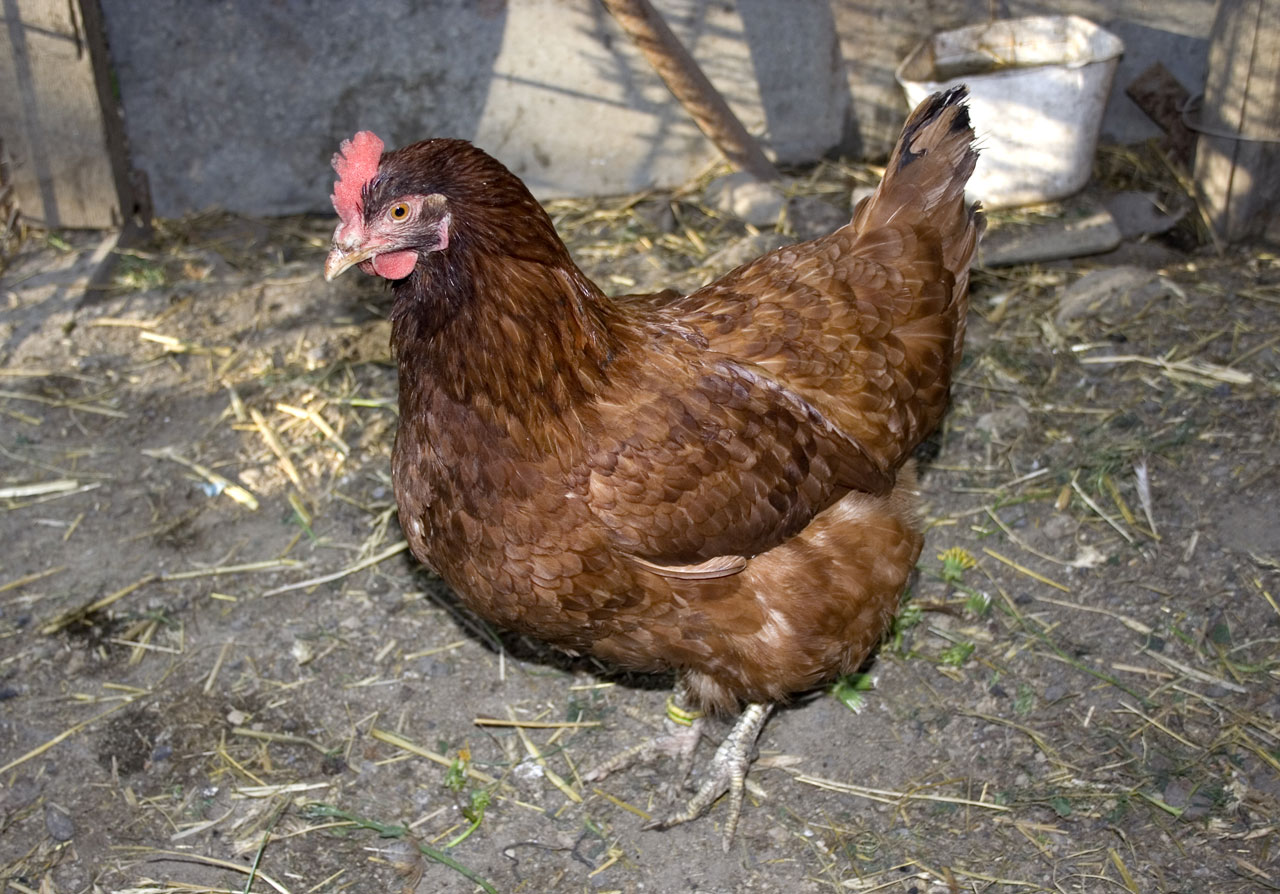
The domestic hen (Gallus gallus domesticus) occupies a pivotal role in global economies and cultural narratives, serving as a cornerstone of agricultural productivity, culinary traditions, and symbolic representation across civilizations. Economically, hens contribute to industries valued in the hundreds of billions of USD annually, from egg and meat production to byproduct utilization, while culturally, they embody fertility, protection, and resilience in mythologies, folklore, and religious iconography. This section examines the hen’s economic impact through industry-specific data, its multifaceted cultural symbolism, and its integration into sustainable agricultural systems worldwide.
The domestic hen drives three primary economic sectors: egg production, poultry meat (broiler and layer industries), and byproduct utilization (feathers, manure). Below is a structured overview of these industries, highlighting their global economic value and key production regions based on FAO, USDA, and industry reports (2023 data).
| Industry |
Economic Value (USD) |
Top Producing Regions |
Key Products/Byproducts |
|---|
| Egg Production |
$120–150 billion annually |
- China (45% global share)
- United States (10%)
- India (8%)
- Brazil (6%)
- Mexico (5%)
|
- Table eggs (white/yolk)
- Hatching eggs
- Egg-derived products (mayonnaise, baked goods)
|
| Poultry Meat (Broilers) |
$180–220 billion annually |
- United States (22% global share)
- Brazil (18%)
- China (15%)
- European Union (12%)
- Thailand (6%)
|
- Whole birds (fresh/frozen)
- Processed cuts (breast, thighs, wings)
- Further-processed products (nuggets, sausages)
|
| Feathers and Byproducts |
$5–10 billion annually (subsector) |
- China (40% of global feather processing)
- India (20%)
- Indonesia (15%)
- Vietnam (10%)
- Europe (5%)
|
- Feathers (apparel, insulation, art)
- Manure (biofuel, fertilizer)
- Meat meal (animal feed)
|
The egg and broiler industries are among the most efficient livestock sectors globally, with feed conversion ratios (FCR) as low as 1.6–2.0 (kg feed per kg body weight gain), contributing to their dominance in protein supply chains. China and the U.S. lead in production due to high demand, advanced farming technologies, and vertical integration in supply chains.
Cultural Symbolism of the Hen Across Civilizations
The hen’s symbolic associations span fertility, protection, and divine connection, reflecting its biological traits (egg-laying, maternal behavior) and economic utility. Below are key examples from global traditions, illustrating its enduring cultural relevance.
Fertility and Renewal:
In Western folklore, hens symbolize fertility, prosperity, and domestic harmony. The phrase "counting your chickens before they hatch" warns against premature optimism, while the hen as a maternal figure appears in proverbs (e.g., "mother hen" for nurturing). In Christian iconography, hens represent Christ’s care for the vulnerable (Matthew 23:37: "Jerusalem, Jerusalem... how often would I have gathered thy children together, even as a hen gathereth her chickens under her wings").
Divine Protection and Wisdom:
Ancient Egypt revered the hen as an embodiment of the goddess Wadjet, a cobra-headed deity associated with Lower Egypt, protection, and royalty. Hens were mummified alongside pharaohs, and their eggs were believed to hold magical properties. Similarly, in Hinduism, the hen (Mori) is linked to Lakshmi (goddess of wealth) and Saraswati (goddess of wisdom), with their crowing at dawn symbolizing the awakening of cosmic energy.
Lunar and Zodiacal Associations:
The Chinese Zodiac designates the Rooster (male hen) as the 10th sign, representing honesty, punctuality, and vigilance. Roosters’ crowing at dawn is interpreted as a call to action, while hens (Ji) are less prominent but associated with Yin energy (feminine, receptive). In Japanese folklore, the Karasu Tengu (crow demon) is sometimes contrasted with hens, which are seen as harbingers of good fortune in rural households.
Taboos and Superstitions:
In European medieval traditions, killing a hen was considered bad luck unless done ritually (e.g., for Wiccan rituals or sacrificial offerings). Conversely, African Yoruba culture associates hens with Eshu-Elegba, the trickster god of crossroads, where their behavior (e.g., pecking patterns) is interpreted as omens. In Southeast Asia, hens are avoided in funeral rites, as their crowing is believed to disturb the spirits of the deceased.
The hen’s duality—nurturing yet combative—lends itself to diverse interpretations, from agricultural productivity to cosmic order, cementing its place in human cultural narratives.
Culinary Uses of Hens: Regional Dishes and Nutritional Profiles
Hens are a dietary staple globally, prepared in methods ranging from simple roasting to complex sauces, reflecting regional flavors and nutritional priorities. Below is a categorized list of traditional and modern dishes, their preparation techniques, and nutritional highlights.Note: Nutritional data (per 100g edible portion) is sourced from USDA and FAO, with variations based on cooking methods (e.g., fried vs. grilled).
1. Egg-Based Dishes
Eggs are the most versatile hen-derived food, consumed globally in over 3,000 varieties. Their high biological value protein (9–10 essential amino acids) and cholesterol-free yolk alternatives (e.g., pasteurized liquid eggs) make them a dietary cornerstone.
-
Regional Dish: Chinese Century Egg (皮蛋, Pídàn)
- Preparation: Duck or chicken eggs preserved in a mixture of clay, ash, salt, quicklime, and rice hulls for 1–3 months, resulting in a dark yolk and firm white.
- Nutritional Profile:
- Calories: 160 kcal
- Protein: 12g
- Iron: 5mg (30% RDI)
- Sodium: 1,200mg (50% RDI, due to preservation)
- Cultural Note: Symbolizes longevity and is served during Lunar New Year as an offering to ancestors.
-
Regional Dish:The hen chicken exemplifies the profound intersection of science, culture, and survival, offering a lens through which to study domestication, evolutionary biology, and human-animal symbiosis. From its genetic lineage to its global economic impact, this species underscores the delicate balance between biological adaptation and anthropogenic influence. As both a staple of modern agriculture and a symbol embedded in mythologies and cuisines, the hen’s legacy persists across continents, reminding us of nature’s capacity for innovation and humanity’s reliance on such partnerships. Whether through its role in sustainable farming or its enduring place in cultural narratives, the hen chicken remains a vital subject of study—one that continues to shape our understanding of coexistence with the natural world.
FAQ
What is the difference between a hen, a chicken, and a rooster?
A chicken is the general term for the bird (Gallus gallus domesticus). A hen is a female chicken, typically over 1 year old, while a rooster is a male chicken. Hens lay eggs and are often raised for meat or eggs, whereas roosters are primarily for breeding or crowing.
What’s the difference between a hen and a chicken?
All hens are chickens, but not all chickens are hens. A hen is a female chicken, usually mature (over 1 year), while a chicken can refer to any age or sex of the bird. Young females are called pullets before they lay eggs.
What is a game hen chicken, and how is it different from regular chickens?
A game hen is a young chicken (typically 4–8 weeks old, weighing 1–2 lbs) raised for its tender, flavorful meat. Unlike regular broilers (which are slaughtered at 6–8 weeks), game hens are often smaller breeds (e.g., Cornish or Leghorn crosses) and prepared whole, often roasted or fried.
What is a hen-and-chickens plant, and how does it grow?
A hen-and-chickens plant (e.g., Sempervivum or Kalanchoe) is a succulent that produces offsets ("chicks") around its base. The "hen" is the main plant, while the "chickens" are smaller clones that can be separated and replanted. They thrive in dry, sunny conditions with minimal water.
What is a Cornish hen chicken, and how is it prepared?
A Cornish hen is a young chicken (typically 5–6 weeks old) from a Cornish or Cornish-Cross breed, weighing about 2 lbs. It’s often roasted whole, similar to a squab, and known for its tender, flavorful meat. Unlike regular chickens, it’s sold as a single, boneless piece when prepared commercially.
What is a blue hen chicken, and where does it come from?
The Blue Hen Chicken is a historic American breed from Delaware, named after the blue hen bittern (state bird). It’s a dual-purpose bird (eggs and meat) with barred blue-gray feathers and a calm temperament. Today, it’s a rare heritage breed preserved by poultry enthusiasts.
|
Leave a Comment
Comments are moderated before appearing. The data you submit is processed according to the Privacy Policy of Voltefac.