What Is The Beef Meat Explained Comprehensively
Table of Contents
- Definition and Classification of Beef Meat
- Biological and Anatomical Origins of Beef
- Comparison of Beef Cuts by Muscle Group and Characteristics
- Global Classification Systems for Beef Quality
- Differentiation of Beef from Other Red Meats
- Nutritional Breakdown and Health Implications of Beef Meat
- Comprehensive Nutritional Profile of Beef per 100g
- Health Implications: Saturated Fats, Cardiovascular Risk, and Bioavailable Nutrients
- Cultural and Culinary Roles of Beef Globally
- Geographical Distribution of Beef Consumption
- Historical Evolution of Beef in Cuisine
- Iconic Beef Dishes and Their Cultural Significance
- Economic Role of Beef in Global Agriculture
- Production Methods and Industry Practices in Beef Production
- Stages of Beef Production: Industrial vs. Small-Scale/Farm-Raised Systems
- Environmental Footprint of Beef Production: Water, Land, and Emissions
- Safety, Storage, and Preparation Techniques for Beef Meat
- Safe Handling of Raw Beef: Temperature Control and Cross-Contamination Prevention
- Pathogen Mitigation Through Cooking Temperatures and Hygiene Practices
- Decision Tree for Selecting Cooking Methods Based on Cut Type and Doneness
- FAQ
- What is cow meat called in the meat industry?
- What is cow meat?
- What is the best beef meat for quality and flavor?
- What is the best beef meat for making a rich stew?
- What is beef stew meat?
- What is the best beef meat to make jerky?
Beef meat represents one of humanity’s most enduring and versatile food sources, derived from mature cattle and distinguished by its rich nutritional profile, diverse culinary applications, and deep cultural significance. Rooted in both biological science and agricultural practice, beef transcends mere sustenance to become a cornerstone of global gastronomy, influencing economies, health debates, and environmental sustainability. From the marbled tenderness of a ribeye to the robust texture of flank steak, its characteristics are shaped by anatomy, feeding practices, and processing techniques—each contributing to its unparalleled role in diets worldwide.
The study of beef extends beyond the kitchen, intersecting with nutrition, ethics, and industrial innovation. Whether examined through its protein-rich composition, the metabolic pathways that define its health impacts, or the evolving methods of sustainable production, beef remains a subject of rigorous scientific inquiry and public discourse. This exploration delves into its biological origins, global consumption patterns, and the technological advancements reshaping its future—offering a multifaceted understanding of a commodity that has sustained civilizations for millennia.
Definition and Classification of Beef Meat
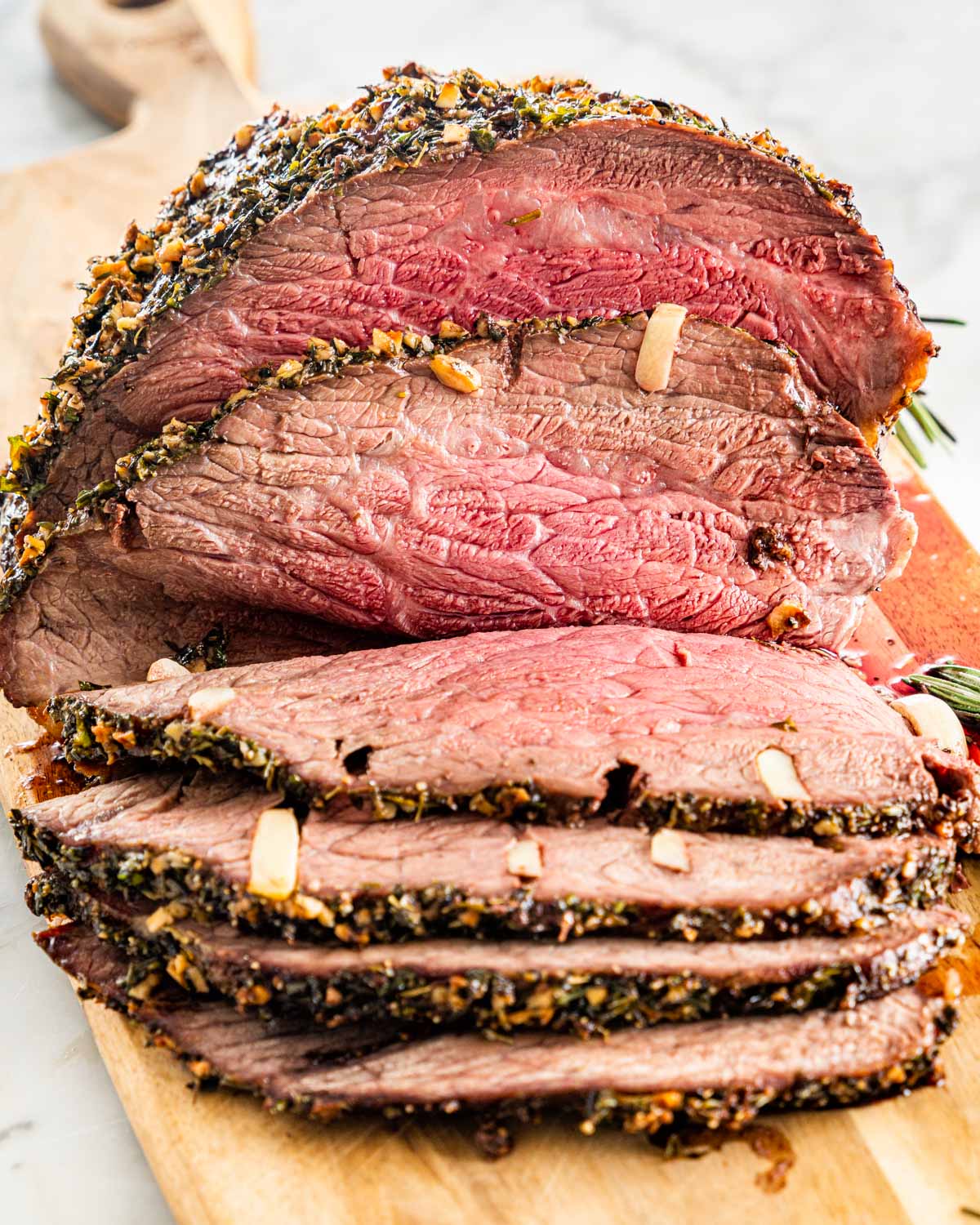
Beef meat originates from domesticated cattle (Bos taurus or Bos indicus), specifically from skeletal muscle tissue harvested post-slaughter and processed for consumption. Anatomically, beef is derived from distinct muscle groups, each exhibiting unique textures, fat distributions, and flavor profiles due to variations in myofiber composition, collagen density, and connective tissue. The classification of beef cuts is standardized globally to ensure consistency in quality, culinary application, and consumer expectations. This section explores the biological origins of beef, its primary muscle groups, and the comparative analysis of cuts, grades, and differentiation from other red meats based on biochemical and structural properties.Biological and Anatomical Origins of Beef
Beef is harvested from mature cattle, typically aged 12–30 months, though younger animals (veal) or older cattle (aged beef) may also be processed. The meat’s quality is influenced by genetic lineage, diet, and slaughter age, with Bos taurus (European breeds like Angus or Hereford) generally yielding leaner, more marbled meat compared to Bos indicus (e.g., Brahman), which tends to have higher intramuscular fat (IMF) and a distinct flavor. The primary muscle groups in beef are categorized based on their anatomical location and functional role:- Locomotion muscles (e.g., round, chuck): High in connective tissue, contributing to toughness but developing rich flavors when slow-cooked.
The marbling score—fat deposited within muscle fibers—directly impacts tenderness and juiciness, with higher marbling correlating to superior flavor. Conversely, subcutaneous fat (external fat) and intermuscular fat (between muscles) influence cooking methods and render differently during heat exposure.
Comparison of Beef Cuts by Muscle Group and Characteristics
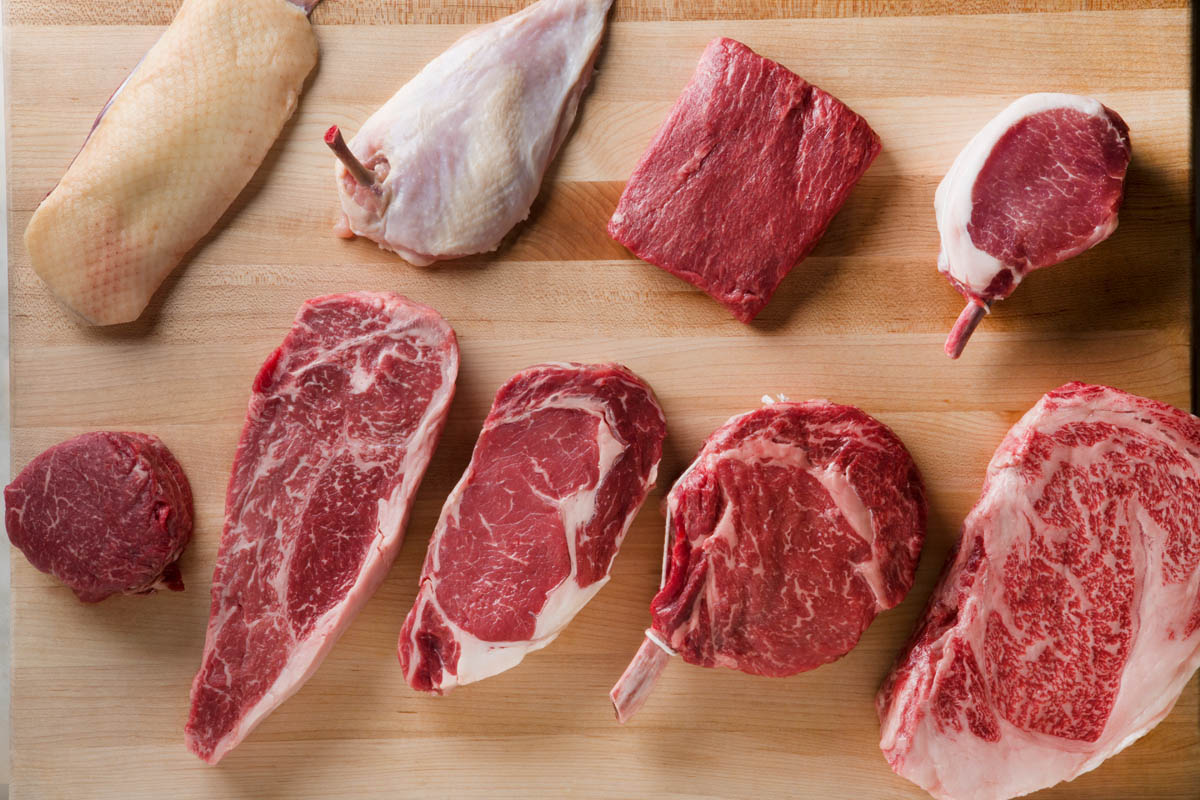
The following table provides a structured overview of major beef cuts, their anatomical origins, fat distribution, recommended cooking methods, and culinary applications. Cuts are grouped by primal sections (forequarter and hindquarter) to reflect their anatomical and functional distinctions.| Cut Name | Muscle Group | Fat Distribution | Cooking Methods | Culinary Uses |
|---|---|---|---|---|
| Ribeye (Rib) | Longissimus dorsi (epaxial muscles) | High intramuscular fat (IMF), moderate subcutaneous | Grilling, pan-searing, dry-heat roasting | Steaks, burgers, charcuterie boards |
| Tenderloin (Filet Mignon) | Psoas major (deep loin) | Low IMF, minimal connective tissue | Sous-vide, medium-rare searing, en papillote | High-end steaks, Tournedos, beef Wellington |
| Sirloin | Iliopsoas, gluteus medius (hindquarter) | Moderate IMF, leaner than ribeye | Grilling, broiling, reverse sear | Steaks, stir-fries, kebabs |
| Round (Top/Bottom) | Biceps femoris, rectus femoris (hind leg) | Low IMF, high connective tissue | Braising, slow-roasting, stewing | Roast beef, corned beef, ground beef blends |
| Brisket | Pectoralis (forequarter) | Moderate IMF, dense collagen | Smoking, low-and-slow cooking, barbecue | Texas-style BBQ, pastrami, sandwiches |
| Chuck | Shoulder/neck muscles (e.g., shoulder clod) | Variable IMF, high connective tissue | Braising, pot roasting, slow cooking | Pot roasts, stew meat, ground chuck |
| Short Ribs | Vertebral ribs (ribcage) | High IMF, bone-in fat cap | Braising, dry-heat roasting, grilling | Beef bourguignon, Korean galbi, bone marrow extraction |
Global Classification Systems for Beef Quality
Beef grading systems standardize quality based on maturity, marbling, and conformation (muscle development). The most widely recognized classifications include:- USDA Grades (United States):
- EU Quality Labels (European Union):
- Japanese Grading (JAS):
- Australian MSA (Meat Standards Australia):
Key Grading Criteria:
Marbling: Intramuscular fat content, measured via visual scoring or optical probes (e.g., IMF >4% for USDA Prime). Maturity: Bone ossification and cartilage color (e.g., "A" maturity in USDA = <30 months). Color: Bright cherry-red (indicative of freshness and myoglobin content). Conformation: Muscle development (e.g., EUROP "R" = excellent).
Differentiation of Beef from Other Red Meats
Beef is biochemically distinct from other red meats (e.g., lamb, venison, pork) due to variations in protein composition, fatty acid profiles, and collagen content, which influence texture, flavor, and nutritional value.| Parameter | Beef | Lamb | Venison | Pork | |||||||||||||||||||||||||||||||||||||||||||||||||||||||||||||||||||||||||||||||||||||||||||||||||||||||||||||||||||||||||||
|---|---|---|---|---|---|---|---|---|---|---|---|---|---|---|---|---|---|---|---|---|---|---|---|---|---|---|---|---|---|---|---|---|---|---|---|---|---|---|---|---|---|---|---|---|---|---|---|---|---|---|---|---|---|---|---|---|---|---|---|---|---|---|---|---|---|---|---|---|---|---|---|---|---|---|---|---|---|---|---|---|---|---|---|---|---|---|---|---|---|---|---|---|---|---|---|---|---|---|---|---|---|---|---|---|---|---|---|---|---|---|---|---|---|---|---|---|---|---|---|---|---|---|---|---|---|---|---|
| Primary Protein Types | |||||||||||||||||||||||||||||||||||||||||||||||||||||||||||||||||||||||||||||||||||||||||||||||||||||||||||||||||||||||||||||||
| Nutrient | Amount (per 100g) | % Daily Value (DV)* | Key Biological Functions |
|---|---|---|---|
| Calories (kcal) | 250 | 13% | Energy substrate; protein synthesis; thermoregulation. |
| Protein (g) | 26.1 | 52% | Complete amino acid profile; muscle repair; immune function. |
| Total Fat (g) | 15.4 | 20% |
|
| Cholesterol (mg) | 73 | 24% | Precursor for bile acids, vitamin D, and steroid hormones; dietary cholesterol’s impact on blood cholesterol is debated. |
| Vitamins | |||
| Vitamin B12 (µg) | 6.1 | 254% | Nervous system function; red blood cell production; methyl group metabolism. |
| Niacin (mg) | 5.5 | 34% | Energy metabolism (NAD+/NADP+ coenzymes); DNA repair. |
| Vitamin B6 (mg) | 0.5 | 31% | Glycogen metabolism; neurotransmitter synthesis (serotonin, dopamine). |
| Riboflavin (mg) | 0.2 | 15% | FAD/FMN coenzymes in oxidative metabolism. |
| Minerals | |||
| Iron (mg) | 2.7 | 15% |
|
| Zinc (mg) | 7.1 | 65% | Immune function; wound healing; enzyme cofactor (e.g., carbonic anhydrase). |
| Phosphorus (mg) | 200 | 29% | Bone mineralization; ATP synthesis; acid-base balance. |
| Selenium (µg) | 35.7 | 65% | Antioxidant defense (glutathione peroxidase); thyroid hormone metabolism. |
| Potassium (mg) | 300 | 6% | Electrolyte balance; muscle contraction; blood pressure regulation. |
| *% Daily Values (DV) are based on a 2,000-calorie diet for adults. Values may vary by beef type (e.g., grass-fed vs. grain-finished). | |||
Health Implications: Saturated Fats, Cardiovascular Risk, and Bioavailable Nutrients
The relationship between beef consumption and health is multifaceted, influenced by factors such as fat quality, cooking methods, and individual metabolic profiles. Contemporary debates center on three primary areas: the role of saturated fats in cardiovascular disease (CVD), the benefits of bioavailable nutrients (e.g., heme iron, creatine), and the comparative risks versus plant-based proteins.1. Saturated Fats and Cardiovascular Disease
The traditional paradigm linking saturated fats (SFA) to elevated LDL cholesterol and CVD has been challenged by meta-analyses and large-scale cohort studies. Key findings include:
Cultural and Culinary Roles of Beef Globally
The global consumption of beef is deeply intertwined with cultural identity, religious practices, and economic systems. As a versatile and nutrient-dense protein source, beef has evolved from a prehistoric hunting staple to a cornerstone of modern gastronomy, trade networks, and agricultural economies. Its cultural significance varies dramatically across regions—ranging from dietary staples in the Americas and Europe to restricted consumption in parts of Asia and the Middle East due to religious or ethical considerations. This section explores the geographical distribution of beef consumption, its historical trajectory in cuisine, iconic regional dishes, and its economic impact on global agriculture.Geographical Distribution of Beef Consumption
Beef consumption patterns reflect a combination of climatic suitability for livestock farming, cultural traditions, and religious influences. Regions with temperate climates and vast grasslands—such as the Pampas of Argentina, the Great Plains of the USA, and the steppes of Russia—have historically thrived on beef production, integrating it into daily diets. Conversely, South and Southeast Asia, the Middle East, and parts of Africa exhibit lower beef consumption due to religious prohibitions (e.g., Hinduism, Islam, and Judaism) or economic constraints.Key regions with high beef consumption include:
Regions with restricted beef consumption:
Historical Evolution of Beef in Cuisine
The integration of beef into human diets spans over 2.5 million years, from early hominid hunting to modern industrial agriculture. Key milestones in its culinary evolution include:Prehistoric to Ancient Periods (Before 500 BCE)
Medieval to Early Modern Era (500–1800 CE)
Industrial Revolution to Modern Era (1800–Present)
Iconic Beef Dishes and Their Cultural Significance
Beef dishes vary widely in preparation, ingredients, and cultural symbolism. Below is a comparative analysis of three globally influential dishes, highlighting their techniques, ingredients, and societal roles.Steak Tartare (France)
Ingredients: Raw ground beef (traditionally chateaubriand), capers, shallots, egg yolk, parsley, Worcestershire sauce, and Pernod. Technique: Beef is finely minced by hand, seasoned, and served with toasted bread. The dish originates from 19th-century Parisian bistros, where it was a symbol of raw luxury. Cultural Significance: Represents French haute cuisine’s daring approach to food safety (historically served with a raw egg to "cook" the meat). Today, it reflects gastronomic innovation and is a staple in brasseries.
Beef Rendang (Indonesia/Malaysia)
Ingredients: Beef (or goat), coconut milk, turmeric, lemongrass, galangal, kaffir lime leaves, chili, and tamarind. Technique: Slow-cooked for 4–6 hours in a dry, spicy coconut curry, rendering excess fat and intensifying flavors. Originated in West Sumatra as a method to preserve meat in tropical climates. Cultural Significance: A national dish of Indonesia, rendang is served at weddings and religious ceremonies. Its UNESCO recognition (2011) underscores its role in Southeast Asian culinary heritage.
Shish Kebab (Middle East/Central Asia)
Ingredients: Cubes of lamb or beef (halal-certified), onions, tomatoes, garlic, cumin, paprika, and yogurt marinade. Technique: Skewered meat is grilled over charcoal or wood, alternating with vegetables. Traces to ancient Persia (Achaemenid Empire, 550 BCE), where it was a royal dish. Cultural Significance: Central to Middle Eastern hospitality, shish kebab is served at gatherings and street food stalls. Its portability made it iconic in nomadic cultures.
Economic Role of Beef in Global Agriculture
Beef production is a multi-trillion-dollar industry, influencing trade dynamics, livelihoods, and public health policies. The sector’s economic landscape is shaped by livestock trade routes, export-import dependencies, and disease outbreaks.Livestock Trade and Export Dynamics
Impact of Diseases on Global Markets
Sustainability and Future Trends
Production Methods and Industry Practices in Beef Production
The global beef industry operates across a spectrum of production systems, ranging from large-scale industrial operations to small-scale, pasture-based farms. These methods vary significantly in resource utilization, environmental impact, and product quality. Industrial beef production prioritizes efficiency and scalability, while small-scale or regenerative systems emphasize sustainability, animal welfare, and localized food systems. Understanding these distinctions is critical for assessing trade-offs between yield, cost, and ecological consequences, as well as for identifying innovations that align with growing consumer demand for transparency and sustainability.Stages of Beef Production: Industrial vs. Small-Scale/Farm-Raised Systems
Beef production follows a sequential process from breeding to processing, with each stage influenced by the scale of operation. Industrial systems dominate global beef production, accounting for approximately 70% of global output, while small-scale and pasture-based methods remain prevalent in regions like the U.S. Midwest, Brazil’s cerrado grasslands, and European mixed farms. The key stages—breeding, feeding, slaughter, and processing—differ in resource intensity, spatial requirements, and feed composition.Industrial Beef Production Characteristics:
Breeding: Focuses on high-yield, fast-growing breeds (e.g., Angus, Hereford, or crossbreds like Brangus) with genetic selection for muscle mass and feed efficiency. Feeding: Relies on concentrated feed (corn, soy, or grain-based diets) in confined animal feeding operations (CAFOs), reducing land use but increasing feed costs and environmental strain. Space Requirements: High stocking densities (e.g., 100–200 head per acre in feedlots) with minimal pasture access. Slaughter: Centralized abattoirs with high-throughput processing (e.g., 500–1,000 head/day), optimized for cost efficiency.
Small-Scale/Farm-Raised Beef Production Characteristics:Comparative Analysis of Production Systems:
Breeding: Utilizes grass-fed or pasture-raised breeds (e.g., Wagyu, Highland cattle, or local heritage breeds) adapted to regional climates, often with rotational grazing. Feeding: Primarily forage-based (grass, silage, or crop residues), supplemented with minimal grains. Pasture-raised systems may require 2–5 acres per cow for sustainable grazing. Space Requirements: Lower stocking densities (e.g., 1–2 head per acre) with emphasis on regenerative practices (e.g., cover cropping, silvopasture). Slaughter: Often processed in local or mobile abattoirs, reducing transportation emissions and supporting regional supply chains.
| Parameter | Industrial (CAFO) | Small-Scale/Pasture-Raised |
|---|---|---|
| Feed Efficiency (kg feed/kg beef) | 6–8 (grain-heavy) | 10–15 (forage-based) |
| Land Use (acres per 1,000 lb beef) | 0.5–1 (feedlots) | 50–100 (pasture) |
| Water Use (gal per lb beef) | 1,800–2,500 (irrigated feed) | 500–1,200 (rain-fed pasture) |
| Greenhouse Gas Emissions (kg CO₂e/kg beef) | 25–30 (high methane + feed production) | 10–15 (lower enteric fermentation, carbon sequestration) |
Industrial systems excel in speed and cost reduction, enabling global meat supply chains, but incur higher environmental and animal welfare costs. Small-scale systems, while labor-intensive, offer lower carbon footprints, improved soil health, and higher omega-3 content in meat due to forage diets. Hybrid models (e.g., grass-fed finishing with grain supplementation) are emerging to balance efficiency and sustainability.
Environmental Footprint of Beef Production: Water, Land, and Emissions
Beef production is one of the most resource-intensive agricultural activities, with significant impacts on water scarcity, land degradation, and greenhouse gas (GHG) emissions. The environmental burden varies by production system, with industrial methods amplifying pressures due to feed production and confinement. Quantifying these impacts requires examining life cycle assessments (LCAs), which measure resource use from cradle to grave (i.e., feed production, animal metabolism, processing, and transport).Water Usage:
The water footprint of beef includes direct consumption (drinking, cleaning) and indirect use (feed cultivation, processing). Industrial beef requires 1,800–2,500 gallons of water per pound, primarily for irrigating corn and soy feed. In contrast, pasture-raised beef demands 500–1,200 gallons/lb, as forage crops (e.g., alfalfa, clover) are more water-efficient. Drought-prone regions (e.g., U.S. High Plains, Australia) face critical shortages due to feedwater demand, exacerbating aquifer depletion (e.g., Ogallala Aquifer in the U.S.).
Water Footprint Breakdown (per kg beef):Land Degradation and Deforestation:
Feed Production: 70–80% (corn: 1,500 L/kg; grass: 300 L/kg) Animal Metabolism: 10–15% (drinking, waste management) Processing/Transport: 5–10% (washing, cooling, logistics)
Beef production drives 70% of Amazon deforestation (FAO, 2020), primarily for pasture expansion and soybean feed crops. Industrial feedlots also contribute to soil compaction and nutrient runoff due to high stocking densities. Regenerative grazing—a small-scale practice—can reverse degradation by improving soil organic carbon (SOC) levels (e.g., 1–2 tons/acre/year in well-managed pastures). However, monoculture pastures (e.g., Brachiaria grass in Latin America) often lead to biodiversity loss and erosion.
Methane Emissions and Enteric Fermentation:
Cattle produce methane (CH₄) via enteric fermentation (digestion) and manure management. Enteric emissions account for ~44% of beef’s GHG footprint, with industrial systems emitting 25–30 kg CO₂e/kg beef compared to 10–15 kg CO₂e/kg in pasture-raised systems. Mitigation strategies include:
Global Comparisons:
| Region | Primary Production System | Water Footprint (gal/lb) | GHG Emissions (kg CO₂e/kg) | Land Use (acres per 1,000 lb) | |
|---|---|---|---|---|---|
| United States | Corn-fed feedlots (70%) | 2,200 | 28 | 0.8 | |
| Brazil | Pasture-based (50%), soy-fed (30%) | 1,500 | 22 | 40 | |
| Australia | Grass-fed (90%) | 800 | 12 | 80 |
| Cut Type | Primary Muscle Fiber | Collagen Content | Recommended Methods | Doneness Target | Equipment Notes |
|---|---|---|---|---|---|
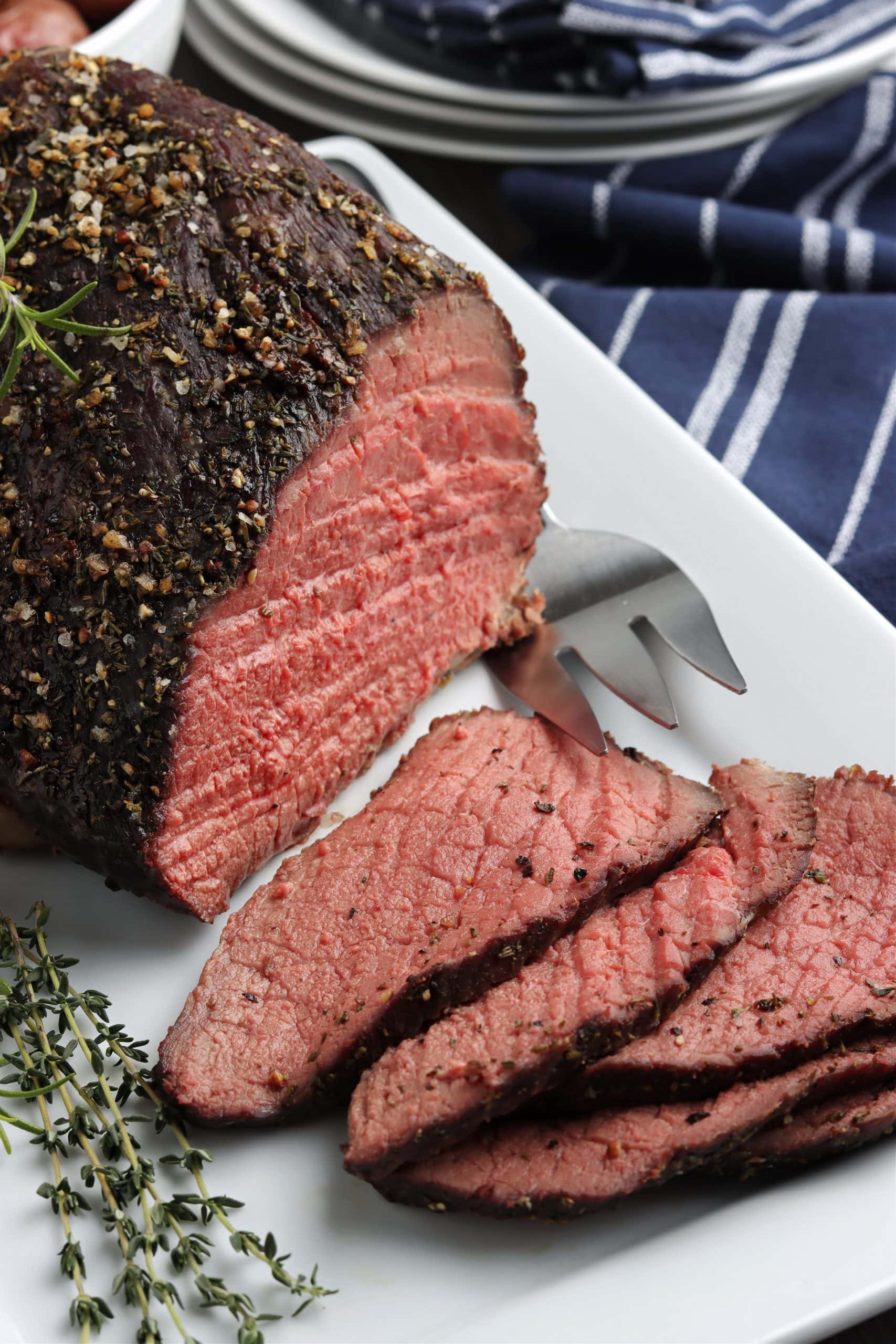
| Tenderloin (Filet Mignon) | Type I (slow-twitch, lean) | Low | Grilling, pan-searing, sous-vide | Medium-rare (52°C/125°F) | Cast-iron skillet for crust formation; sous-vide at 55°C (131°F) for 1–4 hours. |
| Ribeye | Type IIa (fast-twitch, marbled) | Moderate | Dry-heat roasting, reverse sear | Medium (63°C/145°F) | Oven at 120°C (250°F) for 1–2 hours (low-and-slow) + sear. |
| Brisket | Type I + connective tissue | High | Smoking, braising, slow-cooking | Well-done (71°C/160°F) | Smoker at 93–116°C (200–240°F) for 8–12 Beef meat embodies a convergence of biological complexity, cultural heritage, and modern challenges, from its anatomical distinctions and nutritional benefits to its environmental footprint and evolving production methods. As global dietary preferences shift and sustainability concerns grow, the industry faces pivotal decisions regarding animal welfare, resource efficiency, and technological adaptation. Whether celebrated in a sizzling steak or scrutinized for its health and ecological implications, beef remains a pivotal element in the interplay between tradition and innovation, demanding informed perspectives to navigate its future role in a changing world. FAQWhat is cow meat called in the meat industry?Cow meat is called beef. It refers to the flesh of mature cattle (typically over 3 years old) and is a primary source of red meat globally. What is cow meat?Cow meat is the edible muscle tissue from cattle, commonly known as beef. It is a nutrient-rich protein source, widely consumed in various forms like steaks, ground meat, and processed products. What is the best beef meat for quality and flavor?The best beef for quality and flavor is often grass-fed or grain-finished beef, particularly from breeds like Angus, Wagyu, or Ribeye cuts. Aging (dry or wet) also enhances tenderness and taste. What is the best beef meat for making a rich stew?The best beef for stew is chuck roast or short ribs, as they are well-marbled and become tender when slow-cooked. Brisket is also a popular choice for hearty, flavorful results. What is beef stew meat?Beef stew meat is typically cubed, tougher cuts of beef (like chuck or shank) designed for slow cooking. It breaks down into tender, flavorful pieces when simmered in broth with vegetables. What is the best beef meat to make jerky?The best beef for jerky is lean cuts like flank steak, top round, or sirloin, as they have minimal fat and slice thinly. Trimming excess fat ensures a chewy, flavorful result. |
Leave a Comment
Comments are moderated before appearing. The data you submit is processed according to the Privacy Policy of Voltefac.