What Is A Cuticle Biological Structure And Functions Across Species
Table of Contents
- Definition and Basic Structure of a Cuticle
- Biological Composition and Layered Architecture
- Comparative Breakdown of Cuticle Types Across Organisms
- Structural and Functional Adaptations in Extreme Environments
- Functional Roles of Cuticles in Nature
- Water Retention and Adaptations in Arid vs. Tropical Environments
- Pathogen Resistance and Chemical Defense
- UV Radiation Shielding and Photoprotection
- Mechanical and Sensory Functions of Insect Cuticles
- Structural and Locomotory Adaptations
- Molting and Growth Regulation
- Sensory Functions and Environmental Interaction
- Human Nail Cuticles (Eponychium) and Barrier Functions
- Cuticle Maintenance and Care (Human Focus)
- Step-by-Step Procedure for Proper Nail Cuticle Care
- Natural Ingredients for Cuticle Health and DIY Treatments
- Comparison of Commercial Cuticle Oils and Balms
- Cuticle Damage and Repair Mechanisms
- External Factors Contributing to Cuticle Degradation
- Physiological Responses to Cuticle Damage
- Stages of Cuticle Repair: A Text-Based Flowchart
- 1. Damage Induction
- 2. Acute Inflammation
- 3. Keratinocyte Proliferation
- 4. Terminal Differentiation
- 5. Functional Maturation
- Cuticles in Agricultural and Industrial Applications
- Plant Cuticles in Crop Science and Genetic Enhancement
- Biomimicry of Insect Cuticles in Materials Science
- Extraction and Processing of Cuticle-Derived Substances
- Visual and Textural Characteristics of Cuticles
- Microscopic and Macroscopic Textural Variations Across Species
- Descriptive Illustration of a Plant Cuticle Cross-Section
- Sensory Descriptors of Human Nail Cuticles: Healthy vs. Dehydrated States
- FAQ
- What is a cuticle pusher and how does it work?
- What exactly is the cuticle on nails and why does it matter?
- What is a cuticle remover and how do you use it safely?
- What is the cuticle in plants and what does it do?
- What is a cuticle nipper and how is it different from regular nail clippers?
- What is cuticle oil and what are its benefits for nails?
The cuticle serves as a vital protective layer across diverse biological kingdoms, from the waxy coatings of plant leaves to the chitinous exoskeletons of insects and the delicate barriers surrounding human nails. This multifunctional structure not only safeguards organisms against environmental stressors—such as dehydration, pathogens, and physical abrasion—but also plays a critical role in sensory perception and structural integrity. By examining its composition, adaptive variations, and maintenance across species, we uncover how this often-overlooked biological feature underpins survival strategies in nature and human health practices.
From the hydrophobic epicuticle of desert-adapted plants that minimizes water loss to the keratinized layers of human nail cuticles that prevent microbial invasion, the cuticle exemplifies evolutionary ingenuity. Its structural diversity—ranging from porous, lamellar formations in insects to smooth, lipid-rich barriers in mammals—highlights specialized adaptations to ecological niches. Understanding these mechanisms not only illuminates fundamental biological processes but also informs agricultural innovations, biomimetic material design, and dermatological care, bridging scientific discovery with practical applications.

Definition and Basic Structure of a Cuticle
The cuticle is a protective, often waxy or membranous layer found across diverse biological kingdoms, serving as a critical interface between organisms and their external environment. Its composition and structural complexity vary significantly depending on the organism type—whether plant, insect, or human—each exhibiting adaptations tailored to survival, defense, and physiological regulation. Below is an analysis of its biological composition, layered architecture, and functional specialization, followed by a comparative overview of cuticle types across organisms.
Biological Composition and Layered Architecture
The cuticle’s structure is stratified to fulfill distinct roles, with each layer contributing to permeability control, mechanical strength, and environmental resistance. In plants, the cuticle primarily consists of cutin, a polyester polymer embedded with waxes and cuticular lipids, forming a hydrophobic barrier that minimizes water loss and pathogen entry. The epicuticular wax layer, a crystalline deposit on the surface, further enhances water repellency and UV protection. Beneath this lies the cuticle proper, subdivided into:
In insects, the cuticle is part of the exoskeleton, a rigid, chitinous structure reinforced with proteins (e.g., resilin for elasticity) and mineral deposits (e.g., calcium carbonate in some species). Its layers include:
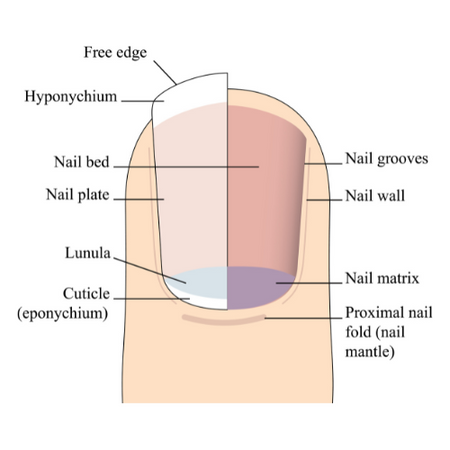
In humans, the nail cuticle (eponychium) is a fold of stratified squamous epithelium overlying the nail plate, composed of:
The cuticle’s layered design reflects evolutionary adaptations to environmental stressors, with each layer optimizing trade-offs between permeability, durability, and metabolic efficiency.
Comparative Breakdown of Cuticle Types Across Organisms
Cuticles exhibit divergent structural and functional specializations, reflecting the ecological niches and physiological demands of their hosts. Below is a comparative table summarizing key differences:| Organism Type | Cuticle Layer Composition | Primary Function |
|---|---|---|
| Plants (e.g., Arabidopsis thaliana) |
|
|
| Insects (e.g., Drosophila melanogaster) |
|
|
| Humans (Nail Cuticle) |
|
|
While plant and insect cuticles prioritize environmental protection and structural support, the human nail cuticle’s primary role is defensive and moisture regulation, reflecting its limited exposure to external stressors compared to other cuticle types.
Structural and Functional Adaptations in Extreme Environments
Cuticles in harsh environments exhibit specialized modifications to enhance survival. For example:These adaptations highlight the cuticle’s role as a phenotypic plasticity hub, where genetic and environmental factors co-regulate its composition to optimize organismal fitness.
Functional Roles of Cuticles in Nature
Cuticles serve as critical adaptive structures across biological kingdoms, fulfilling specialized roles in survival, protection, and physiological efficiency. In plants, the cuticle acts as a multifunctional barrier, regulating water balance, defending against pathogens, and mitigating environmental stressors. Insects leverage their chitinous cuticles for mechanical resilience, sensory perception, and developmental processes like molting, while human nail cuticles provide localized defense against microbial invasion and desiccation. Comparative analysis of these functions—particularly in extreme environments—reveals evolutionary trade-offs and specialized adaptations.
Protective Mechanisms in Plant Cuticles
The plant cuticle is a waxy, lipid-rich layer synthesized by the epidermis, primarily composed of cutin (a polyester polymer) and cuticular waxes (long-chain fatty acids and alcohols). Its primary functions include reducing water loss through transpiration, shielding against ultraviolet (UV) radiation, and preventing pathogen entry. The thickness, composition, and structural organization of the cuticle vary significantly between species, reflecting ecological niche adaptations.
Water Retention and Adaptations in Arid vs. Tropical Environments
Water conservation is paramount in desert species, where cuticles often exhibit extreme thickness and high wax content to minimize evaporation. For example:- Tropical Plants (e.g., Philodendron, Monstera deliciosa):
Pathogen Resistance and Chemical Defense
The cuticle acts as a physical and biochemical barrier against microbial invasion. Its lipid composition and surface properties inhibit pathogen attachment, while secondary metabolites (e.g., phenolic compounds, terpenoids) are often deposited in the cuticle to deter herbivores and microbes.UV Radiation Shielding and Photoprotection
Ultraviolet (UV) radiation damages plant cells by inducing oxidative stress and DNA mutations. Cuticular waxes and flavonoids absorb or reflect UV-B (280–315 nm) and UV-A (315–400 nm) wavelengths, mitigating cellular damage.Mechanical and Sensory Functions of Insect Cuticles
Insect cuticles are composite structures of chitin microfibrils embedded in a protein matrix, providing rigidity, flexibility, and sensory capabilities. Their functions span structural support, movement facilitation, and environmental interaction.Structural and Locomotory Adaptations
The cuticle’s hierarchical organization—from epicuticle (protective lipid layer) to exocuticle (hardened chitin-protein complex) and endocuticle (flexible, resilin-rich layer)—enables diverse mechanical properties.Molting and Growth Regulation
Insects undergo ecdysis (molting), where the old cuticle is shed to accommodate growth. The process involves:Sensory Functions and Environmental Interaction
The cuticle integrates sensory receptors for detecting mechanical, chemical, and thermal stimuli. Specialized structures include:Human Nail Cuticles (Eponychium) and Barrier Functions
The eponychium (living cuticle) and hyponychium (underlying nail fold) form a dynamic barrier protecting the nail matrix and adjacent skin from microbial entry and moisture loss. Structurally, they consist of:
Cuticle Maintenance and Care (Human Focus)
The cuticles surrounding human nails serve as a protective barrier against bacteria, fungi, and physical damage while maintaining nail health. Proper maintenance is essential for preventing infections, promoting nail growth, and ensuring the aesthetic appearance of hands. Neglecting cuticle care can lead to dryness, cracking, or even chronic conditions such as paronychia, an inflammation of the nail folds. Effective cuticle maintenance involves a combination of gentle trimming, hydration, and the use of appropriate products to restore moisture and repair damage without compromising the skin’s natural defenses.Step-by-Step Procedure for Proper Nail Cuticle Care
Maintaining healthy cuticles requires a systematic approach that balances precision, hygiene, and nourishment. The following procedure ensures safe trimming, hydration, and protection while minimizing risks such as over-trimming or excessive exposure to harsh chemicals.Preparation
Begin by washing hands thoroughly with a mild, fragrance-free soap to remove dirt, oils, and bacteria. This step reduces the risk of infection during cuticle manipulation. Use lukewarm water and pat hands dry with a clean towel to avoid over-drying the skin.
Softening the Cuticles
Gently push back the cuticles using a wooden or rubber-tipped cuticle pusher after softening them with warm water or a cuticle oil. Avoid cutting or peeling dry cuticles, as this can lead to micro-tears and infections. For hardened cuticles, soaking hands in warm, soapy water for 3–5 minutes can enhance flexibility.
Trimming and Shaping
Use sterilized nail scissors or clippers designed for cuticles to trim excess skin only if necessary. Focus on removing loose or overgrown cuticles rather than healthy tissue. Never cut living tissue, as this can cause bleeding and increase infection risk. For shaping, gently file the edges of the nails to prevent snagging while maintaining a natural contour.
Moisturizing and Protection
Apply a cuticle oil or balm containing emollients such as vitamin E, jojoba oil, or shea butter to hydrate the skin. Massage the product into the cuticles and surrounding nail folds using upward motions to stimulate circulation. For added protection, wear gloves when cleaning or engaging in activities that expose hands to water or chemicals.
Avoiding Common Mistakes
Over-trimming or aggressive cutting of cuticles disrupts the skin’s barrier function and invites pathogens. Harsh products, such as acetone-based nail polish removers or alcohol-based sanitizers, strip natural oils and exacerbate dryness. Additionally, picking or biting cuticles introduces bacteria and fungi, leading to infections. Regular use of metal cuticle pushers can cause micro-tears, so opt for softer, non-metallic tools.
Natural Ingredients for Cuticle Health and DIY Treatments
Natural ingredients offer effective alternatives to commercial products for nourishing and repairing cuticles without synthetic additives. These ingredients provide essential fatty acids, vitamins, and antioxidants that restore moisture, reduce inflammation, and strengthen the nail matrix. Below is a curated list of five natural ingredients, their benefits, and instructions for preparing DIY treatments.Key Considerations for DIY Treatments
Patch-test new ingredients to avoid allergic reactions. Store homemade treatments in airtight containers away from direct sunlight. Use sterile tools (e.g., glass droppers, wooden sticks) to prevent contamination. Apply treatments to clean, dry cuticles for optimal absorption.
- Coconut Oil Rich in lauric acid and medium-chain fatty acids, coconut oil penetrates deeply to hydrate and soften cuticles. It also exhibits antimicrobial properties, reducing the risk of fungal infections. To use, warm 1 tablespoon of coconut oil until liquid, then massage into cuticles and nails. Leave on overnight or for at least 30 minutes before rinsing. For a targeted treatment, mix equal parts coconut oil and vitamin E oil (see below) for enhanced repair.
- Shea Butter Shea butter contains vitamins A and E, along with allantoin, which soothes irritated skin and promotes healing. Its thick texture forms a protective barrier against environmental damage. Melt 2 tablespoons of unrefined shea butter, then apply a thin layer to cuticles while warm. Cover with cotton gloves or socks for 10–15 minutes to intensify hydration. Combine with a few drops of sweet almond oil for added nourishment.
- Olive Oil Olive oil is packed with squalene and antioxidants that reduce inflammation and prevent oxidative damage. It also improves skin elasticity, preventing premature aging of the cuticles. Soak a cotton ball in extra-virgin olive oil and press it onto cuticles for 10 minutes. Alternatively, mix olive oil with lemon juice (1:1 ratio) for a brightening effect, though lemon juice should be used sparingly to avoid irritation.
- Honey Raw honey’s humectant properties draw moisture into the skin while its antibacterial qualities inhibit the growth of harmful microbes. Manuka honey, in particular, contains methylglyoxal, which accelerates wound healing. Apply a thin layer of honey to cuticles, cover with a warm towel, and leave for 15–20 minutes before rinsing. For a repair blend, combine honey with a pinch of turmeric (anti-inflammatory) and a drop of coconut oil.
- Aloe Vera Gel Aloe vera gel is 99% water, making it ideal for severe dryness and peeling. It also contains enzymes that repair damaged skin cells and reduce scarring. Extract fresh gel from an aloe leaf or use pure, additive-free gel. Apply a generous amount to cuticles, cover with a bandage, and leave overnight. For a cooling effect, refrigerate the gel before application.
Comparison of Commercial Cuticle Oils and Balms
Commercial cuticle products vary in formulation, targeting specific concerns such as hydration, repair, or protection. Understanding their key ingredients and mechanisms helps in selecting the most appropriate product for individual needs. Below is a comparative analysis of common commercial options, focusing on their active components and efficacy.Key Ingredients and Their Functions
Vitamin E (Tocopherol): Antioxidant that repairs damaged skin and improves elasticity. Jojoba Oil: Mimics skin’s sebum, providing long-lasting moisture without clogging pores. Lanolin: Emollient derived from wool that forms a protective seal to lock in moisture. Squalane: Lightweight, non-comedogenic oil that hydrates without greasiness. Urea: Keratolytic agent that exfoliates dead skin cells, ideal for thickened cuticles. Panthenol (Provitamin B5): Promotes cell regeneration and reduces inflammation.
| Product Type | Key Ingredients | Primary Function | Best For | Considerations |
|---|---|---|---|---|
| Cuticle Oils | Jojoba oil, vitamin E, grapeseed oil, squalane | Deep hydration and penetration into dry cuticles | Severely dry or cracked cuticles, daily maintenance | Lightweight; may require frequent reapplication. Avoid if prone to allergies to plant oils. |
| Cuticle Balms | Shea butter, beeswax, lanolin, urea (5–10%) | Barrier protection and repair of damaged cuticles | Thickened or overgrown cuticles, post-manicure care | Thicker texture may feel greasy; urea can cause stinging if overused. |
| Cuticle Creams | Petrolatum, glycerin, panthenol, ceramides | Moisture retention and prevention of peeling | Sensitive skin, frequent hand washing, office environments | May contain fragrances or preservatives; patch-test before use. |
| Cuticle Serums | Hyaluronic acid, peptides, niacinamide | Targeted repair and stimulation of nail growth | Slow-growing nails, post-injury recovery, anti-aging | Higher cost; results may take weeks to manifest. |
| Cuticle Repair Sticks | Bamboo extract, vitamin E, aloe vera, beeswax | Instant repair of minor cuts or hangnails | Emergency use, travel, or on-the-go care | Not a substitute for daily hydration; may contain waxes that feel heavy. |
Products prioritizing hydration, such as oils and balms with jojoba or squalane, are ideal for daily use to
Cuticle Damage and Repair Mechanisms
Cuticles, as protective barriers for the nail matrix and surrounding tissues, are susceptible to degradation due to environmental stressors, mechanical trauma, and chemical exposure. Damage manifests through visible signs such as dryness, peeling, or fissures, which compromise the skin’s integrity and increase susceptibility to infections. The repair process involves coordinated cellular responses, primarily driven by keratinocyte proliferation and lipid synthesis, to restore barrier function. Understanding these mechanisms provides insight into both natural regeneration and targeted interventions for maintenance.The physiological resilience of cuticles relies on their dynamic interaction with external stimuli and internal repair pathways. Disruption in these processes can lead to chronic conditions, necessitating an examination of both damaging factors and the biological responses that mitigate them.
External Factors Contributing to Cuticle Degradation
Cuticles are exposed to a variety of environmental and anthropogenic stressors that accelerate degradation. These factors can be categorized into physical, chemical, and biological agents, each eliciting distinct pathological responses.Physical Stressors
Cold weather and low humidity reduce the elasticity of cuticular lipids, leading to microfractures and desiccation. Prolonged exposure to dry climates or heated indoor environments exacerbates transepidermal water loss (TEWL), resulting in brittle cuticles prone to cracking. Mechanical trauma, such as aggressive nail picking or improper manicure techniques, directly disrupts the stratum corneum, while repetitive motions (e.g., typing or manual labor) induce cumulative microtrauma.
Chemical Exposure
Frequent handwashing with alkaline soaps (pH > 9) disrupts the acidic mantle of the skin, impairing lipid bilayer cohesion. Solvents (e.g., acetone, ethanol) and detergents dissolve cutaneous lipids, while occupational exposure to bleach, disinfectants, or industrial solvents denatures keratin and compromises structural integrity. Even household products like dishwashing liquids contain surfactants that strip natural moisturizing factors (NMFs) from the cuticle.
Biological and Microbial Factors
Pathogenic fungi (e.g., Candida albicans) and bacteria (e.g., Staphylococcus aureus) colonize damaged cuticles, exacerbating inflammation and secondary infections. Chronic paronychia, often linked to occupational wet work, arises from prolonged moisture exposure, which softens the cuticle and facilitates microbial invasion.
Physiological Responses to Cuticle Damage
The repair of damaged cuticles is governed by a cascade of cellular and molecular events, primarily orchestrated by keratinocytes in the nail matrix and surrounding epidermal layers. Key components of this process include:Keratinocyte Proliferation and Differentiation
Damage to the cuticle triggers an increase in keratinocyte turnover within the nail bed and proximal nail fold. Stem cells in the matrix activate via signaling pathways such as the Wnt/β-catenin and Sonic Hedgehog (Shh), promoting basal cell division. Differentiated keratinocytes synthesize keratin K10 and K1, which form intermediate filaments essential for mechanical strength. Dysregulation in these pathways, often observed in aging or chronic conditions, leads to impaired repair and persistent dryness.
Lipid Barrier Restoration
The cuticle’s lipid matrix, composed of ceramides, cholesterol, and free fatty acids, is critical for water retention and permeability barrier function. Damage to this layer activates peroxisome proliferator-activated receptors (PPARs), which upregulate lipid synthesis enzymes (e.g., acyl-CoA synthetases, β-glucocerebrosidase). Additionally, filaggrin aggregates keratin fibers while releasing natural moisturizing factors (NMFs) like pyrrolidone carboxylic acid (PCA), which bind water and restore hydration.
Inflammatory and Immune Modulation
Acute damage elicits a mild inflammatory response, with cytokines (IL-1, TNF-α) recruiting immune cells to clear debris and pathogens. Chronic inflammation, however, impairs repair by sustaining matrix metalloproteinase (MMP) activity, which degrades extracellular matrix components. Anti-inflammatory mediators such as interleukin-10 (IL-10) and transforming growth factor-beta (TGF-β) are critical for resolving inflammation and promoting tissue remodeling.
Stages of Cuticle Repair: A Text-Based Flowchart
Below is a structured representation of the cuticle repair process, annotated for implementation in HTML/CSS. Each phase includes key biological events and visual cues for clarity.1. Damage Induction
Description: Exposure to physical (e.g., cold, friction) or chemical stressors disrupts the cuticle’s lipid and keratin layers.
- Visual Cues: Dryness, white patches, or superficial fissures.
- Biological Triggers:
- Desiccation → Increased TEWL.
- Lipid extraction → Loss of barrier function.
- Keratin denaturation → Structural weakening.
Annotations: Use a gradient background (e.g., #f8d7da) to indicate stress exposure.
2. Acute Inflammation
Description: Sensory nerve activation releases neuropeptides (e.g., substance P), triggering cytokine release (IL-1, TNF-α).
- Visual Cues: Redness, mild swelling, or warmth.
- Biological Events:
- Mast cell degranulation → Histamine release.
- Neutrophil infiltration → Phagocytosis of debris.
- Upstream signaling → Activation of repair pathways.
Annotations: Highlight with a warning color (e.g., #ffcdd2) to denote inflammation.
3. Keratinocyte Proliferation
Description: Stem cells in the nail matrix and proximal fold proliferate, driven by Wnt/β-catenin and Shh pathways.
- Visual Cues: Thickening of the cuticle edge; possible transient scaling.
- Key Processes:
- Basal cell division: Increases by 30–50% within 24–48 hours.
- Keratin synthesis: Upregulation of K1/K10 filaments.
- Lipid production: PPAR activation enhances ceramide synthesis.
Annotations: Use a greenish tint (e.g., #d4edda) to represent regeneration.
4. Terminal Differentiation
Description: Keratinocytes undergo cornification, forming a stratified layer with embedded lipids.
- Visual Cues: Smoothing of the cuticle surface; reduction in fissures.
- Molecular Events:
- Lorricrin/filaggrin: Cross-links keratin fibers.
- Lipid lamellae: Restores TEWL barrier (reduction by ~70% post-repair).
- Stratum corneum: Reaches ~10–15 layers in 7–10 days.
Annotations: Gradient to light blue (e.g., #d1ecf1) for barrier recovery.
5. Functional Maturation
Description: The repaired cuticle undergoes final structural adjustments, optimizing hydration and resilience.
- Visual Cues: Cuticle appears translucent and flexible; no visible cracks.
- Biological Outcomes:
<
Cuticles in Agricultural and Industrial Applications
The cuticle serves as a critical interface between organisms and their environments, influencing survival, productivity, and material innovation across disciplines. In agriculture, plant cuticles regulate water loss, pathogen resistance, and nutrient exchange, making them a focal point for genetic and biotechnological advancements. Concurrently, insect cuticles inspire biomimetic engineering due to their exceptional mechanical properties, while their biochemical components—such as chitin—are repurposed in sustainable industrial applications. These intersections highlight the cuticle’s dual role as both a natural adaptation and a resource for human-driven solutions.
Plant Cuticles in Crop Science and Genetic Enhancement
Plant cuticles act as a primary barrier against abiotic stresses, particularly drought and high salinity, by minimizing transpirational water loss and regulating gas exchange. Advances in molecular biology have enabled targeted modifications to cuticular wax composition, thickness, and permeability to improve crop resilience. Genetic engineering techniques, including CRISPR-Cas9, have been employed to upregulate genes associated with cutin and wax biosynthesis, yielding crops with enhanced stress tolerance.Key Genetic and Biotechnological Strategies
Plant cuticles are composed of a cutin polyester matrix embedded with waxy lipids, whose properties can be altered through genetic manipulation. Research has identified several pathways and genes critical to cuticle formation, including:
- CER (CER1, CER2, CER3, etc.) – Encode enzymes involved in very-long-chain fatty acid (VLCFA) elongation, a precursor to wax biosynthesis.
- WIN1/SHN (WAX INDUCER1/SHINE) – Transcription factors regulating wax accumulation and cuticle thickness.
- LAC (LACCASE) – Enzymes linked to suberin and cutin polymerization, enhancing structural integrity.
Case Studies of Modified Crops
- Drought-Resistant Maize (Zea mays):
A 2020 study published in Nature Plants demonstrated that overexpressing the ZmCER1 gene in maize increased cuticular wax deposition by 40%, reducing water loss by 25% under drought conditions. Field trials in sub-Saharan Africa showed a 15–20% yield improvement in water-limited environments.- Salt-Tolerant Rice (Oryza sativa):
Researchers at the International Rice Research Institute (IRRI) introduced the OsCUT1 gene, which enhances cuticular thickness and reduces sodium ion penetration. Transgenic lines exhibited a 30% higher survival rate in saline soils (10 dS/m) compared to wild-type varieties.- Pest-Deterrent Cotton (Gossypium hirsutum):
The GhWAX2 gene, when silenced, alters wax crystal morphology, making the leaf surface less hospitable to Helicoverpa armigera (cotton bollworm). Studies in Plant Biotechnology Journal (2019) reported a 40% reduction in larval infestation without chemical pesticides.Challenges and Ethical Considerations
While genetic modifications enhance cuticle functionality, concerns persist regarding:
- Off-target effects – Unintended alterations in secondary metabolism may impact nutrient quality.
- Regulatory hurdles – Approval processes for genetically modified crops vary globally, delaying commercial adoption.
- Ecological risks – Potential for modified cuticles to disrupt soil microbial interactions or herbivore-plant coevolution.
Biomimicry of Insect Cuticles in Materials Science
Insect cuticles exhibit extraordinary mechanical properties, including lightweight strength, self-healing capabilities, and adaptive coloration, making them ideal models for bioinspired materials. The exoskeletons of beetles, butterflies, and locusts are particularly studied for their hierarchical structures, which combine chitin fibers with proteins to achieve high stiffness and toughness. These properties are being replicated in synthetic composites for aerospace, automotive, and packaging industries.Structural and Functional Characteristics of Insect Cuticles
Insect cuticles are organized into three primary layers:
1. Epicuticle – A thin, lipid-rich outer layer providing waterproofing and chemical resistance.
2. Exocuticle – A rigid, chitin-protein matrix with high tensile strength, often mineralized with calcium carbonate or silica.
3. Endocuticle – A flexible, protein-rich layer enabling movement and resilience.Key Biomimetic Applications
- Lightweight Composites:
The elytra (wing covers) of Cyphochilus interruptus (a beetle) exhibit a photonic crystal structure that scatters light, creating a white appearance with minimal pigment. This "structural color" principle has been applied to develop ultra-white, lightweight paints and coatings with high reflectivity (up to 95%), reducing energy costs in buildings.- Self-Healing Materials:
The exoskeleton of the Tribolium castaneum (red flour beetle) demonstrates autonomous repair mechanisms via tannin-mediated cross-linking. Researchers at the University of Illinois replicated this using polymer networks infused with tannic acid, achieving materials that recover up to 90% of their original strength after damage.- Impact-Resistant Surfaces:
The wing cases of Chalcosoma atlas (Atlas beetle) feature a hierarchical architecture of ridges and lamellae, dissipating energy upon impact. This design has inspired the development of crash-resistant polymers for automotive bumpers and protective gear, reducing material thickness by 30% while maintaining strength.Case Study: Butterfly Wing-Inspired Photonic Films
The iridescent wings of Papilio blumei (Blume’s swallowtail butterfly) contain gyroid nanostructures that produce dynamic color shifts. A 2021 study in Advanced Materials demonstrated the fabrication of flexible photonic films using block copolymer templates, achieving tunable optical properties for use in:
- Anti-counterfeiting labels – Color changes under UV light for security applications.
- Smart windows – Adaptive tinting based on sunlight intensity.
- Biomedical sensors – Detecting pH or temperature shifts via structural color modulation.
Challenges in Scaling Biomimetic Cuticle Materials
- Precision Manufacturing: Replicating nanoscale features requires advanced techniques like 3D printing or electrochemical deposition, which remain costly at scale.
- Material Stability: Biological cuticles degrade under non-native conditions; synthetic analogs must balance durability with biodegradability.
- Ethical Sourcing: Large-scale harvesting of insect exoskeletons raises concerns about ecological disruption, prompting research into lab-grown chitin alternatives.
Extraction and Processing of Cuticle-Derived Substances
Cuticle-derived biomolecules, particularly chitin and its deacetylated derivative chitosan, are extracted from insect exoskeletons, fungal cell walls, and crustacean shells. These polysaccharides are versatile in biomedical, agricultural, and industrial applications due to their biocompatibility, antimicrobial properties, and ability to form films or hydrogels. The global market for chitin and chitosan exceeded $1.2 billion in 2023, driven by demand for sustainable materials.Source Materials and Extraction Methods
Chitin is the second-most abundant biopolymer after cellulose, primarily sourced from:
- Insect exoskeletons (e.g., Bombyx mori silkworm pupae, Locusta migratoria migratory locusts).
- Crustacean shells (shrimp, crab, lobster waste streams).
- Fungal mycelia (e.g., Aspergillus niger, Mucor rouxii).
Stepwise Extraction Process
The conversion of chitin to chitosan involves:
1. Demineralization – Removal of calcium carbonate using dilute hydrochloric acid (HCl).
2. Deproteinization – Elimination of proteins via alkaline treatment (NaOH, 4–6% w/v) at elevated temperatures (60–120°C).
3. Decolorization – Bleaching with oxidizing agents (e.g., hydrogen peroxide) to remove pigments.
4. Deacetylation – Partial hydrolysis of N-acetyl groups to produce chitosan (typically via NaOH at 40–60°C).Industrial Applications of Chitin and Chitosan
- Biodegradable Plastics:
Chitosan films exhibit high barrier properties against oxygen and lipids, making them ideal for food packaging. Companies like Tianjin Green Bio-Science produce compostable cutlery and wrappers from shrimp chitin, reducing plastic waste by up to 80% compared to petroleum-based alternatives.- Wound Dressings and Tissue Engineering:
Chitosan’s antimicrobial activity (via polycationic interactions with bacterial membranes) and hemostatic properties (promoting platelet aggregation) are leveraged in:
- Alginate-chitosan composite dressings (e.g., Celox™) for traumatic injuries, accelerating clotting by 2–3 times.
- 3D-printed scaffolds for skin grafts, where chitosan’s porosity supports cellular infiltration (studies in Biofabrication, 2022).
- Pharmaceutical Excipients and Drug Delivery:
Chitosan nanoparticles (20–200 nm) enhance oral bioavailability of drugs likeVisual and Textural Characteristics of Cuticles
Cuticles exhibit a remarkable diversity in structure and texture, reflecting evolutionary adaptations across species for protection, water regulation, and sensory interaction. Microscopic examination reveals intricate patterns—ranging from lamellar (layered) formations in plants to scaly or porous microstructures in insects—while macroscopic observations highlight variations in glossiness, roughness, and elasticity. These visual and tactile attributes are not merely superficial but are functionally tied to ecological niches, from hydrophobic surfaces in aquatic plants to reinforced exoskeletal layers in arthropods. Below, the distinctions between plant, insect, and human cuticles are explored, alongside sensory descriptors for human nail cuticles and a structured illustration of plant cuticle cross-sections.
Microscopic and Macroscopic Textural Variations Across Species
Cuticle textures vary significantly between kingdoms, with each adaptation serving specialized roles in survival and interaction with the environment.Plant Cuticles
- Lotus Leaf (Nelumbo nucifera): Exhibits a nanoscale papillate (bumpy) texture with hierarchical microstructures, creating superhydrophobic properties (water contact angle >150°). The cuticle consists of wax crystals embedded in a lamellar matrix, forming a porous yet impermeable barrier to water loss.
- Apple Skin (Malus domestica): Features a smooth, waxy cuticle with epicuticular waxes arranged in plate-like or filamentous structures, contributing to glossiness and pathogen resistance.
- Cactus (Opuntia spp.): Displays a thick, layered cuticle with crystalline wax deposits to minimize transpiration in arid environments, often appearing matte and rough to the touch.
Insect Cuticles
- Dragonfly Wing (Odonata): Composed of a scaly, porous exocuticle with microtrichia (fine hair-like projections) that enhance light reflection and reduce water adhesion, contributing to iridescence.
- Beetle Elytra (Coleoptera): Exhibits a smooth, polished cuticle with nanostructured layers that mimic anti-reflective coatings, reducing visibility to predators.
- Termite Shell (Isoptera): Features a rough, granular texture with chitinous flakes that interlock to provide structural rigidity while allowing controlled gas exchange.
Human and Animal Cuticles
- Human Nail Plate: Appears smooth and slightly translucent when hydrated, with a laminated structure of hard keratin layers (10–20 µm thick). Dehydration causes visible ridging and increased opacity.
- Reptile Scales (Squamata): Display overlapping, scaly cuticles with keratinized β-layers, providing flexibility and protection against abrasion.
Descriptive Illustration of a Plant Cuticle Cross-Section
A text-based cross-sectional diagram of a typical dicotyledonous plant cuticle (e.g., Arabidopsis thaliana) can be visualized as follows, with layers ordered from the epidermis outward:```
+-----------------------------------------------------+
| Epidermis |
| (Living cells, ~20–50 µm thick) |
+-----------------------------------------------------+
| Cuticle Layers |
| 1. Cutin Layer (Primary barrier, ~0.1–10 µm) |
| - Polymerized cutin monomers (C16/C18 fatty acids)|
| - Lamellar structure with embedded waxes |
| 2. Wax Layer (0.5–5 µm, varies by species) |
| - Epicuticular Waxes: Crystalline rods/plates|
| - Intracuticular Waxes: Filling cutin matrix |
| 3. Cuticular Membrane (~0.1–0.5 µm) |
| - Thin, continuous film of cutin and cuticular |
| - lipids, impermeable to water vapor |
+-----------------------------------------------------+
| External Environment |
| (Air, pathogens, UV radiation) |
+-----------------------------------------------------+
```Key Visual Notes:
- The cutin layer is the thickest in xerophytic plants (e.g., Eucalyptus) and thinnest in mesophytes (e.g., Spinacia).
- Wax deposits appear as protrusions in SEM images, often branched or tubular in hydrophobic species.
- Pores (when present) are selectively permeable, allowing gas exchange while blocking water loss.
Sensory Descriptors of Human Nail Cuticles: Healthy vs. Dehydrated States
Human nail cuticles (the eponychium and hyponychium) exhibit distinct visual and tactile properties that correlate with hydration levels, structural integrity, and underlying physiological conditions. Comparisons with other biological membranes highlight their unique characteristics.Healthy Nail Cuticle
- Sight:
- Glossy, semi-translucent with a smooth, even surface.
- Pinkish hue due to underlying capillary beds (visible through thin keratin).
- Minimal ridging; edges align seamlessly with the nail plate.
- Touch:
- Slightly resilient under pressure, with a soft yet firm resistance.
- Non-adherent to the nail plate; peels back easily without tearing.
- Cool to the touch (relative to warmer skin), indicating proper hydration.
- Comparison to Other Membranes:
- Similar to hydrated mucous membranes (e.g., oral mucosa) in slipperiness but more rigid.
- Unlike dry skin, which feels rough and flaky, healthy cuticles remain pliant.
Dehydrated Nail Cuticle
- Sight:
- Dull, opaque with visible ridging or peeling layers.
- White or yellowish patches indicating keratin degradation.
- Irregular edges with ragged separation from the nail plate.
- Touch:
- Brittle and papery; may crack or tear under minimal pressure.
- Sticky or tacky due to protein denaturation and sebum loss.
- Warm to the touch in advanced dehydration (reduced blood flow to epidermis).
- Comparison to Other Membranes:
- Resembles dehydrated skin (e.g., chapped lips) but with greater fragility.
- Contrasts with mucous membranes, which retain lubrication even in dry conditions.
Pathological vs. Physiological Variations
- Fungal Infection (Onychomycosis): Cuticle appears thickened, discolored (yellow/green), and adherent to the nail bed due to keratin breakdown.
- Psoriasis: Silvery scales on the cuticle, resembling dry, cracked skin but with inflamed red borders.
- Eczema: Swollen, itchy cuticle with serous exudate, mimicking wet mucous membrane irritation.
The cuticle emerges as a cornerstone of biological resilience, demonstrating how microscopic structures can orchestrate macroscopic survival strategies. Whether shielding a cactus from scorching sunlight, enabling a beetle’s exoskeleton to endure mechanical stress, or preserving the integrity of human nail health, its functions underscore the interplay between chemistry, physics, and evolutionary biology. As research advances—from genetically modified crops leveraging enhanced cuticular properties to synthetic biomaterials inspired by insect exoskeletons—the cuticle’s relevance extends beyond taxonomy into sustainable technology and medical advancements. By appreciating its complexity, we gain insights into both the fragility and adaptability of life across the natural world.
FAQ
What is a cuticle pusher and how does it work?
A cuticle pusher is a small, often metal or wooden tool used to gently push back the dead skin around your fingernails (the cuticle) during manicures. It helps separate the cuticle from the nail plate without cutting, promoting healthier nail growth. Always use it carefully to avoid damaging living skin or causing infections.
What exactly is the cuticle on nails and why does it matter?
The cuticle on nails is the thin layer of dead skin that seals and protects the nail matrix (where new nail cells form) from bacteria and fungi. It acts as a barrier to keep the nail bed healthy and prevents infections. Trimming or pushing it back too aggressively can expose the nail to germs and slow growth.
What is a cuticle remover and how do you use it safely?
A cuticle remover is a liquid or oil (often containing ingredients like urea or essential oils) designed to soften and dissolve dead cuticle skin for easier removal. To use it safely, apply a small amount to the cuticle, wait a few minutes, then gently push back or trim the softened skin. Avoid overuse, as it can dry out living skin.
What is the cuticle in plants and what does it do?
The cuticle in plants is a waxy, protective layer covering the epidermis (outer surface) of leaves, stems, and fruits. It helps reduce water loss, blocks pathogens, and protects against UV damage and physical wear. This layer is made of cutin and waxes secreted by the plant’s epidermal cells.
What is a cuticle nipper and how is it different from regular nail clippers?
A cuticle nipper is a precision tool with sharp, angled blades designed specifically to trim the dead skin around nails (cuticles) safely. Unlike regular nail clippers, it has a smaller, more controlled tip to avoid cutting live tissue. Use it carefully to prevent nicks or infections.
What is cuticle oil and what are its benefits for nails?
Cuticle oil is a nourishing product (often containing jojoba, vitamin E, or almond oil) that hydrates and softens dry cuticles and surrounding skin. It helps prevent cracking, peeling, and hangnails while promoting healthier nail growth by maintaining moisture. Apply it daily to keep cuticles flexible and protected.
Leave a Comment
Comments are moderated before appearing. The data you submit is processed according to the Privacy Policy of Voltefac.