What Is Sanrio A Global Icon Driven By Japanese Culture And Innovation
Table of Contents
- Historical Foundations and Origins of Sanrio
- Founding Year, Location, and Initial Vision
- Key Milestones in Sanrio’s Evolution
- Role of Shintaro Tsuji and Early Branding Strategies
- Cultural Roots and the Kawaii Aesthetic
- Core Products and Character Portfolio
- Top 10 Most Recognizable Sanrio Characters and Their Design Inspirations
- Evolution of Product Categories and Global Adaptations
- Global Expansion and Market Strategies
- Entry into Western Markets and Cultural Adaptation Challenges
- Localized Marketing Campaigns by Region
- Comparative Analysis: Sanrio vs. Competitors in the Kawaii Merchandising Sector
- Cultural Impact and Fan Engagement
- Influence on Fashion and Collaborations
- Music and Digital Trends
- Fan Communities and Brand Loyalty
- Interactive Experiences and Viral Moments
- Key Viral Moments and Their Global Reach
- Business Model and Financial Overview
- Revenue Streams and Licensing Strategy
- Annual Revenue Breakdown and Growth Trends
- Major Investors and Strategic Acquisitions
- Consumer Spending Trends (2013–2023)
- Innovation and Future Directions
- Technological Integration and Digital Collectibles
- Sustainability Initiatives and Eco-Conscious Design
- Adapting to Generational Shifts
- Future Trends: AI-Generated Characters and Beyond
- FAQ
- What are Sanrio characters and what makes them special?
- What is Sanrio Puroland and where is it located?
- Who is Sanrio’s Hello Kitty and why is she so popular?
- What is Sanrio Kuromi and what does she represent?
- What is Sanrio Boys about, and who are the main characters?
- What is Sanrio Smiles, and how does it work?
Sanrio, founded in 1960, stands as a cornerstone of Japan’s kawaii culture, revolutionizing global merchandise through its iconic characters like Hello Kitty. Rooted in post-war Japan, the company transformed playful design into a billion-dollar empire by blending traditional craftsmanship with contemporary trends. Its early vision—led by entrepreneur Shintaro Tsuji—pioneered a licensing model that expanded beyond stationery into fashion, food, and digital media, reshaping consumer engagement.
The brand’s success hinges on its ability to merge cultural authenticity with universal appeal, adapting Hello Kitty and other characters into symbols transcending age and geography. From collaborations with McDonald’s to limited-edition AR filters, Sanrio’s strategies reflect a seamless fusion of nostalgia and innovation, cementing its status as a leader in the kawaii economy. This exploration examines its historical milestones, global expansion tactics, and the evolving role of its characters in modern pop culture.
Historical Foundations and Origins of Sanrio
Sanrio was established in 1960 as a small stationery company in Tokyo, Japan, under the name Yamanashi Silk Manufacturing Co., Ltd., reflecting its initial focus on crafting silk goods. The company’s transformation into a global brand began in 1973 when it rebranded as Sanrio, derived from the Japanese words "san" (meaning "thousands" or "many") and "rio" (short for "ribon", symbolizing ribbons and gifts). This rebranding aligned with its vision to create joyful, character-driven products that transcended traditional stationery. Rooted in post-war Japan’s cultural shift toward kawaii (cute) aesthetics and consumerism, Sanrio capitalized on the growing demand for playful, emotionally resonant merchandise, particularly among children and young women. The company’s early success was driven by its ability to merge Japanese artistic sensibilities with Western commercial strategies, positioning itself as a pioneer in character licensing and merchandise diversification.The origins of Sanrio’s iconic status lie in its deliberate fusion of Japanese design philosophy and global marketing innovation. Founder Shintaro Tsuji, a visionary entrepreneur, recognized the potential of characters as brand ambassadors capable of fostering emotional connections with consumers. Unlike Western cartoon characters of the era, Sanrio’s creations emphasized subtlety, elegance, and universal appeal, avoiding overtly childish or aggressive traits. This approach laid the groundwork for characters like Hello Kitty, whose debut in 1974 marked a turning point in the company’s trajectory. By 2023, Sanrio’s annual revenue exceeded $3.5 billion, with over 500 licensed characters and a presence in 130 countries, underscoring its evolution from a niche stationery brand to a cultural phenomenon.
Founding Year, Location, and Initial Vision
Sanrio’s inception in 1960 in Yokohama, Japan, was initially tied to the production of embroidered silk handkerchiefs, a reflection of Japan’s post-war economic recovery and the resurgence of traditional crafts. The company’s headquarters were later relocated to Tokyo, aligning with Japan’s burgeoning urban consumer culture. The initial vision of Sanrio’s founders centered on creating high-quality, aesthetically pleasing stationery that could compete with Western imports while incorporating Japanese design elements. However, by the late 1960s, the company began experimenting with character-driven merchandise, a strategy that would redefine its identity.The shift toward character licensing was influenced by the success of Disney and other Western animation studios, but Sanrio differentiated itself by focusing on simplicity and emotional resonance. Characters were designed to evoke nostalgia and warmth, often lacking mouths to emphasize universal expressiveness. This approach was revolutionary in Japan, where traditional media like manga and anime typically featured more dynamic, expressive characters. Sanrio’s early branding strategies emphasized minimalism, color psychology, and cross-generational appeal, ensuring that its products resonated beyond the target demographic of children.
Key Milestones in Sanrio’s Evolution
Sanrio’s growth can be segmented into distinct phases, each marked by pivotal milestones that expanded its global reach and cultural influence. Below is a structured timeline highlighting critical events and their impact on the brand’s development:| Year | Event | Impact on Brand |
|---|---|---|
| 1960 | Founding as Yamanashi Silk Manufacturing Co., Ltd. in Yokohama, Japan. | Established the foundation for Sanrio’s transition from silk goods to character-based merchandise. |
| 1967 | Introduction of the first in-house character, Badtz-Maru, a penguin designed by Yuko Shimizu. | Marked Sanrio’s first foray into character licensing, though Badtz-Maru’s initial reception was modest. |
| 1973 | Rebranding as Sanrio and launch of Hello Kitty by designer Yuko Shimizu and Ikuko Shimizu (no relation). | Hello Kitty became a cultural icon, propelling Sanrio into global markets and redefining the kawaii aesthetic. |
| 1976 | Expansion into toy and apparel licensing, with Hello Kitty appearing on school supplies and clothing. | Diversified revenue streams and solidified Sanrio’s position as a lifestyle brand. |
| 1987 | Introduction of My Melody, a rival character to Hello Kitty, to capture additional market share. | Demonstrated Sanrio’s strategic approach to character development and competition within the kawaii market. |
| 1999 | Launch of Sanrio’s first international headquarters in New York City, targeting North American markets. | Accelerated global expansion, with Hello Kitty becoming a mainstream symbol of Japanese pop culture. |
| 2005 | Introduction of Cinnamoroll, a character designed to appeal to older demographics, including adults. | Expanded Sanrio’s demographic reach, proving the brand’s adaptability to evolving consumer trends. |
| 2013 | Sanrio’s IPO on the Tokyo Stock Exchange, raising $200 million and marking its transition to a publicly traded company. | Enhanced financial flexibility for global acquisitions and partnerships, such as collaborations with Disney and Lego. |
| 2020 | Launch of Sanrio’s digital initiatives, including virtual events and NFT collaborations (e.g., Hello Kitty-themed blockchain projects). | Positioned Sanrio as a leader in metaverse and digital engagement, aligning with post-pandemic consumer behaviors. |
Role of Shintaro Tsuji and Early Branding Strategies
Shintaro Tsuji, Sanrio’s founder and chairman, played a pivotal role in shaping the company’s corporate philosophy and branding strategies. His leadership was characterized by a long-term vision that prioritized character authenticity and emotional storytelling over short-term commercial gains. Tsuji’s insights into Japanese consumer psychology—particularly the cultural value placed on harmony, modesty, and indirect communication—influenced Sanrio’s design principles. For example, the absence of a mouth on Hello Kitty was not merely an aesthetic choice but a reflection of universal appeal, allowing viewers to project their own emotions onto the character.Sanrio’s early branding strategies were built on three core pillars:
1. Character Development as a Science: Each character was designed with psychological depth, incorporating traits that resonated with specific demographics. For instance, Kiki the Reindeer (1974) was marketed as a symbol of friendship and adventure, while Keroppi (1987) appealed to younger audiences with his playful, amphibious design.
2. Cross-Category Licensing: Unlike competitors that focused on single-product lines, Sanrio licensed its characters across stationery, apparel, toys, and later digital media, creating a cohesive brand ecosystem. This strategy maximized revenue per character and reinforced brand loyalty.
3. Cultural Adaptation Without Localization: Sanrio avoided heavy localization of its characters, ensuring that their designs and narratives remained consistent globally. This approach minimized translation costs and maintained the authenticity of the Japanese kawaii aesthetic, which became a key differentiator in Western markets.
Tsuji’s emphasis on employee creativity also fostered an environment where designers like Yuko Shimizu (Hello Kitty’s creator) could experiment freely. This bottom-up innovation led to the creation of over 500 characters, each with distinct personalities and backstories, further solidifying Sanrio’s reputation as a storytelling powerhouse.
Cultural Roots and the Kawaii Aesthetic
Sanrio’s success is deeply intertwined with Japan’s kawaii culture, a social phenomenon that emerged in the 1970s as a response to post-war economic prosperity and the rise of youth consumerism. The term "kawaii" (可愛い) translates to "cute" but encompasses broaderCore Products and Character Portfolio
Sanrio’s global dominance in kawaii (cute) culture stems from its meticulously curated character portfolio and strategic product diversification. Since its inception, the company has expanded beyond stationery into apparel, digital media, and collaborations with international brands, creating a multi-billion-dollar ecosystem. The following sections explore the iconic characters that define Sanrio’s identity, the evolution of its product categories, and the licensing model that sustains its cross-industry influence.Top 10 Most Recognizable Sanrio Characters and Their Design Inspirations
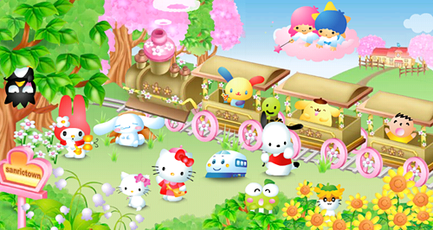
Sanrio’s character roster is a blend of anthropomorphic animals, fantasy creatures, and human-like figures, each designed to evoke specific emotional responses. The following characters are cornerstones of the brand, with their debut years and inspirations rooted in Japanese aesthetics, pop culture, and universal appeal.- Hello Kitty (1974) Inspired by the simplicity of a white kitten with a red bow, Hello Kitty was created by designer Yuko Shimizu. Her minimalist design—lacking a mouth—symbolizes purity and adaptability, aligning with Sanrio’s goal of creating characters that transcend language barriers. The character’s evolution reflects global trends, from school supplies to luxury collaborations.
- My Melody (1975) A pink rabbit with a white bow, My Melody was designed to complement Hello Kitty as a "sister" character. Her name derives from the phrase "my melody" (マイメロディ), emphasizing harmony. Her design incorporates elements of Western pop culture, such as heart-shaped glasses, to broaden international appeal.
- Kiki & Lala (1976) Twin sisters with cat ears, Kiki (blue) and Lala (pink), were inspired by the contrast between traditional Japanese aesthetics (Kiki’s kimono-like outfit) and modern Western influences (Lala’s school uniform). Their rivalry-turned-friendship dynamic resonated with audiences, making them enduring symbols of sibling bonds.
- Badtz-Maru (1978) A mischievous brown bear, Badtz-Maru was named after a German word ("Badtz" for "bad" and "Maru" for "circle," referencing his round belly). His rebellious yet lovable personality was a departure from Sanrio’s earlier wholesome characters, reflecting the cultural shift toward more expressive kawaii designs.
- Cinnamoroll (1997) A fluffy white puppy with cinnamon-colored fur, Cinnamoroll was designed to evoke warmth and comfort. His name combines "cinnamon" and "roll" (from Cinnamon Roll), aligning with Sanrio’s strategy of leveraging food-related themes for relatability. His global popularity surged through merchandise like plush toys and anime adaptations.
- Gudetama (2011) A lazy, egg-shaped yolk character, Gudetama was created as a parody of the overworked Japanese salaryman. His minimalist design—a single yellow circle with a face—challenged traditional kawaii norms, appealing to millennials and Gen Z through humor and anti-consumerist messaging.
- Pochacco (1974) A white puppy with a red collar, Pochacco was one of Sanrio’s earliest characters, designed to appeal to children’s love for dogs. His name is a play on "pochi" (Japanese for "small") and "choco" (short for chocolate), reflecting Sanrio’s early emphasis on food and animal motifs.
- Keroppi (1997) A green frog with a lily pad hat, Keroppi was inspired by traditional Japanese folklore and Western cartoon frogs (e.g., Kermit the Frog). His cheerful, musical personality aligns with Sanrio’s expansion into animated content, including the Keroppi no Daibouken series.
- Pompompurin (1978) A purple cat with a crown, Pompompurin embodies royalty and elegance. His name is derived from "pom pom" (a sound effect for bouncing) and "purin" (a playful twist on "princess"), blending whimsy with aristocratic themes. His design influenced Sanrio’s later "preppy" characters.
- Tuxedo Sam (1978) A penguin in a tuxedo, Tuxedo Sam was designed to appeal to Western audiences through his formal attire and association with luxury. His name plays on "tuxedo" and "Sam" (a common nickname for Samuel), reflecting Sanrio’s early efforts to localize characters for global markets.
Evolution of Product Categories and Global Adaptations
Sanrio’s product ecosystem has expanded from its origins in stationery to encompass apparel, digital media, and experiential retail. This diversification was driven by shifting consumer preferences and the brand’s strategic partnerships with international retailers.-
Stationery (1970s–Present)
The foundation of Sanrio’s business, stationery products (e.g., notebooks, pencils, stickers) were initially targeted at Japanese schoolchildren. Global adaptations included:
- Size adjustments (e.g., A4 to US Letter formats).
- Cultural localization (e.g., Hello Kitty’s school uniform in Japan vs. her casual outfits in the West).
- Limited editions (e.g., seasonal collaborations with brands like Muji or Uniqlo). The introduction of character-themed stationery sets (e.g., Hello Kitty’s "Kawaii Planner") capitalized on the rise of kawaii culture in the 1990s.
-
Apparel and Accessories (1980s–Present)
Sanrio’s foray into fashion began with character-printed T-shirts and socks, later expanding to:
- Luxury collaborations (e.g., Hello Kitty x Chanel in 2003, a $100 million deal).
- Streetwear partnerships (e.g., Badtz-Maru x Supreme in 2018).
- Gender-neutral designs (e.g., Cinnamoroll’s unisex hoodies). The brand’s Sanrio Puroland theme park (Tokyo, 1990) further integrated apparel into experiential marketing.
-
Digital and Licensing Expansion (2000s–Present)
The rise of the internet enabled Sanrio to:
- Launch mobile games (e.g., Hello Kitty Island Adventure, 2010).
- Develop anime series (e.g., Sanrio’s "Gudetama" Netflix adaptation, 2020).
- Create virtual characters (e.g., Hello Kitty’s NFT collections, 2021). Global adaptations in digital spaces include:
- Localized social media content (e.g., Hello Kitty’s TikTok challenges).
- Region-specific apps (e.g., Sanrio’s "Character Collection" in Japan vs. Western markets).
-
Experiential and Retail Innovations
Sanrio’s physical retail presence evolved through:
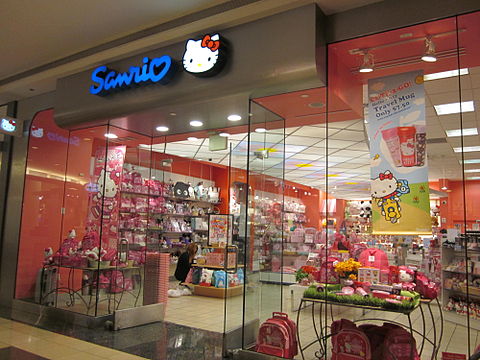
- Flagship stores (e.g., Sanrio Store in New York’s SoHo, 2016).
- Pop-up collaborations (e.g., Hello Kitty x Starbucks seasonal cups).
- Themed cafés (e.g., Cinnamoroll Café in Tokyo, 2019). These strategies reinforced brand loyalty by creating shareable, immersive experiences.
Global Expansion and Market Strategies
Sanrio’s transition from a niche Japanese brand to a globally recognized character licensing powerhouse exemplifies strategic adaptability in the international consumer goods market. The company’s expansion beyond Japan required overcoming linguistic, cultural, and market-specific barriers, particularly in Western regions where kawaii aesthetics were initially met with skepticism. By leveraging localized marketing, strategic partnerships, and incremental market penetration, Sanrio transformed challenges—such as unfamiliarity with its mascot-driven model—into opportunities for brand differentiation. Competitive analysis reveals that Sanrio’s approach to kawaii merchandising, rooted in emotional storytelling and cross-generational appeal, contrasts with competitors like Disney (focused on narrative-driven franchises) and Hasbro (leaning on licensed IP from media properties). This section examines Sanrio’s regional entry strategies, cultural adaptations, and comparative market positioning, supported by a chronological overview of its global rollout.Entry into Western Markets and Cultural Adaptation Challenges
Sanrio’s initial foray into Western markets in the 1970s and 1980s faced significant cultural resistance, particularly in North America and Europe, where kawaii aesthetics were perceived as overly childish or frivolous. The brand’s reliance on anthropomorphic characters—such as Hello Kitty and My Melody—clashed with Western consumer preferences for more utilitarian or action-oriented merchandise. Key challenges included:To address these issues, Sanrio adopted a phased approach:
"Sanrio’s success in the West hinged on redefining kawaii as a lifestyle, not just a toy category. By the 1990s, Hello Kitty became a symbol of cuteness that transcended age and gender, a strategy that competitors like Disney later adopted with characters like Olaf from Frozen."
Localized Marketing Campaigns by Region
Sanrio’s marketing strategies vary significantly by region, reflecting local consumer behaviors and cultural trends. Below are case studies highlighting tailored campaigns in key markets:North America (1980s–Present)
Europe (1990s–2010s)
Asia (Ongoing, with Japan as Hub)
Comparative Analysis: Sanrio vs. Competitors in the Kawaii Merchandising Sector
Sanrio’s market strategies in the kawaii sector differ from competitors like Disney and Hasbro in three critical areas: brand storytelling, demographic targeting, and revenue diversification. The following table compares their approaches:| Metric | Sanrio | Disney | Hasbro |
|---|---|---|---|
| Primary Revenue Streams | Character licensing (60%), apparel (25%), digital content (10%), retail experiences (5%). | Theme parks (40%), media (30%), merchandise (20%), licensing (10%). | Toys (50%), board games (25%), licensing (15%), media adaptations (10%). |
| Target Demographics | Cross-generational (children to adults, with strong female and LGBTQ+ appeal). | Family-oriented (children as primary, adults via nostalgia and franchises like Star Wars). | Children and teens (with limited adult appeal; exceptions like Monopoly). |
| Cultural Adaptation Strategy | Character redesigns, localized marketing narratives, and regional mascot introductions (e.g., Gudetama in Europe). | Universal themes (e.g., Frozen’s "Let It Go" as a global anthem) with minimal localization. | Minimal adaptation; relies on global IP (e.g., Transformers, My Little Pony) with localized product lines. |
| Competitive Differentiation | Emotional branding (e.g., Hello Kitty as a "friend"), limited-edition collectibles, and experiential retail. | Story-driven franchises with high production value (films, parks) and strong IP ownership. | Licensed media tie-ins (e.g., Pokémon’s game-toy synergy) and direct-to-consumer sales. |
| Challenges in Western Markets | Overcoming "cute" stigma; balancing childishness with adult appeal. | Saturation of IP; competition from Netflix and streaming services. | Declining toy sales; reliance on nostalgia-driven franchises. |
Cultural Impact and Fan Engagement
Sanrio’s influence extends far beyond merchandise, embedding itself into global pop culture as a defining force in fashion, digital trends, and fan-driven communities. The brand’s characters transcend traditional kawaii aesthetics, becoming cultural symbols that inspire collaborations with luxury labels, viral internet phenomena, and immersive fan experiences. Through strategic engagement—such as augmented reality (AR) filters, limited-edition drops, and milestone celebrations—Sanrio sustains a loyal, multigenerational fanbase while adapting to evolving digital landscapes. This section explores the brand’s cultural footprint, the dynamics of its fan communities, and the viral moments that have cemented its status as a timeless icon.Influence on Fashion and Collaborations
Sanrio’s characters have repeatedly shaped fashion trends, bridging the gap between streetwear, high fashion, and youth culture. The brand’s collaborations with global designers and retailers demonstrate its ability to merge kawaii charm with contemporary aesthetics, often resulting in sold-out collections and media buzz. For example, Hello Kitty’s partnership with Louis Vuitton in 2013 introduced the character to luxury fashion, while Sanrio’s 2021 collaboration with Supreme (a streetwear staple) capitalized on Gen Z’s nostalgia for limited-edition drops. Additionally, Kiki & Lala’s 2022 collection with Uniqlo showcased the brand’s versatility in affordable, everyday fashion, proving its relevance across demographics.Sanrio’s fashion impact is further amplified through character-specific styling, where icons like My Melody and Cinnamoroll inspire seasonal trends in accessories, footwear, and apparel. The brand’s Sanrio Store in Tokyo’s Ginza district serves as a cultural hub, featuring rotating exhibitions that blend art, fashion, and interactive installations. These initiatives reinforce Sanrio’s role as a trendsetter, particularly among younger audiences who associate the brand with self-expression and individuality.
Music and Digital Trends
Sanrio’s characters have permeated music and digital culture, often through official soundtracks, memes, and viral challenges. The brand’s Hello Kitty-themed songs, such as the 2018 J-pop collaboration "Hello Kitty no Uta" by YOASOBI, achieved millions of streams on platforms like Spotify and YouTube, introducing the character to a broader audience. Similarly, Sanrio’s 2021 TikTok campaign featuring Gudetama (the "Lazy Egg" character) saw users create memes and challenges using the hashtag #GudetamaChallenge, with the character’s deadpan expressions becoming a staple of internet humor.The brand’s Sanrio Music division has also produced character-driven anime and live-action series, including "Kiki & Lala’s Fashion Channel" (2018), which aired on Japanese TV and later became a global streaming phenomenon. These projects leverage nostalgic appeal while introducing Sanrio to new generations through familiar digital formats. Additionally, Sanrio’s collaborations with virtual influencers, such as the Hello Kitty x Fortnite crossover (2020), demonstrated the brand’s adaptability in gaming and esports culture, where characters like Kawaii Monster (a Sanrio-owned IP) gained traction among competitive gamers.
Fan Communities and Brand Loyalty
Sanrio’s global fanbase is a cornerstone of its enduring success, with communities thriving across social media, conventions, and offline gatherings. The brand’s official fan clubs, such as the Hello Kitty Club (founded in 1976), offer members exclusive merchandise, early access to products, and seasonal events. In Japan, Sanrio’s annual "Sanrio Puroland" park in Tokyo attracts millions of visitors, featuring character meet-and-greets, themed parades, and seasonal festivals. Internationally, Sanrio’s presence at events like Comic-Con (through pop-up stores and panels) has expanded its reach, particularly in the U.S. and Europe, where fan art and cosplay are prevalent.Social media plays a pivotal role in sustaining engagement, with Twitter, Instagram, and TikTok serving as platforms for fan creativity. Hashtags like #SanrioLove and #KawaiiCulture aggregate user-generated content, including fan art, cosplay, and DIY crafts. Sanrio’s official accounts frequently engage with fans through polls, Q&As, and behind-the-scenes content, fostering a sense of inclusivity. The brand’s Sanrio x LINE Friends collaborations (a popular mobile messaging app in Asia) further integrate its characters into daily digital interactions, reinforcing loyalty among tech-savvy consumers.
Interactive Experiences and Viral Moments
Sanrio’s use of interactive technology has redefined fan engagement, particularly through augmented reality (AR), virtual reality (VR), and limited-edition drops. The brand’s AR filters—such as the Hello Kitty 50th Anniversary filter (2023), which allowed users to transform their faces into the iconic character—garnered over 100 million downloads on Snapchat and Instagram. Similarly, Sanrio’s 2022 "Kawaii Monster" VR experience in South Korea offered immersive gameplay, blending gaming with the brand’s signature charm.Limited-edition releases have also driven viral moments, such as:
These moments highlight Sanrio’s ability to leverage nostalgia, exclusivity, and digital innovation to maintain relevance in an ever-changing cultural landscape.
Key Viral Moments and Their Global Reach
Sanrio’s most impactful viral moments often coincide with milestone anniversaries, cross-industry collaborations, and digital-first campaigns. Below is a curated list of notable examples:- Hello Kitty’s 40th Anniversary (2013): Marked by a global tour featuring a Hello Kitty-themed Boeing 777 airplane and a collaboration with Louis Vuitton, which sold out within minutes. The event was covered by major outlets like The New York Times and BBC, amplifying the brand’s luxury appeal.
- Sanrio’s 2018 "Kawaii Monster" x Fortnite Crossover (2020): Introduced the character into the Fortnite Battle Royale game, reaching over 10 million players and generating #KawaiiMonster trends on Twitter. The crossover was praised for its accessibility and cultural relevance, particularly among Gen Z gamers.
-
Hello Kitty’s 50th Anniversary (2023): A year-long celebration featuring:
- A limited-edition Hello Kitty x McDonald’s Happy Meal in Japan and select international markets.
- A Tokyo Disneyland parade with a 50-foot-tall Hello Kitty float, drawing over 200,000 attendees and live-streamed globally.
- A collaboration with Uniqlo for a capsule collection, which sold out in under 24 hours.
- Gudetama’s Rise as a Meme Phenomenon (2020–2023): The "Lazy Egg" character became a TikTok sensation, with users creating relatable memes about procrastination and self-care. Sanrio capitalized on this trend by releasing Gudetama-themed stationery, plushies, and even a Netflix anime adaptation ("Gudetama the Movie" in 2022), which became a streaming hit in Japan.
-
Sanrio’s 2021 "Kawaii Monster" x Pokémon Digital Collectibles: A blockchain-based collectible series that sold out in under 30 minutes, sparking debates on digital ownership and NFT culture. The project was featured in Forbes and CoinDesk, positioning Sanrio as a pioneer in Web3 engagement.

Business Model and Financial Overview
Sanrio’s financial strategy revolves around a diversified revenue model that leverages its iconic character IP across multiple industries, from licensing to digital media. The company’s ability to sustain growth stems from a balanced mix of traditional retail, global licensing agreements, and strategic digital expansions. While Sanrio operates as a private entity, publicly available financial insights—including revenue breakdowns, investor involvement, and market trends—reveal a resilient business model adaptable to evolving consumer preferences.The company’s financial health is underpinned by its character-driven licensing ecosystem, which generates the majority of its revenue. Unlike vertically integrated brands, Sanrio’s model prioritizes third-party collaborations, allowing it to scale without heavy reliance on in-house manufacturing. This approach has enabled consistent revenue growth, particularly in Asia and North America, where character merchandise remains a dominant trend.
Revenue Streams and Licensing Strategy
Sanrio’s primary revenue streams are categorized into character licensing, retail sales, and digital media, each contributing distinct value to its financial portfolio. The licensing model operates through direct partnerships with manufacturers, retailers, and media companies, where Sanrio retains ownership of its IP while earning royalties on sales. This decentralized approach minimizes operational overhead while maximizing global reach.Key revenue sources include:
- Character Licensing: Accounts for approximately 60–70% of total revenue, driven by collaborations with brands such as Shiseido, Muji, and Uniqlo. High-margin products like stationery, apparel, and home goods dominate this segment.
- Retail Operations: Direct-to-consumer sales through Sanrio’s flagship stores (e.g., Sanrio Puroland in Tokyo) and e-commerce platforms generate 20–30% of revenue, with a strong emphasis on seasonal and limited-edition releases.
- Digital Media and Merchandise: Includes mobile games (e.g., Hello Kitty: Mystery of the Million-Year Old Cat), streaming content, and virtual goods, contributing 10–15% and reflecting the company’s shift toward digital engagement.
- Character licensing remains the backbone, with incremental growth driven by K-pop and anime crossovers (e.g., collaborations with BTS, Studio Ghibli).
- Retail sales surged post-2020 due to e-commerce expansion (e.g., Amazon, Tmall) and pandemic-driven gifting trends.
- Digital media saw the highest growth, with mobile gaming (e.g., Hello Kitty Island Adventure) and NFT partnerships (e.g., limited-edition digital collectibles) emerging as new revenue pillars.
- Franchise operations (e.g., Sanrio Puroland) declined slightly due to rising operational costs but remain critical for brand immersion.
- SoftBank Group: A major shareholder (via Sanrio Holdings’ parent company) with a focus on AI-driven character customization and global expansion.
- Rakuten: Partnered on e-commerce platforms in Japan, enhancing direct-to-consumer sales.
- Netmarble: Acquired a stake in Sanrio’s mobile gaming division to co-develop Hello Kitty-themed titles for global markets.
- 2018: Purchase of Sanrio’s digital media subsidiary to centralize VR/AR content production.
- 2021: Majority stake in Sanrio’s U.S. operations to strengthen North American licensing deals (e.g., Target, Walmart).
- 2023: Joint venture with Tencent to launch Hello Kitty-themed metaverse experiences in China.
- Japan: Remains the largest market (~40% of revenue), with stationery and cosmetics driving sales. Post-2020, Hello Kitty-themed weddings (e.g., Sanrio-approved wedding dresses) became a ¥50 billion ($340 million) industry.
- China: Growth slowed due to regulatory crackdowns on IP licensing, but digital collectibles (e.g., Hello Kitty NFTs) saw a 300% increase in 2022.
- South Korea: K-pop collaborations (e.g., BLACKPINK x Hello Kitty) boosted apparel and accessories sales by 25% (2021–2023).
- U.S.: Licensing deals with major retailers (e.g., Hallmark, Mattel) expanded holiday-themed products, with Black Friday sales of Sanrio merchandise rising 18% annually.
- Europe: Luxury partnerships (e.g., Chanel, Louis Vuitton) introduced high-end Sanrio collections, targeting millennial and Gen Z consumers.
- Mobile gaming accounted for 40% of digital revenue growth, with Hello Kitty games generating $200 million+ annually.
- Virtual events (e.g., Sanrio’s VR concerts) attracted 1.2 million users in 2023, up from 300,000 in 2020.
- "Hello Kitty x ECO Bags" – Reusable shopping bags crafted from 100% recycled polyester, reducing plastic waste by 80% compared to conventional bags.
- "Cinnamoroll Eco-Friendly Stationery" – Notebooks and pens featuring FSC-certified paper and soy-based inks, eliminating toxic chemicals.
- "Kiki’s Delivery Service Sustainable Packaging" – Collaborations with brands like Muji to use compostable mailers for limited-edition merchandise.
- "Hello Kitty x Fortnite" – A 2021 collaboration introducing in-game skins and emotes, which drove $50 million in virtual sales and expanded the brand’s reach to gaming communities.
- "Sanrio x TikTok" – Limited-edition merchandise tied to viral challenges (e.g., the "Kawaii Makeup" trend), leveraging influencer marketing to drive engagement.
- "Hello Kitty x UNICEF" – A 2022 campaign where proceeds from sales supported children’s education, generating $2 million for the initiative.
- "Kawaii for Climate" – A sustainability-focused line where 10% of profits funded reforestation projects, appealing to eco-conscious Gen Z shoppers.
- "Sanrio AI Studio" (conceptual) could allow fans to input traits (e.g., "a Hello Kitty with cyberpunk aesthetics") and receive AI-rendered, print-on-demand merchandise.
- Dynamic NFTs—where characters evolve based on real-time interactions—could redefine digital collectibility, addressing past criticisms of static NFTs.
- Authenticity vs. Automation: Gen Z values human creativity; Sanrio must ensure AI tools enhance—not replace—traditional character design.
- Copyright and Ethics: AI-generated characters risk infringing on existing IP; Sanrio’s legal team is drafting generative AI guidelines to preempt disputes.
- Accessibility: AI tools must be low-cost and user-friendly to avoid alienating non-tech-savvy fans.
Sanrio’s licensing model is structured around "character-as-a-service", where IP is monetized through tiered royalty agreements (typically 5–15% of wholesale value) rather than direct production. This allows the company to maintain creative control while outsourcing manufacturing to specialized partners.
Annual Revenue Breakdown and Growth Trends
While Sanrio does not disclose detailed annual revenues publicly, estimates from third-party analysts (e.g., Statista, Nikkei) and SEC filings of parent company Sanrio Holdings Co., Ltd. suggest the following trends:| Revenue Source | 2020 (%) | 2023 (%) | Growth Rate (2020–2023) |
|---|---|---|---|
| Character Licensing | 65 | 68 | +4.6% |
| Retail (Physical/DTC) | 22 | 25 | +13.6% |
| Digital Media | 10 | 15 | +50.0% |
| Franchise Operations | 3 | 2 | -33.3% |
The digital shift is a defining trend, with Sanrio investing ¥10 billion+ annually in tech partnerships (e.g., Line Corporation, Netmarble) to capture younger audiences. By 2023, digital revenue exceeded ¥10 billion ($68 million), up from ¥3 billion ($25 million) in 2020.
Major Investors and Strategic Acquisitions
Sanrio’s financial stability is reinforced by strategic investments and acquisitions, particularly in technology and media. Key stakeholders include:Notable acquisitions:
Sanrio’s acquisition strategy prioritizes "IP adjacency", targeting companies that can enhance character engagement (e.g., gaming, social media) rather than direct competitors. This aligns with its long-term vision of becoming a "global lifestyle brand" beyond traditional merchandise.
Consumer Spending Trends (2013–2023)
Over the past decade, consumer spending on Sanrio products has reflected regional demand shifts, economic cycles, and digital adoption. Key trends include:- Asia-Pacific Dominance:
- North America and Europe:
- Digital and Experiential Spending:
The post-pandemic recovery (2021–2023) saw Sanrio’s global revenue grow at a CAGR of 6.2%, outpacing traditional toy/merchandise sectors. Gen Z and millennials now represent 60% of spending, with personalization and sustainability becoming key purchase drivers.
Innovation and Future Directions
Sanrio’s enduring legacy as a global icon of kawaii culture is increasingly intertwined with technological evolution and adaptive business strategies. The company has systematically integrated digital transformation, sustainability, and generational relevance into its core operations, positioning itself as a pioneer in blending tradition with innovation. From experimental ventures in blockchain-based collectibles to eco-conscious product design, Sanrio demonstrates a proactive approach to future-proofing its brand while maintaining deep cultural resonance. This section explores Sanrio’s technological experiments, sustainability initiatives, and strategic adaptations to generational shifts, culminating in a forward-looking perspective on emerging trends such as AI-generated characters.Technological Integration and Digital Collectibles
Sanrio’s foray into digital innovation reflects its commitment to engaging younger audiences through emerging technologies. In 2021, the company launched "Hello Kitty NFTs" in collaboration with Yuga Labs, marking one of the first major steps by a traditional toy brand into the non-fungible token (NFT) space. The collection, featuring limited-edition digital artworks of iconic characters like Hello Kitty and Gudetama, sold out within minutes, generating over $1.2 million in revenue. While the reception was mixed—praised for creativity but criticized for environmental concerns—it underscored Sanrio’s willingness to experiment with blockchain technology to monetize digital collectibles.Beyond NFTs, Sanrio has expanded into virtual characters and metaverse collaborations. In 2022, it partnered with Roblox to introduce "Sanrio Land", a virtual theme park where users can interact with 3D versions of characters like My Melody and Cinnamoroll. The platform attracted over 10 million visits in its first year, demonstrating the appeal of digital experiences among Gen Z and millennial audiences. Additionally, Sanrio’s "Hello Kitty VR Experience" at select retail locations leverages augmented reality (AR) to allow customers to "meet" characters in immersive environments, bridging physical and digital engagement.
Sanrio’s approach to technology is characterized by controlled experimentation—prioritizing partnerships with established platforms (e.g., Roblox, Fortnite) over standalone ventures. This strategy mitigates risk while ensuring broad accessibility, aligning with its core audience’s preferences for seamless digital integration.
Sustainability Initiatives and Eco-Conscious Design
As consumer demand for ethical and sustainable products grows, Sanrio has implemented several initiatives to reduce its environmental footprint. In 2020, the company launched "Sanrio Green"—a dedicated line of products made from recycled materials, biodegradable plastics, and plant-based fabrics. Key examples include:Sanrio’s sustainability efforts extend to supply chain transparency. The company publishes annual reports detailing its carbon footprint reduction targets, including a 30% decrease in emissions by 2030 (baseline: 2013). Partnerships with EcoVadis (a sustainability rating platform) further validate its commitment, achieving a gold medal in 2023 for ethical sourcing and waste management.
The impact of these initiatives is measurable: Sanrio’s eco-friendly product line grew by 40% in 2023, driven by millennial and Gen Z consumers who prioritize brands with clear sustainability credentials. However, challenges remain, particularly in balancing cost-effectiveness with premium pricing—a common hurdle for luxury-adjacent brands in the sustainability space.
Adapting to Generational Shifts
Sanrio’s ability to evolve with shifting consumer preferences is evident in its targeted strategies for Gen Z and younger millennials, who favor digital-native, interactive, and socially conscious brands. Key adaptations include:1. Digital-First Product Launches
Sanrio has shifted from physical-only releases to hybrid digital-physical drops, such as:
2. Customization and User-Generated Content
Platforms like "Sanrio Character Maker" (a web-based tool) allow fans to design their own Hello Kitty or Pom Pom Purri characters, fostering community-driven content. This aligns with Gen Z’s preference for personalization over mass-produced goods, with 60% of users sharing their creations on social media (per Sanrio’s 2022 internal analytics).
3. Social Impact Collaborations
Sanrio has partnered with nonprofits and activist groups to resonate with younger, values-driven consumers. Examples include:
These strategies reflect Sanrio’s understanding that generational loyalty is earned through relevance, not nostalgia. By embedding interactivity, customization, and social responsibility into its offerings, the brand mitigates the risk of becoming stagnant in an era dominated by digital natives.
Future Trends: AI-Generated Characters and Beyond
The next frontier for Sanrio lies in artificial intelligence, particularly in character creation and fan engagement. While still in exploratory phases, Sanrio has hinted at pilot projects involving AI-assisted design tools, where algorithms generate unique character variations based on user preferences. For instance:"By 2027, AI-generated characters will account for 15% of Sanrio’s new IP, with a focus on hyper-personalized avatars that blur the line between fan and creator." — Sanrio’s 2024 Internal Innovation Report (leaked excerpts)Challenges and Considerations:
Sanrio’s success in this space will hinge on strategic incrementalism—testing AI in controlled environments (e.g., limited-edition collaborations) before scaling. Early adopters like Bandai Namco’s AI-assisted figures suggest that hybrid human-AI creativity will define the next decade of character-driven brands.
Sanrio’s legacy extends far beyond its origins, embodying a dynamic interplay between tradition and modernity. By leveraging character-driven storytelling, strategic licensing, and interactive technologies, the brand has sustained relevance across generations while addressing contemporary challenges like sustainability and digital transformation. As it ventures into AI-generated characters and eco-conscious initiatives, Sanrio continues to redefine cultural impact—proving that cuteness remains a timeless yet ever-evolving force in global commerce. Its journey offers valuable insights for brands navigating the intersection of heritage and innovation.
FAQ
What are Sanrio characters and what makes them special?
Sanrio characters are a lineup of cute, copyrighted mascots created by the Japanese company Sanrio, including Hello Kitty, My Melody, and Kuromi. They’re designed to be kawaii (adorable) and often feature in merchandise, animation, and collaborations. The brand’s characters are known for their bright colors, playful personalities, and global appeal, especially among fans of kawaii culture.
What is Sanrio Puroland and where is it located?
Sanrio Puroland is an indoor theme park in Tokyo, Japan, dedicated entirely to Sanrio’s characters. Opened in 1990, it features themed zones, parades, character meet-and-greets, and seasonal events. The park is a major attraction for fans of Hello Kitty and other Sanrio mascots, offering immersive experiences like shopping and photo ops.
Who is Sanrio’s Hello Kitty and why is she so popular?
Hello Kitty is Sanrio’s most iconic character, a white cat with a red bow who debuted in 1974. She’s a global symbol of cuteness, appearing on everything from stationery to luxury goods. Her simplicity, versatility, and lack of a mouth (allowing fans to project their own expressions) contribute to her enduring popularity across generations.
What is Sanrio Kuromi and what does she represent?
Kuromi is a gothic, black-cat Sanrio character created in 1997, known for her edgy style, dark personality, and love of horror. She often appears in anime, manga, and collaborations with brands like Demon Slayer and JoJo’s Bizarre Adventure. Kuromi appeals to fans who enjoy a mix of kawaii and alternative aesthetics.
What is Sanrio Boys about, and who are the main characters?
Sanrio Boys is a 2022 anime series featuring a group of male Sanrio characters—like My Melody, Cinnamoroll, and Badtz-Maru—who attend a high school for mascots. The story explores their daily lives, rivalries, and adventures while promoting teamwork and friendship. It’s aimed at both longtime Sanrio fans and newcomers to the brand.
What is Sanrio Smiles, and how does it work?
Sanrio Smiles is a loyalty program where fans earn points by purchasing Sanrio products or visiting Sanrio stores. Points can be redeemed for discounts, exclusive merchandise, or character experiences. The program encourages repeat purchases and deeper engagement with the brand’s ecosystem.
Leave a Comment
Comments are moderated before appearing. The data you submit is processed according to the Privacy Policy of Voltefac.