| Vajrayana |
A manifestation of upāya (skillful means) and prajñā (wisdom), often depicted in mandalas as yidam (meditation deities). Buddhas in Vajrayana are both sambhogakāya and nirmāṇakāya, accessible through tantric practices (sādhanā) and visualization (samaya). The Five Buddhas (pañca-buddha) of the Vajradhātu mandala symbolize cosmic principles (e.g., Akṣobhya for indestructibility, Amitābha for purity).
"The Buddha is the union of method (upāya) and wisdom (prajñā), like the sun and its rays."
— Guhyasamāja Tantra, Chapter 1
|
<
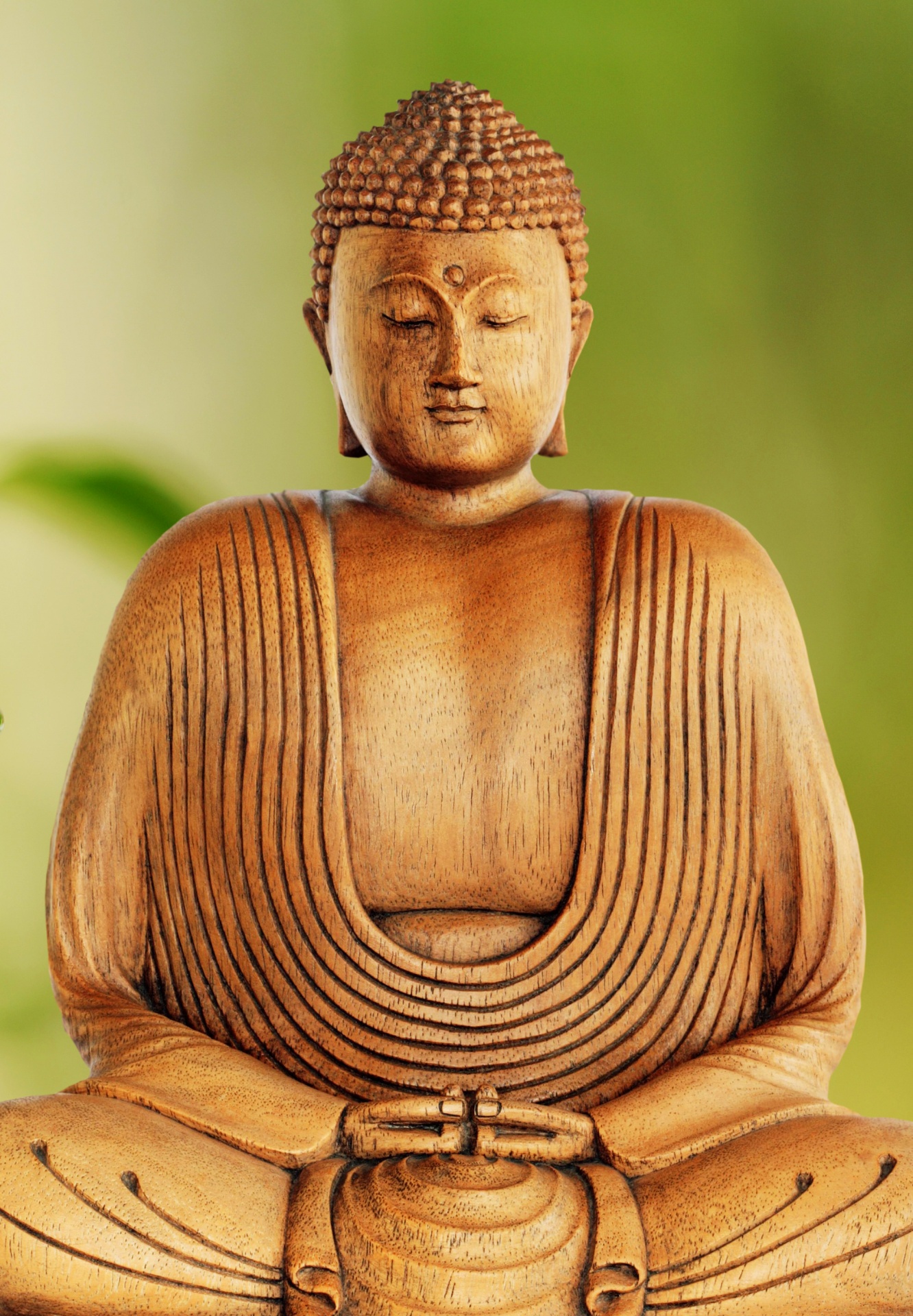
Philosophical and Existential Attributes of a Buddha
The concept of a Buddha transcends mere historical or cultural definitions, embodying a profound philosophical and existential ideal rooted in the realization of ultimate truth. Central to this ideal are attributes such as enlightenment (bodhi), compassion (karuṇā), and wisdom (prajñā), which collectively define the Buddha’s existential state and teachings. These traits are not merely personal virtues but foundational pillars of a transformative path that addresses the fundamental questions of suffering, liberation, and the nature of reality. The philosophical depth of a Buddha’s awakening distinguishes it from other spiritual realizations, offering a distinct framework for understanding human potential and cosmic harmony.The Buddha’s existential attributes are systematically articulated in the Pali Canon and Mahayana sutras, where enlightenment is described as the cessation of ignorance (avidyā) and the direct perception of the Four Noble Truths. Compassion, in this context, is not passive benevolence but an active engagement with the suffering of all beings, driven by the insight that their liberation is intrinsically linked to one’s own. Wisdom, meanwhile, extends beyond intellectual knowledge to include the experiential understanding of impermanence (anicca), suffering (dukkha), and non-self (anattā), as elucidated in the Dhammapada and Samyutta Nikaya.
Core Philosophical Traits of a Buddha
The Buddha’s philosophical attributes are systematically categorized into three interdependent dimensions: wisdom, compassion, and liberation. These traits are not sequential but co-arise, reflecting the dynamic interplay between insight and ethical conduct.1. Enlightenment (Bodhi) as Ultimate Wisdom
Enlightenment, or bodhi, is the culmination of a path marked by the dissolution of delusion and the attainment of perfect clarity regarding the nature of existence. The Anguttara Nikaya describes bodhi as the "direct knowledge of the four noble truths," where the Buddha’s awakening under the Bodhi tree is depicted as the moment of transcending all conditioned phenomena (saṃskāra). This realization is not a static achievement but an ongoing state of awareness, as reflected in the Majjhima Nikaya’s emphasis on the "unshakable mind" (acala-citta) that remains unaffected by the fluctuations of desire and aversion. The Lankavatara Sutra (Mahayana) further elaborates on bodhi as the "non-dual awareness" (advaya-jñāna), where the distinction between subject and object dissolves, revealing the fundamental emptiness (śūnyatā) of all phenomena. This wisdom is not confined to abstract speculation but manifests in practical discernment, such as the Buddha’s ability to diagnose the root causes of suffering in individuals (e.g., the Vinaya’s accounts of his teachings to diverse disciples like Devadatta and Angulimala). 2. Compassion (Karuṇā) as the Motive Force
Compassion in the Buddhist context is rooted in the recognition of the interdependent nature of all beings (pratītyasamutpāda). The Metta Sutta (SN 1.8) outlines the Buddha’s universal compassion, extending even to those who cause harm, as a means to cultivate harmony. This attribute is exemplified in the Lotus Sutra, where the Buddha remains in the world for an eon to guide beings toward enlightenment, embodying the Mahayana ideal of upāya (skillful means). The Karaniya Metta Sutta further illustrates compassion as an active force, urging practitioners to "abound in loving-kindness" toward all life forms, regardless of their actions or status. This is distinct from mere sympathy, as it involves a transformative engagement with the suffering of others, driven by the insight that their liberation is inseparable from one’s own. 3. Liberation (Nirvana) as the Cessation of Suffering
Liberation (nirvana) is not an abstract metaphysical state but the practical realization of freedom from the cycle of rebirth (saṃsāra). The Dhammapada (v. 275) states that "he who sees the Dhamma sees the deathless," indicating that nirvana is the direct perception of the truth beyond conditioned existence. This is contrasted with the samsaric state, where beings are bound by ignorance and craving (taṇhā). The Theragatha and Therigatha provide poetic accounts of arahants (liberated ones) who have attained nirvana in this lifetime, describing their state as one of "unbinding" (vimokkha) from all defilements (kilesa). In Mahayana, nirvana is often conceptualized as śūnyatā (emptiness), where the absence of inherent existence (svabhāva) is the ground of all phenomena, as expounded in the Heart Sutra.
Comparison of Buddhist Enlightenment with Other Spiritual Realizations
The Buddha’s awakening (bodhi) shares superficial similarities with spiritual realizations in other traditions, such as sainthood in Christianity, sainthood in Hinduism, or mysticism in Sufism. However, three distinct criteria differentiate bodhi from these realizations:1. The Nature of the Realized Truth
Buddhist Bodhi: The Buddha’s enlightenment is rooted in the Four Noble Truths and the Twelve Nidanas (dependent origination), which provide a causal framework for understanding suffering and its cessation. The truth is not revealed by a deity but is discovered through direct insight (vipassanā).
Comparison: In Christianity, sainthood often involves divine revelation (e.g., St. Paul’s conversion) or mystical union with God (e.g., St. Teresa of Ávila’s visions), whereas in Hinduism, enlightenment (moksha) is tied to self-realization (ātman) through scriptural study or guru guidance. These paths emphasize transcendence rather than the immanent analysis of suffering.2. The Method of Attainment
Buddhist Path: The Buddha’s enlightenment was achieved through meditative discipline (samatha and vipassanā), ethical conduct (sīla), and direct experiential verification of truths. The Majjhima Nikaya (MN 26) describes the path as a gradual unfolding of wisdom, where each stage is validated through personal experience.
Comparison: In Sufism, realization often occurs through divine love (ishq) and ecstatic union (fana), as seen in the writings of Rumi. In Hindu traditions like Advaita Vedanta, liberation is attained through knowledge (jñāna) of Brahman or devotion (bhakti) to a personal deity, without the emphasis on analytical meditation as central to the path.3. The Scope of Compassion and Ethical Engagement
Buddhist Ideal: The Buddha’s awakening is intrinsically linked to compassion (karuṇā) and active engagement with the suffering of others. The Lotus Sutra depicts the Buddha as a universal savior, while the Metta Sutta mandates loving-kindness toward all beings, including enemies.
Comparison: While saints in Christianity (e.g., Mother Teresa) or mystics in Islam (e.g., Ibn Arabi) embody compassion, their primary focus is often on devotional service or mystical union rather than a systematic analysis of suffering’s root causes. In Hinduism, compassion (dayā) is important but is secondary to the liberation of the individual soul (ātman).
Foundational Attributes: Four Noble Truths and Noble Eightfold Path
The Buddha’s teachings are encapsulated in the Four Noble Truths and the Noble Eightfold Path, which serve as both diagnostic and therapeutic frameworks for understanding and transcending suffering. These attributes are not merely philosophical abstractions but practical guidelines for cultivating the mind and realizing enlightenment.
The Four Noble Truths (from Dhammacakkappavattana Sutta, SN 56.11):
1. Dukkha (Suffering): The inherent unsatisfactoriness of conditioned existence, encompassing physical pain, mental anguish, and the impermanence of all phenomena.
2. Samudaya (Origin of Suffering): Craving (taṇhā) and ignorance (avidyā), which bind beings to the cycle of rebirth.
3. Nirodha (Cessation of Suffering): The possibility of liberating the mind from craving and ignorance, achieving nirvana.
4. Magga (Path to Cessation): The Noble Eightfold Path
Symbolism and Rituals Associated with Buddhas
Buddhist iconography and ritual practices serve as tangible expressions of spiritual teachings, embodying the path to enlightenment through symbolic gestures, sacred objects, and communal observances. The visual and performative traditions surrounding Buddhas—from hand gestures (mudras) to architectural monuments—reflect deeper philosophical concepts, such as the impermanence of form, the transmission of truth, and the interconnectedness of all beings. These elements are not merely decorative but function as meditative tools, pedagogical aids, and vessels for devotional reverence, reinforcing the living presence of the Buddha’s teachings across time and culture.The following exploration examines the symbolic depth of three foundational mudras, the role of festivals in honoring Buddhas, the sacred function of stupas as architectural embodiments of enlightenment, and the structured ritual of puja as a means of cultivating merit and mindfulness.
Symbolic Meanings of Buddha Hand Gestures (Mudras)
Buddha mudras are deliberate hand positions that convey specific teachings, states of mind, or stages of the spiritual path. Originating in early Buddhist iconography, these gestures were codified over centuries, blending Indic traditions with regional adaptations. While hundreds of mudras exist, three—Dharmachakra, Bhumisparsha, and Abhaya—hold particular significance due to their direct association with pivotal moments in the Buddha’s life and core doctrinal themes.Origins and Evolution in Buddhist Iconography
The development of mudras reflects the synthesis of pre-Buddhist gestures (e.g., from Hindu and Jain traditions) with Buddhist innovations. Early depictions of the Buddha in the 1st century BCE often omitted mudras, focusing instead on his serene posture or the dhyanasana (meditative pose). By the 1st–2nd century CE, however, mudras became standardized in Gandharan and Mathuran art, correlating with the spread of Mahayana Buddhism and the emphasis on bodhisattva idealism. The Lalitavistara Sutra (a 3rd-century CE text) describes the Buddha’s first sermon at Deer Park, where he formed the Dharmachakra Mudra, marking the formalization of symbolic gestures as integral to visual dharma.
Three Key Mudras and Their Symbolic Meanings
The following table outlines the origins, postures, and doctrinal implications of three essential mudras, each illustrating a distinct aspect of the Buddha’s teachings.
| Mudra Name |
Hand Position |
Symbolic Meaning |
Doctrinal/Historical Context |
|---|
| Dharmachakra Mudra |
Right hand turned palm-down, fingers extended upward in a wheel-like formation; left hand palm-up, fingers curled inward, touching the base of the right thumb. |
Represents the "Turning of the Wheel of Dharma," symbolizing the teaching of the Four Noble Truths and the Eightfold Path. The gesture embodies the dynamic transmission of truth and the cyclical nature of existence (samsara). |
Attributed to the Buddha’s first sermon at Sarnath (Dhammacakkappavattana Sutta), where he initiated the monastic sangha. Also associated with bodhisattvas like Manjushri, who embody wisdom (prajna). |
| Bhumisparsha Mudra |
Right hand extended downward, fingers pointing to the earth; left hand rests palm-up in the lap. |
Signifies the Buddha’s attainment of enlightenment under the Bodhi tree, where he called upon the earth (bhumi) as a witness to his spiritual victory. The gesture conveys humility, reliance on the earth’s supportive energy, and the overcoming of Mara’s temptations. |
Depicts the moment of the Buddha’s awakening (Pali: Bodhi), documented in the Samyukta Agama. Often paired with the Vajrasana (diamond throne) posture, emphasizing the indestructibility of enlightenment. |
| Abhaya Mudra |
Right hand raised with palm facing outward, fingers slightly spread; left hand rests in the lap or makes a varada gesture (boon-granting). |
Represents the gesture of reassurance, dispelling fear (abhaya = "fearlessness"). The raised hand symbolizes protection from suffering, while the extended fingers signify the Buddha’s compassionate presence as a refuge. |
Linked to the Buddha’s protection of his followers, such as during the Mahaparinirvana (his final passing), where he reassured the sangha. Also used by bodhisattvas like Avalokiteshvara in Mahayana traditions. |
Cultural Adaptations and Regional Variations
While the core meanings of these mudras remain consistent, regional schools introduced variations:
Theravada: Emphasizes the Bhumisparsha Mudra as central to the Buddha’s enlightenment narrative, often depicted in temple murals.
Mahayana: Incorporates mudras into bodhisattva iconography, such as the Dharmachakra Mudra of Manjushri or the Abhaya Mudra of Ksitigarbha.
Vajrayana: Combines mudras with mantras and ritual postures (asanas) in tantric practices, where gestures like the Dharmachakra Mudra symbolize the union of method (upaya) and wisdom (prajna).
Buddhist Festivals Honoring Buddhas
Buddhist festivals (utsavas) serve as communal expressions of devotion, merit-making, and the reenactment of sacred events in the Buddha’s life. These observances vary across traditions but universally reinforce the connection between historical figures (e.g., Gautama, Amitabha) and universal spiritual principles. The following table outlines major festivals, their seasonal timing, rituals, and associations with specific Buddhas or bodhisattvas.
| Festival Name |
Date/Season |
Central Rituals or Observances |
Connection to a Specific Buddha/Bodhisattva |
|---|
| Vesak (Visakha Puja) |
Full moon of the 4th lunar month (April/May); coincides with the Buddha’s birth, enlightenment, and parinirvana. |
- Processions with statues of the Buddha in three postures: birth (lotus birth), enlightenment (Bhumisparsha Mudra), and parinirvana.
- Release of caged birds/fish (pancasila observance of non-harm).
- Offerings of flowers, incense, and lamps to stupas and temples.
- Recitation of the Lotus Sutra (Mahayana) or Dhammapada (Theravada).
|
Honors Gautama Buddha as the universal teacher; in Mahayana, also celebrates the birth of Maitreya (future Buddha). |
| Bodhi Day (Magha Puja) |
Full moon of the 3rd lunar month (February/March); commemorates the Buddha’s enlightenment and the first monastic sangha. |
- Meditation retreats (vipassana) and candlelit processions to Bodhi trees.
- Offerings of honey cakes (madhu-pak) symbolizing the Buddha’s first meal after enlightenment.
- Recitation of the Ratana Sutta (Jewels of the Dharma) and circumambulation (*pr
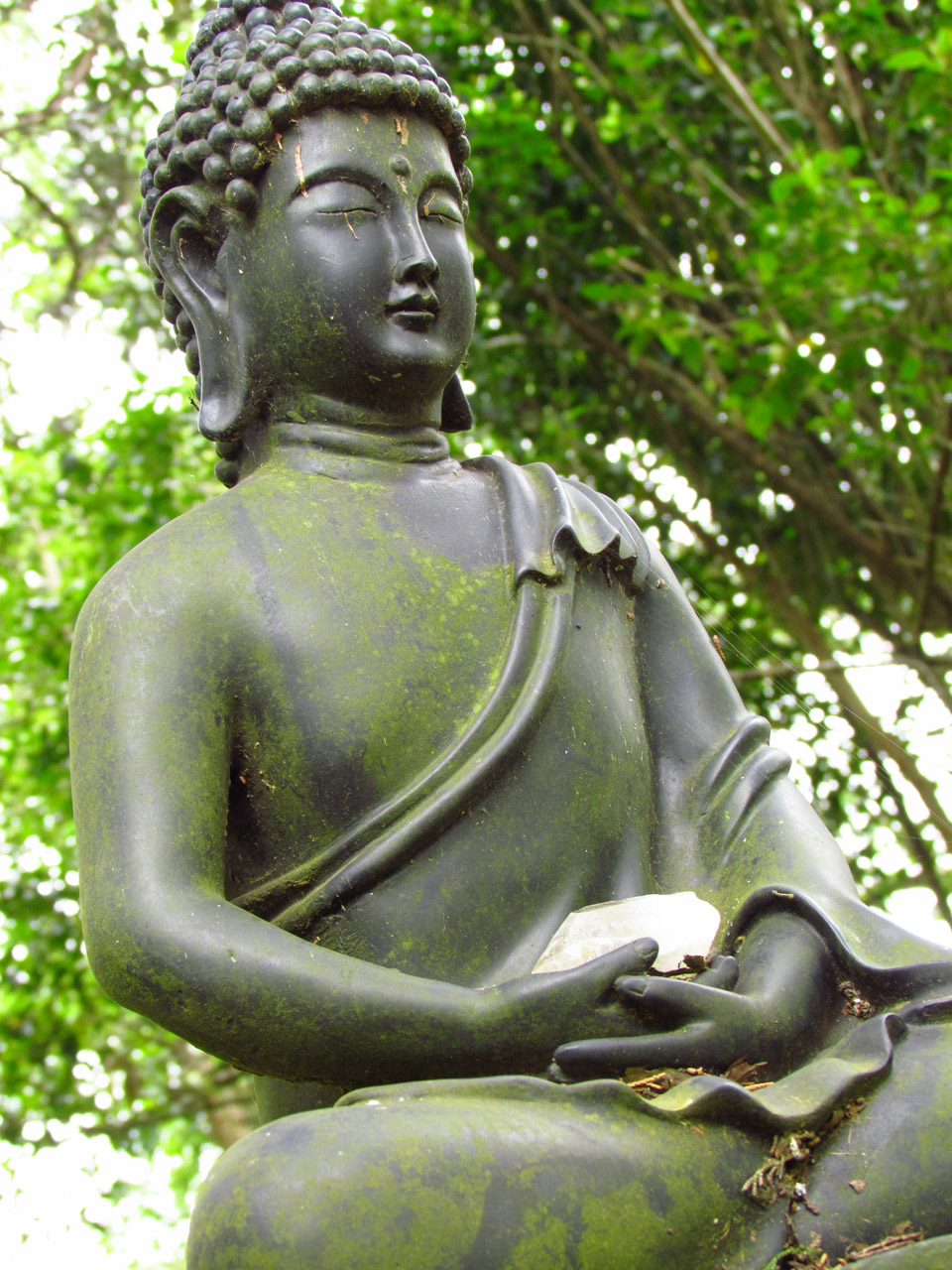
Buddhas in Modern and Pop Culture Representations
Contemporary Western media has increasingly integrated Buddhist iconography, philosophical themes, and figures into mainstream narratives, often blending traditional depictions with secular or commercial interpretations. While some representations align with classical Buddhist teachings, others simplify, distort, or repurpose elements for entertainment or branding purposes. This section examines how modern portrayals—ranging from films and literature to digital media and consumer culture—reflect, reinterpret, or misrepresent Buddhist traditions, with a focus on three recurring themes: enlightenment as instant gratification, Buddha as a mystical or mysticalized figure, and Buddhism as a tool for self-help or escapism. Additionally, it explores secular adaptations of Buddha imagery and compares academic portrayals of Siddhartha Gautama with popular narratives, followed by an evaluation of modern "Buddha-inspired" practices against classical Buddhist goals.The intersection of Buddhism and pop culture reveals a complex dynamic where spiritual depth is frequently reduced to aesthetic or utilitarian value. While some adaptations serve as gateways to deeper exploration, others perpetuate stereotypes or commercialize Buddhist symbolism without contextual understanding. Below, the analysis dissects these trends, highlighting discrepancies between traditional teachings and contemporary reinterpretations, as well as the broader cultural implications of these portrayals.
Recurring Themes in Modern Portrayals of Buddhas
Western media often distills Buddhist philosophy into three dominant, albeit oversimplified, themes that prioritize narrative appeal over doctrinal accuracy. These themes not only shape public perception but also influence how Buddhism is adopted—or misappropriated—in secular contexts.
"Enlightenment is not a destination but a way of traveling."
—Misattributed to the Buddha (often cited in pop culture to imply sudden awakening).
1. Enlightenment as Instant Transformation
Many films and video games depict enlightenment as a sudden, almost magical event—triggered by a single moment of insight, a mystical encounter, or a dramatic life crisis. For example:
- The Matrix (1999) portrays Neo’s awakening as a instantaneous, revelatory experience akin to satori (a Zen concept), but without the gradual discipline of meditation or ethical cultivation (sila) that classical Buddhism emphasizes.
- Avatar: The Last Airbender (2005–2008) frames Aang’s mastery of bending as a form of spiritual enlightenment, yet omits the arduous path of moral development and mindfulness central to the Buddha’s teachings.
- Accuracy vs. Inaccuracy: Traditional Buddhism views enlightenment (bodhi) as the culmination of years of ethical living, wisdom (prajna), and meditative practice (samadhi). The Four Noble Truths and Noble Eightfold Path outline a structured, lifelong journey, not a singular event.
2. The Buddha as a Mystical or Otherworldly Figure
Buddhas in modern media are frequently depicted as ethereal, omniscient beings with supernatural powers, detached from their historical context as a prince-turned-teacher. Examples include:
- American Gods (2001) by Neil Gaiman portrays the Buddha as a godlike figure among pantheons, conflating him with Hindu deities and ignoring his explicit rejection of divine status in the Kalama Sutta ("Do not accept anything on mere faith").
- Star Wars’s Yoda and The Last Airbender’s Avatar Roku draw from Buddhist and Taoist symbolism but present them as mystical guides rather than teachers of practical liberation.
- Accuracy vs. Inaccuracy: The historical Buddha (Siddhartha Gautama) was a human who achieved enlightenment through rigorous self-discipline, not innate divinity. His teachings emphasize anatta (non-self) and impermanence (anicca), which contradict portrayals of Buddhas as eternal or omnipotent.
3. Buddhism as a Tool for Self-Help or Escapism
Pop culture often reduces Buddhism to a set of techniques for stress relief, productivity, or personal fulfillment, divorcing it from its ethical and existential framework. Notable examples:
- The Secret (2006) and Eat Pray Love (2010) frame mindfulness and meditation as pathways to material success or romantic fulfillment, aligning with the Western self-help industry’s focus on individual achievement.
- Video games like Journey (2012) use Buddhist-inspired themes (e.g., interconnectedness, non-attachment) to evoke emotional resonance but strip away the moral and karmic dimensions of karma (karma as action, not fate).
- Accuracy vs. Inaccuracy: Classical Buddhism links meditation to nirvana—the cessation of suffering and rebirth—but modern adaptations often present it as a means to worldly happiness. The Middle Way (Majjhima Patipada) rejects extremes of indulgence and asceticism, yet pop culture frequently promotes meditation as a tool for "hacking" productivity or creativity.
Secular Adaptations of Buddha Imagery
Beyond religious contexts, Buddha imagery has been repurposed in corporate logos, fashion, and art, often stripped of its spiritual significance. These adaptations reflect broader cultural trends toward spiritual but not religious (SBNR) identities, where Buddhist aesthetics are adopted for their perceived wisdom or aesthetic appeal without engagement with doctrine.
"The Buddha was not a god, a prophet, or a teacher in the conventional sense. He was a man who woke up."
—Thich Nhat Hanh (emphasizing the human, not divine, nature of the Buddha).
Corporate and Branding Uses
- Google’s "Think Different" Campaign (1997): Featured a distorted Buddha image with the slogan, repackaging Zen-like minimalism for consumerism. The campaign’s emphasis on individualism contrasts with Buddhism’s focus on interdependence (pratityasamutpada).
- Gucci’s Buddha-Themed Collections (2019): Used Buddha statues as fashion accessories, reducing sacred iconography to a trend. This commodification aligns with consumerist Buddhism, where spiritual symbols are detached from their ethical context.
- Apple’s Meditation App (2017): Incorporates Buddhist-inspired mindfulness but frames it as a productivity tool, echoing the McMindfulness critique (where corporate wellness programs dilute Buddhist teachings into stress-management techniques).
Art and Fashion
- Street Art and Graffiti: Artists like Banksy have used Buddha imagery in subversive ways, such as a Buddha statue with a Star Wars lightsaber, blending sacred and pop culture to critique materialism.
- Minimalist Design: The Buddha’s serene expression is frequently mimicked in modern logos (e.g., The New York Times’s "The Times" logo) to evoke calmness, but without addressing the philosophical underpinnings of his teachings.
- Distortion of Core Values: Many secular adaptations prioritize aesthetic appeal over ethical practice, reflecting a broader cultural shift where Buddhism is consumed as a lifestyle accessory rather than a path to liberation.
Academic vs. Popular Portrayals of Siddhartha Gautama
Scholarly reconstructions of the Buddha’s life contrast sharply with popular narratives, which often prioritize drama, myth, or moral lessons over historical accuracy. This discrepancy stems from the scarcity of contemporary sources (primarily the Pali Canon and later commentaries) and the tendency of modern storytelling to romanticize or sensationalize figures.
"The Buddha was not a mythical figure but a historical person whose teachings were recorded by his disciples within a century of his death."
—Rupert Gethin, The Foundations of Buddhism (1998).
Key Discrepancies in Life Story and Teachings| Academic Portrayal | Popular Narrative | Implications |
|---|
| Birth and Lineage: Born a prince in Lumbini (modern Nepal), part of the Shakya clan, not a divine incarnation. | Often depicted as a "chosen one" or prophesied savior (e.g., The Matrix, Avatar). | Reinforces messianic tropes, ignoring the Buddha’s explicit rejection of divinity. |
| Enlightenment: Achieved under the Bodhi tree after years of ascetic practice, not through a single vision. | Portrayed as a sudden, almost supernatural awakening (e.g., American Gods). | Misrepresents the gradual, disciplined nature of the Noble Eightfold Path. |
| Teachings: Focused on dukkha (suffering), karma (action), and nirvana (liberation), with an emphasis on ethical conduct. | Framed as universal wisdom or abstract philosophy (e.g., The Alchemist’s "omens"). | Oversimplifies karma as fate or destiny, rather than cause-and-effect ethics. |
| Death and Legacy: Entered parinirvana (final nirvana) after teaching for 45 years, with no miraculous resurrection. |
The figure of the Buddha transcends time, serving as both a spiritual ideal and a cultural symbol that adapts to diverse interpretations. Whether through the serene statues of Southeast Asia, the compassionate Bodhisattvas of Mahayana, or the secularized mindfulness movements of today, the essence of a Buddha remains rooted in the pursuit of liberation and the alleviation of suffering. By understanding its historical evolution, philosophical depth, and modern manifestations, one gains insight into a tradition that has shaped civilizations—and continues to redefine humanity’s relationship with enlightenment.
FAQ
What exactly is a Buddha bowl and how is it different from other meal bowls?
A Buddha bowl is a plant-based, nutrient-packed meal served in a bowl, typically containing grains (like quinoa or rice), vegetables, protein (e.g., tofu or beans), healthy fats (avocado, nuts), and sauces. It emphasizes balance, color, and whole foods, often inspired by vegan or vegetarian diets. Unlike regular bowls, it focuses on fresh, minimally processed ingredients and is customizable for dietary needs.
What is a Buddha board, and how is it used in meditation or mindfulness practices?
A Buddha board (or raksu) is a Japanese mindfulness tool featuring a wooden board with pins that create intricate, temporary designs when tapped. Users meditate while arranging and rearranging pins to foster focus, reduce stress, and cultivate patience. It’s often used as a portable alternative to sand mandalas, encouraging presence and creativity.
What does a Buddha statue represent, and why do people keep them in homes or temples?
A Buddha statue symbolizes enlightenment, compassion, and the teachings of Siddhartha Gautama, the historical Buddha. Different mudras (hand gestures) and postures convey specific lessons (e.g., meditation, teaching, or protection). People keep them in homes or temples as spiritual reminders, objects of devotion, or to honor Buddhist traditions.
What is the Buddha religion, and how does it differ from other Eastern spiritual traditions?
The "Buddha religion" refers to Buddhism, a non-theistic spiritual tradition founded on the teachings of the Buddha (Siddhartha Gautama) around 5th century BCE. Unlike Hinduism (which includes gods and rituals), Buddhism focuses on ending suffering (dukkha) through the Four Noble Truths and the Eightfold Path, without worshipping a creator deity. It emphasizes meditation, karma, and rebirth, with variations like Theravada, Mahayana, and Vajrayana.
What is a Buddha’s hand, and how is it different from a regular citrus fruit?
Buddha’s hand is a fragrant, seedless citrus fruit (Citrus medica var. sarcodactylis) with elongated, twisted segments resembling fingers. It’s not edible raw (too bitter) but used for zest, marmalade, or as a decorative garnish. Its strong floral scent is prized in perfumes and aromatherapy, unlike typical citrus fruits like oranges or lemons.
What materials are Buddha boards traditionally made of, and why?
Traditional Buddha boards are made of wood (often bamboo or cedar) for the base and metal pins (usually brass or copper) for the design. Wood provides stability and a natural, calming texture, while metal pins create satisfying tactile feedback. Some modern versions use plastic or acrylic, but wood is preferred for its eco-friendly, grounding properties.
|
|
Leave a Comment
Comments are moderated before appearing. The data you submit is processed according to the Privacy Policy of Voltefac.