What Is A Bushfire And Its Critical Global Ecological Role
Table of Contents
- Definition and Basic Characteristics of Bushfires
- Comparison of Bushfires and Wildfires
- Stages of a Bushfire and Influencing Environmental Conditions
- Stage 1: Ignition
- Causes and Human Influence on Bushfires
- Natural Triggers of Bushfires
- Human Activities and Bushfire Propagation
- Chain of Events: Human Action to Full-Blown Bushfire
- Ecological and Environmental Impact of Bushfires
- Short-Term and Long-Term Ecological Effects
- Bushfires as a Natural Renewal Process in Fire-Adapted Ecosystems
- Role of Bushfires in Carbon Cycling
- Fire Behavior and Spread Mechanics in Bushfires
- Key Principles Governing Bushfire Spread
- Cross-Sectional Flame Structure Under Varying Wind Speeds
- Management and Prevention Strategies for Bushfires
- Step-by-Step Procedure for Creating a Bushfire-Resistant Property
- Successful Bushfire Management Programs
- Cultural and Historical Perspectives on Bushfires
- Indigenous Australian Fire Management and Traditional Ecological Knowledge
- Bushfires in Global Mythology, Literature, and Art
- Socioeconomic Impacts of Bushfires: Case Study of the 2019–2020 Black Summer Fires in Australia
- FAQ
- What does it mean when a property has a bushfire overlay?
- What exactly is a bushfire overlay?
- What is a bushfire for kids?
- What is a bushfire management overlay?
- What is a bushfire in Australia?
- What is a bushfire management plan?
Bushfires represent one of nature’s most powerful yet paradoxical forces—simultaneously destructive and essential to the health of ecosystems worldwide. Unlike wildfires or grassfires, bushfires thrive on dense vegetation like eucalyptus forests and shrublands, often fueled by unique environmental conditions that accelerate their spread. These fires, predominantly occurring in regions such as Australia, the Mediterranean, and parts of the Americas, exhibit distinct behavioral patterns shaped by fuel type, wind dynamics, and terrain. Understanding their mechanics is crucial, as they influence everything from carbon cycles and biodiversity to human settlements and climate resilience.
The phenomenon extends beyond mere combustion; bushfires act as ecological architects, reshaping landscapes through cycles of destruction and renewal. While they release vast amounts of carbon dioxide in the short term, their long-term impact on carbon storage through regrowth underscores their complex role in global environmental systems. Human activity, from accidental ignitions to deliberate arson, has amplified their frequency and intensity, demanding proactive management strategies. This exploration delves into the science, causes, ecological interplay, and cultural significance of bushfires, offering insights into their dual nature as both a natural process and a growing global challenge.
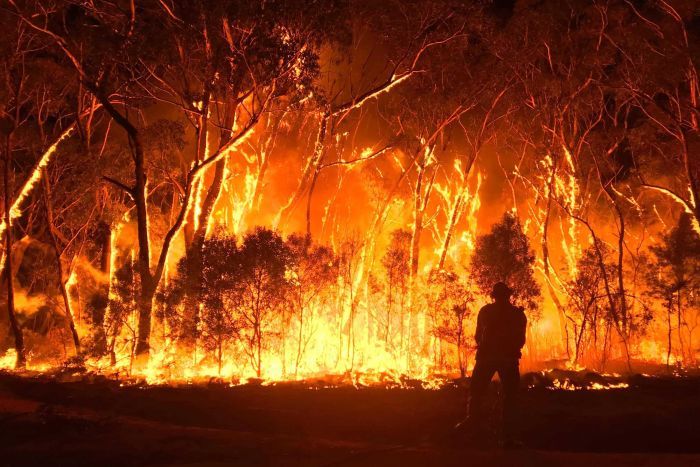
Definition and Basic Characteristics of Bushfires
Bushfires represent one of the most destructive forms of wildland fire, characterized by their rapid spread, intense heat, and significant ecological and socioeconomic impacts. Unlike forest fires, which primarily consume timber and dense canopy cover, or grassfires, which spread across dry vegetation, bushfires thrive in regions dominated by eucalyptus forests, shrublands, and grassy woodlands. These ecosystems, particularly in Australia, Southern Africa, and parts of the Mediterranean, provide abundant flammable biomass, including oils in eucalyptus bark, dry leaf litter, and fine fuel loads that accelerate combustion. Geographic occurrence is heavily influenced by climate patterns, vegetation types, and human activity, with bushfires often peaking during prolonged droughts or extreme heatwaves.The distinction between bushfires and other wildland fires lies in their fuel composition, fire behavior, and environmental interactions. While wildfires can occur in any vegetated landscape, bushfires are uniquely tied to broadleaved forests and shrublands, where fire-adapted species have evolved to rely on periodic burns for regeneration. Below is a structured comparison highlighting key differences between bushfires and wildfires, emphasizing their operational and ecological distinctions.
Comparison of Bushfires and Wildfires
The following table outlines the fundamental differences between bushfires and wildfires, focusing on fuel type, spread dynamics, regional prevalence, and ecological outcomes. These distinctions are critical for understanding fire management strategies and risk assessment in affected regions.| Feature | Bushfire | Wildfire |
|---|---|---|
| Primary Fuel Source |
|
|
| Spread Rate and Intensity |
|
|
| Common Geographic Regions |
|
|
| Ecological Impact |
|
|
Key Distinction: Bushfires are high-intensity, fast-spreading fires fueled by oil-rich eucalyptus and dense understory vegetation, whereas wildfires encompass a broader spectrum of fire types, including slow-burning peat fires and low-intensity grassfires. The ecological role of bushfires in fire-prone ecosystems often contrasts with the destructive impacts of wildfires in non-adapted systems.
Stages of a Bushfire and Influencing Environmental Conditions
Bushfires progress through three distinct stages—ignition, growth, and decay—each governed by fuel availability, weather conditions, and topography. Understanding these stages is essential for predicting fire behavior and implementing effective suppression strategies. Environmental factors such as wind speed, temperature, humidity, and terrain act as critical drivers, often determining whether a fire escalates into an uncontrollable conflagration.The following breakdown examines each stage, highlighting the physical and chemical processes at play, along with real-world examples illustrating their dynamics.
Stage 1: Ignition
Ignition marks the initiation of a bushfire, where sufficient heat energy is applied to raise the temperature of fuel to its ignition point. In bushfire-prone regions, ignition sources are predominantly human-induced (85% globally), including arson, equipment use, and accidental sparks, though natural causes (e.g., lightning strikes) also contribute.Key Factors Influencing Ignition:
Critical Ignition Threshold: Eucalyptus oil droplets can ignite at temperatures as low as 250°C (482°F), far below the ignition point of dry wood alone. This explains why bushfires often ignite from small heat sources (e.g., a cigarette butt) in seemingly non-extreme conditions.Real-World Example:
The 2009 Black Saturday bushfires in Victoria, Australia, were triggered by multiple ignition points, including deliberate arson, power line faults, and vehicle sparks. The combination of 47°C (116°F) temperatures, 105 km/h winds, and tinder-dry eucalyptus forests created
Causes and Human Influence on Bushfires
Bushfires, or wildfires, emerge from a complex interplay of environmental conditions and ignition sources, both natural and anthropogenic. While natural triggers have shaped ecosystems for millennia, human activities have significantly amplified their frequency, intensity, and destructive potential. Understanding these causes is critical for mitigation strategies and land management policies. This section examines the primary natural and human-induced factors contributing to bushfire outbreaks, emphasizing the role of climate, vegetation, and human behavior in shaping fire regimes.Natural Triggers of Bushfires
Natural ignition sources are inherent to many ecosystems and often serve ecological functions, such as promoting biodiversity and nutrient cycling. However, their occurrence in extreme conditions can lead to uncontrollable fires. The following factors represent the most significant natural causes:- Lightning strikes Lightning is the most common natural cause of bushfires, particularly in regions with frequent thunderstorms. Dry lightning—where precipitation evaporates before reaching the ground—creates ideal conditions for fire ignition. For example, Australia’s 2019–2020 "Black Summer" fires were exacerbated by over 12,000 lightning strikes in a single event, sparking multiple fires across Victoria and New South Wales.
- Volcanic activity Lava flows, pyroclastic surges, and volcanic gases can ignite surrounding vegetation, particularly in arid or semi-arid environments. Historical records indicate that volcanic eruptions, such as Mount Etna in Sicily (2001) or Mount St. Helens in the U.S. (1980), have triggered localized bushfires due to high temperatures and ejected embers.
- Spontaneous combustion Under specific conditions—such as high temperatures, low moisture, and organic matter accumulation—dry vegetation or peat deposits may combust without an external ignition source. This phenomenon is rare but documented in coal seams (e.g., Australia’s "burning coal seams" in Queensland) and deep organic layers in boreal forests.
- Meteorite impacts While extremely rare, meteorite strikes can generate sufficient heat to ignite fires. The 2013 Chelyabinsk meteor event in Russia produced a fireball hot enough to cause localized burns, though no large-scale bushfires resulted. Historical accounts, such as the Tunguska event (1908), suggest that such impacts could theoretically spark wildfires in forested regions.
- Drought and heatwaves Prolonged droughts and heatwaves dehydrate vegetation, creating continuous fuel for fires. The 2003 European heatwave, which killed over 70,000 people, also primed forests for ignition, leading to severe fires in Portugal, Spain, and Greece. While not a direct cause, these conditions amplify the impact of other triggers.
Human Activities and Bushfire Propagation
Human influence accounts for the majority of bushfire ignitions globally, with activities ranging from accidental negligence to deliberate arson. Unlike natural triggers, human-caused fires often occur in proximity to infrastructure, increasing risks to lives and property. Key contributors include:- Unattended campfires or barbecues
- Discarded cigarettes or matches
- Power line failures or electrical equipment malfunctions
- Controlled burns that escape containment
- Industrial activities (e.g., sparks from machinery or welding)
- Arson or vandalism
Case Study: The 2009 Black Saturday Bushfires (Australia) The deadliest bushfire disaster in Australian history, the Black Saturday fires killed 173 people and destroyed 2,029 homes. Investigations revealed that 35 of the 400 ignitions were human-caused, including:The fires were exacerbated by extreme heat (46.4°C), drought, and gale-force winds (100 km/h), but human actions provided the initial ignition points. Post-disaster reforms included stricter vegetation management and power line insulation policies.
- A discarded cigarette butt near Marysville, Victoria, which ignited dry grass.
- Arson in Kinglake, where a deliberately lit fire spread uncontrollably due to strong winds.
- Power line failures in the Yarra Glen area, sparked by high winds.
Chain of Events: Human Action to Full-Blown Bushfire
The progression from a human-caused ignition to a large-scale bushfire involves intermediate factors such as fuel availability, weather conditions, and topography. Below is a textual flowchart outlining this process:- Initial Ignition A human action (e.g., a campfire left unattended, a discarded cigarette, or a power line spark) introduces heat to dry vegetation.
- Fuel Availability The presence of dry, continuous fuel (e.g., eucalyptus leaf litter, grasslands, or shrubs) allows flames to spread. Fuel moisture content (FMC) below 10% is critical for rapid combustion.
-
Weather Conditions
- Wind speed and direction: Strong winds (>30 km/h) fan flames, creating firebrands that jump ahead of the main fire front.
- Temperature: Heatwaves (>35°C) increase fire intensity and reduce humidity.
- Humidity: Low relative humidity (<30%) accelerates desiccation of unburnt fuel.
- Topography Slopes and ridges accelerate fire spread due to preheating of fuels upslope and increased wind exposure. Canyons or valleys can channel winds, intensifying fire behavior.
- Fire Growth and Escape If unchecked, the fire transitions from a small ignition to a head fire (advancing front) and flank fires (spreading along edges). Spot fires—ignitions from embers—can create multiple fire fronts.
- Uncontrolled Spread Without suppression efforts, the fire may become a megafire (e.g., >100,000 hectares), particularly in regions with high fire danger indices (e.g., Australia’s McArthur Forest Fire Danger Index >100).
Critical Thresholds for Bushfire Escalation Research indicates that fires are more likely to escalate when:These conditions were present during the 2017 Portuguese Pedrógão Grande wildfires, where 66 deaths occurred due to a combination of arson, extreme drought, and wind-driven spread.
- Fuel loads exceed 5–10 tons/hectare (e.g., post-fire regrowth or invasive grasses).
- Wind speeds surpass 25 km/h for sustained periods.
- Relative humidity drops below 20%.
- Fire spreads across multiple vegetation types (e.g., grassland to forest).

Ecological and Environmental Impact of Bushfires
Bushfires exert profound and multifaceted effects on ecosystems, ranging from immediate devastation to long-term ecological transformations. While they often dominate headlines for their destructive potential, their role in shaping natural landscapes is complex, influencing biodiversity, nutrient cycles, and even atmospheric carbon dynamics. Understanding these impacts—both detrimental and regenerative—is critical for managing fire-prone environments sustainably and distinguishing between harmful anthropogenic fires and ecologically necessary wildfires.The ecological consequences of bushfires vary significantly depending on fire intensity, frequency, and ecosystem type. Some regions, such as Australia’s eucalyptus forests or Mediterranean woodlands, have coevolved with fire, developing adaptive traits that allow them to thrive despite periodic burns. Conversely, other ecosystems, particularly those with dense understory vegetation or fragile soil structures, suffer irreversible damage. Below, the short- and long-term effects are contrasted, followed by an exploration of bushfires’ dual role as both destroyers and renewers in fire-adapted systems.
Short-Term and Long-Term Ecological Effects
Bushfires disrupt ecosystems through a combination of direct destruction and cascading secondary effects. The following table summarizes their immediate and delayed consequences, categorized by ecological domain.| Short-Term Effects | Long-Term Effects |
|---|---|
|
|
Bushfires as a Natural Renewal Process in Fire-Adapted Ecosystems
Certain ecosystems have evolved in tandem with fire, developing intricate relationships where bushfires serve as a regenerative force rather than a purely destructive one. These fire-adapted or pyrophytic systems rely on periodic fires to maintain ecological balance, stimulate reproduction, and control invasive species. The mechanisms enabling survival in such environments include:- Seed Germination Cues: Many species in fire-prone regions (e.g., Banksia spp. in Australia, Pinus spp. in the Mediterranean) possess serotinous cones—seed pods that only open after exposure to heat. This ensures synchronized regeneration post-fire. For example, Banksia attenuata releases seeds only when subjected to temperatures exceeding 60°C, a threshold typically met during bushfires.
Fire-adapted ecosystems are not exceptions but represent a dominant ecological strategy in regions with recurrent wildfires. Approximately 40% of the world’s terrestrial vegetation is estimated to have evolved in fire-prone environments, including savannas, grasslands, and certain forest types.The frequency and intensity of fires in these systems are often endogenously regulated—natural fires act as a selective pressure that prevents monocultures and maintains genetic diversity. For instance, in Australia’s kwongan shrublands, low-intensity fires every 5–10 years clear leaf litter, reducing fuel loads for catastrophic fires while promoting seedling establishment. However, human intervention—such as fire suppression or altered fire regimes—can disrupt this balance, leading to unnaturally dense vegetation that fuels more severe fires.
Role of Bushfires in Carbon Cycling
Bushfires significantly influence global carbon dynamics, acting as both a short-term carbon emitter and a long-term carbon sequesterer in regrowing ecosystems. The net effect depends on the scale of the fire, the type of vegetation burned, and post-fire recovery trajectories.During a bushfire, rapid combustion releases stored carbon in vegetation and soil organic matter as carbon dioxide (CO₂) and, to a lesser extent, methane (CH₄) and black carbon (soot). For example, the 2019–2020 Australian bushfires emitted an estimated 900 million tons of CO₂—equivalent to nearly 2% of global annual fossil fuel emissions. This immediate release contributes to atmospheric CO₂ concentrations, exacerbating short-term climate feedbacks. However, the long-term carbon balance is more nuanced:
- Post-Fire Regrowth: Burned ecosystems often undergo a carbon debt repayment phase, where regrowing vegetation absorbs CO₂ at rates exceeding pre-fire levels. Young forests and shrublands, particularly in fire-adapted systems, can sequester carbon more efficiently due to high photosynthetic rates in fast-growing species (e.g., Acacia spp. or Eucalyptus saplings).
The carbon impact of bushfires is not uniformly negative; in fire-adapted ecosystems, the pulse of combustion is often followed by a longer-term pulse of sequestration, particularly in regions where fire suppression has historically led to fuel accumulation.Regional examples illustrate this duality:
Fire Behavior and Spread Mechanics in Bushfires
Bushfires exhibit complex physical dynamics governed by interactions between fuel, topography, and atmospheric conditions. The spread of these fires is not random but follows predictable patterns influenced by thermodynamics, fluid dynamics, and combustion science. Understanding these mechanics is critical for fire management, risk assessment, and ecological modeling. Below, the underlying principles of fire behavior are examined, including how environmental variables accelerate or suppress combustion, the structural composition of flames under varying wind conditions, and comparative spread rates across diverse terrains.Key Principles Governing Bushfire Spread
The propagation of bushfires is determined by the interplay of fuel properties, topography, and atmospheric conditions, each contributing to the rate, intensity, and direction of fire spread. These principles are rooted in heat transfer, fuel moisture content, and aerodynamic effects. Below are the foundational factors that dictate fire behavior:- Fuel Continuity and Arrangement The spatial distribution and continuity of fuel influence fire spread through radiative and convective heat transfer. Dense, homogeneous fuel beds (e.g., eucalyptus forests) facilitate rapid lateral spread due to preheating adjacent fuels, while discontinuous fuels (e.g., grassland with rock outcrops) create barriers that fragment the fire front. The bulk density of fuel (mass per unit volume) and surface-to-volume ratio of particles determine ignition susceptibility and combustion efficiency.
-
Topographic Effects: Slope and Aspect
Slope steepness and aspect (compass direction) alter fire spread through gravity-driven wind and preheating of uphill fuels. Fires spread 2–10 times faster uphill than on flat terrain due to:
- Increased convective heat flux as hot gases rise along the slope, preheating fuels ahead of the flame front.
- Accelerated wind speeds generated by the chimney effect, where rising heat creates low-pressure zones that draw in oxygen and fuel the fire.
- Reduced moisture content in fuels on sun-exposed slopes (e.g., north-facing in the Southern Hemisphere), enhancing ignitability.
-
Atmospheric Conditions and Wind Dynamics
Wind is the most dominant factor in fire spread, influencing flame length, spotting distance, and rate of spread (ROS). Key mechanisms include:
-
Wind Speed and Direction
- Head fires (fires spreading into the wind) exhibit the highest ROS due to direct oxygen supply and flame elongation.
- Back fires (spreading against the wind) are slower but can be managed tactically in firebreaks.
- Crosswinds create flanking fires, which may outflank suppression efforts if unchecked.
-
Wind Speed and Direction
-
Temperature Inversions and Stability Layers
Inversions occur when warmer air traps cooler, moist air near the surface, suppressing vertical mixing and reducing fire intensity. However, breakup of inversions (e.g., due to daytime heating) can lead to explosive fire growth as trapped heat is released. -
Humidity and Moisture Flux
Low relative humidity (<30%) increases fuel volatility, while high humidity (>70%) can extinguish fires by reducing vapor pressure and heat transfer. Atmospheric stability (measured by the Pasquill stability classes) correlates with fire behavior:Stability Class A (Unstable): Strong turbulence, rapid fire spread (ROS up to 10+ km/h).
Stability Class F (Extremely Stable): Suppressed vertical growth, smoldering combustion.
-
Radiation (70–90% of heat transfer in wildfires)
- Longwave infrared radiation (2–5 µm) preheats fuels ahead of the flame front.
- View factor (geometric exposure of fuel to flames) determines radiative efficiency; spherical fuels (e.g., grass) absorb more than flat surfaces (e.g., bark).
- Fire intensity (higher intensity = larger, hotter embers).
- Atmospheric turbulence (stronger winds increase spotting range).
- Fuel receptivity (dry, fine fuels ignite more easily than moist or compacted fuels).
Cross-Sectional Flame Structure Under Varying Wind Speeds
The vertical and horizontal structure of a bushfire’s flame front varies with wind speed, creating distinct zones of combustion, preheating, and residual heat. Below is a text-based cross-sectional diagram describing flame behavior at low, moderate, and high wind speeds, with labeled components based on empirical observations and fire dynamics models (e.g., Rothermel, 1972; Albini, 1985).+---------------------+---------------------+---------------------+
| | MODERATE | HIGH |
| | WIND (~15 km/h)| WIND (~40 km/h) |
| | | |
| LOW WIND (~5 km/h)| | |
| +----------------+ | |
| | Preheating Zone | | |
| | (0.5–2 m ahead) | | |
| | - Radiative | | |
| | heating | | |
| | (T < 200°C) | | |
| +----------------+ | |
| | Combustion Zone | | |
| | (0.1–0.5 m thick)| | |
| | - Active flame | | |
| | (T: 600–1200°C)| | |
| | - Turbulent | | |
| | mixing | | |
| +----------------+ | |
| | Glow Zone | | |
| | (0.2–1 m deep) | | |
| | - Smoldering | | |
| | combustion | | |
| | (T: 200–400°C) | | |
| +----------------+ | |
| | | |
+---------------------+---------------------+---------------------+
Key Components Across Wind Speeds:
- Preheating Zone
- Low Wind: Dominated by radiative heat transfer; fuels preheat slowly over a wider area (up to 2 m ahead).
- Moderate Wind: Compressed due to convective heat advection; preheating occurs within 0.5–1 m.
- High Wind: Minimal preheating zone as turbulent mixing rapidly supplies oxygen, reducing radiative dominance.
-
Combustion Zone
-
Management and Prevention Strategies for Bushfires
Bushfires pose significant threats to ecosystems, infrastructure, and human lives, necessitating proactive management and prevention strategies. Effective mitigation involves a combination of structural modifications, landscape planning, community engagement, and advanced technological interventions. These measures aim to reduce ignition risks, limit fire spread, and enhance response capabilities. Successful bushfire management integrates long-term planning with immediate action, balancing ecological sustainability with human safety.
Step-by-Step Procedure for Creating a Bushfire-Resistant Property
Designing a property to withstand bushfires requires systematic planning across landscaping, construction, and emergency preparedness. The following steps outline a structured approach to minimize vulnerability to fire:1. Assess Fire Risk and Zoning
Conduct a property assessment to identify exposure levels based on local bushfire risk zones (e.g., designated by authorities like the Australian Bushfire Attack Level (BAL) or California’s Fire Hazard Severity Zones). High-risk zones (e.g., BAL-FZ or Very High Fire Danger) require stricter compliance with building codes and landscaping standards.2. Implement Defensible Space
Defensible space refers to vegetation management within a property to slow or stop fire progression. This is typically divided into three zones:
- Zone 0 (0–5 meters from structures): Remove all flammable materials, including leaves, bark, and dry grass. Use non-combustible mulch (e.g., gravel or metal).
- Zone 1 (5–30 meters): Reduce fuel loads by pruning trees to a height of 2 meters, removing ladder fuels (e.g., low-hanging branches), and replacing dense shrubs with fire-resistant plants.
- Zone 2 (30–100 meters): Thin out vegetation to create gaps between trees, maintain grass heights below 10 cm, and avoid planting highly flammable species.
3. Select Fire-Resistant Landscaping
Choose native or adapted plants with low flammability, such as:
- Ground cover: Lomandra, Kangaroo Paw (Anigozanthos), or succulents (e.g., Ice Plant).
- Shrubs: Bottlebrush (Callistemon), Grevillea, or Westringia.
- Trees: Eucalyptus species with thick bark (e.g., Eucalyptus camaldulensis), or non-Eucalyptus options like Olive Trees (Olea europaea).
Avoid highly resinous or volatile species (e.g., Pine trees, Acacia, or Casuarina).4. Use Fire-Resistant Building Materials
Construct structures with materials that delay ignition and resist radiant heat:
- Roofing: Metal, concrete tiles, or fire-rated composite materials (avoid wood shakes or asphalt shingles).
- Walls: Brick, concrete, or stucco; avoid vinyl siding or wood cladding without fire-resistant treatments.
- Windows and Doors: Tempered glass with low-emissivity coatings, metal screens, and self-closing mechanisms. Seal gaps with non-combustible materials.
- Decking and Fences: Non-combustible materials like concrete, metal, or treated timber certified for fire resistance (e.g., AS 1530.1 compliance in Australia).
5. Install Fire-Resistant Infrastructure
- Gutters and Downspouts: Use metal gutters and ensure they are free of debris to prevent ember accumulation.
- Vents and Eaves: Install ember-resistant vents (e.g., 1/8-inch mesh screens) and avoid open eaves that trap embers.
- Storage: Store flammable materials (e.g., firewood, propane tanks) at least 3 meters from structures in metal sheds.
6. Develop an Emergency Preparedness Plan
- Evacuation Routes: Identify primary and secondary escape paths, and ensure they are clear of obstacles.
- Emergency Kit: Prepare a "Go Bag" with essentials (water, medications, important documents, and a portable charger).
- Communication Plan: Establish a meeting point and use emergency alerts (e.g., SMS warnings or Emergency Alert System in the U.S.).
- Firefighting Equipment: Keep a garden hose (minimum 10 meters), fire extinguisher (rated for Class A/B/C fires), and a rake or shovel for creating firebreaks.
7. Regular Maintenance and Monitoring
- Inspections: Conduct bi-annual checks for dry vegetation, overhanging branches, and debris in gutters.
- Hydration: Maintain a water supply for firefighting, including a pressurized tank or connected hose system.
- Community Involvement: Participate in local fire prevention programs and share property maintenance updates with neighbors.
Successful Bushfire Management Programs
Proactive bushfire management programs have demonstrated effectiveness in reducing fire intensity, protecting ecosystems, and enhancing community resilience. The following initiatives serve as global models for integration into regional strategies:Prescribed Burns and Controlled Burns
Controlled burning involves deliberately igniting fires under specific conditions to reduce fuel loads and restore fire-dependent ecosystems. Examples include:
- Australia’s Northern Territory – "Cool Burns" Program
Goal: Reduce wildfire risks in savannas by conducting low-intensity burns during the wet season.
Outcome: Reduced fire intensity by 30–50%, improved biodiversity, and lower greenhouse gas emissions compared to uncontrolled burns.
Method: Uses Indigenous fire management knowledge combined with satellite monitoring for optimal timing.- United States – California’s Prescribed Fire Program
Goal: Restore fire-adapted ecosystems (e.g., chaparral and oak woodlands) and reduce wildfire hazards.
Outcome: Over 500,000 acres treated annually, with a 20% reduction in large wildfire occurrences in managed areas.
Method: Collaborates with tribal communities (e.g., Yurok Tribe’s Cultural Burn Program) and employs Fire Use Groups for community-led burns.- Portugal’s "Firebreaks and Controlled Burns" Initiative
Goal: Mitigate catastrophic wildfires in Mediterranean forests by creating firebreaks and conducting prescribed burns.
Outcome: Firebreak networks reduced fire spread in 2017’s Pedrógão Grande fires, saving 12,000 hectares.
Method: Uses aircraft and drones for precision burns and employs community fire brigades for maintenance.Community Firebreaks and Fuel Reduction
Firebreaks are physical barriers designed to halt fire progression. Successful implementations include:
- Australia’s "Community Fireguard" Program (Victoria)
Goal: Establish and maintain fuel-reduced corridors around high-risk areas.
Outcome: Reduced fire spread in 2019–20 Black Summer fires, with some communities experiencing zero property loss.
Method: Volunteers clear vegetation in 100-meter-wide strips around towns, supported by government subsidies for equipment.- Spain’s "Firebreaks in Catalonia"
Goal: Create 12-meter-wide firebreaks in rural and forested areas.
Outcome: Limited fire spread in 2021’s wildfires, with 80% of affected regions having pre-existing breaks.
Method: Uses helicopters and bulldozers to clear breaks, with annual maintenance by landowners.- South Africa’s "Working for Water" Program
Goal: Remove invasive alien vegetation (e.g., Eucalyptus and Pine) that accelerates fire spread.
Outcome: Reduced fire intensity in Kruger National Park and surrounding areas, with 3 million hectares treated since 1995.
Method: Combines manual clearing with biocontrol agents (e.g., beetles targeting invasive plants).Public Education and Early Warning Systems
Community awareness and technological advancements play critical roles in bushfire prevention:
- Australia’s "Fire Ready" Campaign
Goal: Educate residents on property hardening, evacuation planning, and emergency preparedness.
Outcome: 70% increase in bushfire-resistant property modifications in high-risk zones post-2019–20 fires.
Method: Free workshops, online tools (e.g., Bushfire Attack Level Calculator), and door-to-door assessments.- Canada’s "FireSmart" Program
Goal: Promote fire-resistant construction and land-use planning in wildland-urban interfaces.
Outcome: 30% reduction in home ignitions in participating communities (e.g., British Columbia’s Okanagan Valley).
Method: Provides FireSmart certification for buildings and offers grants for defensible space projects.- Greece’s "Early Warning System" (EWS)
Goal: Deploy real-time satellite and sensor networks to detect fires within 10 minutes of ignition.
Outcome: 40% faster response times in 2020, reducing fire size by 25% compared to previous years.
Method: Integrates Copernicus Sentinel satellites, AI-driven smoke detection, and drones
Cultural and Historical Perspectives on Bushfires
Bushfires have shaped human societies for millennia, reflecting deep cultural, ecological, and socioeconomic dimensions. Indigenous Australian practices, such as cultural burning, demonstrate a sophisticated relationship with fire, where controlled burns maintained biodiversity and reduced catastrophic wildfires. Beyond Australia, bushfires feature prominently in global mythologies, illustrating humanity’s enduring fascination with fire as both a destructive and regenerative force. This section examines the historical and cultural significance of bushfires, their representation in art and literature, and the socioeconomic consequences of modern bushfire events, using case studies to underscore their transformative impacts.
Indigenous Australian Fire Management and Traditional Ecological Knowledge
For over 65,000 years, Aboriginal and Torres Strait Islander peoples have used fire as a tool for land management, a practice now recognized as cultural burning or firestick ecology. This system involved low-intensity, frequent burns during cooler seasons to:
- Reduce fuel loads, minimizing the risk of uncontrolled wildfires.
- Promote native vegetation regeneration, enhancing food sources for wildlife and humans.
- Maintain ecological balance, supporting species adapted to periodic fire, such as eucalyptus and grasslands.
"Fire is a good servant but a bad master." — Traditional Aboriginal proverb, emphasizing controlled use over unchecked destruction.
Modern ecological research validates these practices, showing that Indigenous fire management reduced bushfire intensity by up to 50% in some regions before European colonization. Key principles include:
- Seasonal timing: Burns conducted in late autumn or winter to avoid dry conditions.
- Patchwork burning: Creating a mosaic of burned and unburned areas to sustain habitat diversity.
- Community knowledge: Oral traditions passed through generations, documenting fire behavior, wind patterns, and plant responses.
Scientific alignment:
- Studies in Journal of Biogeography (2018) confirm that Aboriginal burning increased biodiversity by preventing monoculture dominance.
- Carbon sequestration: Controlled burns release stored carbon gradually, unlike catastrophic fires that emit large CO₂ pulses.
Bushfires in Global Mythology, Literature, and Art
Fire’s dual role as destroyer and renewer has inspired narratives across cultures, often symbolizing purification, transformation, or divine wrath. Below are key examples from global traditions:
-
Aboriginal Dreamtime Stories (Australia)
- The Rainbow Serpent: In some traditions, the serpent’s movements caused bushfires, linking fire to creation and destruction.
- Fire as a Gift: The Wardaman people of the Northern Territory describe fire as a tool given by ancestral beings to manage the land.
- Artistic Depictions: Dot painting by Indigenous artists (e.g., Emily Kame Kngwarreye) often incorporates fire motifs, representing land stewardship and cyclical renewal.
-
Greek Mythology (Europe)
- Prometheus’ Theft: Fire stolen from the gods symbolized human ingenuity and defiance, with bushfires later interpreted as punishment (e.g., Hercules’ labors involving fire-scorched landscapes).
- Hestia and Hephaestus: Gods associated with hearth and forge, respectively, reflect fire’s role in civilization and craftsmanship.
-
Japanese Folklore
- Tengu and Fire: Mythical creatures used fire to ward off evil or test humans, with bushfires sometimes framed as their work.
- Haiku Poetry: Basho’s works (e.g., "Old pond— / a frog jumps in, / sound of water") indirectly evoke seasonal burns in rural landscapes.
-
Native American Traditions (North America)
- Fire Dances: Rituals like the Paiute fire dance celebrated controlled burns, ensuring game abundance and spiritual cleansing.
- Lakota Creation Story: Fire was a gift from the Great Spirit to warm the earth and cook food, later linked to controlled burns in prairie ecosystems.
-
African Oral Traditions
- San Bushmen (Southern Africa): Used fire to hunt game and regenerate savannas, with stories depicting fire as a teacher rather than a destroyer.
- Yoruba Proverbs (Nigeria): "Fire does not burn the hand that stirs it"—highlighting mastery over destruction. Artistic Representations:
- Australian Indigenous Art: Emily Kame Kngwarreye’s abstract works often feature fire’s movement, symbolizing land connection.
- European Landscapes: J.M.W. Turner’s The Burning of the Houses of Lords and Commons (1835) captures fire’s chaos, contrasting with Indigenous depictions of controlled flames.
- Modern Media: Films like Rabbit-Proof Fence (2002) and The Songlines (2019) integrate fire’s cultural role into narratives of displacement and resilience.
-
Economic Losses
- Direct Costs: Estimated at AUD 100 billion (including infrastructure, livestock, and emergency response).
- Tourism Decline: 30% drop in international visitors in 2020, with iconic sites like Kangaroo Island and the Blue Mountains closed.
- Agricultural Impact: 6 million animals (including 18,000 livestock) died, disrupting supply chains for wool, dairy, and wine industries.
-
Displacement and Housing Crisis
- 3,000+ homes destroyed, with 18.6 million people exposed to hazardous air quality.
- Rental market collapse in affected regions (e.g., Batemans Bay, NSW), with shortages lasting over 18 months.
- Indigenous Communities: Remote areas like East Kimberley faced evacuation challenges due to limited infrastructure, exacerbating health disparities.
-
Mental Health and Psychological Trauma
- PTSD and Anxiety: Studies in The Lancet (2021) found 40% of survivors reported chronic stress, with firefighters and volunteers at high risk for depression.
- Grief and Loss: Koala populations (a cultural symbol) declined by 30%, leading to collective mourning in Indigenous and non-Indigenous communities.
- Long-term Health: Increased respiratory diseases (e.g., asthma) due to smoke inhalation, particularly in children and elderly populations.
-
Insurance and Government Response
- Insurance Payouts: AUD 5.9 billion claimed, straining insurers and leading to premium hikes in high-risk zones.
- Government Stimulus: AUD 2 billion allocated for reconstruction, but bureaucratic delays slowed recovery in rural areas.
- Climate Policy Shifts: The fires accelerated debates on carbon pricing and land-use policies, with calls for greater Indigenous fire management funding.
Socioeconomic Impacts of Bushfires: Case Study of the 2019–2020 Black Summer Fires in Australia
The 2019–2020 Black Summer bushfires in Australia were among the most devastating in recorded history, burning 24.6 million hectares, killing 34 people, and destroying 3,000 homes. The socioeconomic consequences extended beyond immediate destruction, affecting mental health, tourism, agriculture, and Indigenous communities.| Sector | Direct Impact | Long-term Consequence |
|---|---|---|
| Tourism | 30% visitor decline; closures of national parks | Shift to "eco-recovery" tourism (e.g., wildlife rehabilitation tours) |
| Agriculture | 6M+ animals lost; crop damage in Victoria | Adoption of fire-resistant farming practices (e.g., prescribed burns in vineyards) |
| Healthcare | 1,600+ hospitalizations from smoke inhalation | Increased funding for mental health services in bushfire-affected regions |
| Indigenous Communities | Loss of cultural sites (e.g., Gunditjmara volcanic craters damaged) | <
Leave a Comment
Comments are moderated before appearing. The data you submit is processed according to the Privacy Policy of Voltefac.