What Is Celeriac Botanical Nutritional And Culinary Guide
Table of Contents
- Botanical and Culinary Basics of Celeriac
- Taxonomic Classification and Relation to Other Celery Varieties
- Physical Attributes and Morphological Differences from Celery Stalks
- Optimal Growing Conditions for Celeriac Cultivation
- Comparison of Celeriac with Celery Stalks, Leaves, and Root Varieties
- Nutritional Profile and Health Benefits of Celeriac
- Macronutrient and Micronutrient Breakdown per 100g
- Health Benefits Supported by Nutritional Composition
- Comparative Nutritional Advantages Over Other Root Vegetables
- Dietary Considerations and Mitigation Strategies
- Culinary Applications and Preparation Techniques of Celeriac
- Peeling and Cutting Techniques with Waste Minimization
- Categorized Culinary Applications by Cuisine
- Storage, Preservation, and Seasonal Availability of Celeriac
- Ideal Storage Conditions for Fresh Celeriac
- Long-Term Preservation Methods and Yield Expectations
- Seasonal Availability and Year-Round Sourcing
- FAQ
- What is celeriac purée and how is it made?
- What is celeriac remoulade and how does it taste?
- What is celeriac steak, and how is it prepared?
- What is celeriac soup, and what does it taste like?
- What is celeriac mash, and how is it different from regular mashed potatoes?
- What is a celeriac allergy, and what are the symptoms?
Celeriac, the often-overlooked root vegetable belonging to the Apiaceae family, serves as a versatile and nutrient-dense staple in both traditional and contemporary cuisine. Unlike its leafy green counterpart, celeriac thrives beneath the soil, offering a knobby, pale bulb rich in fiber, vitamins, and minerals while maintaining an impressively low caloric profile. Cultivated for centuries across Europe, this humble ingredient has evolved from medicinal remedies in ancient herbalism to a gourmet favorite in modern gastronomy, prized for its subtle earthiness and adaptability in both raw and cooked preparations.
The botanical distinction between celeriac and celery stalks underscores its unique identity—where celery prioritizes crisp stems and leaves, celeriac delivers a dense, starchy root capable of absorbing flavors while retaining structural integrity. Optimal growth demands cool climates, well-drained soil, and consistent moisture, factors that have shaped its seasonal dominance in temperate regions. Beyond its culinary utility, celeriac’s historical journey—from Roman apothecaries to French aristocratic tables—reveals a vegetable deeply intertwined with agricultural innovation and cultural exchange, making it a compelling subject for both horticulturists and food enthusiasts alike.
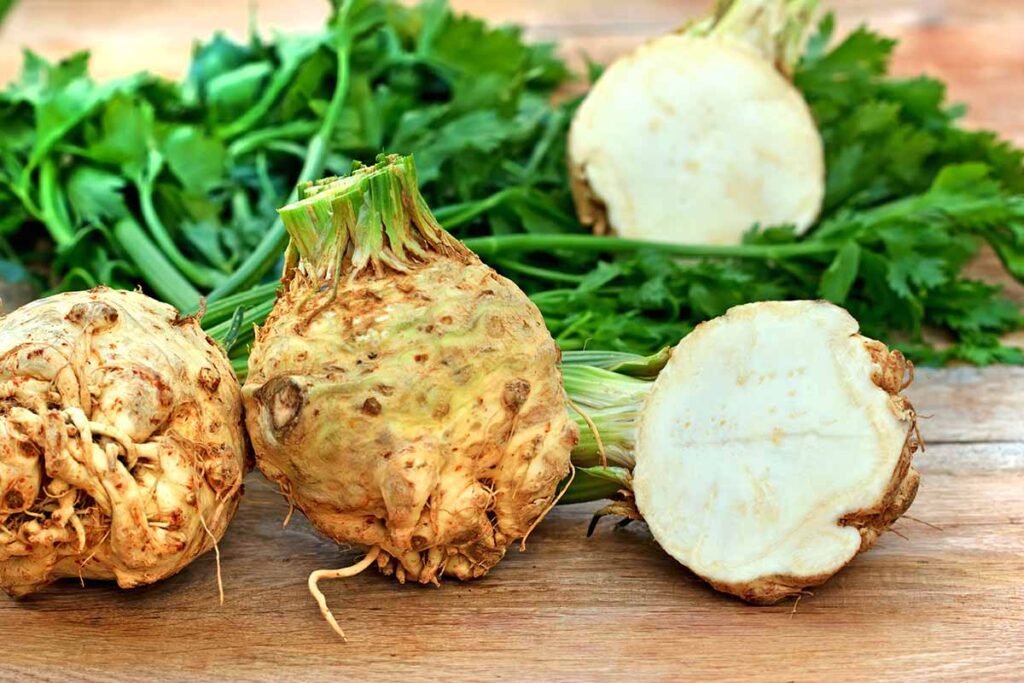
Botanical and Culinary Basics of Celeriac
Celeriac (Apium graveolens var. rapaceum) is a biennial herbaceous plant cultivated primarily for its edible, swollen root system, distinguishing it from its more familiar relative, celery (Apium graveolens var. dulce). While both belong to the Apiaceae family, their botanical and culinary profiles diverge significantly in structure, nutritional composition, and culinary applications. Understanding these distinctions is essential for horticulturists, chefs, and consumers seeking to optimize cultivation or utilization. This section explores celeriac’s taxonomic classification, morphological traits, optimal growing conditions, and historical development, alongside a comparative analysis with other celery varieties.Taxonomic Classification and Relation to Other Celery Varieties
Celeriac is a cultivar of Apium graveolens, a species native to the Mediterranean region. Its botanical classification is as follows:The genus Apium encompasses over 20 species, including wild celery (Apium graveolens var. graveolens), which exhibits a bitter taste and is not cultivated for food. The domestication of Apium graveolens led to three primary edible varieties:
1. Stalk celery (var. dulce), grown for its crisp, elongated stems.
2. Leaf celery (var. secalinum), valued for its aromatic foliage.
3. Celeriac (var. rapaceum), cultivated for its bulbous, knobby root.
Genetic and morphological studies indicate that celeriac likely originated from selections of wild celery with enlarged roots, a trait stabilized through centuries of cultivation in Europe.
Physical Attributes and Morphological Differences from Celery Stalks
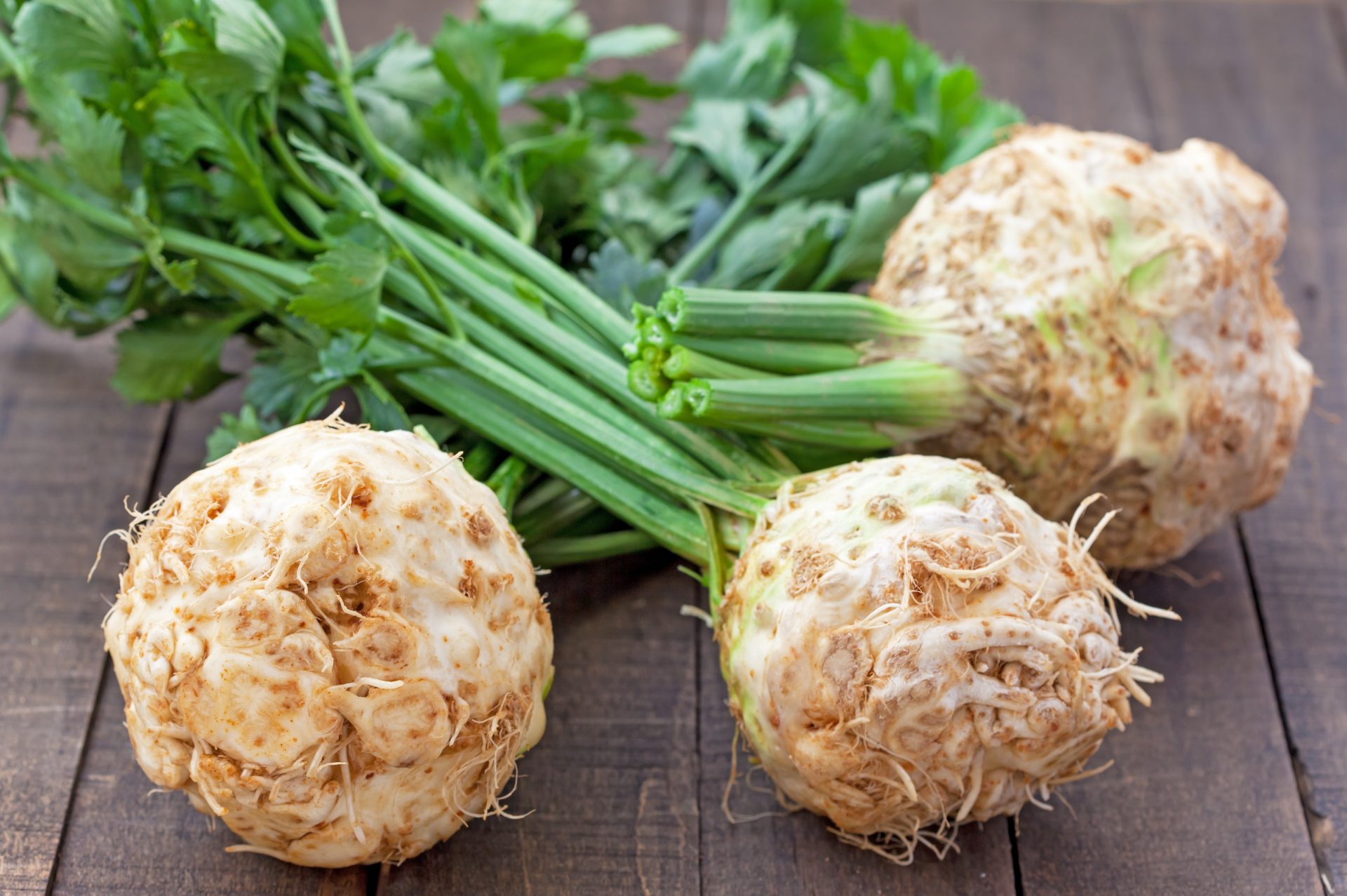
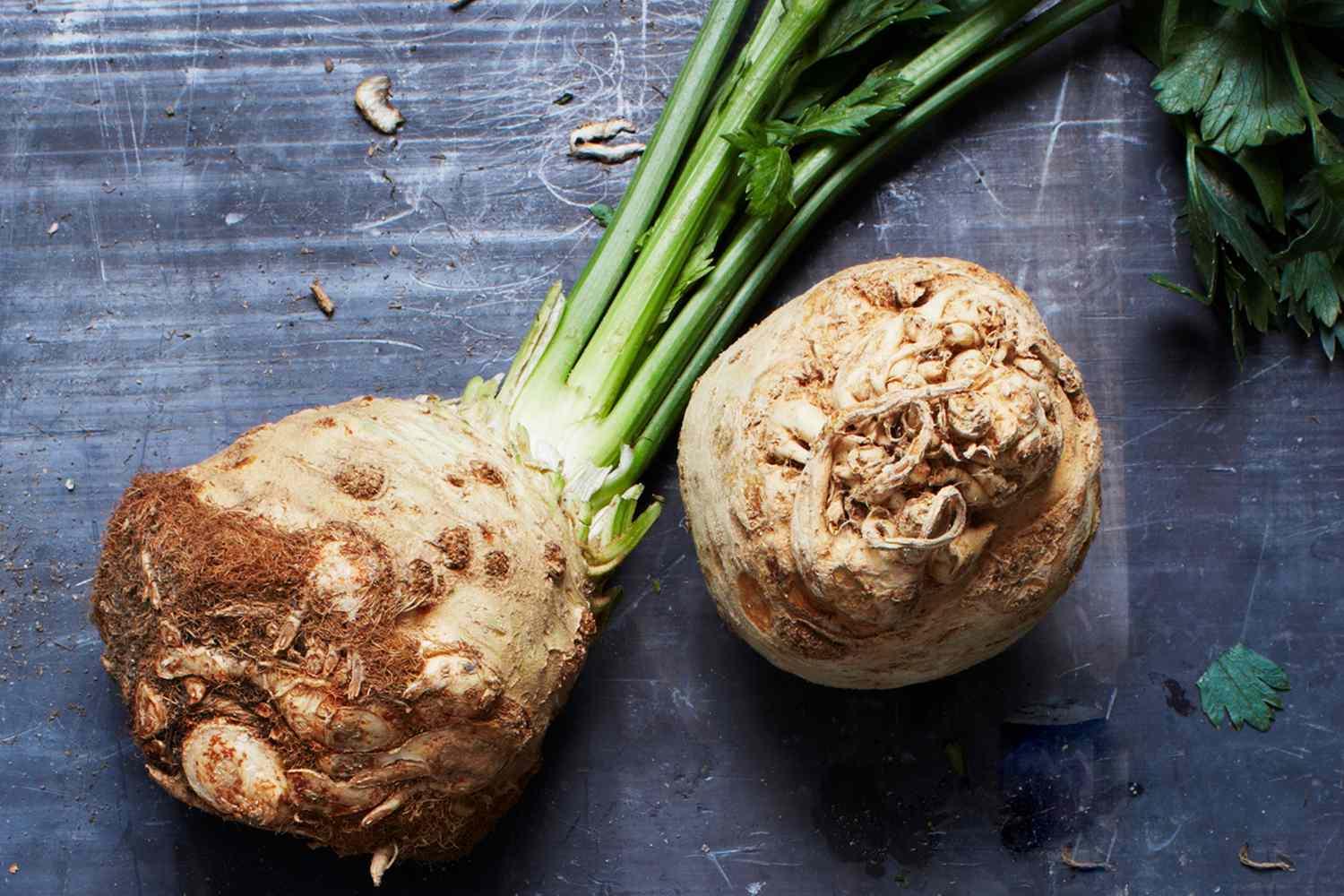
Celeriac’s root system is its defining feature, exhibiting a gnarled, irregular shape that contrasts sharply with the smooth, elongated stalks of celery. Key morphological characteristics include:Comparative Visualization:
Celeriac roots resemble deformed turnips or parsnips, whereas celery stalks are cylindrical and segmented. The root’s irregularity is a result of selective breeding to maximize bulbous growth, a trait absent in stalk celery, which prioritizes stem elongation.
Optimal Growing Conditions for Celeriac Cultivation
Celeriac thrives in temperate climates with cool to mild growing seasons, requiring specific environmental and soil conditions for optimal yield. Ideal parameters include:Challenges in Cultivation:
Comparison of Celeriac with Celery Stalks, Leaves, and Root Varieties
The following table contrasts celeriac with other Apium graveolens varieties across nutritional, culinary, and horticultural dimensions. Data is derived from USDA FoodData Central and agricultural extension services.| Attribute | Celeriac (Root) | Celery Stalks | Celery Leaves | Celeriac (Historical Root) | |||||||||||||||||||||||||||||||||||||||||||||||||||||||||||||||||||||||||||||||||||||||||||||||||||||||
|---|---|---|---|---|---|---|---|---|---|---|---|---|---|---|---|---|---|---|---|---|---|---|---|---|---|---|---|---|---|---|---|---|---|---|---|---|---|---|---|---|---|---|---|---|---|---|---|---|---|---|---|---|---|---|---|---|---|---|---|---|---|---|---|---|---|---|---|---|---|---|---|---|---|---|---|---|---|---|---|---|---|---|---|---|---|---|---|---|---|---|---|---|---|---|---|---|---|---|---|---|---|---|---|---|---|---|---|
| Botanical Part Consumed | Enlarged root (hypocotyl) | Petiole (leaf stalks) | Foliage (leaves) | Same as modern celeriac | |||||||||||||||||||||||||||||||||||||||||||||||||||||||||||||||||||||||||||||||||||||||||||||||||||||||
| Key Nutrients (per 100g, raw) |
|
|
|
Nutritional profiles align with modern celeriac | |||||||||||||||||||||||||||||||||||||||||||||||||||||||||||||||||||||||||||||||||||||||||||||||||||||||
| Primary Culinary Uses |
|
|
|
Historically used in medieval European root vegetables and potages | |||||||||||||||||||||||||||||||||||||||||||||||||||||||||||||||||||||||||||||||||||||||||||||||||||||||
| Storage Life | 3
Nutritional Profile and Health Benefits of CeleriacCeleriac (Apium graveolens var. rapaceum) stands out as a nutrient-dense, low-calorie root vegetable with a distinctive earthy flavor and versatile culinary applications. Its nutritional composition supports metabolic health, anti-inflammatory pathways, and digestive function, making it a valuable addition to balanced diets. Below, the macronutrient and micronutrient breakdown per 100g raw serving is analyzed, followed by evidence-based health benefits and comparative advantages over other root vegetables.Macronutrient and Micronutrient Breakdown per 100gCeleriac is characterized by its low energy density (35 kcal/100g) and minimal macronutrient content, primarily composed of complex carbohydrates (7.89g), protein (0.88g), and fats (0.25g). Its high water content (89.6g/100g) contributes to hydration while providing a fiber-rich profile (2.9g/100g), including soluble and insoluble fibers that support gut motility and microbial balance.The micronutrient profile is particularly notable for its vitamin K (16.6µg, 14% DV), folate (B9; 19µg, 5% DV), potassium (328mg, 7% DV), and vitamin C (7.5mg, 8% DV). Trace minerals such as magnesium (11mg, 3% DV), phosphorus (36mg, 3% DV), and calcium (40mg, 3% DV) are also present, though in modest quantities. Below is a responsive table summarizing key micronutrients and their %DV based on a 2,000-calorie diet (USDA FoodData Central, 2023):
Health Benefits Supported by Nutritional CompositionThe bioactive compounds in celeriac contribute to several physiological benefits, primarily driven by its polyacetylene antioxidants (e.g., phthalides), fiber content, and vitamin K/folate synergy.Anti-inflammatory and Oxidative Stress Reduction Digestive Health and Gut Microbiota Modulation Blood Sugar Regulation and Insulin Sensitivity Cardiovascular Support Comparative Nutritional Advantages Over Other Root VegetablesWhile root vegetables like parsnips, turnips, and carrots share similarities in fiber and vitamin content, celeriac distinguishes itself in anti-inflammatory compounds, vitamin K density, and low oxalate content. Below is a comparative analysis:Celeriac’s phthalide content (0.5–1.2% dry weight) is 5–10x higher than in carrots or parsnips, conferring unique anti-inflammatory and neuroprotective advantages. Unlike turnips (high in goitrogens), celeriac provides iodine-supportive nutrients (e.g., selenium, zinc) without compromising thyroid function in moderation. Its vitamin K1 levels (14% DV/100g) surpass those of potatoes (2% DV) and are comparable to kale, a leafy green.Key Differentiators: Dietary Considerations and Mitigation StrategiesWhile celeriac is generally safe, certain populations should monitor consumption due to oxalate content (30mg/100g) and moderate goitrogenic potential from cruciferous cross-contamination during cultivation.Oxalate Sensitivity Goitrogenic Compounds and Thyroid Health Safety and Efficiency Considerations 2. Peeling Methods: 4. Cutting Variations: Waste Reduction Strategies Chemical Insight: Celeriac’s skin contains polyacetylenes (e.g., falcarinol), compounds with bitter and pungent notes that dissipate with peeling. The core’s fibrous tissue is rich in pectin, which softens during prolonged cooking but can be mitigated by brief blanching (2–3 minutes in boiling water). Categorized Culinary Applications by CuisineCeleriac’s adaptability spans global cuisines, where it is transformed through cooking techniques that range from slow braising to quick searing. The following table categorizes dishes by regional tradition, highlighting preparation methods and key flavor contributors.
From its roots in ancient European gardens to its modern reinvention in fusion cuisine, celeriac exemplifies the intersection of nutrition, history, and culinary creativity. Its low-calorie density, coupled with anti-inflammatory and digestive benefits, positions it as a standout among root vegetables, while its adaptability—whether roasted, puréed, or fermented—ensures its relevance in diverse dietary practices. As seasonal availability and preservation techniques continue to evolve, celeriac remains a testament to how humble ingredients can elevate both health and flavor profiles, inviting chefs and home cooks to explore its full potential beyond conventional expectations. FAQWhat is celeriac purée and how is it made?Celeriac purée is a smooth, creamy dish made by boiling or steaming peeled and chopped celeriac (the knobby root of the celery plant) until tender, then blending it with butter, cream, or milk until silky. It has a mild, earthy flavor similar to celery but with a slightly sweeter, denser texture. Often seasoned with salt, pepper, and sometimes nutmeg or garlic, it’s a popular side in European cuisine. What is celeriac remoulade and how does it taste?Celeriac remoulade is a cold salad made with grated or finely diced raw celeriac mixed with a tangy mayo-based dressing (remoulade), typically including Dijon mustard, capers, pickles, parsley, and sometimes anchovies or herbs. The flavor is sharp, briny, and slightly sweet, balancing the celeriac’s mild bitterness. It’s often served as an appetizer or side dish. What is celeriac steak, and how is it prepared?Celeriac steak refers to thick, sliced pieces of celeriac (usually about 1–2 cm thick) that are roasted or sautéed until golden and tender, resembling a steak in texture. To prepare, peel the root, slice into rounds, and pan-fry in butter or oil with seasoning (salt, pepper, garlic, or herbs) until caramelized. It’s a hearty, low-calorie alternative to meat. What is celeriac soup, and what does it taste like?Celeriac soup is a creamy or broth-based dish made by simmering chopped celeriac with onions, garlic, stock, and sometimes potatoes or cream until soft, then blending until smooth. The flavor is mild, slightly sweet, and earthy, with a velvety consistency. It’s often seasoned with thyme, bay leaves, or a splash of lemon juice for brightness. What is celeriac mash, and how is it different from regular mashed potatoes?Celeriac mash is a smooth, slightly grainy side dish made by boiling or steaming peeled and chopped celeriac until tender, then mashing with butter, cream, or milk. Unlike mashed potatoes, it has a nuttier, more robust flavor and a denser texture. It’s often used as a gluten-free or lighter alternative to potato mash. What is a celeriac allergy, and what are the symptoms?A celeriac allergy is a rare immune reaction to proteins in the celeriac root (a member of the Apiaceae family, like celery and carrots), which can trigger symptoms similar to celery or mugwort allergies. Common signs include itchy mouth, swelling, hives, digestive issues, or in severe cases, anaphylaxis. Cross-reactivity with other umbelliferous vegetables (e.g., fennel, parsley) is possible. |
Leave a Comment
Comments are moderated before appearing. The data you submit is processed according to the Privacy Policy of Voltefac.