Halloumi What Is Origins Nutrition And Culinary Versatility
Table of Contents
- Halloumi: Historical Origins and Cultural Significance in Mediterranean and Global Cuisine
- Historical Development of Halloumi: From Cyprus to Global Recognition
- Halloumi’s Role in Traditional Middle Eastern and Cypriot Cuisine
- Symbolism and Ritualistic Use of Halloumi in Cypriot Culture
- Production Process: From Milk to Cheese
- Coagulation and Curdling: The Foundation of Texture
- Copper Cauldrons: A Traditional Technique with Sensory Implications
- Artisanal vs. Industrial Halloumi Production: Key Differences
- Common Additives in Commercial Halloumi and Their Effects
- Nutritional Profile and Health Benefits of Halloumi
- Macronutrient Composition and Protein-to-Fat Ratio
- Comparative Nutritional Analysis of High-Protein Cheeses
- Health Benefits and Physiological Roles
- Potential Downsides and Dietary Considerations
- Protein Structure: Halloumi vs. Other Cheeses
- Culinary Uses: Versatility in Cooking
- Categorized Culinary Applications of Halloumi
- Halloumi in Classic Cypriot Dishes: Halloumi me Koukia
- FAQ
- What is halloumi and how is it different from other cheeses?
- What ingredients are used to make halloumi cheese?
- What kind of cheese is halloumi?
- Which cheese is halloumi?
- What type of milk is used to make halloumi?
- What type of cheese is halloumi, and how does it compare to others?
Halloumi, a cheese renowned for its resilience and adaptability, traces its origins to the Mediterranean island of Cyprus, where it has been a cornerstone of culinary tradition for centuries. Beyond its distinctive ability to withstand high heat without melting, halloumi embodies a fusion of cultural heritage and gastronomic innovation, evolving from a regional staple into a globally celebrated ingredient. Its journey from Cypriot kitchens to international menus reflects not only its unique production methods but also its symbolic role in communal dining and festive celebrations.
The cheese’s cultural significance extends far beyond its taste, serving as both a culinary and social centerpiece in Middle Eastern and Mediterranean diets. Unlike its counterparts such as feta or paneer, halloumi’s high melting point and firm yet springy texture make it uniquely versatile, bridging traditional recipes and modern culinary experimentation. Whether grilled, fried, or enjoyed raw, its enduring popularity underscores a balance of nutritional benefits—rich in protein and calcium—while adapting seamlessly to diverse dietary preferences and restrictions.
Halloumi: Historical Origins and Cultural Significance in Mediterranean and Global Cuisine
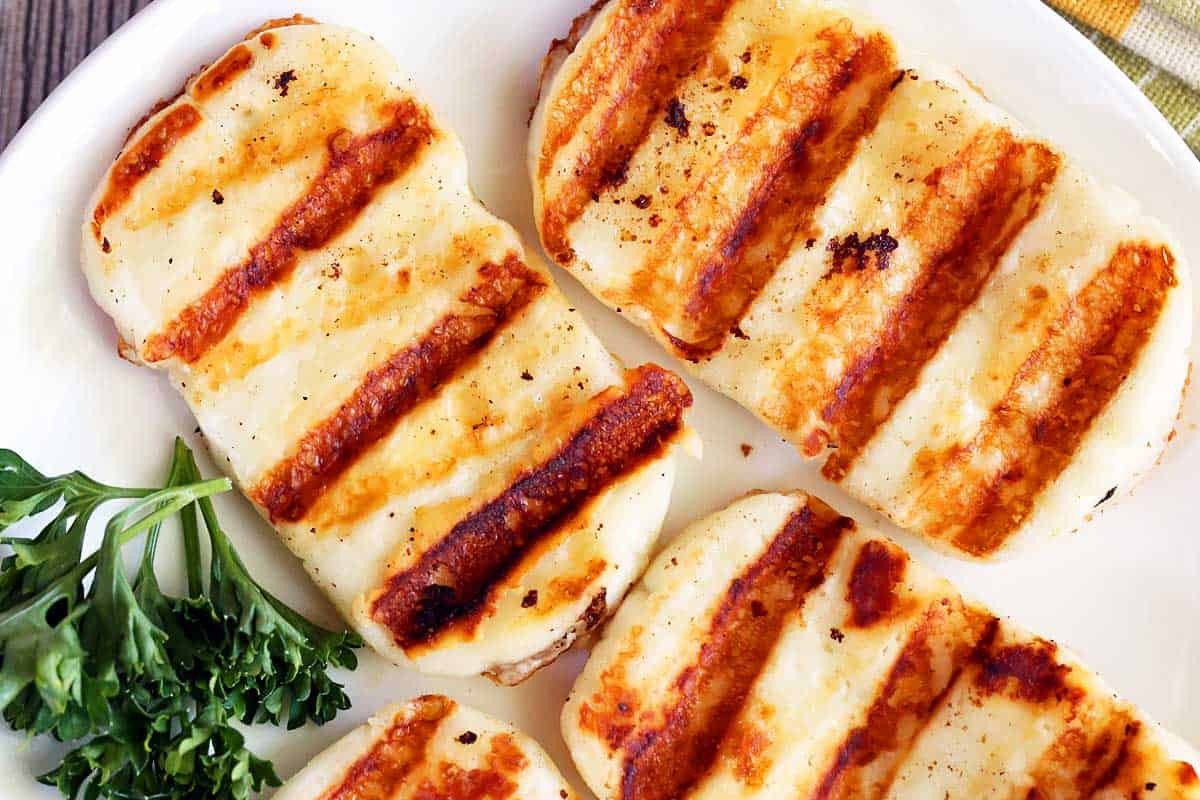
Halloumi, a brined cheese renowned for its high melting point and salty, tangy flavor, traces its origins to the island of Cyprus, where it has been crafted for centuries. Unlike other cheeses that rely on moisture for texture, halloumi’s unique composition—derived from a blend of sheep’s and goat’s milk (occasionally cow’s milk)—allows it to retain its shape when grilled or fried. Its cultural significance extends beyond culinary use, embedding itself in Cypriot traditions, religious rituals, and communal gatherings. While halloumi shares similarities with other Mediterranean cheeses like feta or ricotta, its resilience to heat and versatility in preparation set it apart, earning it a distinct place in both traditional and contemporary diets.
The cheese’s evolution reflects broader historical exchanges in the Mediterranean, shaped by Ottoman, Byzantine, and Venetian influences. Its adaptation across regions demonstrates how culinary traditions migrate, transform, and gain new meanings while preserving core techniques. Below, a comparative analysis of halloumi’s journey alongside other cheeses highlights its enduring relevance, while a regional breakdown illustrates its cultural versatility.
Historical Development of Halloumi: From Cyprus to Global Recognition
Halloumi’s origins are deeply tied to Cyprus, where it was first documented in the 19th century, though oral traditions suggest its preparation dates back even further. The cheese’s name derives from the Greek word hallós (meaning "salt"), reflecting its traditional brining process, which preserves its texture and enhances flavor. Unlike soft cheeses like ricotta or paneer, halloumi’s high fat content and milk composition allow it to withstand grilling without disintegrating, a trait that aligns with Cypriot culinary practices emphasizing charred, smoky flavors.The cheese’s spread beyond Cyprus coincided with migration patterns and trade routes. By the early 20th century, halloumi became a staple in Greek and Levantine cuisines, where it was incorporated into mezze platters, salads, and grilled dishes. Its introduction to the UK in the 1980s—facilitated by Cypriot diaspora communities—coincided with a broader global appreciation for Mediterranean flavors, cementing halloumi’s status as a gourmet ingredient. Unlike feta, which is primarily consumed fresh or in salads, halloumi’s heat resistance made it adaptable to modern cooking techniques, from skewers to flatbread toppings.
Comparative Timeline of Halloumi’s Evolution with Other Cheeses
Below is a simplified timeline illustrating halloumi’s development alongside feta, ricotta, and paneer, emphasizing key innovations and cultural exchanges:
| Cheese | Origin | Key Historical Period | Culinary Innovation | Global Influence |
|---|---|---|---|---|
| Halloumi | Cyprus | 19th century (documented) | Brining + high-melt composition | UK (1980s), Middle East, Europe |
| Feta | Balkans | Byzantine era (4th–14th century) | Sheep’s milk, lactic acid fermentation | Greece, Turkey, Mediterranean diaspora |
| Ricotta | Italy | Medieval period (12th century) | Whey-based, low-fat texture | Italy, Spain, global desserts |
| Paneer | Indian Subcontinent | Vedic era (ancient) | Acid coagulation (no rennet) | India, Pakistan, South Asian diaspora |
Halloumi’s Role in Traditional Middle Eastern and Cypriot Cuisine
In Cyprus, halloumi is more than a foodstuff; it is a symbol of hospitality and communal identity. Its presence in religious ceremonies, such as Easter and Christmas feasts, underscores its cultural importance. For instance, during Lent (a period of fasting in the Orthodox Church), halloumi is often served as a protein-rich alternative to meat, reflecting its role in sustaining traditional diets. The cheese’s versatility extends to street food, where it is grilled and served with olive oil, oregano, and pomegranate molasses—a combination that balances its saltiness with sweet and herbal notes.Across the Middle East, halloumi’s adaptation reflects regional tastes. In Lebanon and Syria, it is frequently marinated in garlic, lemon, and sumac before grilling, a preparation that aligns with the mezze culture of shared appetizers. In Greece, halloumi is often paired with honey or served in saganaki (a fried cheese dish), while in the UK, it has been reimagined as a breakfast staple, toasted with chili flakes or avocado. These variations highlight how halloumi transcends its Cypriot roots while retaining core preparation methods.
Key Traditional Dishes Featuring Halloumi
Halloumi’s cultural significance is evident in the following dishes, each reflecting local adaptations:
- Cyprus: Halloumi me kima (grilled halloumi with olive oil and herbs), served as a meze or standalone dish.
Symbolism and Ritualistic Use of Halloumi in Cypriot Culture
In Cypriot society, halloumi embodies themes of abundance, generosity, and resilience. Its preparation often involves communal efforts, particularly during harvest seasons when fresh milk is abundant. The cheese’s ability to preserve without refrigeration made it a practical staple for rural communities, while its high protein content supported laborers during physically demanding periods. During religious festivals, halloumi is frequently offered as a blessing, symbolizing prosperity and shared sustenance.The act of grilling halloumi over open flames during celebrations—such as Panigiria (local saint festivals)—reinforces its connection to fire, a purifying element in Cypriot folklore. Additionally, halloumi’s role in kleftiko (slow-cooked lamb with halloumi) reflects its duality as both a standalone dish and an enhancer of other proteins, mirroring Cypriot culinary philosophy of balance and harmony.
Cultural Proverbs and Sayings Featuring Halloumi
In Cypriot oral tradition, halloumi is referenced in proverbs that emphasize endurance and community:
"O halloumi pou ksekinise, den ksekinise" ("The halloumi that melts does not melt") – A metaphor for resilience in adversity.
"Kali orexi, halloumi kai krasas" ("Good appetite, halloumi and wine") – A toast celebrating simple pleasures.
Production Process: From Milk to Cheese
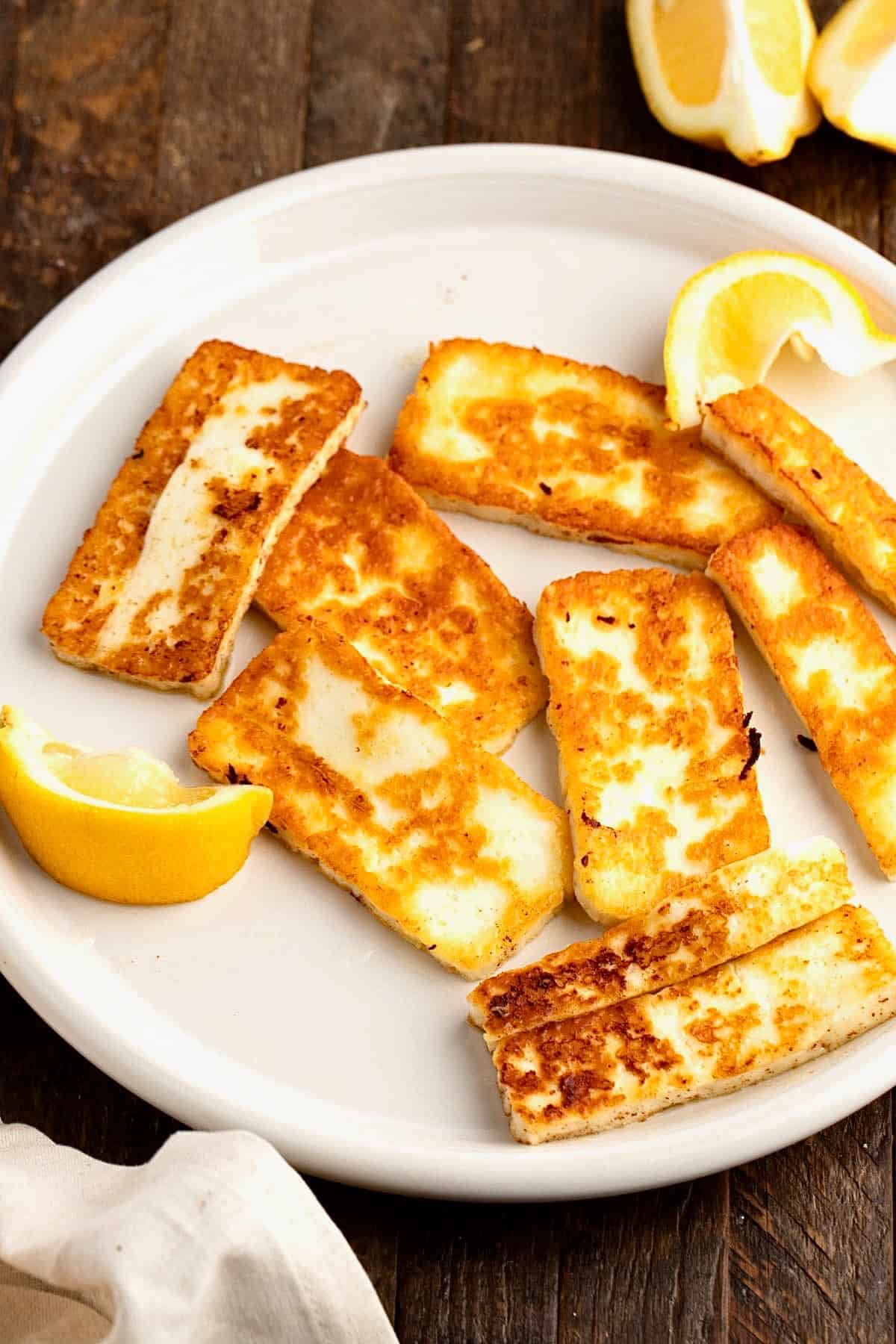
The transformation of sheep’s or goat’s milk into halloumi involves a meticulous, multi-stage process that balances tradition with modern techniques. Central to its preparation are coagulation, curdling, and brining, each stage influencing the cheese’s signature firm yet elastic texture and mild, slightly tangy flavor. Traditional methods, particularly the use of copper cauldrons, play a critical role in achieving the halloumi’s distinct sensory profile, while industrial production introduces variations in ingredients and processing that affect quality and consistency.Fresh halloumi presents a sensory experience that marries firmness with a delicate springiness—neither rubbery nor brittle. Its surface glistens with a thin, golden brine film, while the interior reveals a pale, semi-translucent matrix punctuated by tiny, evenly distributed curd pockets. The aroma is subtly lactic, with a faint herbal undertone from the milk’s natural fat content, and the mouthfeel is smooth yet resilient, capable of holding its shape under heat without losing moisture.
Coagulation and Curdling: The Foundation of Texture
The halloumi production process begins with the selection of raw milk—traditionally unhomogenized sheep’s or goat’s milk, often from local flocks in Cyprus, where the cheese originated. The milk is heated to 30–32°C (86–90°F) in a copper cauldron, a practice rooted in traditional dairy craftsmanship. Copper’s natural antimicrobial properties and superior heat conductivity enhance coagulation efficiency, while its interaction with milk proteins contributes to a finer curd structure compared to stainless steel or aluminum vessels.Coagulation is initiated by adding rennet (animal-derived or microbial) and citric acid (to lower pH and improve yield). The mixture is stirred gently for 30–45 minutes, allowing the milk to thicken into a gel-like curd. Unlike softer cheeses, halloumi curds are not cut but instead left whole to develop a dense, interconnected matrix. The curd is then heated gradually to 50–55°C (122–131°F) over 1–2 hours, a process called pasting, which expels whey while preserving moisture. This step is critical for halloumi’s ability to retain its shape when fried or grilled.
Copper Cauldrons: A Traditional Technique with Sensory Implications
The use of copper cauldrons in halloumi production extends beyond efficiency—it directly influences the cheese’s texture and flavor. Copper ions interact with milk proteins, promoting a more uniform curd formation and reducing bitterness that can arise from overheating. Historically, copper’s thermal conductivity allowed for precise temperature control in open-flame settings, a practical advantage in rural dairy operations. Modern artisanal producers often replicate this method to achieve a lighter, more delicate flavor profile compared to industrial alternatives, where stainless steel or enamel-coated vessels may yield a slightly denser, more neutral-taste product.Additionally, copper’s reactivity with sulfur compounds in milk can subtly enhance the cheese’s umami depth, a characteristic prized in high-end halloumi. However, the technique requires skilled oversight, as excessive copper exposure can impart a metallic aftertaste. Today, many small-scale producers combine copper cauldrons with stainless steel for safety while preserving the traditional sensory benefits.
Artisanal vs. Industrial Halloumi Production: Key Differences
The contrast between artisanal and industrial halloumi production reveals disparities in ingredients, equipment, and final product quality. Below is a comparative analysis:| Criteria | Artisanal Production | Industrial Production |
|---|---|---|
| Milk Source | Unpasteurized or pasteurized sheep’s/goat’s milk, often from single farms; seasonal variations in fat content. | Pasteurized blend of sheep’s, goat’s, and sometimes cow’s milk (for consistency); standardized fat percentages. |
| Coagulants | Traditional rennet (animal or microbial) with minimal additives; citric acid used sparingly. | Commercial rennet (often microbial) with added enzymes (e.g., chymosin) for faster coagulation; higher citric acid levels for acidity control. |
| Equipment | Copper cauldrons for heating, wooden or stainless steel molds for shaping; manual stirring and whey draining. | Stainless steel vats with automated temperature/pH monitoring; plastic or silicone molds; mechanical curd cutting and whey extraction. |
| Brining Process | Natural brine (saturated salt solution, ~20–25% salinity) with optional herbs (e.g., oregano, thyme); brining duration varies (24–72 hours). | Synthetic brine with preservatives (e.g., potassium sorbate) and flavor enhancers (e.g., annatto for color); standardized brining time (12–24 hours). |
| Additives | None or minimal (e.g., natural annatto for color in some regions). | Common additives include citric acid, annatto (E160b), calcium chloride (for firmness), and carrageenan (as a stabilizer). |
| Texture Outcome | Firm yet springy, with a slightly irregular surface; higher moisture retention. | Uniform, dense, and slightly rubbery; lower moisture content due to mechanical whey removal. |
| Shelf Life | 7–14 days (unrefrigerated in brine); limited by natural fermentation. | 30–60 days (refrigerated); extended by preservatives and modified atmosphere packaging. |
Common Additives in Commercial Halloumi and Their Effects
Commercial halloumi production frequently incorporates additives to standardize texture, enhance shelf life, and reduce costs. Below is a numbered list of prevalent additives and their sensory/functional impacts:-
Citric Acid (E330)
Used to lower pH and accelerate coagulation, resulting in a firmer curd. Overuse can impart a sharp, artificial tang and reduce the cheese’s natural lactic depth. In industrial settings, it often replaces traditional lactic acid fermentation, leading to a less complex flavor profile.
-
Annatto (E160b)
A natural dye derived from achiote seeds, added to achieve the bright orange-yellow hue associated with commercial halloumi. It does not alter flavor but signals to consumers that the product is "authentic" in appearance. Some artisanal producers avoid it to emphasize the cheese’s natural pale color.
-
Calcium Chloride (E509)
Added to fortify curd structure, particularly in milk with low calcium content (e.g., goat’s milk). Excessive use can create a grainy texture and a slightly bitter aftertaste. Industrial producers rely on it to ensure consistency across batches.
-
Carrageenan (E407)
A seaweed-derived stabilizer that improves moisture retention and meltability. It can contribute to a slightly slimy mouthfeel if overused, though at regulated levels, it enhances the cheese’s ability to hold shape when grilled or fried.
-
Potassium Sorbate (E202)
A preservative that inhibits mold and yeast growth, extending shelf life. It has no direct impact on flavor but may be perceived as "chemical" by consumers seeking artisanal products. Common in pre-packaged halloumi.
-
Sodium Alginate (E401)
Nutritional Profile and Health Benefits of Halloumi
Halloumi stands out among cheeses for its unique combination of high protein content, minimal water loss during cooking, and a distinct texture that retains firmness even when grilled or fried. Its nutritional composition aligns with dietary priorities for muscle maintenance, bone density, and metabolic efficiency, while its fermentation process may contribute to gut health. This section examines halloumi’s macronutrient breakdown, comparative advantages over other high-protein cheeses, and its physiological benefits, alongside considerations for dietary moderation.
Macronutrient Composition and Protein-to-Fat Ratio
Halloumi’s nutritional profile per 100 grams (raw, uncooked) reflects its dense, protein-rich structure:
- Calories: 270 kcal (varies slightly by brand; higher when fried due to added fat).
- Protein: 18.5 g (accounting for ~35% of total calories, comparable to lean meats).
- Total Fat: 20 g (of which saturated fat constitutes 12 g, ~60% of total fat).
- Calcium: 600 mg (58% of the U.S. RDI, supporting bone mineralization).
- Sodium: 1,000–1,200 mg (varies by salt content; critical for hypertensive diets).
- Phosphorus: 300 mg (12% RDI, aiding energy metabolism).
- Vitamin B12: 1.5 µg (62% RDI, essential for neural and hematological function).
Key Insight: Halloumi’s protein-to-fat ratio (0.9:1) exceeds that of mozzarella (0.6:1) and paneer (0.8:1), making it a more efficient source of muscle-building amino acids relative to caloric intake. Its high calcium-to-phosphorus ratio (2:1) also optimizes bone health by promoting calcium absorption.
Comparative Nutritional Analysis of High-Protein Cheeses
The following table contrasts halloumi’s macronutrient profile with mozzarella (fresh, low-moisture), paneer (Indian), and feta (brined) per 100g, highlighting trade-offs in protein density, fat saturation, and sodium content.
Observations:Nutrient Halloumi Mozzarella (Low-Moisture) Paneer Feta Calories (kcal) 270 280 265 260 Protein (g) 18.5 25.0 18.0 14.0 Total Fat (g) 20.0 22.0 15.0 21.0 Saturated Fat (g) 12.0 14.0 9.0 14.0 Sodium (mg) 1,000–1,200 500–600 100–200 1,400–1,600 Calcium (% RDI) 58 60 12 18
- Protein Efficiency: Mozzarella leads in protein content but has higher saturated fat; paneer offers a lower-sodium alternative with comparable protein.
- Fat Saturation: Halloumi’s saturated fat content is 30% lower than mozzarella/feta but 33% higher than paneer, reflecting its brined curing process.
- Sodium Variability: Feta and halloumi are high in sodium due to brining; paneer’s minimal sodium makes it ideal for low-sodium diets, though its calcium content is negligible.
Health Benefits and Physiological Roles
Halloumi’s nutritional profile supports several physiological functions, primarily through its protein, calcium, and fermented microbial components.Protein and Muscle Repair
Halloumi’s complete protein profile (containing all nine essential amino acids) makes it particularly effective for:
- Muscle Protein Synthesis (MPS): A 100g serving provides ~18.5g of protein, triggering MPS more effectively than lower-protein cheeses when consumed post-exercise.
- Leucine Content: Halloumi contains ~1.2g leucine per 100g, a branched-chain amino acid critical for initiating MPS and reducing muscle breakdown.
- Satiety: Its high protein-to-calorie ratio delays gastric emptying, promoting prolonged fullness and reducing overeating.
Bone Health and Mineral Density
- Calcium Absorption: The 2:1 calcium-to-phosphorus ratio enhances calcium bioavailability, counteracting osteoporosis risk.
- Vitamin K2 (if present): Some aged halloumi varieties contain Vitamin K2 (MK-4), which directs calcium into bones rather than arterial walls, reducing cardiovascular risks.
Gut Health and Probiotic Potential
Fermented halloumi may contain:
- Lactic Acid Bacteria (LAB): Strains like Lactobacillus and Lactococcus survive digestion, potentially improving gut microbiota diversity.
- Prebiotic Effects: Oligosaccharides from milk sugar fermentation may act as prebiotics, fostering beneficial bacterial growth.
Note: Probiotic claims vary by production method; raw-milk halloumi is more likely to retain live cultures than pasteurized variants.
Potential Downsides and Dietary Considerations
While halloumi offers nutritional advantages, its high sodium and saturated fat content requires moderation for specific health conditions.Sodium Content and Hypertension
- Halloumi’s 1,000–1,200mg sodium per 100g exceeds the WHO’s recommended daily limit of 2,000mg, posing risks for hypertension and heart disease.
- Moderation Strategies:
- Opt for low-sodium halloumi (e.g., brands labeled "reduced-sodium," with ~500mg sodium/100g).
- Pair with potassium-rich foods (e.g., spinach, avocado) to balance sodium effects.
- Limit portion sizes to 30–50g per serving for hypertensive individuals.
Saturated Fat and Cardiovascular Health
- The 12g saturated fat per 100g contributes to LDL cholesterol elevation when consumed excessively.
- Mitigation:
- Replace fried halloumi with grilled or baked versions to reduce added fat.
- Combine with monounsaturated fats (e.g., olive oil, nuts) to improve lipid profiles.
Lactose Intolerance
- Halloumi is lactose-free due to its aging process, making it suitable for most lactose-intolerant individuals. However, casein sensitivity may still occur.
Protein Structure: Halloumi vs. Other Cheeses
Halloumi’s unique texture—firm yet slightly springy—stems from its protein matrix, which differs structurally from other cheeses. The following analogy illustrates these differences:- Halloumi:
> "A dense, interlocking brick-like curd structure formed by high-heat pressing and brining. The casein micelles (protein clusters) are tightly packed, with minimal moisture retention, allowing it to withstand high temperatures without collapsing. Its sodium chloride content (1–2%) further stabilizes the protein network, preventing syneresis (water expulsion)."- Mozzarella:
Culinary Uses: Versatility in Cooking
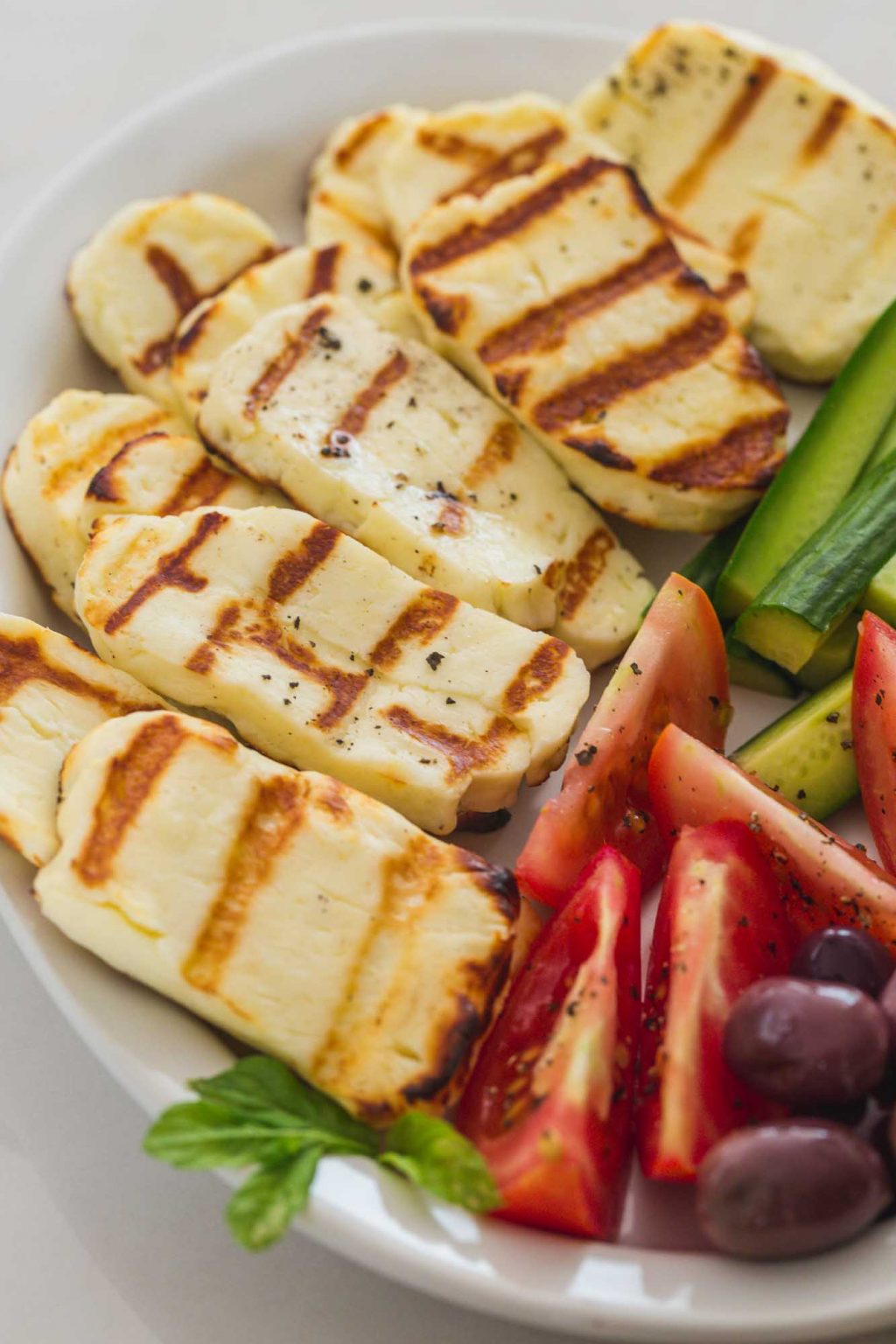
Halloumi’s unique properties—its high melting point, firm yet creamy texture, and ability to retain shape under heat—make it one of the most adaptable cheeses in global cuisine. Unlike many cheeses that soften or crumble when cooked, halloumi maintains structural integrity while developing a caramelized crust, enhancing its versatility in grilling, frying, baking, and even raw applications. Its salty, slightly tangy flavor profile further elevates dishes ranging from traditional Mediterranean meze to modern fusion cuisine. Below, its culinary applications are categorized by preparation method, with an emphasis on techniques that leverage its distinct characteristics.
Categorized Culinary Applications of Halloumi
Halloumi’s adaptability stems from its high melting point (approximately 80–90°C/176–194°F), which allows it to withstand direct heat without losing form. This property makes it ideal for dishes where texture and flavor retention are critical. The following categories highlight its primary uses, supported by examples that demonstrate its range.
Key Culinary Traits of Halloumi:
- Heat resistance: Maintains shape when grilled, fried, or baked.
- Texture duality: Firm when raw, creamy when cooked.
- Flavor absorption: Pairs well with herbs, spices, and syrups without overpowering its salty profile.
-
Grilling
Halloumi’s ability to develop a golden, slightly crispy exterior while remaining soft inside makes it a staple for grilled dishes. It is commonly sliced into cubes or thick slabs and cooked over open flames, charcoal, or a grill pan. The high heat enhances its umami notes, making it a favored addition to skewers, salads, and as a standalone appetizer.- Example Dishes:
- Souvlaki-style halloumi skewers with olive oil, lemon, and oregano.
- Grilled halloumi salads (e.g., with watermelon, feta, and mint).
- Halloumi and vegetable kebabs paired with tzatziki or garlic sauce.
- Example Dishes:
- Technique Note:
Preheating the grill to medium-high (200–230°C/392–446°F) ensures even cooking without burning. Cooking time ranges from 2–4 minutes per side, depending on thickness. -
Frying
Halloumi’s firmness allows it to be pan-fried or deep-fried, resulting in a crispy exterior with a molten interior. This method is popular in street food and mezze, where texture contrast is desirable. Unlike cheeses that disintegrate when fried, halloumi holds together, making it suitable for dishes like fritters or as a coating for other ingredients.- Example Dishes:
- Halloumi fritters (e.g., with chickpeas, parsley, and cumin, served with harissa).
- Crispy halloumi bites in a batter of flour, beer, or egg, fried until golden.
- Halloumi and potato hash with smoked paprika and chili flakes.
- Example Dishes:
- Technique Note:
For shallow frying, use 1–2 cm (0.4–0.8 in) of oil at 170–180°C (338–356°F) and cook for 2–3 minutes per side. Deep-frying requires 190–200°C (374–392°F) for 1–2 minutes to achieve a crispy finish. -
Baking
Halloumi’s heat resistance extends to baking, where it can be incorporated into casseroles, gratins, or baked as part of a dish. When baked, it softens slightly but retains its structure, adding richness to savory preparations. It is also used in desserts where its salty contrast balances sweet elements.- Example Dishes:
- Halloumi and potato bake with rosemary and garlic (a Cypriot classic).
- Stuffed halloumi with spinach, pine nuts, and ricotta, baked until bubbly.
- Halloumi-based desserts (e.g., with honey, figs, and walnuts, baked until caramelized).
- Example Dishes:
- Technique Note:
Baking temperatures range from 180–200°C (356–392°F) for 15–25 minutes, depending on the dish. For desserts, a lower temperature (160–170°C/320–338°F) prevents over-browning. -
Raw Applications
Halloumi’s firm texture and salty flavor make it suitable for consumption without cooking, particularly in salads, antipasti, or as a garnish. Its ability to hold shape when sliced thinly or cubed ensures it remains intact in cold dishes.- Example Dishes:
- Mediterranean salads with cucumber, tomato, olives, and lemon vinaigrette.
- Halloumi and fruit platters (e.g., with grapes, pomegranate, and mint).
- Stuffed vegetables (e.g., bell peppers or tomatoes filled with raw halloumi and herbs).
- Example Dishes:
- Technique Note:
For raw use, select fresh, high-quality halloumi with minimal additives. Slice into 0.5–1 cm (0.2–0.4 in) thick pieces for optimal texture. -
Ingredients and Ratios
Ingredient Quantity (per 4 servings) Notes Halloumi cheese 400 g (14 oz), cut into 1.5 cm (0.6 in) cubes Use fresh, unbrined halloumi for optimal texture. Extra virgin olive oil 60 ml (¼ cup) High-quality, peppery olive oil enhances flavor. Dried oregano 1 tbsp (5 g), crushed Substitute with fresh oregano (2 tbsp) if preferred. Lemon juice 1 tbsp (15 ml) Adjust to taste; balances saltiness. Salt Pinch (optional, if halloumi is mild) Skip if using brined halloumi. -
Step-by-Step Preparation
- Preheat the grill or grill pan to medium-high heat (200–220°C/392–428°F). If using a stovetop grill pan, ensure it is well-oiled to prevent sticking.
- Pat the halloumi cubes dry with paper towels to remove excess moisture, which promotes better browning.
-
Grill the halloumi in batches, turning once, for 2–3 minutes per side until golden brown and slightly crispy. Avoid overcrowding the pan to maintain even heat.
From its deep-rooted Cypriot origins to its modern-day reinvention in global kitchens, halloumi stands as a testament to the intersection of history, craftsmanship, and innovation. Its ability to elevate simple dishes while retaining its cultural essence makes it more than just an ingredient—it is a symbol of culinary tradition and adaptability. Whether savored in a classic Cypriot meze or reimagined in contemporary fusion recipes, halloumi’s legacy continues to inspire, proving that its journey from past to present remains as rich and enduring as its flavor.FAQ
What is halloumi and how is it different from other cheeses?
Halloumi is a semi-hard, unripened cheese from Cyprus known for its high melting point and salty, slightly tangy flavor. Unlike most cheeses, it doesn’t melt easily when grilled or fried, making it ideal for cooking. It’s traditionally made from a mix of sheep’s and goat’s milk, but modern versions often use cow’s milk.
What ingredients are used to make halloumi cheese?
Halloumi is made from milk (traditionally sheep’s and goat’s, now often cow’s), rennet, and salt. Some recipes include a small amount of lemon juice or vinegar to enhance flavor. The cheese is then heated in brine to achieve its signature firm, grilling-friendly texture.
What kind of cheese is halloumi?
Halloumi is a brined, semi-hard cheese that falls under the category of fresh (unripened) cheeses. It’s unique because it’s heat-resistant and holds its shape when cooked, unlike many other cheeses that melt or crumble. Its texture is dense and slightly rubbery when raw.
Which cheese is halloumi?
Halloumi is a distinct Cypriot cheese that doesn’t fit neatly into common cheese categories like cheddar or mozzarella. It’s a brined, unaged cheese with a high melting point, often used in grilling or frying. Its flavor is salty, tangy, and slightly earthy.
What type of milk is used to make halloumi?
Traditional halloumi is made from a mix of sheep’s and goat’s milk, which gives it a rich, slightly gamey flavor. Modern versions often use cow’s milk alone for milder taste and wider availability. The milk is pasteurized before cheese-making.
What type of cheese is halloumi, and how does it compare to others?
Halloumi is a brined, unripened cheese with a high melting point, making it ideal for grilling or pan-frying without losing shape. Unlike soft cheeses (e.g., feta) or melting cheeses (e.g., cheddar), it stays firm when heated. Its texture is dense and slightly chewy when cold.
Halloumi in Classic Cypriot Dishes: Halloumi me Koukia
One of the most iconic preparations of halloumi is halloumi me koukia (halloumi with oregano), a simple yet flavorful Cypriot dish that highlights the cheese’s natural qualities. The dish relies on minimal ingredients to emphasize halloumi’s salty, briny profile, balanced by the aromatic notes of oregano and the acidity of lemon.Cypriot Culinary Principle:
"The best ingredients need only enhancement, not overpowering."
Leave a Comment
Comments are moderated before appearing. The data you submit is processed according to the Privacy Policy of Voltefac.