| Breadcrumbs |
Freshly toasted panko or baguette breadcrumbs |
Store-bought
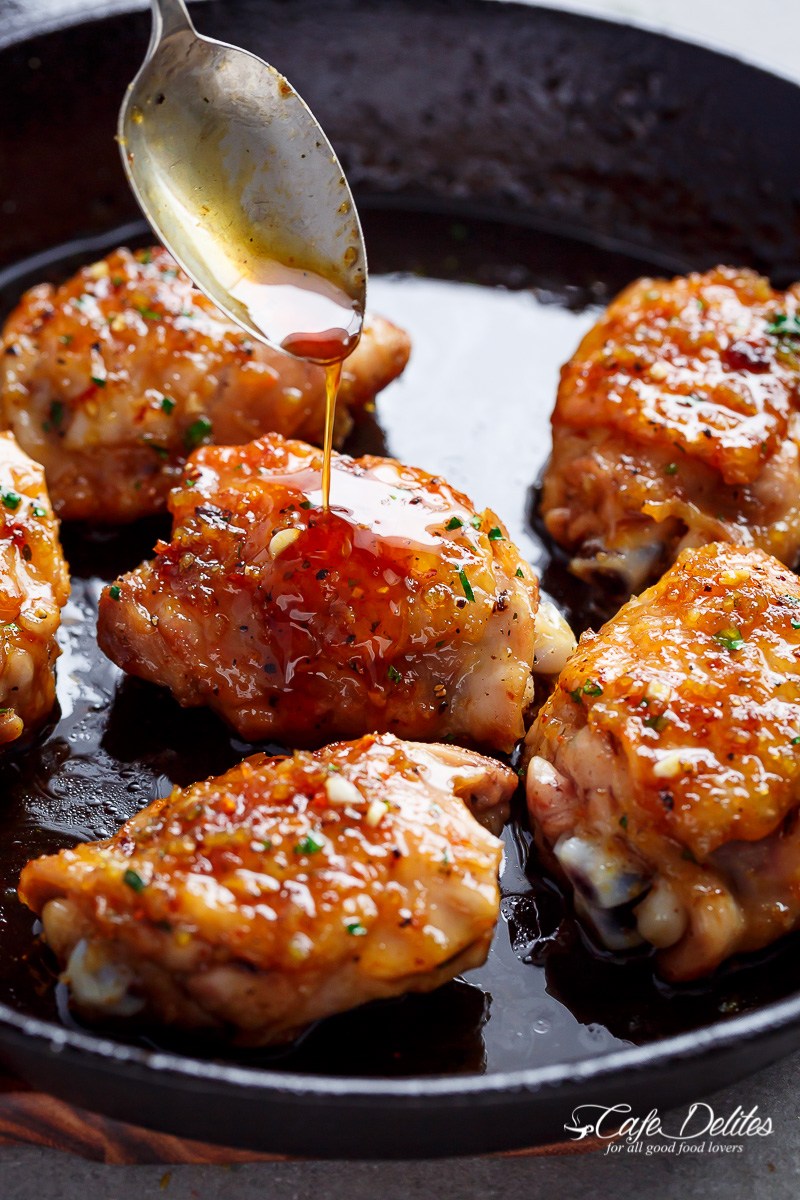
Step-by-Step Cooking Methods and Techniques for Chicken Cordon Bleu
Chicken Cordon Bleu exemplifies the marriage of French culinary precision and home-cooking adaptability, where technique dictates texture, flavor, and structural integrity. The dish requires meticulous handling of breading, stuffing, and cooking methods to achieve a golden crust, perfectly melted cheese, and juicy chicken. Below, a detailed procedural breakdown outlines traditional and advanced methods, alongside scientific principles governing cooking times, temperatures, and troubleshooting common pitfalls.
Core Cooking Procedure: Traditional Pan-Searing and Baking Method
The classic preparation involves two distinct phases: pan-searing for browning and baking for even cooking. This method ensures a crispy exterior while preventing the chicken from drying out. Follow these steps for optimal results:1. Preparation of Chicken Cutlets
Pound two boneless, skinless chicken breasts (each ~170–200g) to an even thickness of 1.5–2 cm (⅝–¾ inch) using a meat mallet or rolling pin. This ensures uniform cooking and prevents curling during stuffing.
Season both sides generously with salt (0.5 tsp per breast) and freshly ground black pepper (¼ tsp per breast). Let the seasoning rest for 10–15 minutes to penetrate the meat.2. Stuffing the Chicken
Lay each chicken breast horizontally on a cutting board. Using a sharp knife, make three parallel cuts (each ~2.5 cm deep) along the thicker side, stopping 1 cm short of the edge to avoid tearing.
Gently separate the cuts to create a pocket. Insert 30g (1 oz) thinly sliced ham and 30g (1 oz) Swiss or Gruyère cheese, ensuring the fillings are evenly distributed. Secure with toothpicks (2–3 per breast) to prevent shifting during cooking.3. Breading the Chicken
In a shallow dish, combine 50g (½ cup) all-purpose flour, 1 tsp salt, ½ tsp black pepper, and 1 tsp dried herbs (e.g., thyme or parsley). Whisk to remove lumps.
Dip each stuffed breast into 2 beaten eggs (room temperature), then coat evenly in the flour mixture, pressing firmly to adhere. For extra crispiness, use a 50/50 mix of panko and breadcrumbs in the final coating.
Place breaded breasts on a wire rack set over a baking sheet to allow air circulation, preventing sogginess.4. Pan-Searing for Crispiness
Heat 2 tbsp butter or neutral oil (e.g., vegetable or canola) in a large skillet over medium-high heat (160–170°C / 320–340°F) until shimmering.
Sear the chicken for 2–3 minutes per side until golden brown and internal temperature reaches 145°F (63°C). Avoid overcrowding the pan to maintain heat.
Transfer seared breasts to a baking dish, seam-side down, and cover loosely with foil to retain moisture.5. Baking for Even Cooking
Preheat the oven to 180°C (350°F). Bake the chicken for 15–20 minutes until the internal temperature reaches 165°F (74°C) and the cheese is fully melted.
For a crispier finish, broil for 1–2 minutes on high, watching closely to avoid burning.6. Resting and Serving
Remove toothpicks and let the chicken rest for 5 minutes before slicing. Serve with béchamel sauce, lemon wedges, or a side salad to complement the dish.
Advanced Techniques for Enhanced Texture and Flavor
Refining the breading and cooking process can elevate Chicken Cordon Bleu from standard to exceptional. Below are expert-level adjustments:1. Double-Breading for Extra Crispiness
After the initial flour coating, dip the chicken in egg wash, then coat again in a second layer of breadcrumbs mixed with 1 tbsp grated Parmesan. This creates a dual-texture crust: a crispy outer layer and a tender inner layer.
Pro Tip: Chill the breaded chicken for 30 minutes before cooking to improve adhesion and reduce oil absorption.2. Panko and Herb-Infused Breading Mix
Replace standard breadcrumbs with a 50/50 blend of panko and fine breadcrumbs, combined with 1 tsp garlic powder, 1 tsp onion powder, and ½ tsp smoked paprika for depth.
For a nutty crunch, add 2 tbsp finely chopped walnuts or pecans to the breading.3. Reverse Searing for Precision Cooking
Bake the chicken at 160°C (320°F) for 12–15 minutes until the internal temperature reaches 60°C (140°F).
Finish with a 5-minute sear in a hot pan (200°C / 390°F) to develop a Maillard reaction without overcooking.4. Cheese Melting Tricks
Use Swiss cheese for its low moisture content, which melts cleanly without excess grease.
For a creamy texture, layer thin slices of mozzarella between ham and Swiss cheese.
Avoid pre-shredded cheese, as anti-caking agents prevent proper melting.
Cooking Method Comparison: Stovetop, Oven, Air Fryer
The choice of cooking method impacts texture, convenience, and hands-on time. Below is a comparative analysis of three primary techniques:
| Method |
Pros |
Cons |
Ideal Settings |
Best For |
|---|
| Pan-Searing + Oven Baking |
- Develops deep browning and crispy crust.
- Even cooking with minimal risk of overcooking.
- Versatile for large batches.
|
- Requires active monitoring to prevent burning.
- Longer total cooking time (~30–40 minutes).
|
- Sear at 160–170°C (320–340°F) for 2–3 minutes per side.
- Bake at 180°C (350°F) for 15–20 minutes.
|
Restaurant-quality results; special occasions. |
| Oven-Baked Only |
- Hands-off cooking with minimal cleanup.
- Uniform heat distribution for even cooking.
- Energy-efficient for large quantities.
|
- Less crispy exterior compared to pan-searing.
- Risk of drying out if overcooked.
|
- Preheat oven to 190°C (375°F).
- Bake for 20–25 minutes, flipping halfway.
- Optional broil for 2 minutes at the end.
|
Weeknight meals; meal prep. |
| Air Fryer |
- Rapid cooking with crispy results in 15–20 minutes.
- Uses 70% less oil than pan-frying.
- Compact and efficient for small batches.
|
- Limited capacity for large servings.
- Requires frequent shaking
Cultural and Regional Variations of Chicken Cordon Bleu
Chicken Cordon Bleu transcends its French origins to become a globally adapted dish, reflecting local culinary traditions, ingredient availability, and dining preferences. While the classic version remains rooted in its Swiss-French heritage—featuring ham, cheese, and breading—regional interpretations often incorporate indigenous flavors, cooking techniques, and dietary trends. These variations not only showcase the dish’s versatility but also highlight how cultural exchange and innovation shape international cuisine. From fast-food adaptations to gourmet reinventions, each iteration tells a story of culinary creativity and adaptation.
Geographical Adaptations and Ingredient Swaps
The preparation of Chicken Cordon Bleu varies significantly across countries, with each region substituting ingredients to align with local tastes and dietary norms. In France, the dish retains its traditional form: thin chicken breasts are stuffed with jambon de Paris (a delicate, cured ham) and Emmental or Gruyère cheese, breaded with fine breadcrumbs, and pan-fried to a golden crust. The French version often emphasizes lightness and elegance, with minimal seasoning beyond salt, pepper, and a touch of nutmeg.In contrast, American adaptations frequently prioritize bold flavors and heartier textures. Ham is often replaced with black forest ham or honey-glazed ham, while cheeses like Swiss or provolone are used for their melting properties. The breading may include Panko for extra crunch, and the dish is sometimes baked instead of pan-fried to ensure even cooking. UK versions tend to mirror French techniques but may incorporate Cheddar or Lancashire cheese for a sharper flavor, while Australian iterations often use local ham (e.g., Victoria Bacon) and Tasmanian cheese, reflecting the country’s agricultural focus on fresh, high-quality ingredients.
Fusion Adaptations: Global Twists on a Classic
Chicken Cordon Bleu has inspired fusion cuisine, blending traditional techniques with global flavors. Asian-inspired versions frequently replace ham with char siu (Chinese BBQ pork) or spicy chorizo, while the cheese is swapped for mozzarella or Edam to withstand higher heat. Sauces such as soy-teriyaki glaze, hoisin, or sweet chili are drizzled over the dish, and the breading may include rice flour or crushed senbei for a lighter texture. Japanese adaptations might feature tonkatsu-style breading or a miso-white wine sauce, while Thai-inspired dishes incorporate lemongrass, galangal, and fish sauce in the stuffing or marinade.In Latin America, the dish is often reimagined with local spices and proteins. Mexican versions may use chorizo or carnitas alongside Oaxaca cheese, while Argentinian adaptations might feature provoleta cheese and chimichurri sauce. Brazilian chefs have experimented with hamacue cheese (a local blend) and farofa (toasted cassava flour) in the breading, adding a uniquely South American touch.
Vegetarian and Plant-Based Alternatives
To accommodate vegetarian and vegan diets, modern adaptations of Chicken Cordon Bleu replace meat and dairy with plant-based proteins and cheeses while mimicking the dish’s signature texture and flavor profile. Ham substitutes include:
- Marinated tofu or tempeh (seasoned with soy sauce, smoked paprika, and garlic to replicate ham’s saltiness).
- Store-bought vegan ham (e.g., Gardein or Lightlife), often combined with mushroom stems for a meatier bite.
- Seitan or jackfruit, which absorb flavors well and provide a chewy texture.
For cheese, nutritional yeast (for a cheesy umami taste) or vegan cheeses (e.g., Miyoko’s or Violife) are used, though they may require additional binding agents like aquafaba (chickpea brine) to prevent melting. The breading remains similar, but egg wash is replaced with a flaxseed or aquafaba mixture for binding. Some chefs also incorporate roasted garlic or sun-dried tomato paste into the stuffing to enhance depth.
Fast-Food and Casual Dining Adaptations
Chicken Cordon Bleu has been simplified for fast-food and casual dining, often prioritizing speed, affordability, and mass appeal over traditional techniques. Notable examples include:
- KFC’s "Cordon Bleu Sandwich" (1980s–1990s): A fried chicken breast stuffed with ham and cheese, served on a bun—an early fast-food fusion that emphasized convenience over authenticity.
- McDonald’s "McRib" (indirect influence): While not a direct adaptation, the concept of stuffed, breaded proteins in fast food reflects the adaptability of Cordon Bleu principles.
- Subway’s "Steak & Cheese Cordon Bleu": A modern twist where chicken is layered with ham and cheese in a sub roll, grilled rather than fried.
- Australian fast-food chains like Oporto or Hungry Jack’s occasionally feature battered and fried chicken schnitzel with ham and cheese, marketed as a "Cordon Bleu-style" dish.
"Fast-food versions of Cordon Bleu often sacrifice texture and presentation for speed, but they demonstrate how even classic dishes can be democratized for everyday consumption. The key lies in balancing tradition with innovation—whether through breading shortcuts, pre-stuffed chicken, or simplified sauces."
Chef-Created Innovations and Historical Recipes
Renowned chefs and home cooks have reimagined Chicken Cordon Bleu with unconventional ingredients and techniques, pushing the boundaries of the dish. Notable examples include:- Julia Child’s Adaptation: In her cookbook Mastering the Art of French Cooking, Child suggested using chicken thighs instead of breasts for a more forgiving cut, along with Gruyère and a splash of white wine in the stuffing.
- Gordon Ramsay’s "Cordon Bleu Burger": A modern twist where the stuffed chicken is pounded flat, breaded, and served as a burger patty, topped with caramelized onions and béchamel sauce.
- David Chang’s "Momofuku Cordon Bleu": A fusion dish featuring gochujang-marinated chicken, kimchi, and mozzarella, wrapped in rice paper for a crispy, spicy take.
- Ina Garten’s "Southern Cordon Bleu": A baked version with andouille sausage and sharp cheddar, glazed with honey-mustard, reflecting her emphasis on comfort food.
- Home Chef Innovations: Some culinary bloggers have experimented with smoked paprika and chorizo in the stuffing, or bacon-wrapped chicken before breading, adding layers of flavor.
These adaptations highlight how creativity in cooking—whether through ingredient substitution, technique modification, or presentation—keeps classic dishes relevant across generations.

Serving Suggestions and Pairing Ideas for Chicken Cordon Bleu
Chicken Cordon Bleu, with its harmonious blend of savory ham, melted cheese, and delicate poultry, serves as a versatile centerpiece for both traditional and contemporary dining experiences. Its rich, herbed profile pairs seamlessly with a variety of side dishes, beverages, and presentation techniques, allowing it to adapt to formal occasions, casual gatherings, or everyday meals. Thoughtful pairings elevate the dish’s elegance, balancing its buttery, cheesy richness with lighter or contrasting flavors, while strategic plating enhances its visual appeal.
Traditional and Modern Side Dishes for Complementing Chicken Cordon Bleu
The selection of side dishes for Chicken Cordon Bleu should prioritize textures and flavors that neither overpower nor diminish its primary taste profile. Traditional pairings emphasize creaminess and earthiness, while modern adaptations introduce freshness, acidity, or umami depth. Below are curated options categorized by flavor harmony and culinary style.Creamy and Starchy Sides
These sides provide a neutral yet indulgent base that absorbs the dish’s savory juices without competing for attention.
- Creamy Mashed Potatoes
A velvety, buttery mashed potato—infused with roasted garlic, chives, or a hint of Gruyère—creates a luxurious contrast to the dish’s crispy breading. For a lighter twist, substitute half the butter with olive oil or Greek yogurt.
- Scalloped Potatoes or Dauphinoise
Thinly layered potatoes baked in a béchamel sauce until golden and tender complement the dish’s richness. Adding nutmeg or thyme enhances the French-inspired pairing.
- Rice Pilaf or Saffron Rice
Fragrant basmati or jasmine rice cooked with shallots, herbs de Provence, and a touch of lemon zest introduces aromatic warmth. For a modern touch, incorporate toasted pine nuts or dried cranberries.Roasted and Seasonal Vegetables
Roasting vegetables intensifies their natural sweetness, creating a caramelized counterpoint to the dish’s savory notes.
- Honey-Glazed Carrots or Parsnips
Tossed with olive oil, thyme, and a drizzle of honey, these vegetables develop a sticky, glossy finish that balances the dish’s saltiness. Adding a pinch of smoked paprika deepens the flavor profile.
- Brussels Sprouts with Bacon
Crispy bacon lends a smoky richness to Brussels sprouts halved and roasted with balsamic glaze, mirroring the ham’s umami in the Chicken Cordon Bleu.
- Grilled Asparagus with Lemon-Zest Aioli
Asparagus spears charred on the grill and served with a bright aioli highlight the dish’s elegance, while the acidity cuts through the cheese’s heaviness.Fresh and Light Salads
Salads introduce crispness and acidity, cleansing the palate between bites of the main course.
- Classic Caesar Salad
A crisp romaine base with Parmesan shavings, croutons, and a creamy anchovy dressing provides a textural contrast. For a lighter version, use a lemon-garlic vinaigrette.
- Arugula and Pear Salad
Peppery arugula paired with thinly sliced pears, candied walnuts, and a Dijon vinaigrette offers a sweet-tart balance. Adding shaved Parmesan bridges the flavors of the main dish.
- Fennel and Orange Salad
Thinly shaved fennel, blood orange segments, and a citrusy dressing complement the dish’s herbed notes, while the anise-like flavor of fennel echoes the ham’s savoriness.Umami and Hearty Alternatives
For those seeking deeper, meatier contrasts, these sides enhance the dish’s protein-forward appeal.
- Wild Mushroom Risotto
Creamy Arborio rice cooked with wild mushrooms, white wine, and truffle oil introduces an earthy, luxurious texture. A sprinkle of Parmesan before serving ties into the dish’s cheese element.
- Balsamic-Glazed Eggplant
Roasted eggplant slices brushed with balsamic reduction and sprinkled with flaky salt provide a smoky, slightly sweet contrast to the ham’s saltiness.
- Crispy Sausage and Kale
Browned Italian sausage paired with massaged kale and a touch of brown sugar creates a hearty, slightly sweet side that mirrors the dish’s protein richness.
Balanced Meal Planning Around Chicken Cordon Bleu
Designing a cohesive menu around Chicken Cordon Bleu involves selecting components that flow logically from appetizer to dessert, ensuring each course complements the next without overwhelming the palate. The dish’s savory, herbed, and cheesy profile lends itself to a structured yet flexible meal plan, accommodating both formal and informal settings.Appetizer Selection
Appetizers should introduce flavors that harmonize with or contrast subtly with the main course, priming the palate for the meal ahead.
- Stuffed Mushrooms with Herbed Goat Cheese
Button mushrooms filled with a mixture of goat cheese, breadcrumbs, and parsley offer a creamy, earthy prelude to the dish’s cheese and herbs.
- Prosciutto-Wrapped Melon
Sweet cantaloupe or honeydew wrapped in salty prosciutto introduces a refreshing, salty-sweet balance that mirrors the ham’s flavor in the main course.
- Spinach and Ricotta Crostini
Toasted baguette slices topped with ricotta, wilted spinach, and a drizzle of balsamic glaze provide a creamy, tangy start that complements the dish’s richness.Main Course Adaptations
For multi-course meals, consider lighter or differently textured proteins to avoid redundancy.
- Vegetarian Cordon Bleu
Substitute chicken with portobello mushrooms or eggplant, stuffed with spinach, ricotta, and mozzarella, then breaded and baked. Serve with the same sides to maintain balance.
- Duck Confit or Beef Tenderloin
For a more decadent spread, pair Chicken Cordon Bleu with duck confit (served with cherry sauce and roasted potatoes) or a herb-crusted beef tenderloin (accompanied by red wine reduction and truffle mashed potatoes).Dessert Pairings
Desserts should offer a palate-cleansing or complementary sweetness without clashing with the meal’s savory notes.
- Crème Brûlée with Vanilla Bean
The caramelized sugar crust and silky custard provide a sophisticated finish, with vanilla enhancing the herbed flavors of the main course.
- Dark Chocolate Mousse with Raspberry Coulis
The bitterness of dark chocolate and the tartness of raspberries cut through the meal’s richness, while the smooth texture offers a luxurious contrast.
- Lemon Posset with Shortbread
The bright acidity of the posset and the buttery crumble of shortbread create a refreshing, light conclusion to the meal.Sample Three-Course Menu
For a holiday or dinner party, the following progression ensures harmony and visual appeal:
1. Appetizer: Beet and Goat Cheese Tartlets with Thyme Honey
2. Main Course: Chicken Cordon Bleu with Creamy Mashed Potatoes, Honey-Glazed Carrots, and a Side Caesar Salad
3. Dessert: Poached Pears in Red Wine with Vanilla Ice Cream
Wine, Beer, and Non-Alcoholic Beverage Pairings
The choice of beverage should enhance the dish’s primary flavors—ham’s saltiness, cheese’s creaminess, and herbs’ aromatic complexity—while avoiding overpowering its delicate balance. Below are curated pairings categorized by flavor profile and beverage type, including explanations for their compatibility.Wine Pairings
Wines with sufficient acidity, body, and aromatic depth complement Chicken Cordon Bleu’s multifaceted profile.
- Dry White Wines
- Chardonnay (Unoaked or Lightly Oaked)
A crisp, mineral-driven Chardonnay from regions like Burgundy or New Zealand highlights the dish’s herbed notes and buttery texture. Avoid overly oaked versions, which may clash with the cheese’s richness.
Opt for a Chablis or a Sancerre for a brighter, more citrus-forward contrast.
- Sauvignon Blanc
The zesty acidity and herbal undertones of a Sauvignon Blanc from the Loire Valley or Marlborough cut through the dish’s fat, while its citrus notes echo the lemon in some side salads.
- Riesling (Off-Dry or Dry)
A German or Alsatian Riesling with stone fruit and floral aromas balances the ham’s saltiness and the cheese’s creaminess, particularly in warmer climates.- Red Wines
- Pinot Noir
A light-to-medium-bodied Pinot Noir from Oregon or Burgundy complements the dish’s savory elementsChicken Cordon Bleu stands as a testament to the enduring appeal of French cuisine’s adaptability, bridging tradition and innovation across continents and dietary preferences. From its origins in aristocratic kitchens to its presence in casual dining menus, the dish exemplifies how culinary techniques can transcend cultural boundaries while retaining elegance. Whether served at a formal dinner or adapted for modern dietary restrictions, its core essence—layered flavors, precise technique, and visual appeal—remains unchanged. As chefs continue to reinterpret it, Chicken Cordon Bleu invites both reverence for its heritage and creativity in its execution, ensuring its place as a timeless classic in global gastronomy.
FAQ
What ingredients are used to make chicken cordon bleu?
Chicken cordon bleu typically consists of boneless, skinless chicken breasts pounded thin, stuffed with ham and Swiss cheese, breaded, and pan-fried or baked. Some recipes also include Dijon mustard or herbs in the breading.
What kind of filling is inside chicken cordon bleu?
Chicken cordon bleu is traditionally stuffed with thin slices of ham and Swiss cheese, sometimes layered with a light spread of Dijon mustard or butter for extra flavor.
What sides are commonly served with chicken cordon bleu?
It’s usually served with classic French sides like mashed potatoes, roasted vegetables (such as green beans or carrots), or a fresh salad, along with a creamy sauce like béarnaise or hollandaise.
What sauce is typically paired with chicken cordon bleu?
The dish is often served with a rich, buttery sauce like béarnaise (made with egg yolks, butter, tarragon, and shallots) or a lighter hollandaise sauce, though some versions use a simple white wine or cream sauce.
Is there such a thing as a chicken cordon bleu sandwich?
Yes, a chicken cordon bleu sandwich features pan-seared or baked chicken cordon bleu slices on a toasted bun, often with the same ham and cheese filling, and sometimes topped with the dish’s signature sauce.
How do you make a chicken cordon bleu casserole?
A chicken cordon bleu casserole layers breaded, stuffed chicken breasts (ham and Swiss cheese) with a creamy sauce (like béchamel or Alfredo), then bakes until golden. Toppings may include breadcrumbs or melted cheese for extra crunch.
|
|

Leave a Comment
Comments are moderated before appearing. The data you submit is processed according to the Privacy Policy of Voltefac.