What Is A Chocolate Truffle Its Essence And Evolution
Table of Contents
- Definition and Core Characteristics of Chocolate Truffles
- Fundamental Ingredients and Their Roles
- Traditional French Truffles vs. Modern Variations
- Classic Ganache Technique: From Liquid to Moldable Filling
- Comparison of Dark, Milk, and White Chocolate Truffles
- Cultural and Historical Context of Chocolate Truffles
- Origins in 18th-Century France and Aristocratic Symbolism
- Key Milestones in Truffle History
- Regional Ingredients and Flavor Profiles
- Production Methods and Techniques in Chocolate Truffle Manufacturing
- Step-by-Step Process for Classic Ganache Truffles
- Comparison of Hand-Rolled vs. Piped/Molded Truffles
- Troubleshooting Common Ganache and Truffle Issues
- Flavor Profiles and Pairings in Chocolate Truffles
- Unconventional Flavor Combinations and Their Synergistic Effects
- Science of Flavor Balance in Truffles
- Categorized Flavor Pairings by Chocolate Type and Dietary Restrictions
- Visual and Textural Appeal in Chocolate Truffles
- Surface Finishes and Presentation Techniques
- Mouthfeel Variations by Fat Content
- Plating and Gift Box Arrangements
- Environmental Factors and Shelf Life Management
- FAQ
- What is a chocolate truffle cake and how is it different from regular truffles?
- What ingredients are used to make a chocolate truffle?
- Is a chocolate truffle torte the same as a chocolate truffle cake?
- What is a chocolate truffle bomb cake and how does it work?
- What is a chocolate truffle bar and how is it different from a truffle?
- What exactly is a chocolate truffle bomb?
A chocolate truffle epitomizes the artistry of confectionery, blending rich cocoa with velvety textures to create a timeless indulgence. Originating in 18th-century France, this decadent treat has transcended borders, adapting to regional tastes while preserving its core essence—a harmonious fusion of ganache, flavor, and presentation. Beyond its luxurious appeal, the truffle embodies culinary precision, where science and tradition converge to craft a dessert that captivates both palate and imagination.
The journey of a chocolate truffle begins with its foundational ingredients—chocolate, butter, and cream—each playing a pivotal role in defining its signature smoothness and depth. From the classic French technique of ganache to modern innovations like alcohol-infused or vegan variations, the evolution of truffles reflects both historical refinement and contemporary creativity. Whether savored in aristocratic salons or modern patisseries, its universal allure lies in the delicate balance of texture, flavor, and cultural heritage that continues to redefine indulgence worldwide.
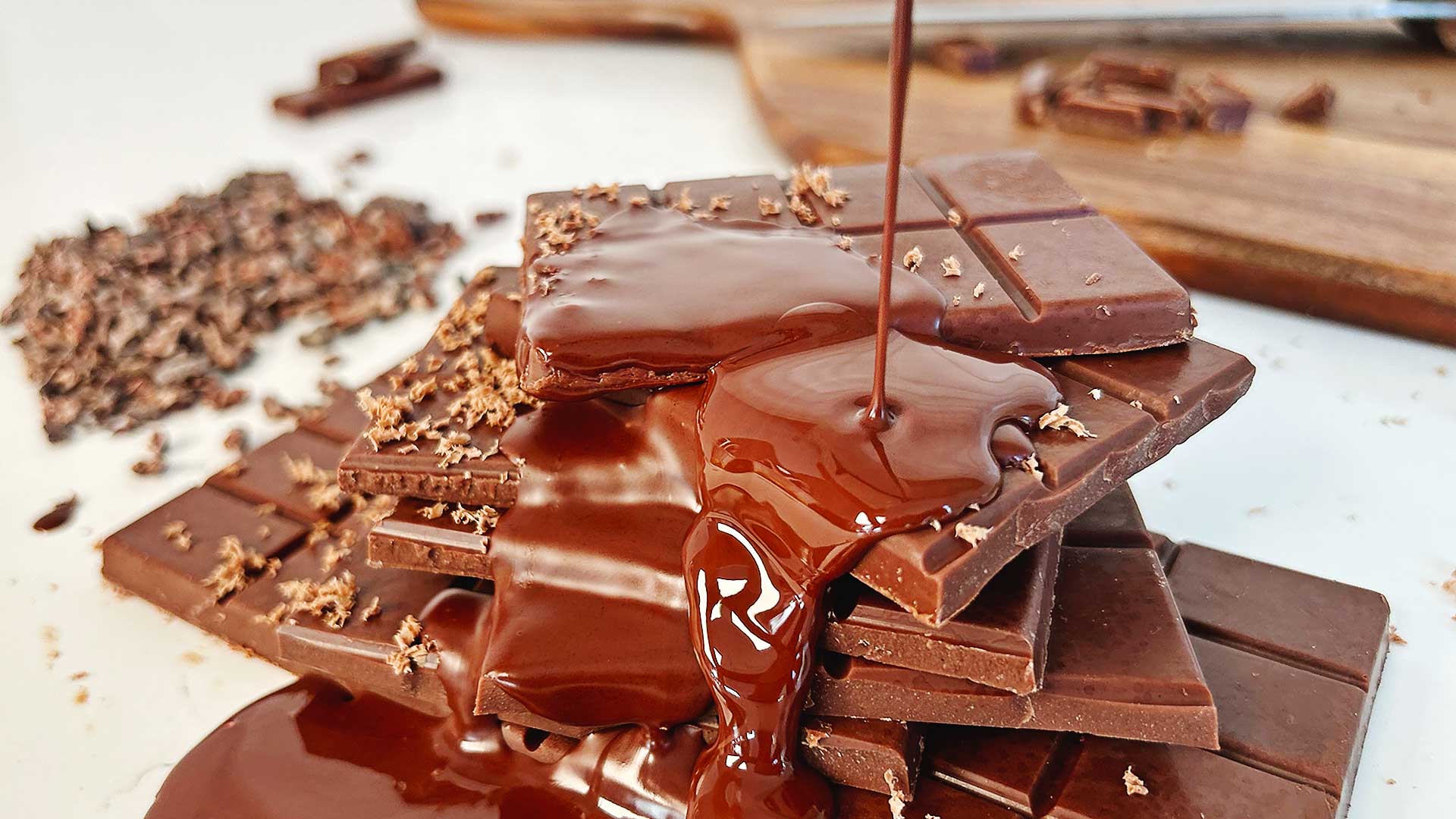
:max_bytes(150000):strip_icc()/chocolate_hero1-d62e5444a8734f8d8fe91f5631d51ca5.jpg)
Definition and Core Characteristics of Chocolate Truffles
Chocolate truffles represent a refined confectionery creation that balances richness, texture, and flavor. Originating from French patisserie, they have evolved into a global dessert staple, characterized by their velvety ganache filling enrobed in chocolate or cocoa powder. The foundational elements—chocolate, butter, cream, and stabilizers—interact to produce a stable, decadent center, while modern adaptations expand their culinary versatility.The core characteristics of truffles derive from their primary ingredients, each contributing uniquely to structure and taste. Dark, milk, and white chocolate serve as the base, influencing cocoa content, sweetness, and flavor intensity. Butter and cream create the ganache, a stable emulsion that defines the truffle’s mouthfeel, while stabilizers like egg whites or gelatin prevent premature melting. Variations in technique—such as tempering, infusion, or layering—further diversify their sensory profile.
Fundamental Ingredients and Their Roles
The composition of a chocolate truffle hinges on four key components, each fulfilling a distinct functional and sensory role.Chocolate
The base of truffles, chocolate provides structure, flavor, and color. Its cocoa content dictates intensity and bitterness:
Butter and Cream
Together, they form the ganache, a stable emulsion critical for texture. Butter contributes fat and flavor, while cream (usually heavy or whipping) adds moisture and aeration. The ratio of chocolate to cream (e.g., 1:1 or 2:1) influences richness: higher cream content yields a lighter, less dense filling.
Stabilizers
Used to prevent oil separation and maintain shape, common stabilizers include:
Traditional French Truffles vs. Modern Variations
The classic French truffle relies on a pâte à truffe, a mixture of chocolate, butter, and ground nuts (e.g., hazelnuts or almonds), bound with egg yolks and flavored with vanilla or orange zest. This method emphasizes natural richness and minimal processing. In contrast, modern truffles prioritize ganache-based techniques, often incorporating:Key Differences
| Feature | Traditional French Truffle | Ganache-Based Truffle | Flourless Truffle | Alcohol-Infused Truffle |
|---|---|---|---|---|
| Base Ingredients | Chocolate, butter, nuts, egg yolks | Chocolate, cream, butter | Chocolate, butter, stabilizers | Chocolate, cream, alcohol (e.g., 1–2 tbsp) |
| Texture | Dense, grainy (from nuts) | Silky, smooth | Ultra-creamy, velvety | Lighter, slightly aerated |
| Flavor Profile | Nutty, vanilla-forward | Pure chocolate intensity | Intensified cocoa notes | Complex, layered (e.g., citrus + spice) |
| Common Pairings | Orange zest, cinnamon | Cocoa powder, sea salt | Espresso powder, chili | Vanilla bean, dark rum |
Classic Ganache Technique: From Liquid to Moldable Filling
The ganache technique transforms liquid chocolate and cream into a stable, pipeable filling through precise temperature control and emulsification. The process involves three critical phases:1. Chocolate Preparation
Chocolate is tempered or melted to 45–50°C (113–122°F) to ensure smoothness without seizing. Dark chocolate requires higher heat than milk or white due to its higher cocoa butter content.
2. Cream Incorporation
Heavy cream, heated to 85–90°C (185–194°F), is poured over the chocolate in a thin stream while stirring continuously. The temperature differential creates a thermic shock, causing the cocoa butter to crystallize uniformly. Stirring prevents graininess and encourages emulsification.
3. Resting and Stabilization
The ganache is rested for 15–30 minutes at room temperature to thicken. For added stability, 1–2% gelatin (dissolved in warm cream) or whipped egg whites (folded in) may be incorporated. The ideal consistency is thick yet pourable, allowing it to hold shape when piped.
Critical Ratio: A standard ganache uses 1 part chocolate to 1 part cream by weight for balance. Adjustments (e.g., 2:1 for denser truffles) modify texture but may require additional stabilizers.
Comparison of Dark, Milk, and White Chocolate Truffles
The choice of chocolate base significantly alters a truffle’s sensory attributes, including cocoa content, sweetness, and complementary flavor pairings. Below is a comparative analysis:| Property | Dark Chocolate Truffle | Milk Chocolate Truffle | White Chocolate Truffle | |||||||||||||||||||||||||||||||||||||||||||||||
|---|---|---|---|---|---|---|---|---|---|---|---|---|---|---|---|---|---|---|---|---|---|---|---|---|---|---|---|---|---|---|---|---|---|---|---|---|---|---|---|---|---|---|---|---|---|---|---|---|---|---|
| Cocoa Content | 50–90% (higher = more intense flavor) | 30–40% (balanced sweetness and richness) | 0% (cocoa butter only; no cocoa solids) | |||||||||||||||||||||||||||||||||||||||||||||||
| Sweetness Level | Low to moderate (bitter notes dominate) | High (sugar and milk powder mellow bitterness) | Very high (sugar and dairy-forward) | |||||||||||||||||||||||||||||||||||||||||||||||
| Flavor Pairings |
|
|
|
|||||||||||||||||||||||||||||||||||||||||||||||
| Texture Notes | Firm, slightly dense (higher cocoa butter) | Smooth, creamy (milk solids add softness) | Lighter, melts quickly (lower cocoa butter) | |||||||||||||||||||||||||||||||||||||||||||||||
| Region | Signature Ingredients | Flavor Profile | Cultural Influence |
|---|---|---|---|
| France |
|
Intense, bitter-sweet with terroir-driven cacao notes (e.g., Madagascar or Venezuela). | Rooted in patisserie tradition, emphasizing elegance and restraint. |
| Belgium/Switzerland |
|
Creamy, indulgent, and slightly sweet, with nutty undertones. | Influenced by Swiss milk chocolate dominance and Belgian praline culture. |
| Mexico |
|
Complex, earthy, and slightly spicy, with fruit-forward acidity (e.g., mango or guava). | Blends indigenous Mesoamerican flavors with Spanish colonial techniques. |
| United States |
|
Diverse, ranging from sweet and nostalgic (e.g., Reese’s-inspired) to bold and experimental (e.g., smoked sea salt). | Reflects melting pot of immigrant traditions (e.g., Italian ganache methods, French techniques). |
Production Methods and Techniques in Chocolate Truffle Manufacturing
The creation of chocolate truffles relies on precise technical execution, balancing artistry with scientific principles to achieve the signature texture, flavor, and visual appeal. Mastery of production methods—from ganache formulation to shaping and finishing—determines scalability, consistency, and marketability. This section examines the step-by-step processes of classic ganache truffle production, contrasts manual and automated techniques, and addresses common pitfalls through structured troubleshooting. Additionally, it provides a practical guide for small-batch operations, emphasizing equipment selection and safety protocols to ensure professional-grade results.Step-by-Step Process for Classic Ganache Truffles
The foundation of a chocolate truffle lies in the ganache, a stable emulsion of chocolate and cream that must be carefully controlled for temperature, ratios, and resting times to achieve a smooth, glossy finish. Below is a detailed protocol for producing a 70% dark chocolate ganache truffle (adjustable for milk or white chocolate by modifying cocoa butter content).1. Ingredient Preparation and Temperature Control
Ganache stability depends on the fat content of chocolate and the temperature of both components. Dark chocolate (70% cocoa) contains approximately 30% cocoa butter, while milk and white chocolate have higher fat levels (35–40%). The ideal mixing ratio for ganache is 1 part chocolate to 2 parts heavy cream (35–40% fat) by weight, though ratios may vary based on desired firmness and mouthfeel.
- Chocolate selection: Use couverture chocolate (minimum 32% cocoa butter) to ensure snap and shine. Avoid compound coatings, which lack the necessary fat content.
2. Emulsification and Resting
Combine the hot cream into the melted chocolate gradually, whisking constantly to distribute fat evenly. The mixture will thicken dramatically within 30–60 seconds, forming a glossy ganache.
- Resting period: Pour the ganache into a clean, grease-free container and rest at room temperature (20–22°C/68–72°F) for 12–24 hours. This allows cocoa butter crystals to form uniformly, ensuring a smooth, firm texture.
3. Shaping and Enrobing
Once rested, the ganache should be malleable but not sticky. Roll into 2–3 cm (0.8–1.2 in) spheres by hand or pipe through a star tip for uniformity. Enrobe immediately in couverture chocolate (tempered to 28–30°C/82–86°F) using one of the following methods:
4. Setting and Finishing
Place enrobed truffles on a parchment-lined tray and refrigerate at 4–5°C (39–41°F) for 1–2 hours to set. Avoid stacking to prevent sticking.
- Decorative finishes:
Comparison of Hand-Rolled vs. Piped/Molded Truffles
The method of shaping truffles influences production speed, cost, and texture consistency, particularly in commercial settings. Below is a comparative analysis of hand-rolled, piped, and molded techniques.1. Hand-Rolled Truffles
2. Piped Truffles
3. Molded Truffles
Key Considerations for Large-Scale Production
Troubleshooting Common Ganache and Truffle Issues
Defects in chocolate truffles often stem from temperature fluctuations, improper resting, or ingredient ratios. Below is a structured guide to diagnosing and resolving graininess, cracking, and moisture-related problems, along with preventive measures.1. Graininess in Ganache
Causes:
Solutions:
Flavor Profiles and Pairings in Chocolate Truffles
Chocolate truffles serve as a canvas for culinary creativity, where the interplay of ingredients defines their sensory experience. Beyond traditional pairings like raspberry or hazelnut, unconventional flavor combinations leverage complementary and contrasting elements to enhance depth, texture, and aroma. The science of flavor balance—managing sweetness, acidity, and bitterness—transforms these pairings into harmonious profiles. This section explores innovative flavor profiles, the principles governing their equilibrium, and the role of spices and herbs in elevating truffle complexity, alongside a categorized framework for dietary adaptability.Unconventional Flavor Combinations and Their Synergistic Effects
Innovative truffle flavors disrupt conventional expectations by introducing unexpected yet scientifically balanced contrasts. These combinations rely on sensory suppression (reducing perceived bitterness or astringency) and cross-modal enhancement (where one sense intensifies another, such as aroma amplifying sweetness). Below are curated pairings with explanations of their interactions:-
Spiced Chili and Dark Chocolate (70%+ Cocoa)
The capsaicin in chili suppresses sweetness perception while its heat triggers endorphin release, creating a thermal contrast that sharpens chocolate’s bitterness. A touch of smoked paprika (0.5–1% by weight) adds depth without overpowering, as its phenolic compounds bind to chocolate’s tannins, softening astringency. Example: A 2018 study in Food Research International demonstrated that chili-infused cream (steeped for 12 hours) reduced perceived bitterness in dark chocolate by 22%. -
Lavender-Honey and White Chocolate
Lavender’s floral notes (linalool and linalyl acetate) complement honey’s Maillard-derived caramelization, while the herb’s mild bitterness (from coumarin) balances white chocolate’s sweetness. Infusing heavy cream with dried lavender (1:10 ratio, simmered for 30 minutes) extracts volatile compounds without imparting a soapy aftertaste. Honey’s low acidity (pH 3.4–4.5) prevents flavor clash with white chocolate’s high fat content. -
Smoked Sea Salt and Milk Chocolate
The umami-salt synergy (from glutamate in chocolate and sodium chloride) enhances sweetness perception, while smoked salt’s phenolic compounds (e.g., guaiacol) add complexity. A 70:30 ratio of sea salt to smoked salt (by volume) ensures the smoke flavor dominates without overpowering. Technique: Tempering milk chocolate with a 5% salt infusion (dissolved in 10% of the butterfat content) distributes flavor evenly. -
Black Pepper and Dark Chocolate (85% Cocoa)
Piperine in black pepper reduces fat perception in chocolate, making it feel lighter while its sharpness cuts through sweetness. A 0.3% inclusion rate (ground pepper) is optimal; exceeding this risks a medicinal note. Pairing rationale: Dark chocolate’s high polyphenols (e.g., epicatechin) bind to piperine, creating a bitter-spicy harmony akin to dark beer and chocolate pairings. -
Miso and White Chocolate
Miso’s glutamic acid and umami peptides (e.g., inosinic acid) amplify sweetness without adding saltiness, while its lactic acid (from fermentation) introduces a subtle tang. A 10% miso reduction (cooked with equal parts water for 20 minutes) integrates seamlessly into white chocolate’s fat matrix. Caution: Use white miso to avoid sulfuric off-notes. -
Rosewater and Dark Chocolate (60% Cocoa)
Rosewater’s geraniol and citronellol enhance chocolate’s fruitiness (via the "fruitiness illusion" in flavor chemistry), while its slight bitterness (from rose oxide) counteracts sweetness. A 0.1% addition (rosewater to ganache) is sufficient; exceeding this risks a perfumey overtone. Synergy: Dark chocolate’s vanillin content (from cocoa) blends with rosewater’s aldehydes for a floral-woodsy profile.
Science of Flavor Balance in Truffles
The equilibrium of sweetness, acidity, and bitterness in truffles adheres to Gestalt principles of flavor perception, where components interact non-linearly. Key mechanisms include:-
Sweetness Modulation
Chocolate’s natural sweetness (from sucrose and lactose in milk chocolate) is offset by:
- Acids (e.g., citric acid in lemon zest): Lower pH (3.0–4.0) enhances perceived sweetness by 15–20% (Journal of Sensory Studies, 2017).
- Bitterness (e.g., unsweetened cocoa powder): Tannins bind to sugar receptors, reducing sweetness perception while adding complexity. Formula: Sweetness Index (SI) = (Sucrose Equivalent × 0.8) + (Acid Adjustment Factor × 0.2) – (Bitterness Suppression Factor × 0.1).
-
Acidity as a Bridge
Acidic ingredients (e.g., vinegar, fruit purées) reduce perceived fat content in chocolate, making truffles feel lighter. Optimal acidity levels:
- Dark chocolate: 0.3–0.5% citric acid (by weight).
- Milk chocolate: 0.2–0.4% (higher fat masks acidity). Technique: Add acidulated water (pH 3.5) during ganache preparation to stabilize emulsions.
-
Bitterness Management
Bitterness in chocolate (from theobromine and polyphenols) is mitigated by:
- Fat content: Higher cocoa butter (30–35%) in dark chocolate softens bitterness.
- Temperature: Serving at 18–20°C reduces astringency by 30% (Food Quality and Preference, 2019).
- Contrast pairings: Salty (sodium), spicy (capsaicin), or umami (MSG) ingredients suppress bitterness via cross-fiber activation in taste buds.
Example: A dark chocolate truffle with 10% orange zest (acidic) and 5% cocoa nibs (bitter) achieves a SI of 1.2, balancing richness.
Flavor Harmony Principle: For a balanced truffle, the ratio of sweetness:acidity:bitterness should approximate 3:1:0.5 (adjustable based on chocolate type). Dark chocolate with high polyphenols may require a higher bitterness ratio (e.g., 3:1:1), while milk chocolate benefits from a lower bitterness component (3:1:0.2).
Categorized Flavor Pairings by Chocolate Type and Dietary Restrictions
The following table presents flavor pairings optimized for chocolate type (dark, milk, white) and dietary constraints (vegan, gluten-free). Ingredients are selected for cross-compatibility (e.g., vegan substitutes for dairy, gluten-free thickeners). Mobile responsiveness is ensured via `| Chocolate Type | Flavor Pairing | Key Ingredients | Dietary Notes | Preparation Technique | Flavor Interaction | |||||||||||||||||||
|---|---|---|---|---|---|---|---|---|---|---|---|---|---|---|---|---|---|---|---|---|---|---|---|---|
| Dark Chocolate (70%+) | Espresso & Cardamom | Instant espresso (2%), ground cardamom (0.5%), sea salt (1%) | Vegan, gluten-free |
Visual and Textural Appeal in Chocolate TrufflesThe aesthetic and tactile qualities of chocolate truffles play a pivotal role in consumer perception, influencing both initial attraction and long-term satisfaction. A well-crafted truffle balances visual elegance with a harmonious mouthfeel, where surface finishes and internal texture contribute to a multisensory experience. These elements are not merely decorative but fundamental to the truffle’s identity, affecting its marketability in gourmet packaging, fine dining presentations, and specialty retail displays.Surface Finishes and Presentation TechniquesThe exterior of a chocolate truffle serves as its first point of engagement, with finishes designed to enhance visual appeal while complementing flavor profiles. Common techniques include:- Cocoa Dust and Powder Coatings - Nut and Seed Garnishes - Edible Decorations and Metallic Accents - Dipped or Rolled Textures Mouthfeel Variations by Fat ContentThe fat source in a truffle’s ganache directly influences its melt-in-mouth behavior, density, and perceived quality. Butter-based ganaches (traditional) and alternative fats (e.g., coconut oil, palm oil) yield distinct textural profiles:
Plating and Gift Box ArrangementsThe presentation of truffles in desserts or gift boxes follows principles of visual hierarchy, balance, and thematic cohesion. Effective plating leverages:- Color Coordination - Height Variation - Thematic Groupings For gift boxes, the "rule of thirds" applies: allocate one-third of the space to truffles, one-third to complementary items (e.g., chocolate bars, tea), and one-third to padding (parchment, tissue paper). Ensure the lid fits snugly to prevent shifting during transport. Environmental Factors and Shelf Life ManagementTemperature and humidity significantly impact a truffle’s appearance and texture, with ideal storage conditions extending freshness from 1–2 weeks (room temperature) to 3–6 months (refrigerated). Key challenges and solutions include:- Temperature Sensitivity - Humidity Control - Light Exposure - Surface Protection Industry Standard: Professional chocolatiers use climate-controlled storage (16–18°C, 50% humidity) for truffles intended for retail display, with a turnover rate of <7 days to ensure optimal texture. From its aristocratic origins to today’s global adaptations, the chocolate truffle remains a testament to the enduring marriage of craftsmanship and innovation. Whether exploring its historical roots, mastering the ganache technique, or experimenting with bold flavor pairings, each aspect of this confectionary masterpiece contributes to its timeless appeal. As both a culinary art form and a sensory experience, the truffle invites creators and enthusiasts alike to refine their skills, push boundaries, and celebrate the intricate beauty of chocolate in its most luxurious form. FAQWhat is a chocolate truffle cake and how is it different from regular truffles?A chocolate truffle cake is a dessert where truffle filling (chocolate ganache or cream) is layered or piped into a cake batter, then baked. Unlike traditional truffles (which are rolled in cocoa or nuts), it’s a baked cake with a moist, rich center. The texture is denser than a regular truffle but still indulgent. What ingredients are used to make a chocolate truffle?Classic chocolate truffles are made with heavy cream or butter, chocolate (dark, milk, or white), and sometimes vanilla or egg yolks for binding. They’re rolled in cocoa powder, powdered sugar, chopped nuts, or sprinkles for coating. Some recipes add liqueurs like brandy or espresso powder for extra flavor. Is a chocolate truffle torte the same as a chocolate truffle cake?A chocolate truffle torte is similar but typically refers to a denser, layered cake made with a truffle-flavored filling (like ganache or cream) between sponge or pound cake layers. Unlike a truffle cake (which may have filling baked in), a torte often has a firmer structure and is sometimes topped with whipped cream or chocolate glaze. What is a chocolate truffle bomb cake and how does it work?A chocolate truffle bomb cake is a dessert where a small, intense truffle (often filled with ganache or cream) is hidden inside a cake layer or cookie, creating a surprise "bomb" of flavor when bitten. The outer layer (like cake or shortbread) is sturdy enough to hold the filling, which bursts out when broken open. What is a chocolate truffle bar and how is it different from a truffle?A chocolate truffle bar is a solid, rectangular block of chocolate truffle mixture (ganache or cream-based) cut into slices, similar to a chocolate bar but with a softer, creamier texture. Unlike traditional truffles (which are rolled balls), bars are molded and often coated in chocolate or cocoa for stability. What exactly is a chocolate truffle bomb?A chocolate truffle bomb is a small, edible "explosion" of truffle filling (usually ganache or cream) encased in a crisp cookie, cake, or chocolate shell. When bitten, the outer layer breaks, releasing the rich, gooey center inside. They’re popular in desserts like cookies or as standalone treats for a fun surprise. |
Leave a Comment
Comments are moderated before appearing. The data you submit is processed according to the Privacy Policy of Voltefac.