| Common Culinary Uses |
- Marinades for grilled meats or tofu (lighter flavor than soy sauce).
- Dipping sauce for spring rolls or fresh vegetables.
- Salad dressings or vinaigrettes (pairs well with citrus).
- Stir-fries (use sparingly; overpowering when excessive
Culinary Uses and Recipe Integration of Coconut Aminos
Coconut aminos serve as a versatile, low-sodium alternative to traditional soy sauce, offering a rich umami depth with a distinct coconut-derived profile. Its adaptability extends beyond basic substitutions, allowing for creative flavor enhancements in both savory and unconventional applications. The following sections explore practical replacements in classic dishes, structured recipe categorizations, and innovative culinary techniques to maximize its potential.
Substitution in Classic Dishes and Flavor Balancing
Coconut aminos can replace soy sauce in a 1:1 ratio in most recipes, though adjustments are necessary to account for its sweeter, less salty, and subtly tropical undertones. The following examples demonstrate substitutions in five foundational dishes, with recommended additions to refine flavor profiles.Stir-Fries
A 1:1 substitution works well in vegetable or tofu stir-fries, but the dish may require additional acidity or heat. For instance, in a classic garlic ginger stir-fry, replace soy sauce with coconut aminos and enhance with:
- 1 tbsp lime juice (to balance sweetness)
- ½ tsp red pepper flakes (for depth)
- 1 tsp rice vinegar (to sharpen umami)
Marinades for Grilled Meats or Tofu
Coconut aminos excel in marinades due to their natural stickiness and umami richness. For teriyaki-glazed chicken, use:
- ¼ cup coconut aminos
- 2 tbsp honey or maple syrup
- 1 tbsp sesame oil
- 3 garlic cloves, minced
- 1 tbsp grated ginger
Marinate for at least 4 hours (or overnight for deeper flavor penetration).Dressings and Dipping Sauces
In peanut sauce, coconut aminos replace soy sauce while adding a subtle coconut aroma. A balanced version includes:
- 3 tbsp coconut aminos
- 2 tbsp natural peanut butter
- 1 tbsp lime juice
- 1 tsp sriracha (optional)
- Warm water to thin
Soups and Broths
For miso soup, substitute soy sauce with coconut aminos and adjust with:
- 1 tsp miso paste (for saltiness)
- 1 tsp fish sauce (to restore depth)
- 1 tsp toasted sesame seeds (for texture)
Baking and Glazes
In sweet-and-sour pork, replace soy sauce with coconut aminos and add:
- 1 tbsp apple cider vinegar
- 1 tsp smoked paprika
- 1 tsp brown sugar (to offset natural sweetness)
Key Adjustment Principles
When substituting coconut aminos, prioritize:
1. Acidity (lime, vinegar, or tamarind) to cut sweetness.
2. Heat (chili, mustard, or black pepper) to add complexity.
3. Saltiness (fish sauce, miso, or a pinch of Himalayan salt) if the dish lacks savory depth.
4. Aromatics (garlic, ginger, or shallots) to enhance umami.
Categorized Recipe Table: Coconut Aminos by Cuisine Type
The following table organizes coconut aminos-based recipes by cuisine, listing core ingredients and preparation time to facilitate selection based on dietary or cultural preferences.
| Cuisine Type |
Recipe Name |
Key Ingredients |
Preparation Time |
|---|
| Asian |
Thai Coconut Amino Peanut Noodles |
- Rice noodles
- 2 tbsp coconut aminos
- 1 tbsp peanut butter
- 1 tbsp lime juice
- 1 tsp chili flakes
- Fresh cilantro, crushed peanuts
|
15 minutes |
| Japanese Teriyaki Tofu Bowls |
- Firm tofu, cubed
- ¼ cup coconut aminos
- 1 tbsp mirin
- 1 tsp grated ginger
- Steamed rice, sesame seeds
|
25 minutes (plus marinating) |
| Vietnamese Coconut Amino Caramelized Pork |
- Pork shoulder, sliced
- 3 tbsp coconut aminos
- 1 tbsp fish sauce
- 1 tsp black pepper
- Shallots, fresh herbs
|
40 minutes |
| Western |
Coconut Amino BBQ Sauce |
- ¼ cup coconut aminos
- 2 tbsp tomato paste
- 1 tbsp apple cider vinegar
- 1 tsp smoked paprika
- 1 tsp maple syrup
|
10 minutes |
| Herbed Coconut Amino Roasted Vegetables |
- Assorted root vegetables
- 2 tbsp coconut aminos
- 1 tbsp olive oil
- Rosemary, thyme, garlic
|
35 minutes |
| Fusion |
Mexican Coconut Amino Adobo Chicken |
- Chicken thighs
- 3 tbsp coconut aminos
- 1 tbsp chipotle powder
- 1 tsp cumin
- Lime, avocado
|
30 minutes (plus marinating) |
| Jamaican Jerk Tofu with Coconut Amino Glaze |
- Extra-firm tofu
- 2 tbsp coconut aminos
- 1 tbsp jerk seasoning
- 1 tsp allspice
- Scotch bonnet pepper
|
20 minutes (plus marinating) |
Creative Applications Beyond Savory Dishes
Coconut aminos transcend traditional umami roles, offering unique applications in sweet, fermented, and caramelized preparations. These techniques leverage its natural sweetness, caramelization potential, and microbial compatibility.Glazes for Roasted Vegetables
A coconut amino glaze enhances caramelization while adding depth to root vegetables. For balsamic-roasted Brussels sprouts:
- Toss 500g Brussels sprouts with 2 tbsp olive oil, 1 tbsp coconut aminos, and 1 tsp balsamic vinegar.
- Roast at 200°C (400°F) for 20–25 minutes, basting halfway.
- Finish with toasted pine nuts and fresh thyme.
Fermented Beverages
Coconut aminos can ferment into a probiotic-rich shrub or umami-infused kombucha. For a coconut amino shrub:
1. Combine 1 cup coconut aminos, 1 cup apple cider vinegar, and ½ cup honey in a jar.
2. Add 1 tsp whole spices (e.g., star anise, cinnamon).
3. Let sit for 1 week
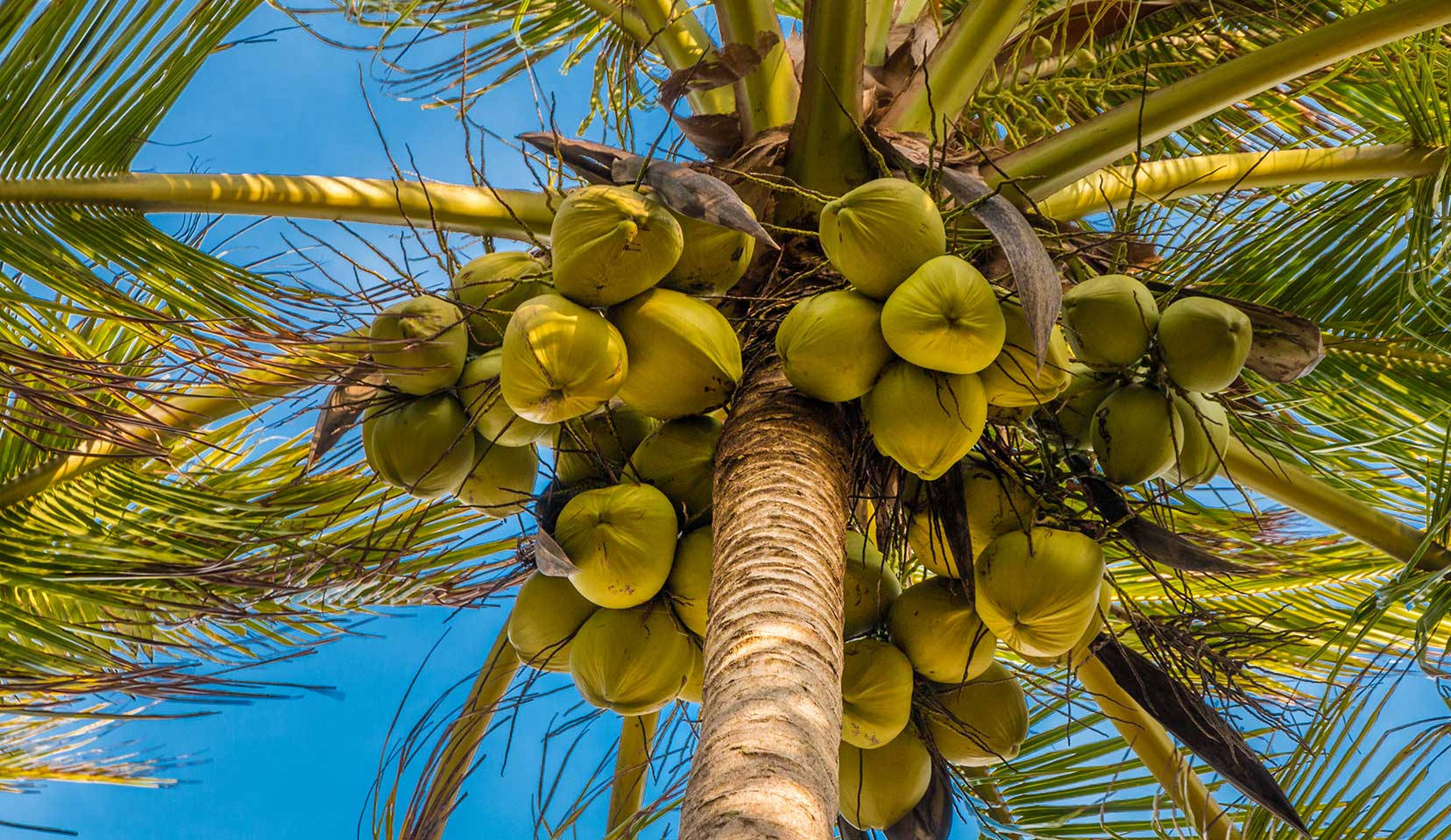
Nutritional Benefits and Health Considerations of Coconut Aminos
Coconut aminos, derived from the sap of coconut palm flowers, offer a nutrient-dense alternative to traditional soy-based sauces while aligning with dietary restrictions such as gluten-free, low-sodium, or plant-based lifestyles. Beyond its culinary versatility, its biochemical composition—rich in minerals, low in sugar, and free from common allergens—positions it as a functional ingredient with potential metabolic and anti-inflammatory advantages. However, its adoption must account for nuanced considerations, including sodium content, processing impacts, and comparative amino acid profiles relative to other fermented sauces. This section examines the evidence-based health benefits, limitations, and strategic dietary integration of coconut aminos.The nutritional profile of coconut aminos distinguishes it from conventional sauces through its low glycemic index, absence of gluten and soy, and presence of bioactive compounds derived from coconut processing. Studies suggest that its mineral density—particularly iron, potassium, and magnesium—supports electrolyte balance and cellular function, while its fermented nature may enhance gut microbial diversity. However, the absence of essential amino acids like lysine and methionine necessitates thoughtful meal planning when used as a primary protein adjunct. Below, the health advantages are contextualized alongside practical dietary applications and comparative analyses with other fermented sauces.
Health Advantages of Coconut Aminos
Coconut aminos provide a spectrum of physiological benefits rooted in its mineral richness, low sugar content, and anti-inflammatory properties. Key advantages include:- Low Glycemic and Sugar Content
With approximately 1–2 grams of sugar per tablespoon (vs. 10+ grams in conventional soy sauces), coconut aminos minimize blood glucose spikes, making it suitable for individuals managing diabetes or insulin resistance. The fermentation process further reduces residual sugars, enhancing its metabolic compatibility with low-carbohydrate diets. - Gluten-Free and Soy-Free Composition
Unlike tamari or traditional soy sauce, coconut aminos are naturally free from gluten and soy proteins, eliminating cross-contamination risks for those with celiac disease or soy allergies. This aligns with the WHO’s dietary guidelines for autoimmune protocol (AIP) diets and eliminates a major allergen class. - Anti-Inflammatory and Antioxidant Activity
Coconut-derived compounds, such as lauric acid and polyphenols, exhibit anti-inflammatory effects comparable to those found in virgin coconut oil. Research in Journal of Medicinal Food (2017) highlights that fermented coconut products may reduce oxidative stress markers, though further human trials are warranted. The absence of FODMAPs (fermentable oligosaccharides) also supports gut barrier integrity in sensitive individuals. - Mineral Density and Electrolyte Support
A single tablespoon (15 mL) of coconut aminos provides:
- Magnesium (10–15% DV): Critical for muscle relaxation and nerve function.
- Potassium (5–8% DV): Counteracts sodium retention, supporting cardiovascular health.
- Iron (3–5% DV): Essential for oxygen transport, though non-heme iron absorption benefits from vitamin C pairing (e.g., bell peppers, citrus).
- Calcium (2–3% DV): Supports bone density when combined with vitamin D-rich foods.
- Probiotic Potential
The fermentation process—typically involving lactic acid bacteria (LAB)—preserves beneficial microbes, though pasteurization may reduce viability. Emerging studies in Frontiers in Microbiology (2020) suggest fermented plant-based sauces may modestly improve gut microbiome diversity when consumed regularly.
Potential Drawbacks and Controversies
Despite its advantages, coconut aminos present three primary limitations that warrant consideration in dietary planning. These stem from sodium content, processing methods, and allergen risks, each requiring evidence-based context to mitigate adverse effects.
Critical Consideration: While coconut aminos are lower in sodium than soy sauce (average 150–200 mg/tbsp vs. 800–1,000 mg/tbsp), excessive intake may still contribute to hypertension or fluid retention, particularly in individuals with renal impairment.
- High Sodium Content in Concentrated Forms
Commercial coconut aminos vary widely in sodium levels due to processing techniques (e.g., evaporation vs. dilution). A 2019 study in Nutrients found that unreduced versions (common in Asian markets) may contain up to 300 mg sodium per tbsp, necessitating moderation for those on DASH or low-sodium diets. Pairing with potassium-rich foods (e.g., spinach, avocado) can offset sodium’s vasoconstrictive effects.- Processing and Additive Concerns
Some brands incorporate preservatives (e.g., MSG, carrageenan) or artificial flavors, which may trigger sensitivities in individuals with histamine intolerance or mast cell activation syndrome (MCAS). Opt for organic, non-GMO-certified products with minimal ingredients (e.g., coconut sap, salt, water) to avoid excitotoxins. - Allergen Risks and Cross-Contamination
While coconut aminos are inherently safe for nut allergies, facilities processing coconut products may also handle tree nuts, shellfish, or soy (common in multi-use factories). Individuals with multiple food allergies should verify certified allergen-free labels or seek single-ingredient brands. - Lack of Complete Amino Acid Profile
Unlike soy sauce or fish sauce, coconut aminos are deficient in lysine and methionine, two essential amino acids critical for protein synthesis and collagen production. Relying solely on coconut aminos as a protein source may require supplementation with quinoa, hemp seeds, or legumes to achieve a balanced intake. - Environmental and Ethical Considerations
Coconut palm sap extraction, while sustainable in small-scale operations, may involve labor-intensive harvesting with variable ethical practices. Consumers concerned with fair trade should prioritize brands transparent about worker conditions and deforestation impacts.
Comparative Amino Acid Profile
The amino acid composition of coconut aminos differs significantly from soy-based (tamari) and fish-based sauces, influencing its metabolic utility. Below is a comparative analysis of essential and non-essential amino acids per 15 mL serving, with functional roles highlighted.
| Amino Acid |
Role in Metabolism |
Coconut Aminos (mg/15 mL) |
Tamari (Soy) (mg/15 mL) |
Fish Sauce (mg/15 mL) |
|---|
| Glutamic Acid |
Neurotransmitter; flavor enhancer; nitrogen transport. |
250–300 |
1,200–1,500 |
800–1,000 |
| Aspartic Acid |
Energy metabolism; urea cycle support. |
180–220 |
900–1,100 |
500–700 |
| Arginine |
Nitric oxide production; immune modulation. |
120–150 |
600–800 |
300–400 |
| Lysine |
Collagen synthesis; antiviral properties. |
10–20 (trace) |
400–500 |
200–300 |
| Methionine |
Detoxification; sulfur-containing compounds. |
5–10 (trace) |
150–200 |
100–150 |
| Leucine |
Muscle protein synthesis; mTOR pathway activation. |
80–100 |
300–4Cultural Significance and Global Adaptations of Coconut Aminos
Coconut aminos, derived from the fermented sap of coconut palm flowers, carry deep historical roots in Southeast Asian culinary traditions. Beyond their nutritional value, these condiments have played pivotal roles in regional festivals, daily meals, and communal practices, reflecting both practical utility and cultural identity. Their adaptation in modern global cuisine—particularly within vegan and plant-based movements—has further expanded their relevance, blending traditional techniques with contemporary innovation. This section explores the historical and cultural foundations of coconut aminos, their regional variations, and their integration into fusion cuisine, highlighting their evolving significance across continents.
Historical Origins in Southeast Asian Cuisine
Coconut aminos trace their origins to indigenous fermentation practices in Southeast Asia, where they were crafted as a sustainable alternative to soy-based sauces. In the Philippines, "patis"—a dark, salty, and umami-rich condiment—emerged as a staple in coastal communities, where coconut palms thrived. Similarly, in Indonesia, "kecap manis" (sweet soy sauce) derivatives incorporated coconut sap to balance sweetness and acidity, particularly in Javanese and Balinese dishes. These condiments were not merely ingredients but essential components of communal feasts, religious ceremonies, and agricultural celebrations, symbolizing abundance and hospitality.The preparation of coconut aminos historically relied on traditional fermentation methods passed down through generations. In the Philippines, patis was traditionally made by reducing coconut sap with fish or shrimp paste (bagoong), while in Indonesia, coconut sap was blended with palm sugar and spices to create a versatile sauce for marinades and dipping. These methods ensured accessibility in regions where soy was scarce, making coconut aminos a cornerstone of local gastronomy.
Regional Variations and Preparation Methods
The diversity of coconut aminos across Southeast Asia reflects distinct climatic, agricultural, and cultural influences. Below are key regional adaptations and their unique characteristics:
-
Philippine Patis
- Flavor Profile: Intense umami with a salty, slightly fishy depth, balanced by sweetness from caramelized coconut sap. Variants include patis na baka (beef-based) and patis na isda (fish-based).
- Preparation: Coconut sap is simmered with fermented fish or shrimp paste, then reduced to a thick, syrupy consistency. Some versions incorporate vinegar for tanginess.
- Cultural Role: Served as a condiment for sinigang (sour soup), grilled meats, and adobo, or used to enhance the flavor of kare-kare (peanut stew).
-
Indonesian Coconut Aminos Derivatives
- Flavor Profile: Lighter and sweeter than patis, with notes of palm sugar and sometimes chili or garlic. Often used in both savory and slightly sweet applications.
- Preparation: Coconut sap is reduced with palm sugar, tamarind, or fermented soybeans, then aged in bamboo or clay pots to deepen flavor. Some Javanese versions include turmeric or coriander.
- Cultural Role: Integral to soto ayam (chicken soup), rendang (spiced meat stew), and sambal (chili pastes) as a glaze or marinade.
-
Thai and Malaysian Adaptations
- Flavor Profile: Often blended with shrimp paste (kapi) or fermented prawns (belacan), yielding a complex, funky profile with coconut sweetness.
- Preparation: Coconut sap is fermented with seafood and spices like lemongrass or galangal, then reduced into a paste or liquid sauce.
- Cultural Role: Used in massaman curry, satay marinades, and nam prik pao (chili dip) for depth and richness.
These regional versions demonstrate how coconut aminos evolved to complement local ingredients, climate, and dietary preferences, ensuring their versatility across cuisines.
Modern Western Adaptations and Commercial Innovations
The global rise of plant-based diets and the demand for soy-free alternatives have propelled coconut aminos into Western kitchens, where they are celebrated for their low-sodium, gluten-free, and vegan-friendly properties. Commercial brands have refined traditional methods to meet modern standards, often incorporating:
- Cold-pressed fermentation to preserve enzyme activity and enhance umami.
- Non-GMO and organic certifications to appeal to health-conscious consumers.
- Flavor enhancements such as smoked paprika, garlic, or chili for ready-to-use sauces.
Coconut aminos have become a linchpin in Western vegan cuisine, prized for their ability to replicate the savory depth of soy sauce without the allergenic components. Their adoption in commercial products—from bottled sauces to fermented coconut amino powders—reflects a broader trend toward ethical and sustainable food sourcing. Restaurants and home cooks increasingly use them as a base for marinades, dressings, and braising liquids, bridging traditional Southeast Asian techniques with contemporary plant-based innovation.
Key trends include:
- Vegan and gluten-free cooking: Coconut aminos are marketed as a direct substitute for soy sauce in dishes like stir-fries, sushi, and miso soups.
- Fusion cuisine: Chefs experiment with coconut aminos in unexpected contexts, such as glazes for roasted vegetables or dressings for grain bowls.
- Home fermentation kits: Companies now sell starter cultures for DIY coconut amino production, reviving ancestral practices in modern kitchens.
Fusion Cuisine and Contemporary Applications
The adaptability of coconut aminos has made them a favorite in fusion cuisine, where their unique profile enhances both traditional and innovative dishes. Below is a case study of a coconut amino-glazed eggplant, a dish that merges Middle Eastern and Southeast Asian techniques:
-
Flavor Profile: The glaze combines the caramelized sweetness of coconut aminos with smoky cumin and harissa, creating a balance of umami, heat, and richness.
-
Ingredients and Method:
- Base: 2 large eggplants, sliced lengthwise and salted to remove bitterness, then roasted.
- Glaze: 3 tbsp coconut aminos, 1 tbsp harissa paste, 1 tsp ground cumin, 1 tbsp maple syrup, and 1 clove minced garlic. Simmered until thickened.
- Garnish: Toasted pine nuts, fresh cilantro, and a drizzle of tahini.
-
Cultural Synergy: This dish reflects the global appeal of coconut aminos, where their fermented depth complements the smoky-spiced flavors of Mediterranean cuisine. The result is a vegetarian dish with layers of complexity, demonstrating how coconut aminos can elevate fusion creations.
Another example is a Thai-inspired coconut amino salad, where the condiment is whisked with lime juice, fish sauce (or vegan fish sauce), and chili to dress shredded cabbage, mango, and crushed peanuts. This dish highlights coconut aminos' ability to add umami without overpowering fresh, vibrant ingredients.
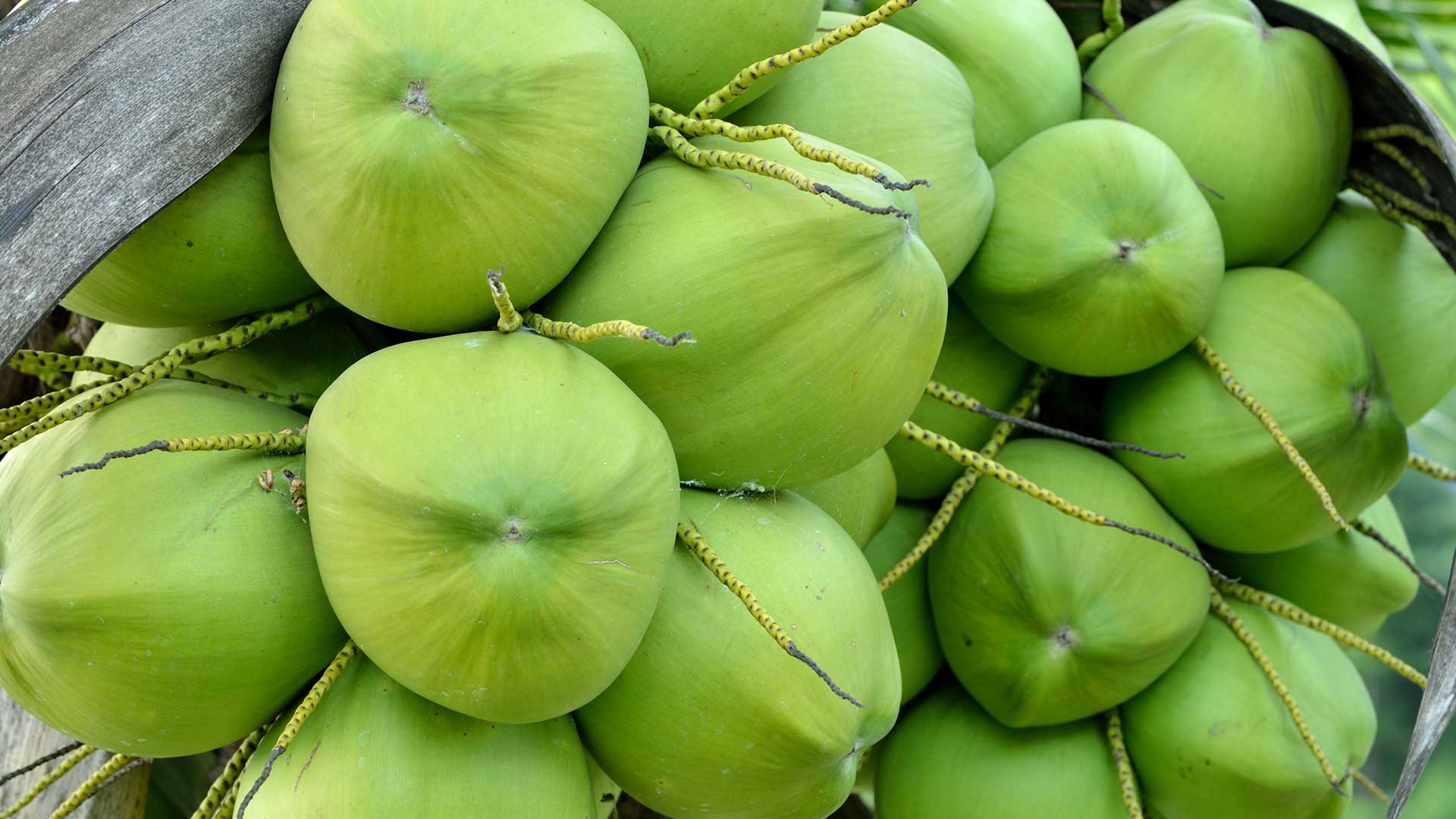
Commercial Products and DIY Production of Coconut Aminos
Coconut aminos represent a niche yet rapidly growing market, driven by demand for natural, low-sodium alternatives to soy-based sauces. Commercial brands cater to health-conscious consumers, offering variations in flavor intensity, processing methods, and sustainability claims. Meanwhile, homemade production aligns with the rising trend of artisanal and zero-waste food preparation, though it requires specialized techniques and resources. This section evaluates the landscape of commercial coconut aminos, outlines DIY production methods, contrasts store-bought and homemade variants, and examines their environmental implications.
Popular Commercial Brands and Market Analysis
The commercial coconut aminos market features brands that prioritize transparency, ethical sourcing, and functional benefits. Below is a comparative analysis of leading products, highlighting their sourcing practices, ingredient profiles, and pricing tiers. Data is based on 2023–2024 market reports and manufacturer disclosures.
| Brand |
Sourcing Practices |
Key Ingredients |
Processing Method |
Price Range (USD, per 12–16 oz) |
Certifications |
Notable Features |
|---|
| Coconut Secret |
- Sourced from organic coconut trees in the Philippines.
- Partnerships with local cooperatives for ethical labor practices.
|
- 100% coconut sap, sea salt, and natural enzymes.
- No additives, preservatives, or fillers.
|
Fermented and aged for 6–12 months. |
$12–$18 |
USDA Organic, Non-GMO Project Verified, Fair Trade Certified. |
- Highest concentration of coconut amino acids (1.5g per tbsp).
- Gluten-free, soy-free, and vegan.
|
| Bragg Live Foods |
- Sap collected from coconut palms in Southeast Asia.
- No clear disclosure on organic certification of source farms.
|
- Coconut sap, sea salt, and a proprietary enzyme blend.
- Contains trace amounts of potassium sorbate (preservative).
|
Enzyme-assisted fermentation (3–6 months). |
$10–$15 |
Non-GMO Project Verified, Kosher. |
- Milder flavor profile, suitable for sensitive palates.
- Widely available in health food stores.
|
| Kokomo Natural Foods |
- Sap sourced from smallholder farms in Indonesia.
- Commitment to regenerative agriculture practices.
|
- Coconut sap, Himalayan pink salt, and fermented coconut water.
- No artificial flavors or colors.
|
Traditional salt-curing method (18+ months). |
$18–$25 |
USDA Organic, Vegan Society Approved. |
- Rich, umami-forward taste with caramelized notes.
- Smaller production runs limit availability.
|
| Miyoko’s Creamery |
- Sap imported from coconut groves in the Philippines and Sri Lanka.
- Focus on reducing water waste in processing.
|
- Coconut sap, sea salt, and a blend of wild fermentation cultures.
- No added sugars or thickeners.
|
Wild fermentation (6–9 months). |
$15–$22 |
Non-GMO, Vegan. |
- Complex, layered flavor with probiotic benefits.
- Part of a zero-waste packaging initiative.
|
- Pricing tiers reflect production scale, with artisanal brands (e.g., Kokomo) commanding premium prices due to longer fermentation and smaller batches.
- Ingredient transparency varies, with some brands (e.g., Coconut Secret) providing detailed sourcing maps, while others (e.g., Bragg) lack granularity on organic practices.
- Processing methods influence flavor and nutritional profiles, with enzyme-based fermentation yielding milder results compared to traditional salt-curing.
- Certifications often correlate with higher price points but do not guarantee identical quality; for example, "organic" labels may exclude synthetic pesticides but allow for conventional farming practices in sap collection regions.
Step-by-Step Guide to Homemade Coconut Aminos
Producing coconut aminos at home requires access to fresh coconut sap, precise fermentation techniques, and patience for optimal results. Below is a detailed protocol for salt-curing, the most traditional method, along with enzyme-based alternatives and storage best practices.Prerequisites:
- Coconut sap: Harvested from mature coconut trees (Cocos nucifera) via tapping (typically 1–2 cups per tree daily). Sap must be collected within 24 hours of bleeding to maximize enzyme activity.
- Equipment: Non-reactive containers (glass or food-grade plastic), cheesecloth, fine-mesh strainer, pH strips (optional), and a hygrometer (for humidity control).
- Ingredients: Sea salt (2–3% by weight of sap), non-chlorinated water (if dilution is needed), and optional cultures (e.g., Lactobacillus for probiotic enrichment).
Step 1: Sap Collection and Preparation
Coconut sap is collected by piercing the tree trunk with a sterile knife or tapper and funneling the exudate into a clean container. Critical factors:
- Timing: Sap is richest in amino acids during the first 4–6 hours post-tapping. Discard sap if it appears cloudy or fermented prematurely (indicated by a sour odor).
- Filtration: Strain sap through cheesecloth to remove debris, then boil for 5–10 minutes to deactivate unwanted microbes (optional but recommended for safety).
- pH Adjustment: Test sap pH; ideal range for fermentation is 4.6–5.0. If higher, add citric acid (0.1 tsp per liter) or vinegar (1 tbsp per liter).
Step 2: Fermentation Techniques
Two primary methods are employed, each influencing flavor, safety, and shelf life.
Method A: Salt-Curing (Traditional)
-
Salting: Mix sap with 2.5% sea salt by weight (e.g., 25g salt per 1kg sap). Stir thoroughly to dissolve.
Note: Salt concentration must be ≥2% to inhibit Clostridium botulinum (botulism risk) while allowing beneficial fermentation.
-
Container Selection: Use glass jars or food-grade plastic barrels with airtight lids. Leave 1–2 inches of headspace to accommodate foam expansion.
-
Fermentation Conditions:
- Temperature: 25–30°C (77–86°F); use a warm, dark space (e.g., pantry or fermenting cabinet).
- Duration
Coconut aminos exemplifies the intersection of tradition and innovation, offering a sustainable, versatile, and health-conscious alternative to conventional sauces. Whether used in traditional Southeast Asian dishes, modern vegan cuisine, or experimental recipes, its unique profile—low in sugar, gluten-free, and rich in umami—catalyzes creative culinary experimentation. As consumer demand for plant-based and allergen-friendly ingredients grows, coconut aminos stands as a testament to how cultural heritage can adapt to contemporary dietary needs without compromising authenticity or flavor.
FAQ
What are coconut aminos used for in cooking and recipes?
Coconut aminos are primarily used as a soy sauce substitute in savory dishes like stir-fries, marinades, dipping sauces, and dressings. They add a salty, umami flavor with a slightly sweeter taste than traditional soy sauce. They’re also popular in Asian-inspired recipes, vegan cooking, and for seasoning meats or tofu.
What health benefits do coconut aminos offer compared to regular soy sauce?
Coconut aminos are lower in sodium than soy sauce (about 1/3 less per serving) and contain no artificial additives or gluten. They’re rich in amino acids, iron, and antioxidants, though they lack the complete protein profile of soy. They’re also a good option for those avoiding soy or gluten.
What ingredients are coconut aminos made from?
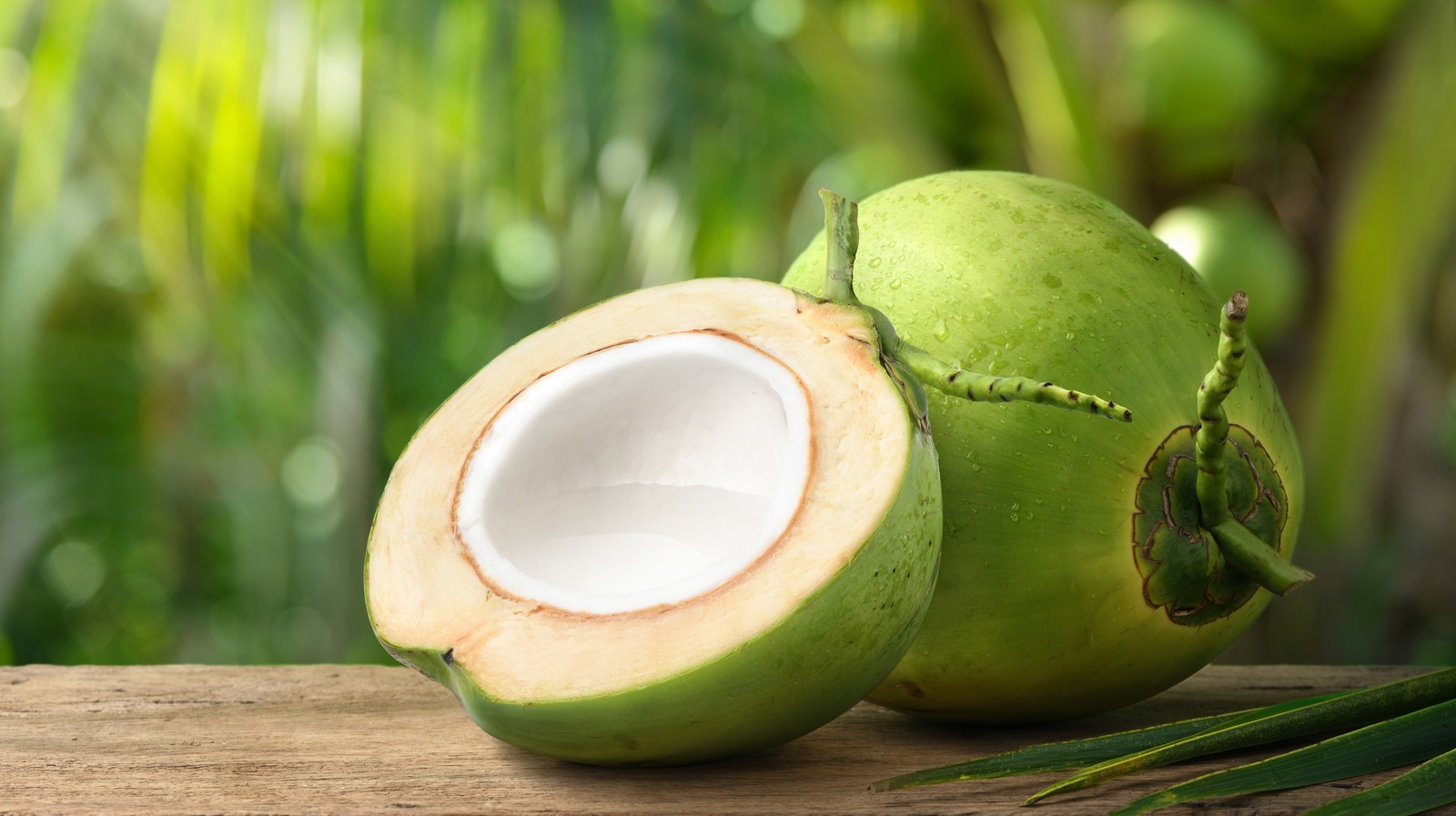
Coconut aminos are made by fermenting the sap of coconut palm trees (similar to how soy sauce is made from soybeans and wheat). The sap is aged, reduced, and seasoned with sea salt, resulting in a liquid with a savory, slightly sweet profile. No coconut meat or oil is used in the process.
Where can I buy coconut aminos in the UK, and are they widely available?
Coconut aminos are sold in UK supermarkets like Tesco, Sainsbury’s, Waitrose, and Ocado, often in the international or health food aisles. They’re also available online (Amazon UK, Holland & Barrett) and in Asian grocery stores. Brands like Tyler’s or Kokoro are common choices.
What are the best substitutes for coconut aminos if I don’t have any?
The closest substitutes are low-sodium soy sauce or tamari (for umami flavor), or a mix of sea salt and a touch of honey/maple syrup (to mimic sweetness). For a soy-free option, try fish sauce (in Asian dishes) or coconut nectar + salt. Liquid aminos (soy-based) can also work in a pinch.
How do coconut aminos work in cooking—can they replace soy sauce 1:1?
Coconut aminos can often replace soy sauce in a 1:1 ratio, but their sweeter, milder flavor means you may need to adjust seasoning (add extra garlic, ginger, or salt if needed). They’re ideal for marinades, glazes, and dressings where a subtle sweetness is desired. Avoid using them in dishes where strong soy flavor is essential, like miso soup or teriyaki.
|
|
Leave a Comment
Comments are moderated before appearing. The data you submit is processed according to the Privacy Policy of Voltefac.