What Is Food Garnishing Core Concepts Techniques Applications
Table of Contents
- Definition and Purpose of Food Garnishing in Culinary Arts
- Functional Roles of Garnishes in Flavor and Texture
- Visual Appeal and Plate Composition Principles
- Comparison: Edible vs. Non-Edible Garnishes
- Common Types of Garnishes and Their Applications in Culinary Arts
- Fresh Herbs and Microgreens
- Citrus Zest and Twists
- Edible Flowers and Petals
- Sauces and Drizzles
- Techniques for Creating Garnishes in Culinary Arts
- Torching Garnishes for Caramelization
- Chiffonade: The Art of Thin Herb and Leaf Shredding
- Spherical Shaping with Molds and Tweezers
- Dusting with Powders and Spices
- Cultural and Regional Garnishing Traditions in Culinary Arts
- French Garnishing: Precision and Symbolic Elegance
- Japanese Garnishing: Minimalism and Functional Beauty
- Mexican Garnishing: Bold Flavors and Cultural Narratives
- Comparison: Modern vs. Traditional Garnishing Methods
- Common Mistakes and How to Avoid Them in Food Garnishing
- Five Frequent Garnishing Errors and Corrective Actions
- Checklist for Maintaining Garnish Freshness and Visual Appeal During Service
- Creative and Advanced Garnishing Ideas in Culinary Arts
- Five Innovative Garnishing Methods in Contemporary Culinary Arts
- Step-by-Step Guide to Crafting a Deconstructed Garnish
- Unconventional Garnish Ingredients and Their Culinary Pairings
- FAQ
- Can you give me some examples of food garnishing?
- What does food garnishing mean in cooking?
- What items are commonly used for garnishing food?
- Why is garnishing important in food?
- How does garnishing work in food production?
- What role does garnishing play in food preparation?
Food garnishing represents a pivotal yet often underappreciated art form in culinary presentation, where functionality meets aesthetics to elevate dining experiences. Beyond mere decoration, strategically placed garnishes refine flavor profiles, introduce contrasting textures, and transform ordinary dishes into visually compelling masterpieces. This practice bridges sensory perception and culinary craftsmanship, demanding precision in both execution and ingredient selection to harmonize with a dish’s core elements.
The discipline of garnishing spans centuries of culinary evolution, adapting to regional traditions while embracing modern innovation. From the delicate microgreens adorning high-end sushi to the bold spice dustings of street-food tacos, each garnish serves a purpose—whether to enhance aroma, balance heat, or create a memorable visual narrative. Understanding these principles allows chefs and home cooks alike to refine their plating techniques, ensuring every dish not only tastes exceptional but also tells a story through presentation.
Definition and Purpose of Food Garnishing in Culinary Arts
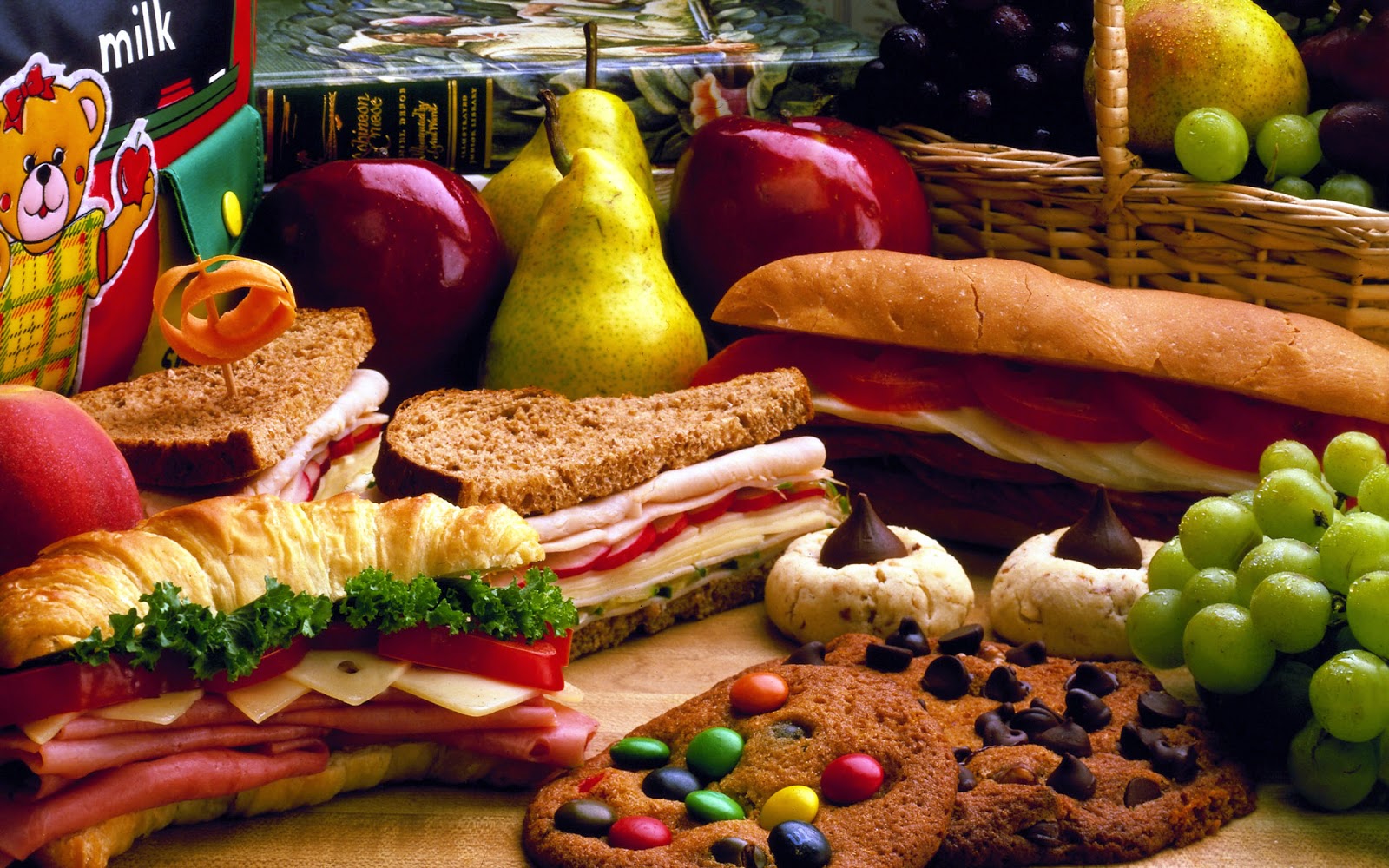
Food garnishing refers to the art and technique of decorating or enhancing dishes with additional elements to elevate their sensory experience. Beyond mere aesthetics, garnishes play a critical role in culinary presentation by balancing flavor profiles, introducing contrasting textures, and reinforcing visual harmony. This practice is deeply rooted in both traditional and modern gastronomy, where precision and creativity converge to transform a dish from functional to memorable.
Garnishes serve dual purposes: functional and aesthetic. Functionally, they can complement or accentuate the primary flavors of a dish, introduce subtle temperature contrasts (e.g., chilled herbs on warm soups), or provide a textural counterpoint (e.g., crispy fried onions on creamy sauces). Aesthetically, they create visual appeal through color coordination, shape contrast, and strategic placement, adhering to principles of plate composition such as the "rule of thirds" or symmetry. The interplay between these roles ensures that garnishes are not merely decorative but integral to the dining experience.
Functional Roles of Garnishes in Flavor and Texture
Garnishes contribute to a dish’s sensory profile through deliberate flavor and textural modifications. Their application is guided by principles of harmony, contrast, and balance, where each element is chosen to either enhance or subtly alter the existing composition.Flavor Enhancement
Garnishes can introduce complementary or contrasting flavors to refine a dish’s taste. For example:
Textural Contrast
The tactile experience of a dish is equally important, and garnishes often provide a deliberate contrast to the main components. Common textural pairings include:
"A well-placed garnish should never compete with the dish but rather elevate it—acting as a silent conversation starter between the palate and the eye." — Ferran Adrià, El Bulli
Visual Appeal and Plate Composition Principles
The aesthetic role of garnishes is governed by principles of color theory, shape dynamics, and spatial arrangement. These elements work together to create a visually cohesive and appetizing presentation.Color Coordination
Colors evoke emotions and influence perception. Garnishes are selected to:
Shape and Form
The geometry of garnishes affects how a dish is perceived. Key considerations include:
Spatial Arrangement
The placement of garnishes follows culinary plating techniques such as:
Comparison: Edible vs. Non-Edible Garnishes
Garnishes are categorized based on their edibility, each serving distinct purposes in culinary presentation. Below is a structured comparison highlighting their characteristics, examples, and typical applications.| Category | Definition | Examples | Typical Uses | Advantages | Limitations |
|---|---|---|---|---|---|
| Edible Garnishes | Ingredients consumed as part of the dish, chosen for flavor, texture, or visual impact. |
|
|
|
|
| Used to accentuate presentation without altering taste, often made from non-food materials. |
|
|
|
|
"The difference between edible and non-edible garnishes lies not in their value, but in their purpose—one nourishes, the other narrates." — Adapted from culinary design principles
Common Types of Garnishes and Their Applications in Culinary Arts
Garnishes elevate culinary presentations by enhancing visual appeal, balancing flavors, and reinforcing thematic coherence in dishes. Their selection and preparation require precision to align with the dish’s texture, color palette, and intended sensory experience. Below are five distinct categories of garnishes, their preparation techniques, and strategic applications across appetizers, mains, and desserts.Fresh Herbs and Microgreens
Fresh herbs and microgreens serve as versatile garnishes, contributing vibrant colors, aromatic complexity, and subtle flavors without overpowering the dish. Their preparation ranges from simple trimming to intricate plating techniques, often involving precision cutting or growth optimization.Preparation Techniques:
Applications by Dish Type:
Appetizers:
Caprese skewers garnished with micro basil leaves and a drizzle of aged balsamic reduction. Bruschetta topped with arugula microgreens and shaved Parmesan for a peppery contrast. Mains:
Seared scallops accompanied by a bed of pea shoot microgreens and a lemon-herb beurre blanc. Grilled salmon with a garnish of dill fronds and a lemon zest twist to complement the fish’s natural oils. Desserts:
Lemon posset with a sprinkle of edible mint leaves and a dusting of powdered sugar for a refreshing finish. Chocolate mousse adorned with a single basil leaf to introduce an unexpected herbal note.
Citrus Zest and Twists
Citrus garnishes introduce brightness, acidity, and aromatic depth to dishes while adding visual contrast through their vivid colors and intricate shapes. Proper preparation ensures flavor infusion without bitterness, as citrus oils are concentrated in the outer layers.Preparation Techniques:
- Twists and Supremes:
Applications by Dish Type:
Appetizers:
Shrimp cocktail garnished with a lime twist and a sprinkle of chili powder for a tangy-spicy contrast. Goat cheese crostini topped with a lemon supremé and a drizzle of honey. Mains:
Pan-seared duck breast with a garnish of blood orange zest and a reduction of its juice. Thai green curry served with a lime supremé on the side for diners to adjust acidity. Desserts:
Panna cotta with a raspberry coulis and a candied lemon twist for a balanced sweet-tart finish. White chocolate ganache adorned with a grapefruit supremé to cut through richness.
Edible Flowers and Petals
Edible flowers add elegance, color, and subtle floral or herbal notes to dishes, though their selection must account for toxicity risks (e.g., avoid lilies, foxgloves, or oleander). Proper handling ensures their delicate structures remain intact while enhancing presentation.Preparation Techniques:
- Plating Techniques:
Applications by Dish Type:
Appetizers:
Smoked salmon blini topped with crème fraîche, capers, and a single edible violet for a regal touch. Chilled gazpacho garnished with nasturtium petals and a drizzle of olive oil for a pop of color. Mains:
Beef Wellington served with a side of duchess potatoes and a garnish of crystallized rose petals. Vegetable tempura accompanied by a microgreens and pansy flower salad for a seasonal presentation. Desserts:
Lemon tart with a lavender-infused custard and a garnish of crystallized pansy petals. Champagne jelly molded in a glass and topped with a single candied rose petal for a luxurious finish.
Sauces and Drizzles
Sauces and drizzles serve as both functional and decorative garnishes, enhancing texture, moisture, and visual appeal. Their preparation often involves reduction, emulsification, or infusion techniques to achieve the desired consistency and flavor intensity.Preparation Techniques:
- Emulsified Sauces:
- Infused Oils and Syrups:
Techniques for Creating Garnishes in Culinary Arts
Garnishing transforms a dish from visually appealing to artistically refined, elevating both presentation and sensory experience. Mastery of specific techniques allows chefs to enhance texture, aroma, and flavor contrast while maintaining precision in execution. These methods—ranging from delicate handcrafting to controlled heat application—require specialized tools and an understanding of ingredient behavior under manipulation."A well-executed garnish should complement, not overpower, the dish’s core flavors while reinforcing its thematic or seasonal identity."
Torching Garnishes for Caramelization
Torching involves exposing garnishes to direct flame to achieve caramelization, adding depth through smoky aromas and a glossy finish. Common applications include sugar crystals, citrus zest, herbs (e.g., thyme, rosemary), and even edible flowers. The technique relies on controlled heat to avoid burning while maximizing flavor extraction.Step-by-Step Process:
1. Preparation of Garnish:
2. Equipment Setup:
3. Flame Application:
4. Visual and Sensory Cues:
Safety Considerations:
Visual Description of Torched Sugar Garnish:
Imagine a fine, sand-like layer of caramelized sugar dusted over a vanilla custard, its edges crisp and amber-hued, with a fragile, glass-like texture that crackles slightly under pressure. The contrast between the matte cream and glossy sugar creates a high-gloss, jewel-like effect, while the smoky-sweet aroma lingers when lifted to the nose.
Chiffonade: The Art of Thin Herb and Leaf Shredding
Chiffonade transforms whole leaves or herbs into delicate, ribbon-like strips, ideal for layering, scattering, or incorporating into sauces. This technique preserves the ingredient’s aromatic oils while maximizing surface area for flavor release. Common applications include basil, mint, spinach, and chard.Step-by-Step Process:
1. Ingredient Selection:
2. Stacking and Rolling:
3. Precision Cutting:
Pro Tips for Consistency:
Applications in Dishes:
Spherical Shaping with Molds and Tweezers
Spherical garnishes—such as fruit spheres, herb balls, or chocolate caviar—add elegance and precision to plated dishes. This technique relies on molds, tweezers, and centrifugal force to achieve uniformity. Common ingredients include citrus segments, berries, and mashed purées (e.g., mango, passion fruit).Step-by-Step Process:
1. Ingredient Preparation:
2. Mold Selection and Filling:
3. Centrifugal Shaping (For Purées):
4. Release and Finishing:
Advanced Techniques:
Visual Description of Perfect Fruit Spheres:
A grapefruit sphere should exhibit a matte, translucent skin with a semi-opaque interior, revealing pale pink segments when cut. The surface should be imperfectly round, with subtle dimples from mold texture, and a juicy burst when bitten, releasing citrus oils that intensify the dish’s aroma.
Dusting with Powders and Spices
Dusting involves lightly coating dishes with fine powders, spices, or edible metals to enhance visual appeal and flavor. This technique is critical in molecular gastronomy and fine dining, where texture contrast (e.g., crunch vs. smooth) elevates perception. Common dusts include smoked paprika, saffron threads, edible gold, and matcha powder.Step-by-Step Process:
1. Powder Preparation:
2. Application Methods:
Cultural and Regional Garnishing Traditions in Culinary Arts
French Garnishing: Precision and Symbolic Elegance
French cuisine, particularly haute cuisine, elevates garnishing to an art form where symmetry, texture contrast, and visual harmony dominate. Garnishes in French dishes often adhere to the principle of harmonie—balancing flavors and colors while reinforcing the dish’s identity. Techniques such as tourner (carving vegetables into precise shapes) and glacage (coating with sugar or chocolate) are staples, while edible flowers (e.g., violets, nasturtiums) symbolize luxury and seasonality.Signature Techniques and Ingredients:
Symbolic Examples:
Japanese Garnishing: Minimalism and Functional Beauty
Japanese garnishing prioritizes ma (negative space), wabi-sabi (imperfect beauty), and umami enhancement. Garnishes are selected for their ability to elevate flavor profiles without overpowering the dish, often incorporating seasonal ingredients (shun) and symbolic motifs. Techniques emphasize simplicity, freshness, and the interplay of textures—crunchy, soft, and delicate.Signature Techniques and Ingredients:
Symbolic Examples:
Mexican Garnishing: Bold Flavors and Cultural Narratives
Mexican garnishing thrives on sabor—layered flavors, textures, and colors that reflect regional diversity and indigenous heritage. Garnishes often incorporate chiles, herbs, fruits, and seeds, each carrying historical significance, from Aztec rituals to colonial influences. Techniques emphasize freshness, acidity, and heat to balance rich, smoky, or creamy bases.Signature Techniques and Ingredients:
Symbolic Examples:
Comparison: Modern vs. Traditional Garnishing Methods
Traditional garnishing methods emphasize cultural authenticity, seasonal ingredients, and functional enhancement, often tied to regional identity and historical practices. Modern garnishing, influenced by molecular gastronomy, fine dining trends, and global fusion, prioritizes innovation, visual spectacle, and Instagram-worthy presentations. Below is a comparative analysis of key differences:Trends in Modern Garnishing:
Aspect Traditional Methods Modern Methods Purpose Flavor balance, symbolic meaning, texture contrast Aesthetic impact, social media appeal, sensory surprise Ingredients Local, seasonal, heritage-specific (e.g., wasabi, chili powder) Global, experimental (e.g., edible glitter, liquid nitrogen smoke) Techniques Handcrafted, time-honored (e.g., tourner, pickling) Precision tools, technology (e.g., 3D printing, spherification) Presentation Style Rustic, functional, plate-centered Deconstructed, interactive, multi-sensory Cultural Role Preserves tradition, tells stories Reflects individuality, trends, and fusion Examples Gold leaf on foie gras, pomegranate seeds on tamales Spherified citrus on sushi, edible flowers in molecular cocktails
Cultural Preservation vs. Innovation:
While modern garnishing risks overshadowing traditional techniques, chefs like Massimo Bottura (Italy) or Virgilio Martínez (Peru) bridge the gap by reinterpreting heritage garnishes with contemporary methods. For instance, Bottura’s Oops! I Dropped the Lemon Tart uses foam and powdered sugar to mimic a "broken" dessert, yet retains the classic Italian tart’s essence. Similarly, Japanese kaiseki chefs now incorporate sustainable seaweed garnishes while maintaining wabi-sabi principles.

Common Mistakes and How to Avoid Them in Food Garnishing
Garnishing elevates both the visual appeal and sensory experience of a dish, yet improper execution can undermine its purpose—detracting from flavor, presentation, or even safety. Common errors in garnishing often stem from misjudging proportions, neglecting ingredient freshness, or failing to align garnishes with the dish’s flavor profile. Addressing these oversights ensures garnishes enhance rather than compromise the culinary experience. Below are five frequent mistakes, corrective strategies, and a structured approach to maintaining garnish quality during service.Five Frequent Garnishing Errors and Corrective Actions
Garnishes serve functional and aesthetic roles, but missteps in selection, timing, or technique can lead to unintended consequences. The following errors are prevalent in professional and home kitchens, with practical solutions to mitigate their impact.Key Principle: Garnishes should complement, not dominate. Balance is critical in texture, flavor, and visual harmony.
-
Overpowering Flavors
Garnishes with strong tastes—such as citrus zest, pungent herbs (e.g., cilantro or tarragon), or spicy elements (e.g., chili flakes)—can overshadow the dish’s primary flavors. This is particularly problematic in delicate preparations like seafood or white sauces.- Corrective Action: Use garnishes in minimal quantities. For example, a single basil leaf or a microgreen sprig suffices for a seafood dish, while a drizzle of balsamic glaze should be no thicker than 0.5 mm.
- Pro Tip: Conduct a taste test before plating. Garnish a small portion of the dish and evaluate the flavor balance.
-
Uneven Distribution and Poor Placement
Asymmetrical or cluttered garnishes create visual dissonance, while improper placement (e.g., herbs on top of creamy sauces) can cause wilting or absorption of moisture. This is common in buffet-style or self-service settings where garnishes are added post-plating.- Corrective Action: Follow the "Rule of Thirds" for plating—distribute garnishes in triangular or linear patterns to create balance. For sauces, use garnishes that float (e.g., edible flowers) or are stable (e.g., toasted nuts).
- Pro Tip: Use tweezers or small spoons for precision. Practice "negative space" by leaving gaps between garnish elements to avoid crowding.
-
Wilted or Oxidized Garnishes
Fresh herbs (e.g., parsley, cilantro) and leafy garnishes (e.g., microgreens) lose vibrancy when exposed to heat, light, or humidity. Oxidation in cut fruits (e.g., apples, pears) turns them brown, while wilting alters texture.- Corrective Action:
- For herbs: Blanch in boiling water for 5–10 seconds, then shock in ice water to preserve color. Store in airtight containers with a damp paper towel.
- For fruits: Toss with ascorbic acid (1 tsp per liter of water) or lemon juice to prevent browning. Use acidulated water for storage.
- For delicate garnishes (e.g., flowers): Add a drop of glycerin (1:100 ratio) to water when storing to maintain pliability.
- Pro Tip: Prep garnishes just before service or use sous-vide methods for long-term storage (e.g., herbs vacuum-sealed in olive oil).
- Corrective Action:
-
Ignoring Allergen Cross-Contamination
Garnishes like nuts, seeds, or gluten-containing elements (e.g., breadcrumbs) can introduce allergens to dishes. This oversight is critical in restaurants with allergen-sensitive diners or in large-scale catering.- Corrective Action:
- Substitute allergens using alternatives (see table below).
- Label garnishes clearly if they contain common allergens (e.g., "Contains: Almonds").
- Use separate prep stations for allergen-free garnishes to avoid cross-contact.
- Pro Tip: Train staff to verify garnish ingredients against menu allergen declarations. Example: A "nut-free" dish should avoid garnishes like pesto (often contains pine nuts) or toasted coconut.
- Corrective Action:
-
Mismatched Garnishes to Dish or Season
Garnishes that clash with the dish’s flavor profile or cultural context detract from the dining experience. For instance, a tropical fruit garnish on a savory steak or a mint sprig on a spicy curry can confuse the palate.- Corrective Action:
- Align with flavor families: Pair acidic (e.g., lime zest) with fatty dishes, sweet (e.g., caramelized onions) with rich proteins, and herbal (e.g., thyme) with earthy roots.
- Consider cultural relevance: A dish inspired by French cuisine should use parsley or chervil, while Thai cuisine might feature kaffir lime leaves or Thai basil.
- Pro Tip: Create a "garnish palette" for each cuisine type, listing compatible ingredients. For example:
Mediterranean Garnishes: Olive oil drizzle, lemon wedges, oregano, cherry tomatoes.
Japanese Garnishes: Pickled ginger, sesame seeds, scallions, yuzu zest.
- Corrective Action:
Checklist for Maintaining Garnish Freshness and Visual Appeal During Service
Garnishes require meticulous preparation and storage to retain their intended qualities until service. Below is a step-by-step checklist to ensure consistency and quality, particularly in high-volume or multi-course settings.Critical Note: Garnishes should be prepped in the order of service to avoid overhandling or premature wilting.
-
Preparation Timing
- Prep garnishes within 30 minutes of plating for maximum freshness. Exceptions include stable garnishes (e.g., dried herbs, toasted seeds).
- For buffet or family-style service, use pre-portioned garnishes in small containers (e.g., ramekins) to prevent contamination.
-
Storage Conditions
- Herbs and Greens: Store in airtight containers with a damp paper towel at 2–4°C (35–40°F). Avoid plastic bags, which accelerate wilting.
- Fruits: Keep cut fruits in acidulated water (lemon/lime juice) or vacuum-sealed with ascorbic acid. Store at 0–2°C (32–36°F).
- Flowers and Edible Decorations: Wrap in damp paper towels and refrigerate. Avoid direct sunlight or ethylene-producing fruits (e.g., apples, bananas) nearby.
- Toasted/Nuts/Seeds: Store in opaque, airtight containers at room temperature to prevent rancidity.
-
Handling and Presentation
- Use clean, dry utensils (tweezers, small spoons) to place garnishes. Avoid fingers to prevent oil transfer or contamination.
- For saucy dishes, secure garnishes with a light dusting of powdered sugar, cornstarch, or a quick chill (e.g., microgreens on chilled plates).
- Arrange garnishes last to avoid smudging or displacement during plating.
-
Quality Control Checks
- Visual Inspection: Before service, verify garnishes for color vibrancy, texture integrity, and symmetry. Discard any wilted or discolored items.
- Taste Test: Sample garnishes to confirm they do not introduce off-flavors (e.g., bitter herbs, sour fruits).
-
Molecular Gastronomy Techniques
Molecular gastronomy applies scientific principles to culinary presentation, using tools like spherification, foams, and gels to create unexpected textures and flavors. For example, a citrus caviar (spherified lemon or lime juice) can be plated alongside seared scallops to introduce a burst of acidity upon contact. Another application is edible foams, such as a lavender-infused mousse, which adds a light, airy contrast to dense proteins like duck breast. These techniques require precision in ingredient ratios and temperature control to ensure consistency.
"Molecular gastronomy is not about changing the taste of food but about changing the experience of eating it." — Ferran Adrià
- 3D Food Printing 3D printing enables the creation of intricate, customized garnishes with exacting geometric or organic shapes. Using edible inks (e.g., fruit purées, chocolate, or algae-based pastes), chefs can print layered designs, such as a topographical map of edible flowers or a deconstructed fruit tartar with precise fruit placements. This method is particularly useful for dietary-specific plating, such as printing high-protein or low-sugar garnishes for health-conscious diners. The technology also allows for personalized menus, where garnishes are tailored to individual preferences or allergies.
- Liquid Nitrogen Flash-Freezing and Smoke Infusion Liquid nitrogen is used to instantly freeze garnishes, creating smoke effects or frosted textures that enhance visual drama. For instance, a smoked salt crust can be flash-frozen and served over a warm dish like miso-glazed black cod, where the contrast between the icy garnish and the warm protein creates a striking presentation. Similarly, edible smoke (generated from fruit wood or herbs) can be captured in a glass dome, releasing aromatic vapors when lifted, as seen in techniques popularized by chefs like Heston Blumenthal.
- Edible Inkjet Printing Inspired by digital printing, edible inkjet technology uses food-safe inks to create customized designs directly on plates or garnishes. For example, a herb-infused ink can be printed in a lattice pattern over a risotto, while fruit-based inks can spell out messages or draw abstract art on desserts. This method is often employed in interactive dining experiences, where guests receive plates with personalized garnishes based on their orders or preferences. Brands like Food Ink have pioneered this technique for both fine dining and commercial applications.
- Fermentation and Microbial Textures Fermentation introduces complex flavors and unexpected textures to garnishes, often repurposing byproducts like koji (Aspergillus oryzae) cultures or sourdough starter. A fermented citrus zest can add tangy depth to a seafood dish, while edible microbial films (e.g., nata de coco) provide a chewy, translucent contrast. Chefs like David Chang have incorporated fermented garnishes into modern Korean-American cuisine, such as kimchi-infused oils or pickled radish curls, which not only enhance flavor but also extend shelf life and sustainability.
-
Conceptualization and Ingredient Selection
Choose ingredients that complement the dish’s flavor profile while offering visual contrast. For this example:
- Base Layer: Microgreens or edible flowers (e.g., nasturtium, borage, or violets) for color and subtle floral notes.
- Middle Layer: Geometric fruit cuts (e.g., citrus supremes, apple chips, or mango slices) arranged in a Fibonacci spiral or golden ratio for harmony.
- Top Layer: Edible gold leaf or crystallized sugar for a luxurious finish. Ensure all ingredients are pH-balanced (e.g., avoid pairing acidic fruits with metallic garnishes that may react).
Creative and Advanced Garnishing Ideas in Culinary Arts
Advanced garnishing transcends traditional aesthetics, integrating cutting-edge techniques, unconventional ingredients, and artistic precision to elevate presentation into a multisensory experience. These methods push culinary boundaries by leveraging science, technology, and cultural experimentation to create visually striking and functionally purposeful garnishes. From molecular gastronomy to sustainable foraging, innovative garnishing redefines plating as an interactive element of dining, enhancing flavor, texture, and storytelling.The intersection of artistry and gastronomy in modern garnishing demands technical skill and creative risk-taking. Techniques such as edible inkjet printing, liquid nitrogen flash-freezing, and fermentation-based textures introduce novel dimensions to dish composition. Below are five groundbreaking methods, a step-by-step guide for crafting deconstructed garnishes, and a curated selection of unconventional ingredients with their ideal pairings.
Five Innovative Garnishing Methods in Contemporary Culinary Arts
Modern garnishing techniques blend scientific precision with artistic expression, often drawing from fields like molecular gastronomy, food engineering, and sustainable practices. These methods are categorized by their core principles: transformation, interaction, precision, and sustainability.
Step-by-Step Guide to Crafting a Deconstructed Garnish
Deconstructed garnishes dismantle traditional plating conventions, focusing on layering textures, colors, and flavors in a deliberate, artistic arrangement. This method is ideal for avant-garde dishes where presentation is as critical as taste. Below is a guide to creating a layered edible flower garnish with geometric fruit cuts, a technique favored in molecular gastronomy and fine dining.
-
Precision Cutting and Shaping
Use a mandoline slicer or Japanese vegetable cutter to achieve uniform fruit slices. For geometric patterns:
- Cut citrus into supremes (peeled, membrane-removed segments) and arrange in a sunburst pattern.
- Use a laser cutter (for professional setups) or a sharp paring knife to create star-shaped apple chips or diamond-cut mango. "The key to geometric garnishing is symmetry without rigidity—allow for organic imperfections to retain natural beauty." — Grant Achatz
-
Layering and Textural Contrast
Begin with the base layer by placing microgreens or flowers in a radial pattern on a chilled plate. This creates a grounded foundation for the dish.
- Middle Layer: Arrange fruit cuts in a spiral or zigzag, ensuring each piece is tangible but not overwhelming. For example, a citrus supremes spiral can mimic a nautilus shell, adding a whimsical touch.
- Top Layer: Gently press edible gold leaf or crystallized sugar onto the arrangement to add weight and opulence. Avoid covering the fruit entirely to maintain visual balance.
-
Final Touches and Plating
Incorporate negative space by leaving gaps between elements to avoid a cluttered appearance. For added drama:
- Drizzle a reduced fruit coulis (e.g., raspberry or passionfruit) in a single, deliberate line to connect layers.
- Use a pipette to place edible glitter or fruit dust (lyophilized powder) for a sparkling effect.
- For interactive elements, include a small dish of flavored salt (e.g., smoked paprika or truffle) on the side for guests to customize their experience.
-
Quality Control and Adaptation
Test the garnish with the main dish to ensure flavor harmony and structural integrity. Adjust:
- Temperature: Serve cold garnishes (e.g., fruit cuts) on warm dishes to create contrast.
- Placement: Use tweezers or a small brush to reposition elements if they shift during service.
- Scalability: Document the process with photos or diagrams for reproducibility in high-volume settings.
Unconventional Garnish Ingredients and Their Culinary Pairings
Unconventional garnishes challenge traditional palates while introducing umami depth, sustainability, and cultural narratives to dishes. These ingredients are often foraged, fermented, or insect-based, offering unique textures and flavors that elevate plating beyond conventional expectations.| Ingredient | Description | Culinary Pairings | <
|---|
Leave a Comment
Comments are moderated before appearing. The data you submit is processed according to the Privacy Policy of Voltefac.