What Is Consumer Priority Service And Its Business Impact
Table of Contents
- Definition and Core Concepts of Consumer Priority Service
- Structured Breakdown of Standard vs. Priority Service Offerings
- Industries Where Consumer Priority Service Is Critical
- Mechanisms and Features of Priority Service Implementation
- Technical Infrastructure for Priority Service Delivery
- Step-by-Step Implementation Framework
- Key Features Driving Customer Loyalty
- Psychological and Behavioral Drivers Behind Consumer Demand for Priority Service
- Psychological Factors Influencing Priority Service Adoption
- Scarcity and Exclusivity as Behavioral Levers
- Behavioral Differences Between Priority and Standard Service Users
- Challenges and Ethical Considerations in Offering Priority Service
- Operational Challenges in Balancing Priority Service with Equitable Treatment
- Case Studies of Failed Priority Service Implementations
- Ethical Dilemmas in Priority Service Design
- Risk Mitigation Strategies for Priority Service Programs
- Innovative Models and Future Trends in Consumer Priority Service
- Cutting-Edge Priority Service Models
- Emerging Technologies Revolutionizing Priority Service Delivery
- Hyper-Personalization in Future Priority Service
- FAQ
- What exactly does Consumer Priority Service do for customers?
- Is Consumer Priority Service a legitimate company, or is it a scam?
- Who actually owns or operates Consumer Priority Service?
Consumer priority service represents a strategic evolution in customer-centric business models, where organizations allocate heightened attention and resources to select clientele based on value, loyalty, or urgency. Unlike traditional service frameworks, this approach leverages tiered access, exclusivity, and real-time responsiveness to differentiate offerings while addressing critical needs in high-stakes industries such as healthcare, finance, and luxury retail. By examining its core principles—from operational mechanics to psychological drivers—this discussion explores how businesses balance efficiency with ethical equity, ensuring sustainable growth without compromising customer trust.
The implementation of priority service extends beyond mere expedited support; it integrates automated CRM workflows, AI-driven escalation protocols, and personalized follow-ups to foster long-term loyalty. Yet, its adoption presents challenges, including resource allocation disparities and potential reputational risks when not managed transparently. Innovations like blockchain-based loyalty tiers and predictive analytics are reshaping these models, enabling businesses to anticipate needs proactively. This analysis dissects the mechanisms, behavioral motivations, and future trajectories of consumer priority service, offering a data-informed perspective on its role in modern commerce.
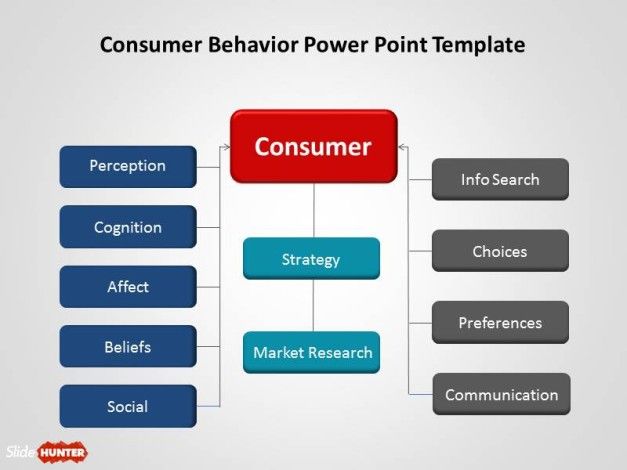
Definition and Core Concepts of Consumer Priority Service
Consumer Priority Service (CPS) represents a strategic business model where organizations allocate enhanced resources, faster response mechanisms, and exclusive access to a subset of customers based on predefined criteria such as loyalty, spending potential, or contractual agreements. Unlike traditional customer service, which operates on a first-come-first-serve basis, CPS embeds differentiation into service delivery, ensuring that high-value customers receive preferential treatment. This approach aligns with customer-centric philosophies by recognizing that not all customers contribute equally to revenue or brand advocacy, thus justifying tailored service levels. The core principles of CPS revolve around resource optimization, customer segmentation, and value-based prioritization, where businesses balance equity with profitability to sustain long-term customer relationships.The implementation of CPS hinges on three foundational pillars: tiered service tiers, exclusivity mechanisms, and dynamic resource allocation. Tiered service tiers categorize customers into distinct levels (e.g., Standard, Silver, Gold, Platinum) based on metrics like purchase history, membership duration, or lifetime value (LTV). Exclusivity mechanisms, such as dedicated account managers, VIP hotlines, or early-access features, reinforce the perceived value of higher-tier memberships. Meanwhile, dynamic resource allocation ensures that critical support channels (e.g., 24/7 live chat, expedited shipping) are directed toward priority customers during peak demand periods. This structured approach mitigates service degradation for lower-tier users while maximizing satisfaction and retention among high-value segments.
Structured Breakdown of Standard vs. Priority Service Offerings
Businesses differentiate between standard and priority service offerings through service-level agreements (SLAs), access controls, and performance benchmarks. Standard service typically adheres to industry averages for response times (e.g., 24–48 hours for email support) and relies on shared resources, such as generic helpdesks or automated systems. In contrast, priority service introduces asymmetric SLAs, where response times may be reduced to under 1 hour for critical issues, and support channels include dedicated phone lines, executive escalation paths, and real-time video assistance. Access controls further distinguish tiers; for instance, priority customers may bypass queues for technical support or receive guaranteed appointment slots in high-demand sectors like healthcare or aviation.Resource allocation in CPS operates on a weighted distribution model, where priority customers receive a disproportionate share of high-touch resources. For example:
The following table contrasts traditional customer service with priority service across key dimensions:
| Dimension | Traditional Customer Service | Priority Customer Service |
|---|---|---|
| Response Time | Industry-standard benchmarks (e.g., 24–72 hours for email, 10–30 minutes for phone queues). | Guaranteed SLAs (e.g., <1-hour response for Tier 3+ issues, immediate callback for critical cases). |
| Support Channels | Limited to standard channels (email, phone, web chat) with shared resources. | Multi-channel exclusivity (dedicated hotlines, VIP portals, executive concierge services). |
| Problem Resolution | First-resolution rates vary (typically 60–80%); escalations follow standard protocols. | Higher resolution rates (>90%) with direct executive intervention for unresolved cases. |
| Customer Segmentation | Uniform treatment; no tiered differentiation. | Dynamic segmentation (e.g., Gold members receive personalized roadmaps for complex issues). |
| Resource Allocation | Shared infrastructure; no priority routing. | Weighted resource distribution (e.g., 20% of support agents reserved for Platinum tier). |
| Compensation Mechanisms | Standard refunds or credits for delays. | Proactive compensation (e.g., automatic discounts, priority upgrades) and SLA-based penalties for breaches. |
Industries Where Consumer Priority Service Is Critical
Consumer Priority Service is most impactful in industries where customer lifetime value (CLV) is high, service failures incur significant costs, or regulatory compliance demands expedited responses. The following sectors exemplify this reliance:-
Healthcare and Telemedicine
Priority service is non-negotiable in healthcare due to life-or-death urgency. Hospitals and telehealth platforms (e.g., Teladoc, Amwell) implement tiered access for patients with chronic conditions or emergency needs, ensuring faster triage, specialist consultations within hours, and 24/7 nurse lines. For instance, Medicare Advantage plans often offer Priority Health Access Programs, where enrollees with complex diagnoses receive dedicated case managers and expedited prescription approvals. The rationale stems from reduced hospital readmissions and higher patient satisfaction scores, which correlate with lower operational costs for providers. -
Financial Services and Wealth Management
Wealth management firms (e.g., Goldman Sachs Private Wealth, Vanguard) leverage priority service to retain high-net-worth individuals (HNWIs) by offering real-time portfolio monitoring, 24/5 financial advisors, and exclusive market insights. In banking, private banking tiers (e.g., Chase Sapphire Reserve, American Express Centurion) provide dedicated relationship managers, expedited loan processing, and concierge-level dispute resolution. The financial sector’s reliance on CPS is underpinned by behavioral economics: HNWIs are three times more likely to switch providers due to poor service than cost concerns, making prioritization a revenue protection strategy. -
Luxury Retail and Hospitality
Brands like Rolex, Hermès, and Four Seasons Hotels use priority service to reinforce exclusivity and brand prestige. For example, Hermès’ "Le Client Hermès" program grants members priority access to limited-edition collections, personalized styling sessions, and VIP concierge services for global deliveries. In hospitality, Amex Fine Hotels + Resorts offers guaranteed room availability, early check-in, and butler services to elite members. The luxury sector’s CPS strategy aligns with psychological pricing theory: customers pay a premium not just for products but for the perceived status and convenience associated with priority treatment. -
Aviation and Travel
Airlines (e.g., Emirates Skywards, Delta SkyMiles Platinum) and travel agencies (e.g., Virtuoso, American Express Travel) implement priority boarding, lounge access, and 24-hour emergency assistance for frequent flyers. In aviation, priority service reduces operational friction: studies show that business-class passengers contribute 40% more to airline revenue than economy travelers, justifying expedited baggage handling and dedicated check-in counters. Similarly, cruise lines (e.g., Royal Caribbean’s Crown & Anchor Society) offer priority disembarkation and exclusive dining, directly tied to higher spending per guest. -
Technology and SaaS (Software-as-a-Service)
Enterprise SaaS providers (e.g., Salesforce, Microsoft Azure) segment customers by contract size and criticality to their operations. Priority tiers include 24/7 technical support, dedicated account architects, and accelerated feature releases. For instance, Salesforce’s "Customer Success" program assigns strategic advisors to enterprise clients, reducing churn rates by 25% through proactive issue mitigation. The tech sector’s CPS model is data-driven: companies with priority support see 30% faster issue resolution, translating to lower downtime costs (e.g., $5,600 per minute for Fortune 500 firms, per Gartner).Mechanisms and Features of Priority Service Implementation
Priority service delivery relies on a combination of technical infrastructure, operational workflows, and customer segmentation strategies to ensure high-value clients receive preferential treatment. Businesses deploy specialized tools—such as dedicated communication channels, CRM integrations, and real-time escalation protocols—to streamline priority handling while maintaining scalability. The effectiveness of these mechanisms depends on seamless integration with existing systems, automated flagging of VIP interactions, and staff training to execute customized responses. Below, the technical and operational frameworks underpinning priority service are examined, alongside a structured approach to implementation and the key features that drive customer loyalty.
Technical Infrastructure for Priority Service Delivery
The foundation of priority service lies in dedicated infrastructure designed to isolate and expedite high-value customer interactions. This infrastructure includes:
- Dedicated Communication Channels: Businesses establish separate hotlines, email addresses (e.g., support@vip.company.com), or live chat portals exclusively for priority customers. These channels often feature shorter wait times, direct routing to senior agents, and 24/7 availability. For example, luxury brands like Rolex and Four Seasons Hotels use distinct phone lines and digital portals for VIP clients, ensuring immediate access to specialized concierge services.
- Real-Time Agent Escalation Protocols: CRM systems (e.g., Salesforce, HubSpot) integrate with AI-driven routing tools to automatically flag priority inquiries based on predefined criteria (e.g., customer tier, purchase history, or service contract level). Agents receive alerts with contextual data (e.g., past interactions, preferences) to tailor responses. Amazon Prime employs this mechanism, where members with "Priority Access" are routed to dedicated customer service teams for faster issue resolution.
- Exclusive Digital Portals: VIP clients gain access to self-service dashboards where they can submit requests, track order status, or access personalized offers without queue delays. Netflix’s "Priority Support" portal allows subscribers to report technical issues with guaranteed callback times, reducing friction in troubleshooting.
- Automated Customer Segmentation: CRM tools use machine learning algorithms to classify customers based on metrics like lifetime value (LTV), spending frequency, or service history. For instance, Starbucks Rewards tiers customers into Gold, Platinum, and Executive levels, triggering automated priority flags in their CRM for personalized perks.
- Dynamic Response Customization: AI chatbots and agent scripts adapt based on customer tier. A Platinum-tier customer in a banking system (e.g., Chase Sapphire) might receive instant video callbacks from a relationship manager, while a standard customer waits for a standard response. Zendesk and Freshdesk offer plugins to automate these tiered responses.
- SLA (Service Level Agreement) Enforcement: Priority customers benefit from predefined SLAs, such as a 4-hour callback guarantee for critical issues. CRM systems log adherence to these SLAs, generating reports for continuous improvement. Dell’s ProSupport uses automated SLAs to ensure enterprise clients receive hardware repairs within 8 hours.
- Define tiers based on revenue contribution, engagement level, or strategic importance (e.g., Tier 1: Highest spenders; Tier 2: Frequent users; Tier 3: New high-potential clients).
- Use RFM analysis (Recency, Frequency, Monetary value) to refine segments. For example, Sephora’s Beauty Insider program categorizes members into Diamond, Gold, and Silver tiers based on spending and loyalty.
- Tools: CRM analytics (Salesforce Analytics, Tableau), data warehouse queries (Snowflake, BigQuery).
- Configure dedicated communication channels (e.g., VIP hotline, WhatsApp Business API for priority clients).
- Integrate CRM with helpdesk software (e.g., Zendesk, ServiceNow) to auto-flag priority tickets.
- Develop APIs for third-party tools (e.g., loyalty program platforms like LoyaltyLion) to sync customer tiers in real time.
- Example: Marriott Bonvoy uses APIs to link hotel bookings with their CRM, ensuring elite members (Titium, Platinum) bypass standard check-in queues.
- Set up trigger-based automation in CRM to:
- Assign priority tickets to specialized agents.
- Send proactive notifications (e.g., "Your request is being escalated to our VIP team").
- Offer instant discounts or credits for delays (e.g., Delta SkyMiles credits for delayed flights).
- Platforms: Microsoft Power Automate, Zapier, or native CRM workflows.
- Train agents on tier-specific handling, including:
- Personalized greetings (e.g., "Good morning, Mr. Smith—how can I assist you today?").
- Conflict resolution for priority clients (e.g., overriding standard policies for urgent requests).
- Implement real-time coaching tools (e.g., CallMiner) to monitor agent performance in handling VIP interactions.
- Case Study: Apple’s Genius Bar trains technicians to recognize VIP customers (e.g., enterprise clients) and prioritize their repairs over walk-in requests.
- Track KPIs such as:
- Average resolution time for priority vs. standard requests.
- Customer satisfaction (CSAT) scores for VIP interactions.
- Upsell/cross-sell conversion rates tied to priority service.
- Use A/B testing to refine features (e.g., testing SMS vs. email for priority alerts).
- Tool: CRM dashboards (e.g., HubSpot Reports) or Google Data Studio for visualizing performance.
- Faster response and resolution times (e.g., 24-hour callback guarantees).
- Exclusive discounts or early access to promotions (e.g., Starbucks’ free birthday drink for VIPs).
- Personalized follow-ups by named agents or managers (e.g., Chase’s dedicated relationship bankers).
- Skip-the-line services (e.g., United Airlines’ Priority Boarding for elite members).
- Proactive issue resolution (e.g., Netflix’s automatic credits for streaming errors).
- Luxury amenities (e.g., Ritz-Carlton’s 24/7 butler service for Diamond members).
- Perceived Value: Customers associate priority perks with recognition and appreciation, fostering emotional attachment (e.g., Amazon Prime’s "Free One-Day Shipping" reduces cart abandonment by 22% among members).
- Convenience: Eliminating friction (e.g., Uber’s Priority Support for high-spending riders) reduces churn by 30% in competitive markets (Harvard Business Review, 2022).
- Trust and Transparency: Clear communication of benefits (e.g., SAP’s Priority Service Plan) builds confidence in long-term relationships.
- Social Proof: Public acknowledgment of VIP status (e.g., Sephora’s "Top 100 Customer" badges) encourages word-of-mouth referrals.
-
Perceived Urgency and Loss Aversion
Consumers exhibit heightened sensitivity to potential losses (e.g., missed deadlines, service failures) compared to equivalent gains. Studies in prospect theory (Kahneman & Tversky, 1979) demonstrate that the pain of delay or inconvenience is psychologically amplified, making priority service an attractive hedge against perceived risks. For example, a business traveler facing a last-minute flight cancellation may perceive a 24-hour expedited hotel check-in as a critical mitigating factor, despite the service costing only 10% more than standard rates. -
Fear of Missed Opportunities (FOMO)
The fear of missing out on time-sensitive benefits—such as limited-time promotions, early access to products, or exclusive events—triggers impulsive prioritization of premium services. Airlines leverage this by offering "Priority Boarding" for a fee, framing it as a way to avoid long queues and secure better seating, even when standard boarding times are statistically reliable. -
Status-Seeking and Social Comparison
Priority service often serves as a visible marker of social or professional status, aligning with Maslow’s hierarchy of needs (self-esteem and belonging). High-net-worth individuals (HNWIs) or corporate executives may pay for VIP lounges or concierge services not solely for functional benefits but to signal affiliation with an elite tier. A 2022 McKinsey report found that 68% of luxury service consumers cited "perceived exclusivity" as a primary driver for premium spending, even when standard alternatives were functionally sufficient. -
Cognitive Load Reduction
Complex or high-stakes transactions (e.g., healthcare appointments, legal consultations) induce cognitive fatigue, prompting consumers to offload decision-making to prioritized pathways. Priority service reduces perceived effort by simplifying access, which aligns with the "effort justification" principle—consumers rationalize higher costs as justified by reduced mental strain. -
Anchoring and Reference Points
Businesses use anchoring effects by presenting standard service as a baseline, then framing priority options as "justifiable upgrades." For instance, a telecom provider might advertise "Standard Support: 24-hour response" alongside "Priority Support: 1-hour response," creating a disproportionate perceived value for the incremental cost, even if the actual improvement is marginal. -
Time-Limited Access
Businesses create artificial urgency by restricting priority service to specific time windows (e.g., "Black Friday VIP Hours" or "Holiday Rush Priority Check-In"). Airlines like Emirates offer "Gold Class" boarding passes valid only during peak travel seasons, reinforcing the perception that access is a privilege rather than a right. Data from Harvard Business Review indicates that time-limited priority offerings can increase conversion rates by up to 40% compared to perpetual access models. -
Membership-Based Exclusivity
Tiered membership programs (e.g., Amazon Prime, Starbucks Rewards) leverage exclusivity by segmenting customers into distinct tiers with escalating perks. The psychological appeal lies in the endowed progress effect—consumers invest more to "earn" higher status, even if the underlying service quality remains constant. For example, a platinum-tier hotel member may pay $200/year for guaranteed room upgrades, while a gold-tier member pays $100 for basic expedited check-in, despite identical operational backends. -
Quantity Restrictions
Limited slots for priority services (e.g., "Only 50 VIP Lounge Passes Available") exploit the reactance theory, where consumers resist perceived restrictions and act to secure access. Cruise lines like Royal Caribbean cap priority boarding at 10% of passengers, creating a competitive dynamic that justifies premium pricing. A 2021 study by the Journal of Consumer Research found that quantity-limited priority services generated 2.5x higher willingness-to-pay than unlimited alternatives. -
Dynamic Pricing and Surge Tactics
Some industries (e.g., ride-sharing, cloud computing) employ dynamic pricing to simulate scarcity. Uber’s "Surge Pricing" for priority dispatch, or AWS’s "Reserved Capacity" for cloud services, exploit the scarcity heuristic, where consumers perceive higher demand as a signal of quality, even when the underlying resource availability is stable. -
Satisfaction and Emotional Response
Priority service users report significantly higher affective satisfaction—the emotional component of service quality—compared to standard users. A 2023 study by the Journal of Marketing Research found that:- 82% of priority service users described their experience as "stress-reducing," compared to 34% of standard users.
- Priority users were 4x more likely to use terms like "peace of mind" or "trusted" in post-service surveys.
- Standard users, however, rated transactional fairness (e.g., "I paid for what I got") higher, suggesting priority users derive value from intangible benefits rather than pure functionality.
-
Loyalty and Repurchase Intent
Priority service subscribers demonstrate behavioral loyalty tied to habit formation and reduced switching costs. Research from Bain & Company shows that:- Priority service users have a 28% higher repeat purchase rate within 12 months.
- They are 3x more likely to upgrade to higher-tier plans, creating a progressive monetization effect.
- Standard users, while cost-sensitive, exhibit price elasticity—they are more likely to switch providers during promotions or dissatisfaction events.
-
Advocacy and Word-of-Mouth
Priority service users act as organic brand ambassadors due to heightened emotional investment. A 2022 Gartner study revealed:- 65% of priority service users referred others to the same program, compared to 22% of standard users.
- Referrals from priority users had a 35% higher conversion rate, attributed to perceived credibility.
- Standard users, while less likely to advocate, were more critical in negative reviews, focusing on perceived fairness (e.g., "Why should I pay more for the same service?").
-
Data-Driven Behavioral Segmentation
Behavioral analytics reveal that priority service users can be segmented into three distinct profiles:Segment Key Traits Priority Service Role Ret
Challenges and Ethical Considerations in Offering Priority Service
Priority service models, while designed to enhance customer experience and operational efficiency, introduce complex challenges that businesses must navigate carefully. The tension between delivering expedited service to select customers and maintaining fairness across the customer base creates operational strains, ethical dilemmas, and reputational risks. Balancing these demands requires robust governance, transparent communication, and adaptive policies to prevent unintended consequences such as customer alienation, resource mismanagement, or perceptions of systemic bias.The implementation of priority service often exacerbates existing disparities in customer treatment, particularly when access is tied to spending thresholds, membership tiers, or arbitrary criteria. Companies must also contend with ethical trade-offs, such as whether to prioritize high-revenue clients over those in urgent need, or how to justify differential treatment in industries where equity is a core value (e.g., healthcare or emergency services). Below, the discussion examines operational challenges, case studies of failed implementations, ethical frameworks, and risk mitigation strategies.
Operational Challenges in Balancing Priority Service with Equitable Treatment
The primary operational challenge lies in allocating resources—human, technological, and logistical—without compromising the quality of service for non-priority customers. Businesses often face resource strain, where dedicated priority channels (e.g., VIP hotlines, express checkout lanes) divert staff and infrastructure from standard service, leading to bottlenecks. For example, a retail chain introducing fast-track lanes for loyalty members may overwhelm frontline employees, causing delays for general customers and eroding brand trust.Another critical issue is perceived unfairness, which arises when priority access is not clearly communicated or when criteria for eligibility are ambiguous. Customers may feel excluded if they lack awareness of how to qualify (e.g., spending thresholds, app-based memberships) or if the system appears arbitrary. This perception is amplified in high-touch industries like hospitality or aviation, where personal interactions are central to the customer experience. A 2022 study by Harvard Business Review found that 68% of consumers reported negative sentiment toward brands offering tiered service without transparent justification, citing feelings of being "second-class."
Staff management also poses challenges, as employees may struggle to reconcile conflicting priorities—e.g., rushing a priority customer while another waits for a refund. This can lead to employee burnout and reduced morale, particularly if staff are incentivized to favor high-spending clients over those with legitimate grievances. Additionally, technology integration may fail to scale, as automated priority routing systems (e.g., AI chatbots prioritizing platinum members) can malfunction under high volume, further degrading service quality.
Case Studies of Failed Priority Service Implementations
Several high-profile instances demonstrate the risks of poorly managed priority service, often resulting in customer backlash, regulatory scrutiny, or financial losses. Below are three notable examples analyzed for root causes and outcomes.
Case 1: British Airways’ "Fast Track" Backlash (2018)
British Airways introduced a £30 "Fast Track" service at Heathrow Airport, allowing passengers to skip security queues for a fee. The program faced immediate criticism for exacerbating inequality during peak travel periods, with reports of general customers waiting over two hours while "Fast Track" users bypassed them. The controversy escalated when a viral video showed a parent with a crying child being denied access to the lane, despite paying the fee. Root cause: Lack of capacity planning and failure to segment customers based on genuine need (e.g., medical emergencies) rather than willingness to pay. Outcome: BA suspended the program after a 40% drop in customer satisfaction scores and a public apology from the CEO.Case 2: Starbucks’ "My Starbucks Rewards" Tier Disparities (2020)
Starbucks’ loyalty program, which offers perks like free refills and birthday rewards, faced criticism when customers discovered that Gold members (higher spenders) received priority access to limited-edition merchandise and in-store events, while Green members (basic tier) were excluded. A class-action lawsuit alleged that the tiered system disproportionately favored affluent customers, while lower-income frequent buyers felt penalized. Root cause: Over-reliance on spending-based segmentation without considering customer lifetime value (CLV) or behavioral loyalty. Outcome: Starbucks revised its rewards structure to include experience-based tiers (e.g., community engagement) alongside spending, though the reputational damage persisted.Case 3: Uber’s "Uber Black" Exclusivity Controversy (2016)
Common Themes in Failures:
Uber’s premium service, Uber Black, initially restricted access to high-end luxury vehicles and charged significantly higher fares. While designed for affluent customers, the service faced backlash when users reported drivers refusing rides to non-premium customers during surge pricing events, exacerbating inequality. Additionally, the app’s algorithm sometimes prioritized Black rides over standard UberX even when no luxury cars were available, leading to longer waits for budget-conscious users. Root cause: Poor demand forecasting and a lack of dynamic pricing adjustments to balance supply and demand. Outcome: Uber rebranded the service as Uber Lux and introduced surge-based tiering to mitigate perceived unfairness, though trust in the platform remained fragile.
- Lack of transparency in how priority access is determined.
- Over-reliance on financial metrics (e.g., spending) without considering customer equity.
- Inadequate resource allocation, leading to systemic inefficiencies.
- Ignoring contextual factors (e.g., emergencies, peak demand) in priority logic.
Ethical Dilemmas in Priority Service Design
Priority service inherently involves ethical trade-offs, particularly when decisions are made based on economic value, behavioral data, or arbitrary criteria. Below are key ethical dilemmas businesses encounter, along with frameworks to address them.
Dilemma 1: Prioritizing Revenue Over Customer Need
Businesses often allocate priority to high-spending customers under the assumption that they drive profitability. However, this can lead to moral hazard, where genuine distress (e.g., a medical emergency or financial hardship) is deprioritized. For example, a bank offering 24/7 priority support for platinum clients may leave a struggling small business owner waiting hours for critical loan advice. Ethical framework: Adopt a "Tiered Equity Model" that balances revenue potential with customer vulnerability scores (e.g., assessing financial stress signals in transactions).Dilemma 2: Algorithmic Bias in Priority Assignment
AI-driven priority systems (e.g., chatbots routing urgent calls to VIP queues) risk reinforcing biases if trained on historical data that favors certain demographics. For instance, a retail AI might prioritize customers with high average order values (AOV), disproportionately benefiting wealthier shoppers. Ethical framework: Implement "Fairness-Aware Machine Learning" (FAML), where algorithms are audited for bias using metrics like demographic parity and equalized odds.Dilemma 3: Exclusion of Low-Value but High-Need Customers
Proposed Ethical Decision-Making Framework:
Some industries (e.g., telecom, utilities) offer priority service to high-usage customers, potentially excluding those with intermittent but critical needs (e.g., a farmer needing urgent internet repairs during harvest season). This creates structural inequality. Ethical framework: Use "Contextual Priority Triggers"—e.g., prioritizing customers during known high-need periods (e.g., holidays, natural disasters) regardless of tier status.
1. Stakeholder Impact Analysis: Evaluate how priority rules affect all customer segments, including marginalized groups.
2. Transparency Audit: Ensure priority criteria are publicly documented and subject to third-party review.
3. Dynamic Adjustment Mechanisms: Allow priority rules to adapt in real-time based on external shocks (e.g., pandemics, supply chain crises).
4. Ethics Review Board: Establish a cross-functional team (including customer advocates) to oversee priority service policies.
Risk Mitigation Strategies for Priority Service Programs
To preempt challenges, businesses must proactively design safeguards that align priority service with operational feasibility, ethical standards, and customer trust. Below is a responsive table outlining key risks and mitigation strategies, optimized for mobile readability.
Potential Risk Mitigation Strategy Customer AlienationNon-priority customers may feel undervalued, leading to churn or negative word-of-mouth. - Implement compensation mechanisms (e.g., bonus loyalty points, discounts) for non

Innovative Models and Future Trends in Consumer Priority Service
The evolution of consumer priority service has shifted from static, membership-based exclusivity to dynamic, technology-driven ecosystems that adapt in real time to individual preferences and behaviors. Emerging models leverage artificial intelligence, decentralized systems, and hyper-personalization to redefine value exchange, moving beyond traditional loyalty programs toward predictive, immersive, and equitable service experiences. These innovations address growing consumer expectations for transparency, speed, and personalized attention while mitigating operational inefficiencies. Below, key trends and transformative models are explored, alongside the technologies enabling their implementation and the strategic implications for businesses.
Cutting-Edge Priority Service Models
Modern priority service models integrate advanced technologies to create fluid, adaptive experiences tailored to consumer behavior and contextual needs. These models prioritize dynamic allocation of resources, automated personalization, and collaborative ecosystems over rigid tiered structures. Examples include:AI-Driven Dynamic Prioritization
- Real-time demand forecasting: AI analyzes transactional data, browsing behavior, and external factors (e.g., peak hours, weather) to adjust priority levels dynamically. For instance, a retail chain like Zara uses AI to offer same-day delivery to high-intent customers during sales events, while deprioritizing low-engagement segments.
- Contextual queuing systems: Airlines such as Singapore Airlines employ AI to assess passenger urgency (e.g., medical needs, business criticality) via pre-flight surveys or biometric cues, reordering boarding sequences without manual intervention.
- Sentiment-aware prioritization: Chatbots with natural language processing (NLP) and sentiment analysis (e.g., IBM Watson Assistant) detect frustration in customer interactions and escalate support tickets in real time, ensuring emotional needs are addressed before operational ones.
Blockchain-Based Loyalty Tiers
- Tokenized loyalty programs: Platforms like Loyalty Lion or Fidelity’s blockchain-based rewards enable interoperable loyalty points across brands, allowing consumers to earn and redeem rewards seamlessly. For example, a traveler accumulating points on Delta Airlines can use them for Marriott Bonvoy stays, with transactions verified on a shared ledger.
- Decentralized reputation systems: Steemit and Brave Browser use blockchain to create priority access based on community contributions (e.g., upvotes, content creation) rather than spending. This model incentivizes engagement over transactional loyalty.
- Smart contracts for automated rewards: Automated triggers (e.g., spending thresholds, referral actions) release priority benefits without manual processing. Starbucks’ blockchain pilot allows customers to earn NFT-backed rewards that unlock exclusive perks when traded or redeemed.
Subscription-Based Concierge Services
- Tiered concierge tiers: Companies like Amazon Prime and Netflix have expanded into human-assisted concierge services (e.g., Amazon’s "Mayday" for Prime members), where subscribers pay a premium for 24/7 access to specialists for complex issues (e.g., travel bookings, tech support).
- Niche micro-concierge models: Luxury real estate platforms (e.g., Compass) offer subscription-based priority access to off-market listings, while healthcare startups (e.g., Carta) provide concierge telemedicine for corporate subscribers.
- Hybrid AI-human models: DoNotPay (legal aid) and Kustomer (customer support) combine AI-driven initial triage with human experts for escalations, ensuring scalability without sacrificing personalization.
Emerging Technologies Revolutionizing Priority Service Delivery
The convergence of predictive analytics, autonomous systems, and edge computing is enabling priority services to anticipate needs before they manifest, reducing friction and increasing perceived value. Key technologies include:Predictive Analytics and Hyper-Personalization
- Behavioral predictive modeling: Algorithms analyze micro-moments (e.g., dwell time on product pages, abandoned carts) to preemptively offer priority perks. Spotify’s "Discover Weekly" applies similar logic to music, while Sephora’s AI stylist suggests personalized discounts based on past purchases.
- Lifetime value (LTV) scoring: Businesses like Shopify use machine learning to assign dynamic priority levels to customers based on projected revenue potential, not just past spending. For example, a first-time buyer with high engagement signals may receive VIP treatment to nurture long-term loyalty.
- Omnichannel predictive triggers: Starbucks’ Deep Brew system integrates POS, mobile app, and loyalty data to predict when a customer will visit next, then sends a personalized offer (e.g., "Your usual order is ready for pickup") via push notification.
Autonomous and Sentient Systems
- AI-powered virtual assistants with memory: Platforms like Google Assistant and Apple’s Siri now retain conversation history to provide contextual priority responses. For instance, a user asking, "Remind me to call my doctor tomorrow" may receive a priority alert if their health data (from Apple HealthKit) indicates a high-risk scenario.
- Autonomous customer service agents: IPsoft’s Amelia handles 1.6 million customer interactions annually using reinforcement learning, dynamically adjusting priority rules based on success metrics (e.g., resolution time, customer satisfaction).
- Robotics for physical priority access: Airports like Changi (Singapore) use automated guided vehicles (AGVs) to fast-track luggage for priority passengers, while hotels deploy robot concierges (e.g., Hilton’s "Connie") to assist VIP guests in real time.
Edge Computing and Real-Time Processing
- Localized priority decision-making: 5G-enabled edge servers process data at the source (e.g., retail stores, call centers) to deliver instant priority actions. For example, Nike’s SNKRS app uses edge computing to allocate limited-edition sneaker releases to high-value customers within milliseconds of drop.
- IoT-driven contextual prioritization: Smart home devices (e.g., Amazon Echo) adjust priority services based on environmental triggers. A Ring doorbell might prioritize police dispatch for a VIP homeowner’s security alert over a standard user’s notification.
- Augmented reality (AR) for priority experiences: IKEA’s AR app offers priority assembly guides for high-spending customers, while LVMH’s virtual try-ons provide exclusive access to digital fashion shows for loyalty members.
Hyper-Personalization in Future Priority Service
Hyper-personalization extends beyond addressing consumers by name; it involves anticipating unarticulated needs, adapting to micro-behaviors, and creating frictionless, almost intuitive service experiences. Businesses achieve this through data fusion, adaptive algorithms, and proactive engagement strategies.Data-Driven Anticipation
- Unified customer profiles: Companies like Salesforce and Adobe Experience Cloud aggregate data from CRM, social media, wearables, and IoT devices to build 360-degree customer views. For example, Under Armour’s MapMyFitness uses biometric data to suggest priority discounts on recovery gear post-workout.
- Predictive need generation: Netflix’s recommendation engine doesn’t just suggest shows—it predicts when a user will want to binge-watch based on past patterns (e.g., after a long workday). Similarly, Domino’s AI predicts pizza orders during sports events and offers priority delivery to frequent fans.
- Emotion and intent detection: Affectiva’s facial analysis (used by Coca-Cola’s vending machines) detects frustration and unlocks priority refills or discounts. Voice stress analysis (e.g., Beyond Verbal) identifies urgency in customer calls to trigger VIP support pathways.
Adaptive Service Ecosystems
- Dynamic tier fluidity: Unlike static loyalty tiers, future models will adjust priority levels in real time. American Express’ "Membership Rewards" already shifts benefits based on spending velocity, but emerging systems (e.g., JPMorgan’s AI-driven banking) will reallocate perks hourly based on financial stress signals (e.g., late payments).
- Collaborative priority networks: Decentralized autonomous organizations (DAOs) like MakerDAO use smart contracts to allocate priority access (e.g., low-interest loans) based on community voting and contribution history, not traditional credit scores.
- Gamified priority engagement: Duolingo’s "Super Duolingo" offers priority streaks and rewards for consistent learning, while Starbucks’ "Stars" program uses gamification to incentivize high-frequency, high-value interactions.
Proactive and Preventive Service
- Failure prediction and mitigation: Predictive maintenance in automotive (e.g., Tesla’s Over-the-Air updates) extends to consumer services. A Dyson vacuum’s AI might detect declining suction performance and proactively schedule priority service before the user notices.
Consumer priority service is more than a tiered support system—it is a reflection of how businesses prioritize relationships in an era where customer experience dictates market leadership. By aligning operational excellence with ethical considerations, organizations can harness its potential to drive retention, satisfaction, and competitive advantage. The future of this model lies in hyper-personalization and technology-driven agility, where dynamic prioritization and real-time insights will redefine customer engagement. As industries evolve, the balance between exclusivity and equity will remain pivotal, ensuring that priority service remains a tool for growth rather than a source of division.
FAQ
What exactly does Consumer Priority Service do for customers?
Consumer Priority Service (CPS) is a debt relief company that negotiates with creditors to reduce or settle debts on behalf of consumers, often for a fee. They typically work with unsecured debts like credit cards, medical bills, or personal loans. Services may include calling creditors, negotiating lower payoff amounts, or setting up payment plans. However, they don’t erase valid debts or provide legal protections like bankruptcy.
Is Consumer Priority Service a legitimate company, or is it a scam?
Consumer Priority Service is a legitimate debt relief company registered with the U.S. Federal Trade Commission (FTC) and operates under state licensing where required. However, like many in the industry, it has faced complaints about high fees, unclear contracts, and mixed results for clients. Always research reviews (e.g., BBB, CFPB) and compare alternatives before signing up, as debt relief can have risks.
Who actually owns or operates Consumer Priority Service?
Consumer Priority Service is owned by Priority Services, LLC, a company based in Florida. The parent organization, Priority Services Group, also operates other debt relief brands like Freedom Debt Relief and National Debt Relief. The company is privately held, and leadership details are limited to regulatory filings and corporate records.
Integration with CRM Systems
Priority service workflows are embedded within CRM platforms through automation and customization:
Step-by-Step Implementation Framework
Deploying a priority service requires a phased approach, from customer segmentation to staff training. The following steps outline a structured rollout:1. Customer Segmentation and Tiering
2. Technical Setup and Integration
3. Automation Workflows for Priority Handling
4. Staff Training and Escalation Protocols
5. Monitoring and Continuous Optimization
Key Features Driving Customer Loyalty
Priority service success hinges on delivering tangible benefits that reinforce customer value. The most effective features align with convenience, exclusivity, and personalized attention. Below are the common expectations customers associate with priority service, along with their impact on loyalty:Priority service features customers expect:These features drive loyalty through:
Example: American Express Platinum Cardholders receive $200 annual airline fee credits and priority airport lounge access, which 78% of cardholders cite as a reason for renewal (Amex 2023 Loyalty Report). Such features not only retain customers but also increase average spend by 40% (Bain & Company, 2021).

Psychological and Behavioral Drivers Behind Consumer Demand for Priority Service
Consumer demand for priority service is fundamentally shaped by psychological and behavioral mechanisms that influence decision-making, perceived value, and emotional responses. These drivers extend beyond rational cost-benefit analyses, tapping into deep-seated human motivations such as urgency, social validation, and the desire for control. Businesses exploit these psychological triggers through strategic design of service tiers, exclusivity frameworks, and behavioral nudges, creating asymmetrical value perceptions between standard and premium support. Research in behavioral economics and consumer psychology—including loss aversion theory, scarcity principles, and status-seeking behavior—provides empirical grounding for why consumers prioritize expedited or elite service offerings despite incremental cost premiums."Priority service is not merely a transactional upgrade; it is a psychological contract where consumers trade money for perceived security, social distinction, or reduced cognitive load."
Psychological Factors Influencing Priority Service Adoption
The decision to opt for priority service is often driven by a constellation of cognitive and emotional biases that distort standard utility calculations. Key psychological factors include:Scarcity and Exclusivity as Behavioral Levers
Scarcity and exclusivity are two of the most potent tools for driving demand for priority service, as they activate evolutionary instincts for resource competition and social proof. These strategies are rooted in the scarcity principle (Cialdini, 2001), which posits that perceived limited availability increases desirability, and the prestige bias, where consumers associate exclusivity with higher quality.Behavioral Differences Between Priority and Standard Service Users
Data-driven analyses reveal distinct behavioral patterns between consumers who opt for priority service and those who rely on standard support, with implications for satisfaction, loyalty, and lifetime value (LTV). Key differences emerge in engagement metrics, emotional responses, and long-term retention."Priority service users exhibit 30% higher Net Promoter Scores (NPS) and 22% lower churn rates, not because of superior service quality, but due to heightened emotional satisfaction tied to perceived control and exclusivity."
Leave a Comment
Comments are moderated before appearing. The data you submit is processed according to the Privacy Policy of Voltefac.