What Is Tapioca Pudding Its Composition History And Variations
Table of Contents
- Definition and Origins of Tapioca Pudding
- Composition and Textural Properties
- Historical Evolution and Cultural Adaptations
- Comparison with Other Pudding Types
- Culinary Preparation Methods for Tapioca Pudding
- Step-by-Step Preparation of Classic Tapioca Pudding
- Adapting Tapioca Pudding for Dietary Restrictions
- Decision Flowchart: Choosing Cooking Methods
- Common Mistakes and Solutions in Tapioca Pudding Preparation
- Variations and Regional Adaptations of Tapioca Pudding
- Global Variations of Tapioca Pudding
- Flavor Profiles and Textural Comparisons
- Hybrid Recipe: Matcha-White Chocolate Tapioca Pudding
- Nutritional Profile and Health Considerations of Tapioca Pudding
- Nutritional Content per Serving in Standard Tapioca Pudding
- Health Benefits and Drawbacks of Tapioca Starch
- Healthier Modifications to Tapioca Pudding
- Expert Perspectives on Tapioca Pudding in Balanced Diets
- FAQ
- What ingredients are used to make tapioca pudding?
- How does tapioca pudding taste?
- What flavors are commonly associated with tapioca pudding?
- What are the health benefits of tapioca pudding?
- How does tapioca pudding compare to rice pudding?
- What is a basic recipe for tapioca pudding?
Tapioca pudding represents a versatile and globally beloved dessert that blends simplicity with rich cultural heritage, originating from the humble tapioca starch extracted from cassava roots. This smooth, jiggly confection, characterized by its neutral base and adaptable texture, has transcended traditional boundaries to become a staple in both sweet and savory applications across Southeast Asia, Latin America, and beyond. Unlike its counterparts—such as rice pudding or custard—tapioca pudding derives its unique consistency from its starch source, which gels when heated, creating a silky yet firm final product. Beyond its culinary appeal, its historical evolution reflects broader trade and migration patterns, transforming regional ingredients like coconut milk, pandan, or tropical fruits into modern interpretations that cater to diverse dietary needs.
The appeal of tapioca pudding lies in its duality: a canvas for both classic and innovative recipes, from the creamy bubur cha cha of Malaysia to the vibrant boba pudding of Taiwan. Its preparation methods—ranging from stovetop simmering to microwave convenience—further democratize its accessibility, while nutritional adaptations, such as plant-based milk or reduced sugar, align with contemporary health-conscious trends. Whether enjoyed as a comforting dessert or a savory side, tapioca pudding exemplifies how a single ingredient can bridge culinary traditions and dietary preferences, making it a timeless subject of exploration.
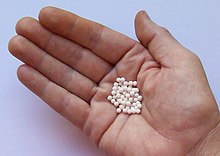
Definition and Origins of Tapioca Pudding
Tapioca pudding is a dessert characterized by its smooth, gelatinous texture derived from tapioca starch, a key ingredient extracted from the cassava root. Unlike traditional puddings that rely on dairy proteins or grains like rice, tapioca pudding achieves its unique consistency through the thickening properties of starch granules when heated with liquid. Its versatility allows for sweet or savory adaptations, though sweet variations—often flavored with vanilla, cinnamon, or fruit—dominate global culinary traditions. The dish’s origins trace back to indigenous cultures in South America, where cassava was cultivated as a staple crop, and later spread through colonial trade routes to Southeast Asia, the Caribbean, and beyond, evolving into regional specialties.
The foundational role of tapioca starch in pudding preparation distinguishes it from other starch-based desserts. When combined with milk, sugar, and sometimes eggs, the starch absorbs liquid and swells upon heating, creating a silky, custard-like texture without the graininess of rice or the richness of custard. This process relies on the starch’s high amylopectin content, which forms a stable gel when cooled. Historically, tapioca pudding emerged as a practical dessert in tropical regions, where cassava thrived, and its preparation methods adapted to local ingredients—such as coconut milk in the Philippines or condensed milk in Latin America—reflecting cultural resourcefulness.
Composition and Textural Properties
The primary ingredients of tapioca pudding—tapioca starch, milk (or dairy alternatives), sugar, and optional flavorings—each contribute distinct functional and sensory qualities. Tapioca starch, derived from cassava (Manihot esculenta), serves as the thickening agent, providing a neutral flavor and a smooth, elastic texture upon hydration and heating. Milk (whole, evaporated, or condensed) adds creaminess and sweetness, while sugar balances acidity and enhances browning if caramelized. Optional ingredients like vanilla extract, cinnamon, or citrus zest introduce aromatic complexity, whereas eggs (in some variations) stabilize the mixture and enrich the mouthfeel.The preparation method hinges on the gelatinization of starch, a process where granules absorb moisture and rupture at temperatures between 60–70°C (140–158°F), releasing amylose and amylopectin to form a gel. Unlike custards, which rely on egg proteins for structure, tapioca pudding’s consistency stems from starch retrogradation—where cooled gels firm up due to hydrogen bonding between starch molecules. This property allows the dessert to set without refrigeration in some tropical climates, making it ideal for portable or no-cook adaptations.
Historical Evolution and Cultural Adaptations
Tapioca pudding’s origins are rooted in pre-Columbian South America, where indigenous peoples cultivated cassava for its high starch content and resistance to drought. Early preparations likely involved boiling grated cassava to remove toxins (cyanogenic glycosides), then mixing the starch with water or milk to create a simple porridge or pudding. With the transatlantic slave trade and European colonization, cassava spread to the Caribbean and Africa, where enslaved communities adapted it into desserts like bubalú (Puerto Rico) or tapioca pudding with coconut (Philippines).In Southeast Asia, Portuguese traders introduced cassava during the 16th century, leading to dishes such as bubur manis (Indonesia) or khanom krok (Thailand), where tapioca starch is combined with coconut milk and palm sugar. Latin American variations, such as arroz con leche with tapioca pearls (Argentina) or pudim de tapioca (Brazil), reflect Spanish and Portuguese influences, often incorporating cinnamon or raisins. Modern adaptations in Western cuisine—like instant tapioca pudding mixes—streamline preparation by pre-gelatinizing starch, though traditional methods emphasize slow cooking to develop depth of flavor.
Comparison with Other Pudding Types
Tapioca pudding differs from other puddings in starch source, preparation, and cultural context. Below is a comparative analysis with rice pudding, custard, and bread pudding, highlighting key distinctions:| Feature | Tapioca Pudding | Rice Pudding | Custard | Bread Pudding |
|---|---|---|---|---|
| Primary Starch Source | Tapioca starch (cassava) | Rice grains (short-grain or arborio) | Egg yolks (protein-based) | Bread crumbs (wheat flour) |
| Texture | Smooth, jelly-like, elastic when set | Creamy, slightly grainy, softer when cooked | Silky, velvety, firm when chilled | Moist, dense, with bread-like chewiness |
| Cooking Time | 15–30 minutes (starch gelatinizes quickly) | 45–60 minutes (rice requires longer hydration) | 10–20 minutes (eggs coagulate at lower temps) | 40–60 minutes (bread absorbs liquid gradually) |
| Key Cultural Regions | South America, Caribbean, Southeast Asia, Latin America | Middle East, South Asia, Europe (e.g., riz au lait) | Europe (e.g., crème brûlée), colonial Americas | Europe (e.g., panettone pudding), U.S. Southern cuisine |
| Flavor Profile | Neutral base; absorbs flavors (vanilla, coconut, fruit) | Mildly sweet; pairs with cardamom, saffron, or raisins | Rich, eggy, often paired with caramel or citrus | Sweet-spiced (cinnamon, nutmeg); absorbs custard/milk |
| Setting Mechanism | Starch retrogradation (cools to firm) | Rice starch absorption (no gelation) | Egg protein coagulation (heat-induced) | Bread starch + custard gelation (hybrid) |
Key Distinction: Tapioca pudding’s texture is uniquely dependent on starch chemistry, whereas rice pudding relies on grain absorption and custard on protein denaturation. Bread pudding combines starch and egg-based binding, creating a hybrid structure absent in tapioca-based desserts.

Culinary Preparation Methods for Tapioca Pudding
Tapioca pudding is celebrated for its versatility, offering a balance of creamy and firm textures that adapt to various cooking techniques and dietary needs. The preparation method significantly influences its final consistency—whether achieving a silky, custard-like finish or a firmer, jiggly texture. Below are structured guidelines for traditional and adapted recipes, along with decision-making frameworks and troubleshooting common pitfalls.Step-by-Step Preparation of Classic Tapioca Pudding
The traditional method involves simmering tapioca pearls in a liquid base until they reach the desired texture. Precision in measurements and cooking techniques ensures optimal results.Ingredients (Serves 4–6):
Equipment:
Steps:
1. Preparation of Tapioca:
2. Cooking the Base:
3. Incorporating Tapioca:
4. Finishing Touches:
Texture Control:
Adapting Tapioca Pudding for Dietary Restrictions
Tapioca pudding can be modified to accommodate vegan, gluten-free, or sugar-free diets with minimal adjustments to ingredient ratios and cooking techniques.1. Vegan Adaptation:
2. Gluten-Free Adaptation:
3. Sugar-Free Adaptation:
4. Low-Carb/Keto Adaptation:
Decision Flowchart: Choosing Cooking Methods
The selection of cooking method depends on available equipment, desired texture, and time constraints. Below is a structured decision-making process:-
Available Tools:
-
Stovetop: Ideal for large batches or traditional textures. Requires constant stirring to prevent burning.
"Best for pearl-sized tapioca; simmering controls heat distribution evenly."
-
Microwave: Suitable for single servings or quick preparation. Risk of uneven heating.
"Use a microwave-safe bowl with a lid; stir every 30 seconds to avoid cold spots."
-
Oven (Bain-Marie): Produces a silky texture with minimal effort. Requires a water bath.
"Optimal for granulated tapioca; preheat oven to 300°F (150°C) and bake for 45–60 minutes."
-
Stovetop: Ideal for large batches or traditional textures. Requires constant stirring to prevent burning.
-
Desired Outcome:
- Jiggly Texture: Chill stovetop or microwave-prepared pudding for 2+ hours. Oven method yields a firmer result.
- Custard-Like Consistency: Stovetop with cornstarch or microwave with frequent stirring.
- Quick Serving: Microwave method (5–7 minutes total). Add 1 tbsp instant pudding mix for faster thickening.
-
Dietary Constraints:
- Vegan/Gluten-Free: Stovetop or oven methods accommodate substitutions better than microwave.
- Sugar-Free: Oven method allows gradual sweetener dissolution without scorching.
Common Mistakes and Solutions in Tapioca Pudding Preparation
Tapioca pudding is forgiving but prone to texture failures due to starch behavior and heat sensitivity. Below are frequent errors and corrective measures:Importance of Addressing Mistakes:
Accurate starch-to-liquid ratios and controlled heat are critical to avoiding grittiness, clumping, or underdevelopment. Understanding these pitfalls ensures reproducible results across dietary adaptations.
-
Overcooking:
- Symptom: Mushy, pasty texture; pearls lose translucency.
- Cause: Exceeding recommended cooking time or high heat.
- Solution:
- For stovetop: Remove 2–3 minutes before desired consistency.
- For microwave: Reduce power
Variations and Regional Adaptations of Tapioca Pudding
Tapioca pudding transcends its traditional form through regional adaptations that reflect local culinary traditions, ingredient availability, and cultural preferences. These variations often incorporate indigenous flavors, cooking techniques, and even savory applications, expanding its versatility beyond a simple dessert. From tropical coconut-infused versions in Southeast Asia to hybrid desserts blending Western and Eastern techniques, tapioca pudding adapts to diverse palates while retaining its core texture—a creamy, jelly-like consistency derived from cassava starch. Below, regional specialties are examined alongside their unique ingredients, preparation methods, and cultural significance, followed by a comparative analysis of sweet and savory profiles. A hybrid recipe further demonstrates how modern culinary innovation merges global techniques.
Global Variations of Tapioca Pudding
Tapioca pudding’s adaptability has led to distinct regional iterations, each characterized by local flavors and preparation styles. These variations often prioritize either sweetness (using fruits, floral essences, or dairy) or savory depth (through umami-rich broths, herbs, or spiced elements). The following table summarizes four iconic regional adaptations, highlighting their key ingredients, methods, and cultural contexts.
Name Key Ingredients Preparation Method Cultural Context Bubur Cha Cha (Malaysia/Singapore) - Tapioca pearls (pre-cooked)
- Coconut milk
- Pandan leaf (for fragrance)
- Palm sugar or jaggery
- Toppings: mango, jackfruit, or condensed milk
Tapioca pearls are simmered in coconut milk with pandan leaf until translucent. Sugar is added to balance sweetness, and the dish is served warm or chilled with fruit toppings. Often prepared for breakfast or dessert.
Originated in Malaysian-Chinese communities, reflecting the influence of Chinese cha cha (a tapioca-based dessert) adapted with Southeast Asian ingredients. Common in hawker stalls and street food culture.
Pudim de Tapioca (Brazil) - Tapioca starch (or pearls)
- Condensed milk
- Eggs (for custard-like texture)
- Vanilla extract or cinnamon
- Optional: chocolate or caramelized toppings
A baked or steamed custard where tapioca starch is mixed with condensed milk and eggs, then set in a mold. Variations include adding chocolate or fruit purees before baking. Served chilled or at room temperature.
Popularized in southern Brazil, particularly in Rio Grande do Sul, as a portable dessert or snack. Often associated with Portuguese colonial influences, where tapioca replaced wheat-based puddings.
Boba Pudding (Taiwan) - Tapioca pearls (chewy texture)
- Milk (dairy or plant-based)
- Sugar or syrup
- Toppings: boba (pearl tapioca), jelly, pudding cubes, or fruit
Tapioca pearls are boiled until chewy, then combined with sweetened milk. Served in layers with toppings, often customized with flavors like matcha, brown sugar, or fruit teas. Popular as a drinkable dessert.
Emerged from Taiwan’s bubble tea culture, where tapioca pearls (boba) became a staple. The pudding variant reflects the country’s innovation in blending traditional desserts with modern beverage trends.
Tapioca Halva (Middle East) - Tapioca pearls or starch
- Sesame tahini or halva paste
- Rosewater or orange blossom water
- Pistachios or walnuts (for crunch)
- Optional: cardamom or saffron
Tapioca is cooked with tahini and sweetened with halva or honey, then flavored with floral waters. Nuts are added for texture. Served warm or cold, often as a dessert or snack during religious festivals.
Found in Levantine and North African cuisines, where tapioca is integrated into savory-sweet dishes influenced by Ottoman and Arab traditions. Reflects the region’s use of starches in both sweet and savory contexts.
Flavor Profiles and Textural Comparisons
Tapioca pudding’s versatility extends to contrasting sweet and savory applications, each leveraging its neutral base to complement diverse flavor profiles. The texture—gelatinous yet slightly chewy—remains consistent, but the accompanying ingredients dictate whether the dish is perceived as a light dessert or a substantial side.
Sweet Tapioca Pudding: Relies on high sugar content, dairy, or tropical fruits to enhance natural sweetness. Examples include:
- Mango-Strawberry Tapioca (Thailand): Tapioca pearls are simmered in coconut milk with pandan, then layered with mango purée and strawberry jelly. The texture is soft and jelly-like, while the flavors balance tropical fruit acidity with creamy coconut.
- Matcha-White Chocolate (Japan/West): A hybrid version where tapioca starch is infused with matcha powder and white chocolate shavings. The result is earthy bitterness from matcha contrasted with smooth sweetness, with a silky-smooth consistency.
Savory Tapioca Pudding: Incorporates umami-rich broths, herbs, or fermented elements to create a neutral or lightly spiced base. Examples include:
The distinction between sweet and savory tapioca puddings lies in ingredient pairings: sweet versions prioritize fruit, dairy, or floral notes, while savory adaptations emphasize herbs, broths, or fermented flavors. The starch’s neutral taste ensures it acts as a flavor conduit, allowing regional ingredients to dominate.- Coconut-Curry Tapioca (India/Sri Lanka): Tapioca pearls are cooked in a mild coconut curry with turmeric, cumin, and potatoes. The texture is firm yet tender, absorbing the curry’s aromatic depth without overpowering the starch’s mildness.
- Miso-Ginger Tapioca (Japan):strong> A savory-sweet variation where tapioca starch is thickened with white miso and ginger, then served with pickled vegetables. The result is a slightly tangy, umami-forward dish with a glossy, pudding-like finish.
Hybrid Recipe: Matcha-White Chocolate Tapioca Pudding
This recipe merges Japanese matcha tradition with Western white chocolate techniques, creating a dessert that balances earthy bitterness with rich sweetness. The method leverages tapioca starch’s thickening properties while incorporating silken tofu for a velvety texture, a common technique in Asian desserts.
Key Techniques:
- Infusion: Matcha is dissolved in warm milk to avoid clumping.

Nutritional Profile and Health Considerations of Tapioca Pudding
Tapioca pudding is a versatile dish that balances energy provision with dietary adaptability, making it a subject of interest in nutritional science. Its composition—primarily derived from tapioca starch, dairy (or plant-based alternatives), and sweeteners—yields a profile that varies significantly based on ingredient modifications. Below, the nutritional breakdown, health implications of tapioca starch, and strategies for healthier formulations are examined using standardized recipes and expert dietary guidelines.
Nutritional Content per Serving in Standard Tapioca Pudding
A typical serving of traditional tapioca pudding (approximately 1 cup or 250g, prepared with whole milk, sugar, and vanilla) contains the following macronutrients and micronutrients, based on USDA data and common recipes:
Key Observations:Nutrient Amount per Serving Daily Value (%) Calories 220–280 kcal 11–14% Carbohydrates 35–45 g 12–15% - Sugars (added) 20–30 g 40–60% - Fiber 0.5–1 g 2–4% Protein 6–8 g 12–16% Fat 8–10 g 10–13% - Saturated Fat 5–6 g 25–30% Calcium 200–250 mg 15–20% Iron 0.5–1 mg 3–6%
- The primary energy source in tapioca pudding is carbohydrates, with a high proportion derived from added sugars, contributing to its role as both a quick-energy food and a dessert.
- Protein and fat contributions are modest, relying on dairy or plant-based milk and eggs (in custard-style preparations).
- Fiber content is negligible unless fortified with ingredients like chia seeds or oats.
Health Benefits and Drawbacks of Tapioca Starch
Tapioca starch, extracted from cassava root, offers distinct nutritional advantages but also presents considerations for specific dietary needs.Advantages:
- Low Glycemic Index (GI): Tapioca starch has a GI of approximately 50–60, making it a slower-digesting carbohydrate compared to refined sugars (GI ~70) or white flour (GI ~75). This property supports blood glucose management, particularly for individuals with prediabetes or insulin resistance (Harvard T.H. Chan School of Public Health, 2020).
- Gluten-Free: As a naturally gluten-free starch, tapioca is suitable for individuals with celiac disease or gluten sensitivity, provided cross-contamination is avoided.
- Hypoallergenic: Unlike wheat or dairy, tapioca starch is not a common allergen, though cassava itself may pose risks in rare cases of latex-fruit syndrome (American College of Allergy, Asthma & Immunology, 2021).
- Energy Density: Its high caloric yield per gram (4 kcal/g) makes it an efficient energy source for athletes or individuals requiring rapid recovery (International Society of Sports Nutrition, 2017).
Drawbacks:
- Low Nutrient Density: Tapioca starch lacks significant vitamins or minerals, relying on added ingredients (e.g., milk, eggs) for nutritional completeness.
- High Refined Carbohydrate Content: When consumed in excess, the starch can contribute to spikes in blood glucose, particularly if paired with high-sugar sweeteners.
- Potential for Heavy Metals: Cassava processing may retain trace amounts of cyanogenic glycosides, though commercial tapioca starch undergoes detoxification (World Health Organization, 2018). Consumers should opt for reputable brands to mitigate risks.
Healthier Modifications to Tapioca Pudding
Traditional recipes can be adapted to enhance nutritional balance while preserving texture and flavor. The following modifications address common dietary concerns:Reducing Sugar Content:
- Substitute with Natural Sweeteners: Replace refined sugar with monk fruit, stevia, or erythritol (1:1 ratio) to eliminate added sugars while maintaining sweetness. These alternatives have minimal impact on blood glucose (Journal of the Academy of Nutrition and Dietetics, 2019).
- Use Fruit Purees: Incorporate mashed banana, pumpkin, or applesauce (½ cup per serving) to reduce sugar by 30–50% while adding fiber and micronutrients.
Increasing Protein:
- Add Greek Yogurt or Cottage Cheese: Replace ¼ of the milk with non-fat Greek yogurt (6% protein by weight) to boost protein content by 2–3 g per serving. Cottage cheese adds creaminess and calcium without altering texture significantly.
- Include Chia or Flaxseeds: Stir in 1 tablespoon of chia seeds (2 g protein, 5 g fiber) or ground flaxseed (1.9 g protein) per serving to enhance satiety and omega-3 fatty acids.
Dairy-Free and Gluten-Free Adaptations:
- Almond or Coconut Milk: Use unsweetened almond milk (3.5 g protein per cup) or coconut milk (light variety) to reduce saturated fat while maintaining creaminess. Fortified versions provide additional calcium and vitamin D.
- Egg-Free Binders: For custard-style puddings, substitute eggs with 1 tablespoon of cornstarch or arrowroot powder (1:1 ratio) to achieve a similar thickening effect without cholesterol.
Fiber Enrichment:
- Oat Flour or Psyllium Husk: Mix 1–2 tablespoons of oat flour (2 g fiber per tbsp) into the starch blend to increase fiber content to 3–4 g per serving. Psyllium husk (1 tsp per serving) adds soluble fiber, aiding digestive health.
- Nut Butters: Stir in 1 teaspoon of almond or peanut butter to introduce healthy fats and 2–3 g of protein per serving, enhancing flavor and nutritional density.
Expert Perspectives on Tapioca Pudding in Balanced Diets
Nutritionists and dietary guidelines emphasize tapioca pudding’s role as a flexible component of balanced diets when prepared mindfully. Below are key insights from authoritative sources:
"Tapioca starch is a valuable tool for blood glucose management due to its low glycemic index, but its nutritional value hinges on complementary ingredients. Pairing it with lean proteins, healthy fats, and fiber-rich additives transforms it from a simple carbohydrate into a more satiating and nutrient-dense option."
Practical Application:
— Registered Dietitian Nutritionist, Academy of Nutrition and Dietetics, 2022"For individuals adhering to gluten-free or dairy-free diets, tapioca pudding serves as a practical alternative to traditional desserts. However, reliance on added sugars or refined starches should be minimized to avoid metabolic disruptions. Optimal formulations prioritize whole-food sweeteners and plant-based proteins."
— Harvard Medical School Nutrition Guidelines, 2021"The World Health Organization recommends limiting free sugars to less than 10% of total energy intake. In tapioca pudding, this translates to reducing added sugars to 15–20 g per serving (or 60–80 kcal). Substituting with fruit-based sweeteners or reducing portion sizes aligns with these recommendations without sacrificing enjoyment."
— WHO Dietary Guidelines for Sugars, 2015
- Athletes: Tapioca pudding can serve as a post-workout recovery meal when combined with whey protein (1 scoop) and berries, leveraging its low-GI carbohydrates for glycogen replenishment (International Society of Sports Nutrition, 2
Tapioca pudding stands as a testament to the intersection of tradition and innovation, offering a harmonious balance of texture, flavor, and nutritional versatility. From its roots in Southeast Asian and Latin American kitchens to its modern reinventions—such as matcha-infused or protein-fortified versions—this dessert continues to adapt without losing its essence. Its gluten-free nature, low glycemic properties, and global appeal ensure its relevance in diverse culinary landscapes, whether as a quick energy source or a refined indulgence. By understanding its composition, preparation techniques, and cultural significance, one gains not only a deeper appreciation for its role in global cuisine but also practical insights for crafting variations that suit individual tastes and dietary requirements.
FAQ
What ingredients are used to make tapioca pudding?
Tapioca pudding is made from tapioca pearls (or starch), milk (or coconut milk), sugar, and sometimes vanilla, cinnamon, or other flavorings. The pearls are boiled until translucent, then simmered in sweetened milk until thick and creamy. Some recipes include eggs or cornstarch for extra richness.
How does tapioca pudding taste?
Tapioca pudding has a mild, slightly sweet, and creamy texture with a faintly earthy or nutty flavor from the tapioca. It’s softer and less grainy than rice pudding, with a smooth, jelly-like consistency when the pearls are fully cooked. Flavors like vanilla or coconut can enhance its sweetness.
What flavors are commonly associated with tapioca pudding?
Common flavors include vanilla, coconut milk, cinnamon, or pandan leaf (in Asian versions). Some variations add fruit like mango, jackfruit, or lychee, while others use chocolate or matcha. The base flavor is neutral, so it absorbs added ingredients well.
What are the health benefits of tapioca pudding?
Tapioca pudding is gluten-free and a good source of carbohydrates for energy. It contains resistant starch, which may support gut health, and is naturally low in fat (unless made with coconut milk). However, it’s high in sugar if sweetened, so moderation is key for diabetics.
How does tapioca pudding compare to rice pudding?
Tapioca pudding is smoother, creamier, and less grainy than rice pudding, which has a firmer, chewier texture from rice grains. Tapioca versions often use milk or coconut milk, while rice pudding may include spices like cardamom or saffron. Tapioca pudding cooks faster and has a jelly-like quality when the pearls are fully hydrated.
What is a basic recipe for tapioca pudding?
Combine 1 cup tapioca pearls with 4 cups milk (or coconut milk) and ½ cup sugar in a pot. Bring to a boil, then simmer for 15–20 minutes until the pearls are translucent and the mixture thickens. Stir in vanilla or other flavorings, then chill before serving. Some recipes add a pinch of salt for balance.
Leave a Comment
Comments are moderated before appearing. The data you submit is processed according to the Privacy Policy of Voltefac.