| 2019–2021 |
Expansion into legal and ethical discourse |
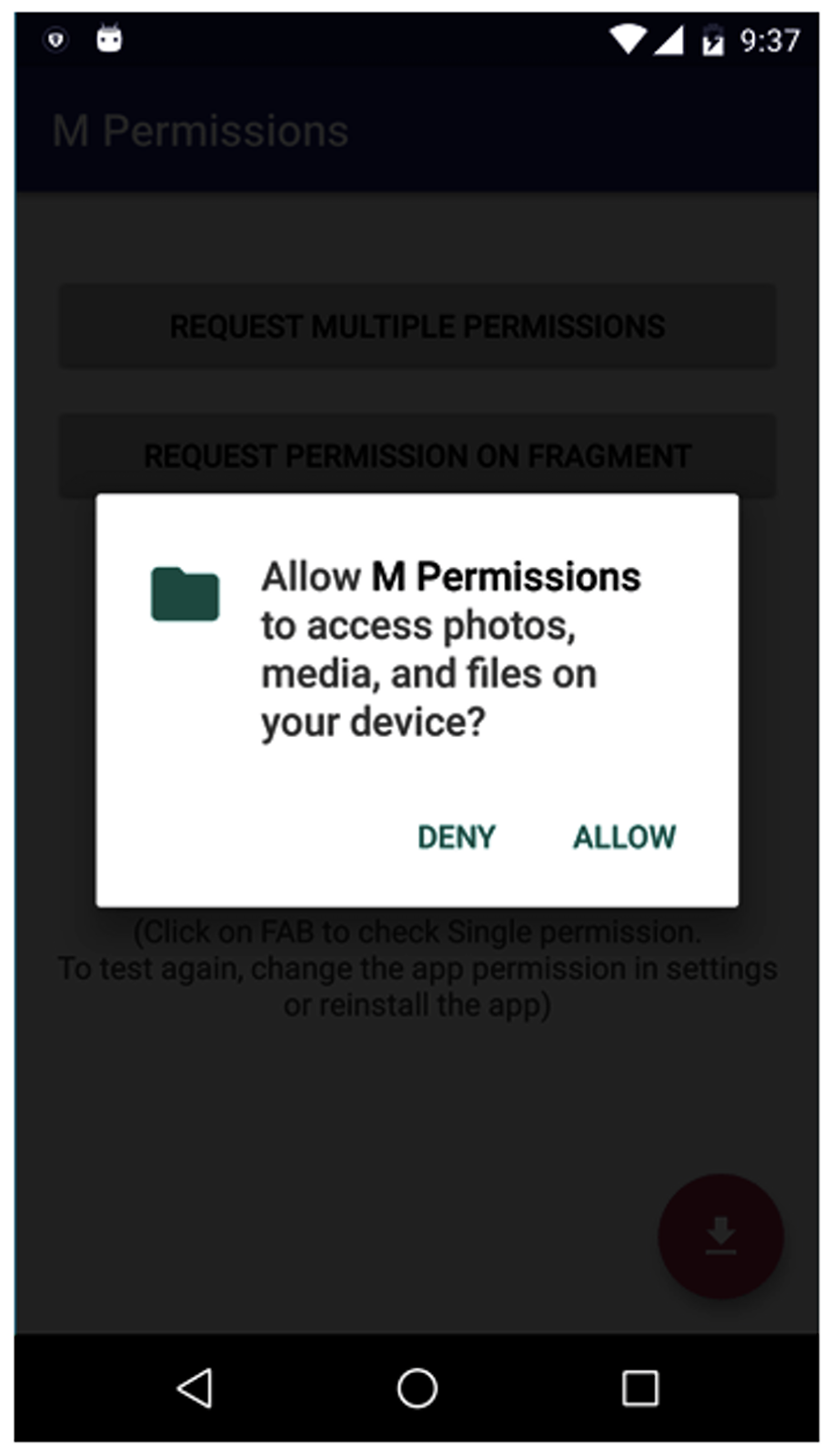
Tech blogs and cybersecurity forums discuss "Permission Fruit" as an analogy for data access controls and API restrictions. The
Symbolism and Cultural Interpretations of the Permission Fruit
The "permission fruit" serves as a potent metaphor in digital and cultural discourse, encapsulating complex ideas about access, consent, and systemic barriers. Its symbolic weight varies across contexts, reflecting broader societal attitudes toward power dynamics, digital ownership, and the ethical implications of restricted access. In gaming, internet forums, and real-world analogies, the term often embodies both liberation and constraint, illustrating how permission—whether granted or withheld—shapes human interaction and digital experiences.The interpretation of the "permission fruit" is deeply contextual, evolving from its origins in gaming mechanics to broader discussions about digital citizenship and cultural exclusion. While its primary function may be mechanical (e.g., unlocking progression), its symbolic resonance extends to real-world parallels, such as paywalls, algorithmic curation, and the commodification of knowledge. Below, the thematic variations and cross-platform comparisons are explored to highlight how the term mirrors evolving societal norms.
Symbolic Themes Across Digital and Cultural Contexts
The "permission fruit" functions as a cultural artifact that distills abstract concepts into tangible metaphors. Its symbolism often revolves around accessibility, authority, and the cost of participation, with interpretations differing based on the medium in which it appears. Gaming environments, for instance, frame the fruit as a reward for compliance with rules or a test of player ingenuity, whereas internet forums may use it to critique hierarchical structures or gatekeeping behaviors. The following themes emerge consistently, though their emphasis varies by platform:
Theme 1: Access as a Privilege
The "permission fruit" symbolizes how access to resources—whether digital, social, or economic—is frequently conditional. In gaming, it represents the player’s journey through obstacles to earn progression, mirroring real-world systems where opportunities are tied to meeting arbitrary criteria (e.g., subscription fees, credentials, or social capital). The fruit’s placement behind barriers reinforces the idea that participation is not inherent but earned or granted, often reinforcing existing power structures.
Example: In Minecraft’s "Permission Fruit" meme, players joke about the absurdity of requiring in-game permissions to access basic features, paralleling real-world frustrations with paywalled content or gated communities. Similarly, platforms like Discord or Reddit use "permission roles" to control who can post or moderate, creating digital hierarchies that reflect offline social dynamics.
Theme 2: Consent and Boundary Violations
In contexts where the "permission fruit" is forcibly taken or withheld, it becomes a symbol of violated consent and the erosion of user agency. This interpretation aligns with discussions about digital harassment, data exploitation, or unauthorized access to private spaces. The fruit’s forced consumption or denial mirrors real-world scenarios where individuals are pressured into compliance (e.g., mandatory software updates, invasive terms of service) or excluded from systems they should rightfully access.
Example: In Among Us mods or fan games, a "permission fruit" might represent a cheat code or admin privilege that disrupts fair play, analogous to real-world debates about hacking, corporate espionage, or the misuse of platform moderation tools. Internet forums often employ the metaphor to critique "permission culture," where administrators or algorithms dictate who can contribute, silencing marginalized voices.
Theme 3: Digital Ownership and Commodification
The "permission fruit" also critiques the monetization of digital experiences, where access to content or tools is framed as a transaction rather than a right. This theme resonates in discussions about open-source software, net neutrality, and the ethics of subscription models. The fruit’s association with "permission" highlights how digital ownership is increasingly tied to corporate or institutional control, reducing users to consumers rather than participants.
Example: In Fortnite’s battle pass system, the "permission fruit" could symbolize the seasonal pass as a gated mechanism for progression, where players must pay to unlock content that was previously free. Similarly, academic journals or proprietary APIs often require "permission" (i.e., payment or affiliation) to access knowledge, mirroring the fruit’s role as a barrier to entry.
While the core themes of the "permission fruit" remain consistent, their application and emphasis differ across gaming, internet forums, and broader cultural discourse. These variations reflect the unique power structures and communication norms of each platform:
Gaming Environments
In games, the "permission fruit" is primarily a narrative or mechanical device used to test player agency. Its symbolism leans toward progression and reward, often tied to completing challenges or adhering to rules. However, when abused—such as in anti-cheat systems or pay-to-win models—the fruit becomes a critique of exploitative design. For example, games like Roblox or Genshin Impact use permission-based systems (e.g., role restrictions, gated events) that players mock as "permission fruits," highlighting frustration with artificial scarcity.
Internet Forums and Social Media
Here, the term shifts focus to community governance and digital citizenship. Forums like Reddit or 4chan use the metaphor to discuss moderation practices, where "permission fruits" represent banned accounts, shadowbanned users, or restricted subreddits. The symbolism often critiques centralized control, as seen in debates about algorithmic censorship or the removal of user-generated content. Memes and discussions in these spaces frequently frame the fruit as a tool of oppression, contrasting with gaming’s more neutral or positive connotations.
Cultural and Political Discourse
Beyond digital spaces, the "permission fruit" appears in analogies about systemic inequality and institutional barriers. Activists and scholars use it to describe phenomena like redlining in housing, credentialism in education, or corporate lobbying, where access to opportunities is artificially restricted. For instance, discussions about "permissionless innovation" in tech policy (e.g., net neutrality debates) adopt the fruit as a symbol of regulatory overreach, while feminist critiques of digital spaces may use it to illustrate how online harassment thrives on the withholding of "permission" to participate safely.
Societal Attitudes Toward Consent and Boundaries
The "permission fruit" acts as a lens through which to examine societal attitudes toward consent, both in digital and physical spaces. Its symbolism reveals tensions between individual autonomy and systemic control, particularly in how permission is framed as a binary (granted or denied) rather than a spectrum of negotiation. Key observations include:
Digital Consent as a Spectrum
Traditional notions of consent (e.g., explicit agreement to terms of service) are often asymmetrical, where users have little recourse if "permission" is unilaterally revoked. The "permission fruit" highlights this imbalance, especially in cases where platforms unilaterally change rules (e.g., Twitter/X’s API restrictions or Facebook’s algorithm updates). The fruit’s forced consumption or denial mirrors real-world coercion, where users are left with no alternative but to comply or exit.
Boundaries in Virtual Spaces
Online communities frequently struggle with defining and enforcing boundaries, and the "permission fruit" encapsulates these conflicts. For example, a moderator’s decision to ban a user (denying them access to a "fruit" of participation) may be framed as necessary for safety or criticized as censorship. The metaphor exposes how digital boundaries are often arbitrarily enforced, reflecting offline power dynamics where marginalized groups are disproportionately excluded.
Ownership and Digital Labor
The fruit’s association with permission also intersects with debates about digital labor and exploitation. Platforms like YouTube or TikTok require creators to adhere to content policies (a form of "permission") to monetize their work, framing access to income as conditional. The "permission fruit" thus symbolizes the commodification of creativity, where users must navigate complex rules to earn a living, akin to a player seeking a reward behind a locked door.
| Context |
Symbolic Role of "Permission Fruit" |
Societal Parallel |
|---|
| Gaming |
Reward for compliance with rules |
Earning social or economic capital through adherence to norms |
| Internet Forums |
Tool of exclusion or censorship |
Gatekeeping in academic, professional, or activist communities |
Corporate Platform
Usage in Digital and Gaming Worlds
The concept of the "permission fruit" transcends its symbolic and cultural origins to become a dynamic element in digital environments, particularly within gaming ecosystems and online communities. In these spaces, it functions as an in-game item, a narrative device, or a memetic artifact that shapes player interactions, quest design, and even virtual economies. Its adaptability allows developers and players to reinterpret its meaning—whether as a literal object granting access, a metaphor for consent, or a humorous placeholder for systemic barriers. Below, the role of the permission fruit in gaming mechanics, storytelling, and social dynamics is examined through specific examples, structured comparisons, and analyses of its cultural impact.
Function as an In-Game Item or Mechanic
The permission fruit frequently appears in games as a functional item tied to progression, puzzles, or role-playing mechanics. Its design often mirrors its symbolic origins, representing a key, a reward, or a conditional requirement for advancing a narrative or unlocking content. Developers leverage its duality—both as a tangible object and a metaphor—to create layered gameplay experiences.In many cases, the permission fruit operates under the following mechanics:
Access Control: Serves as a literal or metaphorical key to restricted areas, such as hidden dungeons, boss chambers, or exclusive zones.
Quest Gating: Acts as a prerequisite for completing quests, often requiring players to "earn" it through dialogue, challenges, or social interactions.
Trading or Bartering: Functions as a high-value currency in player-driven economies, traded for rare items or services.
Lore Integration: Embedded in world-building, where its origin or significance ties into the game’s mythology (e.g., a cursed artifact, a divine blessing, or a technological artifact).Examples of games where the permission fruit (or analogous items) plays a critical role include:
Role-Playing Games (RPGs): In titles like Final Fantasy or Disgaea, fruits or similar items may unlock hidden abilities, grant temporary invincibility, or serve as puzzle solutions.
Adventure Games: Platforms like The Legend of Zelda or Portal use keys or "permission-like" objects to progress through levels, often with environmental storytelling.
Social Simulation Games: In Animal Crossing or Stardew Valley, fruits or crops may symbolize permissions (e.g., gifting to NPCs to unlock friendships or areas).
Multiplayer and MMORPGs: Games like World of Warcraft or Genshin Impact feature items that gate progression, such as quest rewards or guild access tokens, which players reinterpret as "permission fruits" in community discussions.
Narrative and Storytelling Applications
The permission fruit’s narrative potential lies in its ability to frame player agency, consent, and systemic barriers within a game’s world. Developers use it to:
Highlight Player Choice: Present moral dilemmas where obtaining the fruit requires making ethical decisions (e.g., trading a rare item for access to a forbidden area).
Subvert Expectations: Employ it as a red herring or twist, where the "permission" is revealed to be a trap, illusion, or irrelevant to the true goal.
Facilitate Social Quests: In games with strong NPC relationships, the fruit may symbolize trust or betrayal (e.g., a villager in Stardew Valley refusing to give a fruit until the player proves their loyalty).
Create Meta-Narratives: Reference broader themes, such as corporate control (e.g., a fruit that unlocks a "permission to work" in a dystopian game) or environmental ethics.Step-by-Step Example: Permission Fruit in Disgaea Series
1. Discovery: The player encounters a "Golden Fruit" in a hidden shrine, described in lore as granting "divine permission to defy fate."
2. Mechanic: Consuming the fruit temporarily removes a character’s level cap, allowing them to grow exponentially stronger.
3. Narrative Twist: Later, it’s revealed the fruit was a plot device by a villain to manipulate the protagonist into breaking cosmic laws.
4. Player Impact: The fruit’s temporary power forces players to weigh short-term gains against long-term consequences, reinforcing the game’s theme of "cheating" the system.
Meme Culture and Online Communities
Outside traditional gaming, the permission fruit has evolved into a meme and shorthand for discussions about access, privilege, and digital gatekeeping. Online communities—particularly those in gaming, anime, and internet culture—adopt it to:
Critique Paywalls or Grinds: Players joke about "permission fruits" as the "one thing" preventing them from progressing in a game (e.g., "I need the permission fruit to beat this boss").
Discuss Consent in Virtual Spaces: In forums like Reddit’s r/gaming or r/Anime, the term surfaces in debates about in-game romance, modding restrictions, or platform policies (e.g., "Why do I need permission to use a mod that doesn’t affect others?").
Recontextualize IRL Systems: The meme extends to real-world analogies, such as "the permission fruit of adulthood" (e.g., a driver’s license or a job offer) or "corporate permission fruits" (e.g., NDA agreements).Community-Driven Examples:
Twitter/Reddit Threads: Users share screenshots of games with items labeled "permission fruit" in ironic captions, often paired with jokes about "asking for permission to have fun."
Fan Art and Mods: Artists create permission fruit-themed content, such as custom skins or lore expansions for games like Minecraft or Skyrim.
Speedrunning Communities: The term appears in discussions about "permission-based" glitches or exploits that require specific in-game conditions to trigger.
The following table synthesizes how the permission fruit manifests across different games and platforms, highlighting its mechanical features and cultural role. The comparison includes both literal implementations and memetic reinterpretations.
| Platform/Game | Feature | Cultural Role |
|---|
| Final Fantasy Series (e.g., FFVII Remake) |
- Item Type: Rare fruit or herb (e.g., "Mog Net" or "X-Potion") that restores stats or unlocks abilities.
- Mechanic: Often obtained through side quests, puzzles, or defeating hidden bosses.
- Lore Tie: Some fruits are tied to ancient rituals or divine blessings, framing them as "permissions" to overcome trials.
|
- Reinforces the franchise’s theme of "earning" power through narrative progression.
- Player communities joke about "permission fruits" as the "one missing item" in complex grind-heavy games.
- Used in fan theories about hidden lore (e.g., "Is the permission fruit a metaphor for fate?").
|
| Disgaea Series |
- Item Type: "Golden Fruit" or "Fate-Sealing Fruit" with narrative significance.
- Mechanic: Grants temporary stat boosts or removes level caps, often with a "permission to break rules" theme.
- Quest Design: Required to progress in story arcs, but its power comes with unintended consequences.
|
- Emphasizes the game’s dark humor and meta-commentary on power fantasy.
- Players reinterpret the fruit as a critique of "cheese" mechanics in RPGs.
- Memes often compare it to IRL "get out of jail free" cards.
|
| Animal Crossing: New Horizons |
- Item Type: Fruits (e.g., "Peach" or "Pomegranate") used in gifting, crafting, or NPC interactions.
- Mechanic: Gifting fruits to villagers can unlock friendship or access to new areas.
- Social Dynamics: Some fruits are rare and require trading or events to obtain.
|
- Reflects the game’s themes of community and reciprocity.
- Players humorously label rare fruits as "permission to be a good friend."
- Discussions arise about "permission economies" (e.g., trading for rare items).
|
| Minecraft (Fan Communities) |
- Item Type: Custom or modded items labeled "Permission Fruit" (e.g., "Admin Fruit" for OP commands).
- Mechanic: Often used in minigames or roleplay servers to
The concept of the "permission fruit" transcends digital abstraction by drawing parallels to tangible and symbolic objects that govern access, privilege, and restriction in both physical and cultural domains. Analogies from history, mythology, and modern systems illustrate how permission mechanisms function as gatekeepers—whether as literal barriers, metaphorical keys, or systemic controls. These comparisons highlight the universal tension between openness and exclusivity, while also framing the "permission fruit" as a modern iteration of age-old access paradigms.
Real-world equivalents often embody the duality of the "permission fruit": they are simultaneously tools of empowerment and instruments of control. Below, analogies are categorized by their functional or symbolic roles—ranging from ancient myths to contemporary digital frameworks—to demonstrate how permission structures manifest across time and mediums.
Historical and Mythological Precedents
Permission-based access has long been a narrative device in mythology and historical accounts, where restricted objects or knowledge symbolize power, divine favor, or societal hierarchy. These stories often depict consequences for unauthorized access, reinforcing the idea that permission is not merely a mechanism but a moral or cosmic boundary.
- Forbidden Fruit in Biblical and Edenic Mythology:
The biblical "forbidden fruit" (Genesis 2:16–17) serves as the archetypal permission fruit, where access to knowledge—embodied in the fruit—is explicitly denied, leading to existential consequences. This narrative establishes a foundational metaphor for restricted access, where permission (or its absence) dictates life-altering outcomes. The fruit’s dual role as both temptation and prohibition mirrors modern digital permissions, where access to information or systems carries implicit risks or rewards.
- The Golden Apples of the Hesperides (Greek Mythology):
In Greek myth, the golden apples guarded by the Hesperides represent a prize so valuable that its possession requires divine or heroic intervention. The apples function as a permission fruit in reverse: their acquisition is contingent on overcoming trials (e.g., Hercules’ labors), symbolizing that permission is earned rather than granted arbitrarily. This aligns with modern "earned access" models, such as loyalty rewards or achievement-based unlocks in gaming.
- The Key of Solomon (Jewish and Occult Tradition):
Legend attributes the "Key of Solomon" to magical or divine authority, granting access to hidden knowledge, exorcism, or supernatural realms. As a literal and symbolic key, it embodies permission as a tool of mastery—only those with the "key" (or permission) can unlock its potential. This parallels digital "admin keys" or API tokens, where possession of a credential determines access to systems or data.
Modern Institutional and Economic Analogies
Contemporary systems—particularly those governing data, commerce, and governance—rely on permission frameworks that mirror the "permission fruit’s" dual nature. These analogies illustrate how access is commodified, regulated, or weaponized in the modern era, often with unintended consequences for equity or transparency.
- Subscription-Based Media and the "Paywall Fruit":
Digital subscriptions (e.g., Netflix, The New York Times) function as permission fruits, where access to content is gated behind payment or authentication. The "fruit" here is the content itself, and the permission is the subscription—an economic barrier that replicates historical tolls or membership fees. Unlike physical media, however, digital paywalls create a paradox: the more valuable the content, the more rigid the permission becomes, echoing the biblical narrative where the most desirable knowledge is also the most restricted.
- Biometric Passports and the "Identity Fruit":
Modern passports incorporate biometric data (fingerprints, facial recognition) as a permission fruit, where physical access to nations is contingent on proving identity. The fruit’s "ripeness" (i.e., validity of credentials) determines entry, while expired or revoked permissions (e.g., visas) render the bearer "unripe" or unauthorized. This system reflects digital authentication models, where tokens or cookies act as ephemeral permission fruits, expiring or being revoked based on usage or security risks.
- Open-Source Licenses and the "Copyleft Fruit":
In software development, open-source licenses (e.g., GPL) operate as permission fruits that dictate how code can be used, modified, or distributed. The "fruit" is the source code, and the permission is the license agreement—granting access while imposing conditions (e.g., mandatory attribution or reciprocal licensing). This system inverts traditional permission models: instead of restricting access, it prescribes how access must be shared, creating a collaborative yet controlled ecosystem.
- Gated Communities and the "Membership Fruit":
Physical gated communities (e.g., luxury condominiums, private clubs) use access cards or biometrics as permission fruits to regulate entry. The fruit here is the property or service, and the permission is the membership status—a status that often correlates with socioeconomic privilege. This mirrors digital walled gardens (e.g., Facebook Groups, Discord servers), where membership becomes a proxy for social or professional capital, reinforcing exclusivity.
Digital and Algorithmic Permissions
In digital ecosystems, permission fruits manifest as tokens, protocols, or conditional access points that govern interactions between users, machines, and systems. These analogies emphasize how permission is increasingly abstracted into code, where the "fruit" may be an API key, a cryptographic nonce, or a behavioral trigger.
- API Keys as Permission Tokens:
API keys function as digital permission fruits, granting or denying access to software functionalities. The key’s "ripeness" depends on its validity, scope (e.g., read/write permissions), and expiration—mirroring how physical keys might degrade or be revoked. Overuse or exposure of an API key can "spoil" the fruit, leading to security breaches, analogous to how overripe fruit rots or becomes inedible.
- Blockchain Nonces and the "Immutable Fruit":
In blockchain, a nonce (a number used once in cryptographic transactions) acts as a permission fruit for validating blocks. The nonce must meet specific conditions to be "accepted" by the network, much like a fruit must meet ripeness or quality standards. Once used, it cannot be reused—echoing the biblical prohibition against reacquiring the forbidden fruit, where permission is one-time and irreversible.
- Dark Patterns and the "Deceptive Fruit":
Dark UX patterns (e.g., hidden subscription traps, forced consent pop-ups) exploit permission fruits by making access seem free or mandatory. The "fruit" here is the user’s data or attention, and the permission is manipulated through design—creating a false sense of ripeness (e.g., "free trial" that auto-converts). This parallels historical "bait-and-switch" tactics, where the cost of permission is obscured until it’s too late to withdraw.
Cultural and Ethical Implications
The real-world analogies of the "permission fruit" reveal broader cultural tensions around access, consent, and power. These comparisons underscore how permission systems can perpetuate inequality, surveillance, or exploitation when unchecked. For instance:
- Data Privacy as the "Surveillance Fruit": Governments and corporations use permission fruits (e.g., cookies, location tracking) to harvest data, where the "fruit" is personal information and the permission is often granted without full awareness of the consequences. This mirrors historical practices like indentured servitude, where labor was exchanged for access to resources.
- Algorithmic Bias and the "Curated Fruit": Recommendation algorithms act as permission fruits, determining which content users can "access" (e.g., news feeds, product suggestions). The fruit’s selection is influenced by unseen criteria (e.g., engagement metrics), creating echo chambers where permission is not neutral but actively shaped by bias.
- Digital Divide and the "Unequal Fruit": In regions with limited internet access, the "permission fruit" of online services remains out of reach, reinforcing socioeconomic disparities. This parallels historical monopolies on knowledge (e.g., medieval scribes controlling book access), where permission was a tool of systemic exclusion.
The "permission fruit" is not merely a metaphor but a lens through which to examine how access is constructed, contested, and controlled—whether in gardens of Eden, corporate servers, or the streets of a smart city.
 Creative Applications and Fan Content
The "permission fruit" concept has transcended its digital and cultural origins to become a versatile symbol in fan-driven creativity, inspiring art, storytelling, and interactive media. Its adaptability stems from its dual representation—both as a literal object granting access and a metaphor for empowerment, consent, and systemic barriers. Creators leverage its ambiguity to explore themes of agency, rebellion, and digital autonomy, often repurposing it in ways that challenge or expand its original context. Below are key areas where the concept has been reimagined, along with examples of user-generated content and design prompts for further innovation.
Fanfiction and Narrative Repurposing
The "permission fruit" serves as a narrative device in fanfiction and original works, often symbolizing a pivotal moment where characters confront rules, authority, or personal limits. Writers frequently use it to subvert tropes—such as the "chosen one" narrative—by framing access to power as conditional on consent or collective effort rather than individual merit.Creative Process Example:
A common approach involves:
1. Recontextualizing the Fruit’s Role: Transforming it from a passive object (e.g., a game mechanic) into an active agent (e.g., a sentient entity or a metaphor for a legal contract).
2. Integrating Cultural Layers: Merging the concept with folklore (e.g., the "forbidden fruit" archetype) or real-world systems (e.g., copyright laws, NFT ownership disputes).
3. Exploring Ethical Dilemmas: Using the fruit as a catalyst for debates on digital ownership, AI ethics, or virtual sovereignty. Fanfiction Highlights:
- "The Garden of Forking Codes" – A Dungeons & Dragons-inspired story where the "permission fruit" is a cursed artifact tied to a guild’s oath system. Characters must decide whether to destroy it (breaking tradition) or redistribute its power (challenging hierarchy).
- "Access Denied: A Cyberpunk Tale" – In this Neon Noir fanfiction, the fruit is a hacker’s tool that grants temporary control over corporate servers, but its use triggers a corporate AI’s "permission protocol," forcing protagonists to outmaneuver surveillance systems.
- "The Library of Unwritten Rules" – A Harry Potter-themed work where the fruit represents the "Golden Snitch" of magical regulations. Characters must "eat" it (i.e., break a rule) to unlock hidden spells, mirroring real-world discussions on creative freedom vs. institutional control.
Artists reinterpret the "permission fruit" through surrealism, glitch art, and interactive installations, often emphasizing its tension between allure and restriction. Digital creators use it to visualize data privacy, algorithmic bias, or the aesthetics of digital scarcity.Design Prompts for New Works:
1. Glitch Fruit Sculptures: Combine 3D modeling with procedural generation to create a fruit that "corrupts" when viewed, symbolizing data degradation or permission decay.
2. AR Permission Art: Develop an augmented reality piece where users scan a physical fruit to trigger a narrative about digital consent, with the fruit’s appearance morphing based on user interactions.
3. Generative NFT Series: Design a collection where each NFT represents a "permission fruit" variant, with traits tied to real-world legal clauses (e.g., "royalty-free," "open-source," "revocable"). Notable Fan Projects:
- "Fruit of the Firewall" – A digital painting series by @GlitchGarden where the fruit’s skin is a pixelated firewall, and its core emits binary code. The artist describes it as "a commentary on how digital systems disguise restriction as protection."
- "Permission Fruit Emoji Pack" – A custom emoji set for Discord, featuring stylized versions of the fruit with micro-interactions (e.g., a bite animation that triggers a "403 Forbidden" error).
- "The Permission Tree" – An interactive web project where users "pick" virtual fruits to unlock stories about digital activism, with each fruit’s flavor representing a different online freedom issue (e.g., "censorship," "surveillance").
Gaming Mods and Interactive Experiences
Modders and indie developers repurpose the "permission fruit" to alter gameplay mechanics, introduce narrative depth, or critique platform restrictions. Its modular nature makes it ideal for procedural generation, puzzle design, and meta-commentary on gaming ecosystems.Mod Development Workflow:
1. Gameplay Integration: Replace or add a "permission fruit" as a collectible that unlocks cheats, glitches, or hidden lore (e.g., in Minecraft, it could grant build permissions in restricted areas).
2. Meta-Narrative Layers: Use the fruit to expose game design flaws, such as paywalls or DRM, by making it a key to bypass artificial scarcity.
3. Multiplayer Synergy: Design a cooperative mode where players must collaboratively "share" the fruit’s permissions to progress, reflecting real-world collaborative access models. Curated Mod Examples: - Project 1: "Permission Core" (Minecraft Mod) – A mod that introduces a "Core" block resembling the permission fruit. Players must "feed" it in-game achievements or real-world credentials (via API) to unlock creative mode in server-locked regions. The mod’s wiki includes a satirical "Terms of Service" for the Core’s use.
"The Core does not grant permission. It only acknowledges that you have already taken it."
- Project 2: "Glitch Garden" (Unity Demo) – An experimental game where the permission fruit is a glitch entity that corrupts the environment when "eaten." Players navigate a garden where paths are dynamically locked/unlocked based on in-game "permission levels," mirroring real-world access control systems.
Design Note: The fruit’s corruption effect is procedurally generated using Perlin noise to simulate "permission decay" over time.
- Project 3: "The Archivist’s Key" (Tabletop RPG Module) – For Cyberpunk RED, this module frames the permission fruit as a data chip containing a corporation’s secrets. Players must decide whether to sell it, destroy it, or use it to manipulate the game’s narrative economy.
Mechanics: The fruit’s "value" fluctuates based on player alignment with factions, introducing emergent storytelling.
The "permission fruit" has become a meme shorthand for discussions on digital rights, absurd bureaucracy, and the performative nature of consent. Memes often juxtapose its symbolic weight with mundane or humorous contexts, amplifying its reach beyond niche communities.Meme Formats and Evolution:
- "Permission Fruit Hierarchy" – A satirical chart ranking digital permissions from "eating a fruit in VR" to "modifying your own avatar," with captions like "When the TOS says you don’t own your in-game purchases."
- "Corporate Training Montage" – A Office Space-style meme where employees are forced to "consume" a permission fruit to access their own files, set to the Mission Impossible theme.
- "AI-Generated Permission Fruits" – Using tools like DALL·E or MidJourney, users create hyper-stylized versions of the fruit with prompts like "a permission fruit made of legal jargon" or "a permission fruit that looks like a 404 error."
Viral Examples:
- "The Permission Fruit of Sodomy" – A South Park-style meme where the fruit is rebranded as a satirical take on platform moderation policies, complete with a fake "Community Guidelines" document.
- "Fortnite’s New Skin: The Permission Shield" – A Photoshop edit of Fortnite’s battle pass items, where the shield is replaced with a glowing permission fruit, captioned "When Epic says ‘you didn’t read the EULA.’"
- "Reddit’s ‘Permission Fruit’ Thread" – A recurring joke in r/gaming where users photoshop the fruit into screenshots of paywalls or DRM messages, often paired with the comment "I just need to eat this to proceed."
The permission fruit stands as a testament to the adaptability of digital and cultural narratives, blending whimsy with deeper philosophical inquiries about access and agency. Whether as an in-game artifact, a memetic symbol of consent, or a metaphor for modern restrictions—such as subscription models or data privacy—its enduring appeal lies in its ability to provoke thought across disciplines. As creators and communities continue to repurpose its concept, the permission fruit remains a versatile tool for exploring the boundaries between virtual and real-world interactions, inviting further innovation in how we perceive and negotiate permission in all its forms. Its legacy, much like the fruit itself, is one of ongoing discovery and reinterpretation.
FAQ
What is a persimmon fruit?
A persimmon is a sweet, orange-colored fruit from the Diospyros genus, often confused with tomatoes due to its shape. It’s native to Asia but grown worldwide, with varieties like Fuyu (crisp when ripe) and Hachiya (softer, astringent until fully ripe). The fruit is high in fiber, vitamin A, and antioxidants.
What does a persimmon fruit taste like?
Ripe persimmons taste sweet, honey-like, and slightly pear or pumpkin-flavored, with a soft, custardy texture. Unripe ones are bitter and astringent (especially Hachiya varieties) and must be fully soft before eating. Fuyu persimmons stay firm and crisp when ripe, with a milder flavor.
What is a persimmon fruit used for?
Persimmons are eaten fresh, dried (like dates), or used in desserts (puddings, cakes, sorbet). Their flesh is also made into jams, wines, or fermented into shochu (a Japanese spirit). Leaves and bark have traditional medicinal uses in some cultures.
What is a persimmon fruit called in Spanish?
A persimmon fruit is called "caqui" in Spanish (pronounced kah-kee). The word comes from the Japanese "kaki," which is also used in English for some varieties.
What is a persimmon fruit?
A persimmon is a vibrant orange fruit with a smooth skin and seedy center, belonging to the ebony family. It’s divided into two main types: astringent (Hachiya) and non-astringent (Fuyu), both prized for their sweetness and nutritional benefits like vitamin C and dietary fiber.
What is a persimmon fruit good for?
Persimmons are rich in antioxidants (like beta-carotene), fiber, and vitamin A, supporting immune health, digestion, and eye function. Their natural sugars provide quick energy, and they’re low in calories, making them a healthy snack. Dried persimmons are also used in traditional remedies for coughs.
|
|
|

Leave a Comment
Comments are moderated before appearing. The data you submit is processed according to the Privacy Policy of Voltefac.