What Fruit Can Dogs Eat Safe Guidelines Nutrition Toxicity
Table of Contents
- Safe Fruits for Dogs: Nutritional Benefits and Serving Guidelines
- Top 10 Safe Fruits for Dogs and Their Health Benefits
- Toxic Fruits for Dogs: Identification, Toxicity Mechanisms, and Emergency Response
- Eight Toxic Fruits Dogs Must Avoid and Their Harmful Compounds
- Symptoms of Fruit Toxicity and Corresponding Emergency Actions
- Fruit Preparation Methods: Safe Handling and Serving Techniques
- Removal of Toxic Components and Safe Serving Practices
- Step-by-Step Guide to Dehydrating and Freezing Fruits for Long-Term Storage
- Freezing Fruits for Freshness and Convenience
- Homemade vs. Store-Bought Fruit Treats: Ingredient Analysis and Hidden Dangers
- Fruit Allergies and Sensitivities in Dogs: Identification, Management, and Dietary Alternatives
- Clinical Signs of Fruit Allergies vs. Sensitivities in Dogs
- Checklist for Monitoring Dietary Changes When Introducing Fruits
- Decision Tree for Assessing Fruit-Related Reactions in Dogs
- Alternative Protein and Fiber Sources for Dogs with Fruit Allergies
- FAQ
- Which fruits are safe for dogs to eat without causing harm?
- What fruits can dogs eat in the UK, and are there any restrictions?
- Can dogs eat fruit every day, and how much is too much?
- What fruits can dogs eat, and which ones should they avoid completely?
- Are there any specific fruits dogs can eat in Australia, and are there local risks?
- Can dogs eat frozen fruit, and is it safer or riskier than fresh?
Understanding which fruits are safe for canine consumption is essential for pet owners seeking to enhance their dog’s diet while mitigating health risks. Fruits offer valuable nutrients such as vitamins, fiber, and antioxidants that support digestion, immune function, and hydration, but improper choices can lead to toxicity or allergic reactions. This guide provides a structured approach to identifying safe options, preparing them correctly, and recognizing signs of adverse reactions, ensuring informed decisions for optimal canine wellness.
The selection of appropriate fruits for dogs requires balancing nutritional benefits with potential hazards, as some common varieties contain compounds like persin or cyanide that pose severe threats. By examining safe alternatives—such as apples, blueberries, and bananas—and contrasting them with toxic counterparts like avocado or cherries, pet owners can navigate dietary choices confidently. Additionally, preparation methods and allergy management strategies further refine safe feeding practices, fostering a diet that aligns with a dog’s physiological needs without compromising health.
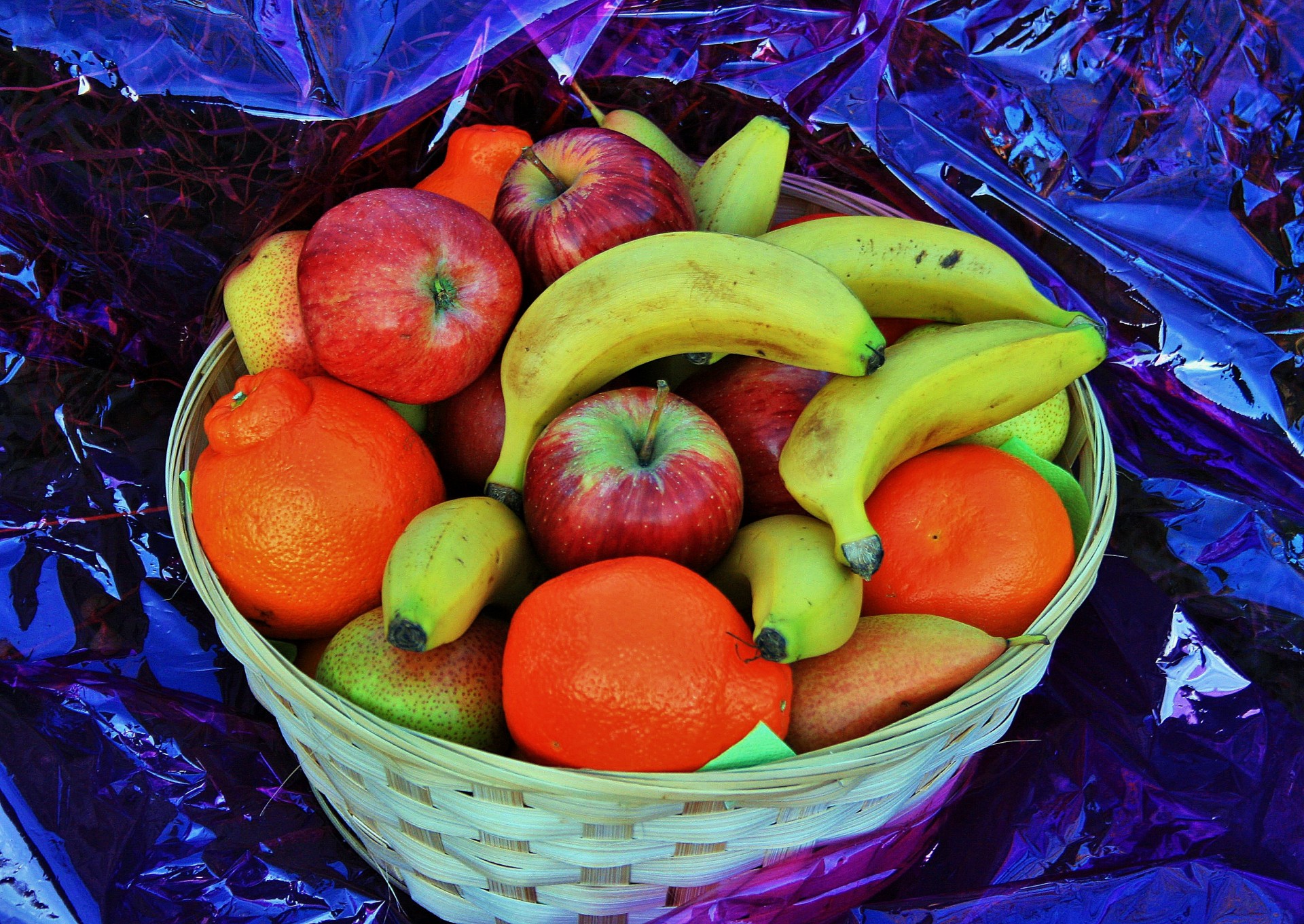
Safe Fruits for Dogs: Nutritional Benefits and Serving Guidelines
Fruits can serve as a nutritious and flavorful addition to a dog’s diet when selected and prepared appropriately. Rich in essential vitamins, minerals, fiber, and antioxidants, certain fruits support digestive health, immune function, hydration, and overall vitality. However, not all fruits are safe for canine consumption—some contain toxic compounds or excessive sugars that may lead to metabolic disorders or organ damage. Below is a structured overview of the top 10 safe fruits for dogs, their nutritional profiles, and guidelines for safe incorporation into their diet.Top 10 Safe Fruits for Dogs and Their Health Benefits
Dogs can derive significant health advantages from fruits that are low in sugar, free of seeds/pits (unless specified), and appropriately portioned. These fruits contribute to hydration, gut motility, antioxidant protection, and metabolic regulation. The following table compares their nutritional value, sugar content, and recommended serving sizes, along with preparation instructions to minimize risks.-
Apples (without seeds/core)
- Nutritional Benefits: High in vitamin A, vitamin C, and dietary fiber, which supports digestive health and immune function. Quercetin, a flavonoid, acts as an anti-inflammatory agent.
- Sugar Content: ~10g per 100g (natural fructose, but low in comparison to other fruits).
- Recommended Serving: 10–15g (1 small slice or 1 tbsp diced) per 10kg of body weight, daily.
- Preparation: Remove seeds and core (cyanide risk); chop into bite-sized pieces.
-
Blueberries
- Nutritional Benefits: Packed with antioxidants (anthocyanins), vitamin K, and manganese, which combat oxidative stress and support joint health.
- Sugar Content: ~10g per 100g (low glycemic index).
- Recommended Serving: 5–10g (5–10 berries) per 10kg of body weight, daily.
- Preparation: Serve fresh or frozen (thawed); avoid dried blueberries (high sugar concentration).
-
Bananas (in moderation)
- Nutritional Benefits: Rich in potassium (supports heart and muscle function), vitamin B6, and vitamin C. Natural sugars provide quick energy.
- Sugar Content: ~14g per 100g (higher than apples/blueberries; limit intake for diabetic dogs).
- Recommended Serving: 5–10g (½ small slice) per 10kg of body weight, 2–3 times per week.
- Preparation: Peel and mash or slice; avoid overfeeding due to sugar content.
-
Cantaloupe (seedless)
- Nutritional Benefits: High in vitamin A (beta-carotene), vitamin C, and hydration-promoting water content (90%). Supports skin health and immune function.
- Sugar Content: ~7g per 100g (natural sugars, but low risk for healthy dogs).
- Recommended Serving: 30–50g (1–2 small cubes) per 10kg of body weight, daily.
- Preparation: Remove rind and seeds; serve cubed or pureed.
-
Watermelon (seedless, rind removed)
- Nutritional Benefits: Composed of 92% water, providing hydration and electrolytes (potassium, magnesium). Contains lycopene, an antioxidant linked to reduced inflammation.
- Sugar Content: ~6g per 100g (one of the lowest among safe fruits).
- Recommended Serving: 50–80g (2–3 small cubes) per 10kg of body weight, daily.
- Preparation: Remove seeds and rind; serve chilled for hydration.
-
Strawberries
- Nutritional Benefits: Abundant in vitamin C, manganese, and folate. Fiber content aids digestion, while antioxidants reduce cellular damage.
- Sugar Content: ~5g per 100g (low sugar, high fiber).
- Recommended Serving: 5–10g (1–2 berries) per 10kg of body weight, daily.
- Preparation: Wash thoroughly; remove stems (can be choking hazards); serve whole or sliced.
-
Pears (without seeds/core)
- Nutritional Benefits: Contains copper, vitamin C, and fiber, which promote liver health and digestion. Quercetin reduces allergic responses.
- Sugar Content: ~10g per 100g (similar to apples).
- Recommended Serving: 10–15g (1 small slice) per 10kg of body weight, daily.
- Preparation: Remove seeds and core; serve peeled and diced.
-
Mango (peeled, pitted)
- Nutritional Benefits: Rich in vitamin A, vitamin C, and beta-carotene, which support vision, skin health, and immune function. Enzymes like amylase aid digestion.
- Sugar Content: ~14g per 100g (moderate; avoid overfeeding).
- Recommended Serving: 10–20g (1–2 small cubes) per 10kg of body weight, 2–3 times per week.
- Preparation: Peel and pit; serve fresh or frozen (thawed).
-
Cranberries (unsweetened, fresh or dried in moderation)
- Nutritional Benefits: High in antioxidants (proanthocyanidins), which prevent urinary tract infections (UTIs) by inhibiting bacterial adhesion. Vitamin C supports collagen production.
- Sugar Content: ~4g per 100g (fresh); ~60g per 100g (dried—limit intake).
- Recommended Serving:
- Fresh: 5–10g (3–5 berries) per 10kg, daily.
- Dried: 1–2g (1–2 pieces) per 10kg, weekly.
- Preparation: Serve fresh or unsweetened dried; avoid canned or processed varieties (high sugar/additives).
-
Pineapple (fresh, core removed)
- Nutritional Benefits: Contains bromelain, an enzyme that reduces inflammation and aids protein digestion. Vitamin C and manganese support immune and metabolic functions.
- Sugar Content: ~13g per 100g (moderate; acidic for some dogs).
- Recommended Serving: 10–15g (1–2 small chunks) per 10kg of body weight, 2–3 times per week.
- Preparation:

Toxic Fruits for Dogs: Identification, Toxicity Mechanisms, and Emergency Response
While many fruits offer safe and nutritious options for dogs, certain varieties contain compounds that pose severe health risks, ranging from gastrointestinal distress to organ failure. Toxic fruits often contain natural toxins such as persin (avocado), cyanogenic glycosides (cherries), or psoralens (citrus peels), which can trigger acute poisoning even in small quantities. Understanding these hazards, recognizing symptoms early, and implementing correct emergency protocols are critical to preventing fatal outcomes. Below, the eight most commonly misidentified toxic fruits are outlined, along with their harmful compounds, clinical manifestations, and actionable steps for pet owners.
Eight Toxic Fruits Dogs Must Avoid and Their Harmful Compounds
Dogs may be inadvertently exposed to toxic fruits through discarded food scraps, garden waste, or well-intentioned but misinformed feeding practices. The following table identifies eight frequently encountered fruits, their toxic components, and the physiological damage they induce:
Note: Toxicity varies by individual dog size, breed, and metabolic rate. Some fruits (e.g., apples) are safe in moderation except for seeds/cores, while others (e.g., grapes) carry no safe threshold.Fruit Toxic Compound Primary Target Organs/Systems Lethal Dose Estimate (Per Dog Weight) Avocado Persin (in leaves, pits, and fruit flesh) Cardiovascular (edema, fluid accumulation), gastrointestinal (vomiting, diarrhea) No universally lethal dose established; severe reactions occur in sensitive dogs with as little as 0.5% of body weight (e.g., 10g for a 20 lb dog). Pits are a choking hazard. Cherries (Pits and Stems) Amygdalin (converts to cyanide) Respiratory (cyanide poisoning), neurological (seizures, collapse), gastrointestinal 1–2 pits per 10 lbs of body weight can be fatal. Stem consumption carries similar risks. Citrus Fruits (Peels and Seeds) Psoralens (peels), essential oils (limonene) Gastrointestinal (vomiting, diarrhea), dermatological (skin irritation), hepatic (liver damage) No precise lethal dose; ingestion of large peel quantities (e.g., 1 tbsp peel per 10 lbs) may cause severe reactions. Grapes and Raisins Unknown (potential oxalates or mycotoxins) Renal (acute kidney failure) 1 grape per 10 lbs of body weight has caused fatal kidney failure in documented cases (e.g., a 20 lb dog consuming 2 grapes). Tomatoes (Green Parts) Solanine and tomatine (alkaloids) Gastrointestinal (vomiting, lethargy), neurological (tremors, weakness) No lethal dose established; green tomatoes or stems in quantities exceeding 1% of body weight may induce toxicity. Rhubarb (Leaves and Stems) Oxalic acid Renal (kidney failure), oral (salivation, ulceration) 0.5–1 oz of leaves per 10 lbs of body weight can be lethal. Persimmons (Unripe Fruit) Astringent compounds (tannins) Gastrointestinal (obstruction, vomiting) No lethal dose; unripe persimmons can cause severe intestinal blockage in dogs under 20 lbs. Apple Seeds and Cores Amydalin (cyanide precursor) Respiratory (cyanide poisoning), gastrointestinal 10–15 seeds per 10 lbs of body weight may induce toxicity. Cores pose choking/obstruction risks.
Symptoms of Fruit Toxicity and Corresponding Emergency Actions
Early recognition of poisoning symptoms allows for timely intervention, which can mitigate or prevent fatal outcomes. The following table correlates clinical signs with recommended emergency protocols, categorized by severity and affected system:
Symptom Category Clinical Signs Emergency Actions When to Seek Immediate Vet Care Gastrointestinal Repeated vomiting - Withhold food for 4–6 hours.
- Offer small sips of water if no vomiting occurs.
- Document frequency/color of vomit (e.g., bile, blood).
If vomiting persists beyond 12 hours or contains blood. Diarrhea (with or without blood) - Monitor hydration (skin elasticity, gum moisture).
- Administer probiotics (e.g., FortiFlora) if no other symptoms.
- Avoid dairy or fatty foods.
If diarrhea lasts >24 hours or is bloody. Drooling or oral irritation - Rinse mouth with water if safe (avoid if choking risk).
- Offer ice chips to reduce swelling.
If swelling obstructs breathing or persists >1 hour. Neurological Weakness, tremors, or collapse - Keep dog in a quiet, dimly lit space.
- Do not induce vomiting if cyanide (e.g., cherry pits) is suspected.
- Administer oxygen if available (e.g., via pet-safe oxygen mask).
Immediately (cyanide poisoning progresses rapidly). Seizures - Protect from injury (clear sharp objects).
- Time the duration of each seizure (seek help if >2 minutes).
During or immediately after a seizure. Disorientation or stumbling -
<
- Select ripe, firm fruits (e.g., apples, bananas, blueberries) with minimal bruising.
- Peel and slice into ¼-inch (0.6 cm) thick pieces for even drying.
- Blanch in boiling water for 1–2 minutes (optional for firmer texture) or dip in lemon water to prevent browning.
- Arrange slices on mesh dehydrator trays or baking sheets lined with parchment paper, ensuring pieces do not overlap.
- Set dehydrator to 135°F (57°C) or bake in a low-heat oven (170°F/77°C) with the door slightly ajar.
- Dry for 6–12 hours, checking periodically to avoid over-drying (which can create hard, indigestible chips).
- Allow treats to cool completely before storing in airtight glass jars or vacuum-sealed bags.
- Store in a dark, cool place (e.g., pantry) for up to 3 months or refrigerate for 6 months.
- Freeze for longer storage (up to 12 months) by placing dried fruit in portioned bags.
- Shorter drying times (6–8 hours) preserve vitamin C and antioxidants better than prolonged exposure.
- Avoid high-heat methods (e.g., oven at 200°F/93°C), as they oxidize nutrients and create caramelized sugars that may irritate sensitive stomachs.
- Test texture by pressing a slice—it should bend slightly but not crumble.
- Wash and dry fruits thoroughly to prevent ice crystals from forming.
- Cut into uniform sizes (e.g., ½-inch (1.3 cm) cubes for apples, whole blueberries).
- Blanch delicate fruits (e.g., strawberries, peaches) in boiling water for 30 seconds, then plunge into ice water to halt cooking and retain color.
- Spread fruit on a parchment-lined tray and freeze for 1–2 hours until solid (prevents clumping).
- Transfer to airtight freezer bags, removing excess air to minimize oxidation.
- Label with date and fruit type (e.g., "Blueberries – 10/2024").
- Thaw in the refrigerator overnight to preserve texture and prevent bacterial growth.
- Serve frozen as a cooling treat (e.g., for dogs with heat sensitivity) or mix into yogurt for a nutrient-dense snack.
- Discard any fruit that shows signs of freezer burn (grayish discoloration, dry spots).
- Up to 12 months for most fruits (e.g., berries, apples, bananas).
- 3–6 months for fruits with high water content (e.g., watermelon, peaches) to prevent texture degradation.
- Avoid refreezing thawed fruit, as it compromises safety and nutrient integrity.
- Cutaneous reactions: Pruritic (itchy) skin, hives (urticaria), facial swelling (angioedema), or erythematous (reddened) patches.
- Gastrointestinal disturbances: Acute vomiting, diarrhea (sometimes with blood or mucus), excessive gas, or abdominal pain.
- Respiratory symptoms: Sneezing, coughing, or difficulty breathing (indicative of anaphylaxis in severe cases).
- Systemic reactions: Lethargy, pale gums (hypoperfusion), or collapse, requiring immediate veterinary intervention.
- Delayed gastrointestinal upset: Chronic soft stools, mild bloating, or occasional vomiting without systemic involvement.
- Subtle behavioral changes: Lethargy or reduced appetite, often resolving within 24–48 hours.
- Skin changes: Mild dryness or occasional itching, but without visible rashes or swelling.
- Baseline data (pre-introduction health status).
- Daily logs of fruit type, quantity, and timing.
- Photographic documentation of skin changes or stool consistency.
- Score ≥3 in any category: Discontinue the fruit and consult a veterinarian.
- Score ≥5 in digestive or systemic metrics: Seek emergency care (e.g., anaphylaxis).
- Persistent mild scores (1–2) for >7 days: Reassess or reduce portion size.
- Immediate onset (<2 hours): Likely allergic (e.g., hives, swelling, vomiting).
- Delayed onset (>2 hours): Likely sensitivity (e.g., diarrhea, lethargy).
-
If allergic reaction suspected:
- Mild to moderate signs (itching, vomiting, or diarrhea without systemic involvement):
Action: Remove fruit source. Administer antihistamines (e.g., diphenhydramine, 1 mg/lb body weight) if no contraindications. Monitor for 24 hours.
- Severe signs (swelling of face/neck, difficulty breathing, collapse):
Action: Emergency veterinary care. Administer epinephrine (if prescribed) and transport immediately. Anaphylaxis can be fatal within minutes.
- Mild to moderate signs (itching, vomiting, or diarrhea without systemic involvement):
-
If sensitivity suspected:
- Digestive upset only (soft stools, mild gas):
Action: Reduce portion size or discontinue. Introduce probiotics (e.g., Saccharomyces boulardii) and monitor for 3–5 days. If resolved, reintroduce in smaller amounts.
- Skin irritation or lethargy:
Action: Discontinue fruit. Offer hydration support (e.g., bone broth) and omega-3 supplements (fish oil) to reduce inflammation. Reassess in 7 days.
- Digestive upset only (soft stools, mild gas):
-
If no reaction after 7–10 days:
Action: Fruit may be tolerated in moderate, controlled portions (≤10% of daily caloric intake). Continue monitoring.
- Cross-reactivity: Dogs allergic to strawberries may react to apples, peaches, or cherries (Rosaceae family). Test one fruit at a time.
- Histamine content: Aged or fermented fruits (e.g., raisins, dried apricots) may trigger reactions in sensitive dogs.
- Veterinary confirmation: Allergy testing (e.g., intradermal skin tests or serum IgE analysis) is recommended for recurrent reactions.
Fruit Preparation Methods: Safe Handling and Serving Techniques
Proper preparation of fruits for canine consumption is essential to maximize nutritional benefits while minimizing health risks. Fruits must be processed to remove toxic components, such as seeds, pits, and skins containing cyanogenic glycosides or excessive fiber. Additionally, modifications in texture and storage methods ensure accessibility for dogs of all ages and health conditions, from puppies to senior pets with dental limitations. This section provides evidence-based guidelines for safe fruit handling, preservation techniques, and comparisons between homemade and commercial options to inform responsible pet owners.
Removal of Toxic Components and Safe Serving Practices
Fruits intended for dogs require meticulous preparation to eliminate harmful substances. Seeds and pits (e.g., apple cores, peach stones, cherry pits) contain cyanide or amygdalin, which can cause acute poisoning, including vomiting, diarrhea, and respiratory distress. Stone fruits (e.g., plums, apricots, nectarines) must be fully deseeded, and the flesh should be sliced into small, manageable pieces to prevent choking. Citrus fruits (e.g., oranges, lemons) should have their peels and membranes removed, as they contain limonene and psoralens, which may irritate the digestive tract or cause photosensitivity reactions.Fiber-rich skins or cores (e.g., apple cores, pear cores) should be discarded, as they can pose choking hazards or cause intestinal blockages. Grapes and raisins, even when prepared correctly, remain highly toxic and should be completely avoided, regardless of preparation method. Washing all fruits thoroughly under running water removes pesticide residues, dirt, or bacteria, reducing the risk of gastrointestinal upset or allergic reactions. Avoid adding sugars, syrups, or artificial sweeteners, as these can lead to obesity, diabetes, or xylitol toxicity (a lethal sweetener found in some fruit-based products).
Critical Preparation Steps for Safe Fruit Serving:
1. Remove all seeds, pits, and large cores before serving.
2. Wash fruits under cold water to eliminate surface contaminants.
3. Cut into bite-sized pieces appropriate for the dog’s size.
4. Serve in moderation (typically 10% of daily caloric intake).
5. Monitor for adverse reactions (e.g., vomiting, lethargy, diarrhea).Step-by-Step Guide to Dehydrating and Freezing Fruits for Long-Term Storage
Dehydrating and freezing fruits preserve their nutritional value while extending shelf life, provided proper techniques are followed. These methods require low-moisture environments to prevent bacterial growth and airtight containers to maintain freshness. Below are science-backed protocols for each preservation method, including storage guidelines to avoid mold and nutrient degradation.### Dehydrating Fruits for Dog Treats
Dehydration removes moisture, concentrating natural sugars and flavors while retaining vitamins (e.g., vitamin C in apples, potassium in bananas). However, excessive heat or prolonged exposure can degrade vitamin content (e.g., vitamin C loss after 6–8 hours at 135°F/57°C). Follow these steps for optimal preservation:1. Preparation:
2. Dehydration Process:
3. Storage:
Nutrient Retention Tips for Dehydrated Fruits:
Freezing Fruits for Freshness and Convenience
Freezing locks in nutrients (e.g., polyphenols in berries, vitamin A in mango) and preserves texture when thawed properly. However, freezer burn and ice crystal formation can occur if storage conditions are inadequate. Follow this step-by-step freezing protocol:1. Preparation:
2. Freezing Process:
3. Thawing and Serving:
Freezer Storage Lifespan and Quality Control:
Homemade vs. Store-Bought Fruit Treats: Ingredient Analysis and Hidden Dangers
Commercial fruit treats for dogs often market convenience but may contain hidden additives, artificial sweeteners, or excessive preservatives. Homemade alternatives allow full control over ingredients, but improper preparation can introduce contaminants or nutritional imbalances. Below is a comparative analysis of key factors, including ingredient safety profiles and common pitfalls in both options.### Key Differences Between Homemade and Commercial Fruit Treats
Factor Homemade Fruit Treats Store-Bought Fruit Treats Ingredient Transparency Full control over fruits, sweeteners, and additives. Often proprietary blends; may contain fillers (e.g., corn syrup, wheat flour). Sweetener Risks Natural sugars (e.g., mashed banana, apple puree) are safe in moderation. Artificial sweeteners (e.g., xylitol, sorbitol, maltitol) are toxic and common in "low-calorie" treats. Preservative Use None required if stored properly (dehydrated/frozen). Sodium benzoate, BHA/BHT, or citric acid may cause allergic reactions or digestive upset. Nutritional Density Higher in fiber, vitamins, and antioxidants if made with whole fruits. Processed sugars and oils (e.g., coconut oil in some brands) may 
Fruit Allergies and Sensitivities in Dogs: Identification, Management, and Dietary Alternatives
Dogs, like humans, may develop adverse reactions to certain fruits due to immunological sensitivities or metabolic intolerances. While rare, fruit allergies or sensitivities can manifest as mild discomfort or escalate to life-threatening conditions, necessitating careful observation and dietary adjustments. Clinical distinctions between allergic reactions and general sensitivities—such as digestive upset or skin irritation—are critical for accurate diagnosis and intervention. This section explores the signs, diagnostic metrics, and actionable steps for managing fruit-related adverse responses, alongside evidence-based alternatives to maintain nutritional balance.
Clinical Signs of Fruit Allergies vs. Sensitivities in Dogs
Fruit allergies in dogs involve an immune-mediated response, typically triggered by proteins (e.g., profilins, lipid transfer proteins) present in specific fruits. Symptoms may appear within minutes to hours after ingestion and often include:
In contrast, fruit sensitivities (non-allergic intolerances) lack an immune component and typically involve:
Clinical Example:
A 3-year-old Labrador Retriever developed angioedema (facial swelling) and vomiting within 30 minutes of consuming a slice of strawberry. The owner noted prior episodes of mild itching after apples, suggesting a cross-reactive allergy (e.g., between Rosaceae family fruits). Bloodwork confirmed elevated IgE antibodies to strawberry antigens, confirming an allergic response.
Checklist for Monitoring Dietary Changes When Introducing Fruits
Introducing new fruits to a dog’s diet should be done gradually, with systematic observation over 7–10 days to identify adverse reactions. Below is a structured checklist for pet owners, categorized by physical, behavioral, and digestive metrics:Importance of Tracking:
Consistent monitoring ensures early detection of reactions, distinguishing between acute allergies (requiring cessation) and transient sensitivities (manageable with dose adjustment). Record-keeping should include:
Action Thresholds:Metric Category Observation Criteria Severity Scale (1–5) Digestive Health Stool consistency (firm, soft, watery, or with blood) 1 (normal) → 5 (hemorrhagic diarrhea) Frequency of defecation (normal vs. >3 times/day) 1 (normal) → 5 (persistent urgency) Presence of mucus, undigested fruit, or vomiting 1 (none) → 5 (repeated episodes) Skin and Coat Condition Itching (scratching, licking paws, or rubbing face) 1 (none) → 5 (self-inflicted wounds) Rash development (location, size, or spread) 1 (none) → 5 (generalized urticaria) Behavioral and Systemic Signs Energy levels (normal, lethargic, or collapse) 1 (vital) → 5 (prostrate) Respiratory effort (normal, wheezing, or labored breathing) 1 (none) → 5 (cyanosis or open-mouth breathing) Gum color (pink, pale, or blue-tinged) 1 (normal) → 5 (indicative of shock)
Decision Tree for Assessing Fruit-Related Reactions in Dogs
The following step-by-step flowchart helps owners determine the severity of a reaction and appropriate response. Each pathway includes clinical triggers and recommended actions:
Step 1: Identify Reaction Type
Alternative Protein and Fiber Sources for Dogs with Fruit Allergies
Dogs with confirmed fruit allergies require nutritionally balanced alternatives that provide fiber, natural sweetness, and digestible carbohydrates without triggering reactions. Below are vet-approved substitutes, categorized by dietary function:Importance of Substitution:
Fruits often contribute soluble fiber (e.g., pectin in apples), vitamin C, and antioxidants. Replacements should mimic these benefits while avoiding high-sugar or high-FODMAP ingredients (e.g., grapes, citrus).
FAQ
Which fruits are safe for dogs to eat without causing harm?
Dogs can safely eat apples (without seeds/core), bananas (in moderation), blueberries, strawberries, watermelon (seedless/rindless), and cantaloupe. Avoid citrus fruits, grapes, and cherries, as they can be toxic. Always introduce new fruits gradually and in small amounts.
What fruits can dogs eat in the UK, and are there any restrictions?
The same safe fruits apply in the UK: apples, bananas, blueberries, strawberries, and watermelon (seedless). Avoid toxic fruits like grapes, raisins, and citrus. UK vet guidance aligns with global recommendations—always check for allergies or digestive issues.
Can dogs eat fruit every day, and how much is too much?
Dogs can eat small amounts of safe fruit daily (e.g., 1–2 tablespoons per 10 lbs of body weight), but variety and moderation are key. Overfeeding can cause stomach upset or obesity. Stick to low-sugar options like apples or blueberries, and avoid daily citrus or high-fiber fruits.
What fruits can dogs eat, and which ones should they avoid completely?
Safe fruits include apples, bananas, blueberries, and watermelon (seedless). Toxic fruits to avoid are grapes/raisins (kidney damage), cherries (cyanide in pits), citrus (acidic), and persimmons (seeds). Always remove pits, seeds, and cores before offering fruit.
Are there any specific fruits dogs can eat in Australia, and are there local risks?
Dogs in Australia can eat the same safe fruits as elsewhere: apples, bananas, blueberries, and watermelon. Avoid toxic fruits like lychees (can cause vomiting) and macadamia nuts (often confused with fruit). Local vet advice may highlight regional plant risks, like certain native fruits.
Can dogs eat frozen fruit, and is it safer or riskier than fresh?
Dogs can eat frozen fruit like blueberries or banana slices, which can help with hydration and dental health. However, frozen fruit may cause choking hazards if not softened or cut small. Avoid frozen citrus or high-sugar fruits, and introduce frozen treats slowly to prevent digestive upset.
Leave a Comment
Comments are moderated before appearing. The data you submit is processed according to the Privacy Policy of Voltefac.