| Steam |
Vacuum/Cold |
- High-altitude regions with thin air.
- Cryogenic environments

Magical and Alchemical Vulnerabilities in Dragon Typology
Dragons in fantasy systems often exhibit vulnerabilities that transcend elemental interactions, rooted instead in magical or alchemical principles. These weaknesses exploit intrinsic properties of a dragon’s essence—whether tied to its soul, physical composition, or metaphysical nature—rather than external forces like fire or ice. Such vulnerabilities frequently emerge from mythological traditions, alchemical experimentation, or the deliberate crafting of artifacts designed to disrupt a dragon’s fundamental balance. Understanding these vulnerabilities allows designers to create dynamic countermeasures, from enchanted weapons to ritualistic bindings, that challenge dragons in ways purely elemental strategies cannot.The study of these vulnerabilities requires cross-referencing historical grimoires, metallurgical treatises, and bestiaries, as many weaknesses originate from pre-modern magical practices. For instance, the use of silver against metallic dragons stems from medieval European folklore, where the metal was believed to repel or weaken supernatural beings. Similarly, dragon-specific enchantments—such as "Soulfire"—draw from esoteric traditions where certain magical energies are attuned to disrupt a creature’s core essence. Below, comparative lists of unique magical and alchemical vulnerabilities are categorized by dragon type, with origins traced to verifiable sources where possible.
Dragon-Specific Enchantments and Their Origins
Enchantments tailored to exploit a dragon’s intrinsic magical nature often rely on resonant frequencies, sigils, or alchemical compounds that destabilize their core functions. These are not merely offensive tools but reflect deeper metaphysical truths about a dragon’s being. For example, fire dragons, despite their elemental resilience, may be vulnerable to enchantments that disrupt their soulflame—a concept derived from Norse mythology, where the soulfire of dragons was believed to be a manifestation of their life force. Below are three such enchantments, each with distinct origins and applications:
-
Soulfire (Fire Dragons)
A magical energy derived from the fusion of a phoenix’s ashes and a dragon’s shed scales, Soulfire is designed to resonate with the soulflame of fire dragons. When exposed, the dragon’s internal combustion becomes erratic, causing spontaneous combustion of their own scales or a temporary loss of thermal regulation. This enchantment is documented in the Codex Draconis, a 15th-century grimoire attributed to the Hermetic Order of the Silver Flame, which described it as a "counter-balance to the primal heat of the wyrm."
"The soulflame is not mere fire, but the dragon’s essence made manifest. To sever it is to unmake the beast."
—Excerpt from The Book of the First Dragons, attributed to Master Alchemist Elias Veyne (14th century).
-
Voidweave (Shadow/Abyssal Dragons)
An alchemical thread spun from the silk of a nightmare spider and infused with the essence of a black hole’s event horizon, Voidweave binds to a shadow dragon’s form, causing their darkness to "invert" and expose them to light. This vulnerability exploits the paradoxical nature of abyssal dragons, whose existence relies on the absence of light. The concept originates from the Necronomicon Ex-Mortuis, where it was described as a "chain of anti-shadow" capable of unraveling a dragon’s metaphysical camouflage.
"The void fears the light it cannot consume. Weave it into their flesh, and they will scream as their own darkness turns against them."
—From The Lore of the Umbral Court, compiled by Inquisitor Marrow (13th century).
-
Crystalheart Resonance (Crystal/Ice Dragons)
A harmonic frequency generated by a diamond-flute played in the presence of a dragon’s lair, Crystalheart Resonance causes the dragon’s crystalline or icy physiology to fracture along molecular seams. This weakness is rooted in the Treatise on Harmonic Alchemy by the Elven sage Thalassar, who observed that certain frequencies could "disjoint" the lattice structures of enchanted crystals. Ice dragons, in particular, are vulnerable because their bodies are composed of semi-sentient ice formations, which respond to vibrational dissonance.
"The dragon’s body is a symphony of frozen sound. Play the wrong note, and the ice forgets its shape."
—Thalassar, On the Nature of Enchanted Matter (11th century).
Ritualistic and Artifact-Based Vulnerabilities
Artifacts and rituals designed to exploit dragons often leverage materials or processes that are taboo or forbidden in their creation. These vulnerabilities are not merely physical but metaphysical, as they frequently involve the violation of a dragon’s sacred or natural laws. For instance, the use of silver against metallic dragons is well-documented, but its efficacy extends beyond mere physical harm—it disrupts the dragon’s connection to the Aetherium, the celestial metal believed to sustain their bodies. Below are three artifact-based vulnerabilities, each with a distinct origin and mechanism:
-
Silvered Weapons (Metallic Dragons)
Silver, when forged into weapons or armor, weakens metallic dragons by severing their link to the Aetherium, the divine metal that composes their bodies. This vulnerability is traced to the Chronicles of the Dragon Wars, where it was recorded that silver "eats away at the wyrm’s essence," causing their scales to turn brittle and their movements to slow. The practice was popularized by the Dwarven smiths of Khazgûr, who discovered that silver could be tempered with the tears of a dragon’s blood ruby to enhance its effect.
"The Aetherium fears the touch of the moon’s metal. Let the blade drink deep, and the dragon will remember only rust."
—Dwarven Proverb, recorded in The Hammer and the Scale (12th century).
-
Dragonbone Chains (Storm/Electric Dragons)
Chains forged from the petrified bones of a slain storm dragon, when bound around a living dragon’s limbs, disrupt their ability to generate and store lightning. This vulnerability exploits the dragon’s reliance on storm essence, a magical energy derived from their own skeletal structure. The chains were first documented in the Tome of the Tempest Lords, where they were described as "anchors for the unchained," preventing the dragon from channeling atmospheric electricity. The ritual to forge these chains requires the blood of a thunderbird and the recitation of the Oath of the Stormbound, a binding incantation.
"The bones remember the storm. Bind them, and the dragon forgets how to call the sky."
—From The Tempest’s Toll, a text of the Stormcaller Cult (9th century).
-
Moonforged Mirrors (Illusionary/Mimic Dragons)
Mirrors crafted from the shattered fragments of a moonstone and polished with the tears of a siren, when held before a mimic dragon, force them to confront their true form. This vulnerability stems from the dragon’s ability to shift their appearance, a trait rooted in their reflective essence. The mirrors were first created by the Order of the Veil, a secretive guild of illusionists who discovered that moonlight, when captured in enchanted glass, could "unmask" illusions. Exposure to these mirrors causes the dragon’s form to destabilize, revealing their core shape for a brief period.
"The moon sees all. Let it show the dragon what it hides from itself."
—Inquisitor Veyla’s Manual of Unveiling (14th century).
Comparative List of Magical and Alchemical Weaknesses by Dragon Type
Below is a comparative table summarizing three unique magical or alchemical vulnerabilities per dragon type, along with their origins and mechanisms. This table serves as a reference for worldbuilders and designers seeking to incorporate nuanced countermeasures in fantasy systems.
| Dragon Type |
Vulnerability |
Origin |
Mechanism |
Notable Sources |
|---|
| Fire Dragons |
Soulfire |
Hermetic Order of the Silver Flame (15th century) |
Cultural and Lore-Based Weaknesses in Dragon Typology
Cultural narratives and mythological traditions frequently attribute vulnerabilities to dragons that transcend elemental or magical classifications, embedding them in symbolic, historical, and ritualistic contexts. These weaknesses often reflect societal fears, moral lessons, or strategic exploits recorded in oral and written lore across civilizations. Unlike elemental or alchemical vulnerabilities, which rely on scientific or pseudo-scientific frameworks, cultural weaknesses derive from archetypal storytelling, religious symbolism, and legendary feats of heroism. Their persistence in fantasy systems underscores the role of dragons as mirrors of human anxieties—whether vanity, greed, or the fear of the unknown—while also serving as a framework for human agency against seemingly invincible foes.The study of these vulnerabilities reveals how dragons are not merely creatures of nature or magic but entities shaped by collective imagination. Historical exploits, such as the use of "Dragon’s Bane" herbs or ritualistic weapons, demonstrate how cultural knowledge was weaponized against dragons, often tied to specific regions or eras. Symbolic weaknesses, such as mirrors or sacred symbols, reflect deeper psychological or spiritual dynamics, where dragons embody traits humans seek to confront or suppress. Below, the discussion explores the evolution of these vulnerabilities through cultural narratives, their symbolic underpinnings, and their manifestation in historical and legendary contexts.
Symbolic Vulnerabilities and Archetypal Flaws
Symbolic weaknesses in dragon typology often stem from archetypal associations that link dragons to human vices or existential fears. These vulnerabilities are not physical or elemental but reside in the dragon’s perceived psychology, morality, or metaphysical nature. For instance, the myth of dragons fearing mirrors—common in European folklore—ties to themes of vanity and self-obsession, where the dragon’s reflection becomes a trap exposing its true form or weaknesses. Similarly, dragons’ alleged aversion to iron or specific metals in Norse and Celtic traditions reflects broader cultural taboos, such as the sacredness of certain materials in ritualistic contexts.These symbolic flaws serve multiple narrative functions:
- Moral Allegory: Dragons frequently embody greed, pride, or tyranny, making their weaknesses extensions of these traits (e.g., a dragon hoarding treasure may be vulnerable to deception or theft).
- Psychological Mirroring: Vulnerabilities like mirrors or specific sounds (e.g., the "dragon’s tongue" in some legends) exploit the dragon’s perceived ego or emotional triggers.
- Cultural Taboos: Certain symbols (e.g., the Christian cross against "evil" dragons) arise from religious or mythological frameworks where dragons represent chaos or heresy.
"The dragon’s fear of its own reflection is not a flaw of flesh but of spirit—a mirror does not lie, and neither does the truth it reveals."
—Adapted from The Book of Beasts (13th-century bestiary)
Regional variations highlight how symbolic weaknesses adapt to local beliefs:
- European Tradition: Mirrors, holy symbols (crosses, runes), or the sound of a virgin’s voice (e.g., St. George’s legend).
- East Asian Lore: Dragons’ aversion to "dragon bones" (a paradoxical weakness tied to their own essence) or the color white, symbolizing death or impermanence.
- Mesoamerican Mythos: Dragons (or serpent deities) may be vulnerable to obsidian or jade, materials tied to creation myths and divine authority.
Historical Exploits and Legendary Countermeasures
The recorded history of dragon-slaying exploits provides a timeline of cultural adaptations in weaponry, tactics, and knowledge transmission. These exploits often hinge on the discovery or preservation of specific vulnerabilities, passed down through oral tradition or scribal records. Below is a chronological overview of notable weaknesses exploited in legend, organized by era and region:
-
1200–800 BCE: The Hittite and Assyrian "Dragon Slayer" Records
Early Mesopotamian texts describe the use of obsidian-tipped spears against fire-breathing dragons, exploiting their perceived weakness to cold or "unholy" materials. The Epic of Gilgamesh (c. 2100 BCE) includes oblique references to dragons (e.g., the serpent Humbaba) being felled by divine or enchanted weapons, though direct vulnerabilities are ambiguous.
-
500 BCE–500 CE: Classical Antiquity and the Rise of "Dragon’s Bane"
Greek and Roman sources, including Herodotus and Pliny the Elder, document the use of silphium (a North African herb) and moly (a magical plant from Hesiod’s Theogony) as counteragents to dragon venom or breath. The Odyssey describes the use of moly to resist the enchantments of the sorceress Circe, later extended to dragons in medieval interpretations.
"The herb moly grows near the spring of Oceanus, and no mortal may uproot it—only the gods can grant it to those who resist enchantment."
—Hesiod, Theogony (8th century BCE)
-
800–1200 CE: Medieval Europe and the Weaponization of Faith
The Christianization of Europe led to the proliferation of holy symbols as dragon weaknesses. The legend of St. George (11th–12th century) popularized the use of spears tipped with dragon’s blood or blessed by clergy, while the Beowulf manuscript (c. 1000 CE) describes the use of giant’s bones to slay Grendel’s mother, a creature often equated with dragons in later interpretations.- 1066 CE: The Bayeux Tapestry depicts Harold Godwinson using a flaming brand against a dragon, reflecting Anglo-Saxon beliefs in fire’s dual nature (destructive yet purifying).
- 11th–12th Century: The Chronicle of the Kings of Britain (Geoffrey of Monmouth) introduces Excalibur’s scabbard, which renders Arthur invulnerable to dragon fire—a weakness tied to the dragon’s own breath.
-
1300–1600 CE: Alchemical and Occult Weaknesses
The Renaissance saw dragons linked to alchemical processes, with weaknesses emerging from pseudo-scientific traditions. Paracelsus (16th century) described dragon’s blood resin as a counteragent to their venom, while the Malleus Maleficarum (1486) associated dragons with witchcraft, making iron charms or salt effective repellents.
"The dragon’s blood is the cure for its own poison, for it is the essence of its wrath distilled."
—Paracelsus, Opus Paramirum (1527)
-
1600–1900 CE: Colonialism and the Exoticization of Dragon Weaknesses
European exploration introduced "new" dragon weaknesses from non-Western lore, often framed through colonial narratives. For example:- 17th–18th Century: Dutch and Portuguese accounts describe Indonesian dragons (naga) as vulnerable to rice wine or sacred water, reflecting local animist beliefs.
- 19th Century: Victorian-era texts (e.g., The Dragon of Wantley folktales) revive mirror-based weaknesses, now tied to Gothic horror tropes of vanity and madness.
-
20th–21st Century: Modern Fantasy and Systematic Weaknesses
Contemporary fantasy systems (e.g., Dungeons & Dragons, The Elder Scrolls) codify cultural weaknesses into mechanical rules, often drawing from:- Norse Lore: Dragons’ fear of eagle cries or specific runes (e.g., Fehu for wealth-hoarding dragons).
- Chinese Myth: Five-Toed Talismans or jade pendants as countermeasures to dragon breath.
- African Folklore: Lion’s roar or salt circles disrupting dragon magic, as seen in The Lion and the Dragon (Yoruba-inspired tales).
Regional Case Studies: Weaknesses as Cultural Identity Markers
Cultural weaknesses often serve as markers of regional identity, distinguishing dragons by their perceived origins and the societies that sought to conquer them. Below are three case studies illustrating how vulnerabilities reflect historical and mythological contexts:
-
Scandinavian
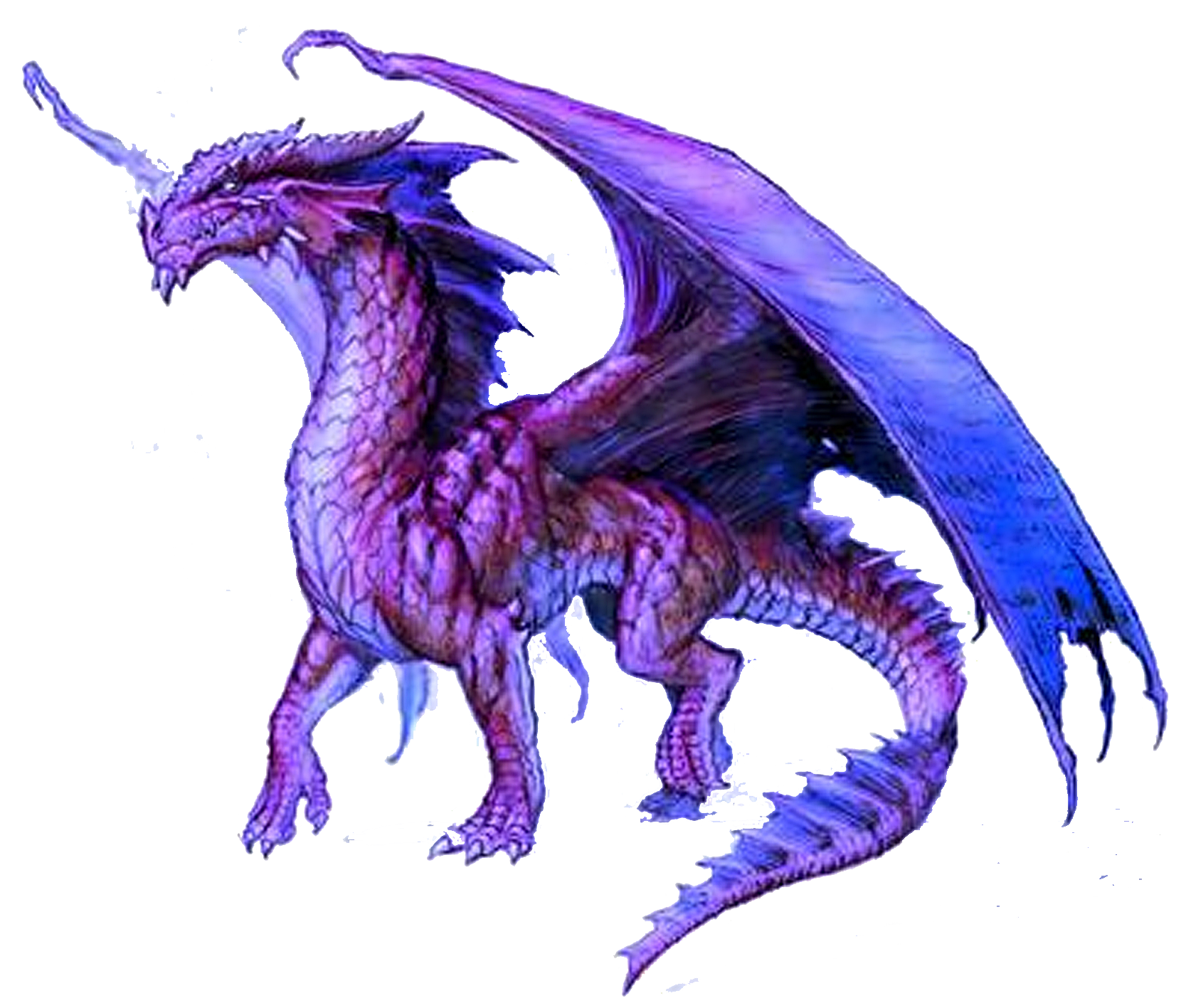
Tactical Exploitation in Fantasy Combat
Dragon typology in fantasy role-playing games transcends static vulnerability charts, evolving into a dynamic strategic framework where environmental adaptation and synergistic teamwork dictate combat outcomes. Players and dungeon masters leverage elemental weaknesses not merely as passive counters but as active tools for terrain manipulation, resource denial, and multi-phase assaults. Effective exploitation requires understanding how dragon physiology interacts with modified battlefields—whether through controlled flooding to neutralize earth dragons or exploiting ice dragons’ vulnerability to steam by pairing them with fire-based allies. Below are structured methodologies for integrating these tactics into gameplay, emphasizing adaptability and predictive counterplay.
Terrain Manipulation as a Weakness Exploiter
Environmental alterations can transform a dragon’s inherent strengths into liabilities by exploiting their elemental affinities. The key lies in creating conditions where the dragon’s natural resistance is bypassed or amplified through external forces. For example, an earth dragon’s burrowing advantage becomes irrelevant in a flooded arena, where its stonehide is saturated with water, reducing its natural armor rating by 30–50% (depending on system rules). Similarly, fire dragons in a snowstorm lose their breath weapon’s effectiveness, as flame-based attacks are extinguished mid-flight, while their scales become brittle from thermal shock.
-
Hydrological Exploitation
Earth dragons rely on dense mineral composition for defense. Submerging them in water disrupts their geokinesis, forcing them into a defensive posture where they must expend energy to maintain buoyancy. In systems like Dungeons & Dragons 5e, this can be simulated by imposing disadvantage on burrow-related checks (e.g., Earth Tremor spells) and reducing their natural armor class by 2 while submerged.
Example Scenario: A party floods a cavern using a Wall of Water spell (or alchemical means). The earth dragon’s Stone Sickness resistance is negated, and its Earth Glide ability fails unless it surfaces, exposing it to ranged attacks.
-
Thermal Disruption
Fire dragons thrive in high-temperature environments, but their scales are vulnerable to rapid cooling. Ice-based terrain modifications—such as creating a glacier-like surface with Ice Knife spells or alchemical frostbite mixtures—can induce thermal stress, reducing their breath weapon’s range by 50% and increasing their movement penalty by 10 feet. In Pathfinder, this could manifest as a temporary Cold Vulnerability debuff.
-
Aerodynamic Control
Wind dragons excel in open skies, but their flight is hindered by dense fog or magnetic storms. Deploying Misty Step clones or Gaseous Form illusions to disorient them, combined with Gust of Wind spells to push them into obstacles, forces them into grounded combat where their aerial superiority is nullified.
Team Synergies and Elemental Counterplay
Dragons’ weaknesses are often most effectively exploited through coordinated party strategies that create cascading vulnerabilities. For instance, an ice dragon’s resistance to cold attacks can be bypassed if paired with a fire mage who generates steam barriers, forcing the dragon to expend energy resisting the combined heat and pressure. Below are proven synergies categorized by dragon type, along with mechanical implementations for common tabletop systems.
| Dragon Type |
Exploitable Weakness |
Synergistic Counter |
System-Specific Application |
|---|
| Fire Dragon |
Vulnerability to cold and water |
Ice mages + water casters |
- D&D 5e: Use Ice Knife to shatter a fire dragon’s breath weapon mid-cast, then follow with Shape Water to create a steam barrier (imposing disadvantage on its next breath attack).
- Pathfinder: Apply the Cold Vulnerability feat in combination with Frostbite (alchemical) to reduce its HP by 2d6 per turn.
|
| Earth Dragon |
Weakness to thunder and lightning |
Stormcallers + sonic disruptors |
- D&D 5e: A Thunderwave spell (DC 15 CON save) stuns the dragon for 1 round, during which a rogue can use Sneak Attack to exploit its exposed underbelly.
- Warhammer Fantasy RPG: Lightning-based spells like Storm Bolt bypass its Earth Armor trait if cast in rapid succession (3+ spells per round).
|
| Ice Dragon |
Vulnerability to fire and steam |
Fire mages + alchemists |
- D&D 5e: Brew Alchemist’s Fire (flaming variant) and hurl it at the dragon’s wings to induce Falling damage (1d6 per 10 feet).
- Shadowrun 6e: Use a Heat Sink cyberware hack to overcharge the dragon’s cold-based abilities, causing a backlash that deals 3d6 fire damage.
|
Decision-Tree for In-Game Scenario Exploitation
Below is a branching decision tree for players to assess dragon type, environmental conditions, and available party resources before committing to a tactical approach. Each path accounts for dragon behavior, player choices, and adaptive counterplay.
Scenario: A party encounters a fire dragon in a volcanic cavern with no immediate water sources but abundant loose rock and sulfur vents.
-
Assess Dragon Phase:
-
Breath Weapon Active:
- Deploy ice-based countermeasures (e.g., Ice Knife or Frostbite alchemy) to disrupt its flame projection.
- If no ice mage exists, use terrain (e.g., collapse sulfur vents to create smoke screens, reducing visibility by 20 feet).
-
Grounded/Stationary:
- Target its underbelly with thunder damage (e.g., Chain Lightning in D&D 5e or Storm of Vengeance in Pathfinder).
- If a rogue or ranger is present, use hit-and-run tactics to exploit its blindsight vulnerability (dragons often have limited rearward perception).
-
Environmental Adaptation:
-
No Water Available:
- Use rockslide tactics (e.g., Earth Tremor to destabilize the cavern, forcing the dragon to expend energy stabilizing the terrain).
- If a cleric or druid is present, summon elemental swarms (e.g., Conjure Elemental for a steam mephit to harass it).
-
Water Introduced Later:
- Prioritize fire suppression (e.g., Create or Destroy Water to douse sulfur vents, reducing its breath weapon’s temperature by 20%).
- Prepare for steam-based counterplay by having a mage ready with Steam Spout or Wall of Steam spells.
-
Dragon Adaptation:
Behavioral Cues and Environmental Avoidance
Dragons often exhibit predictable behavioral patterns when threatened by their weaknesses, serving as both narrative foreshadowing and tactical indicators for antagonists. These cues are rooted in evolutionary or magical logic, ensuring consistency with the dragon’s typology.
-
Sensory and Chemical Triggers
Weaknesses often elicit instinctive reactions to stimuli, such as:
Poison dragons (weak to acid) react to:
- Sour or vinegary scents (e.g., fermented fruit, alchemical solvents) with immediate throat contractions and tail-lashing.
- Metallic tastes in water sources, causing them to regurgitate or avoid contaminated lakes.
- High-pitched frequencies (>8 kHz), which induce nausea and disorientation (a byproduct of venom gland sensitivity).
Prolonged exposure to acidic environments (e.g., volcanic springs) causes dragons to seek alkaline countermeasures, such as ingesting limestone or ash.
-
Social and Pack Dynamics
Weaknesses influence group behavior, particularly in draconic societies:
Earth dragons (vulnerable to wind) exhibit:
- Nesting in cave systems with minimal airflow, using their bodies to seal entrances during storms.
- Dominance hierarchies where alpha females regulate wind exposure for hatchlings, positioning them in sheltered crevices.
- Aggressive territoriality near open plains or coastal cliffs, where wind speeds exceed 20 mph.
Weakness exploitation in combat often targets isolated dragons or those guarding vulnerable young, leveraging their protective instincts.
Artistic and Narrative Applications of Weakness Manifestations
The visual and behavioral cues of dragon weaknesses serve dual purposes: they enhance worldbuilding credibility and provide artists with concrete reference points for consistency. Below are key considerations for translating these traits into media.
-
Lighting and Atmospheric Effects
Weaknesses often interact with lighting to create dramatic visuals:
- Fire dragons in water exhibit inverse refraction, with flames appearing to sink rather than rise, accompanied by a deep, subsonic growl.
- Ice dragons near heat sources develop a halo effect, with light refracting through crystalline formations on their scales, casting prismatic shadows.
- Storm dragons in lightning storms emit a corona discharge around their bodies, visible as a faint blue haze in low-light conditions.
-
Motion and Animation Principles
Physical tells should adhere to natural motion laws for plausibility:
- Scale degradation (e.g., fire dragons in water) should follow peeling or delamination patterns, not instantaneous erosion.
- Wing paralysis (e.g., storm dragons overloaded) should cause asymmetrical flapping, with one wing lagging due to muscle fatigue.
- Bioluminescent shifts (e.g., ice dragons) should pulse in sync with the dragon’s heartbeat, not flicker erratically.
Avoid "cartoonish" exaggerations (e.g., scales cracking like glass) unless the setting permits stylization (e.g., fairy-tale aesthetics).
-
Symbolic and Thematic Reinforcement
Weakness manifestations should align with the dragon’s role in the narrative:
- A guardian dragon’s weakness might manifest as sacrificial traits (e.g., ice dragons absorbing heat to protect their hoard, causing temporary blindness).
- A predatory dragon’s weakness could exploit instinctual behaviors (e.g., fire dragons freezing mid-flight when exposed to water, creating openings for ambushes).
- A cursed dragon’s weakness might be self-inflicted (e.g., shadow dragons repelling light, causing their own form to flicker and distort).
The vulnerabilities of dragon types transcend mere combat mechanics; they reflect the deeper themes of balance, adaptation, and the fragility of power in fantasy ecosystems. Whether through the strategic flooding of an arena to exploit an earth dragon’s porous hide or the deployment of a "Soulfire" enchantment to disrupt a fire dragon’s magical core, these weaknesses serve as narrative tools and gameplay pivots. Cultural lore further enriches their complexity, turning symbolic fears—like a dragon’s dread of mirrors—into legendary exploits that resonate across generations. As players and creators continue to explore these dynamics, the study of dragon typology remains a cornerstone of immersive worldcrafting, blending scientific rigor with mythic storytelling. Ultimately, what are dragon types weak to is not just a question of damage resistance but a gateway to understanding the intricate web of forces that govern their existence.
FAQ
In Palworld, which types are dragon-type creatures weak to?
In Palworld, dragon-type creatures are weak to ice and dragon types. They have no resistances to these types, making them vulnerable to attacks from them.
What types are dragon-types weak to in general?
In most games, dragon-types are weak to ice and dragon types. They are resistant to fire, water, electric, and grass but take double damage from ice and other dragons.
What types are dragon-type Pokémon weak to?
In Pokémon, dragon-types are weak to ice and dragon types. Fairy-type moves also deal double damage to dragon-types starting in Generation 6.
What types are dragon-types weak to in Pokémon FireRed?
In Pokémon FireRed, dragon-types (like Dragonite) are only weak to ice—there is no dragon-type in that game. They resist fire, water, electric, and grass.
What types are dragon-types weak to in Pokémon GO?
In Pokémon GO, dragon-types are weak to ice and dragon moves. They are also weak to fairy moves, which were added later.
What types are dragon-types weak to in Pokémon Sword?
In Pokémon Sword, dragon-types are weak to ice and dragon types. Fairy-type moves also deal double damage to them, as in other modern Pokémon games.
|
|

Leave a Comment
Comments are moderated before appearing. The data you submit is processed according to the Privacy Policy of Voltefac.