| Red |
- Assigned to Pentecost (Holy Spirit) and martyrs’ feasts; post-Tridentine reforms (16th century) standardized its use.
- Protestant churches often limit red to Reformation Day or Advent (e.g., Lutheran Christmette).
- Example: Rubens’ Descent from the Cross (1614) uses red for apostles’ garments to denote
humanity’s role in redemption .
|
- Central to Paschal Cycle: used for Holy Thursday (Last Supper), Ascension, and Pentecost, symbolizing
the blood of Christ and the Holy Spirit .
- Red vestments for priests during Divine Liturgy of Pascha reflect the Anaphora’s emphasis on Christ’s resurrection.
- Example: Icon
Cultural Variations in Easter Color Palettes Worldwide
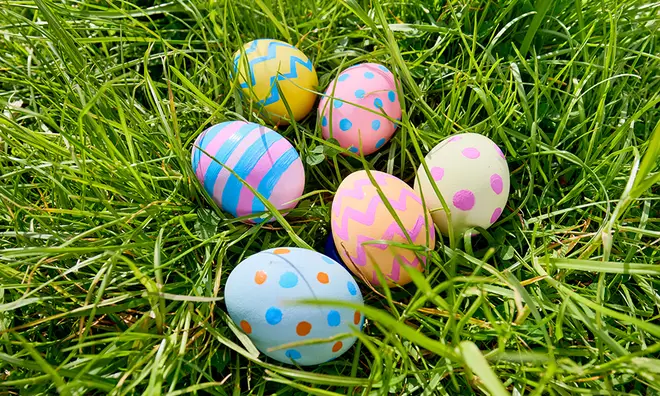
Easter’s visual symbolism extends far beyond the Western liturgical traditions of white, gold, and pastel hues, reflecting diverse cultural narratives shaped by geography, history, and religious syncretism. While Christian Easter colors often emphasize purity and resurrection, non-Western celebrations incorporate local materials, indigenous beliefs, and colonial influences, resulting in vibrant or subdued palettes that carry distinct meanings. These variations highlight how Easter transcends religious boundaries, adapting to regional aesthetics, seasonal constraints, and even political contexts—such as the use of red in Orthodox traditions to symbolize Christ’s sacrifice or the black-and-purple mourning tones of Mexico’s Semana Santa. Below, an exploration of global Easter color traditions reveals how color functions as a cultural bridge between faith, folklore, and identity.
Regional Easter Color Traditions and Their Symbolic Meanings
The palette of Easter varies significantly across cultures, often tied to historical trade routes, local flora, and ritualistic practices. In Mexico, Semana Santa (Holy Week) employs black and purple to convey penance and mourning, reflecting Spanish colonial influences on Catholic observances. Meanwhile, Greece uses red eggs—dyed with cochineal or pomegranate—to represent Christ’s blood and the cycle of life, a tradition linked to Byzantine iconography. The Philippines, under Spanish and American influences, blends pastel hues (pink, blue, yellow) with indigenous fiesta aesthetics, often incorporating gold leaf in religious processions to signify divinity. In Ethiopia, where Easter (Fasika) coincides with the spring equinox, bright yellows and oranges dominate, symbolizing harvest and rebirth, while Armenia employs deep reds and blues in Easter breads (lavash) to honor ancestral dyeing techniques.In Sweden, Easter (Påsk) colors are subtly tied to spring renewal, with white tablecloths and yellow butter decorations on smörgåsbord tables reflecting Viking-era fertility symbols. Germany contrasts this with Osterfeuer (Easter bonfires), where flames burn blue, green, and red—colors historically linked to pagan fire festivals celebrating the return of sunlight. Ukraine incorporates pysanky (decorated eggs) in geometric blue and green patterns, derived from Slavic solar worship, while Japan’s modern Shōbu no Sekku (Peony Festival) uses pink and white to honor the flower’s association with imperial power and spring.
Five Lesser-Known Easter Traditions Where Colors Hold Unique Meanings
Beyond mainstream celebrations, specific Easter customs worldwide use color to encode deeper cultural or spiritual messages, often rooted in pre-Christian or folk traditions.
-
Sweden’s Påsksmörgåsbord Table Settings
The Swedish Easter feast features white damask tablecloths and yellow butter sculptures shaped like flowers or animals, a tradition tracing back to Viking-era fertility rites. Yellow symbolizes the sun’s rebirth, while white represents purity—a fusion of Norse and Christian influences. Rural regions also use red-dyed eggs (from beets) to ward off evil spirits, a practice linked to pre-Christian spring cleansing rituals.
-
Germany’s Osterfeuer and Flame Colors
Easter bonfires (Osterfeuer) in Bavaria and Saxony incorporate blue, green, and red flames, each color corresponding to specific wishes: blue for health, green for prosperity, and red for love. The practice stems from Germanic fire festivals honoring the god Ostara, later Christianized. In modern times, artificial dyes are sometimes used to enhance flame visibility, though traditionalists insist on natural materials like sulfur (yellow) or copper salts (blue).
-
Armenia’s Khorovats and Red Dye Rituals
During Easter, Armenians dye red wool threads (khorovats) and weave them into crosses or bracelets, symbolizing Christ’s sacrifice. The dye, historically derived from madder root, is also used in lavash bread to create intricate red-and-blue patterns. This tradition, tied to the Armenian Apostolic Church, blends Zoroastrian fire-worship elements with Christian iconography.
-
Morocco’s Fête de l’Annonciation and Blue Henna
In Berber communities, Easter (Fête de l’Annonciation) incorporates indigo-dyed blue henna on hands and doors, believed to protect against the evil eye. The color blue, derived from woad or indigo plants, also appears in egg decorations and silk embroidery, reflecting Islamic and pre-Islamic influences. Unlike Christian Easter, this celebration emphasizes fertility and protection rather than resurrection.
-
New Zealand’s Māori Rāhui and Green Symbolism
Māori communities observe Easter (Rāhui) with green and black motifs, derived from the color of new growth (kōwhai flowers) and the earth (pōhutukawa berries). Green symbolizes renewal, while black represents the soil’s life-giving properties. In Hawaii, Easter coincides with Lā Kūʻokoʻa (National Sovereignty Day), where red, white, and blue (from ʻiliahi wood dye) are used in lei to honor Hawaiian independence movements.
The Impact of Commercialization on Traditional Easter Colors
"The homogenization of Easter aesthetics under global capitalism has diluted regional color traditions, replacing handcrafted natural dyes with mass-produced pastels and synthetic pigments. While commercial Easter—epitomized by the U.S.’s pastel egg industry—prioritizes consumer appeal, rural and Orthodox communities continue to resist this shift by preserving pre-industrial dyeing techniques."
The rise of industrialized Easter celebrations in the 20th century has altered traditional color palettes, particularly in Western societies. In the United States, pastel eggs (pink, mint, lavender) dominate due to their association with spring and childhood innocence, a trend reinforced by candy and greeting card industries. This contrasts sharply with rural Europe, where natural dyes—such as woad (blue), madder (red), or turmeric (yellow)—remain central to Easter crafts. For example:
- Poland’s pisanki (decorated eggs) still use onion skins (red), beet juice (pink), and sawdust (green), reflecting medieval dyeing methods.
- Russia’s krasnye yaytsa (red eggs) are dyed with cochineal insects or marigold petals, a practice dating to the 17th century.
- Mexico’s Semana Santa processions retain black and purple fabrics, dyed with indigo and cochineal, despite synthetic alternatives.
Commercialization has also erased seasonal limitations: in pre-industrial Europe, Easter colors were dictated by spring blooms (e.g., crocus for yellow, elderberry for purple), whereas modern synthetic dyes allow year-round production. However, Orthodox Christian communities—such as those in Greece and Romania—continue to use natural dyes in egg decorating, ensuring continuity with Byzantine-era traditions.
Historical Influence of Natural Dyes on 18th-Century European Easter Colors
Prior to synthetic pigments, Easter colors in Europe were constrained by botanical and mineral availability, leading to regional specializations in dye production. The 18th century saw a peak in natural dye trade, with colors carrying economic and symbolic weight:
-
Red: Cochineal and Madder
The most prized red dye, cochineal (derived from crushed Dactylopius coccus insects), was imported from Mexico and Peru via Spanish trade routes, making it a luxury item in Catholic Europe. Used in Easter vestments and egg decorations, it symbolized Christ’s blood. Madder root (a cheaper alternative) produced orange-red hues, common in German and Dutch Easter fabrics.
-
Blue: Woad and Indigo
Woad (Isatis tinctoria), cultivated in France and Flanders, yielded deep blues for Easter lilies and egg dyes, while indigo (imported from Asia) created vibrant blues in Italian and Spanish religious textiles. In Scandinavia, blueberries provided a lighter blue for folk Easter costumes.
-
Yellow: S
Psychological and Symbolic Impact of Easter Colors
The interplay between Easter’s color symbolism and human psychology reveals a profound connection between visual stimuli, emotional resonance, and cultural narratives. Colors are not merely decorative in liturgical traditions; they act as psychological triggers, reinforcing theological themes while adapting to contemporary interpretations. Research in color psychology demonstrates that hues influence mood, memory, and even physiological responses, making Easter’s palette a deliberate tool for spiritual and communal expression. This section examines how white, black, pastels, red, and other tones function as symbolic and emotional catalysts, bridging historical doctrine with modern affective experiences.
White: Purity, Rebirth, and the Contrast with Mourning
White in Easter symbolizes purity, resurrection, and divine light, directly contrasting its association with mourning in select cultures, such as Spain’s Lunes Santo (Holy Monday). Psychologically, white evokes clarity, innocence, and renewal, aligning with Christian theology’s emphasis on Christ’s triumph over death. Studies in environmental psychology, such as those by Elliot and Maier (2012), indicate that white spaces promote perceptions of cleanliness and hope, reinforcing Easter’s narrative of spiritual rebirth.In contrast, black—used in some Catholic traditions for Good Friday—serves as a visual marker of penance and sacrifice, despite its cultural ambiguity. For instance, in Spanish Semana Santa processions, black robes worn by penitents reflect collective grief while simultaneously signaling discipline and solemnity. This duality underscores how color perception is context-dependent: white’s luminosity in Easter contrasts sharply with its absence in mourning rituals, where darker tones dominate.
"Color is a power which directly influences the soul." — Wassily Kandinsky, Concerning the Spiritual in Art (1911)
Pastel Colors: Joy, Nostalgia, and Spring Renewal
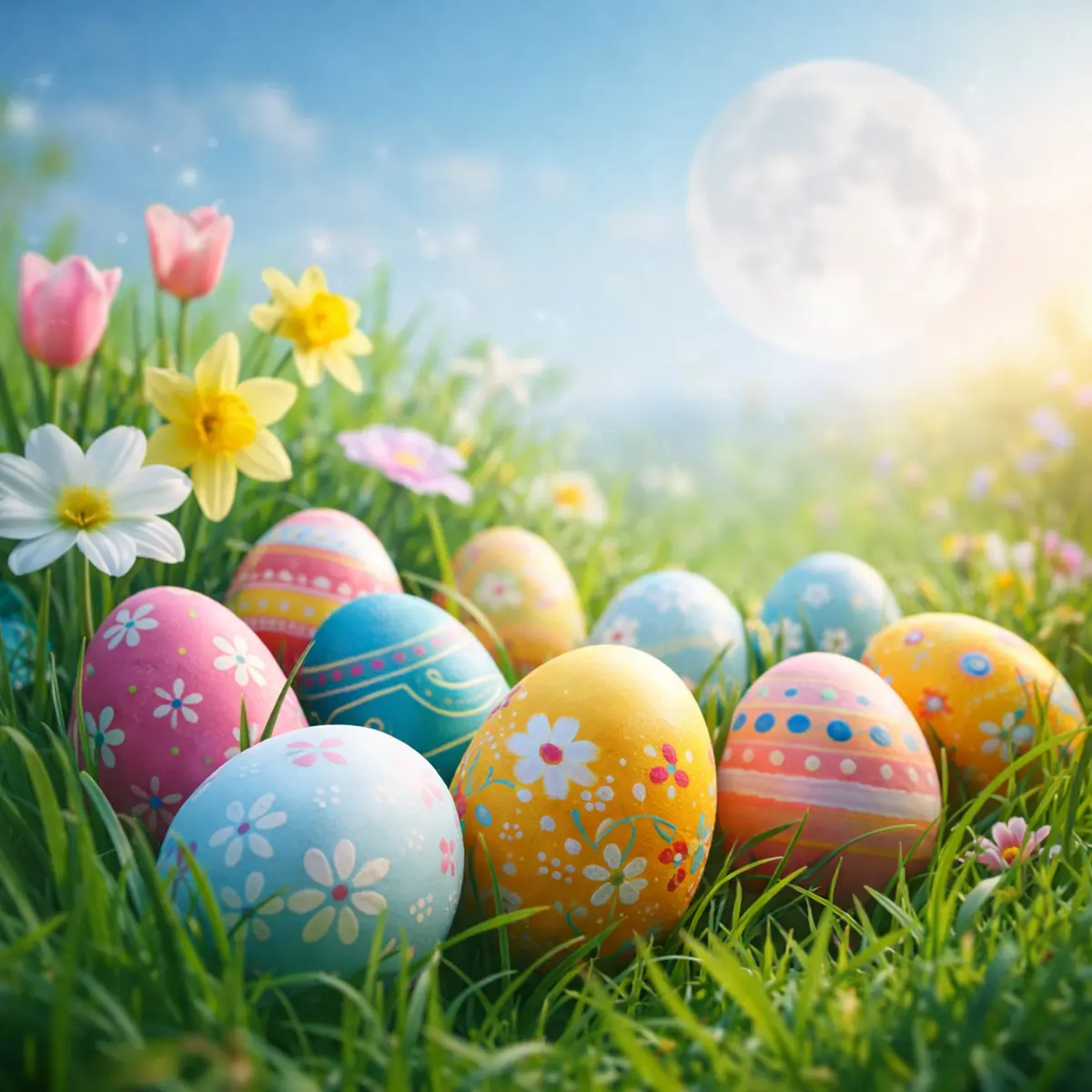
Modern Easter celebrations frequently employ pastel shades (pink, yellow, lavender) to evoke warmth, playfulness, and nostalgia, particularly in Western secular traditions. Color psychology research, such as Goetsch’s (1996) study on color affect, reveals that pastels trigger subtle, positive emotions—pink, for example, is linked to tenderness and optimism, while yellow resonates with energy and renewal, mirroring spring’s arrival.The use of pastels in Easter eggs and decorations taps into childhood memories and seasonal joy, creating a universal association with celebration. For instance, Pantone’s annual color reports highlight how pastels dominate spring palettes, reinforcing Easter’s role as a transitional festival between winter’s austerity and summer’s vibrancy. This shift from liturgical solemnity to consumerist cheer reflects how cultural adaptation reinterprets symbolic hues for contemporary audiences.
Red: Sacrifice, Vitality, and Cross-Cultural Symbolism
Red occupies a dual role in Easter: as a symbol of Christ’s sacrifice (via blood and martyrdom) and as a vital, celebratory hue in secular contexts. In Christian liturgy, red candles and vestments on Palm Sunday and Pentecost signify passion and divine energy, while red eggs in Orthodox traditions represent life and resurrection. Psychologically, red is linked to high arousal and intensity (Elliot & Maier, 2014), aligning with Easter’s themes of transformation and urgency.Outside religious frameworks, red appears in spring festivals (e.g., pagan Eostre celebrations) as a symbol of fertility and rebirth, detached from theological connotations. This bifurcation illustrates how color symbolism evolves: red’s association with sacrifice in Christianity contrasts with its vitality in secular spring observances, demonstrating the plasticity of visual meaning across cultures.
Easter Color Palette: Emotional and Cultural Manipulation
The following table synthesizes how Easter colors manipulate mood and cultural narratives, integrating psychological triggers with liturgical and folk traditions.
| Color |
Emotional Trigger |
Cultural Context |
Example |
|---|
| White |
Purity, hope, austerity (when paired with black) |
Christian liturgy (Easter Vigil), Spanish Semana Santa (contrasted with black) |
Alb (priestly vestment), white lilies in churches |
| Black |
Mourning, penance, solemnity |
Catholic Good Friday observances, Spanish processions |
Penitents’ robes, black paraments in churches |
| Pastel Pink/Yellow |
Joy, nostalgia, renewal |
Modern Western Easter eggs, spring fashion trends |
Pastel-dyed eggs, floral decorations |
| Red |
Sacrifice, vitality, urgency |
Christian Passion narratives, pagan spring festivals |
Red candles (Palm Sunday), red-dyed eggs (Orthodox tradition) |
| Gold |
Celebration, divinity, opulence |
Byzantine Easter icons, royal Easter festivities |
Gold-leafed crosses, regal Easter attire |
| Gray |
Solemnity, reflection |
Good Friday services in Protestant traditions |
Gray vestments, minimalist church decor |
This table underscores how color selection is a calculated act, balancing theological precision with emotional accessibility. The contrast between gold’s festive radiance and gray’s introspective tone exemplifies Easter’s dynamic range, where hues serve as visual metaphors for the festival’s spiritual and seasonal transitions.
Artistic and Craft Representations of Easter Colors
Easter colors transcend their liturgical and symbolic roles to become a defining element in artistic expression, craft traditions, and modern media. From the luminous gold leaf of Renaissance altarpieces to the vibrant pastels of contemporary animation, these hues carry historical techniques, cultural adaptations, and psychological resonance. This section explores their manifestation in high art, traditional crafts, and digital media, examining how color selection evolves from religious devotion to playful whimsy while retaining underlying symbolic depth.
Easter Colors in Renaissance Religious Art: Techniques and Symbolism
Renaissance painters employed Easter colors with meticulous precision, blending technical mastery with theological symbolism. Gold, ultramarine blue, and vermilion dominated Easter-themed works, each requiring labor-intensive processes that reflected their sacred significance.Gold Leaf Application in Sacred Imagery
Gold leaf, a staple in Easter iconography, symbolized divine light and resurrection. Artists like Titian and Botticelli applied it using a gesso ground (a mixture of glue and chalk) to create a smooth, adhesive surface. The leaf was cut into thin sheets (0.1–0.2 micrometers thick) and burnished with a horn or agate tool to achieve a reflective, almost liquid sheen. In works such as Botticelli’s "The Resurrection" (c. 1490–1500), gold halos and drapery emphasized the celestial nature of Christ’s rebirth. The chemical composition of gold leaf relied on 24-karat gold hammered into malleable sheets, often layered over bole (iron oxide-rich clay) for adhesion. Titian’s later works, like The Assumption of the Virgin (1516–1518), used gold leaf in combination with glazes to create depth, where light appeared to emanate from the figures. Ultramarine Blue: The "Blue of Heaven" in Easter Scenes
Derived from lapis lazuli mined in Afghanistan, ultramarine blue was the most expensive pigment of the Renaissance, reserved for Virgin Mary’s robes and heavenly backdrops. Its chemical formula (Na₈–₁₀Al₆Si₆O₂₄S₂–₄) made extraction arduous: miners crushed lapis lazuli into powder, which was then purified through levigation (settling in water) and bleaching with chalk. Botticelli’s The Birth of Venus (1485–1486) used ultramarine to convey the ethereal, otherworldly quality of Venus’s arrival, while Titian’s Pietà (1576) employed it to contrast the sorrow of Mary’s grief with the promise of resurrection. The pigment’s opacity and luminosity made it ideal for depicting celestial realms, reinforcing Easter’s themes of transcendence. Vermilion and Madder Red: Blood and Sacrifice
Vermilion (mercury sulfide, HgS) and madder red (derived from Rubia tinctorum roots) conveyed passion and sacrifice. Vermilion, toxic but vibrant, was used sparingly in Titian’s The Entombment (1520–1522) to highlight Christ’s wounds, while madder red appeared in Botticelli’s Mystic Nativity (1500–1501) to symbolize martyrdom. The alchemical process for vermilion involved heating mercury with sulfur, while madder required fermentation and boiling of plant roots to extract the dye. Table: Comparative Analysis of Renaissance Easter Pigments | Pigment | Source | Symbolism | Technical Challenge | Example Works |
|---|
| Gold Leaf | 24-karat gold | Divine light, resurrection | Delicate burnishing, oxidation risk | Botticelli’s Resurrection, Titian’s Assumption |
| Ultramarine Blue | Lapis lazuli | Heaven, purity | Expensive extraction, fading over time | Botticelli’s Birth of Venus, Titian’s Pietà |
| Vermilion | Mercury + sulfur | Blood, sacrifice | Toxicity, instability under light | Titian’s Entombment |
| Madder Red | Rubia tinctorum | Passion, martyrdom | Labor-intensive dye extraction | Botticelli’s Mystic Nativity |
Natural Easter Egg Dyes: Historical Methods and Chemical Reactions
Traditional Easter egg dyeing relied on botanical and mineral sources, each yielding distinct hues tied to seasonal availability. Modern recreations preserve these methods while incorporating scientific explanations for color development.Botanical Dyes and Their Chemical Bases
The anthocyanin pigments in plants determine dye colors through pH-dependent reactions. Acidic baths (vinegar) enhance red/pink tones, while alkaline baths (baking soda) shift hues toward blue/green. Below are step-by-step protocols for recreating historical dyes: 1. Onion Skins for Golden Yellow
- Source: Outer layers of yellow onions (Allium cepa).
- Chemical Basis: Quercetin and other flavonoids react with aluminum ions (from alum) to form yellow complexes.
- Process:
- Simmer 1 cup onion skins in 4 cups water with 2 tbsp white vinegar for 30–45 minutes.
- Strain, cool, and soak hard-boiled eggs for 1–2 hours.
- Result: Pale yellow to golden hue, intensifying with longer soaking.
2. Beetroot for Deep Pink
- Source: Fresh beetroot (Beta vulgaris).
- Chemical Basis: Betalains (betanin) are pH-sensitive; acidic conditions stabilize pink, while alkaline turns purple.
- Process:
- Boil 2 cups grated beetroot in 4 cups water with 1 tbsp vinegar for 45 minutes.
- Strain, add 1 tbsp alum (potassium aluminum sulfate) to set the dye.
- Result: Vibrant pink; eggs may darken further upon drying.
3. Red Cabbage for Blue/Purple
- Source: Red cabbage (Brassica oleracea).
- Chemical Basis: Anthocyanins shift between red (acidic), purple (neutral), and blue (alkaline).
- Process:
- Simmer 1 head chopped red cabbage in 4 cups water for 30 minutes.
- For blue eggs, add 1 tbsp baking soda before soaking.
- For purple, use neutral water.
- Result: Blue hues darken when dried; purple remains consistent.
4. Turmeric for Golden Orange
- Source: Turmeric root (Curcuma longa).
- Chemical Basis: Curcumin, a polyphenolic compound, binds to egg proteins for a fast-fading yellow-orange.
- Process:
- Steep 2 tbsp ground turmeric in 4 cups boiling water for 20 minutes.
- Strain and add 1 tbsp vinegar to stabilize color.
- Result: Bright orange-yellow; may darken to brown when exposed to light.
Table: pH Effects on Natural Dyes | Dye Source | Acidic (Vinegar) | Neutral (Water) | Alkaline (Baking Soda) |
|---|
| Onion Skins | Pale yellow | Light yellow | Greenish-yellow |
| Beetroot | Deep pink | Mauve | Purple-brown |
| Red Cabbage | Red | Purple | Blue |
| Turmeric | Orange | Yellow | Olive-green |
Preservation Techniques
To prolong dye longevity:
- Seal eggs with a mixture of vinegar and water (1:1) before drying.
- Store in a cool, dark place to prevent oxidation.
- Avoid metallic spoons during dyeing (can cause uneven color).
Contemporary media reinterprets Easter colors through stylistic trends, technological limitations, and audience targeting, often blending tradition with commercial appeal.Animated Films: Pastels and Whimsy
Films like Hop (2011) and Peter Rabbit (2018) employ soft pastel palettes to evoke springtime innocence. Hop’s use of mint green, lavender, and blush pink aligns with Disney’s "cute character" design language, where:
- Mint green symbolizes renewal (grass, foliage).
- L
Easter colors are far more than aesthetic choices; they are dynamic vessels of meaning, reflecting humanity’s enduring quest to express spirituality, cultural heritage, and emotional resonance. From the Renaissance’s gold-leaf resplendence to the pastel whimsy of modern animations, each shade carries layers of symbolism—whether evoking rebirth, sacrifice, or communal joy. The contrast between historical rigor, such as cochineal-dyed textiles in 18th-century Europe, and today’s algorithm-driven pastel gradients in digital media underscores how tradition adapts without losing its essence. Ultimately, the study of Easter colors reveals a tapestry where art, psychology, and faith intertwine, offering a lens through which to observe both the past’s legacy and the future’s creative evolution.
FAQ
What are the best Easter colors to use for kids’ crafts and decorations?
The most popular Easter colors for kids are pastel shades like pink, blue, yellow, green, and purple, along with bright whites and soft lavenders. These colors are often used for egg decorating, bunnies, and spring-themed projects. Avoid overly dark or neon tones, as they can be less appealing for traditional Easter themes.
What are the most common Easter colors?
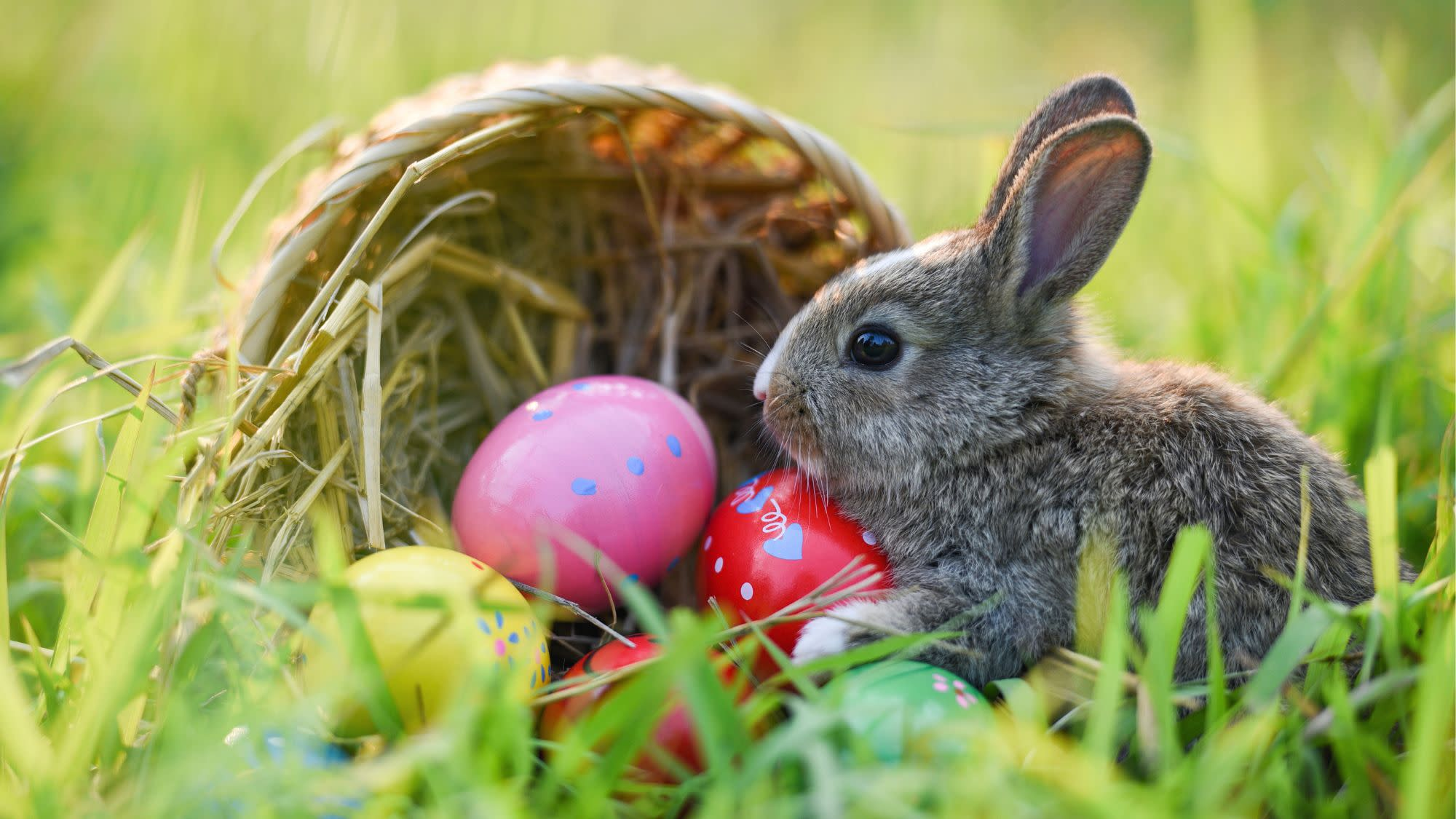
The most common Easter colors are pastel pink, blue, yellow, green, white, and lavender, reflecting spring and renewal. Bright white and soft peach are also widely used for eggs and decorations. These colors symbolize growth, joy, and the arrival of spring.
What are the main Easter colors?
The main Easter colors are pastel pink, blue, yellow, and green, often paired with white. These shades represent spring flowers, eggs, and new life. Some traditions also include gold or metallic accents for a festive touch.
What are the traditional Easter colors?
The traditional Easter colors are pastel pink, blue, yellow, and green, tied to spring and rebirth. White is also central, symbolizing purity, while red (for blood of Christ) appears in some Christian traditions. Gold or silver accents are sometimes used for luxury or religious themes.
What is the best color for Easter decorations?
The best color for Easter decorations is pastel pink or blue, as they’re universally appealing and fit spring themes. For contrast, pair with white or soft yellow. Avoid dark or overly bold colors unless going for a modern twist.
What will the Easter colors be for 2026?
Easter colors don’t change yearly like holiday themes—traditional shades (pastel pink, blue, yellow, green, white) remain standard. Trends may shift slightly (e.g., muted tones or metallics), but no official "2026 palette" exists. Check seasonal decor trends closer to the date for updates.
|
Leave a Comment
Comments are moderated before appearing. The data you submit is processed according to the Privacy Policy of Voltefac.