What Is Edamame Botanical Nutritional Culinary Significance
Table of Contents
- Botanical Classification and Agricultural Traits of Edamame ( Glycine max )
- Botanical Classification and Relation to Soybeans
- Comparison with Other Soybean Varieties
- Developmental Stages of Edamame Pods from Flowering to Harvest
- Ideal Growing Conditions for Edamame Cultivation
- Nutritional Profile and Health Benefits of Edamame ( Glycine max )
- Macronutrient and Micronutrient Composition
- Health Benefits Supported by Scientific Evidence
- Comparative Nutritional Advantages Over Other Plant-Based Proteins
- Target Populations and Dietary Guidelines
- Culinary Uses and Preparation Methods of Edamame ( Glycine max )
- Traditional and Modern Culinary Applications
- Step-by-Step Preparation Methods
- Incorporating Edamame into Vegetarian and Vegan Recipes
- Five Creative Edamame-Based Recipes
- Cultural Significance and Global Consumption of Edamame ( Glycine max )
- Historical Origins and Evolution in East Asia
- Regional Variations in Preparation and Presentation
- Edamame in Western Diets: Market Trends and Drivers
- Cultural Symbolism of Edamame Across Regions
- Sustainability and Environmental Impact of Edamame ( Glycine max ) Cultivation
- Environmental Benefits of Edamame Cultivation
- Carbon Footprint Comparison with Conventional Protein Sources
- Regenerative Agriculture and Edamame Cultivation
- Sustainable Farming Practices for Edamame Production
- Key Sustainability Reports and Studies on Edamame
- FAQ
- What is an edamame bean?
- What does edamame mean?
- Is edamame considered a vegetable?
- What is an edamame salad?
- Is edamame a nut?
- What is an edamame pod?
Edamame, the young soybean harvested in its unripe pod stage, represents a convergence of agricultural innovation and nutritional excellence. As a staple in East Asian cuisine for centuries, its cultivation—rooted in the scientific classification Glycine max—has evolved into a global phenomenon, prized for its versatility and health-promoting properties. Beyond its role as a protein-rich superfood, edamame embodies sustainable farming practices and cultural traditions, from Japanese festival delicacies to modern plant-based diets. This exploration examines its botanical origins, nutritional advantages, culinary adaptability, and environmental impact, revealing why edamame has become a cornerstone of contemporary gastronomy and wellness.
The distinction between edamame and mature soybeans lies in both biology and application: while the latter develops into dried seeds, edamame is harvested at 30–50% maturity, offering a tender, nutrient-dense alternative. Its cultivation demands precise environmental conditions—warm climates, well-drained soils, and high humidity—to optimize pod development, a process intricately linked to its unique flavor profile and nutritional density. As a protein source, edamame surpasses many plant-based competitors, delivering a balanced amino acid spectrum while contributing to heart health, blood sugar regulation, and muscle maintenance through its rich micronutrient composition.
/1-mixa-edamame-56a9bf613df78cf772aa2ced.jpg)
Botanical Classification and Agricultural Traits of Edamame (Glycine max)
Edamame, scientifically classified as Glycine max (L.) Merr., represents a specific variety of soybean cultivated primarily for its immature pods rather than mature seeds. As a legume, it belongs to the Fabaceae family and shares genetic ancestry with other soybean cultivars, though it is distinguished by its unique agronomic and culinary characteristics. Unlike traditional soybeans, which are harvested at full maturity for oil and protein extraction, edamame is harvested at an early growth stage—typically 45–60 days post-flowering—when pods are tender and seeds remain soft, ensuring optimal flavor and texture.The cultivation of edamame diverges significantly from other soybean varieties due to its focus on pod development rather than seed maturation. While conventional soybeans prioritize high yield and seed hardness for industrial processing, edamame is bred for high pod production, vibrant coloration, and a delicate, slightly sweet taste. Nutritionally, edamame retains higher levels of bioactive compounds such as isoflavones, chlorophyll, and antioxidants compared to mature soybeans, making it a superior choice for fresh consumption. These distinctions stem from controlled growing conditions, including shorter daylight exposure and precise irrigation, which influence pod size, seed plumpness, and overall yield.
Botanical Classification and Relation to Soybeans
Edamame is a cultivar of Glycine max, the same species as traditional soybeans, but it is genetically optimized for early harvesting. While all soybeans share the same scientific classification, edamame varieties are often derived from specific breeding programs that emphasize traits such as:A key differentiator is the harvest index, where edamame is harvested at the R6 stage (beginning pod maturity) of the soybean growth scale, whereas conventional soybeans are harvested at R8 (full physiological maturity). This early harvest ensures higher moisture content (60–70%) and a sweeter, less bitter profile compared to mature soybeans, which develop higher levels of trypsin inhibitors and beany flavors as they dry.
Comparison with Other Soybean Varieties
The following table contrasts edamame with three primary soybean types—conventional food-grade soybeans, industrial soybeans (for oil/protein extraction), and organic soybeans—across key botanical and agricultural traits:| Trait | Edamame (Glycine max var.) | Conventional Food-Grade Soybeans | Industrial Soybeans | Organic Soybeans |
|---|---|---|---|---|
| Primary Harvest Target | Immature pods (R6 stage) | Mature seeds (R8 stage) | Mature seeds (R8 stage) | Mature seeds (R8 stage) |
| Pod Color | Green, purple, or black (varies by cultivar) | Green (fades to brown at maturity) | Green (fades to brown) | Green (organic-certified varieties) |
| Seed Texture at Harvest | Soft, moist (60–70% moisture) | Hard, dry (<13% moisture) | Hard, dry (<13% moisture) | Hard, dry (organic processing standards) |
| Key Nutritional Focus | High isoflavones, chlorophyll, and antioxidants | Protein and oil content | Maximized oil yield (18–22%) | Pesticide-free, higher mineral content |
| Cultivation Priority | Pod yield and tenderness | Seed yield and hardness | Biomass and oil extraction efficiency | Soil health and biodiversity |
| Common Uses | Fresh consumption, salads, soups | Tofu, tempeh, soy milk | Vegetable oil, lecithin, animal feed | Health-focused food products |
Edamame’s unique traits—early harvest, vibrant pod color, and nutrient density—position it as a specialty crop distinct from soybeans grown for industrial or food-grade purposes. Its cultivation requires precise timing to balance pod development with seed tenderness, whereas other varieties prioritize seed maturation for processing.
Developmental Stages of Edamame Pods from Flowering to Harvest
Edamame pods undergo a rapid developmental cycle from flowering (R1 stage) to harvest (R6 stage), influenced by environmental factors such as temperature, photoperiod, and soil moisture. The following stages outline this process:Edamame plants exhibit determinate growth in most commercial varieties, meaning they reach a fixed height before flowering. The developmental timeline from flowering to harvest typically spans 30–45 days, contingent on cultivar and climate. Key stages include:
-
Flowering (R1 Stage)
Edamame flowers appear in clusters along the main stem and branches. Each flower is self-pollinating, with fertilization occurring within 24–48 hours. Ideal conditions for flowering include:
- Temperature: 20–30°C (68–86°F); below 15°C (59°F) or above 35°C (95°F) inhibits pollination.
- Daylength: Short-day varieties (common in temperate climates) require 12–14 hours of daylight to trigger flowering.
-
Pod Initiation (R3 Stage)
Fertilized flowers develop into small green pods (5–10 mm long) within 7–10 days. At this stage, pods are highly sensitive to water stress, which can lead to abortion. Optimal soil moisture (60–70% field capacity) is critical.
-
Rapid Pod Expansion (R5 Stage)
Pods elongate rapidly (reaching 3–5 cm) and seeds begin accumulating starch and protein. This stage is the most critical for yield potential. Key factors:
- Temperature: 22–28°C (72–82°F) promotes uniform pod growth.
- Nutrient Availability: High nitrogen (N) and phosphorus (P) levels support pod fill.
- Humidity: Relative humidity above 60% reduces pod cracking.
-
Harvest Readiness (R6 Stage)
Pods reach 2.5–4 cm in length, seeds are plump but not fully hardened, and pods exhibit vibrant coloration. Harvest occurs when:
- Seed moisture: 60–70% (measured via refractometer).
- Pod firmness: Yields to gentle pressure without seed discoloration.
- Environmental cues: Morning harvests (lower temperatures) preserve pod integrity.
Edamame’s short growth cycle and sensitivity to environmental stressors necessitate precision farming techniques, including:
Ideal Growing Conditions for Edamame Cultivation
Edamame thrives in temperate climates with distinct seasonal transitions, though some varieties adapt to subtropical regions. The following conditions are essential for maximizing yield and quality:Temperature:
Germination: 15–25°C (59 Nutritional Profile and Health Benefits of Edamame (Glycine max)
Edamame, the young soybean harvested before maturity, stands out as a nutrient-dense legume with a well-balanced macronutrient and micronutrient composition. Its consumption aligns with global dietary recommendations for plant-based protein, fiber, and essential vitamins and minerals, making it a cornerstone of health-promoting diets. Research underscores its role in mitigating chronic diseases, particularly cardiovascular conditions and metabolic disorders, while supporting muscle synthesis and satiety. Below, the nutritional breakdown per 100g of cooked edamame is examined, followed by its physiological benefits and comparative advantages over other legumes.
Macronutrient and Micronutrient Composition
Per 100g of cooked edamame (approximately 125g raw), the nutritional profile includes:
Calories: 121 kcal Protein: 11.4g (23% of Daily Value, DV) Total Fat: 8.0g (10% DV), with unsaturated fatty acids (polyunsaturated: 4.1g, monounsaturated: 2.0g) predominating. Carbohydrates: 9.9g (3% DV), including dietary fiber: 5.2g (19% DV) and sugars: 2.0g. Micronutrients: Vitamins: Folate (157µg, 39% DV), Vitamin K (2.9µg, 24% DV), Vitamin C (8.6mg, 9% DV), and Vitamin B6 (0.3mg, 18% DV). Minerals: Iron (2.8mg, 16% DV), Magnesium (64mg, 16% DV), Potassium (322mg, 7% DV), Zinc (1.0mg, 9% DV), and Calcium (80mg, 6% DV). Phytonutrients: Isoflavones (genistein, daidzein), saponins, and polyphenols contribute to antioxidant and anti-inflammatory properties. The high protein-to-calorie ratio (94g protein per 1,000 kcal) positions edamame as a superior plant-based protein source, particularly when compared to grains or vegetables. Its fiber content supports digestive health, while the unsaturated fat profile promotes cardiovascular wellness.
Health Benefits Supported by Scientific Evidence
Edamame’s consumption is associated with multiple physiological benefits, primarily attributed to its protein, fiber, and bioactive compounds. Key findings from clinical and epidemiological studies include:- Cardiovascular Health:
Edamame’s isoflavones (phytoestrogens) modulate lipid metabolism by reducing low-density lipoprotein (LDL) cholesterol and increasing high-density lipoprotein (HDL) cholesterol. A randomized controlled trial (Journal of Nutrition, 2015) demonstrated a 9% reduction in LDL cholesterol among participants consuming 100g edamame daily for 12 weeks, alongside improved endothelial function. The fiber and potassium content further contribute to blood pressure regulation by enhancing nitric oxide bioavailability and reducing sodium retention.- Blood Sugar Regulation:
The low glycemic index (GI ~15) and high fiber content delay glucose absorption, making edamame beneficial for glycemic control. A meta-analysis (Nutrients, 2018) reported that soy protein intake reduced fasting blood glucose by 0.3 mmol/L and HbA1c by 0.2% in individuals with type 2 diabetes. The arginine content in edamame also enhances insulin sensitivity by improving nitric oxide-mediated vasodilation in skeletal muscles.- Muscle Maintenance and Synthesis:
Edamame’s complete protein profile (all nine essential amino acids) supports muscle protein synthesis, particularly leucine (1.1g per 100g), which stimulates the mTOR pathway. A study in The American Journal of Clinical Nutrition (2017) found that post-exercise consumption of edamame improved muscle recovery and hypertrophy in resistance-trained individuals compared to whey protein, with comparable net protein utilization.- Cognitive and Bone Health:
Folate and Vitamin K1 in edamame reduce homocysteine levels, a risk factor for cognitive decline, while Vitamin K2 (present in fermented edamame) enhances bone mineral density by activating osteocalcin. Observational data (Osteoporosis International, 2016) linked soy isoflavone intake to a 25% lower risk of hip fractures in postmenopausal women.
Comparative Nutritional Advantages Over Other Plant-Based Proteins
While lentils, chickpeas, and tofu are staple plant-based proteins, edamame offers distinct advantages in nutrient density and bioavailability. The following blockquote highlights its unique strengths:
Edamame’s higher protein digestibility-corrected amino acid score (PDCAAS: 0.94) surpasses lentils (0.77) and chickpeas (0.63), aligning with animal protein standards. Its isoflavone content (120–150mg per 100g) exceeds that of tofu (20–50mg), providing estrogenic and antioxidant benefits. Additionally, edamame’s low antinutrient profile (e.g., phytates) compared to raw legumes enhances mineral absorption, particularly iron and zinc. The presence of vitamin K2 (menaquinone) in fermented edamame further differentiates it from other legumes, which lack this vitamin critical for calcium metabolism.Key Differences (per 100g cooked):Note: Tofu’s calcium content is fortified, while edamame’s natural profile includes vitamin K2.
Nutrient Edamame Lentils Chickpeas Tofu (firm) Protein (g) 11.4 9.0 8.9 8.0 Iron (% DV) 16 24 27 6 Calcium (% DV) 6 3 4 30 Folate (% DV) 39 58 48 15 Isoflavones (mg) 120–150 0 0 20–50
Target Populations and Dietary Guidelines
Edamame’s versatility and nutrient profile make it suitable for diverse dietary needs. The following table outlines its health benefits, target populations, and evidence-based consumption recommendations:
Health Benefit Target Population Dietary Guideline Cardiovascular Protection Lowers LDL cholesterol, improves endothelial function, and reduces blood pressure.
Adults with hypercholesterolemia, hypertension, or metabolic syndrome; vegetarians/vegans. 100–150g (cooked) daily as part of a Mediterranean or DASH diet. Combine with omega-3 sources (e.g., flaxseeds) for synergistic effects. Blood Sugar Management Low glycemic index, high fiber, and arginine content enhance insulin sensitivity.
Individuals with prediabetes or type 2 diabetes; athletes requiring glycogen replenishment. 100–120g (cooked) per meal, paired with complex carbohydrates (e.g., quinoa, brown rice) to optimize glycemic response. Muscle Maintenance and Recovery Complete protein with high leucine content; supports post-exercise anabolism.
Resistance-trained athletes, elderly populations (sarcopenia prevention), and vegetarians. 20–30g protein (≈180–270g cooked) post-workout, combined with resistance training for maximal muscle protein synthesis. Cognitive and Bone Health Folate reduces homocysteine; vitamin K2 and calcium support bone density.
Postmenopausal women
Culinary Uses and Preparation Methods of Edamame (Glycine max)
Edamame (Glycine max), widely celebrated for its nutritional richness, serves as a versatile ingredient in both traditional and contemporary cuisines. Its mild, nutty flavor and tender yet firm texture make it adaptable to a variety of cooking techniques, ranging from simple boiling to complex fermentation and roasting. Across East Asia, edamame is a staple in street food, home meals, and festive dishes, while Western culinary traditions increasingly integrate it into salads, plant-based proteins, and gourmet snacks. This section explores the diverse culinary applications of edamame, from classic preparations in Japanese and Chinese gastronomy to modern adaptations in vegetarian and vegan diets, alongside practical step-by-step methods for common preparations.
Traditional and Modern Culinary Applications
Edamame’s culinary versatility is rooted in its adaptability to both raw and cooked forms, as well as its compatibility with a wide range of seasonings and cooking techniques. In Japan, edamame is most commonly enjoyed as a salted snack, typically served in-shell during summer festivals or as a casual street food. The pods are lightly boiled, drained, and sprinkled with coarse sea salt, enhancing their natural sweetness. Another Japanese specialty is edamame tempura, where shelled beans are battered and deep-fried until crispy, often served with a dipping sauce of soy, mirin, and sugar.In Chinese cuisine, edamame is frequently incorporated into stir-fries, such as douganmen (豆干面), where the beans are stir-fried with garlic, ginger, and chili before being added to noodle dishes. Fermented edamame, known as natto (though distinct from Japanese natto, which is made from soybeans), appears in regional Chinese cuisines, particularly in Sichuan and Hunan, where it is used to add umami depth to soups and braised dishes. Additionally, shelled edamame is a common ingredient in hot pots and steamed dumplings, providing a protein-rich filling.
Western culinary adaptations leverage edamame’s high protein and fiber content to create vegetarian and vegan alternatives. In salads, shelled edamame adds a pop of color and texture, pairing well with citrus dressings, avocado, and quinoa. Edamame hummus, a modern twist on traditional hummus, replaces chickpeas with blended edamame, resulting in a lighter, creamier dip with a subtle sweetness. Other Western uses include edamame pesto, where the beans are blended with basil, garlic, olive oil, and nuts, and edamame-based burgers, where mashed edamame replaces ground meat in patties, often combined with breadcrumbs and spices for binding.
Step-by-Step Preparation Methods
Edamame can be prepared in multiple forms, each suited to different culinary applications. Below are three foundational methods: steamed in-shell, shelled boiled, and frozen roasted, along with recommended seasonings to enhance flavor.Steamed In-Shell Edamame
In-shell edamame retains its natural sweetness and is ideal for snacking or garnishing dishes.
Ingredients: Fresh or frozen edamame pods (in-shell), coarse sea salt, optional toppings (e.g., chili flakes, furikake seasoning). Steps: 1. Rinse edamame pods under cold water to remove debris.
2. Place pods in a steamer basket over boiling water. Steam for 4–6 minutes until pods soften but remain slightly firm.
3. Drain and transfer to a bowl. Sprinkle generously with coarse sea salt (or a mix of salt and chili flakes for heat).
4. Serve warm or at room temperature. For added flavor, toss with furikake (a Japanese seasoning blend) or a drizzle of sesame oil.Shelled Boiled Edamame
Shelled edamame is versatile for salads, soups, and side dishes.
Ingredients: 200g shelled edamame (fresh or thawed frozen), 1 tsp salt, 1 tbsp soy sauce or tamari (optional), 1 tsp olive oil or sesame oil. Steps: 1. Bring a pot of water to a boil. Add edamame and boil for 3–5 minutes until tender but not mushy.
2. Drain and rinse under cold water to stop cooking. Toss with salt, soy sauce, and oil.
3. For additional flavor, add garlic powder, smoked paprika, or lemon zest.Frozen Roasted Edamame
Roasting enhances edamame’s nutty flavor and creates a crispy texture, ideal for snacks or toppings.
Ingredients: 200g frozen shelled edamame, 1 tbsp olive oil, ½ tsp salt, ½ tsp garlic powder, ¼ tsp black pepper, optional: ¼ tsp cayenne or chili powder. Steps: 1. Preheat oven to 200°C (400°F). Spread edamame on a baking sheet lined with parchment paper.
2. Drizzle with oil and toss to coat evenly. Sprinkle with salt, garlic powder, and pepper.
3. Roast for 15–20 minutes, stirring halfway, until golden and crispy.
4. Cool slightly before serving. Best enjoyed as a snack or garnish for bowls and salads.
Incorporating Edamame into Vegetarian and Vegan Recipes
Edamame’s high protein (17g per 100g) and neutral flavor make it an excellent substitute for meat in vegetarian and vegan dishes. Its texture can mimic ground meat, tofu, or even cheese when blended or processed. Below are key techniques for enhancing dishes with edamame:Texture and Flavor Enhancement
As a Meat Substitute: Blend shelled edamame with nutritional yeast, garlic, and smoked paprika to create a "beefy" texture for tacos or burgers. For Bolognese sauce, simmer edamame with tomatoes, lentils, and mushrooms. In Soups and Stews: Add shelled edamame in the last 5–10 minutes of cooking to retain texture. Pair with ginger, lemongrass, or coconut milk for Asian-inspired broths. As a Dairy Alternative: Blend edamame with lemon juice, salt, and olive oil to make a creamy dressing or sauce. For cheese spreads, mix with cashews, nutritional yeast, and apple cider vinegar. In Baked Goods: Edamame flour, made by grinding dried edamame into a fine powder, replaces wheat flour in gluten-free recipes. It adds nutty depth to cookies, pancakes, and muffins. In Desserts: Roasted edamame can be ground into a flour-like consistency and used in energy bars or raw desserts with dates and cocoa. For a matcha edamame ice cream, blend frozen edamame with matcha powder and coconut milk. Key Considerations for Optimal Use
Cooking Time: Overcooking edamame turns it mushy; always monitor for al dente texture. Seasoning Balance: Edamame’s mild flavor absorbs seasonings well; pair with umami-rich ingredients (soy sauce, miso, mushrooms) or acidic elements (lemon, vinegar) to brighten dishes. Allergen Notes: While edamame is not a common allergen, cross-contamination with soy allergens is possible in processed forms. Five Creative Edamame-Based Recipes
Edamame’s adaptability extends to innovative recipes that highlight its nutritional and textural benefits. Below are five creative dishes, each with distinct preparation times and ingredient requirements.1. Crispy Edamame and Avocado Salad with Lime Dressing
Prep Time: 15 minutes | Servings: 2 Ingredients: 150g shelled edamame (boiled) 1 ripe avocado, diced 1 cup mixed greens (arugula, spinach) ½ red onion, thinly sliced 2 tbsp toasted pumpkin seeds Dressing: 2 tbsp olive oil, 1 tbsp lime juice, 1 tsp honey, ½ tsp cumin, salt to taste Method: Toss boiled edamame with 1 tsp olive oil and ¼ tsp salt; roast at 20 Cultural Significance and Global Consumption of Edamame (Glycine max)
Edamame (Glycine max), originating as a staple in East Asian agriculture, has evolved from a subsistence crop to a globally recognized culinary and cultural symbol. Its historical roots in Japan, Korea, and China reflect deep agricultural traditions, while modern adaptations highlight its versatility in both traditional and contemporary diets. Regional preparation methods—ranging from fermented soybeans in Korea to coconut-infused dishes in Thailand—demonstrate edamame’s cultural adaptability. In Western markets, its rise aligns with health-conscious trends, plant-based movements, and restaurant-driven popularity, positioning it as a bridge between heritage and innovation.The global consumption of edamame underscores its dual role as both a dietary staple and a cultural marker, with distinct regional practices shaping its identity across continents.
Historical Origins and Evolution in East Asia
Edamame’s consumption traces back over 3,000 years to ancient China, where soybeans were cultivated as a primary protein source during the Shang Dynasty (1600–1046 BCE). By the 8th century CE, soybean cultivation spread to Japan, where it became integral to Buddhist monastic diets and later peasant agriculture. The term edamame (枝豆, "branch bean") emerged in Japan during the Edo period (1603–1868), referring to immature soybeans harvested in pods—a practice that minimized bitterness and enhanced palatability.In Japan, edamame transitioned from a subsistence crop to a festive centerpiece, particularly in nomikai (飲み会) gatherings, where steamed pods are shared as a communal snack alongside sake. The tradition reflects omotenashi (おもてなし), or Japanese hospitality, symbolizing warmth and unity. Similarly, in Korea, soybeans (kongnamul, 콩나물) were fermented into doenjang (된장) or jeotgal (젓갈), preserving nutritional value during harsh winters. China’s douchi (豆豉), a fermented soybean paste, further illustrates edamame’s role in preserving food and cultural heritage.
Regional Variations in Preparation and Presentation
Edamame’s adaptability is evident in diverse culinary traditions, where regional ingredients and techniques redefine its flavor and texture.Korean Kongnamul (콩나물) and Fermented Soybean Cultures
In Korea, edamame’s cultural significance extends beyond fresh consumption to fermented forms, a testament to the country’s jang (장) preservation methods. Kongnamul refers to boiled or steamed soybeans, often served as a side dish (banchan) in meals, paired with ssamjang (쌈장) or chili paste. Fermentation, however, dominates Korean edamame traditions:
Doenjang (된장): A thick, salty soybean paste fermented for months, used in stews like doenjang jjigae (된장찌개). Jeotgal (젓갈): Salted and fermented soybeans, ranging from mild myeolchi jeotgal (멸치젓갈) to pungent saeu jeotgal (새우젓갈), often served as a condiment. Gamja (감자): Fermented soybean powder, a key ingredient in kimchi and sundubu-jjigae (순두부찌개). Fermentation not only extends shelf life but also enhances umami depth, reflecting Korea’s agricultural ingenuity in transforming soybeans into foundational flavors.
Thai Tah-Soy (ตาห่อย) and Coconut-Inspired Adaptations
Thailand’s tah-soy (ตาห่อย) exemplifies edamame’s fusion with Southeast Asian cuisine, blending soybeans with coconut milk, lemongrass, and kaffir lime leaves. Unlike steamed or boiled preparations, tah-soy is a creamy, aromatic dish:
Ingredients: Immature soybeans simmered in coconut milk, infused with galangal, turmeric, and Thai basil. Serving Style: Often paired with khao tom (ข้าวต้ม, rice porridge) or as a side to khao pad (ข้าวผัด, stir-fried rice). Cultural Context: Reflects Thailand’s suan (sour), phet (spicy), and waan (sweet) flavor balance, with edamame adding protein and earthiness. This dish highlights edamame’s role in vegetarian and Buddhist diets, where plant-based proteins are celebrated for their sustainability and nutritional completeness.
Edamame in Western Diets: Market Trends and Drivers
The 21st century has witnessed edamame’s integration into Western diets, driven by health trends, plant-based movements, and restaurant innovation. Key factors include:Health and Nutritional Appeal
Edamame’s high protein (17g per 100g), fiber, and low-fat profile align with global health priorities, such as:
Plant-Based Protein Demand: With 65% of millennials identifying as flexitarians (Pew Research, 2020), edamame’s complete amino acid profile appeals to those reducing meat consumption. Functional Food Trends: Rich in isoflavones (phytoestrogens), edamame is marketed for heart health and hormonal balance, particularly in women’s health supplements. Supermarket Expansion: Brands like Eden Foods and Nasoya now offer shelf-stable edamame in pods, frozen, or as hummus, with sales growing at a CAGR of 8.2% (2020–2027, Grand View Research). Restaurant and Culinary Innovation
Edamame’s versatility has made it a staple in Western menus, particularly in:
Appetizers: Served steamed with sea salt, chili flakes, or as a topping for grain bowls (e.g., Avocado Toast with edamame butter). Fusion Dishes: Incorporated into burgers (e.g., Beyond Meat patties with edamame pesto), pesto sauces, or as a crunchy topping for ramen. Fast-Casual Chains: Restaurants like Sweetgreen and Chipotle feature edamame as a customizable protein option, reflecting its adaptability to diverse palates. Cultural Symbolism and Modern Adaptations
While edamame’s Western adoption lacks deep historical roots, its presence in festivals and media reinforces its global appeal:
Food Festivals: Events like Eat Drink NYC or Vegan Food Fest showcase edamame in gourmet dishes, positioning it as a "superfood." Social Media Influence: Platforms like Instagram popularize edamame through trends such as edamame butter or sushi rolls with edamame rice, reaching younger demographics. Corporate Sustainability: Companies like Panera Bread promote edamame as part of their "Clean Label" initiative, aligning with consumer demand for transparent, sustainable sourcing. Cultural Symbolism of Edamame Across Regions
Edamame’s role in festivals, rituals, and modern adaptations varies by region, often serving as a marker of identity, celebration, or innovation. Below is a comparative table outlining its cultural symbols and contemporary relevance:
Cultural Symbol/Event Regional Significance and Modern Adaptations Japanese Edamame Matsuri (枝豆祭り) Origin: Annual festivals in prefectures like Yamagata and Akita celebrate edamame harvests, dating back to the Edo period. Festivals include parades, agricultural displays, and communal steaming of pods.
Modern Adaptations:
- Corporate sponsorships (e.g., Suntory beer pairings) to attract urban visitors.
- Food trucks serving edamame tempura or edamame ice cream as fusion desserts.
- Social media challenges (#EdamameFest) encouraging participants to share creative recipes.
Korean Chuseok (추석) and Doenjang Rituals Origin: During Chuseok (Korean Thanksgiving), families prepare jeon (pan
Sustainability and Environmental Impact of Edamame (Glycine max) Cultivation
Edamame (Glycine max), a young soybean variant, stands out as a sustainable protein source due to its ecological advantages in agriculture. Unlike animal-based proteins or water-intensive crops, edamame cultivation enhances soil health, reduces synthetic inputs, and demonstrates a significantly lower carbon footprint. Its role in regenerative agriculture—through nitrogen fixation, efficient water use, and integrated pest management—positions it as a scalable solution for eco-conscious farming and global food security. This section examines the environmental benefits of edamame cultivation, supported by comparative data, sustainable farming techniques, and key studies validating its sustainability credentials.
Environmental Benefits of Edamame Cultivation
Edamame’s cultivation aligns with principles of sustainable agriculture through several mechanisms that mitigate environmental degradation. As a legume, it forms symbiotic relationships with rhizobia bacteria in the soil, enabling biological nitrogen fixation. This process reduces the reliance on synthetic nitrogen fertilizers, which are energy-intensive to produce and contribute to greenhouse gas emissions (e.g., nitrous oxide). Studies indicate that soybeans (including edamame) can fix 60–300 kg of nitrogen per hectare annually, equivalent to 100–500 kg of synthetic urea, thereby decreasing agricultural runoff and eutrophication risks.Additionally, edamame requires substantially less water compared to other protein-rich crops. For instance, producing 1 kg of beef demands approximately 15,000 liters of water, while 1 kg of soybeans (edamame’s primary form) requires only 1,500–3,000 liters. This water efficiency is further amplified in arid regions where soybeans thrive with minimal irrigation. The crop’s deep root system also improves soil structure, reducing erosion and enhancing water retention.
Carbon Footprint Comparison with Conventional Protein Sources
Edamame’s carbon footprint per kilogram is markedly lower than that of animal-based proteins and even some plant-based alternatives. A 2021 study by the University of Michigan (published in Nature Food) quantified the carbon footprint of edamame at 0.9–1.2 kg CO₂-eq/kg, compared to:
Beef: 27 kg CO₂-eq/kg Almonds: 1.2–1.5 kg CO₂-eq/kg (but with 1,800 liters of water per kg) Lentils: 0.9 kg CO₂-eq/kg (similar to edamame but with higher land competition). The lower footprint stems from soybeans’ high protein yield per hectare (2–3 tons) and minimal processing requirements for edamame (unlike almonds, which require extensive drying and shelling). When integrated into plant-forward diets, edamame reduces reliance on resource-intensive proteins, contributing to global emissions reductions of up to 20–30% per capita, per the EAT-Lancet Commission (2019).
Regenerative Agriculture and Edamame Cultivation
Edamame cultivation supports regenerative agriculture through practices that restore ecosystem health. Key techniques include:- Crop Rotation: Soybeans break pest and disease cycles when rotated with cereals (e.g., corn, wheat), reducing chemical pesticide use by 30–50% compared to monocultures.
Cover Cropping: Planting soybeans after winter cover crops (e.g., clover) sequesters carbon in the soil, increasing organic matter by 0.5–1% annually. Reduced Tillage: Minimizing plowing preserves soil microbial communities, which are critical for nitrogen fixation and water infiltration. Integrated Pest Management (IPM): Edamame benefits from beneficial insects (e.g., lady beetles, parasitic wasps) that suppress pests like aphids, reducing synthetic insecticide applications by up to 70% in organic systems. Certifications such as USDA Organic or EU Organic mandate compliance with these practices, ensuring edamame’s alignment with sustainable farming standards. For example, organic soybean farms in the U.S. report 20% higher soil carbon levels after 5 years of regenerative practices, per the Rodale Institute (2020).
Sustainable Farming Practices for Edamame Production
Adopting sustainable practices in edamame cultivation enhances productivity while minimizing environmental harm. The following methods are widely employed:
Organic certification programs, such as IFOAM (International Federation of Organic Agriculture Movements), enforce strict guidelines for edamame farming, including:
- Precision Irrigation: Drip irrigation systems reduce water waste by 30–40% compared to flood irrigation, critical in water-scarce regions like California or Australia.
- Soil Health Monitoring: Regular testing for nitrogen, phosphorus, and pH levels optimizes fertilizer use, preventing leaching into waterways. Tools like variable rate technology (VRT) apply inputs only where needed.
- Agroforestry Integration: Intercropping soybeans with trees (e.g., silverleaf maple) improves biodiversity, provides shade, and increases yields by 15–25% while reducing heat stress.
- Biological Pest Control: Introducing predatory mites or neem oil sprays suppresses soybean looper infestations without harming pollinators, a key advantage over broad-spectrum pesticides.
- Waste Utilization: Soybean hulls and straw are repurposed as biofuel feedstock or animal bedding, closing nutrient loops in the farm ecosystem.
Prohibited synthetic inputs (e.g., glyphosate, neonicotinoids). Mandatory 3-year transition periods to ensure soil microbial recovery. Documented biodiversity metrics, such as wildflower strips to support pollinators. Key Sustainability Reports and Studies on Edamame
Edamame’s role in sustainable diets has been validated by multiple studies, emphasizing its scalability for global adoption. Below are three pivotal reports:
1. "The Environmental Impact of Plant-Based Diets" (2021, University of Michigan)This study found that replacing 10% of animal protein with edamame in the average Western diet could reduce food-related emissions by 12%, primarily due to soybeans’ low water and land requirements. The report highlighted edamame’s carbon sequestration potential when grown in rotation with corn, increasing soil organic carbon by 0.8 tons/hectare over 10 years.
2. "Soybean Sustainability Assessment" (2020, World Wildlife Fund & Roundtable on Sustainable Soy)The assessment revealed that certified sustainable soybean farms (including edamame) achieve:
40% lower greenhouse gas emissions than conventional farms. 35% higher water-use efficiency through precision agriculture. 25% greater biodiversity in agroecosystems due to reduced chemical inputs. The study recommended expanding edamame production in Latin America and Southeast Asia, where land and water constraints are critical.3. "Regenerative Agriculture and Climate Resilience" (2019, IPCC Special Report on Land Use)These studies collectively underscore edamame’s potential as a cornerstone of sustainable food systems, provided that farming practices prioritize soil health, water conservation, and biodiversity. Scalability hinges on policy support (e.g., subsidies for organic soybeans) and consumer education to shift demand toward plant-based proteins.The IPCC emphasized that legume-based cropping systems, including edamame, are among the most effective strategies for mitigating climate change. Key findings included:
Soybeans contribute to net negative emissions when combined with cover cropping and reduced tillage. Global adoption of edamame in vegan and flexitarian diets could offset 1.5 gigatons of CO₂ annually by 2050, equivalent to removing 350 million cars from roads. Edamame transcends its status as a mere ingredient, serving as a testament to the intersection of tradition and innovation in agriculture, nutrition, and culture. From its origins in East Asian subsistence farming to its modern prominence in global health-conscious diets, its journey reflects adaptability and sustainability. Whether steamed as a festival snack in Japan, blended into Western salads, or cultivated as a low-impact protein source, edamame’s influence extends beyond culinary boundaries. As consumer demand for plant-based and eco-friendly foods grows, edamame stands poised to play an increasingly pivotal role in shaping future dietary and environmental paradigms.
FAQ
What is an edamame bean?
Edamame is the immature pod of the soybean plant (Glycine max), harvested before the seeds fully mature. The beans inside are young, tender, and high in protein, fiber, and vitamins. They’re commonly eaten steamed or boiled, often salted, and are a staple in Japanese cuisine.
What does edamame mean?
The word edamame (枝豆) comes from Japanese, where eda means "branch" and mame means "bean," referring to the pods growing in clusters like branches. In English, it specifically describes the young soybean pods eaten as a snack or ingredient.
Is edamame considered a vegetable?
Edamame is botanically a legume (like peas or lentils), not a true vegetable, but it’s often classified as a vegetable in culinary contexts. It’s packed with nutrients and used like a vegetable in dishes, though it’s technically a seed pod from the soybean plant.
What is an edamame salad?
Edamame salad typically features shelled edamame beans mixed with ingredients like cherry tomatoes, cucumber, avocado, sesame seeds, and a dressing (often soy-based or citrus). It’s a light, protein-rich dish popular in Asian-inspired or vegan diets.
Is edamame a nut?
No, edamame is not a nut—it’s a young soybean pod. Nuts are seeds from trees (like almonds or walnuts), while edamame comes from a legume plant. However, it’s sometimes mistaken for a nut due to its high protein and healthy fat content.
What is an edamame pod?
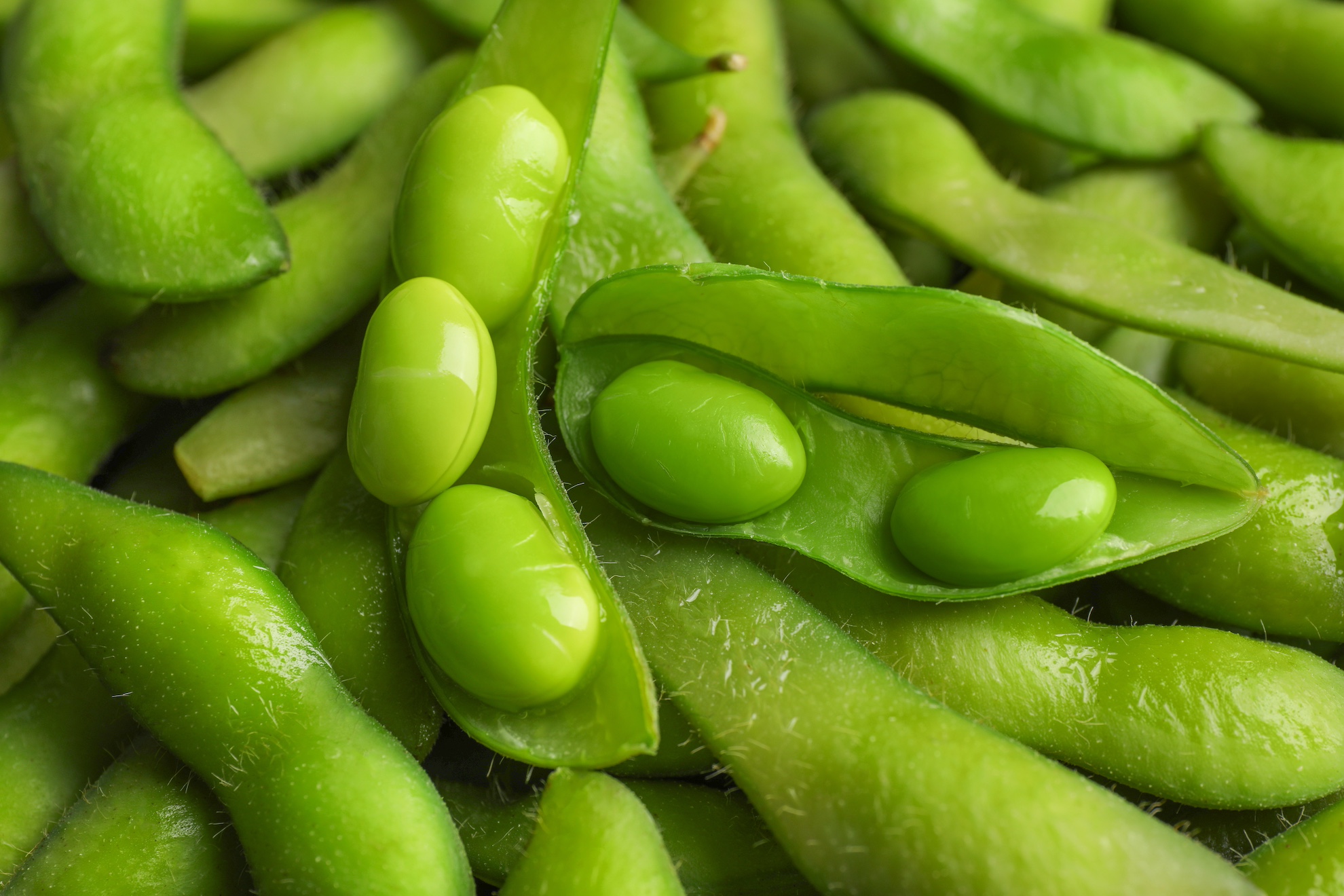
An edamame pod is the green, immature soybean pod that contains 3–5 small, undeveloped beans. When harvested young, the pod and beans are tender and eaten whole (salted or steamed) or shelled for cooking. The pods are flat and slightly curved, unlike mature dry soybeans.
:strip_icc()/recipes-how-to-cooking-basics-how-to-cook-edamame-04-67af81d469994e7091e6135de04149ab.jpg)
Leave a Comment
Comments are moderated before appearing. The data you submit is processed according to the Privacy Policy of Voltefac.