What Becomes Of The Brokenhearted Across Time And Culture
Table of Contents
- Cultural and Historical Perspectives on Brokenheartedness: A Chronological Exploration of Emotional Framing and Ritual
- Chronological Breakdown of Brokenheartedness in Art, Literature, and Folklore
- Evolution of Emotional Language: From Archaic Terms to Modern Phrasing
- Psychological Frameworks for Understanding Emotional Rupture
- Neurobiological Mechanisms of Heartbreak
- Clinical vs. Non-Clinical Framing of Heartbreak-Related Distress
- Attachment Theory and Recovery Trajectories
- Lesser-Known Coping Mechanisms in Brokenheartedness
- Artistic and Literary Depictions of Brokenheartedness
- Poetic Techniques: Form as Emotional Cartography
- Visual Art: Symbolism and Anatomical Rupture
- Modern Media: Surrealism and Sensory Immersion
- Recurring Motifs in Brokenhearted Narratives
- FAQ
- What are the lyrics to the song "What Becomes of the Brokenhearted" ?
- Is "What Becomes of the Brokenhearted" based on a movie or book?
- Where can I find guitar chords for "What Becomes of the Brokenhearted" ?
- Are there any notable covers of "What Becomes of the Brokenhearted" ?
- Does "What Becomes of the Brokenhearted" appear in Supergirl (TV series)?
- Who originally recorded "What Becomes of the Brokenhearted" before Jimmy Ruffin?
From ancient Greek tragedies to modern psychological frameworks, the experience of heartbreak has transcended epochs, shaping cultural narratives, artistic expressions, and scientific inquiry. What becomes of the brokenhearted is not merely a question of personal sorrow but a lens through which societies have examined vulnerability, resilience, and the human condition. This exploration traces the evolution of emotional rupture—from ritualized mourning in medieval Europe to neurobiological studies of dopamine withdrawal—revealing how civilizations have framed, mythologized, and sought to heal from the shattering of love.
The concept of brokenheartedness has been dissected through literary masterpieces, psychological case studies, and visual symbolism, each offering distinct perspectives on its causes, manifestations, and aftermath. While ancient texts described it as a divine punishment or poetic melancholy, contemporary science now maps its neural pathways and therapeutic interventions. Yet, beneath the layers of diagnosis and metaphor lies a universal inquiry: how do individuals and cultures transform pain into meaning, and what enduring legacies does heartbreak leave on art, identity, and collective memory?
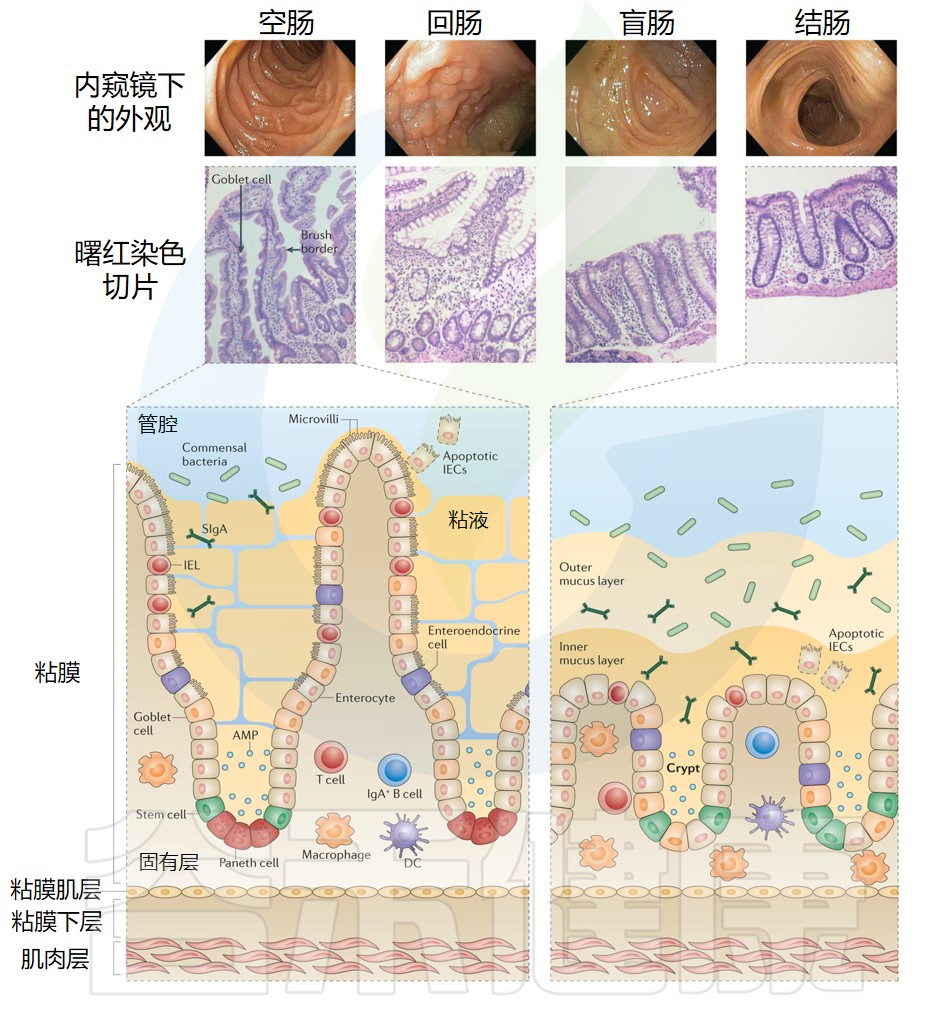
Cultural and Historical Perspectives on Brokenheartedness: A Chronological Exploration of Emotional Framing and Ritual
The concept of brokenheartedness transcends temporal and cultural boundaries, yet its expression varies significantly across civilizations. Ancient societies often attributed emotional distress to divine or supernatural forces, while later eras linked it to philosophical introspection, medical theories, and evolving social norms. This exploration examines how civilizations from antiquity to the modern era articulated heartbreak through art, literature, and ritual, tracing shifts in emotional language, symbolic representation, and communal practices for processing grief.The evolution of brokenheartedness reflects broader societal attitudes toward vulnerability, from collective mourning in pre-modern communities to individualized emotional expression in contemporary contexts. Rituals and artifacts serve as tangible records of these transformations, offering insights into how cultures mediated between personal sorrow and communal resilience.
Chronological Breakdown of Brokenheartedness in Art, Literature, and Folklore
The following table synthesizes key eras, cultural contexts, symbolic representations, and notable works that illustrate the framing of brokenheartedness. Each entry highlights how societal values and artistic conventions shaped the portrayal of emotional distress.| Era | Cultural Context | Symbolism | Notable Works |
|---|---|---|---|
| Ancient Mesopotamia (c. 2000–500 BCE) | Brokenheartedness was often tied to divine abandonment or the wrath of gods (e.g., Inanna’s descent to the Underworld in Inanna and the Huluppu Tree). Emotional suffering was communal, with lamentation rituals performed by professional mourners. |
|
|
| Ancient Greece (c. 800–146 BCE) | Heartbreak was framed through mythological tragedy (e.g., Orpheus and Eurydice) and medical theories (e.g., Hippocratic melancholia). Philosophers like Plato linked emotional distress to the soul’s imbalance, while poets (e.g., Sappho) used erotic longing as a metaphor for existential pain. |
|
|
| Medieval Europe (c. 500–1500 CE) | Brokenheartedness was intertwined with courtly love (e.g., Lancelot and Guinevere) and religious devotion. Monastic traditions framed sorrow as a path to spiritual purification, while secular troubadours romanticized suffering as noble. |
|
|
| 19th-Century Romanticism (c. 1800–1850) | Brokenheartedness became central to Romanticism’s emphasis on individual emotion and nature’s sublime power. Poets (e.g., Byron, Keats) depicted heartbreak as a transcendent, almost spiritual experience, while medical theories (e.g., "nervous temperament") pathologized excessive sorrow. |
|
|
| 20th–21st Century (c. 1900–Present) | Modern and postmodern eras fragmented the narrative of heartbreak, reflecting psychological theories (e.g., Freud’s mourning and melancholia), consumer culture (e.g., "breakup playlists"), and digital communication (e.g., ghosting). Vulnerability is now both commodified and stigmatized, with therapy and self-help industries offering new frameworks for processing grief. |
|
|
Evolution of Emotional Language: From Archaic Terms to Modern Phrasing
The lexicon of heartbreak has undergone radical transformations, influenced by linguistic shifts, medical discourse, and cultural priorities. Archaic terms often carried religious or physiological connotations, while modern phrasing emphasizes psychological and relational dynamics."Melancholy" (Greek melas =
Psychological Frameworks for Understanding Emotional Rupture
Emotional rupture, commonly experienced as heartbreak, represents a complex interplay of neurobiological, cognitive, and socio-emotional processes. While cultural narratives often frame it as a transient or romanticized state, psychological research reveals it as a multifaceted phenomenon involving neurochemical dysregulation, attachment dynamics, and adaptive coping mechanisms. This section examines the neurobiological underpinnings of heartbreak, contrasts clinical and non-clinical perspectives on distress, and explores attachment theory’s role in recovery trajectories. Additionally, lesser-known psychological strategies that emerge during emotional detachment are analyzed to highlight their functional significance in resilience-building.
Neurobiological Mechanisms of Heartbreak
Heartbreak triggers a cascade of neurobiological changes that mimic withdrawal symptoms, including dopamine depletion, oxytocin reduction, and heightened activity in brain regions associated with pain and reward processing. The ventral tegmental area (VTA)—a key node in the mesolimbic dopamine pathway—exhibits reduced activation, leading to anhedonia (inability to experience pleasure) and emotional numbness. Concurrently, the anterior cingulate cortex (ACC) and dorsolateral prefrontal cortex (DLPFC) show hyperactivity, correlating with intrusive thoughts and physical pain perception. Oxytocin, often termed the "bonding hormone," declines sharply post-separation, disrupting social attachment and amplifying distress. Additionally, cortisol levels fluctuate unpredictably, contributing to sleep disturbances and cognitive impairment.
Key neurobiological studies highlight:The nucleus accumbens (NAc), a reward-processing region, also undergoes downregulation, reinforcing the perception of loss as a "loss of reward." Meanwhile, the amygdala remains hyperactive, sustaining heightened emotional reactivity. These mechanisms collectively explain why heartbreak often manifests as a somatic and psychological syndrome, distinct from but overlapping with clinical depression.
Eisenberger et al. (2003) demonstrated that social exclusion activates the dorsal anterior cingulate cortex (dACC), mirroring physical pain responses (Science). Fisher et al. (2010) used functional MRI to show that romantic rejection reduces dopamine release in the VTA, paralleling drug withdrawal (Journal of Neurophysiology). Taylor et al. (2000) found that oxytocin levels drop by ~40% within 24 hours of relationship dissolution, impairing trust and emotional regulation (Psychoneuroendocrinology).
Clinical vs. Non-Clinical Framing of Heartbreak-Related Distress
Clinical psychology categorizes prolonged heartbreak-related distress under complicated grief (DSM-5: Persistent Complex Bereavement Disorder) or adjustment disorder, while non-clinical experiences often lack formal diagnostic criteria. Below is a comparative table outlining key distinctions:
A critical overlap exists in intrusive rumination and avoidance behaviors, though clinical frameworks emphasize maladaptive patterns (e.g., substance use, self-harm), while cultural narratives may romanticize suffering as a rite of passage. For example, the "five stages of grief" model (Kübler-Ross) is widely adopted in pop culture but lacks empirical validation for romantic heartbreak, whereas complicated grief criteria align more closely with neurobiological findings of prolonged distress.
Criteria Medical Models (DSM-5/ICD-11) Cultural/Narrative Framing Duration Chronic (>6 months for complicated grief; <6 months for adjustment disorder) Variable; often framed as "stages" (e.g., denial, anger, acceptance) with no fixed timeline. Symptom Severity Requires functional impairment (e.g., work/social withdrawal, suicidal ideation). Subjective; may include "growth" narratives (e.g., "I’m stronger now") without impairment. Causal Attribution Linked to loss of a specific attachment figure (e.g., partner, family member). Often tied to broader themes (e.g., "destiny," "unrequited love") rather than clinical loss. Intervention Focus Pharmacological (SSRIs) or therapeutic (CBT, grief counseling). Self-help (journaling, art), social rituals (e.g., "getting over them" timelines), or passive acceptance. Overlap Both recognize intrusive thoughts, sleep disturbances, and emotional dysregulation. Both may involve "idealization" of the lost relationship (e.g., romanticizing the past).
Attachment Theory and Recovery Trajectories
Attachment styles—secure, anxious, and avoidant—profoundly influence how individuals process and recover from heartbreak. Securely attached individuals tend to experience distress as transient, using problem-solving and emotional expression to navigate loss. In contrast, anxiously attached individuals may oscillate between clinging and withdrawal, while avoidantly attached individuals suppress emotions, risking delayed processing.
Attachment theory also explains earned security: individuals with insecure attachments may develop adaptive strategies post-breakup (e.g., through therapy or mentorship), shifting toward secure-like coping over time. However, early attachment patterns often predict relapse into maladaptive behaviors during future stressors.
- Secure Attachment
- Coping Strategies: Active coping (e.g., social support-seeking, reframing), low avoidance.
- Neurobiological Correlate: Stable oxytocin levels post-loss; resilient dopamine recovery.
- Case Study: Alex, a securely attached individual, maintains friendships with the ex-partner, seeks therapy briefly, and returns to baseline functioning within 3–6 months.
- Anxious Attachment
- Coping Strategies: Hypervigilance (e.g., monitoring ex-partner’s social media), rumination, seeking reassurance.
- Neurobiological Correlate: Prolonged amygdala hyperactivity; delayed cortisol normalization.
- Case Study: Jamie repeatedly texts the ex-partner, experiences panic at perceived slights, and takes 12+ months to stabilize, with intermittent relapses.
- Avoidant Attachment
- Coping Strategies: Emotional numbing (e.g., workaholism, substance use), denial, or sudden detachment.
- Neurobiological Correlate: Blunted ACC response to social cues; high baseline cortisol.
- Case Study: Taylor cuts off all contact abruptly, immerses in work, and avoids discussing the breakup for years, later realizing unresolved anger.
Lesser-Known Coping Mechanisms in Brokenheartedness
Beyond conventional strategies (e.g., distraction, social support), research identifies nuanced cognitive and behavioral adaptations that emerge during heartbreak. These mechanisms serve regulatory functions, balancing emotional processing with resilience.
- Bittersweet Nostalgia
- Definition: A regulated form of nostalgia that acknowledges pain while extracting meaning (e.g., "This taught me about loyalty").
- Function: Reduces existential threat by framing loss as part of a larger narrative (e.g., "I needed this to grow").
- Example: Listening to songs from the relationship without intense distress, instead appreciating their role in personal history.
- Constructive Rumination
- Definition: Deliberate, structured reflection on the relationship’s lessons (e.g., "What did this teach me about boundaries?").
- Function: Differentiates from maladaptive rumination by focusing on future-oriented insights rather than past grievances.
- Example: Writing a letter to the ex-partner not to send, but to articulate unresolved feelings and extract self-awareness.
- Symbol
Artistic and Literary Depictions of Brokenheartedness
Brokenheartedness transcends abstract emotion, materializing through artistic and literary techniques that embed its physical and psychological weight into form. Across mediums—poetry, visual art, film, and music—creators exploit structural fragmentation, symbolic distortion, and sensory immersion to externalize the internal rupture of love’s dissolution. These depictions often employ recurring motifs (e.g., anatomical dismemberment, spectral remnants) that resonate across cultures, revealing how societies encode grief as both universal and uniquely expressed. The interplay between medium-specific techniques (e.g., enjambment in verse, chiaroscuro in painting) and thematic content underscores the inseparability of artistic execution from emotional truth, where the how of representation becomes as critical as the what.
Poetic Techniques: Form as Emotional Cartography
Poetry distills brokenheartedness into linguistic architecture, where syntax and meter mirror the instability of shattered love. Emily Dickinson’s "After great pain, a formal feeling comes" (1862) exemplifies this through enjambment and dash-driven fragmentation, which disrupts conventional meter to simulate the erratic pulse of grief. The poem’s first stanza—*"After great pain, a formal feeling comes——employs dashes to mimic breathlessness, while the caesura ("The stiff Heart questions") isolates the heart as a detached, almost mummified organ. The formal feeling itself is a paradox: the rigid structure of the poem (i.e., its "form") contrasts with the content’s dissolution, embodying the paradox of grief’s numbness coexisting with its intensity. Dickinson’s hyphenated syntax ("Centuries before’") further elongates time, collapsing past and present into the timeless ache of loss.
The Nerves sit ceremonious, like Tombs—
The stiff Heart questions ‘was it He, that bore,’
And ‘Yesterday, or Centuries before’?"*Other poets leverage fragmented syntax to evoke disintegration. Sylvia Plath’s "Daddy" (1962) uses run-on lines and repetition ("Daddy, I have had to kill you") to simulate the speaker’s unraveling, while the dash in "I have always been scared of you" mirrors the abrupt, violent severance of paternal bonds. In haiku, Basho’s "On a bare branch / a crow has settled— / autumn evening" (17th century) condenses grief into juxtaposition: the crow’s presence on a skeletal branch becomes a symbol of absence, where nature’s indifference amplifies human sorrow.
Visual Art: Symbolism and Anatomical Rupture
Visual artists translate brokenheartedness into symbolic anatomy and compositional violence, often using the body as a canvas for emotional fragmentation. Two masterworks—Caravaggio’s Judith Beheading Holofernes (1598–1602) and Frida Kahlo’s The Broken Column (1944)—demonstrate how dismemberment and structural distortion externalize psychological rupture.Caravaggio’s Judith Beheading Holofernes Caravaggio’s dramatic use of chiaroscuro and tenebrism isolates the act of beheading within a pool of cold, artificial light, creating a theatrical void that mirrors the emotional detachment of Judith. The shattered sword (symbolizing the broken bond between Holofernes and Judith) lies discarded, its fragmented blade echoing the shattered trust of betrayal. Holofernes’ exposed throat and wide, unseeing eyes evoke the physicality of emotional severance, while Judith’s stoic expression contrasts with the chaos of the act, suggesting that grief is as much about control as it is about loss. The blood pooling at Holofernes’ neck becomes a metaphor for spilled love, its dark, viscous texture resisting the light, much like grief’s ineradicable presence.
Frida Kahlo’s The Broken Column Kahlo’s The Broken Column (1944) literalizes the spine as a metaphor for emotional support, depicting her skeletal column cracked and stitched with nails, while golden tears stream from her eyes. The anatomical distortion—her heart suspended by chains, her body pierced by nails—transforms physical pain into visible grief. The golden tears (a nod to Aztec mourning rituals) glow against the dark background, symbolizing both suffering and transcendence. Unlike Caravaggio’s externalized violence, Kahlo’s internalized rupture (the broken spine) suggests that brokenheartedness is a structural collapse, where the body itself becomes the site of emotional trauma. The absence of a head in some interpretations (due to Kahlo’s self-portrait angle) further decouples identity from pain, reinforcing the idea that love’s loss dissolves the self.
Modern Media: Surrealism and Sensory Immersion
Contemporary film, music videos, and graphic novels reimagine brokenheartedness through surreal metaphors and immersive sensory design, often collapsing time, space, and perception to evoke the psychological unraveling of loss.Film: Eternal Sunshine of the Spotless Mind (2004)
Michel Gondry’s direction and practical effects (e.g., floating objects, distorted reflections) create a dreamlike landscape where Joel’s (Jim Carrey) memories of Clementine (Kate Winslet) physically dissolve. The snow globe scene, where Joel’s hand shatters the glass, symbolizes the fragility of love’s remnants, while the sound design—echoing voices, sudden silences—mimics the fragmented recall of grief. The final shot, where Joel releases a helium balloon (a floating, intangible object), encapsulates the lightness and heaviness of letting go. The film’s non-linear structure mirrors the cyclical nature of mourning, where past and present bleed into each other.Music Video: Billie Eilish’s "when the party’s over" The video’s monochromatic palette (predominantly black and white with splashes of red) isolates the speaker’s despair in a sterile, clinical space. The repetitive, mechanical movements (e.g., pushing a chair, staring into a mirror) evoke automatism, a psychological defense mechanism against emotional overload. The sudden shift to color (the red dress, the blood-like lipstick) signals the intrusion of pain, while the soundtrack’s distorted vocals ("I don’t wanna be like this anymore") mimic the speaker’s unraveling. The final shot, where the speaker collapses onto a bed of roses, merges beauty and decay, reinforcing the duality of love and loss.
Graphic Novel: Saga (2012–present) by Brian K. Vaughan and Fiona Staples
Vaughan and Staples use sci-fi surrealism to depict interstellar love’s fragility. The floating, gravity-defying landscapes of their world reflect the weightlessness of longing, while shattered planets and dismembered bodies (e.g., Gwendolyn’s severed arm) symbolize the physical toll of emotional rupture. The recurring motif of "the Will"—a sentient, ever-shifting entity—represents the ghost of love, haunting characters across time. The art’s dynamic compositions (e.g., panels that bleed into each other) mirror the non-linear experience of grief, where past and future collide in the present.
Recurring Motifs in Brokenhearted Narratives
The following table outlines cross-genre motifs that structure narratives of brokenheartedness, highlighting their function in plot and cultural variations:
Genre Motif Function in Plot Cultural Variations Literature The Ghost of Love Haunts the protagonist, forcing confrontation with unresolved grief (e.g., Dante’s Beatrice, Coleridge’s "The Rime of the Ancient Mariner"). The journey through the brokenhearted’s fate—from the shattered columns of Frida Kahlo’s canvases to the fragmented syntax of Emily Dickinson’s verse—underscores a paradox: heartbreak is both an individual agony and a shared human experience. Whether viewed through the lens of attachment theory, the symbolism of a fading love letter, or the surreal landscapes of modern cinema, its narratives persist as a testament to humanity’s capacity for both destruction and redemption. Ultimately, what becomes of the brokenhearted is not an endpoint but a continuum—a dialogue between past and present, science and art, solitude and community, that redefines the boundaries of healing and creation.
FAQ
What are the lyrics to the song "What Becomes of the Brokenhearted"?
The song, written by James Dean and Beverly Ross, includes lines like "What becomes of the brokenhearted when the heart they’ve longed for turns away?" and "What becomes of the lonely when the one they’ve longed for has passed them by?" The full lyrics can be found in sheet music or online databases.
Is "What Becomes of the Brokenhearted" based on a movie or book?
No, the song is not based on a movie or book. It was written as a standalone pop ballad and later became famous through its 1970 cover by Jimmy Ruffin.
Where can I find guitar chords for "What Becomes of the Brokenhearted"?
The song is typically played in the key of A major with a 12-bar blues structure. Chords include A, D, E, F#m, B7, and variations. Free chord charts are available on sites like Ultimate Guitar or MusicNotes.
Are there any notable covers of "What Becomes of the Brokenhearted"?
Yes, Jimmy Ruffin’s 1970 version (reaching No. 1 on the Billboard Hot 100) is the most famous. Other notable covers include those by The Temptations (1968), Patti LaBelle (1970), and Boyz II Men (1994).
Does "What Becomes of the Brokenhearted" appear in Supergirl (TV series)?
Yes, the song plays during the opening credits of Supergirl (Season 1, 2015–2016) and is featured in the show’s soundtrack.
Who originally recorded "What Becomes of the Brokenhearted" before Jimmy Ruffin?
The song was first recorded by Jimmy Ruffin in 1966 (released in 1968) and was originally written for his brother, David Ruffin (of The Temptations), who also recorded it. The original demo was by James Dean and Beverly Ross.
Leave a Comment
Comments are moderated before appearing. The data you submit is processed according to the Privacy Policy of Voltefac.