What Is Equality Foundations Principles And Global Impact
Table of Contents
- Conceptual Foundations of Equality: Philosophical and Historical Evolution
- Philosophical Origins and Development of Equality
- Equality of Opportunity vs. Equality of Outcome: Comparative Framework
- Legal Milestones: Formalizing Equality in Governance
- Equality vs. Equity: Practical Distinctions in Application
- Equality in Societal Structures: Legal, Economic, and Systemic Frameworks
- Legal Enforcement of Equality: Anti-Discrimination Frameworks and Global Models
- Intersectionality and the Limits of Monolithic Equality
- Economic Policies to Reduce Inequality: Progressive Tools and Global Evidence
- Equality vs. Inequality: Global Perspectives
- Quantitative Measurement of Economic Inequality: The Gini Coefficient
- Regional Gender Equality Rankings and Trends
- Colonialism and the Disruption of Indigenous Equality Frameworks
- Digital Divides and Emerging Inequalities in the Global North vs. South
- Equality in Human Rights Frameworks
- The Three Generations of Human Rights and Their Role in Advancing Equality
- Operationalizing Equality Through International Treaties: A Flowchart of Protections for Marginalized Groups
- Loopholes and Limitations in Equality Protections Under Human Rights Law
- FAQ
- What does it mean for everyone to have equality before the law?
- How are equality and equity different from each other?
- What does equality in a relationship mean?
- What is the concept of equality in sports?
- What is equality of opportunity in simple terms?
- What does equality of outcome mean?
Equality represents a cornerstone of justice, shaping societies through philosophical inquiry, legal frameworks, and economic policies. From ancient debates on fairness in Aristotle’s Nicomachean Ethics to modern struggles for representation in workplaces and political systems, the concept has evolved into a dynamic force reshaping human rights and societal structures. This exploration examines how equality is theorized, institutionalized, and challenged—from historical milestones like the Magna Carta to contemporary disparities in digital access and economic mobility.
At its core, equality demands both recognition of inherent dignity and systemic interventions to dismantle barriers that perpetuate exclusion. Whether analyzed through the lens of opportunity versus outcome, intersectional theory, or global inequality metrics like the Gini coefficient, the pursuit of equality reveals tensions between universal ideals and localized realities. By dissecting legal mechanisms, economic strategies, and cultural relativism, this discussion illuminates the complexities of achieving equitable outcomes while addressing persistent gaps in implementation.
Conceptual Foundations of Equality: Philosophical and Historical Evolution
The concept of equality has evolved as a cornerstone of ethical, political, and legal thought, shaping modern societies’ understanding of justice and human rights. Philosophical inquiries from ancient Greece to the Enlightenment laid the groundwork for contemporary debates on equality, while legal milestones formalized its application in governance. This exploration traces the intellectual lineage of equality, examining its philosophical origins, comparative frameworks, and distinctions from related concepts like equity.
Philosophical Origins and Development of Equality
Equality emerged in Western philosophy as a response to questions of justice, human dignity, and societal organization. Ancient Greek thought, particularly in Aristotle’s Nicomachean Ethics (c. 350 BCE), distinguished between natural equality (inherent to all humans as rational beings) and political equality (limited to citizens in a polis). Aristotle argued that while all humans share reason, their roles in society—such as rulers and ruled—were inherently unequal, reflecting a hierarchical view of human potential.
The Stoics later expanded this idea by emphasizing equality under natural law, asserting that all humans possess intrinsic worth regardless of status. However, it was the Enlightenment philosophers who radicalized equality as a universal principle. Jean-Jacques Rousseau’s The Social Contract (1762) posited that true equality exists only in a social contract where individuals surrender rights to a collective authority in exchange for protection of their freedoms. Rousseau’s vision contrasted with earlier hierarchical models, framing equality as both a moral ideal and a political necessity.
Key Enlightenment Contributions:
These philosophical shifts laid the foundation for modern equality frameworks, transitioning from classical hierarchies to universalist claims rooted in human reason and rights.
Equality of Opportunity vs. Equality of Outcome: Comparative Framework
The distinction between equality of opportunity and equality of outcome reflects competing visions of justice, each with historical implementations and critiques.Equality of opportunity asserts that individuals should have equal access to resources, education, and institutions to compete fairly, regardless of background. This model dominates meritocratic systems, where success is tied to effort and ability. For example:
Equality of outcome, conversely, seeks to reduce disparities in final results (e.g., income, status) through redistributive policies. Historical examples include:
Comparative Table: Equality of Opportunity vs. Equality of Outcome
| Aspect | Equality of Opportunity | Equality of Outcome |
|---|---|---|
| Core Principle | Fair starting conditions | Fair distribution of results |
| Mechanism | Access to education, anti-discrimination laws | Redistribution (taxes, subsidies, quotas) |
| Historical Example | U.S. Civil Rights Act (1964) | Brazil’s Bolsa Família (conditional cash transfers) |
| Critique | Ignores systemic barriers (e.g., poverty, racism) | May discourage effort; requires heavy state intervention |
| Philosophical Basis | Lockean liberalism, meritocracy | Marxist egalitarianism, Rawlsian "difference principle" |
> "Equality of opportunity without equality of outcome generates as much injustice as a society that ignores the former entirely." > — John Rawls, A Theory of Justice (1971)
Legal Milestones: Formalizing Equality in Governance
The progression of equality in legal documents reflects its transition from elite privileges to universal rights. Below is a timeline of pivotal moments:- 1215: Magna Carta (England)
- 1776: Declaration of Independence (United States)
- 1789: Declaration of the Rights of Man and Citizen (France)
- 1948: Universal Declaration of Human Rights (UDHR, UN)
- 1995: Beijing Declaration (Fourth World Conference on Women)
Visualization Note:
A linear timeline would illustrate the expanding scope of "equality"—from feudal subjects to universal humanity—while highlighting gaps (e.g., slavery, colonialism) that persisted despite legal advances.
Equality vs. Equity: Practical Distinctions in Application
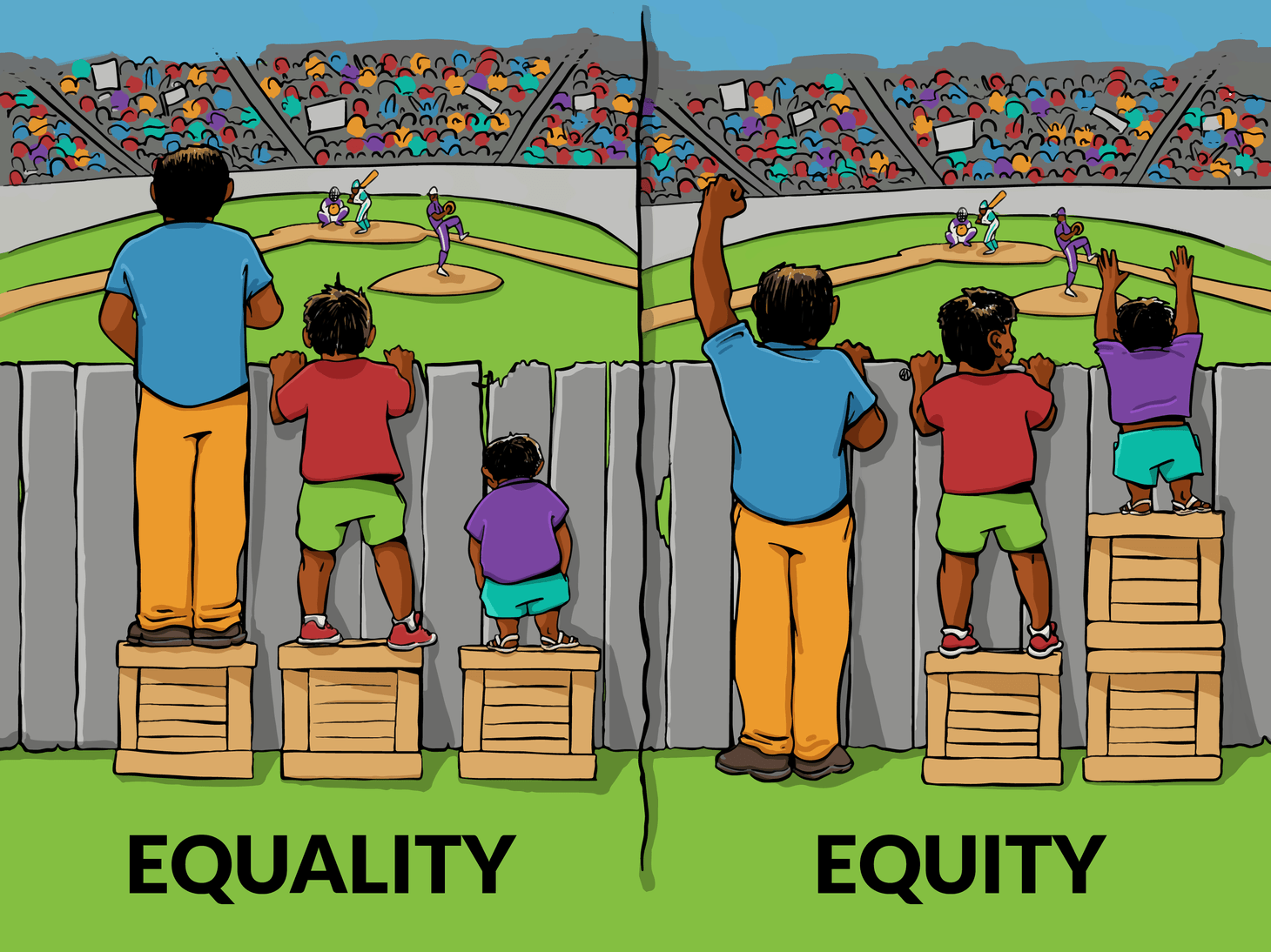
While equality treats all individuals identically, equity acknowledges systemic disparities and tailors support to ensure fair outcomes. This distinction is critical in policy, workplace accommodations, and social programs.Scenario: Workplace Accommodations for Disabilities
Key Differences in Practice:
Blockquote:
> "Equity is not about treating everyone the same; it’s about treating everyone fairly."
> — World Health Organization (WHO), Health Equity Framework
Real-World Case Study: Healthcare Access
This distinction underscores that equality without equity can perpetuate injustice, while equity without accountability risks arbitrary favoritism.
Equality in Societal Structures: Legal, Economic, and Systemic Frameworks
Societal structures institutionalize equality through legal mandates, economic interventions, and structural reforms designed to dismantle systemic discrimination. Legal systems enforce equality by codifying protections against bias, while economic policies redistribute resources to mitigate disparities. However, the effectiveness of these measures depends on their intersectional application—addressing how overlapping identities (race, gender, class) compound marginalization. This section examines how anti-discrimination laws (e.g., Title VII, India’s Constitution), economic tools (progressive taxation, wage floors), and analytical frameworks (systemic barrier assessments) operationalize equality in practice.Legal Enforcement of Equality: Anti-Discrimination Frameworks and Global Models
Legal systems serve as the primary mechanism for formalizing equality by prohibiting discrimination in employment, education, and public services. Two foundational examples—Title VII of the Civil Rights Act (1964, USA) and Section 15 of the Indian Constitution—illustrate distinct yet complementary approaches to legal equality.Title VII (1964) prohibits employment discrimination based on race, color, religion, sex, or national origin, with later amendments (e.g., the Pregnancy Discrimination Act, 1978) expanding protections. The U.S. Equal Employment Opportunity Commission (EEOC) enforces these provisions through investigations, settlements, and litigation. For instance, in Meritor Savings Bank v. Vinson (1986), the Supreme Court recognized quasi-contractual sexual harassment as a form of sex discrimination under Title VII, broadening the scope of employer liability. However, enforcement gaps persist: a 2022 EEOC report found that 44.5% of discrimination charges involved retaliation, highlighting how legal protections often intersect with workplace power dynamics.
Section 15 of the Indian Constitution guarantees equality before the law and prohibits discrimination on grounds of religion, race, caste, sex, or place of birth. Unlike Title VII, which focuses on employment, Section 15 applies broadly to state action, including reservations (affirmative action) for historically marginalized groups like Scheduled Castes (SCs) and Scheduled Tribes (STs). The Mandal Commission (1980) formalized caste-based quotas in education and public employment, though debates persist over their efficacy. A 2021 study by the National Sample Survey Office (NSSO) found that SC/ST graduates in India were 2.5 times more likely to be unemployed than upper-caste graduates, underscoring how legal equality does not always translate to economic parity.
Key Limitation: Both frameworks operate within formal equality paradigms, assuming neutral laws suffice to address structural inequities. Critics argue that substantive equality—where outcomes, not just opportunities, are equitable—requires proactive state intervention (e.g., reparations, targeted funding).
Intersectionality and the Limits of Monolithic Equality
The intersectional framework critiques the assumption that discrimination operates uniformly across identities. As Kimberlé Crenshaw (1989) argues in Demarginalizing the Intersection of Race and Sex, anti-discrimination laws often fail to address the compounded effects of overlapping oppressions. For example, a Black woman may face racial discrimination in hiring and sexism in promotions, but these biases are not additive—they interact synergistically in ways that single-axis protections (e.g., Title VII’s race or sex provisions) cannot capture."There is no such thing as a single-issue struggle because we do not live single-issue lives." — bell hooks, Ain’t I a Woman? Black Women and Feminism (1981)Implications for Marginalized Groups:"Intersectionality is not just about race and gender; it’s about the way all forms of discrimination—class, sexuality, disability—intersect to create unique experiences of oppression." — Kimberlé Crenshaw, Mapping the Margins (1991)
1. Legal Gaps: A Latina worker may experience racial profiling in policing and gender-based wage gaps, but Title VII’s remedies apply separately to each, not their intersection. Crenshaw’s concept of "intersectional erasure" explains why victims of police violence (e.g., Black women like Breonna Taylor) often fall through the cracks of civil rights litigation.
2. Policy Blind Spots: Affirmative action programs (e.g., India’s reservations) often prioritize caste over gender, leaving Dalit women (lowest caste) with dual marginalization. A 2020 World Bank report on India noted that Dalit women’s labor force participation was 22% lower than upper-caste women, despite legal protections.
3. Data Deficiencies: Most equality metrics (e.g., unemployment rates by race) aggregate identities, obscuring disparities for groups like disabled LGBTQ+ individuals. The U.S. Census Bureau’s 2022 Disability Statistics revealed that LGBTQ+ people with disabilities had a poverty rate 3.5 times higher than non-disabled heterosexuals.
Actionable Reform: Intersectional audits of laws (e.g., revising Title VII to include intersectional harm standards) and disaggregated data collection (e.g., tracking discrimination by race + gender + disability) are critical to addressing compounded inequities.
Economic Policies to Reduce Inequality: Progressive Tools and Global Evidence
Economic inequality undermines formal legal equality by limiting access to resources. Policies like progressive taxation, minimum wage laws, and social safety nets aim to redistribute wealth and opportunities. Data from the OECD (2023) and World Bank (2022) demonstrate their mixed but measurable impacts.Progressive Taxation:
Minimum Wage Laws:
Universal Basic Services (UBS):
Critique: Economic policies often prioritize growth
Equality vs. Inequality: Global Perspectives
The measurement and analysis of equality and inequality across nations reveal stark disparities shaped by historical, economic, and systemic factors. While some societies achieve near-parity in resource distribution and opportunity, others grapple with entrenched hierarchies that persist despite policy interventions. This section examines quantitative tools like the Gini coefficient to assess economic inequality, contrasts regional gender equality trends, explores the legacies of colonialism in disrupting indigenous equality frameworks, and analyzes how digital divides exacerbate modern inequities between the Global North and South.
Quantitative Measurement of Economic Inequality: The Gini Coefficient
The Gini coefficient serves as a standardized metric to quantify income or wealth distribution within a population, where 0 represents perfect equality and 100 indicates maximal inequality. Calculated using Lorenz curves—graphical representations of cumulative income shares—the coefficient is widely adopted by international organizations, including the World Bank and OECD, to compare national disparities over time. However, its interpretation varies based on contextual factors such as tax policies, social welfare systems, and data collection methodologies.
Countries with high inequality (Gini coefficient > 40) often exhibit concentrated wealth among elites, limited upward mobility, and systemic barriers to access. For instance, South Africa consistently ranks among the most unequal nations globally, with a Gini coefficient of 63.1 (2021), reflecting apartheid-era legacies and post-apartheid economic policies that failed to redistribute land or wealth equitably. In contrast, Norway, with a Gini coefficient of 25.6 (2021), demonstrates the efficacy of progressive taxation, universal healthcare, and strong labor protections in mitigating disparities. The disparity between these nations underscores how institutional design—rather than mere economic output—determines distributive outcomes.
Gini Coefficient Formula:A comparative analysis reveals that Latin American countries (e.g., Brazil: 53.4, Colombia: 52.7) and Sub-Saharan Africa (e.g., Namibia: 63.0) cluster in the high-inequality bracket, while Nordic nations (e.g., Sweden: 28.2, Denmark: 27.8) and East Asia (e.g., Japan: 33.6) exhibit lower coefficients. The persistence of inequality in resource-rich nations (e.g., South Africa’s platinum and gold sectors) highlights how extractive economic models perpetuate disparities, whereas welfare states prioritize equitable growth through investment in education and infrastructure.
\[ G = \frac{\sum_{i=1}^{n} \sum_{j=1}^{n} |x_i - x_j|}{2n^2 \bar{x}} \]
Where:
\(x_i\) = individual income, \(n\) = number of individuals, \(\bar{x}\) = mean income.
Regional Gender Equality Rankings and Trends
The World Economic Forum’s Global Gender Gap Report (2023) evaluates four dimensions—economic participation, educational attainment, political empowerment, and health—to rank 146 countries. While global progress has stalled, with the gap closing at 68% (down from 68.4% in 2022), regional disparities persist. A side-by-side comparison reveals that Nordic countries dominate the top ranks due to policies like parental leave, gender-neutral wage laws, and high female parliamentary representation, while South Asia and Middle East/North Africa (MENA) lag in economic and political parity.| Region | Top Performer | GGGR Rank (2023) | Key Strengths | Outliers/Low Performers | Trends |
|---|---|---|---|---|---|
| Nordic Europe | Iceland | 1 | 90% gap closed; female CEOs in 40% of firms | — | Stagnation in political representation |
| Western Europe | Norway | 4 | 85% gap closed; gender-balanced cabinets | France (24th) due to wage disparities | Slow progress in corporate leadership |
| Sub-Saharan Africa | Rwanda | 10 | 76% gap closed; 61% female legislators | South Africa (13th) but lagging in pay | Highest regional female political power |
| East Asia | Philippines | 11 | 76% gap closed; high female labor force | Japan (125th) due to workplace culture | Urban-rural divides in education access |
| South Asia | Bhutan | 79 | 66% gap closed; female literacy at 70% | Pakistan (142nd); female labor force at 22% | Early marriage and child labor barriers |
| MENA | United Arab Emirates | 124 | 65% gap closed; female ministry heads | Yemen (146th); female literacy at 47% | Oil wealth fails to translate to gender equity |
Colonialism and the Disruption of Indigenous Equality Frameworks
Colonialism systematically dismantled pre-existing social hierarchies while imposing racial, caste, and class structures that privileged European settlers. In India, the British colonial administration formalized and exacerbated the caste system through policies like the 1858 Criminal Tribes Act, which criminalized marginalized communities (e.g., Dalits, Adivasis) under the guise of "social control." Primary sources, such as Macaulay’s Minute on Education (1835), reveal the deliberate suppression of indigenous knowledge systems to justify British cultural superiority. The 1935 Government of India Act further entrenched caste-based electoral quotas, solidifying Brahminical dominance in governance.In the Americas, colonial powers enforced racial hierarchies through sistema de castas (Spain) and slave codes (British/French), which classified mixed-race individuals (e.g., mestizos, mulattoes) into rigid social tiers. The 1778 Spanish Caste Laws denied legal personhood to those with one African grandparent, while Brazilian Senhor de Engenho (sugar plantation owners) exploited enslaved Africans to sustain colonial economies. Primary source evidence from the 1685 Códice Florentino (Bernardino de Sahagún) documents how Aztec calpulli (communal land systems) were replaced with encomienda, erasing indigenous notions of collective equality.
The legacies of these disruptions persist today:
Colonialism did not merely "discover" inequality—it engineered it through legal, economic, and cultural mechanisms that remain embedded in post-colonial institutions.
Digital Divides and Emerging Inequalities in the Global North vs. South
The digital divide—disparities in access to technology, internet infrastructure, and digital literacy—creates new forms of inequality that intersect with socioeconomic status, geography, and governance. While the Global North grapples with urban-rural divides and corporate monopolies, the Global South faces infrastructure gaps, censorship, and digital colonization by Western tech giants.Key disparities:
Equality in Human Rights Frameworks
The concept of equality in human rights frameworks is anchored in the progressive recognition that dignity and justice require systemic protections against discrimination and exclusion. Human rights law has evolved through generations of rights—civil-political, economic-social-cultural, and solidarity—each expanding the scope of equality protections. The United Nations’ International Covenant on Economic, Social and Cultural Rights (ICESCR) serves as a pivotal case study, illustrating how legal instruments operationalize equality in practice while confronting structural inequalities. This section examines the three generations of rights, their mechanisms for advancing equality, and the operationalization of these principles through international treaties. It also addresses critical gaps, such as corporate accountability and cultural relativism, which challenge the universality of equality standards.The Three Generations of Human Rights and Their Role in Advancing Equality
The classification of human rights into three generations reflects their historical emergence and thematic focus, each contributing distinct mechanisms to address equality. The first generation (civil and political rights) established foundational protections against state oppression, including equality before the law, non-discrimination, and due process. The second generation (economic, social, and cultural rights) expanded equality into material and social spheres, recognizing that dignity cannot be separated from access to resources, healthcare, and education. The third generation (solidarity or collective rights) further broadens equality by emphasizing intergenerational equity, environmental sustainability, and the rights of peoples, including self-determination and cultural preservation.The ICESCR (1966) exemplifies how the second generation operationalizes equality by mandating states to progressively realize rights such as education (Article 13), healthcare (Article 12), and adequate housing (Article 11). These rights are framed as indivisible and interdependent, requiring states to adopt legislative, administrative, and policy measures to eliminate disparities. For instance, Article 2(2) of the ICESCR obligates states to "take steps... to the maximum of [their] available resources," linking equality to resource allocation and systemic change. The covenant’s non-discrimination clause (Article 2(2)) explicitly prohibits distinctions based on race, gender, language, or social origin, reinforcing equality as a cross-cutting principle.
"The States Parties to the present Covenant recognize the right of everyone to an adequate standard of living for himself and his family, including adequate food, clothing and housing, and to the continuous improvement of living conditions." — ICESCR, Article 11(1)The third generation introduces collective equality, as seen in the 1997 Vienna Declaration, which affirms the right to development as a pathway to equality among nations and communities. However, this generation remains less legally binding, relying on soft law and state commitments rather than enforceable obligations.
Operationalizing Equality Through International Treaties: A Flowchart of Protections for Marginalized Groups
International treaties extend equality protections to specific groups by addressing intersectional discrimination. Below is a nested flowchart illustrating how key instruments operationalize equality for women, persons with disabilities, and indigenous peoples, with a focus on their rights, obligations, and enforcement mechanisms.-
Convention on the Elimination of All Forms of Discrimination Against Women (CEDAW, 1979)
-
Core Equality Provisions:
- Article 2: Obliges states to eliminate discrimination in law and practice, including through temporary special measures (affirmative action).
- Article 10: Ensures equal access to education, including eliminating stereotypes in curricula.
- Article 16: Guarantees equality in marriage and family relations, prohibiting gender-based violence.
-
Operational Mechanisms:
- Optional Protocol (1999): Allows individuals to submit complaints to the CEDAW Committee.
- General Recommendations: Issued by the Committee to interpret rights (e.g., General Recommendation No. 35 on gender-based violence).
- State Reporting: Periodic reviews assess progress, with concluding observations identifying gaps.
-
Limitations:
- Cultural Defenses: States like Iran and Saudi Arabia invoke cultural relativism to justify gender segregation or polygamy laws.
- Enforcement Gaps: Non-compliance remains common, with only 189 states ratifying CEDAW (as of 2023), excluding the U.S. at the federal level.
-
Core Equality Provisions:
-
Convention on the Rights of Persons with Disabilities (CRPD, 2006)
-
Core Equality Provisions:
- Article 5: Prohibits discrimination on grounds of disability, requiring reasonable accommodations in all sectors.
- Article 24: Mandates inclusive education, with individualized support for learning.
- Article 27: Ensures equal access to employment, prohibiting wage disparities.
-
Operational Mechanisms:
- Monitoring Framework: The CRPD Committee reviews state reports and issues concluding observations with recommendations.
- General Comments: Provide guidance (e.g., General Comment No. 5 on accessible information systems).
- Optional Protocol (2008): Allows individual complaints, though uptake remains low due to procedural barriers.
-
Limitations:
- Implementation Barriers: Many states lack legal frameworks for reasonable accommodations, leaving persons with disabilities excluded from public spaces.
- Corporate Exemptions: Private entities often avoid compliance, as the CRPD primarily binds governments (e.g., inaccessible digital platforms in the U.S.).
-
Core Equality Provisions:
-
United Nations Declaration on the Rights of Indigenous Peoples (UNDRIP, 2007)
-
Core Equality Provisions:
- Article 8: Recognizes free, prior, and informed consent (FPIC) for land and resource decisions.
- Article 20: Ensures equality and non-discrimination in political participation.
- Article 27: Guarantees cultural survival, including language and spiritual practices.
-
Operational Mechanisms:
- Soft Law Status: UNDRIP is a declaration, not a binding treaty, limiting enforcement.
- Regional Integration: Some treaties (e.g., ILO Convention 169) incorporate UNDRIP principles, but compliance varies.
-
Limitations:
- State Resistance: Countries like Canada and Australia initially opposed UNDRIP, citing concerns over sovereignty.
- Resource Extraction Conflicts: Indigenous lands remain under threat (e.g., Sápara people vs. Ecuador’s oil drilling), despite FPIC obligations.
-
Core Equality Provisions:
Loopholes and Limitations in Equality Protections Under Human Rights Law
Despite the robust framework of international human rights law, structural gaps persist, particularly in enforcement, accountability, and the treatment of non-state actors. Three critical limitations undermine equality protections:-
Corporate Accountability and Non-State Actor Obligations
-
Legal Gaps:
- Human rights treaties primarily bind states, leaving corporations and other non-state actors (e.g., militias, digital platforms) with no direct legal obligations.
- Alien Tort Statute (ATS) and UN Guiding Principles on Business and Human Rights (2011) attempt to fill this void, but enforcement remains weak.
-
Case Studies:
- Rana Plaza Collapse (2013, Bangladesh): The garment industry’s exploitation of workers—predominantly women—highlighted how supply chain labor abuses escape state scrutiny. While the Accord on Fire and Building Safety emerged, many brands (e.g., Primark, Walmart) resisted binding agreements. Equality is not a static ideal but an evolving dialogue between aspiration and action, where philosophical foundations meet practical governance. Legal systems, economic policies, and human rights frameworks collectively shape its trajectory, yet systemic barriers—from colonial legacies to digital divides—demand persistent innovation. The journey toward equality underscores a fundamental truth: progress requires not only the dismantling of inequities but also the courage to redefine fairness in an interconnected world. As societies grapple with these challenges, the principles of equality remain both a compass and a call to collective responsibility.
FAQ
What does it mean for everyone to have equality before the law?
Equality before the law means that all individuals, regardless of status, wealth, or background, are treated the same under legal systems. Laws must apply uniformly, and no person or group should receive preferential or discriminatory treatment in courts or legal proceedings. This principle is a cornerstone of fair justice systems, ensuring accountability and protection for all citizens.
How are equality and equity different from each other?
Equality means treating everyone the same way, giving identical resources or opportunities without considering individual needs. Equity, however, recognizes that fairness requires addressing systemic barriers by providing additional support to disadvantaged groups. For example, giving extra time on a test to a student with a disability ensures equitable access, even if others don’t receive it.
What does equality in a relationship mean?
Equality in a relationship means both partners share power, respect, and responsibilities fairly, with decisions and contributions valued equally. It involves mutual effort in emotional, financial, and domestic tasks, as well as open communication and respect for each other’s autonomy. True equality doesn’t require identical roles but balanced influence and care.
What is the concept of equality in sports?
Equality in sports refers to fair treatment and opportunities for all athletes, regardless of gender, race, disability, or socioeconomic background. This includes equal access to training, funding, and competition, as well as policies that prevent discrimination (e.g., pay equity for male and female athletes). It also addresses systemic barriers like biased officiating or unequal media coverage.
What is equality of opportunity in simple terms?
Equality of opportunity means everyone has the same chances to succeed, access education, jobs, or resources, without unfair barriers like discrimination or privilege. It focuses on removing obstacles (e.g., bias in hiring, unequal schooling) so individuals can compete on a level playing field. However, it doesn’t guarantee the same outcomes—people may still end up in different positions due to effort or circumstance.
What does equality of outcome mean?
Equality of outcome is the idea that society should ensure everyone ends up with similar results, such as income, wealth, or status, regardless of starting point. This often involves policies like wealth redistribution, affirmative action, or subsidized services to reduce disparities. Critics argue it can discourage effort or require forced uniformity, while supporters say it’s necessary to correct historical injustices.
-
Legal Gaps:
Leave a Comment
Comments are moderated before appearing. The data you submit is processed according to the Privacy Policy of Voltefac.