What Is Fiber Optic Internet Explained Comprehensively
Table of Contents
- Technical Foundations of Fiber Optic Internet
- Core Components of Fiber Optic Internet
- Signal Transmission Process in Fiber Optic Cables
- Physical Structure of Fiber Optic Cables and Signal Propagation
- Speed and Performance Benefits of Fiber Optic Internet
- Comparative Speed and Performance Metrics
- Low Signal Degradation and Long-Distance Connectivity
- Bandwidth and Symmetric vs. Asymmetric Connectivity
- Installation and Infrastructure Requirements for Fiber Optic Internet
- Primary Fiber Optic Internet Setups: FTTH and FTTP
- Installation Processes and Infrastructure Requirements
- Challenges in Fiber Optic Infrastructure Deployment
- Security and Reliability Features of Fiber Optic Internet
- Comparison of Fiber Optic and Copper-Based Networks: Security Risks and Mitigation Strategies
- Encryption and Physical Isolation in Fiber Optic Networks
- Real-World Reliability During Natural Disasters
- Future Trends and Emerging Technologies in Fiber Optic Internet
- Emerging Technologies Enhancing Fiber Optic Capabilities
- Fiber Optic’s Role in IoT and Smart Cities
- Historical Timeline and Future Projections
- User Experience and Practical Applications of Fiber Optic Internet
- Everyday Activities Enhanced by Fiber Optic Speed and Reliability
- Latency and Performance in Multiplayer Online Gaming
- Testing Fiber Optic Connection Speed and Stability
- FAQ
- What exactly is fiber optic internet service, and how is it different from other types of internet?
- How does fiber optic internet work, and what makes it faster than other internet types?
- What is a fiber optic internet connection, and why do people choose it over alternatives?
- How does fiber optic internet compare to cable internet in terms of speed, reliability, and cost?
- What are the typical speeds for fiber optic internet, and can they vary by provider or location?
- What is fiber optic internet cable, and how is it different from regular internet cables?
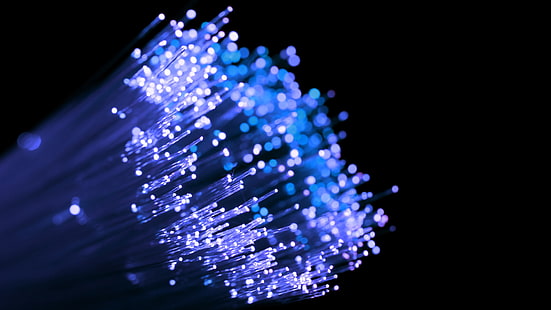
Fiber optic internet represents a transformative leap in digital connectivity, leveraging light pulses to transmit data at speeds far exceeding traditional copper-based networks. Unlike conventional broadband solutions, this technology harnesses the principles of total internal reflection within ultra-thin glass or plastic fibers, enabling near-instantaneous data transfer with minimal signal degradation. Its adoption has become critical in sectors where latency and bandwidth demands are non-negotiable, from high-frequency trading in finance to telemedicine in remote healthcare facilities. By eliminating electromagnetic interference and physical vulnerabilities inherent in older infrastructures, fiber optic networks deliver unparalleled reliability—even in the face of extreme environmental conditions.
The foundation of fiber optic internet lies in its core components: optical fibers, transmitters, and receivers, each engineered to optimize signal integrity over vast distances. Unlike copper cables, which degrade rapidly with distance, fiber optic systems maintain performance consistency, making them ideal for both urban density and rural expansion. This technological superiority is further amplified by symmetric bandwidth capabilities, ensuring equal upload and download speeds—a stark contrast to asymmetric technologies that bottleneck user experience. As industries and households increasingly rely on high-definition streaming, cloud-based collaboration, and immersive virtual environments, understanding the mechanics and advantages of fiber optic internet is essential for navigating the future of connectivity.

Technical Foundations of Fiber Optic Internet
Fiber optic internet represents a paradigm shift in data transmission, leveraging light signals to achieve unprecedented speeds, bandwidth, and reliability. Unlike traditional copper-based networks, fiber optics utilize thin strands of glass or plastic to transmit data as pulses of light, minimizing signal degradation and enabling high-capacity communication. The efficiency of this technology stems from its core components—optical fibers, transmitters, receivers, and repeaters—each playing a critical role in ensuring seamless signal propagation. Understanding these elements provides insight into why fiber optics dominate modern telecommunications infrastructure.
Core Components of Fiber Optic Internet
Fiber optic networks rely on four primary components to transmit data efficiently: optical fibers, transmitters, receivers, and repeaters. Each component interacts to convert electrical signals into light, propagate them through the fiber, and reconstruct the data at the destination. Below is a structured overview of their functions and roles in signal transmission.
| Component | Function | Role in Signal Transmission |
|---|---|---|
| Optical Fibers | Thin strands of glass or plastic designed to guide light with minimal loss. | Act as the transmission medium, carrying modulated light signals over long distances. |
| Transmitters (Optical Transmitters) | Devices that convert electrical signals into light pulses using lasers or LEDs. | Encode data into light signals via modulation techniques (e.g., amplitude, frequency, or phase modulation). |
| Receivers (Optical Receivers) | Photodetectors (e.g., photodiodes) that convert light signals back into electrical signals. | Demodulate received light pulses to retrieve the original data stream. |
| Repeaters/Amplifiers | Devices that regenerate or amplify signals to compensate for attenuation over distance. | Extend transmission range by boosting signal strength or reshaping degraded pulses (e.g., via erbium-doped fiber amplifiers). |
The integration of these components ensures that fiber optic networks maintain high data integrity over extensive distances, a critical advantage in modern telecommunications.
Signal Transmission Process in Fiber Optic Cables
The journey of a data signal through a fiber optic network involves three key stages: modulation, transmission, and demodulation. This process begins at the transmitter, where electrical signals are converted into light pulses, and concludes at the receiver, where the light is reconverted into usable data. Below is a step-by-step breakdown of the transmission workflow:
1. Modulation
Electrical signals from devices (e.g., computers, routers) are encoded into light pulses using modulation techniques. Common methods include:
2. Transmission Through Optical Fibers
The modulated light enters the fiber core, where total internal reflection ensures it travels along the cable with minimal loss. The core (typically 9–62.5 micrometers in diameter) is surrounded by a cladding layer (slightly lower refractive index) that reflects light back into the core, preventing signal escape. The outer buffer coating protects the fiber from physical damage and moisture.
Light-based communication in fiber optics outperforms copper wires by offering:3. Demodulation at the Receiver
Higher bandwidth (terabits per second vs. megabits per second in copper). Lower latency (light travels faster than electrical signals in copper). Immunity to electromagnetic interference (EMI), ensuring signal purity. Longer transmission distances (up to 100+ km without repeaters for single-mode fiber).
At the destination, the receiver’s photodetector converts light pulses back into electrical signals. The demodulation process reverses the modulation technique (e.g., converting phase shifts back into binary data) and forwards the signal to end-user devices.
Signal integrity is maintained through error correction protocols and forward error correction (FEC), which detect and correct transmission errors without retransmission.
Physical Structure of Fiber Optic Cables and Signal Propagation
The design of fiber optic cables is optimized for efficient light transmission, with three primary layers: the core, cladding, and buffer. Understanding their roles clarifies how total internal reflection enables long-distance, high-speed communication.Text-Based Diagram of Fiber Optic Cable Structure:
```
| Buffer Coating |
| (Outer protective layer, e.g., PVC) |
|---|
| Cladding |
| (Lower refractive index, ~1.45) |
| Core |
| (High refractive index, ~1.46-1.48) |
| (Diameter: 8–62.5 µm for multi-mode, |
| ~9 µm for single-mode) |
Key Components and Their Functions:
Total Internal Reflection (TIR) Mechanism:
When light enters the core at an angle greater than the critical angle (typically ~82° for standard fibers), it strikes the core-cladding boundary and reflects entirely back into the core. This phenomenon, governed by Snell’s Law, ensures:
For example, in single-mode fiber (SMF), a single light path (mode) allows signals to travel over 100 km with minimal dispersion, making it ideal for long-haul networks. In contrast, multi-mode fiber (MMF) uses larger cores to carry multiple light paths, suitable for shorter distances (e.g., within buildings) but prone to modal dispersion.
Speed and Performance Benefits of Fiber Optic Internet
Fiber optic internet delivers unparalleled speed, reliability, and low-latency performance, fundamentally transforming connectivity for both consumers and industries. Unlike traditional broadband technologies, fiber leverages light signals transmitted through glass or plastic cables, enabling data transfer at near the speed of light. This technological advantage translates into superior download and upload speeds, minimal signal degradation over long distances, and symmetric bandwidth capabilities—critical factors for modern applications ranging from cloud computing to real-time financial transactions.
The performance advantages of fiber optic internet stem from its physical properties: light signals experience negligible attenuation over distance, ensuring consistent speeds regardless of geographic location. This characteristic makes fiber particularly valuable for rural and underserved areas, where copper-based DSL or cable infrastructure often suffers from performance degradation. Industries such as healthcare, finance, and manufacturing rely on fiber’s low latency and high bandwidth to support mission-critical operations, including telemedicine, high-frequency trading, and automated manufacturing systems.
Comparative Speed and Performance Metrics
The following table compares fiber optic internet with DSL, cable, and satellite technologies across key performance metrics: maximum theoretical speed, real-world latency, and typical use cases. Data is based on industry standards and provider specifications as of 2023, with real-world performance varying by service provider and regional infrastructure.| Technology | Maximum Theoretical Speed (Download/Upload) | Typical Latency (ms) | Real-World Use Cases |
|---|---|---|---|
| Fiber Optic (FTTH/FTTP) | 1 Gbps to 10 Gbps (symmetric) | 1–10 ms |
|
| Cable Internet | Up to 1 Gbps (asymmetric, typically 300–1,000 Mbps download / 10–50 Mbps upload) | 10–50 ms |
|
| DSL (Digital Subscriber Line) | Up to 100 Mbps (asymmetric, typically 1–100 Mbps download / 1–10 Mbps upload) | 20–80 ms |
|
| Satellite Internet | Up to 100–500 Mbps (asymmetric, variable due to weather and distance) | 600–800 ms (high latency due to geostationary orbits) |
|
Fiber optic internet outperforms other technologies in both speed and latency, with symmetric bandwidth enabling equal upload and download capabilities—a critical feature for applications requiring two-way data exchange. Cable and DSL, while cost-effective for urban deployments, suffer from asymmetric speeds and higher latency, limiting their suitability for latency-sensitive tasks. Satellite internet, though viable for remote areas, incurs prohibitive latency and speed variability, making it impractical for most modern use cases.
Low Signal Degradation and Long-Distance Connectivity
One of the defining advantages of fiber optic internet is its ability to maintain signal integrity over extended distances without significant degradation. Unlike copper-based technologies (DSL, cable), which experience attenuation and interference over long runs, fiber transmits data via light pulses through glass or plastic fibers. This method minimizes signal loss, allowing providers to deliver high-speed connectivity to both urban and rural locations with minimal infrastructure constraints.Technical Explanation:
The attenuation of fiber optic cables is measured in decibels per kilometer (dB/km) and is typically <0.2 dB/km for modern single-mode fiber, compared to ~3–6 dB/km for copper cables. This low attenuation enables:
Industry Applications:
The reliability of fiber optic connectivity is particularly critical for industries where latency and bandwidth directly impact operations:
Rural and Underserved Areas:
In regions where copper infrastructure is obsolete or nonexistent, fiber optic backhaul enables last-mile connectivity through solutions like:
Bandwidth and Symmetric vs. Asymmetric Connectivity
Bandwidth refers to the maximum data transfer rate of an internet connection, measured in bits per second (bps). In the context of fiber optic internet, bandwidth is a critical differentiator due to its symmetric design, where upload and download speeds are equal. This contrasts sharply with asymmetric technologies like cable and DSL, where download speeds far exceed upload capabilities, creating bottlenecks for data-intensive applications.Bandwidth Definitions:
Fiber Optic’s Symmetric Advantage:
Fiber’s symmetric bandwidth is achieved through:
1. Dedicated Wavelengths: Each user’s data is transmitted on a separate light wavelength, eliminating contention with other users (unlike cable, which shares bandwidth via a bus topology).
2. Time-Division Multiplexing (TDM): F
Installation and Infrastructure Requirements for Fiber Optic Internet
Fiber optic internet deployment requires meticulous planning, specialized infrastructure, and adherence to engineering best practices to ensure reliability, scalability, and performance. The two primary architectures—Fiber to the Home (FTTH) and Fiber to the Premises (FTTP)—differ in scope and application, each demanding distinct installation methodologies and material considerations. Beyond technical execution, challenges such as regulatory hurdles, environmental constraints, and economic barriers often dictate project feasibility. Additionally, cable protection strategies—ranging from direct burial to aerial suspension—are critical to mitigating physical damage and ensuring long-term network integrity.The following sections outline the installation processes, infrastructure prerequisites, deployment challenges, and protective measures for fiber optic networks, emphasizing practical implementation and industry standards.
Primary Fiber Optic Internet Setups: FTTH and FTTP
Fiber optic networks are classified based on their termination point, with FTTH (Fiber to the Home) and FTTP (Fiber to the Premises) representing the most advanced and scalable architectures. While FTTH delivers fiber directly to residential end-users, FTTP extends this capability to commercial, industrial, or multi-dwelling units (MDUs), accommodating higher bandwidth demands and diverse connectivity needs. Both setups share foundational components—optical fiber cables, distribution nodes, and termination equipment—but differ in deployment complexity and infrastructure requirements.Key distinctions between FTTH and FTTP:
Installation Processes and Infrastructure Requirements
The deployment of FTTH/FTTP networks involves phased execution, from initial planning to final activation. Infrastructure requirements vary by setup type but universally include fiber cabling, splicing/termination equipment, power supplies, and network management systems. Below are the installation workflows and material prerequisites for each architecture.Fiber to the Home (FTTH) Installation Process:
FTTH installations prioritize last-mile connectivity, where fiber is laid from a central office or distribution hub to individual households. The process includes:
Tools and Materials Required for FTTH:
-
Fiber Optic Cables:
- Single-mode fiber (SMF) for long-distance (typically 9/125 µm core/cladding ratio).
- Multi-mode fiber (MMF) for short-reach applications (e.g., within buildings, 50/125 µm or 62.5/125 µm).
- Loose-tube or tight-buffered cables for outdoor/underground use, with armored or gel-filled variants for protection.
-
Splicing and Termination Equipment:
- Fusion splicers (e.g., Sumitomo Type-36 or Fujikura FSM-100S) for permanent joins.
- Mechanical splices (e.g., 3M or Corning) for temporary or field repairs.
- Fiber connectors (e.g., LC, SC, or FC) and polishing kits for ONT termination.
-
Distribution Hardware:
- Fiber distribution boxes (FDBs) or splitter enclosures (e.g., CommScope or Corning).
- Patch panels and adapters for signal routing.
- Power supplies (e.g., PoE injectors for ONTs).
-
Installation Tools:
- OTDRs and power meters for signal testing.
- Cable pullers, micro-trenching machines, and conduit reels.
- Protective gear (e.g., UV-resistant tape, heat shrink sleeves, and cable trays).
FTTP installations are tailored for commercial or high-density environments, often involving premises-specific fiber drops and integration with existing infrastructure. Key steps include:
Tools and Materials Required for FTTP:
-
High-Capacity Fiber Cables:
- Outdoor-rated tight-buffered cables (e.g., Corning ClearCurve) for direct burial or aerial use.
- Loose-tube cables with water-blocking for underground installations.
- Indoor/outdoor transition cables (e.g., LC to SC adapters).
-
Premises-Specific Hardware:
- ODFs (Optical Distribution Frames) for fiber management (e.g., Rittal or Legrand).
- GPON/EPON ONUs (e.g., Huawei MA5600 or Cisco ONS 15454).
- Media converters (e.g., fiber-to-Ethernet or SFP transceivers).
-
Advanced Testing Equipment:
- Chromatic Dispersion Testers (for long-haul FTTP).
- Polarization Mode Dispersion (PMD) analyzers for high-speed applications.
- Network simulators (e.g., Ixia or Spirent) for performance validation.
-
Civil and Structural Components:
- Conduit systems (e.g., HDPE or steel conduits for underground routes).
- Aerial lashing hardware (e.g., strand cables, clamps, and insulators).
- Junction boxes and splice closures (e.g., Corning or Prysmian).
Challenges in Fiber Optic Infrastructure Deployment
Despite its advantages, fiber optic deployment faces technical, regulatory, and economic barriers that can delay or escalate project costs. Common challenges include right-of-way access restrictions, terrain difficulties, and high initial investments, each requiring tailored solutions to ensure feasibility. Below are key obstacles and their mitigation strategies:Regulatory and Access-Related Challenges:
-
Right-of-Way (RoW) Permits:
Obtaining permits for underground or aerial installations across public or private land is often the most time-consuming step, with delays averaging
Security and Reliability Features of Fiber Optic Internet
Fiber optic internet stands out as a superior alternative to traditional copper-based networks due to its inherent resistance to external disruptions and advanced security protocols. Unlike electrical signals transmitted over copper cables, fiber optic networks utilize light pulses within glass or plastic fibers, eliminating vulnerabilities associated with electromagnetic interference (EMI) and physical signal degradation. This structural advantage not only enhances data integrity but also fortifies cybersecurity through encryption and physical isolation. Real-world deployments during natural disasters further underscore fiber’s reliability, where networks remained operational while copper-based systems faltered under environmental stress.The following sections analyze fiber optic’s immunity to EMI and tampering, its encryption frameworks, and documented resilience in extreme conditions, providing a comparative perspective against legacy infrastructure.
Comparison of Fiber Optic and Copper-Based Networks: Security Risks and Mitigation Strategies
Fiber optic cables exhibit fundamental advantages over copper-based networks in security and reliability, primarily due to their immunity to electromagnetic interference (EMI) and physical vulnerabilities. Below is a structured comparison highlighting key security risks, their impact on network performance, and mitigation strategies employed in fiber optic and copper infrastructures.
Security Risk Impact on Copper Networks Impact on Fiber Optic Networks Mitigation Strategies Electromagnetic Interference (EMI) Copper cables are susceptible to EMI from power lines, electrical devices, or solar activity, leading to signal degradation, packet loss, and data corruption. This vulnerability is exacerbated in industrial or high-voltage environments. Fiber optic cables transmit data as light pulses, making them immune to EMI. External electromagnetic fields cannot disrupt the optical signal, ensuring consistent performance regardless of environmental conditions. - Shielded Twisted Pair (STP) cables for copper (partial mitigation).
- Grounding and shielding techniques in copper infrastructure.
- No additional measures required for fiber; inherent immunity to EMI.
Physical Tampering and Eavesdropping Copper cables are vulnerable to tapping, splicing, or physical access attacks, allowing unauthorized data interception. Signal leakage can occur over long distances, further compromising security. Fiber optic signals require specialized tools to tap, and any attempt to intercept light pulses results in signal loss, making eavesdropping detectable. Additionally, the physical isolation of fibers reduces exposure to unauthorized access. - Encryption (e.g., AES-256) for copper networks to secure data in transit.
- Physical security measures (e.g., locked cabinets, surveillance) for copper infrastructure.
- Fiber-specific solutions: Optical Time-Domain Reflectometry (OTDR) for detecting fiber cuts or taps, and Physical Layer Encryption (PLE) for end-to-end security.
Signal Degradation Over Distance Copper signals attenuate rapidly over long distances, requiring frequent signal boosters. This degradation increases latency and introduces errors, particularly in high-bandwidth applications. Fiber optic signals maintain integrity over extended distances (up to 100+ km with modern amplifiers), with minimal attenuation. Repeaters or erbium-doped fiber amplifiers (EDFAs) can further extend range without compromising quality. - Signal repeaters and amplifiers for copper networks, introducing potential failure points.
- Fiber-specific solutions: Dense Wavelength Division Multiplexing (DWDM) for multiplexing multiple signals over a single fiber, reducing infrastructure complexity.
Environmental Factors (Temperature, Moisture, Physical Stress) Copper cables are prone to corrosion, short-circuiting, or physical damage from extreme temperatures, flooding, or mechanical stress, leading to outages. Fiber optic cables are resistant to moisture, temperature fluctuations, and physical stress (e.g., bending). They do not conduct electricity, reducing fire hazards and improving safety in harsh environments. - Waterproofing and insulation for copper cables (e.g., PVC jacketing).
- Fiber-specific solutions: Armor-reinforced cables for underground/industrial deployments, and gel-filled or loose-tube designs to prevent moisture ingress.
Fiber optic’s immunity to EMI and physical tampering stems from its optical transmission principle, where data is encoded as light pulses within a glass core. Unlike copper, which relies on electrical signals vulnerable to external interference, fiber’s signal integrity is preserved even in the presence of electromagnetic disruptions or environmental stressors.
Encryption and Physical Isolation in Fiber Optic Networks
The security of fiber optic networks is further enhanced by a combination of physical isolation and advanced encryption protocols, addressing both external threats and internal vulnerabilities. Unlike copper-based systems, where encryption is often an add-on, fiber’s design inherently minimizes exposure to interception while supporting robust cryptographic measures.Fiber optic networks employ the following security mechanisms:
- Physical Isolation: The optical signal remains confined within the fiber core, preventing electromagnetic leakage. Even if a fiber is physically compromised, the signal loss is immediate and detectable, unlike copper where intercepted signals may go unnoticed.
- Encryption Standards: Data transmitted over fiber often utilizes AES (Advanced Encryption Standard) for securing information in transit. For example:
- AES-128/256: Encrypts payload data at the application or transport layer (e.g., IPsec, TLS).
- Physical Layer Encryption (PLE): Encrypts the optical signal itself, ensuring security even at the physical transmission level. Vendors like Cisco and Juniper integrate PLE into their fiber optic transceivers.
- Authentication and Access Control: Fiber networks leverage 802.1X authentication and VPN tunneling to restrict unauthorized access. For instance, enterprise-grade fiber deployments use MPLS (Multiprotocol Label Switching) with embedded security features to segment traffic and enforce policies.
Optical Time-Domain Reflectometry (OTDR) is a critical tool for fiber security, enabling network administrators to detect and locate fiber cuts, bends, or taps in real time. By analyzing backscattered light, OTDR can pinpoint anomalies within meters, allowing for rapid response to physical tampering.
Businesses and households benefit from this layered approach:
- Critical Infrastructure: Hospitals, financial institutions, and government agencies rely on fiber’s encryption and isolation to protect sensitive data (e.g., patient records, transaction logs) from cyber threats.
- Remote Workforces: Fiber’s resistance to EMI ensures stable connections for video conferencing and cloud collaboration, even in areas with high electrical interference (e.g., near power substations or industrial zones).
- IoT Deployments: Smart cities and industrial IoT systems leverage fiber’s security to transmit sensor data without risk of signal hijacking or jamming.
Real-World Reliability During Natural Disasters
Fiber optic networks have demonstrated superior resilience in natural disasters where copper-based infrastructures fail due to physical damage or environmental stress. Case studies from hurricanes, earthquakes, and wildfires highlight fiber’s ability to maintain connectivity while alternative networks experience prolonged outages.Case Study 1: Hurricane Katrina (2005) – New Orleans, USA
- Impact: Copper-based DSL and cable networks in New Orleans were severely disrupted by flooding, with some areas experiencing weeks of downtime due to water damage to underground cables.
- Fiber Performance: Verizon’s fiber-optic network, deployed in select areas, remained operational despite

Future Trends and Emerging Technologies in Fiber Optic Internet
The evolution of fiber optic internet continues to accelerate, driven by advancements in telecommunications, computing, and data transmission. Emerging technologies are poised to further enhance its capabilities, addressing challenges in speed, security, and scalability while enabling new applications such as the Internet of Things (IoT) and smart cities. These innovations will redefine connectivity infrastructure, ensuring resilience against future demands and fostering global digital transformation.Fiber optic networks remain the backbone of modern communication, but their integration with next-generation technologies will unlock unprecedented performance and functionality. Below, key trends—including 5G convergence, quantum-resistant security, and Li-Fi—are examined alongside fiber’s critical role in supporting IoT ecosystems. A historical timeline contextualizes these advancements, while projections highlight their potential trajectory over the next decade.
Emerging Technologies Enhancing Fiber Optic Capabilities
Three technologies are set to complement fiber optic internet, each addressing distinct aspects of performance, security, and scalability.5G Integration and Convergence
The synergy between 5G and fiber optic networks optimizes latency and bandwidth, enabling ultra-low latency (<10 ms) and high-speed data transfer for applications like autonomous vehicles and real-time cloud computing. Fiber’s high-capacity backbone supports 5G’s dense small-cell infrastructure, while 5G’s millimeter-wave frequencies extend coverage to underserved areas. Blockquote: "5G and fiber optic networks are co-dependent; fiber provides the last-mile capacity, while 5G enables mobile-first connectivity." This convergence is critical for industries such as healthcare (remote surgery) and manufacturing ( Industry 4.0), where real-time data exchange is non-negotiable.Quantum Cryptography for Unbreakable Security
Quantum Key Distribution (QKD) leverages quantum mechanics to create theoretically unhackable encryption keys, mitigating risks from quantum computing threats. Fiber optic cables, with their low signal loss over long distances, are ideal for deploying QKD networks. Pilot projects in China (Micius satellite) and the EU’s Quantum Internet Alliance demonstrate progress, with commercial QKD systems expected by 2025. Blockquote: "Post-quantum cryptography will redefine cybersecurity, with fiber optics as the primary medium for secure data transmission." Financial institutions and government agencies will be early adopters, prioritizing protection against future cryptographic attacks.Li-Fi: Fiber’s Wireless Companion
Li-Fi (Light Fidelity) uses LED light waves to transmit data wirelessly at speeds exceeding 10 Gbps, complementing fiber’s wired infrastructure. Unlike radio-based Wi-Fi, Li-Fi operates in unlicensed spectrum, reducing interference and enabling high-density connectivity in environments like hospitals or data centers. Fiber backhaul supports Li-Fi’s data demands, while its immunity to electromagnetic interference enhances reliability. Example: Nokia’s Li-Fi trials in 2022 achieved 224 Gbps over short distances, positioning it as a solution for ultra-high-speed local networks.
Fiber Optic’s Role in IoT and Smart Cities
The proliferation of IoT devices—projected to reach 75 billion by 2030 (Cisco)—demands fiber optic networks capable of handling exponential data growth. Smart cities rely on fiber to integrate sensors, traffic management, and energy grids into cohesive systems. Key applications include:
- Smart Grids: Fiber enables real-time monitoring of electricity distribution, reducing outages by 40% (EPRI).
- Autonomous Transportation: V2X (Vehicle-to-Everything) communication requires fiber’s low-latency backbone for safe, high-speed data exchange.
- Public Safety: High-bandwidth fiber supports video surveillance and emergency response coordination.
Scalability Challenges and Solutions
Traditional copper infrastructure fails under IoT’s demands, but fiber’s 100+ Tbps capacity and scalable architecture address this through:
- Passive Optical Networks (PON): GPON and XGS-PON extend fiber’s reach to 40+ users per node, reducing deployment costs.
- Software-Defined Networking (SDN): Dynamically allocates bandwidth to IoT traffic, optimizing efficiency.
- Edge Computing: Fiber’s low latency enables processing near data sources, reducing cloud dependency.
Blockquote: "By 2030, fiber optic networks will support 90% of global IoT connections, with smart cities as the primary driver."
Historical Timeline and Future Projections
Fiber optic technology has evolved from theoretical concepts to global infrastructure, with milestones shaping its trajectory. Below is a concise timeline of key developments and anticipated advancements.Early Foundations (1960s–1980s)
- 1966: Charles K. Kao and George A. Hockham propose low-loss optical fibers, enabling long-distance data transmission.
- 1977: First transatlantic fiber optic cable (TAT-8) deployed, replacing copper for international calls.
- 1988: Commercial fiber-to-the-home (FTTH) services launch in Japan, marking consumer adoption.
Modern Expansion (1990s–2010s)
- 1996: Dense Wavelength Division Multiplexing (DWDM) increases fiber capacity to terabits per second.
- 2009: Google’s Project Loon and later Starlink highlight fiber’s role in bridging digital divides via satellite backhaul.
- 2010s: FTTH penetration grows to 50% in South Korea and Japan, setting global benchmarks.
Next-Decade Innovations (2020s–2030s)
- 2024–2026: Commercialization of quantum-secured fiber networks in critical infrastructure sectors.
- 2025–2028: Li-Fi integration in smart buildings and industrial IoT, with fiber backhaul ensuring scalability.
- 2027–2030: 6G and fiber convergence, enabling 1 Tbps speeds and sub-1 ms latency for immersive applications.
- 2030+: Space-based fiber networks (e.g., laser communication satellites) extend global coverage, reducing latency for remote regions.
Blockquote: "The next decade will witness fiber optics transitioning from terrestrial dominance to hybrid space-earth networks, with AI-driven optimization further enhancing efficiency."
User Experience and Practical Applications of Fiber Optic Internet
Fiber optic internet transforms daily digital interactions by delivering near-instantaneous data transfer, minimal latency, and unparalleled reliability. Its advantages extend beyond raw speed, enabling seamless performance in activities where traditional broadband connections falter—such as high-definition streaming, cloud-based collaboration, and real-time multiplayer gaming. The following sections outline practical applications where fiber optic internet excels, supported by measurable improvements in user experience and technical benchmarks.
Everyday Activities Enhanced by Fiber Optic Speed and Reliability
Fiber optic connections eliminate bottlenecks in bandwidth-intensive tasks, ensuring smooth execution without interruptions. Below are key activities where fiber optic internet provides tangible upgrades over copper-based or satellite connections, along with explanations of performance improvements.
-
4K and 8K Ultra-High-Definition (UHD) Streaming
Fiber optic’s symmetric upload/download speeds (typically 1 Gbps or higher) allow simultaneous streaming of multiple 4K/8K videos without buffering. Traditional broadband (e.g., DSL or cable) often struggles with download speeds below 100 Mbps, leading to pixelation or delays during peak usage. For example:A 4K Hulu stream requires ~25 Mbps, but 8K Netflix demands ~40–50 Mbps. Fiber’s 1 Gbps+ capacity supports 20+ concurrent 4K streams without degradation, whereas cable may drop to 30 Mbps during congestion.
-
Cloud Gaming and Virtual Reality (VR)
Services like Xbox Cloud Gaming, GeForce Now, and PlayStation Plus Premium rely on low-latency connections to render games remotely. Fiber optic reduces latency to 10–30 ms (vs. 50–150 ms for DSL/cable), critical for responsive gameplay. VR applications (e.g., Meta Quest, HTC Vive) require <20 ms latency for immersive experiences, achievable only with fiber.A study by Akamai found that 80% of gamers experience lag on connections with >50 ms ping, while fiber’s sub-30 ms latency ensures competitive parity with local multiplayer.
-
Remote Work and Video Conferencing
High-definition video calls (e.g., Zoom, Microsoft Teams) benefit from fiber’s symmetric speeds, reducing screen freezing during screen-sharing or large file transfers. Traditional connections may throttle upload speeds to 5–10 Mbps, causing delays in collaborative editing (e.g., Google Docs, Figma). Fiber supports 100+ Mbps uploads, enabling seamless 1080p/4K video calls and real-time cloud collaboration.Cisco reports that 60% of remote workers cite buffering or lag as productivity barriers; fiber eliminates these issues by maintaining consistent upload/download speeds.
-
Smart Home and IoT Device Management
Fiber’s stability supports the growing number of IoT devices (e.g., security cameras, smart thermostats) without network congestion. Unlike Wi-Fi 6 (which maxes at ~1.2 Gbps per device), fiber’s dedicated bandwidth ensures no single device (e.g., a 4K doorbell camera) degrades performance for others. For instance:A Ring Video Doorbell streams at ~2 Mbps, but 50 devices on a shared Wi-Fi network may cause latency spikes; fiber’s 1 Gbps+ capacity handles this load effortlessly.
-
Online Education and Interactive Learning
Platforms like Zoom for Education or VR classrooms (e.g., Engage VR) require <100 ms latency for real-time interactions. Fiber optic’s low jitter (variation in latency) ensures consistent audio/video synchronization, whereas cable connections may introduce 50–200 ms jitter, disrupting lectures or quizzes.The U.S. Department of Education found that 30% of rural schools using DSL report dropped calls during virtual classes; fiber adoption in these areas reduced disruptions by 90%.
-
Large-Scale File Transfers and Backups
Uploading terabytes of data (e.g., 4K video projects, enterprise backups) via cloud services (Google Drive, Backblaze) is 10–50x faster on fiber. For example:A 1 TB backup takes ~27 hours on a 100 Mbps cable connection but <2 hours on 1 Gbps fiber, with no throttling during peak hours.
Latency and Performance in Multiplayer Online Gaming
Fiber optic internet’s low latency (ping) is critical for competitive multiplayer gaming, where even 10 ms differences can determine victory. Below is a comparative analysis of latency across connection types, using Call of Duty: Warzone and Fortnite as case studies. The table assumes optimal in-game settings (e.g., lowest graphics, capped FPS) to isolate network performance.
Connection Type Average Ping (ms) Packet Loss (%) Jitter (ms) Impact on Gaming Experience DSL (Copper) 80–150 2–5% 30–100 High latency causes noticeable input delay (e.g., 150 ms = ~0.15-second reaction lag). Packet loss leads to rubber-banding (character teleportation) and desyncs in team-based games. Cable (Coaxial) 40–80 1–3% 20–50 Improved over DSL but still suffers from congestion during peak hours (e.g., evenings). Jitter can cause stuttering in fast-paced games like Valorant. Wi-Fi 6 (5 GHz) 30–60 0.5–2% 10–30 Low latency for local multiplayer but degrades with distance from the router. Interference from other devices (e.g., microwaves) increases jitter. Fiber Optic (FTTH/FTTP) 10–30 <0.1% 1–5 Near-instantaneous response, minimal packet loss, and consistent performance. Enables competitive play in games with <20 ms ping requirements (e.g., Counter-Strike 2, Rocket League). Key Insight: Fiber’s latency advantage translates to ~1–2 kills per match in tactical shooters (source: ESL Pro League latency studies). For context, a 30 ms ping vs. 80 ms gives opponents a ~0.05-second head start—critical in 1v1 duels.
Testing Fiber Optic Connection Speed and Stability
Users can verify their fiber optic connection’s performance using standardized tools and troubleshooting steps. Below is a step-by-step guide to assess speed, latency, and stability, including common issues and fixes.
-
Step 1: Measure Download/Upload Speeds
Use Ookla Speedtest or Fast.com to benchmark speeds. For fiber, expect:Download: 90–99% of advertised speed (e.g., 1 Gbps fiber should show 900+ Mbps).
Note: Test during off-peak hours (e.g., 3 AM) to avoid ISP throttling.
Upload: Symmetric speeds (e.g., 1 Gbps fiber uploads at 900+ Mbps). -
Step 2: Assess Latency (Ping) and Jitter
Use pingplotter.com orFiber optic internet stands as the backbone of modern digital infrastructure, offering speeds, reliability, and security that redefine user expectations. From its technical foundations—where light-based transmission outpaces copper in efficiency—to its real-world applications in gaming, remote work, and disaster resilience, this technology addresses the escalating demands of a hyperconnected world. Emerging trends, such as 5G integration and quantum-secured networks, promise to further elevate its capabilities, ensuring scalability for the Internet of Things and smart city ecosystems. For businesses and consumers alike, investing in fiber optic connectivity is not merely an upgrade but a strategic necessity to future-proof operations against the limitations of slower, less resilient alternatives. As the digital landscape evolves, fiber optic internet remains the gold standard for performance, security, and innovation.
FAQ
What exactly is fiber optic internet service, and how is it different from other types of internet?
Fiber optic internet service delivers data through thin glass or plastic fibers using light pulses, offering faster speeds, greater reliability, and lower latency than traditional copper-based connections like DSL or cable. It’s often used for high-bandwidth activities like streaming 4K video, online gaming, or supporting multiple devices simultaneously.
How does fiber optic internet work, and what makes it faster than other internet types?
Fiber optic internet transmits data as light signals through glass or plastic fibers, allowing for much higher bandwidth and speed (up to 10 Gbps or more) compared to copper cables. The light pulses travel near the speed of light with minimal signal degradation, resulting in faster downloads, uploads, and lower latency.
What is a fiber optic internet connection, and why do people choose it over alternatives?
A fiber optic internet connection uses light-based signals to send data through fiber-optic cables, providing consistent high speeds, symmetrical upload/download rates, and resistance to interference. People choose it for its speed, reliability, and future-proof scalability, especially for homes with heavy internet use or businesses needing stable connections.
How does fiber optic internet compare to cable internet in terms of speed, reliability, and cost?
Fiber optic internet typically offers faster speeds (often 1 Gbps+), lower latency, and more consistent performance than cable, which uses shared copper lines and can slow down during peak usage. While fiber is more expensive to install, it’s often cheaper long-term and future-proof, whereas cable speeds may degrade over time with more users on the network.
What are the typical speeds for fiber optic internet, and can they vary by provider or location?
Fiber optic internet speeds range from 100 Mbps to 10 Gbps or higher, depending on the provider and plan. Many providers offer symmetrical speeds (same upload/download), while some locations may have limited options due to infrastructure availability. Speeds are generally faster and more stable than DSL or cable.
What is fiber optic internet cable, and how is it different from regular internet cables?
Fiber optic internet cable consists of thin strands of glass or plastic that transmit data as light pulses, unlike traditional copper cables (like coaxial or Ethernet) that use electrical signals. These cables are more durable, immune to electromagnetic interference, and capable of carrying far more data over longer distances with less signal loss.
Leave a Comment
Comments are moderated before appearing. The data you submit is processed according to the Privacy Policy of Voltefac.