What Is Consumer Credit Act Explained Core Purpose Protections
Table of Contents
- Definition and Core Purpose of the Consumer Credit Act
- Key Terms and Their Legal Definitions
- Comparison of the Consumer Credit Act with Other Financial Regulations
- Application of the Consumer Credit Act to Credit Products
- Key Consumer Protections Under the Consumer Credit Act
- Mandatory Disclosures in Credit Agreements
- Regulation of Unfair Practices and Prohibited Terms
- Consumer Complaint Process Under the Consumer Credit Act
- Pre-Contractual Obligations vs. Post-Contractual Rights
- Regulatory Bodies and Enforcement Under the Consumer Credit Act
- Primary Regulatory Authorities and Their Roles
- Timeline of Enforcement Actions Against Creditors
- Penalties for Non-Compliance by Jurisdiction
- Procedure for Consumers to Report Violations
- Contractual Rights and Obligations Under the Consumer Credit Act
- Consumer Rights During the Credit Agreement Lifecycle
- Obligations of Creditors Under the Act
- Critical Clauses in Consumer Credit Agreements and Their Legal Validity
- Interaction with Other Laws and Regulatory Frameworks
- Case Studies and Real-World Applications of the Consumer Credit Act
- Annotated Case Studies Highlighting the Consumer Credit Act’s Impact
- Common Violations of the Consumer Credit Act and Regulatory Responses
- FAQ
- What does the Consumer Credit Act 1974 actually cover and regulate?
- How is the Consumer Credit Act 2006 different from the 1974 version?
- What exactly counts as consumer credit activity under UK law?
- What is the National Credit Act and where does it apply?
- What are the key provisions of the National Credit Act 34 of 2005?
- How is the National Credit Act relevant in a business studies context?
The Consumer Credit Act serves as a cornerstone of financial regulation, establishing a robust legal framework that governs credit transactions to safeguard consumers from predatory practices and ensure transparency. Enacted to balance the interests of lenders and borrowers, this legislation defines the scope of regulated agreements—from mortgages and credit cards to payday loans—while mandating strict disclosures on costs, risks, and contractual terms. By delineating rights and obligations at every stage of the credit lifecycle, the Act addresses systemic vulnerabilities, such as hidden fees or unfair penalties, and empowers consumers with recourse mechanisms when disputes arise. Its interplay with broader financial laws further reinforces protections against exploitation, making it indispensable for both market integrity and individual empowerment.
At its core, the Act operates through a dual mechanism: preventive regulation, which requires lenders to conduct thorough creditworthiness assessments and disclose all financial implications upfront, and remedial enforcement, which holds institutions accountable through penalties for non-compliance. For instance, while the Fair Credit Reporting Act focuses on accuracy in credit histories, the Consumer Credit Act extends its reach to the terms of credit itself—ensuring that borrowers fully grasp the total cost of borrowing, including interest rates and late fees. This distinction underscores its unique role in mitigating asymmetries of information that often disadvantage consumers. As digital lending and AI-driven credit decisions reshape the financial landscape, the Act’s adaptability remains critical in addressing emerging risks while preserving its foundational principles of fairness and clarity.
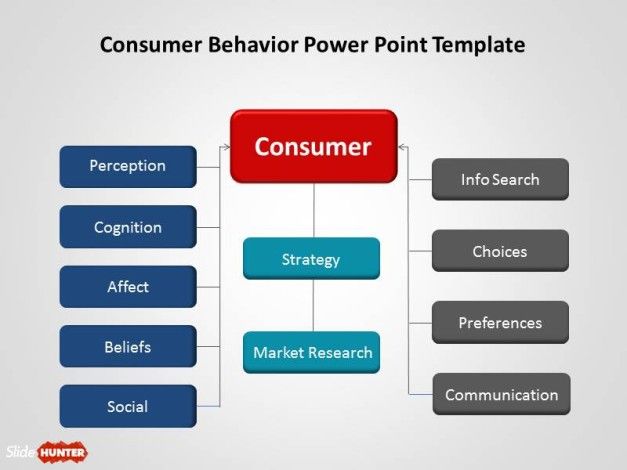
Definition and Core Purpose of the Consumer Credit Act
The Consumer Credit Act (CCA), primarily enacted in the United Kingdom in 1974 (with subsequent amendments), establishes a comprehensive legal framework governing the provision of credit to individuals. Its core purpose is to ensure fairness, transparency, and accountability in credit transactions, protecting consumers from predatory lending practices while maintaining a balanced regulatory environment for lenders. The Act applies to a broad spectrum of credit agreements, hire agreements, and related financial products, ensuring standardized disclosure requirements, contractual obligations, and dispute resolution mechanisms.The legal framework of the CCA is underpinned by the Financial Conduct Authority (FCA) and the Office of Fair Trading (OFT), with enforcement powers delegated to these bodies. The Act’s primary objectives include:
The CCA operates in tandem with other financial regulations but distinguishes itself through its exclusive focus on consumer credit, unlike broader financial laws that address commercial or institutional lending.
Key Terms and Their Legal Definitions
The Consumer Credit Act defines specific terms to clarify its scope and application. Understanding these terms is essential for compliance and consumer rights enforcement."Credit Agreement" – A legally binding contract where a lender provides credit to a consumer, including loans, credit cards, overdrafts, and hire-purchase agreements. The agreement must specify repayment terms, interest rates, and total costs.
"Regulated Agreement" – A credit agreement subject to the CCA’s provisions, excluding exempt transactions (e.g., business credit, certain secured loans under £25,000). Regulated agreements require mandatory disclosures, such as the Annual Percentage Rate (APR) and total charge for credit.
"Hire Agreement" – A contract where a consumer obtains the use of goods (e.g., cars, appliances) in exchange for periodic payments, with no transfer of ownership until the final payment. Unlike credit agreements, hire agreements are governed by distinct rules under the CCA, particularly regarding default and repossession rights.
"Debt Counseling and Debt Relief Orders (DROs)" – Mechanisms under the CCA to assist consumers in financial distress. Debt counseling provides advisory services, while DROs offer a legal process to write off debts under specific income thresholds (currently £50,000 or less in unsecured debts).Examples of Credit Agreements Covered by the CCA:
Comparison of the Consumer Credit Act with Other Financial Regulations
While the CCA focuses on consumer credit, other financial regulations address broader or specialized areas. Below is a structured comparison highlighting key differences in scope, enforcement, and consumer protections.| Regulation | Primary Scope | Key Consumer Protections | Enforcement Authority | Notable Exemptions |
|---|---|---|---|---|
| Consumer Credit Act (CCA) | Individual credit agreements, hire agreements, and debt counseling in the UK. |
|
Financial Conduct Authority (FCA), County Courts (for disputes). | Business credit, loans over £25,000 (secured), certain exempt agreements. |
| Fair Credit Reporting Act (FCRA) (U.S.) | Regulates credit reporting agencies and consumer access to credit reports. |
|
Federal Trade Commission (FTC), Consumer Financial Protection Bureau (CFPB). | Medical credit reporting (under HIPAA), certain employer background checks. |
| Truth in Lending Act (TILA) (U.S.) | Requires clear disclosure of credit terms (e.g., loans, mortgages, credit cards). |
|
CFPB, state attorneys general. | Business loans, agricultural loans, certain government loans. |
| Payment Services Regulations (PSRs) (UK) | Regulates electronic payment services (e.g., card payments, e-money). |
|
FCA, Payment Systems Regulator (PSR). | Cash transactions, certain high-value payments. |
Application of the Consumer Credit Act to Credit Products
The CCA’s application varies depending on the type of credit product, its structure (secured/unsecured), and the lender’s classification. Below is a step-by-step outline of how the Act applies to common credit products, including distinctions between secured and unsecured credit.Step 1: Classification of the Credit Agreement
The first requirement is determining whether the agreement falls under the CCA’s regulatory scope. This involves:
Step 2: Mandatory Disclosures for Regulated Agreements
All regulated agreements must include:
Example (Personal Loan Disclosure):Step 3: Secured vs
"APR: 12.9% (fixed). Total charge for credit: £1,290 over 3 years. Early repayment penalty: 1% of remaining balance if repaid within 12 months."
Key Consumer Protections Under the Consumer Credit Act
The Consumer Credit Act establishes a robust framework to safeguard consumers from exploitative lending practices by mandating transparency, fairness, and accountability in credit agreements. These protections ensure borrowers have access to clear information, fair terms, and recourse mechanisms when disputes arise. The Act achieves this through structured disclosures, prohibitions on unfair terms, and enforceable rights throughout the credit lifecycle.Mandatory Disclosures in Credit Agreements
Creditors must provide consumers with standardized, unambiguous information to enable informed decision-making. These disclosures are legally binding and structured to ensure comparability across lenders. Key requirements include:-
Annual Percentage Rate (APR): The total cost of borrowing expressed as a percentage, including interest, fees, and charges. The APR must be prominently displayed and calculated in accordance with the Act’s prescribed methodology. For example, a £10,000 loan with an interest rate of 8% and a £200 arrangement fee would require disclosure of the equivalent APR, which might be 8.24% (assuming a 5-year term).
"The APR must be presented in a clear, legible font and cannot be obscured by additional terms or conditions."
- Total Amount Payable: The full cost of the credit over the agreed term, including all fees, interest, and penalties. This must be itemized in the agreement. For instance, a £5,000 personal loan over 3 years with a 10% APR and a £150 late payment fee would require disclosure of the total repayment amount (£5,800.50).
- Early Repayment Charges: If applicable, these must be disclosed upfront, including any caps or exceptions. The Act prohibits excessive charges, which are defined as those exceeding 0.5% of the remaining balance or a fixed fee (whichever is lower).
- Default Interest and Penalties: Any interest or fees applied for missed payments must be clearly stated, along with the circumstances under which they apply. For example, a lender cannot impose a £50 penalty for a single late payment if the agreement does not specify this threshold in advance.
- Right to Cancel (Cooling-Off Period): Consumers must be informed of their right to cancel the agreement within 14 days of signing (for regulated agreements), with exceptions for certain credit types (e.g., mortgages or hire-purchase agreements secured by goods).
Regulation of Unfair Practices and Prohibited Terms
The Act prohibits terms that create a significant imbalance in the parties’ rights and obligations, particularly those that:Case Study: Hidden Fees in Payday Lending
In Office of Fair Trading v. Wonga (2014), the UK’s Financial Conduct Authority (FCA) found that Wonga’s £24 "collection fee" for missed payments—applied regardless of the amount owed—was unfair. The FCA ruled that the fee disproportionately penalized borrowers and ordered its removal from all agreements.
Hypothetical Scenario: Excessive Early Repayment Penalty
A consumer takes a £20,000 loan at 5% APR with a clause stating they must pay £2,000 if they repay early. Under the Act, this penalty would likely be deemed unfair because:
1. It exceeds the 0.5% cap (£100 in this case).
2. It lacks proportionality to the lender’s loss (early repayment benefits lenders by reducing interest income).
3. The consumer has no opportunity to challenge its fairness pre-contractually.
Consumer Complaint Process Under the Consumer Credit Act
The Act provides a structured pathway for consumers to resolve disputes, escalating from informal resolution to formal adjudication. Below is a textual flowchart describing the process:START
│
├─ Step 1: Informal Complaint to Creditor
│ - Consumer submits a written complaint with evidence (e.g., missed payments, unfair fees).
│ - Creditor has 8 weeks to respond (extendable to 15 weeks for complex cases).
│ - If unresolved, proceed to Step 2.
│
├─ Step 2: Escalation to Ombudsman
│ - Complaint filed with the Financial Ombudsman Service (FOS) (for financial disputes) or local Trading Standards (for non-financial breaches).
│ - Ombudsman reviews evidence and may:
│ ├── Order the creditor to refund unfair fees.
│ ├── Reduce interest rates retroactively.
│ ├── Compensate the consumer (up to £150,000).
│ - Decision is binding on the creditor but not the consumer (who may choose to accept or reject).
│
├─ Step 3: Formal Legal Action
│ - If the Ombudsman’s decision is unsatisfactory, the consumer may:
│ ├── Sue in small claims court (for amounts under £10,000).
│ ├── Seek intervention from Trading Standards for criminal prosecutions (e.g., illegal lending).
│ ├── Report to the FCA for systemic breaches (e.g., widespread unfair terms).
│
END
Key Deadlines:
Pre-Contractual Obligations vs. Post-Contractual Rights
The Act imposes duties on creditors before and after entering an agreement, ensuring fairness at every stage. Below is a comparative summary with real-world applications:| Pre-Contractual Obligations | Post-Contractual Rights | Real-World Application | ||||||||||||||||||||||||||||||||||||||||||||
|---|---|---|---|---|---|---|---|---|---|---|---|---|---|---|---|---|---|---|---|---|---|---|---|---|---|---|---|---|---|---|---|---|---|---|---|---|---|---|---|---|---|---|---|---|---|---|
|
|
Example: Payday Loan Affordability
Critical Clauses in Consumer Credit Agreements and Their Legal ValidityCertain clauses in credit agreements are subject to strict scrutiny under the Act. Below are examples of void or voidable terms, along with their legal implications.
Interaction with Other Laws and Regulatory FrameworksThe Consumer Credit Act operates alongside complementary legislation to provide layered protections for consumers. Below is a cross-referenced list of overlapping provisions and exemptions.Data Protection and Privacy Bankruptcy and Insolvency
Case Studies and Real-World Applications of the Consumer Credit ActThe Consumer Credit Act serves as a cornerstone in safeguarding borrowers from predatory practices and ensuring fair lending standards. Real-world applications demonstrate its effectiveness in resolving disputes, enforcing compliance, and adapting to evolving financial landscapes. Below are annotated case studies illustrating its impact, common violations addressed by regulatory bodies, jurisdictional comparisons, and emerging trends shaping its future.Annotated Case Studies Highlighting the Consumer Credit Act’s ImpactThe following cases illustrate pivotal moments where the Act played a decisive role in consumer protection, legal rulings, and systemic reforms.Case Study 1: Office of Fair Trading v. Lloyds TSB Bank (2007)
Summary: Ruling: Consumer Outcome: Lessons Learned: Case Study 2: Moneybox Ltd v. Ash (2018) – Payday Loan Mis-selling
Summary: Ruling: Consumer Outcome: Lessons Learned: Case Study 3: European Commission v. Ireland (2020) – Mortgage Interest Relief (MIR) Complaints
Summary: Ruling: Consumer Outcome: Lessons Learned: Common Violations of the Consumer Credit Act and Regulatory ResponsesRegulatory bodies frequently address systemic violations that exploit loopholes in credit agreements. Below are recurring offenses, their consequences, and actionable insights for compliance.Context: Key Violations and Regulatory Actions: - Misrepresented Annual Percentage Rate (APR) - Improper Debt Collection and Credit Reporting - Unauthorized Doorstep Lending and Coercive Sales - Failure to Provide Required Documentation The Consumer Credit Act stands as a testament to the balance between economic growth and consumer protection, offering a structured yet flexible framework that evolves with financial innovation. From mandating clear disclosures on APR and total credit costs to providing avenues for dispute resolution, its provisions create a safety net for borrowers while maintaining market stability. Real-world applications—such as enforcement actions against lenders for misrepresented terms or successful consumer complaints resolved through regulatory intervention—demonstrate its tangible impact. As jurisdictions refine their approaches to digital lending and open banking, the Act’s principles will continue to shape equitable credit practices globally. Ultimately, its enduring relevance lies in its ability to adapt without compromising the core tenet: ensuring that credit transactions remain transparent, fair, and accessible to all. FAQWhat does the Consumer Credit Act 1974 actually cover and regulate?The Consumer Credit Act 1974 (UK) regulates agreements for credit, including loans, hire purchases, and credit cards, to protect borrowers. It requires lenders to provide clear information, prohibits unfair terms, and enforces cooling-off periods for doorstep lending. The act also covers debt collection practices and sets rules for credit agreements over £25 (or £50 for hire agreements). How is the Consumer Credit Act 2006 different from the 1974 version?The Consumer Credit Act 2006 (UK) replaced and updated the 1974 act, expanding protections for consumers, including stricter rules on payday lending, interest rate caps, and debt management. It introduced the Financial Conduct Authority (FCA) to oversee credit firms and strengthened penalties for non-compliance. Key changes also included clearer disclosure requirements and expanded rights for borrowers facing financial difficulty. What exactly counts as consumer credit activity under UK law?Consumer credit activity refers to any business providing credit to individuals (not businesses), such as loans, credit cards, overdrafts, or rent-to-own agreements. It also includes debt counselling, credit broking, and debt collection services. Under UK law, firms engaging in these activities must be licensed by the Financial Conduct Authority (FCA) and comply with consumer protection rules. What is the National Credit Act and where does it apply?The National Credit Act is South Africa’s primary law regulating credit provision, debt counselling, and consumer protection in lending. It applies to all credit agreements (including loans, store cards, and microloans) and aims to prevent over-indebtedness by requiring affordability assessments and fair treatment of borrowers. The act is enforced by the National Credit Regulator (NCR). What are the key provisions of the National Credit Act 34 of 2005?National Credit Act 34 of 2005 (South Africa) mandates that credit providers assess a consumer’s ability to repay before granting credit, bans unfair credit practices, and establishes a 5-year debt review process for over-indebted individuals. It also regulates interest rates, fees, and requires clear disclosure of terms. The act created the National Credit Regulator to monitor compliance and educate consumers. How is the National Credit Act relevant in a business studies context?In business studies, the National Credit Act (South Africa) is studied as a framework for ethical lending, risk management, and consumer protection in financial services. It teaches businesses how to comply with legal requirements, manage credit risk, and avoid penalties while balancing profitability with social responsibility. The act also highlights the role of regulation in reducing financial exclusion and predatory lending. |


Leave a Comment
Comments are moderated before appearing. The data you submit is processed according to the Privacy Policy of Voltefac.