What Foods Will Make Your Buttocks Bigger Science Based Guide
Table of Contents
- Scientific Foundations of Gluteal Growth
- Anatomical and Functional Roles of Gluteal Muscles
- Mechanisms of Gluteal Hypertrophy
- Nutritional Framework for Gluteal Hypertrophy
- Calculating Daily Caloric and Protein Needs for Gluteal Enlargement
- Food Categories That Support Gluteal Hypertrophy
- Animal-Based Protein Sources and Their Role in Muscle Repair
- Plant-Based Protein Sources and Their Amino Acid Complementarity
- Dairy and Fermented Foods for Muscle Growth and Gut Health
- Grains and Complex Carbohydrates for Glycogen Replenishment
- Meal Planning and Dietary Strategies for Gluteal Hypertrophy
- 7-Day Meal Plan Template for Gluteal Growth
- Structuring Meals Around Training Days
- Tracking Dietary Progress for Gluteal Development
- Supplements and Additives for Gluteal Enhancement
- Evidence-Based Supplements for Gluteal Hypertrophy
- Creatine Monohydrate and Beta-Alanine: Mechanisms and Dosage
- Comparison of Natural vs. Synthetic Supplements for Muscle Growth
- Functional Foods as Complementary Supplements
- Timing and Stacking Strategies for Optimal Gluteal Growth
- Training Synergy: Food and Exercise Pairings for Gluteal Hypertrophy
- Pre- and Post-Workout Nutrition for Glute Activation
- Exercise-Specific Food Pairings for Glute Hypertrophy
- Dietary Adjustments Based on Training Intensity and Progression
- Sample Daily Adjustments for Leg Day vs. Rest Day
- Beginners (Example: 70kg Female, 3x/week leg training) Day Type Calories Protein (g) Carbs (g) Fats (g) Key Adjustments
- FAQ
- What foods can help make your buttocks bigger?
- What foods will help me grow my booty naturally?
- Which foods can help increase the size of my buttocks naturally?
- What foods make your butt bigger over time?
- How can foods help make your glutes bigger?
- Are there specific foods that can make your booty bigger?
Achieving well-defined and voluminous buttocks requires a strategic blend of targeted resistance training and a nutrient-dense diet tailored to stimulate gluteal hypertrophy. The gluteal muscles—comprising the gluteus maximus, medius, and minimus—respond optimally to progressive overload, sufficient protein intake, and a caloric surplus that fuels muscle repair and growth. Beyond mere aesthetics, this physiological process hinges on hormonal triggers like testosterone and insulin-like growth factor (IGF-1), which amplify muscle protein synthesis when paired with the right dietary inputs.
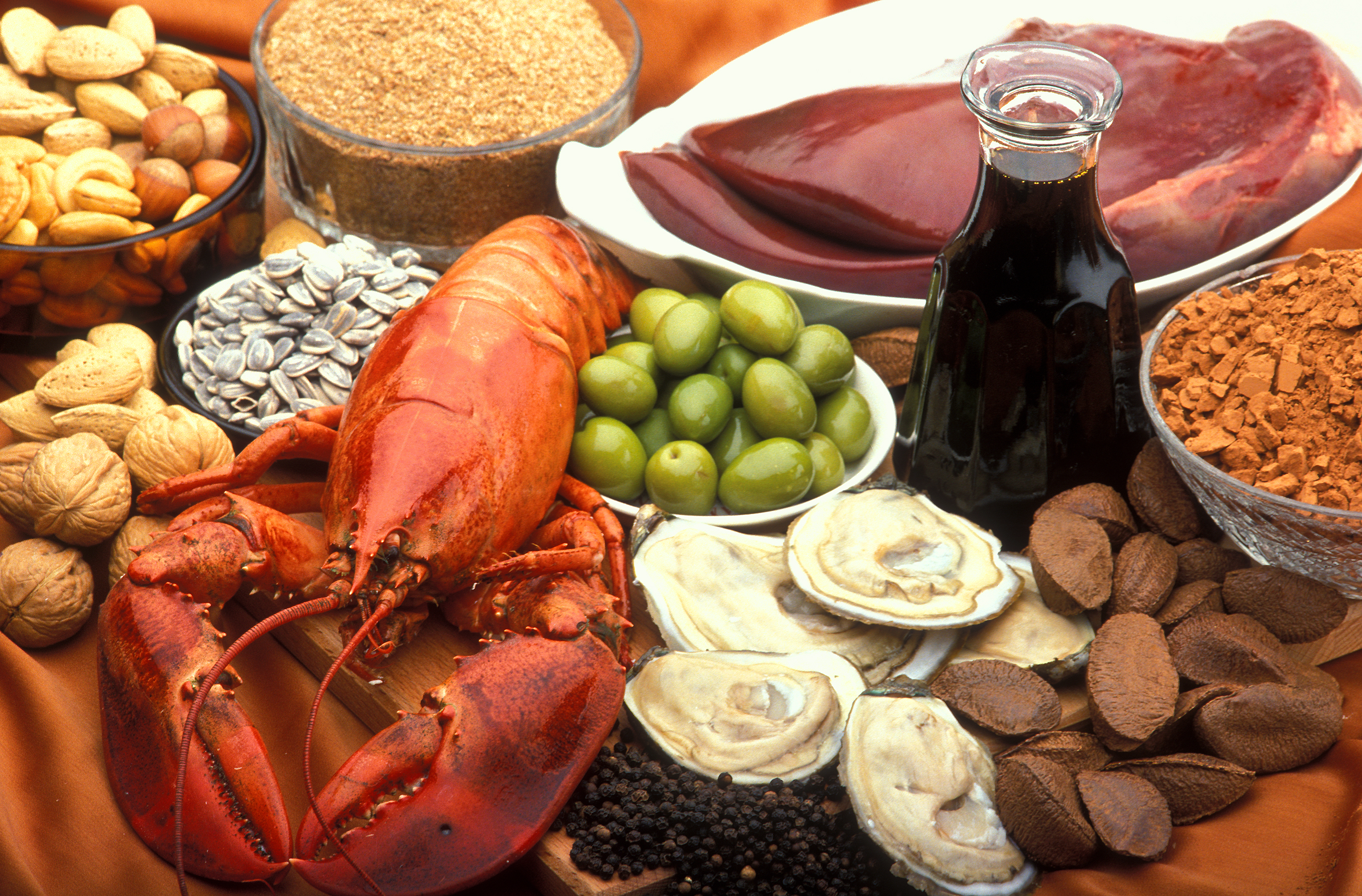
While genetics and consistency in training form the foundation, dietary choices act as the catalyst that either accelerates or hinders progress. High-protein foods, calorie-dense carbohydrates, and healthy fats play distinct yet complementary roles in supporting muscle recovery, energy reserves, and long-term growth. This guide dissects the science behind gluteal development, identifies the most effective food categories for hypertrophy, and integrates meal planning with exercise synergy to maximize results. Whether adjusting macronutrient ratios or timing meals around workouts, precision in nutrition is the often-overlooked factor that separates modest gains from transformative outcomes.
.jpg/220px-Foods_(cropped).jpg)
Scientific Foundations of Gluteal Growth
The development of the buttocks is primarily driven by the hypertrophy of the gluteal muscles—gluteus maximus, medius, and minimus—which are among the largest and most powerful muscles in the human body. Gluteal hypertrophy is influenced by a combination of mechanical tension, metabolic stress, and progressive overload, all of which are stimulated through resistance training, hormonal responses, and precise nutritional strategies. Understanding the anatomical structure, fiber composition, and physiological mechanisms underlying muscle growth is essential for designing effective interventions to enhance gluteal development.The gluteal muscles are composed of Type I (slow-twitch) and Type II (fast-twitch) fibers, with the gluteus maximus containing a higher proportion of Type II fibers, which are more responsive to hypertrophy when subjected to high-intensity resistance training. Meanwhile, the gluteus medius and minimus contribute to lower-body stability and hip abduction, with a greater emphasis on endurance-based adaptations. Hormonal factors such as testosterone, insulin-like growth factor-1 (IGF-1), and growth hormone play critical roles in protein synthesis, satellite cell activation, and muscle fiber repair, all of which are indispensable for sustained gluteal enlargement.
Anatomical and Functional Roles of Gluteal Muscles
The gluteal muscles are categorized based on their primary functions and fiber distribution:- Gluteus Maximus:
- Gluteus Medius:
- Gluteus Minimus:
Key Insight: The gluteus maximus is the primary target for visible buttock enlargement due to its size and fiber distribution, while the medius and minimus contribute to overall symmetry and functional strength.
Mechanisms of Gluteal Hypertrophy
Gluteal muscle growth occurs through mechanical tension, muscle damage, and metabolic stress, collectively termed the hypertrophy triad. These mechanisms are amplified by resistance training, hormonal responses, and nutritional support, particularly through:1. Progressive Overload:
2. Protein Synthesis and Satellite Cells:
3. Hormonal Influences:
Practical Application:
Nutritional Framework for Gluteal Hypertrophy
Gluteal muscle growth requires a caloric surplus to provide the energy and substrates necessary for hypertrophy, coupled with sufficient protein intake to support muscle repair. Macronutrient ratios must align with individual activity levels, metabolic rate, and recovery needs.Macronutrient Breakdown for Optimal Gluteal Hypertrophy
The following table outlines recommended daily macronutrient targets based on activity level, with adjustments for sedentary vs. active individuals. Values are derived from body recomposition principles and empirical data from strength athletes.
| Parameter | Sedentary (Minimal Exercise) | Moderately Active (3–5 Workouts/Week) | Highly Active (6+ Workouts/Week) |
|---|---|---|---|
| Caloric Surplus | 200–300 kcal above maintenance | 300–500 kcal above maintenance | 500–700 kcal above maintenance |
| Protein Intake (g/kg body weight) | 1.2–1.6 g/kg | 1.6–2.2 g/kg | 2.2–2.6 g/kg |
| Carbohydrate Intake (g/kg body weight) | 3–4 g/kg (prioritize around workouts) | 4–5 g/kg (fuel-intensive sessions) | 5–6 g/kg (high-volume training) |
| Fat Intake (% of Total Calories) | 25–30% | 20–25% | 15–20% |
| Fiber Intake (g/day) | 25–30 g | 30–35 g | 35–40 g |
Calculating Daily Caloric and Protein Needs for Gluteal Enlargement
Accurate estimation of caloric and protein requirements depends on basal metabolic rate (BMR), activity level, and training goals. Below is a step-by-step guide incorporating Harris-Benedict Equation and activity multipliers for precision.Step 1: Determine Basal Metabolic Rate (BMR)
The BMR represents calories
Food Categories That Support Gluteal Hypertrophy
Gluteal hypertrophy, the targeted growth of the gluteal muscles, requires a strategic dietary approach that prioritizes protein synthesis, caloric surplus, and nutrient density. Foods rich in high-quality protein, complex carbohydrates, healthy fats, and micronutrients play a pivotal role in muscle repair, glycogen replenishment, and hormonal optimization. Below, categorized food groups are analyzed for their protein content, amino acid profiles, caloric density, and functional benefits in supporting glute development. Meal timing, caloric surplus strategies, and superfood integration are also explored to maximize muscle growth efficiency.
Animal-Based Protein Sources and Their Role in Muscle Repair
Animal-derived proteins are complete proteins, meaning they contain all essential amino acids (EAAs) in optimal ratios for muscle protein synthesis (MPS). Key sources include lean meats, poultry, fish, and eggs, each offering unique benefits for gluteal hypertrophy.
Key Amino Acids for Gluteal Growth:
Protein Content and Caloric Density:
Animal proteins typically range from 20–30g protein per 100g, with caloric densities varying based on fat content. Lean cuts (e.g., skinless chicken breast, sirloin steak) provide ~160–200 kcal/100g, while fatty cuts (e.g., ribeye, salmon) offer ~250–350 kcal/100g, supporting both muscle growth and energy surplus.
Meal Timing Strategies:
Optimal Protein Intake for Gluteal Hypertrophy:
Aim for 1.6–2.2g of protein per kg of body weight daily, distributed across 4–5 meals to evenly stimulate MPS. For a 70kg individual, this equates to 112–154g protein/day.
Plant-Based Protein Sources and Their Amino Acid Complementarity
Plant-based proteins are incomplete individually but can be combined to form complete amino acid profiles when paired strategically. Legumes, tofu, tempeh, and quinoa are particularly effective for gluteal growth due to their high fiber, complex carb, and micronutrient content.Protein Content and Caloric Density:
Complementary Pairings for Complete Proteins:
Meal Integration Example:
Plant-Based Considerations:
While plant proteins are effective, digestibility and absorption may be lower than animal proteins. Pairing with vitamin C (bell peppers, citrus) enhances iron absorption from legumes, critical for oxygen transport to muscles.
Dairy and Fermented Foods for Muscle Growth and Gut Health
Dairy products contribute high-quality protein, calcium, and probiotics, which support muscle contraction, recovery, and gut microbiome health—a growing area of research for athletic performance.Key Dairy Sources and Nutritional Profiles:
| Food | Protein (per 100g) | Calories | Key Amino Acids | Additional Benefits |
|---|---|---|---|---|
| Greek Yogurt | 10g | 60 kcal | Leucine, casein | Probiotics, slow-digesting casein |
| Cottage Cheese | 11g | 90 kcal | Casein, lysine | High in BCAAs, supports muscle repair |
| Skim Milk | 3.4g | 35 kcal | Whey + casein | Whey protein for fast MPS stimulation |
| Cheese (Cheddar) | 25g | 400 kcal | Leucine, methionine | High in fat-soluble vitamins (A, K2) |
Meal Timing and Portion Control:
Dairy and Muscle Growth:
Studies indicate that casein protein before sleep reduces overnight muscle protein breakdown by ~50%, while whey post-workout increases MPS by ~20% compared to placebo.
Grains and Complex Carbohydrates for Glycogen Replenishment
Complex carbohydrates provide sustained energy, glycogen replenishment, and insulin-mediated nutrient partitioning to gluteal muscles. Whole grains, pseudocereals, and starchy vegetables are prioritized for their low glycemic index (GI) and fiber content, which prevent energy crashes.Nutritional Breakdown of Glute-Friendly Grains:
| Food | Carbs (per 100g) | Protein | Fiber | GI | Key Nutrients |
|---|---|---|---|---|---|
| Quinoa | 64g | 14g | 7g | 53 | Complete protein, magnesium |
| Sweet Potato | 34g | 2g | 4g | 70 | Beta-carotene, potassium |
| Brown Rice | 78g | 7g | 4g | 68 | B vitamins, resistant starch |
| Oats |
Meal Planning and Dietary Strategies for Gluteal Hypertrophy
Optimal gluteal growth requires a structured approach to nutrition that aligns with resistance training, recovery, and metabolic demands. A well-designed meal plan ensures adequate caloric surplus, balanced macronutrient distribution, and strategic timing of nutrients to support muscle protein synthesis, glycogen replenishment, and hormonal responses conducive to hypertrophy. Below, a science-backed 7-day meal template is provided, along with strategies for meal structuring, dietary tracking, and correction of common errors that hinder progress.7-Day Meal Plan Template for Gluteal Growth
The following template prioritizes high-protein, moderate-fat, and carbohydrate-rich meals with adjustments for training intensity. Caloric targets are based on a moderate surplus (~300–500 kcal above maintenance) with macronutrient ratios of 35–40% protein, 30–35% carbohydrates, and 25–30% fats. Portions should be scaled according to individual body weight, activity level, and metabolic rate.Key Adjustments for Training Days:
| Day | Meal | Food Items | Calories (kcal) | Protein (g) | Carbs (g) | Fats (g) |
|---|---|---|---|---|---|---|
| Day 1 (Training) | Breakfast | 1 cup oats cooked in water + 1 scoop whey protein + 1 tbsp peanut butter + 1 cup blueberries | 550 | 45 | 60 | 15 |
| Snack | 2 hard-boiled eggs + 1 medium apple + 10 almonds | 300 | 18 | 35 | 12 | |
| Lunch | 6 oz grilled chicken breast + 1 cup quinoa + 1 cup steamed broccoli + 1 tbsp olive oil | 650 | 55 | 50 | 20 | |
| Dinner | 6 oz lean beef (sirloin) + 1 large baked sweet potato + 1 cup sautéed spinach + 1 tbsp butter | 700 | 50 | 60 | 25 | |
| Day 2 (Off-Training) | Breakfast | 3 scrambled eggs + 2 slices whole-grain toast + ½ avocado + 1 cup Greek yogurt | 600 | 40 | 40 | 30 |
| Snack | 1 scoop casein protein + 1 tbsp almond butter + 1 rice cake | 250 | 25 | 20 | 10 | |
| Lunch | 6 oz salmon + ½ cup brown rice + 1 cup roasted Brussels sprouts + 1 tsp sesame oil | 600 | 45 | 45 | 25 | |
| Dinner | 6 oz turkey breast + 1 cup mashed cauliflower + 1 tbsp tahini + 1 cup mixed greens | 550 | 50 | 30 | 20 |
Structuring Meals Around Training Days
Meal timing influences nutrient partitioning, glycogen stores, and hormonal responses critical for gluteal hypertrophy. The following framework optimizes recovery and growth by aligning carbohydrate and protein intake with training phases.Pre-Workout (1–2 Hours Before):
Carbohydrates are prioritized to top off glycogen stores and spare protein for muscle repair. Ideal sources include:
Post-Workout (30–60 Minutes After):
The anabolic window is most effective for protein synthesis and glycogen replenishment. Combine:
Evening Meal (Dinner):
Supports overnight recovery with:
Example Timing Schedule (Training Day):
| Time | Meal | Example |
|---|---|---|
| 7:00 AM | Breakfast | Oats + whey protein + peanut butter |
| 10:00 AM | Snack | Greek yogurt + berries |
| 1:00 PM | Pre-Workout | Sweet potato + grilled chicken |
| 3:30 PM | Post-Workout | Whey protein + banana |
| 6:30 PM | Dinner | Salmon + quinoa + roasted vegetables |
| 9:30 PM | Evening Snack | Cottage cheese + almonds |
Tracking Dietary Progress for Gluteal Development
Consistent monitoring ensures adherence to caloric and macronutrient targets while identifying plateaus or inefficiencies. Digital tools and manual journals serve as effective methods for tracking.Recommended Tracking Methods:
1. Food Logging Apps:
2. Manual Journaling:
2024-05-20 | Dinner | 6 oz
Supplements and Additives for Gluteal Enhancement
Evidence-based supplementation can optimize gluteal hypertrophy by enhancing protein synthesis, energy availability, and recovery. While no supplement replaces structured resistance training and a caloric surplus, strategic use of compounds—particularly those supported by clinical research—can amplify results. This section examines key supplements, their mechanisms, dosing protocols, and comparative analyses between natural and synthetic options, alongside functional foods that serve as complementary muscle-building agents.
Evidence-Based Supplements for Gluteal Hypertrophy
Supplements are categorized based on their primary roles: protein synthesis stimulation, energy metabolism enhancement, recovery acceleration, and anabolic signaling modulation. The following compounds are among the most researched for muscle growth, with specific relevance to glute-focused training.
Creatine Monohydrate and Beta-Alanine: Mechanisms and Dosage
Creatine monohydrate increases phosphocreatine stores in muscle cells, delaying fatigue during high-intensity resistance training (HIT). A meta-analysis in Sports Medicine (2017) demonstrated that creatine supplementation (3–5 g/day) improves strength and power output by 5–15% over 4–12 weeks, with greater gains in fast-twitch muscle fibers—critical for explosive glute movements (e.g., hip thrusts, squats). Timing is less critical than consistency, but post-workout ingestion may optimize absorption due to insulin-mediated uptake.
Beta-alanine buffers lactic acid accumulation, delaying muscle fatigue during repeated sets. Research in Amino Acids (2013) showed that 3.2–6.4 g/day of beta-alanine increases intramuscular carnosine concentrations by ~60% within 4 weeks, improving endurance in glute-focused circuits. Paresthesia (tingling sensation) is a transient side effect but resolves within 1–2 hours and does not impair performance.
Comparison of Natural vs. Synthetic Supplements for Muscle Growth
The following table contrasts natural and synthetic supplements based on cost, accessibility, effectiveness, and safety for gluteal hypertrophy. Natural options often lack standardized dosages, while synthetic compounds are rigorously tested for purity and potency.| Supplement | Natural Source | Synthetic Equivalent | Cost (USD/month) | Accessibility | Effectiveness (Glute Hypertrophy) | Key Side Effects |
|---|---|---|---|---|---|---|
| Protein | Greek yogurt, eggs, lentils | Whey protein isolate (25–30g post-workout) | Natural: $10–$30 | Synthetic: $20–$50 | Natural: Universal | Synthetic: Gym stores/online | Natural: Moderate (lower leucine content) | Synthetic: High (rapid absorption) | Natural: None | Synthetic: Bloating (if lactose-intolerant) |
| Creatine | Red meat, fish (0.5–2g/day) | Creatine monohydrate (5g/day) | Natural: $50–$100 (dietary) | Synthetic: $15–$30 | Natural: Limited | Synthetic: Widely available | Natural: Low (inconsistent intake) | Synthetic: Very High | Natural: None | Synthetic: Weight gain (water retention), GI distress (rare) |
| BCAAs | Quinoa, soy, dairy | BCAA blend (5–10g pre/intra-workout) | Natural: $20–$40 (food-based) | Synthetic: $15–$40 | Natural: Universal | Synthetic: Gym stores | Natural: Moderate | Synthetic: High (targeted ratios) | Natural: None | Synthetic: Fatigue (excessive dosing) |
| Collagen | Bone broth, chicken skin | Hydrolyzed collagen peptides (10–20g/day) | Natural: $10–$20 | Synthetic: $25–$50 | Natural: Limited (processing required) | Synthetic: Online/grocery | Natural: Low (denatured protein) | Synthetic: Moderate (tendon/ligament support) | Natural: None | Synthetic: Mild GI discomfort |
Functional Foods as Complementary Supplements
Certain whole foods provide bioactive compounds that synergize with training and supplementation to enhance gluteal growth. These foods are rich in protein, healthy fats, antioxidants, and micronutrients that support muscle repair, inflammation reduction, and metabolic efficiency.-
Greek Yogurt (Non-Fat, 200g)
Contains 20g protein (high leucine content) and probiotics, which may reduce exercise-induced inflammation. Pair with chia seeds (30g) for omega-3s and fiber, enhancing satiety and muscle recovery. Example: Post-workout smoothie with banana, spinach, and almond butter. -
Dark Chocolate (85% Cocoa, 30g)
Rich in flavonoids, which improve blood flow to muscles during training. Contains magnesium (30–50mg), a mineral critical for neuromuscular function. Consume as a pre-workout snack with almonds (10g) for healthy fats. -
Salmon (150g, Wild-Caught)
Provides 25g protein and 2.5g omega-3s (EPA/DHA), reducing muscle protein breakdown. Omega-3s also enhance insulin sensitivity, improving nutrient partitioning to glutes. Serve with quinoa (½ cup) for a complete amino acid profile. -
Sweet Potatoes (200g, Baked)
High in complex carbs (40g) and vitamin A, which supports collagen synthesis. Pair with lean turkey breast (100g) for a balanced macronutrient ratio post-lifting. -
Blueberries (150g)
Contains anthocyanins, antioxidants that mitigate oxidative stress from intense training. Combine with cottage cheese (½ cup) for a casein protein source, ideal before bed to sustain overnight muscle protein synthesis.
Timing and Stacking Strategies for Optimal Gluteal Growth
Supplement timing should align with muscle protein synthesis (MPS) windows and energy demands of glute-focused workouts. The following protocols are derived from studies in Journal of the International Society of Sports Nutrition (2018) and Nutrients (2020):Pre-Workout (60–90 min before):
Beta-alanine (3–4g) + Caffeine (3–6mg/kg) for endurance and focus.
Example: 4g beta-alanine in water with 200mg caffeine (e.g., green tea extract).
Intra-Workout (During):
BCAAs (5g) or EAA (Essential Amino Acids, 10g) to prevent catabolism, especially in fasted states.
Example: 10g EAAs in water during high-volume glute circuits.
Post-Workout (Within 30–60 min):
Whey protein (25–30g) + Creatine (5g) + Fast-digesting carbs (50–70g, e.g., white rice or fruit).
Example: 30g whey + 50g banana + 5g creatine monohydrate.
Before Bed (Casein Protein):
Slow-digesting casein (30–40g) to sustain MPS
Training Synergy: Food and Exercise Pairings for Gluteal Hypertrophy
Optimal gluteal growth requires a strategic integration of nutrition and resistance training, where macronutrient timing, energy availability, and recovery support are synchronized with exercise demands. The synergy between pre- and post-workout nutrition and glute-specific exercises enhances muscle activation, glycogen replenishment, and protein synthesis—critical factors for hypertrophy. This section explores evidence-based food-exercise pairings, the role of peri-workout nutrition in maximizing glute recruitment, and adaptive dietary strategies tailored to training intensity and individual progression levels.The timing and composition of meals relative to resistance training sessions directly influence intramuscular energy availability, muscle protein synthesis (MPS), and recovery. For glute-focused workouts, which rely heavily on glycolytic pathways (anaerobic energy production), carbohydrate intake before and after training ensures sustained performance and accelerates glycogen resynthesis. Concurrently, protein consumption stimulates MPS, while electrolytes and antioxidants mitigate exercise-induced oxidative stress. Advanced lifters and beginners differ in caloric and nutrient requirements due to variations in muscle mass, training volume, and metabolic efficiency, necessitating individualized adjustments.
Pre- and Post-Workout Nutrition for Glute Activation
Glute-specific exercises—such as hip thrusts, Bulgarian split squats, and heavy squats—demand high intramuscular energy turnover and mechanical stress, making peri-workout nutrition a determinant of performance and adaptation. Research indicates that consuming 20–40g of high-glycemic carbohydrates (e.g., white rice, potatoes, or fruit) with 10–20g of whey protein 30–60 minutes pre-workout optimizes glycogen availability and insulin sensitivity, enhancing glute fiber recruitment. Post-workout, a 3:1 to 4:1 carbohydrate-to-protein ratio (e.g., 60g carbs + 20g protein) within 30–60 minutes maximizes glycogen resynthesis and MPS, critical for hypertrophy.
Key Nutritional Targets for Glute Training:Branched-chain amino acids (BCAAs) and essential amino acids (EAAs) play a supplementary role in reducing muscle breakdown during training, particularly in fasted or low-carb states. However, whole-food sources (e.g., lean meats, dairy, legumes) remain superior due to their cofactor and micronutrient profiles. For advanced lifters, creatine monohydrate (3–5g/day) enhances phosphocreatine stores, delaying fatigue in high-repetition glute exercises, while caffeine (3–6mg/kg) may improve power output in explosive movements like jump squats.
Pre-workout (30–60 min before): 20–40g fast-digesting carbs + 10–20g protein (e.g., banana + whey shake, rice cakes + Greek yogurt). Post-workout (within 30–60 min): 60–100g carbs + 20–40g protein (e.g., sweet potato + chicken, oatmeal + casein protein). Hydration: 500–700mL water + electrolytes (sodium, potassium) to offset sweat losses and support muscle function.
Exercise-Specific Food Pairings for Glute Hypertrophy
The selection of pre- and post-workout foods should align with the metabolic demands of glute-specific exercises. Heavy compound lifts (e.g., barbell hip thrusts, back squats) deplete glycogen rapidly and require immediate replenishment, whereas accessory work (e.g., cable kickbacks, glute-focused circuits) benefits from sustained energy release. Below is a table outlining optimal food pairings for common glute exercises, categorized by energy system dominance and recovery needs.
For exercises emphasizing time under tension (TUT) (e.g., paused squats, isometric holds), a lower-glycemic carb source (e.g., whole-grain toast, lentils) paired with slow-digesting protein (e.g., cottage cheese, eggs) may enhance endurance and reduce metabolic stress. Conversely, high-intensity interval training (HIIT) glute circuits (e.g., sled pushes, box jumps) benefit from fast-digesting carbs to replenish ATP and creatine phosphate stores rapidly.
Exercise Primary Energy System Pre-Workout Snack (30–60 min before) Post-Workout Meal (within 60 min) Rationale Barbell Hip Thrusts (4–6 sets x 6–12 reps) Glycolytic (anaerobic) White rice cakes + whey protein (30g carbs + 20g protein) Grilled chicken + sweet potato (60g carbs + 30g protein) High-glycemic carbs prime glycogen stores; protein supports MPS during high-volume sets. Bulgarian Split Squats (3–4 sets x 8–12 reps/leg) Mixed (glycolytic + oxidative) Banana + almond butter (30g carbs + 5g fat) Quinoa + salmon (40g carbs + 25g protein + omega-3s) Moderate carbs sustain endurance; omega-3s reduce inflammation from eccentric loading. Cable Kickbacks (3–4 sets x 12–20 reps) Oxidative (aerobic) Oatmeal + casein protein (40g carbs + 20g protein) Greek yogurt + berries (25g carbs + 15g protein + antioxidants) Slow-digesting carbs provide steady energy; antioxidants mitigate muscle damage. Jump Squats (Pyramid Sets: 10–5–3–5–10 reps) Phosphagen + glycolytic Honey + BCAAs (20g carbs + 5g BCAAs) Beetroot juice + whey protein (20g nitrates + 25g protein) Nitric oxide boosts blood flow; BCAAs prevent catabolism during explosive efforts.
Dietary Adjustments Based on Training Intensity and Progression
Caloric and macronutrient requirements scale with training volume, intensity, and individual adaptations. Beginners experience neuromuscular efficiency gains with minimal caloric surplus, while advanced lifters require higher protein intake (1.6–2.2g/kg body weight) and strategic carb cycling to support increased workload. Below are evidence-based adjustments for different training phases, including sample meal plans for leg days versus rest days.
General Caloric and Macronutrient Guidelines:
Beginners (0–2 years training): 250–500 kcal surplus; 1.2–1.6g protein/kg; carb intake aligned with training volume. Intermediate (2–5 years training): 300–700 kcal surplus; 1.6–2.0g protein/kg; carb periodization (higher on leg days). Advanced (5+ years training): 500–1,000 kcal surplus; 2.0–2.5g protein/kg; aggressive carb loading pre-competition or peak hypertrophy phases. Sample Daily Adjustments for Leg Day vs. Rest Day
Beginners (Example: 70kg Female, 3x/week leg training)
Day Type Calories Protein (g) Carbs (g) Fats (g) Key Adjustments Leg Day 2,300 kcal 112g (1.6g/kg) 250g 65g Pre-workout: 40g carbs + 20g protein; post-workout: 80g carbs + 30g protein. Rest Day The path to enhancing buttock size through diet is not merely about consuming more calories or protein—it demands a systematic approach that aligns nutritional science with individualized physiological needs. By leveraging foods rich in leucine, complex carbohydrates for glycogen replenishment, and healthy fats for hormone regulation, individuals can create an environment conducive to sustained gluteal growth. Pairing these dietary strategies with evidence-based supplements and exercise-specific nutrition further optimizes recovery and performance. Ultimately, the most effective plans are those that balance precision with adaptability, allowing for adjustments based on progress, activity levels, and metabolic responses. With disciplined execution, the right foods become the cornerstone of a stronger, more defined lower body.
FAQ
What foods can help make your buttocks bigger?
No food alone can increase buttock size significantly, but a calorie surplus with protein-rich foods (like chicken, eggs, or tofu), healthy fats (avocados, nuts), and complex carbs (sweet potatoes, quinoa) supports muscle growth when combined with strength training. Focus on overall nutrition and resistance exercises for visible changes.
What foods will help me grow my booty naturally?
Eating enough calories—especially from lean proteins (salmon, lentils), whole grains (brown rice), and healthy fats (olive oil, peanut butter)—fuels muscle growth, but genetics and targeted workouts (like squats or hip thrusts) are critical. No single food "builds" the booty; consistency in diet and training matters most.
Which foods can help increase the size of my buttocks naturally?
Foods high in protein (beef, Greek yogurt), fiber (beans, oats), and omega-3s (fatty fish, flaxseeds) support muscle repair and recovery, aiding growth when paired with progressive strength training. A balanced diet with a slight calorie surplus is essential, but spot reduction isn’t possible—full-body workouts are key.
What foods make your butt bigger over time?
Consuming calorie-dense, nutrient-rich foods like eggs, lean meats, nuts, and whole grains provides the energy and building blocks for muscle growth, but results depend on resistance training and consistency. Hormonal balance (e.g., adequate sleep, stress management) also plays a role in muscle development.
How can foods help make your glutes bigger?
Foods rich in protein (chicken, cottage cheese), healthy fats (almonds, chia seeds), and slow-digesting carbs (oats, quinoa) fuel gluteal muscle growth when combined with progressive overload exercises (e.g., deadlifts, lunges). Without strength training, diet alone won’t increase glute size.
Are there specific foods that can make your booty bigger?
No foods directly "make" the booty bigger, but a diet high in protein (tofu, turkey), complex carbs (whole grains), and anti-inflammatory foods (berries, leafy greens) optimizes muscle recovery and growth when paired with targeted resistance training. Focus on overall nutrition and progressive strength work.

Leave a Comment
Comments are moderated before appearing. The data you submit is processed according to the Privacy Policy of Voltefac.