| Israel (Bagel Burger) |
- Wheat flour with egg wash
- Fillings: hard-boiled egg, cheese, pickles, smoked fish
- Condiments: mayo, mustard, hot sauce
|
Boiled and baked like New York-style but often thicker. Served as a sandwich with layered ingredients. |
A post-immigration adaptation, blending Eastern European and
Modern Bagel Menu Design and Structure
Contemporary bagel cafés blend tradition with innovation, crafting menus that cater to diverse tastes while emphasizing customization, dietary inclusivity, and seasonal creativity. A well-structured menu organizes offerings by flavor profiles, meal occasions, and dietary needs, ensuring clarity for customers while highlighting specialty items. Effective menu design also leverages descriptive language to evoke sensory appeal and strategic formatting—such as blockquotes for limited-time offers—to drive engagement and sales.The evolution of bagel menus reflects broader culinary trends, including plant-based alternatives, gluten-free adaptations, and fusion toppings. Below, a sample menu layout is presented, followed by categorization strategies for dietary preferences and meal occasions, alongside best practices for flavor descriptions and digital presentation techniques.
A modern bagel café menu balances classic offerings with inventive twists, organized into distinct sections to guide customer selection. The following structure prioritizes visual hierarchy, thematic grouping, and ease of navigation, while accommodating both traditionalists and adventurous eaters.
-
Classic Bagels
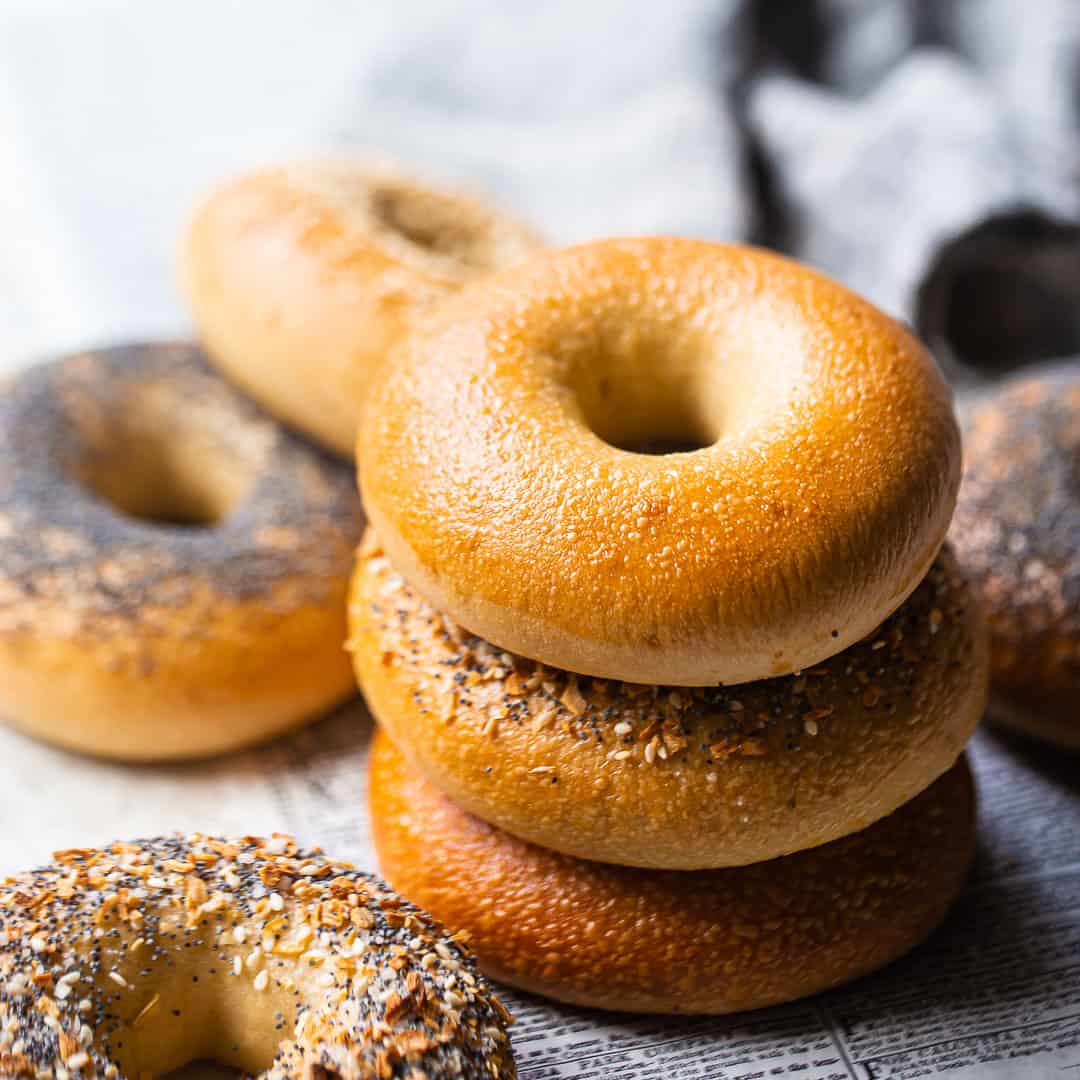
A foundational section featuring traditional varieties with brief descriptions of their origins and textures. Include options such as:- New York-style (sesame, poppy, everything)
- Jewish-style (pumpernickel, onion)
- Plain (light, slightly sweet)
- Blueberry or cinnamon raisin (sweet variations)
Note: Offer a "Build Your Own" option for custom toasting and toppings.
-
Gourmet Toppings
A dedicated section for premium toppings, categorized by protein, dairy, vegetables, and sauces. Highlight artisanal or locally sourced ingredients to justify premium pricing. Examples:- Proteins: Smoked salmon (Nova lox), grilled chicken, turkey pastrami, vegan "chicken" (seitan or jackfruit)
- Dairy: Whipped herbed cream cheese, goat cheese, vegan cashew cream cheese
- Vegetables: Pickled jalapeños, caramelized onions, roasted garlic, microgreens
- Sauces: Everything bagel seasoning blend, spicy harissa, truffle aioli
-
Breakfast Pairings
A morning-focused section combining bagels with breakfast staples, such as:- Bagel Sandwiches: "The Classic" (lox + cream cheese) or "Savory Sweet" (cinnamon raisin + peanut butter)
- Bagel Bowls: Toasted bagel halves as a base for scrambled eggs, avocado, and chili flakes
- Beverage Pairings: Cold-brew coffee, chai latte, or fresh-squeezed orange juice
-
Dessert Options
A curated selection of sweet bagel adaptations, including:- Fruit Bagels: Topped with whipped cream, berries, and honey
- Cinnamon Sugar Bagel: Served with vanilla ice cream or caramel drizzle
- Chocolate-Dipped Bagel: Filled with Nutella or dark chocolate ganache
- Gluten-Free or Vegan Dessert Bagels: Made with almond flour or coconut-based dough
Categorization by Dietary Preferences and Meal Occasions
Menu organization by dietary needs and meal contexts enhances accessibility and reduces decision fatigue for customers. Below are strategies for categorizing items, along with examples of how to integrate these filters into the menu design.
-
Dietary Preference Categories
Clearly label sections or use icons (e.g., 🌱 for vegan, 🥖 for gluten-free) to denote dietary compliance. Common categories include:-
Vegan
Replace dairy and meat with plant-based alternatives. Example:
"Vegan Everything Bagel: Toasted everything bagel with vegan cream cheese, marinated tempeh bacon, avocado, and microgreens."
-
Gluten-Free
Use certified gluten-free bagel dough (e.g., rice flour or almond flour base). Example:
"GF Blueberry Bagel: Soft gluten-free bagel with blueberry jam, almond butter, and a sprinkle of flaxseed."
-
Kosher
Include certified kosher options, adhering to dietary laws (e.g., separate dairy/parve sections). Example:
"Kosher Dill Lox Bagel: Toasted everything bagel with smoked salmon, kosher dill cream cheese, and capers."
-
Low-Carb/Paleo
Offer bagels made with cassava flour or seeds (e.g., sunflower seed bagels). Example:
"Paleo Seed Bagel: Sunflower-seed-based bagel with almond butter and sliced banana."
-
Meal Occasion Segmentation
Group items by when they are most likely consumed, with descriptive language tailored to each context. Examples:-
Brunch
Emphasize hearty, savory-sweet combinations. Example:
"Brunch Bagel Stack: Toasted cinnamon raisin bagel layered with fried egg, crispy prosciutto, arugula, and balsamic glaze."
-
Lunch
Focus on protein-rich, portable options. Example:
"Lunchbox Bagel: Sesame bagel with turkey pastrami, Swiss cheese, spicy mustard, and pickles."
-
Snacks
Highlight quick, handheld items. Example:
"Snack Attack: Mini everything bagel with hummus and roasted chickpeas."
-
Dessert
Position sweet options as indulgent or shareable. Example:
"Afternoon Pick-Me-Up: Chocolate-chip bagel with whipped cream and sea salt."
Compelling menu descriptions use vivid, sensory-rich language to communicate ingredients, textures, and preparation methods. Below are templates and examples for crafting descriptions that align with culinary trends and customer expectations.
-
Structure of a Flavor Description
Follow a consistent format to highlight key elements:- Bagel Type: Specify the base (e.g., "toasted everything bagel").
- Primary Topping: Name the star ingredient (e.g., "smoked salmon").
- Secondary Toppings: List complementary components in order of prominence.
- Preparation Notes: Mention toasting, heating, or assembly techniques.
- Flavor Profile: Use adjectives to evoke taste (e.g., "tangy," "herbaceous," "crunchy").
-
Examples by Category
| Item |
Description |
|---|
| Classic Lox Bagel |
"Toasted everything bagel topped with flaky Nova lox, velvety herbed cream cheese, thinly sliced red onion, and fresh dill. A brunch staple with a perfect balance of smoky, creamy, and bright flavors." |
| Spicy Jalapeño Turkey |
"Grilled turkey breast, sharp cheddar, and pickled jalapeños nestled between a toasted sesame bagel. Finished with a drizzle of chipotle mayo for a kick of heat." |
| Vegan "Reuben" |
"Marinated seitan pastrami, sauerkraut, and vegan Swiss cheese on a toasted rye bagel. Slather
Ingredient Sourcing and Customization for Premium Bagel Menus
The quality of a bagel menu hinges on the sourcing of core ingredients and the ability to adapt traditional recipes to contemporary dietary needs. High-end bagel offerings rely on artisanal components such as wild yeast starters, heirloom grains, and specialty cheeses, while customization addresses gluten-free, vegan, and flavor-enhanced preferences. Sustainable sourcing ensures authenticity and reduces environmental impact, while strategic substitutions expand accessibility without compromising taste. Below, the focus shifts to identifying key ingredients, sourcing practices, and techniques for customization, including the design of interactive build-your-own stations.
Key Ingredients for Artisanal and Specialty Bagels
The foundation of a premium bagel menu lies in the selection of high-quality, often regionally or ethically sourced ingredients. These components elevate texture, flavor, and nutritional value while aligning with modern consumer demands for transparency and sustainability.
Core Ingredients and Sourcing Priorities
"A bagel’s character is defined by its dough, toppings, and finishing techniques—each requiring ingredients that balance tradition with innovation."
- Wild Yeast Starters and Sourdough Cultures
- Sourcing: Obtain from reputable bakeries (e.g., Breads Bakery in NYC for classic New York-style starters) or artisan suppliers like King Arthur Baking or Bobs Red Mill for organic, non-GMO options. For regional variations, seek out local sourdough labs (e.g., San Francisco’s Tartine Bakery for rye-based starters).
- Substitutions: For gluten-free adaptations, use gluten-free flour blends (e.g., Cup4Cup or King Arthur’s Measure for Measure) activated with xanthan gum or psyllium husk to mimic dough elasticity.
- Menu Pairing: Ideal for classic sesame, poppy seed, or everything bagels; pair with smoked salmon and herbed cream cheese or vegan cashew-based cream cheese for plant-based menus.
- Heirloom and Specialty Grains
- Sourcing: Source from small-scale mills (e.g., Grist Mill in Portland for organic whole-grain flours) or ancient grain suppliers like Erewhon Malts for spelt, einkorn, or farro. For rye-heavy bagels (e.g., Polish-style), use dark rye flour from Bobs Red Mill or Hodgson Mill.
- Substitutions: For nut-free allergens, replace sesame seeds with pumpkin seeds (pepitas) or sunflower seeds; for higher protein, incorporate chickpea flour (up to 20% of the blend).
- Menu Pairing: Rye bagels with caramelized onions and gruyère; spelt bagels with fig jam and goat cheese for a sweet-savory profile.
- Artisanal Meats and Cheeses
- Sourcing: Partner with local butchers (e.g., D’Artagnan for cured meats) or cheese mongers (e.g., Murray’s Cheese for aged havarti, gouda, or blue cheese). For halal/kosher compliance, verify certifications with suppliers like Kosher.com-approved vendors.
- Substitutions: Vegan alternatives include hemp-based "meat" (e.g., Beyond Meat slices) or marinated tofu for texture; nutritional yeast can replace cheese in vegan cream cheese spreads.
- Menu Pairing: Smoked turkey bagels with swiss cheese and honey mustard; pastrami bagels with pickles and Russian dressing for a classic deli experience.
- Topping Enhancements
- Sourcing: Freshly ground spices (e.g., Tellichery’s for everything bagel seasoning) or house-made blends (e.g., garlic-herb salt, chili-lime salt). For unique toppings, collaborate with local farms for microgreens, edible flowers (e.g., nasturtiums), or truffle oil.
- Substitutions: Gluten-free toppings like crushed gluten-free pretzels or toasted coconut flakes; spicy variations with gochujang-infused cream cheese or sriracha glaze.
- Menu Pairing: Truffle bagels with whipped ricotta and prosciutto; matcha-white chocolate bagels for dessert applications.
Customization Techniques for Dietary and Flavor Adaptations
Modern bagel menus must accommodate gluten-free, vegan, low-carb, and allergy-conscious diners while offering bold flavor profiles. Customization extends beyond substitutions to include dough modifications, finishing techniques, and interactive presentation.
Dough and Texture Adaptations
"The art of customization lies in replicating the bagel’s signature chew and structure while adapting to dietary restrictions."
- Gluten-Free Dough Formulation
- Base Recipe: Combine 1 cup gluten-free 1:1 baking flour, ½ cup tapioca starch, ¼ cup xanthan gum, 1 tsp apple cider vinegar (for sourdough mimicry), and 1 tsp salt. Hydrate with ¾ cup warm water and 1 tbsp honey or maple syrup for fermentation.
- Boiling Technique: Simulate the bagel’s chew by boiling in honey-sweetened water (instead of malt syrup) for 1–2 minutes per side, then baking at 375°F (190°C) for 20–25 minutes.
- Equipment: Use silicon bagel molds (e.g., Nordic Ware) to maintain shape; parchment-lined trays prevent sticking.
- Vegan and Dairy-Free Alternatives
- Cream Cheese Substitutes:
- Cashew-based: Blend 1 cup soaked cashews, ¼ cup lemon juice, 2 tbsp nutritional yeast, 1 tbsp apple cider vinegar, and ½ tsp salt until smooth.
- Tofu-based: Mash 1 block firm tofu with 1 tbsp vegan butter, 1 tbsp lemon juice, and ½ tsp garlic powder.
- Egg Wash Alternatives: Use aquafaba (chickpea brine) or flaxseed "egg" (1 tbsp ground flax + 3 tbsp water) for glazes.
- Sweet and Savory Glaze Options
- Spicy Glazes: Mix 2 tbsp sriracha, 1 tbsp maple syrup, and 1 tsp lime juice; brush onto boiled bagels before baking.
- Dessert Glazes: Combine ½ cup powdered sugar, 2 tbsp milk (or almond milk), and 1 tsp vanilla extract for a classic sweet finish. For matcha-white chocolate, infuse 1 tbsp white chocolate chips with 1 tsp matcha powder and drizzle melted mixture.
Designing a Build-Your-Own Bagel Station
Interactive stations enhance customer engagement and cater to personalized preferences. A well-structured station requires modular equipment, organized ingredient displays, and clear labeling to streamline assembly.
Equipment and Layout Recommendations
"Efficiency in a build-your-own station balances speed of service with customization flexibility."
- Essential Equipment
- Bagel Toasters: Commercial-grade toasters (e.g., Vulcan HT-12) with adjustable heat settings to accommodate gluten-free or thinly sliced bagels.
- Slicing Stations: Electric bagel slicers (e.g., Hobart 4215) with guillotine-style blades for even cuts; include gluten-free-safe blades if offering GF options.
- Warming Drawers: Under-counter warmers (e.g., True Manufacturing) to maintain freshness of bagels and toppings.
- Dispensing Tools: Tongs, spatulas, and squeeze bottles for sauces (e.g., olive oil, hot honey) to minimize cross-contamination.
- Ingredient Display Strategy
- Modular Trays: Use stainless steel or acrylic trays with dividers to separate wet (e.g., cream cheese) and dry (e.g., seeds, nuts) toppings.
- Temperature Control
Trends and Innovations in Bagel Menus
The evolution of bagel menus reflects broader shifts in culinary creativity, consumer preferences, and technological integration. Modern bagel offerings now transcend traditional toppings and flavors, incorporating global fusion concepts, plant-based alternatives, and hyper-personalization driven by digital tools. These innovations address dietary trends, cultural diversity, and the demand for convenience without sacrificing authenticity. Technology further enhances the customer experience by enabling dynamic menu customization, real-time order tracking, and seamless integration with food delivery platforms. Below, the discussion explores emerging trends, the role of technology in menu design, and comparative analyses of classic versus modern bagel items, alongside strategies for compelling product descriptions.
Global Fusion and Cultural Hybridization in Bagel Menus
Bagel menus increasingly feature hybrid flavors that blend traditional bagel techniques with international cuisines, catering to multicultural palates and global food trends. This approach leverages the bagel’s malleable dough and chewy texture as a neutral canvas for bold, diverse ingredients. For instance, Korean-inspired bagels may combine bulgogi-marinated beef or spicy gochujang cream cheese with sesame seeds, while Indian masala bagels incorporate paneer, mint chutney, and garam masala-infused cream cheese. These adaptations align with the rise of fusion cuisine, where diners seek familiar yet novel flavor profiles.The success of global fusion bagels lies in their ability to:
- Bridge cultural gaps by making international flavors accessible through a familiar format.
- Appeal to millennial and Gen Z consumers, who prioritize adventurous yet approachable dining experiences.
- Highlight sustainability by repurposing global ingredients (e.g., using miso or harissa in place of traditional toppings).
"The bagel’s versatility makes it an ideal vehicle for cultural storytelling—each topping becomes a narrative of tradition and innovation."
Examples of Global Fusion Bagels:
- Japanese-Inspired: Miso-caramel glaze with smoked salmon and scallions.
- Mexican-Inspired: Chipotle-lime cream cheese with black beans, avocado, and cotija cheese.
- Middle Eastern-Inspired: Za’atar-spiced bagel with labneh, roasted eggplant, and pomegranate molasses.
Plant-Based and Sustainable Innovations
The demand for plant-based diets has spurred creativity in bagel menus, with bakeries replacing traditional dairy and meat toppings with vegan alternatives. Innovations include:
- Vegan cream cheeses infused with turmeric, smoked paprika, or truffle oil.
- Protein-rich spreads made from chickpeas, lentils, or tempeh, mimicking the texture of lox or smoked salmon.
- Sustainable ingredient sourcing, such as upcycled vegetables (e.g., carrot top pesto) or locally grown produce.
Key Trends:
- Beyond veganism: Plant-based options appeal to flexitarians and health-conscious consumers, expanding market reach.
- Texture experimentation: Brands use aquafaba (chickpea brine) or coconut yogurt to replicate creaminess.
- Seasonal and zero-waste menus: Features like "ugly vegetable" bagels (using imperfect produce) align with sustainability goals.
"Plant-based bagels demonstrate that innovation doesn’t require compromise—flavor and texture can be reimagined without sacrificing tradition."
Notable Plant-Based Bagel Examples:
- Smoky Maple Bagel: Vegan "lox" (beetroot and mushroom-based) with maple-glazed onions.
- Mediterranean Hummus Bagel: Whole wheat bagel with roasted red pepper hummus, olives, and za’atar.
- Breakfast Bagel: Tofu scramble with nutritional yeast, avocado, and microgreens.
Digital tools have revolutionized how bagel menus are presented and personalized, enabling real-time adjustments based on customer preferences, dietary restrictions, or inventory. Key technological advancements include:
- AI-driven recommendations: Apps like Toast POS or Square for Restaurants suggest toppings based on past orders or seasonal trends.
- Online configurators: Websites with interactive sliders (e.g., "spice level" or "cheese intensity") allow customers to design custom bagels before ordering.
- Mobile order-ahead systems: Integrations with Uber Eats or DoorDash let diners pre-select toppings, reducing wait times and errors.
- Augmented reality (AR) menus: Some cafés use AR to let customers "see" their bagel before purchase, enhancing engagement.
Impact on Customer Experience:
- Reduced decision fatigue: Pre-filtered options (e.g., "gluten-free," "vegan") streamline ordering.
- Data-driven personalization: Loyalty programs track preferences (e.g., "You loved the turmeric bagel—try the curry-spiced version!").
- Transparency: Digital menus display ingredient sourcing (e.g., "100% organic cream cheese") or allergen warnings.
"Technology transforms the bagel menu from a static document into an interactive, evolving experience—one that adapplies to the customer’s moment."
Case Study: The Bagel Shop’s App Integration
A New York-based bagel chain partnered with ChowNow to offer:
- Dynamic pricing for limited-edition flavors (e.g., "Halloween pumpkin-spice bagel").
- Subscription models for weekly topping rotations.
- Social media sharing of custom bagel designs via Instagram filters.
Comparative Analysis: Classic vs. Modern Bagel Items
The following table contrasts traditional bagel offerings with contemporary innovations, highlighting the rationale behind modern adaptations and their market appeal.
| Classic Item |
Modern Twist |
Why It Works |
Customer Appeal |
|---|
| Plain Bagel with Cream Cheese |
Matcha-White Chocolate Bagel: Sesame bagel with matcha-infused cream cheese, white chocolate drizzle, and crushed pistachios. |
- Leverages global matcha trend while maintaining familiar textures.
- Sweet-savory balance appeals to breakfast and dessert cravings.
- Instagram-friendly presentation drives social media shares.
|
- Attracts health-conscious millennials seeking antioxidant-rich foods.
- Positioned as a "brunch-to-go" option for busy professionals.
- Premium pricing justifies specialty ingredients.
|
| Lox and Cream Cheese |
Miso-Glazed Tofu Bagel: Everything bagel with miso-marinated tofu, pickled ginger, and scallions. |
- Plant-based alternative retains umami depth of traditional lox.
- Miso’s fermented notes align with gut-health trends.
- Visual contrast (pink tofu vs. classic salmon) sparks curiosity.
|
- Targets vegans and flexitarians without sacrificing flavor.
- Marketable as a "sustainable seafood replacement."
- Pairs well with craft beer or sake pairings.
|
| Jalapeño Popper Bagel |
Spicy Black Garlic Bagel: Pretzel bagel with black garlic cream cheese, caramelized onions, and crispy shallots. |
- Black garlic adds sweet-heat complexity, reducing reliance on raw spice.
- Pretzel dough’s saltiness balances rich toppings.
- Caramelization enhances depth without overpowering heat.
|
- Appeals to customers seeking "clean heat" (no artificial spice blends).
- Positioned as a "gourmet comfort food" upgrade.
- Pairs with craft cocktails (e.g., mezcal margaritas).
|
| Everything Bagel
Visual and Sensory Appeal of Bagel Menus
The sensory experience of a bagel menu extends beyond taste—it encompasses the visual allure of textures, the evocative aromas of freshly baked dough, and the tactile contrast of toppings. A well-designed menu leverages these elements to create an immersive journey for customers, transforming a simple breakfast or snack into a memorable culinary event. By strategically combining aesthetics with sensory triggers, menus can evoke anticipation, highlight craftsmanship, and differentiate offerings in a competitive market.The interplay between visual design and sensory storytelling is critical in modern menu development. Research in food psychology indicates that 73% of diners report that visual appeal influences their food choices, while aroma and texture further reinforce perceived quality (Journal of Sensory Studies, 2019). For bagel menus, this means prioritizing high-contrast imagery of golden-brown crusts, vibrant toppings, and dynamic plating techniques. Below, structured guidance ensures menus align with these principles while maintaining authenticity and appeal.
Effective menu descriptions use multisensory language to paint a vivid picture before the first bite. This technique engages customers emotionally, making abstract qualities—such as "artisanal" or "handcrafted"—tangible. For bagel menus, sensory descriptors should emphasize texture, aroma, and visual contrast to differentiate varieties and justify premium pricing.Key sensory triggers to incorporate:
- Aroma: "The intoxicating scent of toasted everything seeds and warm honey glaze fills the air, signaling a bagel freshly pulled from the oven."
- Texture: "A delicate balance of crispness on the exterior and a dense, chewy interior—each bite releases a burst of flavor."
- Visual contrast: "Streusel-topped bagels glisten with caramelized sugar, their golden-brown crusts contrasting sharply against the deep brown of the cinnamon swirl beneath."
- Temperature: "Warm from the oven, our sesame bagels offer a satisfying crunch that gives way to a soft, pillowy center."
Example descriptions for a premium bagel menu:
"The Smoked Salmon & Cream Cheese Bagel begins with a dense, chewy base, its crust slightly charred from wood-fired baking. Topped with flaky smoked salmon, herbed cream cheese, and capers, each bite delivers a symphony of smoky, briny, and creamy textures. The aroma of dill and lemon zest lingers, promising a burst of freshness with every bite."
Rules for sensory language:
- Avoid clichés (e.g., "tastes like heaven") in favor of specific, action-oriented phrases (e.g., "the garlic-infused cream cheese melts into a velvety spread").
- Pair visual and tactile cues (e.g., "the sesame seeds crackle under your teeth while releasing a nutty aroma").
- Use temperature descriptors (e.g., "served warm with a runny center") to imply freshness.
A bagel menu’s visual hierarchy should guide the eye toward high-margin or signature items while maintaining a cohesive brand identity. Color psychology, typography, and photography play pivotal roles in conveying quality and craftsmanship. Below are evidence-based design strategies tailored to bagel menus:1. Color Schemes and Brand Alignment
Colors evoke emotions and associations; for bagels, warm tones (golden browns, deep reds, and creams) suggest freshness and comfort, while cool accents (blues or greens) can imply artisanal or health-conscious positioning.
- Example: A bakery specializing in wood-fired bagels might use charcoal blacks and burnt oranges to evoke smokiness, while a health-focused café could opt for sage greens and soft whites.
- Avoid: Overly bright colors (e.g., neon pinks) that may clash with the rustic, organic appeal of bagels.
2. Typography and Readability
Font choice should balance legibility with brand personality. Serif fonts (e.g., Playfair Display, Baskerville) convey tradition and craftsmanship, while sans-serifs (e.g., Montserrat, Helvetica) suit modern or minimalist designs.
- Hierarchy tips:
- Use bold, larger fonts for signature bagels (e.g., "Wood-Fired Everything Bagel").
- Reserve italics or cursive for handwritten-style descriptions (e.g., "Artisan-Style").
- Limit all-caps text to headings or accents to avoid overwhelming the reader.
3. Photography and Styling
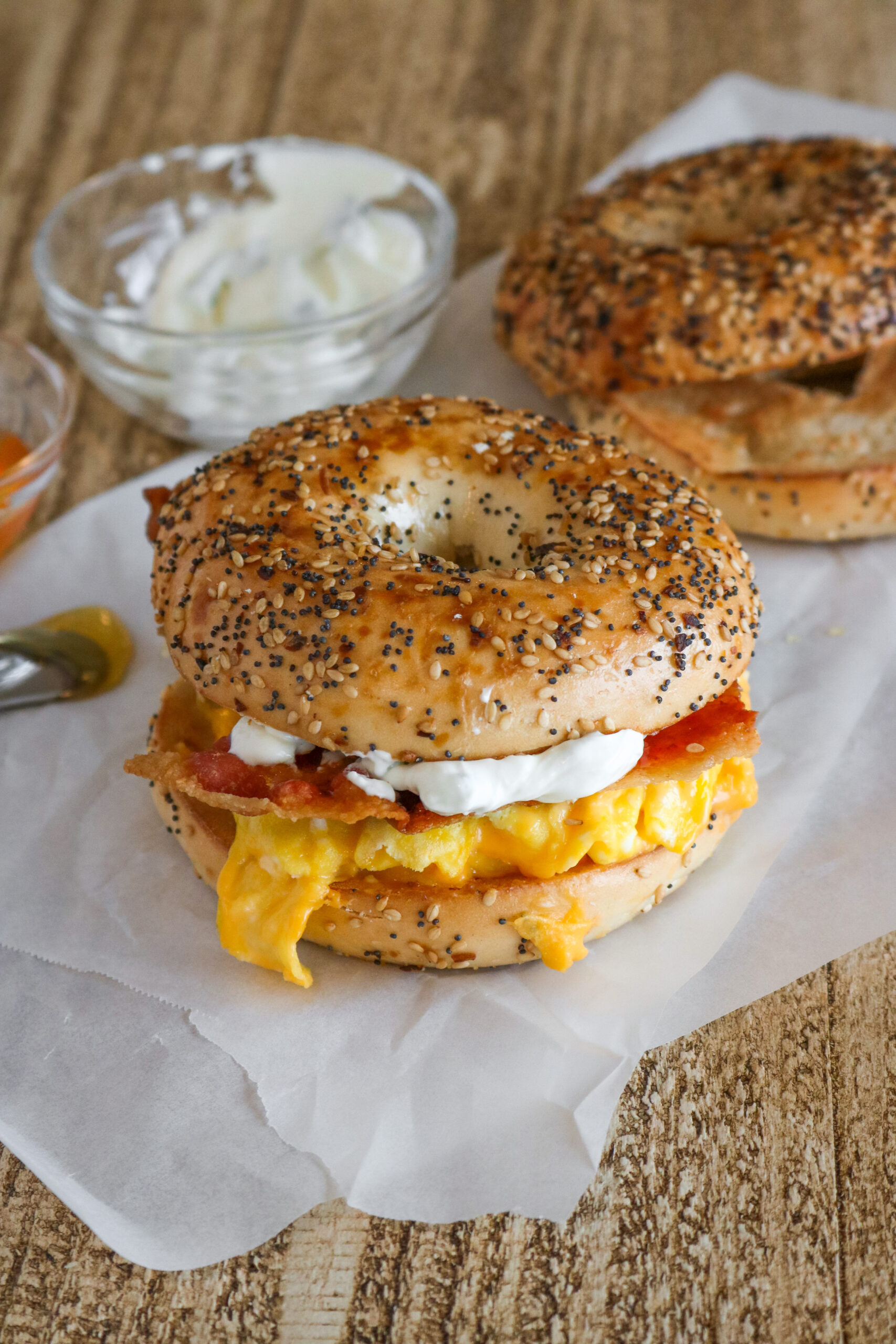
High-quality imagery is non-negotiable. Close-up shots of bagel textures (e.g., sesame seeds, cracked egg yolks, or melted cheese pulls) should dominate, while lifestyle images (e.g., a barista toasting a bagel) create emotional connections.
- Photography styles:
- Natural light: Softens shadows, highlighting crusts and toppings.
- Macro shots: Emphasizes seed patterns, crust porosity, and sauce drizzles.
- Flat lays: Shows color contrast (e.g., a bagel with lox, cream cheese, and red onion on a slate board).
- Avoid: Overly staged or HDR-enhanced images that distort natural colors.
4. Layout and White Space
Cluttered menus distract from key offerings. Strategic white space draws attention to high-margin items (e.g., gourmet toppings or limited-edition flavors).
- Placement rules:
- Top-right corner: Ideal for signature bagels (e.g., "Chef’s Special: Truffle & Goat Cheese").
- Center-fold: Use for seasonal or promotional items (e.g., "Holiday Spice Bagel").
- Bottom section: Reserved for classic varieties (e.g., plain, sesame, poppy).
Table: Menu Design Elements and Customer Engagement
Below is a structured breakdown of how visual and sensory elements attract customers, organized by menu component, design choice, sensory trigger, and purpose.
| Menu Element |
Visual Description |
Sensory Trigger |
Purpose |
|---|
| Signature Bagel Headline |
Bold, gold-foil-stamped text on a dark background (e.g., "The Original New York Everything Bagel"). |
Aroma of freshly baked seeds; tactile contrast of foil texture. |
Creates premium positioning and nostalgic appeal. |
| Topping Photography |
Macro shot of sesame seeds glistening under light, with a slight motion blur to imply freshness. |
Visual "crunch" effect; aroma of toasted seeds. |
Highlights texture and quality of ingredients. |
| Color Block for Dietary Categories |
Green section for "Gluten-Free," blue for "Vegan," with icons (e.g., a leaf or sun). |
Associates colors with health and inclusivity. |
Appeals to health-conscious and allergy-aware customers. |
| Descriptive Language for Sauces |
Text: "Schmear of Smoked Trout Cream Cheese—silky, with flecks of dill and a hint of lemon zest." |
Evokes tactile smoothness and aromatic freshness. |
Justifies premium pricing through sensory detail. |
| Temperature Indicators |
Icon of a steam cloud next to "Freshly Toasted" bagels. |
Suggests warmth and freshness without explicit text. |
Reduces perceived wait time and increases urgency. |
| Seasonal Bagel Spotlight |
Autumn-themed border with pumpkin spice bagel imagery. |
Links to seasonal aromas (cinnamon, nutmeg).The journey through what a bagel menu reveals is one of adaptability and artistry, where tradition and innovation coexist seamlessly. Whether through the nostalgic allure of classic toppings or the bold experimentation of plant-based or global fusion twists, bagel menus continue to captivate by balancing heritage with contemporary relevance. Effective design, strategic ingredient sourcing, and sensory-rich storytelling elevate these menus beyond sustenance, turning each selection into an experience. As trends evolve, the bagel’s enduring appeal lies in its ability to reflect cultural diversity while inviting customization—proving that even the simplest dough can become a gateway to culinary discovery.
FAQ
What does the menu look like at What A Bagel in Thornhill, and what options are available?
What A Bagel in Thornhill offers classic bagels (plain, sesame, poppy, cinnamon raisin, everything, and garlic) with toppings like cream cheese, smoked salmon, lox, scallions, and capers. They also serve breakfast sandwiches (e.g., bagel with egg, bacon, and cheese), coffee, tea, and cold drinks. The menu includes vegan and gluten-free options like vegan cream cheese and GF bagels.
Does What A Bagel provide a menu with prices for their bagels and other items?
What A Bagel’s menu typically lists bagels (around $3–$5 each), breakfast sandwiches ($6–$9), and drinks ($2–$4). Prices may vary slightly by location, but most items are clearly marked on their in-store menus or online. For exact pricing, check their website or call the specific store.
What items are on the menu at What A Bagel locations in Bathurst and Rutherford?
Both locations serve standard What A Bagel offerings: bagels (plain, sesame, everything, etc.), breakfast sandwiches (e.g., bagel with egg, sausage, or vegan options), coffee, tea, and juices. They may also feature seasonal specials or local variations. Contact the store for exact availability.
The St Clair location follows What A Bagel’s core menu: bagels (including classic and flavored varieties), breakfast sandwiches (with egg, bacon, or vegan fillings), and drinks. They also offer sides like fruit cups or yogurt parfaits. Check their social media for daily specials.
What A Bagel Spadina offers bagels (plain, sesame, everything, etc.), breakfast sandwiches (e.g., bagel with scrambled eggs or smoked salmon), coffee, tea, and cold drinks. Some locations add local twists, like Toronto-style toppings (e.g., peanut butter & banana). Prices are usually posted on the menu board.
The Richmond Hill location serves standard What A Bagel items: bagels (plain, sesame, cinnamon raisin, etc.), breakfast sandwiches (with egg, bacon, or vegan options), and drinks. They may also offer seasonal items or promotions. For specifics, visit their website or call ahead.
|
|
|
|

Leave a Comment
Comments are moderated before appearing. The data you submit is processed according to the Privacy Policy of Voltefac.