| Garnishes and Presentation |
- Minimalist plating: Beef over arugula, shaved cheese, and lemon zest.
- Drizzled with olive
Culinary Techniques and Expert Tips for Authentic Beef Carpaccio
Mastering beef carpaccio requires precision in knife skills, ingredient selection, and adherence to traditional techniques to preserve the dish’s delicate balance of texture and flavor. The signature thin slices demand sharp, controlled cuts, while the choice of beef—particularly its marbling, tenderness, and freshness—directly impacts the final result. Expert chefs emphasize that even minor deviations, such as improper slicing or excessive handling, can compromise the dish’s integrity. Below are the essential techniques and professional insights to achieve an authentic, restaurant-quality beef carpaccio.
Precision Knife Skills for Thin Slicing
The art of slicing beef carpaccio hinges on the use of a long, flexible blade (such as a slicing knife or sushi knife with a 16–20 cm (6–8 inch) length), which allows for even pressure distribution and minimal tearing. The ideal thickness for carpaccio ranges between 1.5–3 mm (0.06–0.12 inches), achieved through a combination of tension, angle, and blade sharpness.To execute the proper technique:
- Chill the beef for 30–45 minutes before slicing to firm up the fat and connective tissue, reducing the risk of uneven slices.
- Secure the meat by placing it on a cutting board with a non-slip mat or wrapping it in plastic wrap for stability.
- Hold the knife with a pinch grip (thumb and index finger) near the bolster for control, while the remaining fingers stabilize the handle.
- Slice against the grain at a 15–20° angle to the cutting board, using short, forward strokes rather than sawing motions. The blade should glide through the meat without resistance.
- Rotate the board rather than the knife to maintain consistency in thickness.
A professional tip: Practice on frozen beef (thawed slightly) to simulate the firmness of properly chilled cuts, refining muscle memory for uniform slices.
Selecting the Optimal Beef for Carpaccio
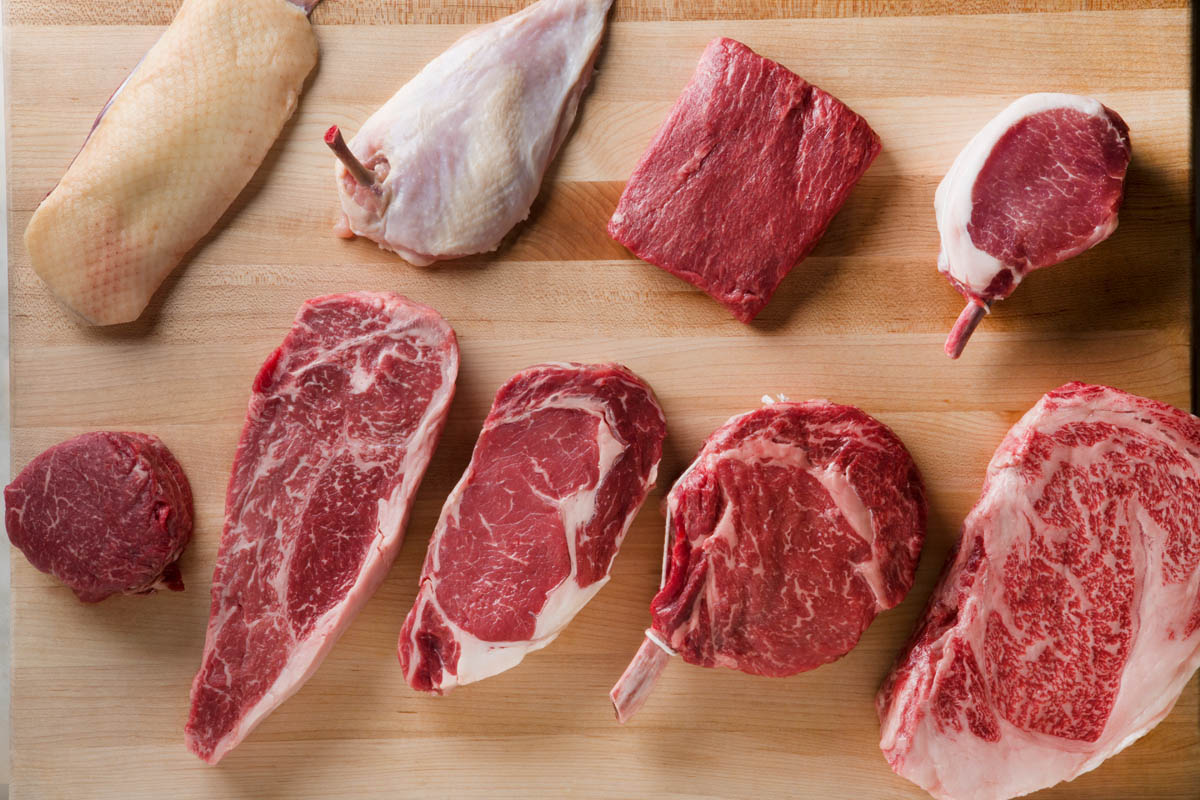
The quality of beef is non-negotiable in carpaccio, as the dish relies on raw, high-fat content to deliver rich flavor and tenderness. The following characteristics define the ideal cut:1. Cut Selection and Marbling
- Prime or Wagyu-grade beef is preferred due to its high intramuscular fat (marbling), which enhances juiciness and mouthfeel.
- Common cuts include:
- Ribeye (costata) – Balances marbling and tenderness; the outer edge (near the bone) is ideal for its fine fat distribution.
- Sirloin (bistecca) – Leaner but still tender if sourced from young, grass-fed cattle (e.g., Chianina or Angus).
- Tenderloin (filetto) – Extremely tender but lacks marbling; best used in small portions and paired with extra fat (e.g., foie gras or truffle oil).
- Avoid overly lean cuts (e.g., flank steak or skirt steak) unless aged for 45+ days, as they may yield a dry or chewy texture.
2. Tenderness Indicators
- Age of the animal: Younger cattle (18–30 months) produce more tender meat due to less connective tissue.
- Dry-aging (optional): 10–14 days of dry aging enhances flavor but is not mandatory for high-quality beef.
- Color and texture: The meat should exhibit a bright red hue (not brown or gray) and slight springiness when pressed gently.
3. Freshness and Handling
- Source from butchers who dry-age or vacuum-seal beef to prevent oxidation.
- Use within 24 hours of purchase for peak freshness; store at 0–2°C (32–36°F) in the refrigerator.
- Avoid pre-cut or pre-packaged beef, as exposure to air accelerates spoilage.
Common Mistakes and How to Avoid Them
"Carpaccio is as much about what you don’t do as what you do."
— Massimo Bottura, Chef & Owner of Osteria Francescana
The following errors are frequent among home cooks and even some professionals, often leading to a subpar dish:- Over-slicing or tearing the meat
Cause: Using a dull knife or sawing motions instead of smooth, gliding cuts.
Solution: Hone the blade with a whetstone before slicing and practice on frozen beef to build technique. - Overhandling the beef
Cause: Excessive touching or stacking slices, which introduces bacteria and compresses the fat.
Solution: Use tongs or a fish spatula to transfer slices directly to the plate. Serve immediately after slicing. - Skipping the chilling step
Cause: Slicing room-temperature beef results in uneven, ragged edges and fat pooling.
Solution: Chill the beef for 30–45 minutes before slicing to firm the fat. - Using improperly marbled or lean beef
Cause: Choosing low-fat cuts (e.g., flank steak) without compensating with additional fat sources (e.g., butter, cream, or truffle oil).
Solution: Select ribeye or Wagyu for natural marbling or pair leaner cuts with rich accompaniments. - Overseasoning or cross-contamination
Cause: Adding salt or pepper directly to the raw meat, which can alter texture and introduce pathogens.
Solution: Season the plate or serving dish lightly with flaky salt and freshly cracked pepper after arranging the slices. - Serving with incompatible accompaniments
Cause: Pairing carpaccio with heavy sauces (e.g., alfredo or garlic butter) that overpower the delicate flavors.
Solution: Use light, acidic, or umami-rich elements such as:
- Lemon zest and olive oil (classic Italian)
- Shaved Parmigiano-Reggiano (for saltiness)
- Microgreens or arugula (for peppery contrast)
- Truffle shavings or capers (for depth)
Nutritional Profile and Dietary Considerations of Beef Carpaccio
Beef carpaccio stands out as a nutrient-dense dish, offering a balance of high-quality protein, healthy fats, and essential micronutrients while maintaining a relatively low caloric count per serving. Its preparation—raw, thinly sliced beef paired with minimalistic yet flavorful accompaniments—makes it adaptable to various dietary preferences, from gluten-free and dairy-free to low-carb and ketogenic regimens. Understanding its nutritional composition and dietary flexibility ensures its inclusion in health-conscious and specialized meal plans without compromising on taste or texture.
The nutritional value of beef carpaccio is primarily derived from the lean cut of beef used, typically from the tenderloin or sirloin, which is naturally low in fat and high in protein. Accompaniments such as extra virgin olive oil, lemon juice, capers, and arugula contribute additional vitamins, minerals, and healthy fats, enhancing the dish’s overall nutritional profile. Below is a detailed breakdown of its macronutrient and micronutrient content, followed by adaptations for specific dietary needs and a comparative analysis with other raw beef dishes.
Macronutrient and Micronutrient Breakdown per Serving
A standard serving of beef carpaccio (approximately 100 grams of raw beef) provides the following nutritional profile, assuming the use of lean beef tenderloin (95% lean, 5% fat) and minimal accompaniments (1 tsp extra virgin olive oil, 1 tbsp lemon juice, 5g arugula, and 2g capers):
Macronutrient Content (per 100g serving):
- Calories: ~180–220 kcal
- Protein: 28–32g (high biological value, containing all essential amino acids)
- Total Fat: 6–8g (primarily unsaturated fats from olive oil and beef)
- Saturated Fat: 2–3g (from beef)
- Monounsaturated Fat: 3–4g (from olive oil)
- Polyunsaturated Fat: 0.5–1g (including omega-3 and omega-6 fatty acids)
- Carbohydrates: 2–4g (primarily from arugula and lemon juice)
- Fiber: 1–2g (from arugula and optional whole-grain mustard or gluten-free breadcrumbs)
Key Micronutrients:
- Iron: 2.5–3.5mg (14–20% DV; heme iron, highly bioavailable)
- Zinc: 5–7mg (45–64% DV; supports immune function and metabolism)
- Vitamin B12: 2.5–4.5mcg (100–188% DV; critical for neurological and hematological health)
- Selenium: 20–30mcg (36–55% DV; antioxidant properties)
- Vitamin K1: 50–80mcg (42–67% DV; from arugula, supports bone health)
- Vitamin C: 10–15mg (11–17% DV; from lemon juice, enhances iron absorption)
- Potassium: 300–400mg (7–10% DV; supports cardiovascular function)
Note: Values may vary based on the cut of beef, fat content, and specific accompaniments. For example, using ribeye or strip steak (higher fat content) increases saturated fat and calorie counts by ~30–50%.
Dietary Adaptations for Beef Carpaccio
Beef carpaccio’s simplicity allows for easy modifications to accommodate dietary restrictions or preferences. Below are common adaptations, their ingredient substitutions, and considerations for maintaining nutritional integrity.Importance of Adaptations:
Dietary restrictions often stem from allergies, ethical choices, or health conditions (e.g., celiac disease, lactose intolerance, or carbohydrate sensitivity). Adapting beef carpaccio ensures inclusivity while preserving its nutritional benefits, such as high protein and low carbohydrate content. However, substitutions must avoid compromising food safety (e.g., raw meat handling) or texture (e.g., replacing olive oil with high-smoke-point oils).
-
Gluten-Free Adaptation
The traditional preparation of beef carpaccio is inherently gluten-free, as it relies on beef, olive oil, lemon, and fresh herbs. However, if served with gluten-containing breadcrumbs, croutons, or sauces (e.g., soy sauce-based marinades), substitutions are necessary.- Replace breadcrumbs with toasted gluten-free breadcrumbs, almond flour, or crushed pistachios for crunch.
- Use tamari (gluten-free soy sauce) or coconut aminos instead of regular soy sauce in marinades.
- Avoid pesto (often contains wheat flour) and opt for basil oil or sun-dried tomato paste for flavor.
-
Dairy-Free Adaptation
Dairy is not a standard ingredient in beef carpaccio, but potential cross-contamination or accidental additions (e.g., butter in garnishes) may occur. For strict dairy-free diets:- Ensure olive oil or avocado oil is used exclusively (no butter or ghee).
- Avoid parmesan or pecorino garnishes; substitute with nutritional yeast, lemon zest, or microgreens for umami depth.
- Check capers and mustard for dairy additives (some brands include casein). Opt for certified dairy-free versions.
-
Low-Carb and Ketogenic Adaptation
Beef carpaccio aligns naturally with low-carb and ketogenic diets due to its high protein and fat content while being nearly void of carbohydrates. To optimize:- Eliminate starchy accompaniments (e.g., potatoes, roasted vegetables) and focus on leafy greens (arugula, spinach), radishes, or cucumber slices.
- Increase healthy fat content by adding avocado slices, olives, or macadamia nuts as toppings.
- Use sugar-free marinades (e.g., balsamic vinegar reduced with stevia or erythritol) to avoid hidden carbs.
-
Pescatarian or Plant-Based Adaptations
While beef carpaccio is inherently non-vegetarian, similar dishes can be created using high-quality raw fish (e.g., salmon or tuna carpaccio) or plant-based proteins. For a beef-free alternative:- Use seared and chilled mushrooms (e.g., portobello or shiitake) marinated in olive oil and balsamic vinegar to mimic texture.
- Opt for raw jackfruit or king oyster mushrooms for a "meaty" bite, though texture will differ.
- For protein content, pair with quinoa or lentil-based spreads (ensure proper cooking to avoid raw consumption risks).
Comparative Nutritional Analysis: Beef Carpaccio vs. Other Raw Beef Dishes
Raw beef dishes vary in preparation, fat content, and accompaniments, leading to distinct nutritional profiles. Below is a comparative table highlighting key differences between beef carpaccio, steak tartare, and beef tartare, based on standard 100g servings.
Assumptions for Comparison:
- Beef Carpaccio: Lean tenderloin (5% fat), olive oil, lemon, arugula.
- Steak Tartare: Ground beef (20% fat), egg yolk, capers, Worcestershire sauce, chives.
- Beef Tartare (French): Finely chopped ribeye (15% fat), shallots, parsley, Dijon mustard, cognac reduction.
| Nutrient |
Beef Carpaccio |
Steak Tartare |
Beef Tartare (French) |
|---|
| Calories (kcal) |
180–220 |
280–320 |
250–290
Cultural Significance and Global Variations of Beef Carpaccio
Beef carpaccio transcends its culinary origins to embody a symbol of sophistication and innovation in global gastronomy. Originating in Italy as a refined adaptation of traditional raw meat dishes, its evolution reflects broader shifts in fine dining, where presentation, texture, and ingredient quality redefine luxury. Beyond Italy, regional adaptations showcase cultural fusion, transforming the dish into a canvas for local flavors and techniques. This exploration examines its cultural impact in Italian cuisine and its global reinvention through diverse culinary traditions.The cultural significance of beef carpaccio lies in its association with Italian alta cucina (high cuisine), where it became a hallmark of modernist dining in the 20th century. Its name honors the Italian painter Vittorio Carpaccio, whose vivid, layered compositions inspired the dish’s delicate, visually striking preparation. In Italy, carpaccio represents a bridge between rustic traditions—such as carne cruda (raw meat)—and contemporary gastronomy, emphasizing minimal intervention and maximal flavor extraction. Restaurants like Romoli in Venice, where the dish was allegedly invented in the 1950s, cemented its status as a fine-dining staple, often paired with truffle oil, aged balsamic, and microgreens to evoke opulence.
Italian Culinary Legacy and Fine-Dining Symbolism
In Italy, beef carpaccio is synonymous with luxury and precision, often featured in multi-course tasting menus or as an aperitivo centerpiece. Its preparation adheres to strict standards: thinly sliced (1–2 mm) premium cuts (e.g., chianina or chateaubriand), flash-frozen to ensure safety, and served with aged balsamic glaze, shaved Parmigiano-Reggiano, and arugula. The dish’s association with Venetian and Milanese haute cuisine underscores its role in defining Italian slow food philosophy—where technique and ingredient integrity surpass quantity.Italian chefs often incorporate regional variations:
- Veneto: Uses chianina beef (a local breed) and pairs it with radicchio and pecorino cheese to balance acidity.
- Lombardy: Employs truffle-infused olive oil and fontina cheese for a richer profile.
- Sicily: Introduces citrus zest (e.g., blood orange) and capers to contrast the meat’s richness.
The dish’s visual artistry—mimicking Carpaccio’s paintings with layered slices and edible garnishes—reinforces its status as a culinary masterpiece. Italian sommeliers frequently recommend pairing it with Prosecco Superiore or Barolo, further elevating its fine-dining pedigree.
Global Adaptations and Regional Reinventions
Beyond Italy, beef carpaccio has undergone cultural hybridization, adapting to local palates while retaining its core principles of thin slicing and freshness. These variations often reflect climate, ingredient availability, and spice profiles, demonstrating the dish’s versatility. Below are notable global interpretations, categorized by culinary tradition:
Asian-Inspired Variations
Asian adaptations leverage umami, heat, and fermented flavors to complement the beef’s tenderness. Key examples include:
- Japanese Kobe Carpaccio:
- Uses melt-in-your-mouth Kobe beef, marinated in yuzu kosho (citrus-chili paste) or wasabi-infused soy sauce.
- Garnished with pickled ginger, scallions, and sesame seeds for a sushi-inspired presentation.
- Served with mirin-glazed mushrooms and ponzu emulsion to balance richness.
- Cultural note: Reflects Japan’s omakase tradition, where raw ingredients are celebrated for purity.
- Korean Galbi Carpaccio:
- Incorporates marinated galbi (ribeye) slices tossed in gochujang (fermented chili paste) and sesame oil.
- Topped with kimchi, quick-pickled radish, and toasted seaweed for crunch.
- Often served with ssamjang (dipping sauce) on the side.
- Cultural note: Merges hanjeongsik (Korean banquets) with Western raw meat trends.
- Thai Carpaccio with Pineapple and Chili:
- Features grass-fed beef with grilled pineapple slices and bird’s eye chili oil.
- Dressed in fish sauce reduction and lime zest for a sweet-spicy-sour contrast.
- Garnished with mint and crushed peanuts for texture.
- Cultural note: Aligns with Thailand’s street food philosophy, where bold flavors dominate.
Latin American and Caribbean Twists
Latin adaptations emphasize citrus, smoke, and tropical fruits, often reflecting indigenous and colonial influences. Examples include:
- Mexican Carpaccio Tacos:
- Corn tortillas filled with hanger steak carpaccio, avocado crema, and pickled onions.
- Topped with cotija cheese, cilantro, and tajín (chili-lime seasoning).
- Served with mango-habanero salsa for heat.
- Cultural note: Blends taqueria culture with raw meat trends, popularized by chefs like Enrique Olvera.
- Brazilian Churrasco Carpaccio:
- Uses picanha (top sirloin cap), sliced thin and marinated in lime, garlic, and cumin.
- Served with farofa (toasted cassava flour), fresh heart of palm, and chili oil.
- Cultural note: Draws from churrascaria traditions, where meat is the centerpiece.
- Peruvian Carpaccio with Lucuma and Quinoa:
- Combines Wagyu beef with lucuma paste (a sweet Andean fruit) and quinoa sprouts.
- Garnished with purple corn and amaranth for color.
- Cultural note: Incorporates Andean superfoods into modernist dining.
Middle Eastern and Mediterranean Fusion
These variations highlight herbs, spices, and preserved flavors, often using cured meats or smoked components as parallels to carpaccio’s raw technique.
- Lebanese Carpaccio with Za’atar and Sumac:
- Lamb or beef sliced thin and dusted with za’atar (thyme, sesame, sumac).
- Served with whipped feta, pickled turnips, and pomegranate molasses.
- Cultural note: Mirrors meze culture, where small plates emphasize shared dining.
- Turkish Kebap Carpaccio:
- Adana or Istanbul kebab meat, sliced raw and marinated in pomegranate molasses and garlic.
- Topped with dried mint, walnuts, and ayran (yogurt drink) on the side.
- Cultural note: Challenges traditional kebab cooking by presenting meat raw.
- Greek Carpaccio with Graviera and Oregano:
- Grass-fed beef with aged graviera cheese, kalamata olives, and oregano-infused olive oil.
- Served with roasted cherry tomatoes and feta crisps.
- Cultural note: Reflects Greece’s mezze ethos, where raw and cooked elements coexist.
Modern Innovations and Fusion Trends
Contemporary chefs and home cooks continue to redefine beef carpaccio through molecular gastronomy, plant-based substitutions, and global mashups. Notable trends include:
- Vegan Carpaccio:
- Uses mushroom (e.g., oyster or king oyster) or jackfruit slices, marinated in beetroot juice and smoked paprika.
- Garnished with cashew "parmesan", microgreens, and balsamic glaze.
- Example: Chef Massimiliano Alajmo’s plant-based versions at Ristorante Alajmo (Italy).
- Deconstructed Carpaccio:
- Beef tartare elements (finely chopped) are reassembled with edible flowers, gold leaf, and truffle foam.
- Served on slate boards with individual dipping sauces (e.g., truffle aioli, chimichurri).
- Example: Noma’s (Denmark) raw bar techniques applied to carp
Presentation and Serving Suggestions for Authentic Beef Carpaccio
Beef carpaccio transcends its role as a mere dish; it is a culinary masterpiece that relies heavily on visual appeal, texture contrast, and thoughtful plating techniques to elevate the dining experience. The art of presentation transforms raw, delicate beef into an elegant composition that engages the senses before the first bite. A well-plated carpaccio balances vibrant colors, refined textures, and harmonious flavor pairings, ensuring the dish not only tastes exquisite but also becomes a centerpiece of sophistication. Mastering these techniques allows chefs and home cooks alike to create a dish that reflects precision, creativity, and an understanding of gastronomic aesthetics.The foundation of an exceptional beef carpaccio lies in its presentation, where every element—from the arrangement of the meat to the selection of garnishes—contributes to a cohesive and visually striking plate. The dish’s appeal is further enhanced by strategic pairings with sauces, sides, and beverages that complement its delicate flavors and textures. Below, the principles of plating, garnishing, and beverage pairing are explored in detail to achieve a presentation worthy of high-end dining.
Art of Plating Beef Carpaccio: Visual and Textural Composition
The visual impact of beef carpaccio is achieved through deliberate layering of colors, textures, and shapes that create depth and contrast. A well-plated dish should evoke a sense of freshness, luxury, and balance, with each component thoughtfully positioned to guide the diner’s eye through the plate. The key elements include the arrangement of the beef slices, the use of contrasting garnishes, and the strategic placement of sauces or drizzles to enhance both aesthetics and flavor.Color Contrasts and Layering
The natural pink hue of thinly sliced beef serves as the canvas for a palette of complementary colors. Garnishes should introduce vibrant accents that contrast yet harmonize with the beef’s tone. For instance:
- Arugula or microgreens (e.g., pea shoots, radish sprouts) add a bright green that pops against the beef’s pink, while their peppery notes cut through the richness of the meat.
- Shaved or microplaned vegetables (e.g., fennel, carrot, or citrus zest) contribute crispness and a spectrum of colors—orange, yellow, or white—that break the monotony of the beef’s hue.
- Edible flowers (e.g., nasturtiums, borage, or violets) introduce delicate floral notes and a burst of color, though they should be used sparingly to avoid overwhelming the dish.
Texture Layers for Mouthfeel
Texture plays a crucial role in the sensory experience of beef carpaccio. The dish should incorporate elements that provide contrast between the tender beef and crunchy, creamy, or chewy components. Common textural pairings include:
- Crisp elements: Thinly sliced radishes, pickled onions, or toasted nuts (e.g., pine nuts or hazelnuts) add a satisfying crunch.
- Creamy elements: Shaved Parmesan, ricotta salata, or whipped burro mantello (Italian brown butter) introduce a velvety contrast.
- Juicy elements: Diced heirloom tomatoes or capers provide a burst of moisture and acidity that balances the beef’s richness.
Arrangement Techniques
The beef slices should be arranged in a way that suggests movement and intentionality. Common methods include:
- Radial arrangement: Slices fanned out from the center of the plate in a circular or spiral pattern, creating a sense of symmetry and elegance.
- Parallel slicing: Beef slices laid in straight, overlapping lines to mimic the appearance of a brushstroke, adding a modern, artistic touch.
- Overlapping layers: Slices stacked slightly askew to create depth and dimension, with garnishes tucked beneath or beside the meat.
Visual Description of a Perfectly Plated Carpaccio
Imagine a white or dark slate plate (to emphasize color contrast) with the following composition:
1. A base of fresh arugula or mixed microgreens, lightly dressed with a drizzle of extra virgin olive oil and flaky sea salt, forming an uneven, organic layer.
2. Thinly sliced beef (pounded to ~1.5–2mm thickness) arranged in a spiral or fan shape, with slices slightly overlapping at the edges to create a sense of fluidity.
3. Shaved fennel and microplaned lemon zest scattered around the beef, their pale yellow and green hues adding brightness.
4. Diced heirloom cherry tomatoes and pickled shallots placed strategically to introduce pops of red and white, while toasted pine nuts are sprinkled for crunch.
5. A drizzle of reduced balsamic glaze or truffle-infused olive oil in a zigzag pattern, enhancing the beef’s visual appeal while adding depth to the flavor.
6. Shaved Parmesan or aged pecorino dusted lightly over the top, its white shavings creating a snowy contrast against the beef’s pink.
7. A single edible flower (e.g., a nasturtium) placed at the edge of the plate for a final touch of delicacy. The result is a plate that is visually dynamic, with layers of color, texture, and negative space that invite the diner to explore each component.
Garnishes and Sauces: Enhancing Flavor and Aesthetics
Garnishes and sauces in beef carpaccio serve dual purposes: they elevate the dish’s visual appeal while introducing complementary or contrasting flavors that enhance the beef’s natural taste. The selection should align with the dish’s overall theme—whether classic Italian, modern fusion, or rustic farm-to-table—while ensuring that each element remains subordinate to the star: the beef.Classic Italian Garnishes and Sauces
Traditional Italian preparations often emphasize simplicity and freshness, using ingredients that highlight the beef’s quality without overpowering it. Essential components include:
- Arugula or radicchio: Their peppery, slightly bitter notes cleanse the palate and balance the beef’s richness. Dress lightly with aged balsamic vinegar and EVOO to enhance their natural flavors.
- Shaved Parmesan or Pecorino: Adds umami depth and a creamy texture. Use aged Parmigiano-Reggiano for a nutty, crystalline finish.
- Lemon or orange zest: Brightens the dish with citrus acidity, cutting through the fat in the beef. Microplane the zest to avoid bitterness.
- Capers or cornichons: Briny, tangy pickles that add a salty contrast. Serve whole or chopped for texture.
- Olive oil infusions: Drizzle with truffle oil, chili-infused oil, or rosemary oil for aromatic complexity.
Modern and Fusion Garnishes
Contemporary interpretations of beef carpaccio often incorporate global flavors and unexpected textures. Examples include:
- Asian-inspired: Garnish with pickled ginger, sesame seeds, and a drizzle of soy-ginger reduction. Serve with wasabi aioli for heat and creaminess.
- Mediterranean twist: Add za’atar-spiced yogurt, diced cucumber, and toasted za’atar for a Middle Eastern flair.
- Smoked and spiced: Top with smoked paprika, crumbled feta, and a smoky chipotle cream for depth.
- Herbal infusions: Use fresh tarragon, chives, or dill with a white wine and herb reduction for a refined touch.
Sauces and Condiments
Sauces should be light, balanced, and applied judiciously to avoid masking the beef’s flavor. Popular options include:
- Balsamic reduction: A 1:1 ratio of balsamic vinegar to honey, reduced to a syrupy consistency and drizzled in a zigzag or spiral pattern.
- Truffle cream: A whipped cream or mascarpone lightly infused with black truffle oil and a touch of Parmesan.
- Citrus emulsion: A lemon or blood orange sauce made with EVOO, egg yolk, and a pinch of salt, creating a silky, tangy drizzle.
- Pesto variations: Basil pesto (classic) or walnut-pecorino pesto for a nutty twist, served as a light smear or dollop.
- Mustard and honey: A Dijon mustard and honey glaze (reduced) adds sweetness and a slight kick.
Avoiding Common Mistakes
- Overcrowding the plate: Too many garnishes can compete with the beef’s prominence. Stick to 3–4 key elements.
- Heavy-handed sauces: Drizzle lightly—sauces should enhance, not dominate.
- Inconsistent textures: Ensure each garnish contributes a distinct texture (e.g., crunch, creaminess, juic
Beef carpaccio stands as a testament to the enduring allure of raw meat cuisine, where tradition meets contemporary creativity. From its Italian origins to global adaptations, the dish continues to captivate food enthusiasts with its refined presentation, nutritional versatility, and ability to pair seamlessly with diverse flavors. Whether enjoyed for its luxurious texture, cultural significance, or culinary artistry, beef carpaccio remains a dish that transcends borders, inviting both chefs and diners to explore the delicate interplay of freshness, technique, and presentation. Its legacy in fine dining and evolving variations ensure its place as a timeless culinary masterpiece.
FAQ
What ingredients are used to make traditional beef carpaccio?
Beef carpaccio is made with thinly sliced raw beef (typically tender cuts like tenderloin or sirloin), extra virgin olive oil, salt, black pepper, and sometimes lemon juice or capers. Some recipes include arugula (rocket), Parmesan shavings, or a drizzle of balsamic reduction.
How does beef carpaccio taste?
Beef carpaccio has a delicate, slightly gamey flavor from the raw beef, balanced by the richness of olive oil and a peppery bite from black pepper. The texture is tender and silky, with a clean, fresh taste when paired with citrus or herbs.
What sides or accompaniments is beef carpaccio traditionally served with?
It’s often served with arugula (rocket), shaved Parmesan, lemon wedges, and crusty bread. Some versions include prosciutto, truffle oil, or a light balsamic glaze for extra depth.
What does beef carpaccio look like?
It appears as thin, delicate slices of raw beef arranged neatly on a plate, often fan-shaped or stacked. The meat is usually pale pink with visible marbling, topped with glistening olive oil and garnished with herbs or citrus.
What is beef carpaccio with rocket?
Beef carpaccio with rocket (arugula) is a classic Italian dish where thinly sliced raw beef is served over a bed of peppery rocket leaves, drizzled with olive oil, salt, and pepper. The rocket adds a fresh, slightly bitter contrast to the rich beef.
What is a simple recipe for beef carpaccio?
Thinly slice 150g of raw beef (like tenderloin) into paper-thin pieces, season with salt and pepper, then arrange on a plate. Drizzle with extra virgin olive oil, add lemon juice, and top with arugula and Parmesan shavings. Serve immediately.
|
|
Leave a Comment
Comments are moderated before appearing. The data you submit is processed according to the Privacy Policy of Voltefac.