What Is Goat Meat Called And Its Global Significance
Table of Contents
- Global Names and Terminology for Goat Meat
- Regional Terminology and Cultural Significance
- Historical Evolution of Terminology
- Age and Preparation Influences on Terminology
- Cultural and Religious Perspectives on Goat Meat Consumption
- Religious Dietary Laws and Regional Variations
- Cultural Festivals and Rituals Featuring Goat Meat
- Goat Meat in Vegetarian/Vegan and Omnivorous Diets
- Taboos and Superstitions Surrounding Goat Meat
- Culinary Techniques and Dishes Featuring Goat Meat
- Iconic Goat Meat Dishes Across Global Cuisines
- Traditional Cooking Methods and Their Impact on Texture and Flavor
- Nutritional Profile and Health Implications of Goat Meat
- Comparative Nutritional Benefits of Goat Meat
- Impact of Cooking Methods on Nutritional Value
- Dietary Recommendations for Health-Focused Diets
- Sustainability Metrics of Goat Meat Production
- Economic and Agricultural Aspects of Goat Meat Production
- Geographic Distribution of Top Goat Meat Producers
- Challenges in Goat Meat Production
- Role of Goat Meat in Local and Global Economies
- Supply Chain of Goat Meat: From Farm to Consumer
- FAQ
- What is goat meat called in English?
- What is the name for goat meat?
- What is goat meat called in Spanish?
- What is goat meat called in the USA?
- What is goat meat called in India?
- What is goat meat called in the UK?
Goat meat, a staple in cuisines worldwide, carries diverse names reflecting cultural, historical, and religious influences. From the savory "chevon" in the Americas to the aromatic "kabab" in the Middle East, its terminology varies as widely as its preparation methods. Understanding these distinctions not only illuminates global culinary traditions but also underscores the meat’s adaptability across diets, economies, and nutritional philosophies. This exploration delves into the linguistic origins of goat meat, its cultural and religious roles, and its place in modern gastronomy and agriculture.
The term for goat meat shifts dramatically across continents, shaped by colonial trade routes, religious practices, and local agricultural traditions. For instance, while "capretto" in Italy signifies young goat, the same animal may be labeled "mutton" in regions where sheep and goat meat are interchangeable. Such variations extend beyond nomenclature to cooking techniques, dietary laws, and even economic sustainability, positioning goat meat as a multifaceted component of global food systems. Its versatility—from slow-cooked stews to grilled skewers—further cements its status as a dietary cornerstone in both rural and urban settings.
Global Names and Terminology for Goat Meat
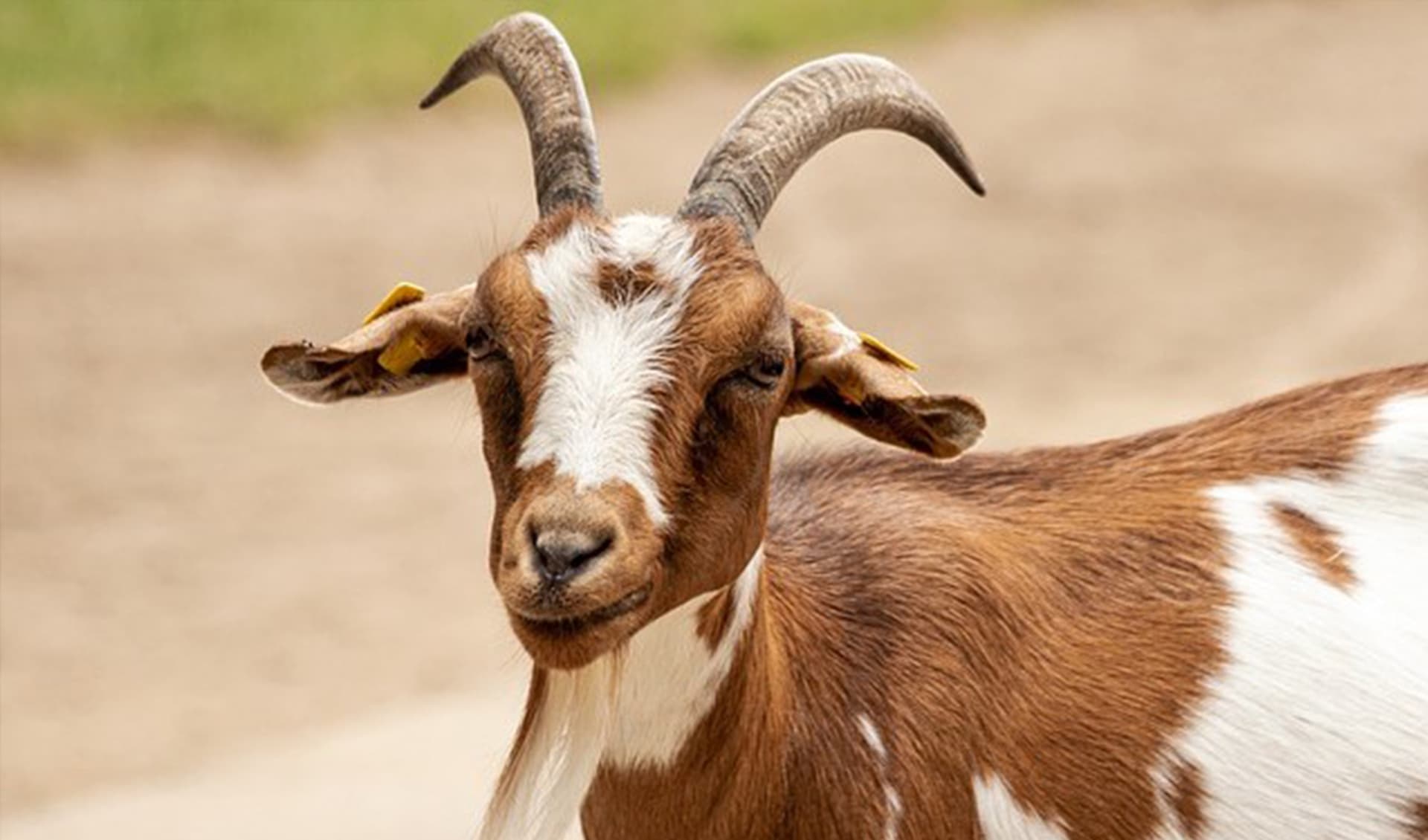
Goat meat, a versatile and culturally significant protein source, is known by diverse names across the world, reflecting linguistic, historical, and culinary traditions. Terminology often varies based on regional preferences, religious practices, and the age or preparation method of the animal. Colonialism, trade routes, and migration further shaped these distinctions, with terms like chevon (U.S.), cabrito (Latin America), and kabab (Middle East) illustrating the global reach of goat meat consumption. Understanding these variations provides insight into cultural identity, dietary customs, and economic exchanges that have persisted for centuries.The classification of goat meat by age and preparation—such as capretto (young goat in Italy) versus mutton (older sheep/goat in some contexts)—highlights how terminology adapts to culinary traditions. Below, a comparative analysis explores regional names, their cultural significance, and culinary applications, alongside the historical forces that influenced their evolution.
Regional Terminology and Cultural Significance
Goat meat terminology is deeply embedded in local languages, often derived from indigenous words or adapted through colonial interactions. The following table categorizes key terms by region, emphasizing their cultural and culinary roles.| Region | Local Name | Cultural Significance | Common Culinary Uses |
|---|---|---|---|
| North America (U.S.) | Chevon | Derived from the French chevreau (young goat), adopted in the U.S. to distinguish goat meat from lamb or mutton. Reflects 19th-century French influence in culinary terminology. |
|
| Latin America (Mexico, Brazil, Caribbean) | Cabrito | From Spanish cabrito (young goat), emphasizing the preference for tender, young meat. Symbolizes festive and communal dining, particularly in Mexican fiestas. |
|
| Middle East (Arab World, Turkey, Iran) | Kabab / Mahi | Kabab (Arabic/Persian) refers to grilled meat, while mahi (Hebrew/Arabic) denotes goat meat broadly. Central to Islamic and Jewish dietary laws, where goat is often preferred over pork. |
|
| South Asia (India, Pakistan, Bangladesh) | Chicken / Bheda | In India, goat meat is colloquially called chicken due to British colonial influence (mislabeling to avoid religious taboos). Bheda (Hindi) refers to goat meat explicitly, often tied to Muslim and Dalit communities' dietary traditions. |
|
| Sub-Saharan Africa (Nigeria, Ethiopia, South Africa) | Goat Meat / Nyama / Doro | In Swahili, nyama (meat) is generic, but goat holds cultural prestige, especially in Islamic-majority regions. Ethiopian doro wat (spicy stew) reflects its role in communal meals. |
|
| Europe (Italy, Spain, Greece) | Capretto / Cabrito / Kleftiko | Capretto (Italian) and cabrito (Spanish) emphasize young, tender meat, while kleftiko (Greek) refers to slow-cooked preparations, historically linked to shepherd cultures. |
|
| East Asia (China, Philippines, Vietnam) | Yangrou / Kambing | Yangrou (Chinese) and kambing (Filipino/Malay) reflect historical trade routes, with goat meat introduced via Muslim communities. In Vietnam, it’s often used in bún thịt nướng (grilled meat noodle bowls). |
|
Historical Evolution of Terminology
The naming of goat meat has been shaped by colonialism, religious dietary laws, and trade networks. European colonizers, for instance, imposed terms like chevon (from French chevreau) in North America, while indigenous languages retained distinct words (e.g., capretto in Italy). In South Asia, British rulers avoided explicit terms to accommodate Hindu dietary restrictions, leading to the misnomer chicken for goat meat.Trade and migration further dispersed terminology:
Religious practices also dictated terminology:
Age and Preparation Influences on Terminology
The age and method of preparation significantly alter how goat meat is classified and named. Young goats (under 1 year) are typically labeled with terms denoting tenderness, while older animals may be associated with tougher, slowCultural and Religious Perspectives on Goat Meat Consumption
Goat meat occupies a complex and multifaceted role in global dietary traditions, shaped by religious prescriptions, cultural symbolism, and regional practices. Its consumption is governed by strict dietary laws in major faiths, while in other contexts, it serves as a staple protein source or a ceremonial centerpiece. Beyond religious frameworks, goat meat’s perception varies across vegetarian/vegan communities and omnivorous diets, often influenced by ethical, environmental, or health considerations. Additionally, cultural taboos—ranging from mourning rituals to superstitions—further dictate its acceptance or avoidance in specific contexts. This section examines these dimensions, highlighting regional variations, symbolic significance, and contemporary shifts in consumption patterns.Religious Dietary Laws and Regional Variations
The permissibility and restrictions surrounding goat meat are deeply embedded in religious texts and interpretive traditions. Below are key perspectives from major faiths, including exceptions and regional adaptations:- Islam (Halal Certification)
Goat meat is universally permissible in Islam, provided the animal is slaughtered according to halal guidelines (e.g., invocation of Allah’s name, sharp blade, proper drainage of blood). Regional practices vary:
- Judaism (Kosher Laws)
Goat meat is prohibited under kashrut (Jewish dietary law), as goats are classified as non-ruminants with split hooves (Leviticus 11:4–6). Exceptions are rare, though some Sephardic communities historically consumed goat meat in non-Jewish contexts. Modern Orthodox Judaism enforces this ban strictly, though secular or Reform Jewish communities may not adhere to it.
- Hinduism (Regional and Sectarian Differences)
Consumption of goat meat is condemned in most Hindu traditions due to its association with violence (ahimsa) and the cow’s sacred status. Key variations include:
- Christianity (Diverse Practices)
Christianity lacks unified dietary laws, but regional customs reflect broader cultural norms:
- Buddhism (Theravada vs. Mahayana)
Cultural Festivals and Rituals Featuring Goat Meat
Goat meat’s symbolic and practical roles in celebrations reflect its economic and social significance. Below are festivals where it plays a central role, categorized by region and purpose:"The sacrifice of a goat in religious rituals often symbolizes submission, gratitude, or communal sharing, aligning with themes of abundance and renewal."
- Hindu and Regional Festivals
- Christian Festivals
- Indigenous and Folk Traditions
Goat Meat in Vegetarian/Vegan and Omnivorous Diets
The perception of goat meat diverges sharply between vegetarian/vegan communities and omnivorous diets, influenced by ethical, environmental, and health narratives.- Vegetarian and Vegan Perspectives
- Omnivorous Diets: Global Trends
Taboos and Superstitions Surrounding Goat Meat
Cultural and folk beliefs often restrict goat meat consumption during specific periods or associate it with symbolic meanings. Examples include:- Mourning and Death Rituals
Culinary Techniques and Dishes Featuring Goat Meat
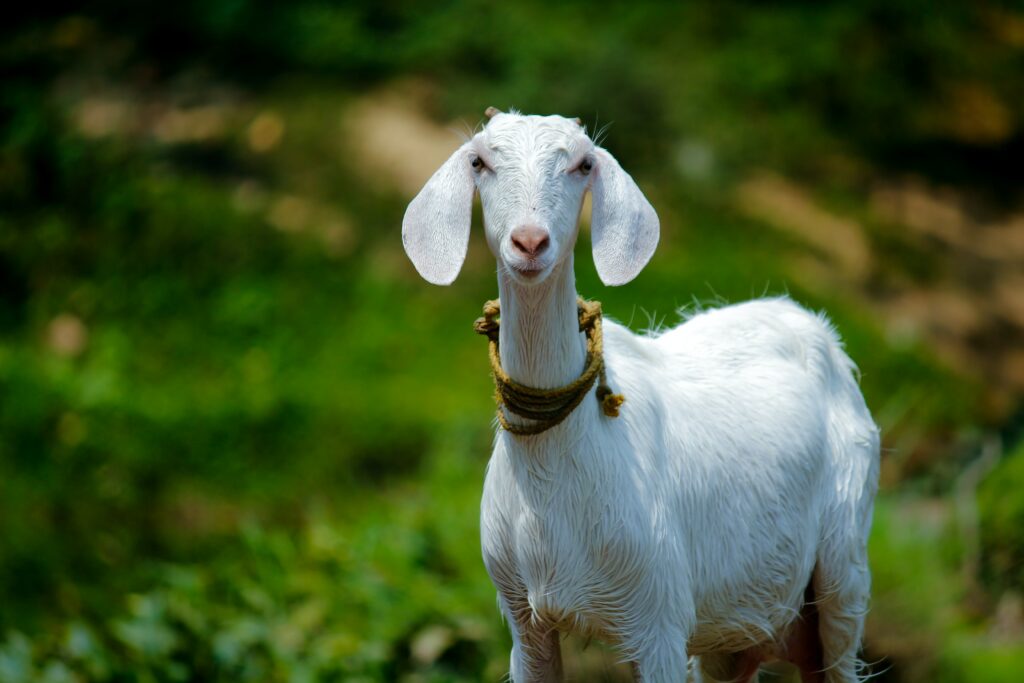
Goat meat, prized for its distinctive flavor and versatility, serves as a cornerstone in cuisines worldwide, from North Africa to the Caribbean and beyond. Its lean-to-fat ratio, which varies by cut, influences preparation methods—ranging from slow braising to quick searing—while regional spice blends and cooking traditions further define its culinary identity. Below, iconic dishes, traditional techniques, and the science behind goat meat’s adaptability in cooking are explored.Iconic Goat Meat Dishes Across Global Cuisines
The following table highlights 10 iconic dishes that showcase goat meat’s role in cultural gastronomy, emphasizing regional ingredients and preparation methods. These dishes reflect both historical trade routes and local agricultural practices, where goat meat is often the protein of choice due to its affordability, sustainability, and rich flavor profile.| Dish Name | Country/Region | Key Ingredients/Preparation Method |
|---|---|---|
| Tajine | Morocco |
|
| Curry Goat | Caribbean (Jamaica, Trinidad) |
|
| Kabab Kebab | Middle East (Turkey, Iran) |
|
| Feijoada | Brazil |
|
| Shashlik | Central Asia (Kazakhstan, Uzbekistan) |
|
| Moussaka | Greece (with variations in Turkey) |
|
| Biryani | South Asia (India, Pakistan, Bangladesh) |
|
| Churrasco | Brazil (Southern regions) |
|
| Kiviak | Greenland (Inuit cuisine) |
|
| Stifado | td>Greece |
|
Traditional Cooking Methods and Their Impact on Texture and Flavor
Goat meat’s lean-to-fat ratio (typically 85:15 in lean cuts like loin, 70:30 in fatty cuts like shoulder) dictates preparation techniques to prevent dryness or toughness. Traditional methods exploit these properties to enhance tenderness and depth of flavor.-
Slow Braising (e.g., Tajine, Stifado)
The collagen in connective tissues breaks down at 85–95°C (185–203°F) over 2–4 hours, transforming tough cuts (e.g., shank, neck) into fork-tender meat. The fat cap renders slowly, basting the meat and creating a rich, gelatinous sauce.
- Key technique: Sealing the meat in a pot with aromatics (onions, garlic) via the Maillard reaction before adding liquid.
- Example: Moroccan Tajine uses a conical pot to trap steam, infusing meat with spices and dried fruits.
-
Marinating (e.g., Curry Goat, Shashlik)
Acidic components (vinegar, citrus, yogurt) and enzymes (papaya, pineapple) in marinades hydrolyze muscle fibers, increasing moisture retention by 15–25%. Spices (e.g., Scotch bonnet, cumin) also penetrate the meat, enhancing flavor
Nutritional Profile and Health Implications of Goat Meat
Goat meat, often overlooked in Western diets, offers a nutrient-dense alternative to traditional red meats like beef and lamb, as well as poultry. Its composition—rich in high-quality protein, essential minerals, and favorable fatty acid profiles—positions it as a viable option for health-conscious consumers. Research indicates that goat meat’s nutritional advantages extend beyond basic macronutrients, influencing dietary strategies for metabolic health, cardiovascular function, and sustainable protein sourcing. This section examines its comparative nutritional benefits, the impact of cooking methods on nutrient retention, dietary integration guidelines, and its environmental sustainability relative to other livestock.
Comparative Nutritional Benefits of Goat Meat
Goat meat exhibits a superior nutrient profile when compared to beef, lamb, and chicken, particularly in protein efficiency, micronutrient density, and fatty acid composition. The following blockquote highlights key nutritional advantages per 100 grams of cooked, lean meat (USDA data):> Goat meat vs. beef/lamb/chicken (per 100g cooked, lean):
> - Protein: 26–30g (comparable to beef/lamb, higher than chicken breast).
> - Iron: 2.5–3.5mg (heme iron, ~30% higher than beef, 50% higher than chicken).
> - Zinc: 5–7mg (critical for immune function; goat meat exceeds beef by ~20%).
> - B Vitamins: Elevated levels of B12 (1.5–2.5µg), riboflavin (B2), and niacin (B3), supporting energy metabolism and neurological health.
> - Fatty Acids: Lower saturated fat (11–13g vs. 15–17g in beef) and a more favorable omega-3 to omega-6 ratio (1:4 vs. 1:10 in beef), reducing inflammation risk.
> - Calories: ~170–200 kcal (lower than lamb, comparable to chicken thigh).Goat meat’s leaner fat distribution and higher polyunsaturated fat content contribute to its cardiovascular benefits, while its heme iron content supports oxygen transport without the oxidative stress associated with excessive red meat consumption. The omega-3/omega-6 balance is particularly noteworthy, as modern diets often skew toward pro-inflammatory omega-6 fatty acids, a disparity mitigated by goat meat’s natural composition.
Impact of Cooking Methods on Nutritional Value
The preparation of goat meat significantly influences its nutritional integrity, particularly regarding fat retention, protein denaturation, and the formation of potential carcinogens. Cooking techniques vary in their effects on macronutrient composition and bioactive compounds:Cooking methods alter goat meat’s nutritional profile through mechanisms such as fat oxidation, protein degradation, and compound formation (e.g., heterocyclic amines, HCAs). The following table summarizes key changes per method, based on studies from the Journal of Food Composition and Analysis and Nutrition Research:
Key Considerations:Cooking Method Fat Retention Protein Loss Potential Carcinogens Nutrient Retention Notes Grilling (direct heat) Moderate (dripping fat) Low (surface searing) High HCAs (charred areas) Retains B vitamins; iron bioavailability reduced if overcooked. Braising/Stewing High (fat rendered in liquid) Minimal None Enhances collagen breakdown, increasing gelatin (beneficial for joints). Frying (pan-seared) High (fat absorption) Low (crust formation) Moderate HCAs (if overcooked) Omega-3/6 ratios preserved if oil is not reused. Slow-Cooking (roasting) Moderate (fat renders out) Low Low (even cooking) Best for retaining moisture-soluble B vitamins. Boiling/Poaching Low (fat leaches into water) Moderate (protein solubilizes) None Reduces calorie content but may degrade heat-sensitive vitamins (e.g., B1).
- Grilling maximizes protein retention but risks HCA formation at temperatures above 150°C (300°F), particularly on charred surfaces. Marinating goat meat in acidic or antioxidant-rich solutions (e.g., lemon, rosemary) can mitigate HCA production by up to 50%.
- Braising is the most nutrient-preserving method for goat meat, as the slow cooking process minimizes fat loss while enhancing collagen solubility, which may improve joint health.
- Frying increases saturated fat intake if excessive oil is used, but using monounsaturated oils (e.g., olive oil) preserves the meat’s natural omega-3 content better than polyunsaturated oils (e.g., sunflower oil), which oxidize more readily.
- Boiling reduces caloric density but leaches water-soluble vitamins (e.g., B1, B3) into the cooking water, which can be retained by using the broth in soups or sauces.
Dietary Recommendations for Health-Focused Diets
Goat meat’s nutritional profile aligns with several evidence-based dietary frameworks, including low-carbohydrate (LC), ketogenic (keto), and heart-healthy diets, due to its high protein, low glycemic impact, and favorable lipid composition. Incorporation should adhere to portion control and frequency guidelines to optimize benefits while minimizing risks (e.g., excessive saturated fat intake).Low-Carb and Ketogenic Diets:
Goat meat is a preferred protein source in LC/keto diets owing to its:
- Zero carbohydrate content (unlike lamb, which may contain trace amounts from connective tissue).
- Moderate saturated fat (~11–13g per 100g), which supports ketosis when balanced with unsaturated fats (e.g., avocado, nuts).
- High protein efficiency, promoting satiety and muscle synthesis without insulin spikes.
Recommended Intake:
- Portion Size: 100–150g per serving (equivalent to ~3–4 oz cooked weight) to align with daily protein targets (1.6–2.2g/kg body weight for active individuals).
- Frequency: 2–3 times per week, paired with non-starchy vegetables (e.g., leafy greens, cruciferous vegetables) to enhance nutrient absorption (e.g., iron from vitamin C in bell peppers).
- Pairing Strategies:
- Combine with healthy fats (e.g., goat meat skewers with olive oil marinade) to improve omega-3/6 ratios.
- Avoid excessive charring to limit HCA exposure, especially in high-frequency consumption.
Heart-Healthy Diets:
Goat meat’s lower saturated fat and higher omega-3 content relative to beef make it suitable for DASH (Dietary Approaches to Stop Hypertension) and Mediterranean-style diets. The American Heart Association (AHA) recommends limiting saturated fat to <130g/week, with goat meat contributing ~11–13g per 100g serving. To optimize cardiovascular benefits:
- Trim visible fat before cooking to reduce saturated fat intake by ~20–30%.
- Prioritize lean cuts (e.g., loin, leg) over fatty cuts (e.g., shoulder) to align with AHA guidelines.
- Limit processed goat meats (e.g., sausages, jerky), which may contain added sodium or preservatives.
Special Considerations:
- Iron Deficiency: Goat meat’s high heme iron content (30% of daily value per 100g) makes it ideal for individuals with non-heme iron absorption issues (e.g., vegetarians transitioning to omnivorous diets). Pairing with vitamin C sources (e.g., citrus, tomatoes) enhances absorption by up to 300%.
- Gout Management: While goat meat is lower in purines than organ meats or shellfish, individuals with gout should monitor intake (~1–2 servings/week) due to its moderate purine content (~100–150mg per 100g).
Sustainability Metrics of Goat Meat Production
Goat meat production demonstrates superior environmental efficiency compared to beef and lamb, with lower greenhouse gas emissions, water usage, and land requirements. Agricultural studies from the FAO (Food and Agriculture Organization) and Journal of Cleaner Production highlight its sustainability advantages:Carbon Footprint:
Goat meat emits ~11–15 kg CO₂-eq/kg of live weight, significantly lower than:
- Beef: 27–30 kg CO₂-eq/kg (cattle require 6–11

Economic and Agricultural Aspects of Goat Meat Production
Goat meat production represents a significant segment of global livestock agriculture, serving as a vital protein source in both subsistence and commercial markets. Its economic importance varies across regions, influenced by climatic suitability, cultural demand, and market dynamics. Unlike larger livestock such as cattle or pigs, goats thrive in arid and semi-arid environments, making them a resilient and adaptable livestock choice. This subtopic examines the geographic distribution of top producers, the challenges faced by farmers, and the role of goat meat in local and global economies, alongside the intricacies of its supply chain.
Geographic Distribution of Top Goat Meat Producers
The global production of goat meat is concentrated in regions with favorable climatic conditions for goat rearing, including tropical, subtropical, and temperate zones. The top five producers—India, Nigeria, Bangladesh, Australia, and Turkey—dominate the market due to their optimal grazing conditions, high demand, and economic reliance on livestock farming.India
India is the world’s largest producer and consumer of goat meat, accounting for nearly 25% of global production. The country’s vast semi-arid and arid regions, particularly in states like Rajasthan, Gujarat, and Madhya Pradesh, provide ideal grazing conditions. Monsoon-dependent rainfall supports natural fodder growth, while smallholder farmers rely on mixed crop-livestock systems. Economic drivers include high domestic consumption, particularly in Muslim-majority regions, and the affordability of goat meat compared to other proteins.Nigeria
Nigeria ranks as the second-largest producer, with goat farming deeply embedded in rural livelihoods. The Sahelian and Sudanian climatic zones in the northern regions offer extensive grazing lands, while the southern regions support intensive farming. Goat meat is a staple in traditional diets, and urbanization has increased demand in cities like Lagos and Kano. Economic incentives include government support for livestock development and a growing export market to neighboring West African countries.Bangladesh
Bangladesh’s dense population and limited arable land make goats a critical livestock asset. The tropical monsoon climate supports year-round grazing, with farmers in regions like Rangpur and Chittagong specializing in small-scale production. Goat meat is a dietary staple, particularly during religious festivals, and the country exports surplus to India and the Middle East. Economic challenges include land scarcity and competition with rice cultivation, but goats remain a low-input, high-output livestock option.Australia
Australia’s goat meat industry is concentrated in Western Australia, Queensland, and New South Wales, where vast rangelands and Mediterranean climates suit extensive grazing. The country is the world’s largest exporter of goat meat, supplying markets in the Middle East, Southeast Asia, and Europe. Economic drivers include high-quality meat standards, favorable trade agreements, and government subsidies for rural livestock farmers. However, droughts and bushfires pose significant risks to pasture availability.Turkey
Turkey’s goat meat production is primarily in central Anatolia and eastern regions, where hilly terrains and temperate climates support both extensive and semi-intensive farming. The country is a major exporter to Europe and the Middle East, with breeds like the Angora and Kıvırcık prized for their meat and fiber. Economic factors include EU trade regulations, domestic halal demand, and government incentives for rural development.
Challenges in Goat Meat Production
Goat farming faces persistent challenges that affect productivity, profitability, and sustainability. These include disease outbreaks, market volatility, and shifting consumer preferences, which require adaptive strategies from farmers and policymakers.Disease Outbreaks
Goat populations are vulnerable to transboundary animal diseases, with the Peste des Petits Ruminants (PPR) virus being the most devastating. PPR, endemic in Africa, the Middle East, and South Asia, causes high mortality rates and reduces market access due to trade restrictions. Other diseases include contagious caprine pleuropneumonia (CCPP) in Africa and foot-and-mouth disease (FMD), which disrupts exports. Vaccination programs and biosecurity measures are critical but often underfunded in smallholder systems.Market Fluctuations
Goat meat prices are influenced by supply-demand imbalances, currency exchange rates, and global trade policies. For instance, Middle Eastern demand spikes during Ramadan and Eid, leading to price volatility. In Australia, droughts reduce supply, causing export price surges, while in Africa, urbanization increases demand but strains rural production capacities. Farmers often lack access to futures markets or price stabilization mechanisms, leaving them vulnerable to income instability.Cultural and Dietary Shifts
Changing consumer preferences pose risks to traditional goat meat markets. In China and Southeast Asia, rising incomes have increased demand for beef and poultry, reducing reliance on goat meat. Similarly, in India and Pakistan, younger generations are adopting vegetarian diets, impacting demand. However, halal and kosher certifications have opened new markets in Europe and North America, mitigating some losses.
Role of Goat Meat in Local and Global Economies
Goat meat contributes to economic resilience in both rural and urban contexts, serving as a subsistence staple, export commodity, and income generator for millions of farmers.Rural Livelihoods
In Sub-Saharan Africa and South Asia, goats are integral to smallholder farming systems, providing manure, milk, and meat with minimal land and water requirements. Women often manage goat herds, contributing to household food security and income. For example, in Ethiopia and Kenya, goats are a primary asset for pastoralist communities, with meat sold at local markets or during festivals like Eid al-Adha.Export Markets
Countries like Australia, New Zealand, and Turkey leverage goat meat as a high-value export, with strict quality control and halal certification standards. The Middle East and Southeast Asia are key importers, driven by religious demand and culinary traditions. For instance, Australian goat meat exports to the UAE exceeded AUD 200 million in 2022, highlighting its economic significance.Subsistence and Nutrition Security
In Bangladesh and Nigeria, goat meat is a protein-rich, affordable alternative to more expensive meats, reducing malnutrition risks. Government programs, such as India’s "Goat Development Scheme," promote breeding and vaccination to enhance productivity. Additionally, goat manure improves soil fertility, supporting crop-livestock integration in marginal lands.
Supply Chain of Goat Meat: From Farm to Consumer
The goat meat supply chain involves multiple stages, from breeding and grazing to processing, distribution, and retail, each influencing cost, quality, and accessibility.Production Stage
- Breeding and Rearing: Farmers select breeds based on meat yield, disease resistance, and adaptability (e.g., Boer in Australia, Saanen in Turkey).
- Grazing Systems: Ranges from extensive (free-range) in Australia to semi-intensive (supplemented feed) in Bangladesh.
- Slaughter and Primary Processing: Often occurs at local abattoirs or home-based facilities, with varying hygiene standards.
Processing and Distribution
- Secondary Processing: Includes boning, marination, and packaging for retail or export. Countries like Australia and Turkey have modern cold-chain facilities to meet international standards.
- Logistics: Transport challenges arise in rural Africa, where poor road infrastructure increases costs. In contrast, Australia’s export-oriented supply chain relies on air and sea freight to Middle Eastern markets.
Retail and Consumer Markets
- Local Markets: In Nigeria and India, live goats are sold at weekly markets, with slaughter and butchery performed on-site.
- Supermarkets and Restaurants: In Australia and Europe, pre-packaged goat meat is sold in specialty butchers and halal stores, often at a premium.
- Price Determinants:
- Production Costs: Feed, veterinary care, and labor.
- Processing Fees: Abattoir charges and certification (e.g., halal, organic).
- Transport and Storage: Refrigeration and logistics expenses.
- Market Demand: Festive seasons and regional preferences.
Supply Chain Flowchart (Textual Representation)
[Farmers] → [Breeding & Grazing] → [Slaughter (Abattoirs/Home)] → [Primary Processing (Butchering)]
↓
[Live Animal Markets (Local/Export)] → [Secondary Processing (Packaging/Marination)]
↓
[Distribution (Road/Rail/Air)] → [Retail (Supermarkets/Restaurants/Street Vendors)]
↓
[Consumer (Households/Institutions/Exports)]Key Nodes:
- Abattoirs: Critical for food safety and compliance (e.g., EU hygiene regulations).
- Cold Chains: Essential for export markets (e.g., Australia’s chilled meat exports).
- Certifications: Halal, organic,
Goat meat transcends its culinary and nutritional value, serving as a cultural and economic linchpin across continents. Whether celebrated in festivals like Eid al-Adha or scrutinized for its sustainability metrics, its significance is as diverse as the names it bears. From the spice-infused tajines of Morocco to the hearty biryanis of South Asia, this protein bridges traditions, offering both sustenance and symbolic meaning. As dietary trends evolve, goat meat’s adaptability—paired with its lean profile and rich flavor—ensures its enduring relevance in global cuisine and agriculture.
FAQ
What is goat meat called in English?
Goat meat is called mutton when referring to meat from adult sheep, but for goats, it’s most commonly called chevon (or chevon goat). In some regions, it may also be called cabrito if young, though this term is more common for young goat meat in Latin American cuisine.
What is the name for goat meat?
The name for goat meat is chevon (pronounced shuh-VON), which is the standard term in English-speaking countries. In some cultures, it may also be called goat meat or kid meat if from very young goats.
What is goat meat called in Spanish?
In Spanish, goat meat is called carne de cabra (general term) or chivo (for adult goat meat). For young goat meat, it’s often called cabrito, which is widely recognized in Latin American and Spanish cuisine.
What is goat meat called in the USA?
In the USA, goat meat is officially called chevon by the USDA, though it’s sometimes marketed as goat meat or kid meat (for younger goats). Terms like cabrito may appear in ethnic restaurants, especially for roasted young goat dishes.
What is goat meat called in India?
In India, goat meat is called bhed (भेड़) or bakhri (बकरी) in Hindi, depending on the region and preparation. In regional languages, it may also be called kambu (Tamil), cheem (Malayalam), or bhedu (Marathi).
What is goat meat called in the UK?
In the UK, goat meat is called goat meat or chevon, though the latter is less commonly used in everyday language. It may also appear as kid (for young goat meat) or roast goat in restaurant menus.
Leave a Comment
Comments are moderated before appearing. The data you submit is processed according to the Privacy Policy of Voltefac.