What Is Froyo Exploring Its History Health And Cultural Impact
Table of Contents
- Definition and Origins of Froyo: The Evolution of Frozen Yogurt
- Etymology and Slang: How "Froyo" Became a Cultural Shorthand
- Historical Context: Frozen Yogurt’s Rise in the 20th Century
- Global Consumption Trends: Cultural Variations in Frozen Yogurt
- Nutritional Breakdown and Health Considerations of Frozen Yogurt
- Nutritional Comparison: Frozen Yogurt vs. Traditional Ice Cream
- Commercial Frozen Yogurt Brand Comparison
- Health Benefits of Probiotics in Frozen Yogurt
- Common Additives in Frozen Yogurt and Their Health Impacts
- Froyo Variations and Customization
- Global Froyo Flavors and Regional Ingredients
- Homemade Vegan Froyo Base: Coconut Milk and Agar-Agar Method
- Texture Comparisons: Soft-Serve, Scoopable, and Gelato-Style Froyo
- Business Models and Industry Trends in the Frozen Yogurt Sector
- Revenue Streams and Business Model Comparison: Franchises vs. Independent Stores
- Marketing Strategies in the Frozen Yogurt Industry
- FAQ
- What ingredients are used to make froyo?
- Is froyo the same as regular ice cream?
- What does "froyo" stand for or mean?
- What is the base of froyo made from?
- How does froyo compare to ice cream in taste and texture?
- Is froyo the same as yogurt that’s been frozen?
Frozen yogurt, widely recognized by its slang term froyo, represents a dynamic intersection of culinary tradition, health-conscious innovation, and global adaptation. Emerging from the frozen dessert landscape in the late 20th century, froyo distinguished itself through probiotic-rich formulations and customizable experiences that redefined indulgence for health-focused consumers. Beyond its nutritional distinctions from traditional ice cream, its cultural evolution—from self-serve chains in the U.S. to artisanal variations in Turkey and Japan—reflects shifting dietary preferences and regional tastes. This exploration examines froyo’s origins, nutritional science, creative customization, and its enduring influence on modern food culture.
The rise of froyo in the 1980s and 1990s coincided with growing demand for lighter yet flavorful desserts, positioning it as a staple in health-oriented diets. Its global popularity, particularly in markets where dairy consumption is culturally significant, underscores its versatility. Meanwhile, advancements in food technology—such as probiotic strains and emulsifiers—have further diversified its appeal, bridging gaps between tradition and innovation. Understanding these elements reveals why froyo remains a dominant force in the dessert industry, blending science, commerce, and consumer creativity.
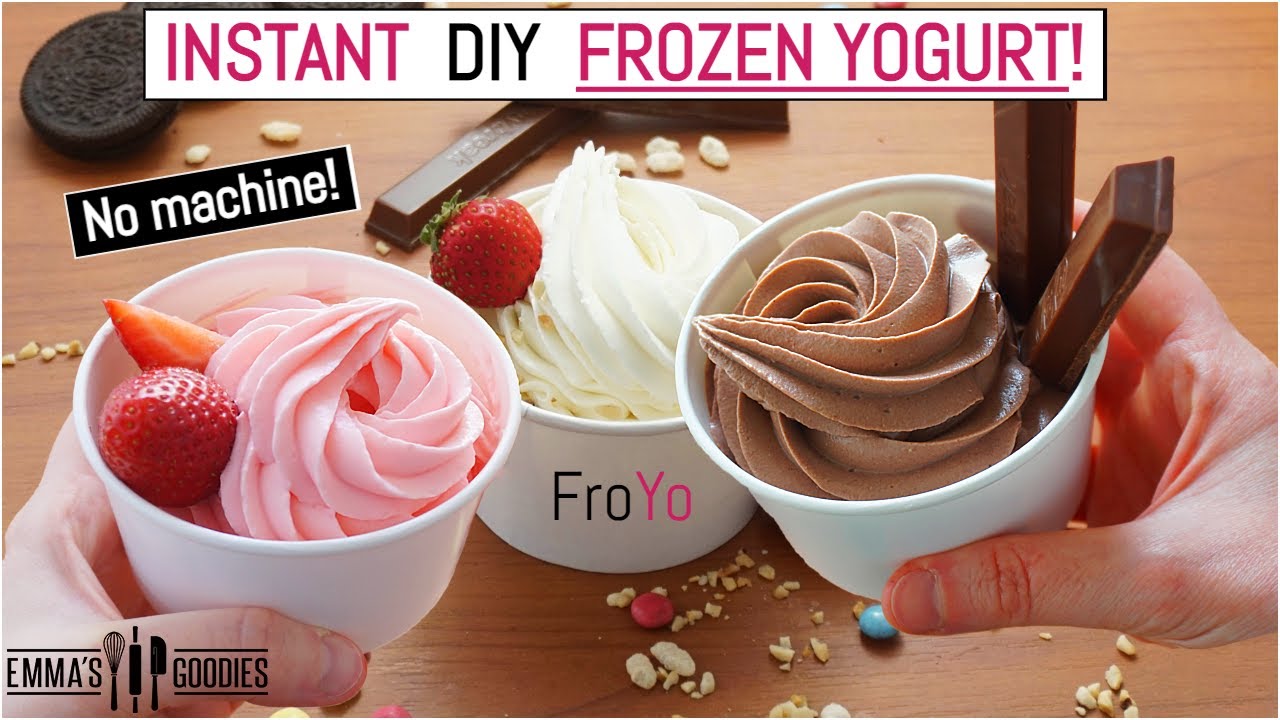
Definition and Origins of Froyo: The Evolution of Frozen Yogurt
Frozen yogurt, commonly abbreviated as froyo, represents a cultural and culinary phenomenon that blends health-conscious trends with indulgent dessert preferences. The term "froyo" emerged as slang in the late 20th century, reflecting its status as a lighter alternative to traditional ice cream while retaining creamy texture and sweetness. Its origins trace back to ancient food preservation techniques, but its modern form gained traction in the U.S. and later globalized through innovative marketing and self-service dining models.The commercialization of frozen yogurt as a distinct product began in the 1920s, when Turkish immigrants in the U.S. introduced it as a dairy-based dessert. However, its popularity surged in the 1980s and 1990s, driven by health trends emphasizing probiotics, low-fat diets, and the perception of yogurt as a "guilt-free" indulgence. By the 2000s, the rise of self-serve froyo shops—such as TCBY (The Country’s Best Yogurt) and Menchie’s Frozen Yogurt—transformed it into a mainstream social experience, particularly among younger demographics.
Etymology and Slang: How "Froyo" Became a Cultural Shorthand
The term "froyo" is a portmanteau derived from "frozen yogurt", reflecting the informal, fast-paced language of millennial and Gen Z consumers. Its adoption mirrors broader linguistic trends where abbreviations (e.g., "brunch," "smash") simplify communication in digital and casual settings. While "frozen yogurt" remained the formal descriptor, "froyo" gained traction in social media, fast-casual branding, and youth culture, particularly in the U.S. and Europe, where dessert culture emphasizes convenience and customization.The slang term also aligns with the health-halo effect, where consumers associate frozen yogurt with probiotic benefits (e.g., live cultures) compared to ice cream. This linguistic shift underscores the product’s dual identity: a nutritional upgrade and a treat, bridging the gap between dietary consciousness and indulgence.
Historical Context: Frozen Yogurt’s Rise in the 20th Century
Frozen yogurt’s evolution reflects broader shifts in food technology, health movements, and consumer behavior. Key milestones include:- 1920s–1930s: Turkish and Middle Eastern immigrants in the U.S. popularized dondurma (a frozen yogurt with elastic texture), though it was not yet widely commercialized.
Global Consumption Trends: Cultural Variations in Frozen Yogurt
Frozen yogurt’s popularity varies by region, shaped by dietary traditions, climate, and marketing strategies. While the U.S. dominates in self-serve chains and novelty flavors, other markets emphasize traditional recipes, street food culture, or health-focused innovations.Key regional differences:
Infographic: Top 5 Countries by Frozen Yogurt Consumption (2023 Estimates)
| Rank | Country | Annual Per Capita Consumption (kg) | Key Consumption Trends | ||||||||||||||||||||||||||||||||||||||||||||||||||||||||||||||||
|---|---|---|---|---|---|---|---|---|---|---|---|---|---|---|---|---|---|---|---|---|---|---|---|---|---|---|---|---|---|---|---|---|---|---|---|---|---|---|---|---|---|---|---|---|---|---|---|---|---|---|---|---|---|---|---|---|---|---|---|---|---|---|---|---|---|---|---|
| 1 | United States | 1.8 |
|
||||||||||||||||||||||||||||||||||||||||||||||||||||||||||||||||
| 2 | Turkey | 1.2 |
|
||||||||||||||||||||||||||||||||||||||||||||||||||||||||||||||||
| 3 | Japan | 0.9 |
|
||||||||||||||||||||||||||||||||||||||||||||||||||||||||||||||||
| 4 | United Kingdom | 0.7 |
|
||||||||||||||||||||||||||||||||||||||||||||||||||||||||||||||||

| Brand/Product | Calories (kcal) | Total Sugar (g) | Protein (g) | Probiotics (CFU per serving) | Key Additives |
|---|---|---|---|---|---|
| TCBY Classic Frozen Yogurt (Vanilla) | 120 | 18 | 5 | 100 million (L. acidophilus, Bifidus) | Sucralose, guar gum, carrageenan |
| Menchie’s Soft Serve (Original) | 150 | 22 | 4 | 50 million (unspecified strains) | High-fructose corn syrup, mono- and diglycerides |
| Yogurtland Premium (Greek Yogurt Base) | 180 | 15 | 8 | 200 million (L. rhamnosus, B. lactis) | Honey, xanthan gum, natural flavors |
| Local Artisanal (e.g., "The Froyo Shop," NYC) | 130 | 12 | 6 | 150 million (L. casei, S. thermophilus) | Agave nectar, tapioca syrup, no stabilizers |
| Dairy Queen Frozen Yogurt (Swirl) | 160 | 25 | 3 | None (non-probiotic) | Artificial colors, polysorbate 80 |
Health Benefits of Probiotics in Frozen Yogurt
Probiotics in froyo are live microorganisms that confer digestive and immune benefits when consumed in adequate amounts. The World Health Organization (WHO) defines probiotics as "live microorganisms which, when administered in adequate amounts, confer a health benefit on the host." In froyo, the most prevalent strains and their documented effects include:- Lactobacillus acidophilus: Enhances lactose digestion, reduces symptoms of lactose intolerance, and supports vaginal and urinary tract health.
Critical Considerations:
Common Additives in Frozen Yogurt and Their Health Impacts
Commercial froyo often contains additives to improve texture, shelf life, and flavor, some of which may pose health risks or trigger adverse reactions. The following additives are frequently used, along with their potential effects:-
Emulsifiers (Polysorbate 80, Mono- and Diglycerides):
- Purpose: Prevent ice crystal formation and maintain smoothness.
- Health concerns: Linked to gut microbiome disruption (Alimentary Pharmacology & Therapeutics, 2017) and potential inflammatory responses in sensitive individuals.
-
Artificial Sweeteners (Sucralose, Aspartame, Acesulfame Potassium):
- Purpose: Reduce sugar content while maintaining sweetness.
- Health concerns:
- Sucralose: May alter gut microbiota composition (Nature, 2014) and increase glucose intolerance in some individuals.
- Aspartame: Controversial due to neurological and metabolic risks (WHO reclassified as "possibly carcinogenic" in 2023).
-
Stabilizers/Thickeners (Carrageenan
Froyo Variations and Customization
Frozen yogurt transcends its traditional form through global adaptations, homemade experimentation, and scientific formulations that enhance texture and dietary inclusivity. Regional ingredients elevate flavor profiles, while customization techniques—from base preparation to topping selection—allow for personalized nutritional and sensory experiences. The interplay between emulsifiers, fat content, and processing methods further distinguishes commercial products from artisanal alternatives, influencing melt resistance and mouthfeel.
Global Froyo Flavors and Regional Ingredients
Frozen yogurt’s versatility is reflected in its global adaptations, where local ingredients and culinary traditions redefine flavor profiles. Below are 10 unique froyo variations from around the world, incorporating indigenous spices, fruits, and dairy alternatives:
These variations highlight how cultural ingredients—such as matcha in Japan or rosewater in Turkey—transform frozen yogurt into a canvas for regional storytelling. The use of spices (cardamom, cinnamon), fruits (mango, lychee), and dairy alternatives (coconut milk) not only diversifies flavor but also accommodates dietary preferences, such as lactose intolerance or veganism.- Japan: Matcha White Chocolate Green tea powder (matcha) blended with white chocolate and a hint of vanilla, often paired with red bean paste or black sesame.
- Turkey: Rosewater and Pistachio Rosewater-infused yogurt base with crushed pistachios, cardamom, and a drizzle of honey.
- Mexico: Tres Leches with Chili A fusion of traditional tres leches cake flavors—evaporated milk, condensed milk, and heavy cream—with a subtle chili-lime zest.
- India: Mango and Cardamom Ripe mango purée blended into a yogurt base, spiced with cardamom and garnished with chopped cashews.
- Greece: Loukoumades-Inspired Honey and cinnamon-infused yogurt with crumbled phyllo dough and a drizzle of syrup, mimicking the texture of Greek honey cakes.
- Thailand: Pandan and Coconut Pandan leaf extract and coconut milk create a fragrant, creamy base, often topped with toasted coconut flakes and lychee.
- Argentina: Dulce de Leche and Almond Rich dulce de leche swirled into a yogurt base, garnished with toasted almonds and a sprinkle of sea salt.
- Morocco: Orange Blossom and Tahini Orange blossom water and tahini (sesame paste) blend into a nutty-sweet yogurt, topped with orange zest and crushed almonds.
- Brazil: Brigadeiro Chocolate Dark chocolate blended with condensed milk and cocoa butter, rolled into bite-sized froyo balls or swirled into a base.
- Sweden: Cloudberry and Lingonberry Tart cloudberry and lingonberry compotes folded into a yogurt base, served with whipped cream and granola.
Homemade Vegan Froyo Base: Coconut Milk and Agar-Agar Method
Creating a vegan froyo base requires precise temperature control and the right stabilizers to mimic the creaminess and melt resistance of traditional frozen yogurt. Agar-agar, a plant-based gelatin derived from seaweed, provides structure without animal products, while coconut milk contributes richness and a subtle tropical note.
Ingredients (serves 4):
- 2 cans (13.5 oz each) full-fat coconut milk (chilled overnight)
- ½ cup (100g) granulated sugar or maple syrup (adjust to taste)
- ¼ cup (25g) agar-agar powder
- 1 tsp vanilla extract or other flavorings (e.g., matcha, rosewater)
- ¼ tsp salt
- 2 tbsp lemon juice (to prevent curdling)
Step-by-Step Instructions:
Temperature Control Tips:- Prepare the Coconut Cream: Chill the coconut milk overnight to separate the thick cream from the water. Scoop out the solid cream (discard the water or reserve for smoothies). Blend the cream with sugar, vanilla, and salt until smooth.
- Activate Agar-Agar: Sprinkle agar-agar over ½ cup of cold water in a small bowl and let it bloom for 5 minutes. Heat the mixture in a saucepan over medium heat until fully dissolved (do not boil).
- Combine and Cook: Pour the agar-agar solution into the coconut mixture and stir vigorously. Add lemon juice to stabilize the texture. Cook on low heat for 3–5 minutes, stirring constantly, until the mixture thickens to a pudding-like consistency (170°F/77°C internal temperature). Avoid overheating to prevent a grainy texture.
- Chill and Freeze: Transfer the mixture to a shallow container and refrigerate for 2 hours to set partially. Use a hand mixer to whip the chilled base until light and fluffy (this incorporates air for a softer-serve texture). Pour into a loaf pan lined with parchment paper and freeze for 4–6 hours, or until firm.
- Serve: Scoop with a spoon or use an ice cream scoop. For a softer texture, let it sit at room temperature for 5–10 minutes before serving. Garnish with toppings (see decision flowchart below).
- Use a candy thermometer to monitor the agar-agar mixture; exceeding 175°F (80°C) can degrade its gelling properties.
- For a smoother texture, strain the coconut cream through a fine-mesh sieve before mixing.
- Store in an airtight container for up to 1 week; thaw in the fridge overnight for best results.
Texture Comparisons: Soft-Serve, Scoopable, and Gelato-Style Froyo
The texture of frozen yogurt is dictated by fat content, emulsifiers, and processing techniques, resulting in distinct sensory experiences. Below is a comparative analysis of three primary textures:
Texture Type Fat Content Emulsifiers/Stabilizers Melt Rate Mouthfeel Typical Serving Style Soft-Serve 6–10% milkfat (lower than traditional ice cream) Xanthan gum, guar gum, or carrageenan Rapid (melts within 10–15 minutes at room temperature) Light, airy, and slightly sticky; dissolves quickly on the tongue Dispensed directly from a machine; often paired with syrups or sprinkles Scoopable 10–15% milkfat (higher for creaminess) Egg yolks (in gelato-style) or mono- and diglycerides Moderate (holds shape for 20–30 minutes before softening) Dense yet creamy; resistant to melting; coats the palate smoothly Served in cups or cones; layered with sauces or granola Gelato-Style 4–8% milkfat (lower than ice cream but higher than soft-serve) Egg yolks (for Italian gelato) or lecithin Slow (retains structure for up to 45 minutes) Silky, dense, and intense in flavor; minimal

Business Models and Industry Trends in the Frozen Yogurt Sector
The frozen yogurt (froyo) industry has evolved from a niche dessert option into a multi-billion-dollar sector, driven by consumer demand for customizable, healthier alternatives to traditional ice cream. Business models within this industry range from large-scale franchises to agile independent stores, each leveraging unique revenue streams, marketing strategies, and operational efficiencies. Urban food culture has further been reshaped by mobile froyo units, which offer flexibility and direct consumer engagement. Meanwhile, emerging trends such as sustainability initiatives and innovative flavor combinations continue to redefine industry standards, influencing both consumer preferences and operational practices.The profitability and scalability of froyo businesses depend heavily on their structural approach, from franchise-backed models to boutique operations. Franchises benefit from brand recognition and standardized operations, while independent stores often prioritize localized customization and community ties. Below, a comparative analysis highlights key differences in revenue streams, operational costs, and market positioning between franchise and independent froyo shops.
Revenue Streams and Business Model Comparison: Franchises vs. Independent Stores
The financial viability of a froyo business is determined by its revenue diversification, cost management, and scalability. Franchises like Menchie’s and Yogurtland operate under centralized branding and supply chain efficiencies, whereas independent stores rely on niche appeal and direct customer relationships. The following table contrasts the primary revenue streams, operational costs, and growth strategies of franchise models versus independent froyo shops.
Franchise Model (e.g., Menchie’s, Yogurtland) Independent Store Model Revenue Streams: - Bulk sales through standardized menu items (e.g., signature flavors, combo meals).
- Franchise fees (initial franchise fee + ongoing royalties, typically 4–8% of gross sales).
- Corporate-sponsored promotions (e.g., seasonal flavors, loyalty programs).
- Merchandise sales (branded cups, spoons, or apparel).
- Partnerships with local businesses (e.g., cross-promotions with coffee shops).
Average Revenue: $2.5M–$5M annually per location (varies by location and foot traffic).
Revenue Streams: - Customizable toppings and mix-ins (premium pricing for specialty ingredients like granola, honeycomb, or cold-pressed juices).
- Subscription-based loyalty programs (e.g., "buy 9 cups, get the 10th free").
- Catering and private events (corporate parties, children’s birthday parties).
- Pop-up collaborations (temporary partnerships with local bakeries or breweries).
- Direct-to-consumer sales (online pre-orders or mobile units).
Average Revenue: $500K–$1.5M annually (highly dependent on location and marketing).
Operational Costs: - Franchise fees: $20K–$50K initial fee + 5–7% of revenue in royalties.
- Standardized equipment and supply contracts (negotiated bulk discounts).
- Marketing funds (mandated by franchise, often 1–3% of sales).
- Staff training (centralized programs with franchise support).
- Rent and lease agreements (preferred locations in high-traffic areas).
Projected Profit Margin: 10–15% after all expenses (including royalties).
Operational Costs: - Lower initial investment (no franchise fees, but higher upfront costs for branding).
- Flexible supplier negotiations (local dairy farms, artisanal ingredient vendors).
- DIY marketing (social media, influencer partnerships, grassroots promotions).
- Lower staffing requirements (smaller teams with cross-trained roles).
- Variable rent costs (urban vs. suburban locations, food truck vs. brick-and-mortar).
Projected Profit Margin: 15–25% (higher due to lower overhead but dependent on local demand).
Growth Strategies: - Expansion through franchise territories (franchisor-approved locations).
- Seasonal menu rotations (limited-time flavors to drive repeat visits).
- Technology integration (self-order kiosks, mobile apps for rewards).
- Corporate sponsorships (e.g., partnerships with national brands for co-marketing).
Growth Strategies: - Hyper-local branding (community events, sponsorships of local sports teams).
- Innovative flavor testing (crowdsourced ideas via social media).
- Mobile unit scalability (food trucks as test markets before permanent locations).
- Sustainability as a differentiator (compostable packaging, zero-waste initiatives).
Marketing Strategies in the Frozen Yogurt Industry
Consumer engagement in the froyo sector is heavily influenced by dynamic marketing tactics that create urgency, exclusivity, and shareability. Successful campaigns often leverage limited-time offers (LTOs), influencer collaborations, and experiential marketing to stand out in a competitive landscape. Below are key strategies employed by leading froyo brands, categorized by their primary objectives: driving foot traffic, enhancing brand loyalty, and expanding market reach.The effectiveness of these strategies is measurable through metrics such as social media engagement rates, sales spikes during promotions, and customer acquisition costs. For instance, Menchie’s reported a 30% increase in sales during its 2022 "S’mores Season" campaign, while independent shops like Lick NYC saw a 25% boost in Instagram followers after partnering with micro-influencers for a "Build-Your-Own Yogurt" challenge.
-
Limited-Time Flavors (LTOs):
LTOs create artificial scarcity and encourage repeat visits by offering seasonal or holiday-themed flavors. Examples include:
- Menchie’s "Pumpkin Spice Latte" (fall 2022): A collaboration with Starbucks, driving a 40% uptick in sales during the launch week.
- Yogurtland’s "Unicorn Swirl" (spring 2023): Featured pastel colors and edible glitter, aligning with Gen Z aesthetic trends.
- Local shops’ "Local Harvest" flavors (e.g., blueberry from regional farms), which appeal to sustainability-conscious consumers.
Key Insight: LTOs should align with cultural moments (e.g., National Ice Cream Day) or pop culture (e.g., Marvel-themed flavors during movie releases).
-
Influencer and Celebrity Collaborations:
Partnerships with influencers or celebrities lend credibility and expand reach to untapped demographics. Case studies include:
- @sweetgreen’s collaboration with Menchie’s (2021): A cross-promotional campaign targeting health-conscious millennials, resulting in a 15% increase in Menchie’s social media engagement.
- Gymshark’s partnership with independent froyo brands (e.g., "Protein Pack" bowls for fitness influencers), which drove 20% higher sales in urban gym districts.
- Local food bloggers’ "Y
Frozen yogurt’s journey from a niche health product to a globally celebrated dessert illustrates its adaptability and enduring relevance. Whether through its probiotic benefits, customizable flavors, or role in shaping modern food businesses, froyo continues to evolve alongside consumer trends. Its success hinges on balancing nutritional transparency with indulgence, a feat achieved through scientific formulation and cultural responsiveness. As the industry embraces sustainability and digital innovation, froyo’s legacy persists—not just as a treat, but as a testament to how food can unite health, creativity, and commerce in a single serving.
FAQ
What ingredients are used to make froyo?
Froyo (frozen yogurt) is typically made with yogurt (often Greek or regular), sugar, milk or cream, stabilizers (like guar gum or xanthan gum), and flavorings. Some versions include mix-ins like fruit, nuts, or candy. The yogurt’s live cultures and lower fat content distinguish it from ice cream.
Is froyo the same as regular ice cream?
No, froyo is not the same as ice cream. It’s made with yogurt instead of heavy cream, giving it a lighter texture and tangy taste. Ice cream has higher fat content (from cream or butterfat) and a richer, creamier mouthfeel.
What does "froyo" stand for or mean?
"Froyo" is a slang term for frozen yogurt, combining "frozen" and "yogurt." It became popular in the 1990s as a lighter, healthier alternative to ice cream, especially in smoothie/froyo shops.
What is the base of froyo made from?
The base of froyo is primarily yogurt, usually mixed with milk or cream to adjust texture. Stabilizers (like carrageenan or guar gum) prevent ice crystals, while sweeteners (sugar, honey, or artificial sweeteners) balance the yogurt’s tanginess.
How does froyo compare to ice cream in taste and texture?
Froyo is tangier and lighter due to yogurt’s acidity and lower fat, while ice cream is richer and creamier from butterfat. Texture-wise, froyo can be softer or icier depending on ingredients; ice cream is usually denser and smoother.
Is froyo the same as yogurt that’s been frozen?
Not exactly—while froyo is frozen yogurt, commercial versions often use yogurt blends (sometimes with added milk/cream) and stabilizers for a smoother texture. Homemade frozen yogurt (just frozen regular yogurt) may be icier and less refined.
Leave a Comment
Comments are moderated before appearing. The data you submit is processed according to the Privacy Policy of Voltefac.