| Obon (Japan) |
Buddhist tradition honoring ancestors’ spirits; rooted in the belief that the dead return to the mortal world. |
- Bon Odori: Traditional dances performed in circles to welcome ancestral spirits.
- Lanterns (chochin): Lit to guide spirits
Purpose and Emotional Functions of Celebrations of Life
Celebrations of life serve as transformative rituals that bridge the gap between loss and collective healing, offering structured emotional support to grieving individuals while reinforcing communal bonds. Unlike traditional funerals, which often emphasize closure, these ceremonies prioritize affirmation of life, memory-sharing, and the expression of love—elements that mitigate the isolation of grief. Research in thanatology (the study of death) highlights their role in facilitating adaptive coping by validating emotions, fostering social connection, and preserving the legacy of the deceased through narrative and ritual.The psychological and emotional benefits of these events stem from their ability to address the nonlinear, often overwhelming nature of grief. They create a safe space for attendees to process complex emotions—from sorrow and anger to gratitude and acceptance—while normalizing the grieving process. By integrating storytelling, symbolic acts, and shared experiences, celebrations of life counteract the fragmentation of loss, allowing participants to transition from shock to integration. Below, the mechanisms through which these ceremonies achieve emotional healing are explored, alongside their cultural and interpersonal significance.
Supporting Grieving Individuals Through Structured Emotional Expression
Celebrations of life function as emotional containers, providing a framework for individuals to navigate the stages of grief without judgment. The Kübler-Ross model—while critiqued for its linear progression—illustrates the cyclical and often overlapping nature of grief, where denial, anger, bargaining, depression, and acceptance may resurface or intertwine. These ceremonies disrupt the stigma surrounding prolonged grief by offering rituals that honor each stage implicitly. For example:
- Denial/Shock: The act of gathering to celebrate life itself acknowledges the reality of loss while reframing it as part of a larger narrative.
- Anger: Shared anecdotes or open-mic moments allow attendees to voice frustrations (e.g., "They were taken too soon") without fear of disrupting the event.
- Bargaining: Symbolic gestures, such as releasing lanterns or planting trees, provide a tangible outlet for unresolved "what-ifs."
- Depression/Sadness: Music, poetry readings, or slideshows create a communal experience of sorrow, reducing the burden of individual suffering.
- Acceptance: Closing rituals—like lighting candles or sharing future commitments in the deceased’s name—shift focus toward legacy and continuity.
A 2018 study in Omega: Journal of Death and Dying found that participants in life celebrations reported lower levels of complicated grief six months post-event compared to those who attended traditional funerals, attributing this to the active engagement in memory-making rather than passive mourning. The ceremonies’ emphasis on positive reminiscence (e.g., highlighting the deceased’s joys, humor, and impact) also mitigates rumination on loss, a key predictor of prolonged grief.
Storytelling as a Tool for Memory Preservation and Collective Healing
At the core of celebrations of life lies narrative therapy, a practice that externalizes personal and collective experiences into shared stories. This process serves three critical functions:
1. Preserving Identity: Oral histories and personal artifacts (e.g., letters, videos) combat the "erasure" of the deceased, ensuring their values and quirks remain vivid in the minds of loved ones.
2. Validating Emotions: Stories that include both triumphs and struggles (e.g., "They fought cancer with dark humor") normalize the full spectrum of human response to loss.
3. Creating Shared Meaning: When attendees contribute anecdotes, they co-author a polyphonic memory—a tapestry of perspectives that reflects the deceased’s multifaceted relationships.Practical applications of storytelling in these ceremonies include:
- Memory Tables: Displays of photos, mementos, and handwritten notes that attendees can interact with, sparking spontaneous recollections.
- Guest Books with Prompts: Questions like "What’s one lesson you learned from [Name]?" encourage structured reflection.
- Digital Tributes: Pre-recorded video messages from friends or family members who couldn’t attend, ensuring geographic distances don’t silence voices.
The power of narrative extends beyond the event itself. A 2020 analysis in Death Studies revealed that families who participated in collaborative storytelling during celebrations reported higher resilience one year later, as the act of sharing stories reduced the sense of disconnection from the deceased. Additionally, these rituals often reveal unexpected connections—e.g., a coworker sharing how the deceased mentored them, or a child recounting a forgotten inside joke—that deepen communal bonds.
Humor, Music, and Anecdotes as Catalysts for Emotional Processing
While grief is often associated with solemnity, celebrations of life strategically incorporate humor, music, and lighthearted anecdotes to facilitate emotional release and connection. These elements serve distinct but complementary roles:
| Element | Psychological Function | Examples in Practice |
|---|
| Humor | Reduces cortisol (stress hormone) levels, easing tension; validates the deceased’s humanity. | Telling stories about the person’s quirks (e.g., "They always stole the last slice of pizza"). |
| Music | Triggers episodic memories, evokes nostalgia, and synchronizes group emotions. | Playing songs tied to milestones (e.g., their wedding song, a band they loved). |
| Anecdotes | Humanizes the deceased, fostering empathy and reducing idealization or demonization. | Sharing moments of vulnerability (e.g., "They cried during The Notebook but laughed at their own jokes"). |
Humor in these settings is not dismissive but affirming—it acknowledges the absurdity and beauty of life while providing relief from the heaviness of loss. A study in Journal of Loss and Trauma noted that attendees who laughed during celebrations reported lower anxiety and greater perceived support from peers. This aligns with tense relaxation theory, where controlled laughter disrupts the physiological stress response.Music acts as an emotional bridge, as it bypasses cognitive barriers to reach the limbic system. Live performances or personal playlists can evoke concrete memories (e.g., a song from their first date) or abstract associations (e.g., a hymn that comforted them in childhood). The Miami Project to Cure Paralysis found that music-based reminiscence therapy in grief groups improved mood and social engagement by 42% over six weeks. Anecdotes, particularly those shared by unexpected voices (e.g., a neighbor, a colleague), create surprise and connection. These stories often reveal unseen dimensions of the deceased’s life, fostering a sense of collective ownership over their memory. For instance, a stranger might share how the person helped them navigate a difficult time, transforming the deceased from a "lost loved one" to a living legacy.
Fostering Collective Healing Through Shared Rituals
The synergy of shared rituals in celebrations of life amplifies their therapeutic effects by creating intersubjective experiences—moments where participants collectively process emotions. These rituals often include:
- Symbolic Acts: Planting a tree, releasing balloons, or lighting candles, which provide tangible metaphors for letting go or honoring the deceased.
- Group Participation: Singing, dancing, or reciting prayers together, which synchronizes physiological states (e.g., heart rates, breathing) and fosters oxytocin release, a bonding hormone.
- Legacy Projects: Commitments like establishing a scholarship, writing letters to future generations, or creating a community garden, which channel grief into purposeful action.
The ritual theory posited by anthropologists like Victor Turner suggests that such structured activities reorder chaos, offering a sense of control amid loss. A 2019 study in Palliative Medicine demonstrated that groups engaging in co-created rituals (e.g., designing a memory quilt together) exhibited reduced loneliness and increased perceived social support compared to those who attended passive memorials. Moreover, these ceremonies often transcend individual grief, addressing communal trauma. For example, after the 2018 Parkland shooting, some families held celebrations of life that included shared storytelling circles for survivors, reducing the isolation of collective loss. The restorative justice aspect of these events—where attendees repair relationships or honor shared values—further solidifies their role in social healing.
Celebrations of life are not antidotes to grief but scaffolds for its navigation—providing the structure to hold the weight of sorrow while allowing light to filter through. They transform loss from a solitary burden into a shared pilgrimage, where laughter and tears are not contradictions but complementary threads in the fabric of healing. By preserving stories, validating emotions, and fostering connection, these rituals ensure that the deceased’s life is not just remembered but actively lived on in the collective memory of those who loved them.
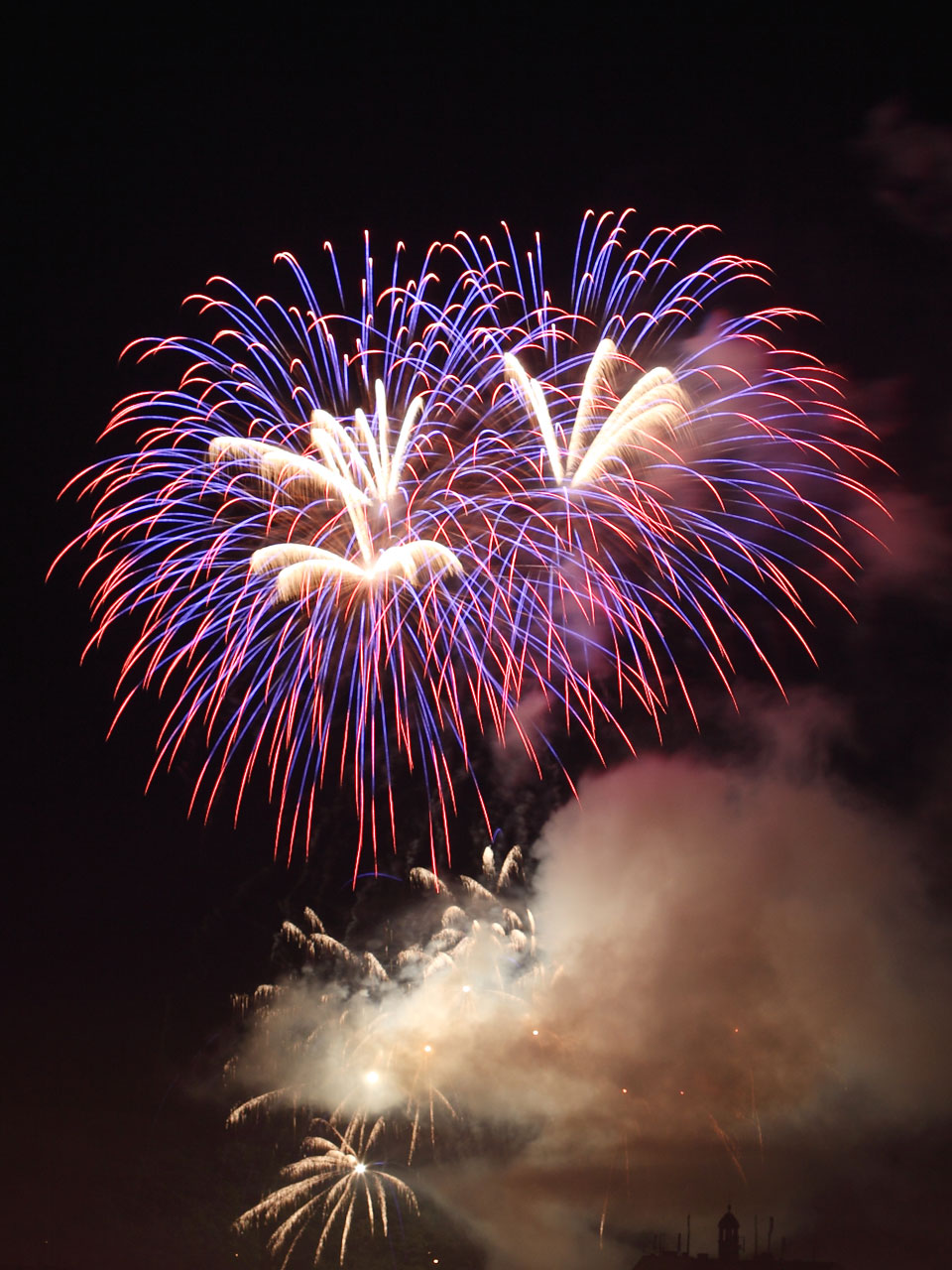
.jpg/240px-Celebration_of_Light_2014_-_July_26_USA_(14754646602).jpg)
Structural Elements and Rituals in Celebrations of Life
Celebrations of life are deeply personal yet often structured around shared elements that honor the deceased while fostering communal healing. These ceremonies integrate physical, symbolic, and interactive components to create meaningful experiences. Below, the foundational elements—including traditional and non-traditional rituals—are categorized to guide planning, adaptation, and the incorporation of personal or cultural significance.
Checklist of Common Elements
Celebrations of life typically combine tangible, symbolic, and participatory elements to reflect the individual’s life and values. These components can be organized into three primary categories: physical, symbolic, and interactive. Each serves a distinct purpose—physical elements establish the setting, symbolic elements convey meaning, and interactive elements engage attendees in shared reflection.
-
Physical Elements
- Venue: Locations range from natural settings (e.g., beaches, forests) to cultural or religious spaces (e.g., temples, community halls). The choice often aligns with the deceased’s preferences or cultural traditions.
- Attire: Dress codes may reflect cultural norms (e.g., black for Western funerals, white for Hindu ceremonies) or personal tastes (e.g., casual for memorials). Some ceremonies encourage attendees to wear meaningful colors or symbols associated with the deceased.
- Decorations: Floral arrangements, photographs, or themed displays (e.g., hobby-related items) personalize the space. Digital projections or slideshows are increasingly used for visual storytelling.
- Music and Sound: Live performances, recorded playlists, or ambient sounds (e.g., wind chimes, ocean waves) create atmosphere. Genres may include classical, folk, or the deceased’s favorite artists.
-
Symbolic Elements
- Keepsakes: Items such as memory boxes, framed letters, or handprints (for children) serve as tangible mementos. Some families distribute seeds, candles, or engraved stones as parting gifts.
- Readings and Speeches: Religious texts, poetry, or personal letters are shared to convey messages of love, wisdom, or closure. Eulogies often highlight the deceased’s impact on others.
- Ritual Objects: Candles, urns, or symbolic artifacts (e.g., a soldier’s dog tags for military families) represent continuity or transition. In some cultures, offerings like food or incense honor the deceased.
-
Interactive Elements
- Guestbook or Memory Table: Attendees sign condolence books or leave written or recorded messages. Digital alternatives include online memorial pages or video tributes.
- Group Rituals: Activities such as lighting candles, planting trees, or releasing balloons foster collective participation. These rituals often symbolize release, remembrance, or renewal.
- Food and Fellowship: Shared meals or potlucks extend the ceremony into a communal experience, reflecting cultural practices (e.g., Chinese funeral banquets, Jewish seudat havra’ah).
Non-Traditional Rituals and Their Significance
Modern celebrations of life increasingly incorporate innovative rituals that align with contemporary values—such as environmental consciousness, digital legacy, and personalization. These alternatives often emphasize active participation, sustainability, or creative expression, departing from conventional funeral customs.
-
Nature-Based Rituals
- Tree Planting: Symbolizes growth, legacy, and environmental stewardship. Organizations like the Arbor Day Foundation provide certified trees, and ceremonies may include a group planting or distributing saplings to attendees.
- Memory Gardens: Families dedicate plots in botanical gardens or personal yards, where visitors can later tend to the space. Some communities establish public gardens with plaques honoring multiple individuals.
- Biodegradable Releases: Instead of balloons (which harm wildlife), ceremonies use butterfly releases, seed paper scattering, or lantern floats (with fire-safe precautions). For example, the Monarch Butterfly Biosphere Reserve in Mexico partners with families to release butterflies in honor of loved ones.
-
Digital and Multimedia Tributes
- Video Montages: Compiled from home videos, interviews, and music, these tributes offer a dynamic portrayal of the deceased’s life. Platforms like Smilebox or Legacy.com facilitate customization.
- Interactive Websites: Families create digital memorials with guestbooks, photo albums, and streaming content. Sites like Remembering.me allow for permanent online preservation.
- Virtual Ceremonies: Livestreamed events enable global participation, particularly for those unable to attend in person. This format has gained prominence post-pandemic, with platforms like Zoom or Facebook Live hosting hybrid gatherings.
-
Creative and Performative Rituals
- Memory Lanterns: Paper lanterns inscribed with names or messages are released into water or sky, symbolizing the deceased’s journey. Events like the Luminaria Project in the U.S. organize large-scale lantern releases.
- Artistic Collaborations: Families commission murals, songs, or plays inspired by the deceased’s life. For example, the Tribute in Light memorial in New York honors 9/11 victims with an annual light installation.
- Time Capsules: Physical or digital capsules containing letters, objects, or recordings are buried or stored for future retrieval, offering a delayed form of closure.
Non-traditional rituals thrive on their ability to personalize grief and engage senses beyond sight and sound. For instance, a scent-based ritual might involve diffusing the deceased’s favorite perfume or burning specific herbs during the ceremony, creating an olfactory connection to memory.
Adapting Celebrations for Diverse Groups
Celebrations of life must respect cultural, religious, and personal identities to ensure inclusivity and authenticity. Adaptations may involve modifying rituals, incorporating cultural practices, or addressing unique needs (e.g., accessibility, language). Below are tailored approaches for specific communities, emphasizing cultural sensitivity and collaborative planning.
-
Children and Families with Young Attendees
- Simplified Rituals: Use age-appropriate language and interactive activities, such as storytelling circles or handprint keepsakes. Avoid graphic details about death.
- Play-Based Elements: Incorporate memory jars (where children draw names and share stories) or art stations where kids create drawings to display.
- Rituals of Continuity: Plant a memory tree in the child’s name or create a time capsule they can open in adulthood. Books like "The Invisible String" by Patrice Karst can be read aloud to explain grief.
-
Military and First Responder Families
- Honor Codes and Traditions: Include taps, flag-folding ceremonies, or 21-gun salutes (where permitted). Military chaplains often lead prayers or readings.
- Symbolic Gestures: Display dog tags, unit patches, or military memorabilia. Some families organize wreath-laying ceremonies at memorials like the Tomb of the Unknown Soldier.
- Peer Support: Arrange for military honor guards or veteran-led rituals to provide structure and comfort. Organizations like the Fisher House Foundation offer resources for families.
-
LGBTQ+ Communities
-
Cultural and Religious Variations in Celebrations of Life
Celebrations of life reflect deeply embedded cultural and religious values, shaping rituals that honor the departed while reinforcing communal identity. Across traditions, these observances serve as bridges between the living and the transcendent—whether through divine connection, ancestral reverence, or philosophical reflection. While Abrahamic religions emphasize divine judgment and eternal reward, Eastern traditions often prioritize cyclical existence and harmony with nature. Below, comparative analyses reveal both universal themes—such as remembrance, transition, and collective mourning—and distinct practices that reflect each tradition’s cosmology.
Comparative Analysis of Abrahamic and Eastern Traditions
The role of celebrations of life in Abrahamic religions (Judaism, Christianity, Islam) and Eastern traditions (Buddhism, Taoism) diverges in theological emphasis but converges on shared human needs: acknowledging mortality, providing closure, and fostering communal support. Abrahamic traditions frame death as a passage to divine judgment or reunion with God, often structured around scriptural narratives and eschatological hope. In contrast, Eastern traditions view death as a natural phase in a cycle of rebirth, emphasizing impermanence (anicca in Buddhism) and the dissolution of ego (wu wei in Taoism).Shared Themes Across Traditions:
- Ritualized Transition: All traditions employ structured ceremonies to mark the boundary between life and death, often involving purification (e.g., Christian baptismal imagery in funerals, Hindu antyeshti rites).
- Communal Participation: Family and community play central roles, reinforcing social bonds through shared grief and memory.
- Symbolic Offerings: Food, flowers, or incense are universally used to honor the deceased, symbolizing nourishment for the soul or ancestral spirits.
Distinct Practices:
"Death is not an end but a transformation—whether to heaven, hell, or a new cycle of existence."
| Aspect | Abrahamic Traditions | Eastern Traditions |
|---|
| Cosmological View | Linear progression (creation → judgment → eternity) | Cyclical (rebirth, karma, samsara) |
| Primary Focus | Divine mercy, redemption, or martyrdom | Ancestral harmony, moral purification, enlightenment |
| Ritual Duration | Often brief (e.g., Christian burial within days) | Extended (e.g., Buddhist 49-day memorials) |
| Post-Mortem State | Heaven/Hell (Christianity), Olam Ha-Ba (Judaism), Barzakh (Islam) | Rebirth (punarjanma), bardo (Tibetan Buddhism), or ancestral realm (Taoism) |
| Artifacts Used | Crosses, Torah scrolls, Quranic verses | Prayer wheels, joss paper, ofuda (Taoist talismans) |
Judaism: Shiva and Yahrzeit emphasize communal mourning (sitting on low stools for seven days) and annual remembrance through candle-lighting and charity. The Olam Ha-Ba (World to Come) offers hope for resurrection, aligning with the covenant’s eternal promise.
Christianity: Funerals incorporate eulogies, hymns, and the Eucharist to symbolize Christ’s victory over death. Protestant services may focus on personal testimony, while Catholic rites include prayers for purgatory and saintly intercession.
Islam: The Janazah prayer and burial within 24 hours underscore urgency and equality before Allah. Mourning lasts three days, followed by Urs (anniversary) celebrations with food and dhikr (remembrance of God).
Buddhism: Parinirvana (final liberation) is marked by chanting sutras, cremation (or sky burial in Tibet), and Ullambana (Hungry Ghost Festival) to feed ancestral spirits. Zen traditions may emphasize mu (nothingness) in meditation.
Taoism: Guimen (funeral rites) include burning joss paper to provide for ancestors in the afterlife, while feng shui guides burial to ensure harmony with qi (life force).
Lesser-Known Global Traditions Blending Life Celebrations with Ancestor Worship
Three understudied traditions demonstrate how ancestor veneration intertwines with life celebrations, often through agricultural cycles, oral histories, or spiritual reciprocity. These practices reveal indigenous philosophies where the living and dead coexist in a reciprocal relationship, ensuring continuity and protection.Context:
Ancestor worship in these traditions extends beyond mourning to active engagement—through offerings, storytelling, and shared meals—to maintain a dynamic relationship with the deceased. Such customs reflect pre-modern cosmologies where death is not an endpoint but a transition into a parallel realm that influences the living. The philosophical underpinning often includes:
- Reciprocity: Ancestors are believed to provide guidance, protection, or harvest success in exchange for remembrance.
- Collective Memory: Oral traditions and rituals preserve lineage, ethics, and cultural identity.
- Nature Syncretism: Ancestors are often linked to natural elements (rivers, mountains, storms), requiring rituals to maintain ecological balance.
1. Day of the Dead (Día de los Muertos) in Mexico (Indigenous Mesoamerican Roots)
While widely recognized, its pre-Hispanic origins—particularly among the Nahua and Purépecha peoples—remain less discussed. The festival, spanning Mictecacihuatl (Lady of the Dead) on October 31 and All Saints’/All Souls’ days, blends Aztec Xipehualiztli (flayed god) symbolism with Catholic syncretism.
- Customs:
- Ofrendas (altars) include pan de muerto, marigolds (cempasúchil), and mole to guide spirits home. Papier-mâché skulls (calaveras) satirize death with humor.
- Temporal Bridges: Families clean graves (limpia) and share meals with the dead, who are believed to "visit" in spirit.
- Philosophy: Death is a return to the earth (Mictlán), not an end. The living act as intermediaries, ensuring ancestors’ souls remain content and protective. The festival’s cyclical nature mirrors the agricultural calendar, where harvests depend on ancestral blessings.
2. Gaecheonjeol (Korean Ancestral Rites)
Celebrated on the 15th day of the 8th lunar month, this Confucian-influenced tradition merges shamanic gut (rituals) with filial piety. Unlike Chinese Qingming, it focuses on communal feasts and soul-calling (sotdae) rather than grave-tending.
- Customs:
- Five-Colored Rice (Okkari): Offered to ancestors to symbolize prosperity, with red (fortune) and black (mourning) grains.
- Sotdae Rituals: Shamans (mudang) summon spirits using drums (janggu) and saja (shamanic songs), while participants bow to receive blessings.
- Shared Meals: Families set tables with jeon (savory pancakes), jokbal (braised pork), and makgeolli (rice wine), believing ancestors "eat" alongside the living.
- Philosophy: Ancestors are eternal protectors (jesa), and their well-being ensures harmony (yangban ideals). Neglecting rites risks hwangap (spirit possession) or misfortune. The ritual reinforces filial duty as a moral obligation.
3. Festa dei Morti (Sardinian "Festival of the Dead")
A pre-Christian Nuragic tradition revived in the 1970s, this festival in Ollolai and Mamoiada involves horseback parades, face painting, and ritualized chaos to ward off evil spirits.
- Customs:
- Masked Processions: Participants don wooden masks (maschera sarda) depicting skulls or mythical figures, dancing to cantu a tenore (polyphonic chants).
- Bone Offerings: Animal bones and pane carasau (flatbread) are left at crossroads to appease the dead, who are seen as guardians of thresholds.
- Nighttime Vigils: Graves are lit with candles, and families recount ancestral stories to strengthen lineage bonds.
- Philosophy: Death is a threshold (limen) between worlds, requiring both reverence and playful defiance. The festival’s controlled chaos (e.g., mock battles with sticks) symbolizes the struggle between life and death,

Creative and Personalized Approaches in Celebrations of Life
A Celebration of Life transcends traditional funerary rites by embracing individuality, creativity, and emotional resonance. Personalization transforms the event into a meaningful tribute that honors the unique legacy of the deceased, ensuring their memory endures through tailored expressions of love, artistry, and digital innovation. This section explores structured methods for designing bespoke programs, integrating digital and hybrid elements, preserving memories, and leveraging artistic mediums to reflect the deceased’s personality, values, and passions.
Designing Personalized Programs and Invitations
Personalized programs and invitations serve as the visual and narrative foundation of a Celebration of Life, setting the tone for the event. These documents can incorporate biographical details, thematic elements, and interactive features to engage attendees before, during, and after the ceremony.Key Components for a Customized Program:
The program should balance structure with flexibility, allowing for emotional storytelling while guiding attendees through the event’s flow. Essential sections include: - Biographical Overview
A concise yet evocative summary of the deceased’s life, including key milestones, achievements, and personal traits. This can be presented as a timeline, narrative, or poetic reflection.
Example: A two-page spread with a chronological timeline on one side and a handwritten letter from a loved one on the other. - Thematic Quotes and Reflections
Curated quotes—from literature, the deceased’s own writings, or speeches by family and friends—can anchor the emotional tone. These should align with the individual’s beliefs, humor, or philosophical outlook.
Example: A quote from the deceased’s favorite poet paired with a calligraphic design, or a personal anecdote framed as a "lesson learned" from their life. - Photo Collages and Visual Storytelling
High-quality images arranged in a cohesive layout (e.g., a grid, spiral, or thematic grouping) create a visual narrative. Digital tools like Canva or Adobe Spark can assist in designing collages that blend professional and personal photos.
Example: A "Life in Frames" section where photos are labeled with dates and brief captions (e.g., "First Day of School, 1985"). - Interactive Elements
Modern invitations and programs can include QR codes linking to:
- A digital memory book (e.g., via Google Sites or a dedicated platform like Celebrate Beyond).
- A short video montage featuring messages from friends and family.
- An online RSVP and donation portal for those unable to attend in person.
Example: A QR code on the invitation’s back cover labeled "Watch Our Love Letters to [Name]."Template for a Personalized Invitation:
A well-designed invitation should convey warmth and clarity while leaving room for spontaneity. Below is a suggested structure: 1. Header: Event title (e.g., "A Gathering to Honor [Name]’s Journey") with a minimalist graphic (e.g., a silhouette, abstract art, or a symbol meaningful to the deceased).
2. Personalized Greeting: A handwritten-style message (e.g., "Dear [Name]’s Family and Friends").
3. Event Details: Date, time, location (physical and virtual if hybrid), and dress code (e.g., "Casual attire, or wear your favorite color: [Deceased’s favorite hue]").
4. Program Highlights: Brief descriptions of segments (e.g., "Music by [Artist], Stories from [Child’s Name], and a Memory Wall").
5. RSVP and Additional Notes:
- "Please respond by [date] to [contact info]."
- "In lieu of flowers, consider donating to [Cause] or sharing a story at [Website]."
Integrating Digital Elements in Hybrid Celebrations of Life
Hybrid celebrations—combining in-person and virtual attendance—expand accessibility while preserving the intimacy of a personal tribute. Digital tools enable global participation, asynchronous sharing, and the creation of lasting online memorials. Below are strategies for seamless integration:Platforms and Tools for Hybrid Events:
Selecting the right digital infrastructure is critical for ensuring a smooth experience. Popular options include: - Live Streaming Services:
- Zoom or Microsoft Teams for smaller, intimate gatherings with breakout rooms for discussions.
- YouTube Live or Facebook Live for broader reach, with archived replays available afterward.
- Vimeo for high-quality, private streams with password protection.
- Virtual Guestbooks and Memory Walls:
- FlipHTML5 or Smilebox for interactive digital guestbooks where attendees can leave messages, photos, and videos.
- Google Forms or Typeform for collecting stories or favorite memories to compile into a shared document.
- Canva’s Memory Wall template for a visually engaging online space.
- Online Tributes and Playlists:
- Spotify or Apple Music for creating shared playlists where attendees can add songs meaningful to the deceased.
- Tribute websites (e.g., Remembering.me or Eternime) to host photos, videos, and obituaries in one place.
Best Practices for Hybrid Engagement:
To ensure digital attendees feel included, implement the following: - Synchronized Timing: Use a shared digital program (emailed or posted on a website) with timestamps for speeches, music, and rituals to help virtual guests follow along.
- Real-Time Interaction:
- Designate a live moderator to field questions from both in-person and online attendees via a chat function.
- Use polling tools (e.g., Mentimeter) to engage virtual guests in live Q&A or memory-sharing sessions.
- Asynchronous Participation:
- Provide a dedicated email or hashtag (e.g., #Honoring[Name]) for attendees to share stories or condolences before or after the event.
- Offer a digital time capsule (via Locktime Capsule or Everplans) where guests can contribute messages or items to be revealed at future milestones (e.g., anniversaries).
Example Workflow for a Hybrid Celebration:
1. Pre-Event:
- Send digital invitations with links to the live stream, virtual guestbook, and RSVP portal.
- Create a private event page on social media (e.g., Facebook) with updates and a countdown.
2. During the Event:
- Begin with a live welcome from the officiant or family, acknowledging both physical and virtual attendees.
- Use split-screen views (via OBS Studio or Zoom) to showcase in-person activities while streaming.
- Incorporate pre-recorded segments (e.g., eulogies from distant relatives) to maintain flow.
3. Post-Event:
- Share the full recording on the tribute website or via password-protected links.
- Compile all digital contributions (messages, photos, videos) into a shareable album or PDF for families.
Capturing and Preserving Memories During the Event
The ephemeral nature of spoken words and shared emotions makes documentation essential for preserving the essence of a Celebration of Life. Systematic memory capture ensures that future generations can relive the event’s significance. Below are methods for recording, organizing, and archiving memories:Recording Speeches and Testimonies:
Verbal tributes often contain the most profound insights into the deceased’s impact. To ensure these are preserved: - Audio-Visual Recording:
- Use professional audio equipment (e.g., Zoom H6 recorder) for high-quality sound, especially in large venues.
- Assign a dedicated videographer to capture reactions, group moments, and environmental details (e.g., decorations, weather).
- Multi-camera setups (e.g., one on the speaker, one on the audience) provide richer footage for editing.
- Transcription and Annotation:
- Transcribe speeches using automated tools (e.g., Otter.ai) and refine with manual edits for accuracy.
- Add timestamps and speaker notes to the transcript for easy reference (e.g., "[Child’s Name], 12:45 PM: ‘Dad always said...’").
- Create a searchable digital archive (e.g., Google Drive folder or Notion database) with categorized content (e.g., "Eulogies," "Anecdotes," "Music").
Compiling Photo and Video Collages:
Visual memories are powerful tools for storytelling. Organize these systematically: - Real-Time Photo Documentation:
- Designate a photographer to capture candid moments, group photos, and ritualistic elements (e.g., candle-lighting ceremonies).
- Use action shots to convey emotion (e.g., hugs, laughter, silent reflection) alongside posed portraits.
- Geotagging photos by location (e.g., "Garden Ceremony," "Reception Table") aids in future searches.
- Digital Collage Tools:
- Adobe Lightroom or Apple Photos for editing and organizing images
A celebration of life is more than an event—it is a testament to the enduring power of human connection, creativity, and resilience. By centering joy, storytelling, and shared rituals, these gatherings transform grief into a collective act of remembrance, where laughter and tears coexist as natural expressions of love. From the sensory richness of hybrid cultural ceremonies to the digital preservation of memories, the adaptability of these traditions reflects their universal relevance. Ultimately, they remind us that honoring a life well-lived is not about closure but about keeping the flame of legacy alive for generations to come.
FAQ
What exactly is a celebration of life event?
A celebration of life event is a gathering held to honor and remember a person who has died, focusing on their life, achievements, and legacy rather than mourning. It often includes storytelling, music, and activities that reflect the individual’s personality, interests, or cultural traditions. Unlike traditional funerals, these events are typically more flexible, joyful, or personalized.
How is a celebration of life ceremony different from other ceremonies?
A celebration of life ceremony is a non-religious or secular event designed to celebrate the deceased’s life, often replacing or complementing a funeral or memorial service. It emphasizes positive memories, humor, and personal connections rather than formal rituals. The format can vary widely, from casual gatherings to structured tributes with speeches, videos, or creative elements like slideshows.
What happens during a celebration of life service?
A celebration of life service is a structured gathering where family, friends, and the community come together to share stories, photos, and tributes about the deceased. It may include music, readings, or symbolic gestures like releasing balloons or planting trees. The tone is often uplifting, with an emphasis on gratitude and remembrance rather than grief.
Can a celebration of life be a party?
Yes, a celebration of life can be a party, especially if the deceased had a lively or social personality. These events might include food, drinks, games, or activities that reflect their hobbies or passions, like a favorite sports theme or a themed dinner. The goal is to honor their memory in a way that feels joyful and inclusive.
What does a celebration of life at a funeral home look like?
A celebration of life at a funeral home is typically a formal or semi-formal gathering held in a chapel or viewing room, often organized by the funeral director. It may include a slideshow, speeches, or open mic sessions for attendees to share memories. The funeral home provides space, but the event’s tone and activities are usually customized by the family.
What’s the difference between a celebration of life and a funeral?
A celebration of life focuses on honoring the deceased’s personality, achievements, and joyful memories, often with a flexible or creative format. A funeral, in contrast, traditionally includes religious or cultural rituals, a viewing of the body, and a more structured mourning process. Celebrations of life are usually less formal and more personalized.
|
Leave a Comment
Comments are moderated before appearing. The data you submit is processed according to the Privacy Policy of Voltefac.