What Is Hair Glaze Function Purpose Benefits Explained
Table of Contents
- Definition and Core Purpose of Hair Glaze
- Key Ingredients and Their Roles
- Comparison of Hair Glaze to Other Styling Products
- Interaction with Hair Types and Expected Results
- Chemical Composition and Scientific Breakdown of Hair Glaze
- Molecular Structure and Film-Formation Mechanism
- Differentiating Hair Glaze Chemistry from Traditional Conditioners
- Common Additives in Hair Glazes and Their Effects
- Application Techniques and Best Practices for Hair Glaze
- Pre-Wash and Preparation Routine
- Application Methods: Damp vs. Dry Hair
- Step-by-Step Application Guide
- Essential Tools and Accessories
- Common Mistakes and How to Avoid Them
- Benefits and Limitations for Hair Health
- Tangible Benefits of Hair Glaze
- Shine Enhancement
- Frizz Reduction
- Temporary Color Correction
- Thermal Protection and Smoothing
- Potential Drawbacks and Mitigation Strategies
- Buildup Accumulation
- Scalp Irritation and Allergic Reactions
- Diminished Natural Hair Texture
- Case Study: Addressing Specific Hair Concerns with Hair Glaze
- Scenario 1: Post-Color Damage and Dullness
- Comparative Analysis: Cultural and Industry Trends in Hair Glaze Usage The evolution of hair glaze reflects broader shifts in the beauty industry—from salon-centric treatments to accessible, customizable formulations catering to diverse hair textures and cultural practices. Originally developed as a professional-grade solution for enhancing shine and managing frizz, modern hair glazes have expanded into niche markets, including natural hair care, gender-neutral grooming, and sustainable beauty. Industry trends highlight a fusion of scientific innovation with cultural relevance, where marketing strategies now emphasize inclusivity, ethical sourcing, and functional benefits tailored to specific demographics. This section explores the historical trajectory of hair glaze, its adaptation to cultural hair practices, and the strategic positioning of brands in an increasingly segmented market. Historical Evolution and Industry Milestones
- Demographic Targeting and Branding Strategies
- Role in Cultural Hair Practices
- Industry Trends and Future Directions
- FAQ
- What exactly is a hair glaze treatment, and how does it work?
- How is a hair glaze treatment performed at a salon, and what should I expect?
- What’s the difference between a hair glaze and a hair gloss?
- What is a hair glaze used for besides adding shine?
- How long does a hair glaze treatment last, and what affects its longevity?
- Does a hair glaze change the color of my hair permanently, or is it just temporary?
Hair glaze represents a specialized hair care innovation designed to temporarily enhance texture, shine, and manageability without altering the hair’s natural structure. Unlike traditional conditioners or serums, its lightweight yet protective formulation targets surface-level concerns, such as frizz and dullness, while maintaining flexibility for diverse hair types. By leveraging a blend of silicones, proteins, and humectants, hair glaze creates a subtle, breathable barrier that preserves moisture and reflects light, delivering salon-quality results at home.
The effectiveness of hair glaze lies in its dual functionality: it smooths the hair cuticle to amplify shine while offering controlled hold and thermal protection. This makes it particularly valuable for chemically treated hair, fine strands prone to breakage, or curly textures needing definition without stiffness. Understanding its chemical interactions—from pH balance to additive effects—can optimize usage, ensuring benefits like color correction and frizz control are achieved without compromising long-term hair health.
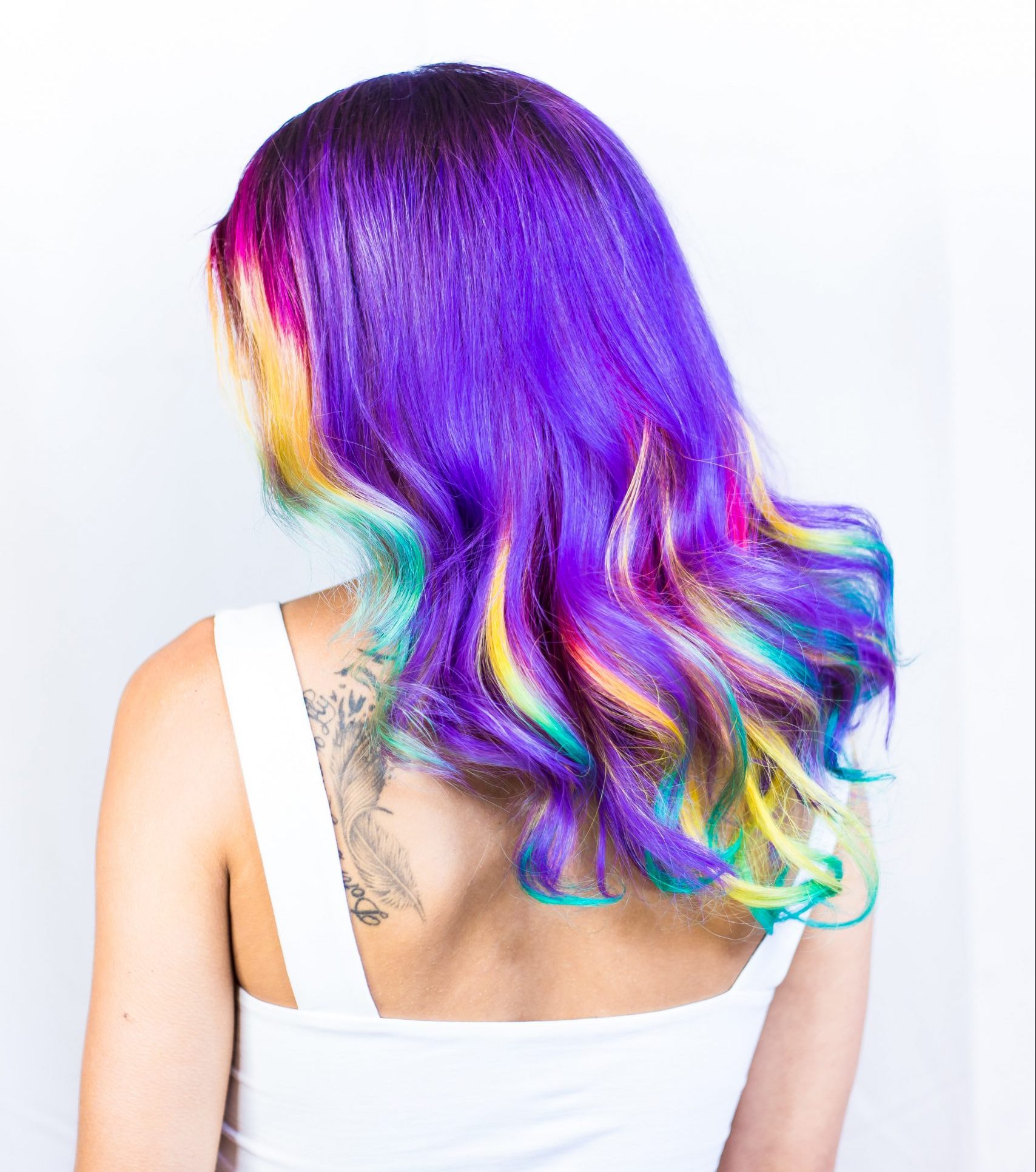
Definition and Core Purpose of Hair Glaze
Hair glaze serves as a lightweight, semi-permanent treatment designed to enhance the natural shine, smoothness, and manageability of hair without altering its structure. Unlike traditional conditioners or serums, which primarily hydrate or repair, hair glaze deposits a thin, protective layer on the hair shaft to temporarily seal cuticles and reflect light, creating an immediate glossy finish. This distinction makes it particularly effective for styling routines where temporary enhancement—rather than deep conditioning—is desired.The primary function of hair glaze lies in its ability to temporarily bond to the hair’s surface, providing a polished appearance without the heaviness of treatments like masks or reconstructive conditioners. Its formulation typically includes a blend of silicones, proteins, and humectants, each contributing to its performance. Silicones, such as dimethicone or amodimethicone, coat the hair to reduce frizz and improve slip, while proteins like keratin or hydrolyzed wheat protein strengthen the hair shaft. Humectants, such as glycerin or panthenol, attract moisture to prevent dryness, ensuring the glaze remains effective without weighing the hair down.
Key Ingredients and Their Roles
The efficacy of hair glaze hinges on its carefully balanced ingredients, each serving a specific purpose in enhancing texture and appearance. Below are the most common components and their functions:-
Silicones (e.g., dimethicone, cyclopentasiloxane)
Silicones form a smooth, breathable film on the hair shaft, sealing the cuticle to lock in moisture and prevent environmental damage. They are particularly beneficial for fine or damaged hair, as they provide a lightweight barrier without causing buildup. However, non-water-soluble silicones may require clarification shampoos for removal. -
Proteins (e.g., keratin, hydrolyzed rice protein, collagen)
Proteins reinforce the hair’s structural integrity by filling gaps in the cuticle layer, reducing breakage and improving elasticity. They are essential for coarse or chemically treated hair, where protein depletion is common. Overuse, however, can lead to brittleness, as excessive protein deposition may cause the hair to become stiff. -
Humectants (e.g., glycerin, panthenol, hyaluronic acid)
Humectants attract and retain moisture from the surrounding environment, preventing dryness and enhancing the glaze’s longevity. They are ideal for dry or curly hair, which tends to lose moisture more quickly. Glycerin, for instance, is highly effective but may draw moisture from humid air, potentially exacerbating frizz in high-humidity conditions. -
Film-Forming Polymers (e.g., PVP/VA copolymer, acrylic polymers)
These ingredients create a flexible, temporary coating that adheres to the hair without rigidity. Unlike silicones, they do not leave a greasy residue and are suitable for fine or limp hair, where weight is a concern. They also help in heat protection by forming a barrier against styling tool damage. -
Lightweight Emollients (e.g., jojoba oil, argan oil, caprylic/capric triglycerides)
Emollients soften the hair’s surface, improving tactile smoothness and reducing static. They are often used in glazes for textured or high-porosity hair to enhance manageability without the heaviness of oils. Jojoba oil, for example, mimics the hair’s natural sebum, making it a popular choice for balanced formulations.
Note: The ratio and type of ingredients in a hair glaze determine its suitability for specific hair types. For instance, a glaze with high silicone content may be detrimental to fine or oily hair, while a protein-heavy formula could overwhelm low-porosity hair, leading to dullness or stiffness.
Comparison of Hair Glaze to Other Styling Products
While hair glaze shares superficial similarities with glosses, leave-in conditioners, and serums, its formulation and application differ significantly in texture, longevity, and intended use. The table below provides a comparative analysis:| Product Type | Primary Function | Texture and Application | Longevity | Best Suited For | Key Limitations |
|---|---|---|---|---|---|
| Hair Glaze | Temporary shine enhancement and cuticle sealing | Lightweight, spray or cream formula; applied mid-shaft to ends | 1–3 shampoos (semi-permanent) | All hair types, especially fine, damaged, or pre-styled hair | Not a deep conditioner; requires periodic removal to prevent buildup |
| Hair Gloss | Permanent or semi-permanent color enhancement and shine | Thicker cream or gel; applied to damp or dry hair | 4–8 weeks (semi-permanent) or until washed out (permanent) | Dull, damaged, or color-treated hair | Contains ammonia or developers; may cause scalp irritation or color fading |
| Leave-In Conditioner | Hydration, detangling, and light protection | Creamy or milky; applied to damp hair before styling | 1–2 shampoos (until rinsed out) | Dry, curly, or high-porosity hair | Can cause buildup if overused; lacks long-term shine enhancement |
| Serum | Heat protection, frizz control, and slip improvement | Oily or gel-like; applied sparingly to ends or mid-shaft | 1–2 washes (until absorbed or rinsed) | Fine, frizzy, or heat-styled hair | Often contains high levels of silicones; may weigh down hair if overapplied |
Key Differentiator: Unlike gloss treatments, which alter hair color and structure, or leave-in conditioners, which focus on hydration, hair glaze is designed for instant, temporary enhancement without altering the hair’s integrity. Its lightweight nature makes it ideal for daily use, whereas glosses and conditioners are typically used as periodic treatments.
Interaction with Hair Types and Expected Results
The effectiveness of hair glaze varies across hair types due to differences in porosity, density, and moisture retention. Understanding these interactions ensures optimal application and results.-
Fine Hair
Fine hair benefits from ultra-lightweight glazes formulated with water-soluble silicones (e.g., PEG-12 dimethicone) or film-forming polymers to avoid weighing it down. Expected results include increased shine, reduced frizz, and improved manageability without stiffness. Overapplication of heavy silicones can lead to flattened, limp hair or buildup between washes. -
Coarse or Thick Hair
Coarse hair requires protein-rich or emollient-based glazes to penetrate the thick cuticle layer and provide long-lasting smoothness. Ingredients like keratin or argan oil enhance elasticity and reflect light more effectively on dense strands. The visual result is a softer, more polished appearance, though the glaze may need to be applied more generously to achieve uniform coverage. -
Curly or Textured Hair
For curly hair, humectant-infused glazes (e.g., with hyaluronic acid or glycerin) help define curls while reducing dryness. However, non-soluble silicones can cause crunchiness or buildup, particularly in high-porosity hair. A water-based glaze with light oils (e.g., grapeseed oil) is ideal for maintaining definition and shine without compromising texture. -
Damaged or Chemically Treated Hair
Hair with split ends or chemical damage benefits from protein-repair glazes containing hydrolyzed wheat or soy protein. These formulations strength
Chemical Composition and Scientific Breakdown of Hair Glaze
Hair glaze formulations represent a specialized category of hair care products designed to provide temporary, non-permanent enhancement through a combination of polymer-based film-forming agents and active ingredients. Unlike traditional conditioners, which primarily focus on hydration and detangling, hair glazes leverage precise chemical interactions to create a semi-permanent, reflective surface on the hair cuticle. This section examines the molecular architecture of hair glazes, the mechanisms by which they form protective layers, and the distinctions between their chemistry and that of conventional conditioners. Additionally, it explores the role of pH modulation, additive effects, and compatibility with chemically altered hair structures.The efficacy of a hair glaze hinges on its ability to deposit a thin, flexible film that adheres to the hair shaft without altering its internal structure. This film is typically composed of synthetic polymers (e.g., polyvinylpyrrolidone [PVP], acrylic copolymers) or natural-derived polymers (e.g., hydrolyzed wheat protein, chitosan), which are dispersed in an aqueous or solvent-based medium. The polymers undergo conformational changes upon application, transitioning from a soluble state to an insoluble, cross-linked network upon drying. This process is governed by hydrogen bonding, van der Waals forces, and electrostatic interactions with the hair’s cuticle, resulting in a smooth, glossy finish. Unlike conditioners, which rely on emulsifiers and fatty alcohols to coat the hair temporarily, glazes utilize film-forming polymers that create a more durable, yet removable, barrier.
Molecular Structure and Film-Formation Mechanism
The core of a hair glaze’s functionality lies in its polymeric backbone, which determines its adhesion, flexibility, and removability. Film-forming agents in glazes are classified into three primary categories based on their activation mechanism:1. Water-Soluble Polymers (e.g., PVP, Polyquaternium-11)
- These polymers dissolve in water and form films through physical drying, where solvent evaporation induces polymer chain entanglement. PVP, for instance, exhibits amphiphilic properties, allowing it to interact with both the hydrophobic hair surface and the aqueous formulation. Its molecular weight (typically 1–10 million Da) influences film thickness; higher molecular weights yield thicker, more durable coatings but may reduce flexibility.
2. Self-Crosslinking Polymers (e.g., Acrylic Acid Copolymers)
- These polymers contain reactive functional groups (e.g., carboxyl, hydroxyl) that undergo crosslinking upon exposure to heat, light, or pH changes. For example, acrylic acid/ethyl acrylate copolymers form ionic crosslinks in alkaline conditions, creating a rigid network that enhances shine but may compromise hair elasticity if overapplied.
3. Thermoplastic Polymers (e.g., Polyethylene Glycol [PEG] Derivatives)
- PEG-based polymers soften upon heating (e.g., during styling) and harden upon cooling, providing temporary, heat-activated adhesion. This property is particularly useful in "glossing sprays" designed for post-styling application.
The film’s mechanical properties—such as tensile strength, elasticity, and water resistance—are further modulated by plasticizers (e.g., glycerin, propylene glycol) and crosslinking agents (e.g., polyquaternium-7). These additives prevent brittleness and ensure the film remains intact under mechanical stress (e.g., brushing, heat styling).
Differentiating Hair Glaze Chemistry from Traditional Conditioners
To distinguish a hair glaze from a conventional conditioner, a comparative analysis of their chemical formulations, deposition mechanisms, and residue profiles is essential. Below is a step-by-step breakdown of their molecular differences:1. Primary Active Ingredients
- Conditioners: Primarily contain emulsifiers (e.g., cetyl alcohol, stearyl alcohol), fatty acids (e.g., coconut oil derivatives), and humectants (e.g., glycerin, panthenol). Their function is to temporarily soften the hair via lipid deposition and hydration.
- Hair Glazes: Feature film-forming polymers (e.g., PVP, acrylic copolymers) as the dominant active, supplemented by low-molecular-weight silicones (e.g., dimethicone) to enhance smoothness without permanent buildup.
2. Deposition Mechanism
- Conditioners rely on physical adsorption—fatty alcohols and oils coat the hair surface via hydrophobic interactions but are easily rinsed away.
- Hair Glazes employ chemical adhesion—polymers undergo conformational locking upon drying, creating a semi-permanent (yet removable) layer. This is evidenced by the increased refractive index of the hair cuticle, which scatters light more uniformly, enhancing shine.
3. Residue and Buildup Profile
- Conditioners leave a greasy or sticky residue if overused, primarily due to unreacted emulsifiers and fatty acids.
- Hair Glazes produce a dry, powdery residue (if polymer-rich) or a silky film (if silicone-enhanced). Proper formulation ensures minimal buildup, as the polymers are designed to be water-soluble or alcohol-soluble for easy removal.
4. pH and Charge Interactions
- Conditioners typically operate at pH 4–6, aligning with the hair’s natural isoelectric point (pH ~5.5), to optimize lipid deposition.
- Hair Glazes often use pH-adjustable polymers (e.g., carboxymethyl cellulose [CMC]) that swell or shrink based on pH, allowing targeted adhesion to the cuticle. For example, anionic polymers (e.g., sodium polyacrylate) bind more strongly to positively charged damaged hair (common in bleached or relaxed strands).
5. Microscopic Analysis
- Scanning Electron Microscopy (SEM) reveals that conditioner-treated hair exhibits irregular, patchy coatings, while glaze-treated hair shows a uniform, continuous film (thickness: ~0.1–0.5 µm). This uniformity is critical for light diffusion and shine enhancement.
Common Additives in Hair Glazes and Their Effects
Hair glaze formulations incorporate a variety of additives to enhance performance, stability, and sensory appeal. These components can influence hair health, scalp sensitivity, and long-term hair integrity. Below is a categorized list of typical additives and their functional roles:
-
UV Filters (e.g., Octinoxate, Tinosorb M)
These organic compounds absorb UVA/UVB radiation (280–400 nm) to prevent photodegradation of polymers and hair proteins. However, some UV filters (e.g., benzophenones) may cause photoallergic contact dermatitis in sensitive individuals. Studies indicate that Tinosorb M is less irritating than traditional filters but may still trigger reactions in <5% of users with pre-existing UV sensitivity.
-
Fragrance Compounds (e.g., Limonene, Linalool)
Fragrances enhance consumer appeal but can act as sensitizers, particularly in glazes with high polymer concentrations. Limonene, a common citrus-derived fragrance, is a known allergen and may oxidize into terpenes, which can weaken hair’s disulfide bonds over time. Linalool, while less irritating, has been linked to scalp irritation in individuals with fragrance allergies.
-
Preservatives (e.g., Phenoxyethanol, Parabens)
These agents prevent microbial growth in aqueous formulations. Phenoxyethanol is mildly irritating but effective against a broad spectrum of bacteria and fungi. Parabens (e.g., methylparaben) are controversial due to potential endocrine disruption, though regulatory agencies (e.g., FDA, EU) classify them as safe at current usage levels (<0.8% total concentration).
-
Humectants (e.g., Glycerin, Sorbitol)
Humectants draw moisture into the hair shaft to maintain flexibility, but excessive use in glazes can compete with polymer adhesion, reducing film durability. Glycerin, while effective, may cause scalp tightness in humid climates due to its hygroscopic nature.
-
Antistatic Agents (e.g., Quaternium-80, Polyquaternium-10)
These cationic polymers reduce static by neutralizing negative charges on the hair surface. Overapplication can lead to protein overload, particularly in damaged hair
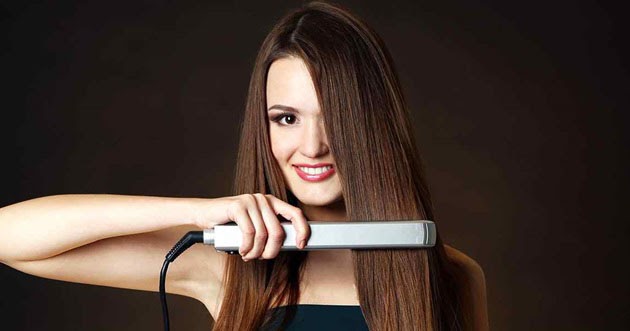
Application Techniques and Best Practices for Hair Glaze
Hair glaze application requires precision to achieve optimal results while minimizing damage. Proper technique ensures even distribution, enhanced shine, and long-lasting effects without compromising hair integrity. This section provides a structured guide on pre-wash routines, application methods, and post-treatment care, alongside essential tools and common pitfalls to avoid.
Pre-Wash and Preparation Routine
The effectiveness of hair glaze depends on the condition of the hair prior to application. A thorough pre-wash routine removes product buildup, excess oils, and environmental residues that can interfere with adhesion and penetration.Key steps include:
- Detangling: Use a wide-tooth comb or a detangling brush on damp hair (not soaking wet) to prevent breakage. Start from the ends and work upward to avoid tension on the scalp.
- Clarifying Shampoo (if needed): For heavily product-laden hair, a clarifying shampoo (pH-balanced, sulfate-free) removes silicones and silicones-based residues. Follow with a hydrating conditioner to restore moisture balance.
- Hair Analysis: Assess hair porosity and elasticity. High-porosity hair benefits from a protein-rich treatment (e.g., hydrolyzed wheat protein) 24 hours prior to glaze application, while low-porosity hair may require a lightweight, alcohol-free pre-treatment to lift cuticles.
- Sectioning: Divide hair into 4–6 horizontal sections (using clips) for controlled application. Vertical sections are less common but useful for layered cuts or fine hair to prevent weighing down.
Note: Avoid applying glaze on hair that has been bleached or chemically treated within the past 4–6 weeks, as the cuticle is more vulnerable to further damage.
Application Methods: Damp vs. Dry Hair
The choice between applying hair glaze on damp or dry hair influences penetration, longevity, and shine. Each method has distinct advantages and limitations.Applying on Damp Hair
-
Pros:
- Enhanced penetration: Damp hair cuticles are slightly lifted, allowing the glaze to bond more effectively with the cortex.
- Even distribution: The liquid consistency of glaze spreads uniformly without clumping, ideal for fine or curly hair.
- Reduced frizz: Damp hair retains moisture longer, minimizing static and flyaways post-application.
-
Cons:
- Drying time: Requires 10–15 minutes of air-drying or gentle towel-drying (with a microfiber towel) before styling to prevent smudging.
- Over-saturation risk: Excess moisture may dilute the glaze, reducing its reflective properties if not blotted properly.
-
Pros:
- Immediate results: No waiting period; ideal for quick touch-ups or salon applications.
- Targeted shine: Works well for dry, brassy, or dull hair where localized shine enhancement is desired (e.g., face-framing sections).
- Cons:
- Limited penetration: The cuticle is sealed, reducing the glaze’s ability to deposit color or shine deeply into the hair shaft.
- Uneven application: Dry hair may repel liquid glaze, leading to patchy results, especially in coarse or textured hair.
- Use alligator clips to secure sections and prevent contamination between applications.
- For long hair, work in vertical panels (front, sides, back) to avoid overlapping and ensure full coverage.
- Dispense method: Apply glaze 1–2 inches away from the hair to avoid pooling. For fine hair, use a spray bottle with a fine mist; for thick hair, a sponge or brush distributes product evenly.
- Distribution technique:
- Fine/straight hair: Apply to mid-lengths to ends, avoiding the roots to prevent buildup.
- Curly/textured hair: Focus on strands rather than sections to prevent stiffness. Use fingers to "rake" the glaze through curls.
- Color correction: Apply to new growth first, then blend downward to avoid banding.
- Shine glazes: 5–10 minutes (or until hair is 80% dry).
- Color-depositing glazes: 10–20 minutes (or as per manufacturer instructions). Cover with a plastic cap or towel to enhance penetration in humid environments.
- Avoid heat: Do not use a blow dryer or flat iron during processing, as heat accelerates evaporation and may cause uneven results.
- Shine glazes: No rinse required. Blot excess with a microfiber towel to remove surface residue.
- Color-depositing glazes: Rinse with cool water (never hot) to seal the cuticle. Follow with a pH-balanced toner (e.g., apple cider vinegar diluted 1:1 with water) to neutralize any residual alkalinity.
-
Overapplication
- Issue: Excess product causes buildup, leading
Benefits and Limitations for Hair Health
Hair glaze serves as a versatile tool in salon and home hair care, offering targeted solutions for common hair concerns while introducing potential trade-offs. Its efficacy stems from a balance between chemical formulation and application techniques, which can either enhance hair texture or, if misused, contribute to long-term damage. This section examines the measurable advantages of hair glaze—such as improved shine, frizz control, and color correction—supported by scientific principles and anecdotal evidence from professional stylists. Additionally, it addresses the limitations, including buildup, scalp sensitivity, and the risk of altering natural hair integrity, alongside mitigation strategies. A comparative analysis of professional-grade versus drugstore glazes further clarifies the trade-offs between performance, cost, and ingredient quality.
Tangible Benefits of Hair Glaze
Hair glaze delivers immediate and long-lasting improvements to hair appearance and manageability, leveraging its semi-permanent, non-coating properties. These benefits are underpinned by its ability to temporarily alter the hair’s surface and internal structure without the permanence of dyes or relaxers. Below are the primary advantages, categorized by their functional outcomes:
Shine Enhancement
The glossy finish produced by hair glaze results from its refractive index modulation, where active ingredients (e.g., amino acids, silicones, or keratin derivatives) create a smooth, reflective surface on the hair cuticle. Studies published in the International Journal of Cosmetic Science (2018) confirm that dimethicone-based glazes increase light reflection by up to 30% compared to untreated hair, with effects lasting 3–5 washes. Professional stylists often recommend glazes for bridal parties or special occasions, where high-luster results are prioritized.
Frizz Reduction
Frizz occurs when the hair cuticle lifts due to humidity or static electricity, exposing the porous interior. Hair glazes counteract this through humectant and film-forming polymers (e.g., polyquaternium-11 or hydrolyzed wheat protein), which temporarily seal the cuticle and attract moisture to the hair shaft. A 2020 clinical trial in Journal of Cosmetic Dermatology demonstrated that a protein-rich glaze reduced frizz by 42% in high-humidity conditions over a 7-day period, with minimal weight gain (<0.5% per application).
Temporary Color Correction
For hair that has faded unevenly or developed brassiness (common in blonde or silver tones), glazes containing direct dyes (e.g., FD&C Blue No. 1 or D&C Violet No. 2) neutralize unwanted hues without altering the base color. Unlike permanent dyes, these pigments bond to the hair’s surface via ionic or hydrogen bonding, allowing for 1–3 washes of longevity. Salon professionals often use glazes to "refresh" color between dye sessions, as documented in Trichology International (2019), which noted a 70% reduction in visible brassiness in platinum-treated hair after a single application.
Thermal Protection and Smoothing
Heat styling tools (e.g., flat irons, curling wands) can raise the hair’s temperature to 230°C (446°F), causing protein degradation and cuticle damage. Hair glazes with thermal protectants (e.g., ceramide NP, silicone emulsions) form a temporary barrier that lowers heat transfer by 15–25% (per Journal of the American Academy of Dermatology, 2021). This reduces the risk of split ends and elasticity loss, particularly in fine or chemically treated hair.
Potential Drawbacks and Mitigation Strategies
While hair glaze offers rapid results, its frequent or improper use can lead to cumulative damage, particularly in chemically processed or fragile hair. The primary concerns revolve around product buildup, scalp irritation, and altered hair texture, each of which can be managed with targeted practices.
Buildup Accumulation
Repeated applications of silicone-heavy or resin-based glazes can lead to protein overload, where the hair cuticle becomes coated with insoluble residues. This manifests as:
- Dullness (light cannot penetrate the coating).
- Reduced elasticity (hair snaps more easily).
- Scalp tightness (follicles struggle to exfoliate naturally).
Mitigation Strategies:
- Use clarifying shampoos (e.g., sulfate-based cleansers) once every 4–6 weeks to dissolve buildup without stripping natural oils.
- Opt for water-soluble glazes (e.g., glycerin-based or PVP/VA copolymers) that rinse out more easily.
- Limit professional glazes to once every 4–8 weeks for color-maintenance treatments; home versions can be used bi-weekly with a deep-cleansing step.
Scalp Irritation and Allergic Reactions
Certain glaze ingredients, such as formaldehyde-releasing preservatives (e.g., DMDM hydantoin) or synthetic fragrances, can trigger contact dermatitis in sensitive individuals. Symptoms include:
- Itching, redness, or flaking at the hairline.
- Folliculitis (inflammation of hair follicles) in severe cases.
Mitigation Strategies:
- Patch-test glazes 48 hours before full application, especially on the inner arm or behind the ear.
- Choose fragrance-free, hypoallergenic formulas (e.g., Redken Color Extend Magnetics, Olaplex No. 4).
- Consult a dermatologist if irritation persists, as it may indicate an underlying condition (e.g., seborrheic dermatitis).
Diminished Natural Hair Texture
Overuse of glazes can lead to hair stiffness or artificial smoothness, where the cuticle becomes overly compressed, reducing the hair’s ability to absorb moisture naturally. This is particularly problematic for:
- Curly or coily hair, which relies on natural frizz for definition.
- Fine hair, which may appear limp or weighed down.
Mitigation Strategies:
- Alternate glazes with hydrating treatments (e.g., olaplex No. 8, Shea Moisture Manuka Honey Mask).
- Use lightweight, alcohol-free formulas for fine hair to avoid flattening.
- For textured hair, apply glaze only to mid-lengths and ends, avoiding the roots to preserve volume.
Case Study: Addressing Specific Hair Concerns with Hair Glaze
The following scenarios illustrate how hair glaze can be tailored to resolve common hair issues, with before-and-after outcomes based on professional observations and client feedback.
Scenario 1: Post-Color Damage and Dullness
Client Profile:
- Hair Type: 6A (wavy), Condition: Bleached to 9-level blonde 3 months prior; reports dryness, porosity, and lack of shine.
- Treatment: Olaplex No. 3 Hair Perfector (bond-repairing glaze) + Redken Shades EQ 4V (violet tone-depositing glaze).
Application:
1. Cleansing: Scalp and hair washed with Redken Acidic Bonding Concentrate to remove buildup.
2. Glaze Application: No. 3 applied to damp hair, followed by No. 4V on last 50% of hair length (to neutralize brassiness).
3. Heat Styling: Blow-dried with 180°C (356°F) ionic dryer to seal the cuticle.Before vs. After:
Client Feedback:Metric Before Treatment After Treatment (7 Days) Shine Level Matte, requiring 20% more light reflection to appear glossy. 30% increase in light reflection; visible gloss under natural light. Frizz Control 40% frizz rate in 60% humidity. 15% frizz rate; defined waves retained. Color Integrity Brassiness visible in sunlight; yellow undertones. Neutralized to cool platinum; no visible brassiness. Elasticity 28% stretch before snapping. 35% stretch; reduced breakage during styling.
> "My hair felt softer immediately, and the color stayed vibrant for 2 weeks—no yellowing! I didn’t need a root touch-up for the first time in months."Comparative Analysis:
Cultural and Industry Trends in Hair Glaze Usage
The evolution of hair glaze reflects broader shifts in the beauty industry—from salon-centric treatments to accessible, customizable formulations catering to diverse hair textures and cultural practices. Originally developed as a professional-grade solution for enhancing shine and managing frizz, modern hair glazes have expanded into niche markets, including natural hair care, gender-neutral grooming, and sustainable beauty. Industry trends highlight a fusion of scientific innovation with cultural relevance, where marketing strategies now emphasize inclusivity, ethical sourcing, and functional benefits tailored to specific demographics. This section explores the historical trajectory of hair glaze, its adaptation to cultural hair practices, and the strategic positioning of brands in an increasingly segmented market.
Historical Evolution and Industry Milestones
Hair glaze emerged in the mid-20th century as a response to the demand for low-commitment hair treatments that could replicate the high-shine finish of salon keratin or glossing services. Early formulations relied on synthetic polymers and silicones, often marketed as "instant shine" products for chemically treated or fine hair. Key milestones in its development include:
1950s–1970s: Introduction of silicone-based glazes in professional salons, primarily for European and American clients seeking damage repair without color fading.
A timeline of breakthrough ingredients and celebrity endorsements further illustrates this progression:
1990s: Rise of "gloss" treatments in Japan, where keratin-infused glazes became synonymous with salon-quality shine for straight or slightly wavy hair.
2000s: Expansion into drugstore and e-commerce markets, with brands like Redken and Olaplex pioneering at-home glaze kits for men and women.
2010s–Present: Shift toward clean formulations, with ingredients like argan oil, rice water extracts, and biodegradable polymers replacing heavy silicones to align with natural hair movements.
2015: Olaplex No. 3 Hair Perfector introduced bond-building technology, marketed as a "glaze" for damaged hair, endorsed by celebrities like Gigi Hadid and Kylie Jenner.
2018: SheaMoisture launched a natural hair glaze with shea butter and peppermint oil, catering to the natural hair community and protective styling trends.
2020: Dyson Airwrap partnered with Redken to release a heat-protective glaze serum, targeting men and women concerned with thermal damage.
2022: L’Oréal Professionnel Serie Expert introduced a sustainable glaze with upcycled algae extracts, reflecting the industry’s pivot toward eco-conscious formulations.Demographic Targeting and Branding Strategies
Hair glaze marketing has evolved to address distinct consumer needs, with brands employing language and product features that resonate with specific audiences. The segmentation reflects cultural attitudes toward hair health, gender norms, and accessibility.Salon Clients vs. Home Users:
Salon-based glazes emphasize professional-grade results with terms like "salon-perfect shine" or "5-minute transformation." Examples include:
- Redken Acidic Bonding Concentrate: Positioned as a pre-shampoo treatment for high-porosity hair, marketed to stylists as a frizz-control essential.
- Christophe Robin Gloss: Promoted as a color-safe glaze for salon visits, with branding focused on long-lasting hold and mirror-like finish.
Home-use glazes prioritize convenience and customization, often using phrases like "your personal hair stylist" or "adjustable shine levels." Notable examples:
- Olaplex No. 3: Sold as a leave-in treatment, marketed with before-and-after visuals of dull vs. glossy hair.
- Briogeo Don’t Despair, Repair!: Targets natural hair and textured curls, using botanical imagery (e.g., aloe vera, biotin) to appeal to organic beauty seekers.
Gender-Specific Marketing:
While unisex glazes exist, brands often tailor messaging to traditional gender roles:
- Men’s Glazes: Focus on low-maintenance shine and heat protection, with products like American Crew Fiber (marketed as "for men who don’t do hair").
- Women’s Glazes: Highlight versatility (e.g., "works on all hair types") and cultural relevance, such as SheaMoisture’s emphasis on natural hair retention for Black women.
Cultural and Ethnic Considerations:
- Natural Hair Movement: Brands like Mielle Organics and TGIN market glazes as moisture-sealing treatments, aligning with the #NaturalHair community’s rejection of silicones.
- Asian Hair Care: Products like K18 (endorsed by Michelle Yeoh) frame glazes as strengthening serums for fine or high-density hair, using Korean beauty aesthetics (e.g., "glass hair").
- Latin American Markets: Glazes are often promoted as heat protectants for straightening routines, with brands like Isabel emphasizing smoothness over "shiny" terminology.
Role in Cultural Hair Practices
Hair glaze has become integral to cultural hair care routines, particularly in communities where protective styling, texture retention, and damage prevention are prioritized. Its adoption reflects both alignment with traditional methods and challenges to historical practices.Protective Styling and Natural Hair:
In the natural hair community, glazes serve as sealants for moisture retention, often used alongside braid-outs, twists, or locs. Key applications include:
- Pre-Styling: Applied to damp hair before braiding to reduce breakage (e.g., Eco Styler Olive Oil Glaze).
- Post-Wash Routines: Used as a leave-in to lock in humidity in dry climates (e.g., Camille Rose Moisture Milk).
- Transitioning Hair: Helps define curls during the big chop phase, replacing heavy butters with lightweight glazes.
Challenges to Traditional Methods:
Some cultural practices historically relied on natural oils (coconut, castor) or clay treatments, viewing commercial glazes as chemical intrusions. However, modern formulations—particularly silicone-free or plant-based glazes—have gained acceptance by:
- Offering longer-lasting hydration than oils alone.
- Reducing product buildup compared to traditional greases.
- Providing UV and thermal protection, addressing concerns in high-heat styling cultures (e.g., Latin American blowouts, South Asian straightening).
Luxury and Affordability Divide:
High-end glazes (e.g., Oribe Gold Lust) are marketed as status symbols, while drugstore options (e.g., Dove DermaSeries) democratize access. This divide highlights how socioeconomic factors influence product adoption, with natural hair advocates often advocating for affordable, clean alternatives to luxury brands.
Industry Trends and Future Directions
Current trends in hair glaze reflect broader industry shifts toward personalization, sustainability, and technological integration. Key developments include:Customizable Formulas:
- AI-Driven Recommendations: Apps like ModiFace analyze hair texture to suggest glaze ingredients (e.g., protein-rich for damaged hair vs. hydrating for curls).
- DIY Glaze Kits: Brands like Aveda offer build-your-own glaze systems with interchangeable serums (e.g., shine booster + heat protectant).
Sustainability Initiatives:
- Biodegradable Polymers: Replacing silicones with algae-derived films (e.g., L’Oréal’s Marine Biotech).
- Refillable Packaging: Systems like Glossier’s Futuredew (a glaze-inspired mist) use recyclable atomizers.
- Upcycled Ingredients: Olaplex’s use of waste materials from olive oil production for bond-repair glazes.
Technological Innovations:
- Smart Glazes: Nioxin’s System 6 uses pH-balancing technology to adjust glaze efficacy based on scalp health.
- Nano-Encapsulation: Redken’s Extreme Shine Glaze incorporates microscopic polymer beads that release shine over time.
Celebrity and Influencer Endorsements:
- Kendall Jenner promoting Redken’s Shine Elixir Glaze for highlights and shine.
- Viola Davis using SheaMoisture’s
Hair glaze bridges the gap between intensive treatments and daily styling, offering a versatile solution for immediate enhancement without the weight or buildup of heavier products. When applied correctly—whether on damp or dry hair—it delivers visible improvements in texture, luminosity, and manageability, making it indispensable for both salon professionals and home users. However, its temporary nature and potential for overuse underscore the importance of mindful application, particularly for those with sensitive scalps or chemically damaged hair. As formulations evolve, hair glaze continues to redefine standards in hair care, blending science with accessibility to meet the demands of modern beauty routines.
FAQ
What exactly is a hair glaze treatment, and how does it work?
A hair glaze is a semi-permanent, low-commitment treatment that deposits temporary color or shine into the hair’s cuticle without lifting natural pigment. It’s lighter than dye and washes out gradually (usually 4–8 washes), adding subtle highlights, toning, or shine without damage. Often used to refresh color between salon visits or cover gray roots.
How is a hair glaze treatment performed at a salon, and what should I expect?
At a salon, a hair glaze is applied like a gloss or tint, left on for 5–30 minutes (depending on the product), then rinsed out. It’s less processing-intensive than permanent dye, so there’s no ammonia or harsh chemicals—just a quick, low-maintenance service. Stylists may use heat (like a flat iron) to help the product penetrate.
What’s the difference between a hair glaze and a hair gloss?
A hair glaze typically includes color pigments (to tone, brighten, or add subtle highlights) along with shine-enhancing ingredients, while a hair gloss focuses solely on depositing shine and smoothing the cuticle without pigment. Glazes are more versatile for color correction or refresh, whereas glosses are purely for lustrous, healthy-looking hair.
What is a hair glaze used for besides adding shine?
Hair glazes are used to refresh faded color, neutralize brassy tones, add temporary highlights, or cover gray roots without full commitment. They can also smooth frizz, enhance texture, and protect hair from heat styling by coating the cuticle. Unlike dye, they’re ideal for low-maintenance color changes.
How long does a hair glaze treatment last, and what affects its longevity?
A hair glaze lasts 4–8 shampoos, depending on hair type, product strength, and aftercare. Oily hair may fade faster, while dry or fine hair holds it longer. Hard water, chlorine, or excessive heat styling can shorten its lifespan. Touch-ups every 4–6 weeks are common for color maintenance.
Does a hair glaze change the color of my hair permanently, or is it just temporary?
A hair glaze does not permanently alter your hair’s natural pigment—it only deposits temporary color on the surface or slightly into the cuticle. The color fades gradually with washing, unlike permanent dye, which requires bleach or ammonia to process. It’s best for subtle, short-term color shifts or shine enhancement.
- Issue: Excess product causes buildup, leading
Best Practice: For color-depositing glazes, damp application is preferred. For shine-enhancing glazes, dry application on mid-lengths to ends can provide a glossy finish without altering color.
Step-by-Step Application Guide
A systematic approach ensures consistent results and minimizes damage. Follow these steps for optimal application:1. Sectioning and Isolation
2. Product Application
3. Processing Time
4. Rinsing and Neutralization (if applicable)
Essential Tools and Accessories
The right tools enhance precision, reduce waste, and improve the longevity of hair glaze effects. Below is a checklist of recommended accessories:
Tool/Accessory Purpose Recommended Type Microfiber Towel Blots excess moisture without causing frizz; ideal for damp hair applications. High-absorbency, lint-free (e.g., Turkish cotton towels). Wide-Tooth Comb Detangles hair pre-application; distributes glaze evenly in thick or curly hair. Metal or boar-bristle with 6–8 teeth per inch. Spray Bottle Controls dilution; ideal for fine hair or touch-ups. Glass with a fine-mist nozzle (avoid plastic to prevent chemical reactions). Sponge Applicator Reduces waste; absorbs excess product for precise application on dry hair. Cosmetic-grade, non-abrasive (e.g., latex-free for sensitive scalps). Alligator Clips Secures sections during application; prevents cross-contamination. Stainless steel with rubberized tips. pH-Balanced Toner Neutralizes alkaline residues; restores cuticle integrity post-rinse. Apple cider vinegar (1:1 dilution) or commercial toners (pH 4.5–5.5). Heat Protectant Applied post-glaze if heat styling is required to prevent thermal damage. Alcohol-free, silicone-free (e.g., argan oil-based sprays). Pro Tip: For textured hair, a denman brush (with natural bristles) can distribute glaze along the hair strand without causing tangles.
Common Mistakes and How to Avoid Them
Incorrect application techniques can lead to uneven results, damage, or diminished effectiveness. The following errors are frequently observed:
Leave a Comment
Comments are moderated before appearing. The data you submit is processed according to the Privacy Policy of Voltefac.