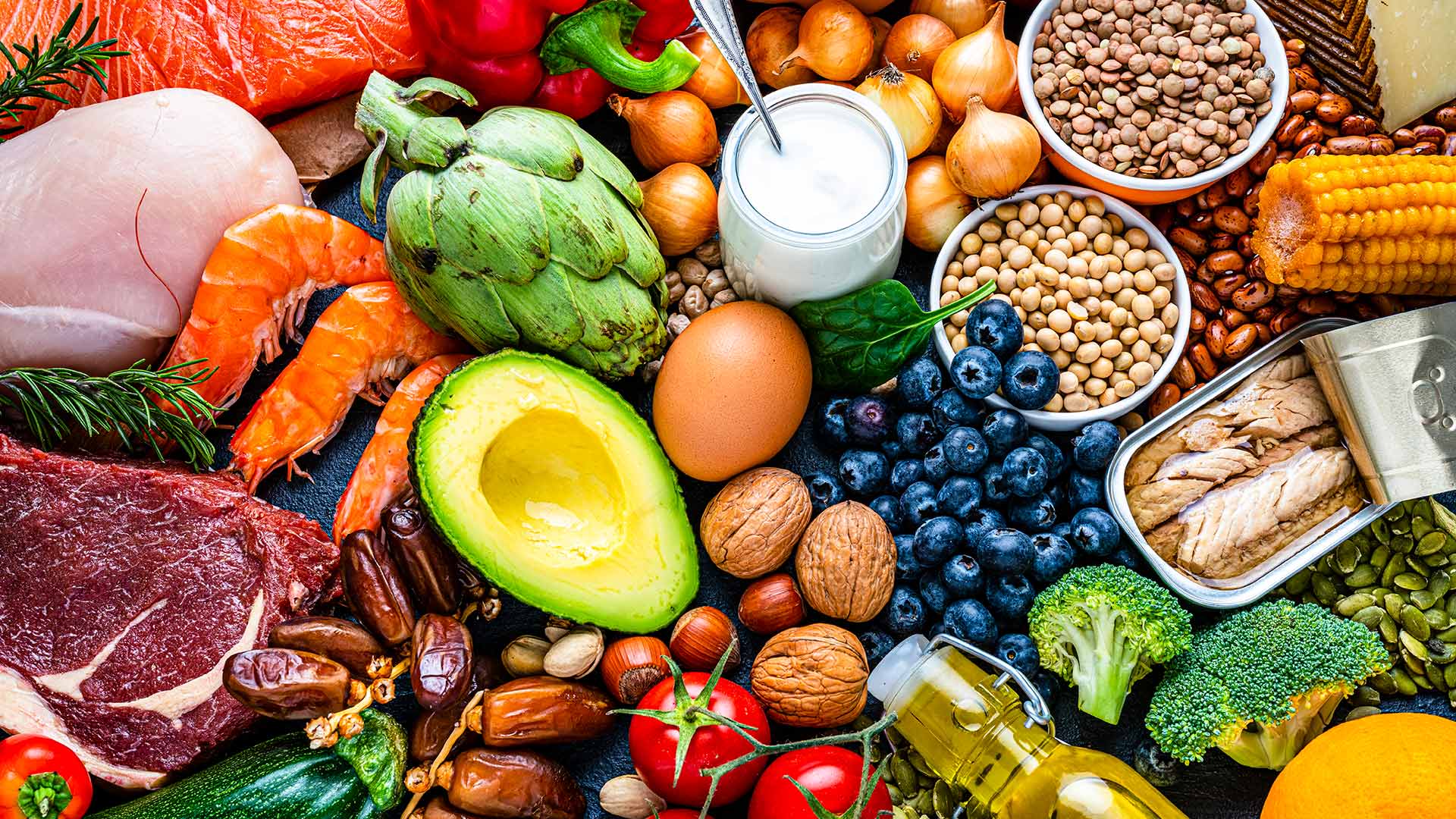
What The Healthy Oil To Cook With And How To Use It Properly

Published

Table of Contents

Selecting the right cooking oil is fundamental to both culinary excellence and nutritional well-being, as the wrong choice can compromise flavor, texture, and even health. With an array of options—from heart-healthy olive oil to high-stability avocado oil—each possesses distinct fatty acid profiles, smoke points, and cultural applications that influence their suitability for specific dishes. Understanding these differences empowers home cooks and professionals alike to optimize meals for taste, safety, and nutritional benefits while mitigating risks like oxidation and rancidity.

The decision extends beyond mere preference, as oils like extra-virgin olive oil excel in low-heat applications due to their delicate flavors and nutrient retention, while refined coconut oil withstands high temperatures without breaking down, making it ideal for frying. Meanwhile, lesser-known varieties such as camellia or walnut oil offer unique culinary advantages rooted in tradition and modern science. This guide dissects the nutritional intricacies, practical applications, and preservation techniques of healthy cooking oils, equipping readers with actionable insights to elevate their cooking while prioritizing health.
what the healthy oil to cook with

Health Benefits and Nutritional Profiles of Common Cooking Oils

Cooking oils serve as more than just a medium for heat transfer; they significantly influence nutritional quality, flavor, and the stability of prepared foods. The fatty acid composition—particularly the balance of saturated, monounsaturated (MUFA), and polyunsaturated fats (PUFA), including omega-3 and omega-6—determines their impact on cardiovascular health, inflammation, and oxidative stress. Understanding these profiles allows for informed selection based on culinary needs (e.g., high-heat frying vs. low-temperature dressings) and dietary goals (e.g., heart health, anti-inflammatory diets). Below, structured comparisons and mechanistic insights clarify how oils differ in stability, nutrient retention, and physiological effects.

Nutritional Breakdown: Fatty Acid Composition and Health Implications

Fatty acids in cooking oils are classified by saturation level and chain length, each with distinct metabolic and structural roles. Saturated fats (e.g., lauric acid in coconut oil) are stable at high temperatures but raise LDL cholesterol when consumed excessively. Monounsaturated fats (e.g., oleic acid in olive oil) improve HDL/LDL ratios and exhibit antioxidant properties, while polyunsaturated fats (e.g., linoleic acid in sunflower oil) are essential for cell membrane function but prone to oxidation if overheated. Omega-3 (α-linolenic acid, EPA, DHA) and omega-6 (linoleic acid, arachidonic acid) PUFAs compete for metabolic pathways; an optimal ratio (1:4 to 1:1) supports anti-inflammatory responses, whereas excessive omega-6 intake (common in refined vegetable oils) may promote pro-inflammatory eicosanoids.
Key Ratio for Balance:
Omega-6 : Omega-3 < 4:1 (ideal for reducing chronic inflammation).
Most Western diets exceed 10:1–20:1 due to high intake of soybean, corn, and sunflower oils.

Comparison Table: Nutritional and Culinary Properties of Common Cooking Oils

The following table summarizes the primary fatty acids, smoke points, and health benefits of frequently used oils, emphasizing their suitability for specific cooking methods and dietary priorities.
Oil Type Primary Fatty Acids (% by weight) Smoke Point (°F/°C) Key Health Benefits
Extra-Virgin Olive Oil (EVOO) MUFA: 73% (oleic acid), PUFA: 11% (linoleic), SFA: 14% (palmitic) 325–375°F (163–190°C)
  • Rich in polyphenols (e.g., oleocanthal) with antioxidant and anti-inflammatory effects.
  • Linked to reduced cardiovascular risk (lower LDL oxidation, improved endothelial function).
  • Best for cold applications (dressings, marinades) or low-medium heat (sautéing).
Avocado Oil MUFA: 67% (oleic), PUFA: 21% (linoleic), SFA: 12% 520°F (270°C) [refined]; 390°F (200°C) [unrefined]
  • High vitamin E content (α-tocopherol) and lutein, supporting skin and eye health.
  • Neutral flavor and high stability for high-heat cooking (ideal for frying, grilling).
  • May improve lipid profiles by reducing triglycerides and LDL.
Coconut Oil SFA: 82–92% (lauric, myristic, palmitic), MUFA: 6%, PUFA: 2% 350°F (177°C) [refined]; 350°F (177°C) [virgin]
  • Lauric acid converts to monolaurin, exhibiting antimicrobial properties.
  • Raises HDL but may increase LDL; moderation recommended for heart health.
  • Stable for baking and medium-heat cooking; imparts tropical flavor.
Sesame Oil (Toasted) MUFA: 40% (oleic), PUFA: 40% (linoleic), SFA: 15% 410°F (210°C) [refined]; 350°F (177°C) [toasted]
  • Contains lignans (sesamin, sesamolin) that may lower blood pressure and improve liver function.
  • Rich in vitamin E and phytosterols, supporting immune and cardiovascular health.
  • Best for stir-frying and Asian cuisines; robust nutty flavor.
Sunflower Oil (High-Oleic) MUFA: 75% (oleic), PUFA: 14% (linoleic), SFA: 7% 440°F (227°C)
  • Lower in omega-6 than conventional sunflower oil, reducing inflammatory risk.
  • Neutral taste and high smoke point for deep-frying and baking.
  • Lacks cholesterol but provides vitamin E.

Stability and Health Effects of Monounsaturated vs. Polyunsaturated Fats

The stability of fats during cooking—measured by smoke point and susceptibility to oxidation—directly impacts flavor, nutrient retention, and potential harm from lipid peroxidation products (e.g., aldehydes). Monounsaturated fats (MUFAs) contain one double bond, making them more resistant to oxidation than PUFAs (which have multiple double bonds). This stability translates to:
  • Higher smoke points: MUFAs (e.g., olive oil, avocado oil) tolerate repeated high-heat exposure without breaking down into harmful compounds, unlike PUFAs like sunflower or soybean oil.
  • Longer shelf life: MUFAs oxidize more slowly, preserving their nutritional benefits (e.g., vitamin E in avocado oil).
  • Cardiovascular benefits: MUFAs improve HDL cholesterol and reduce LDL oxidation, whereas excessive PUFA intake (especially omega-6) may promote inflammation if not balanced with omega-3s.
  • Practical Applications:
  • MUFAs excel in: High-heat methods (e.g., avocado oil for searing), dressings (e.g., EVOO for salads), and long-term storage.
  • PUFAs are better for: Low-heat applications (e.g., flaxseed oil in smoothies) or when omega-3/6 balance is prioritized (e.g., walnut oil in cold dishes).
  • Refined vs. Unrefined Oils: Impact on Flavor, Smoke Points, and Nutrient Retention

    Processing methods significantly alter the chemical and sensory properties of oils. Unrefined (virgin/cold-pressed) oils retain natural antioxidants (e.g., polyphenols in EVOO), vitamins (e.g., vitamin E in sesame oil), and bioactive compounds (e.g., squalene in olive oil) but have lower smoke points and shorter shelf lives. Refined oils undergo chemical treatments (bleaching, deodorizing) to remove impurities, increasing stability and smoke points but stripping nutrients and flavor.
    Property Unrefined (e.g., EVOO, Cold-Pressed Sesame) Refined (e.g., Light Olive Oil, Sunflower Oil)
    Flavor Profile Robust, grassy, fruity

    what the healthy oil to cook with - Ilustrasi 2

    Optimal Uses of Cooking Oils Based on Heat Tolerance and Culinary Techniques

    Selecting the appropriate cooking oil depends on its smoke point—the temperature at which it begins to degrade and emit smoke—alongside its flavor profile and culinary application. High-heat methods like deep-frying demand oils with smoke points exceeding 400°F (204°C), while delicate techniques such as low-heat sautéing or dressings benefit from oils with lower smoke points but rich aromatic qualities. Misalignment between oil type and cooking method can compromise nutritional integrity, alter taste, and produce harmful compounds like acrolein (a carcinogenic byproduct of overheated polyunsaturated oils). Below, structured guidelines clarify oil selection based on heat tolerance, cooking techniques, and flavor compatibility, alongside practical methods for testing smoke points and substituting oils in recipes.

    Decision Flowchart for Matching Oils to Cooking Methods

    The following table categorizes oils by their smoke point ranges and optimal culinary applications, ensuring both safety and flavor harmony. Smoke points are sourced from USDA and culinary research studies, with variations possible due to refining processes or brand differences.
    Cooking Method Ideal Oil Choices (Smoke Point Range) Flavor Profile Suitability Key Considerations
    Low-Heat Sautéing (≤325°F / 163°C)
    • Extra-virgin olive oil (325–375°F / 163–190°C)
    • Avocado oil (refined, 520°F / 270°C; unrefined, 375°F / 190°C)
    • Coconut oil (refined, 450°F / 232°C; unrefined, 350°F / 177°C)
    • Sesame oil (toasted, 350°F / 177°C)
    • Butter or ghee (300–350°F / 150–177°C)

    Oils with distinct flavors enhance dishes without overpowering. Extra-virgin olive oil adds fruity/peppery notes to Mediterranean sautés; sesame oil complements Asian stir-fries with nutty aromas.

    Avoid overheating to preserve delicate flavors and prevent oxidation. Refined oils (e.g., avocado) are preferable for high-end dishes where clarity is critical.

    Stir-Frying (350–400°F / 177–204°C)
    • Peanut oil (440°F / 227°C)
    • Avocado oil (refined, 520°F / 270°C)
    • Grapeseed oil (420°F / 216°C)
    • Rice bran oil (490°F / 254°C)
    • Light olive oil (410°F / 210°C)

    Neutral or mildly nutty oils (e.g., peanut, grapeseed) prevent flavor interference in quick-cooking dishes. Toasted sesame oil can be added post-cooking for aroma.

    Use oils with high smoke points to avoid acrid flavors. Stir-frying at high heat requires rapid oil selection to prevent burning.

    Deep-Frying (350–375°F / 177–190°C)
    • Peanut oil (440°F / 227°C)
    • Vegetable oil blends (400–450°F / 204–232°C)
    • Canola oil (400°F / 204°C)
    • Sunflower oil (high-oleic, 450°F / 232°C)
    • Coconut oil (refined, 450°F / 232°C)

    Neutral oils are preferred to avoid flavor transfer in fried foods (e.g., French fries, tempura). Coconut oil imparts a subtle sweetness to fried snacks.

    Reuse oil sparingly; repeated heating degrades quality. Monitor temperature with a candy/deep-fry thermometer to prevent overheating.

    Grilling (400–500°F / 204–260°C)
    • Avocado oil (refined, 520°F / 270°C)
    • Grapeseed oil (420°F / 216°C)
    • Refined coconut oil (450°F / 232°C)
    • Light olive oil (410°F / 210°C)

    High-smoke-point oils prevent flare-ups and maintain grill stability. Flavors should complement grilled proteins (e.g., avocado oil’s buttery notes pair well with steak).

    Avoid polyunsaturated oils (e.g., corn, soybean) due to rapid oxidation at grill temperatures. Preheat grates thoroughly to stabilize oil.

    Baking (300–350°F / 150–177°C)
    • Extra-virgin olive oil (325–375°F / 163–190°C)
    • Avocado oil (refined, 520°F / 270°C)
    • Coconut oil (refined, 450°F / 232°C)
    • Butter or ghee (300–350°F / 150–177°C)
    • Vegetable oil blends (400°F / 204°C)

    Flavor-rich oils (e.g., olive oil) enhance baked goods like focaccia or muffins, while neutral oils (e.g., avocado) suit delicate pastries. Butter adds richness to cookies and cakes.

    Substitute oils 1:1 for butter in most recipes, but adjust ratios for high-fat recipes (e.g., ¾ cup oil per 1 cup butter). Overmixing can lead to dense textures.

    Testing an Oil’s Smoke Point at Home

    Determining an oil’s smoke point at home ensures safe cooking and prevents the formation of harmful aldehydes (e.g., acrolein) from overheated polyunsaturated fats. The process requires minimal tools and provides empirical data to guide oil selection.

    Tools Needed:

  • Small saucepan or deep skillet (preferably stainless steel or cast iron)
  • Cooking oil (1–2 tablespoons)
  • Candy or deep-fry thermometer (optional but recommended)
  • Heat-resistant surface (e.g., stovetop with medium-high heat)
  • Timer
  • Step-by-Step Process:
    1. Preparation:
    Place the saucepan on a stovetop burner set to medium-high heat. Add 1–2 tablespoons of oil and ensure the pan is clean and dry to

    Safety and Storage Practices for Cooking Oils

    Cooking oils are susceptible to chemical degradation when exposed to heat, light, and improper storage, leading to the formation of harmful compounds such as trans fats, aldehydes, and peroxides. These alterations not only compromise nutritional quality but also pose significant health risks, including oxidative stress and inflammation. Adhering to best practices for storage and handling minimizes these risks, ensuring oils retain their intended benefits while maintaining safety during culinary applications.

    The degradation of oils begins with the breakdown of their fatty acid structure under high temperatures, a process known as thermal oxidation. This reaction produces volatile compounds like aldehydes, which contribute to off-flavors and potential toxicity. Additionally, repeated heating can isomerize cis-fatty acids into trans fats, a class of compounds linked to cardiovascular diseases. Proper storage mitigates these issues by reducing exposure to oxygen, light, and heat—key catalysts for rancidity and chemical alteration.

    Chemical Changes in Oils During Overheating

    When cooking oils are subjected to excessive heat, their molecular stability deteriorates through a series of interconnected reactions. Thermal oxidation occurs as unsaturated fats react with oxygen, forming hydroperoxides that decompose into shorter-chain aldehydes and ketones. These byproducts are not only responsible for the unpleasant "burnt" or "painty" odors but also exhibit pro-inflammatory and mutagenic properties in high concentrations.
    The smoke point of an oil—the temperature at which it begins to degrade and produce visible smoke—varies by composition. Oils with high polyunsaturated fatty acid (PUFA) content (e.g., sunflower, safflower) have lower smoke points (160–170°C/320–340°F) compared to saturated oils (e.g., coconut, palm kernel) or monounsaturated oils (e.g., olive, avocado), which can withstand up to 210–250°C (410–480°F).
    Trans fat formation is another critical concern, particularly in partially hydrogenated oils or when oils are repeatedly heated to high temperatures. The cis double bonds in unsaturated fats can isomerize into trans configurations, creating artificial trans fats that elevate LDL ("bad") cholesterol while reducing HDL ("good") cholesterol. Even naturally occurring trans fats (e.g., in dairy and meat) are less harmful than their industrial counterparts, but their presence in overheated oils remains a public health concern.

    To prevent these adverse changes:

  • Avoid heating oils beyond their smoke point.
  • Use oils with higher stability (e.g., avocado, refined coconut) for frying.
  • Opt for low-heat cooking methods (e.g., sautéing, dressings) for delicate oils like flaxseed or walnut.
  • Discard oil after 3–5 uses for deep-frying, as repeated heating accelerates degradation.
  • Proper Storage Conditions to Prevent Rancidity

    Improper storage accelerates the oxidation and hydrolysis of oils, leading to rancidity—a process characterized by off-flavors, odor, and potential health hazards. The following guidelines ensure oils remain stable and safe for consumption:
    Rancidity is primarily driven by three factors: light exposure (UV/visible light accelerates photooxidation), oxygen contact (promotes lipid peroxidation), and temperature fluctuations (increases molecular motion, facilitating reactions).
    Optimal storage conditions for cooking oils include:
  • Temperature: Store oils in a cool, dark place (ideal range: 5–20°C/41–68°F). Refrigeration extends shelf life for oils prone to oxidation (e.g., flaxseed, walnut), but cold temperatures can solidify oils with high saturated fat content (e.g., coconut, palm).
  • Container: Use amber or cobalt glass bottles to block light, or opaque plastic containers labeled as "food-grade" and "light-resistant." Avoid clear plastic, which transmits harmful UV rays.
  • Oxygen exposure: Keep containers airtight to minimize contact with atmospheric oxygen. Transfer oils to smaller bottles after opening to reduce headspace.
  • Humidity control: Store oils away from moisture sources (e.g., damp basements) to prevent hydrolysis, which breaks down triglycerides into free fatty acids and glycerol, further accelerating spoilage.
  • Avoid:

  • Storing oils near the stove or in direct sunlight (e.g., windowsills).
  • Reusing plastic containers from non-food products (risk of chemical leaching).
  • Freezing oils unless necessary (can alter texture and flavor, though it does slow oxidation).
  • Checklist for Detecting and Disposing of Rancid Oil

    Rancid oil poses health risks, including digestive upset, nutrient malabsorption, and potential carcinogenic effects from oxidized compounds. Sensory and visual cues can identify spoiled oil before consumption.

    Sensory and visual indicators of rancidity:

  • Smell: A sharp, unpleasant odor resembling paint, cardboard, or "off" notes replaces the oil’s natural aroma. Even a faint sour or metallic scent signals degradation.
  • Taste: A bitter, soapy, or "fishy" aftertaste indicates advanced oxidation. Even small amounts of rancid oil can impart these flavors to dishes.
  • Appearance:
  • Cloudiness or separation in previously clear oils (e.g., refined olive oil).
  • Darkening or discoloration (e.g., once-pale oils turning yellow or brown).
  • Sediment or foamy residue when shaken (sign of polymerized compounds).
  • Disposal methods for rancid oil:

  • Small quantities: Absorb the oil with an inert material (e.g., paper towels, cat litter, or coffee grounds), then dispose of it in the trash. Avoid pouring down drains, as it can solidify and clog pipes.
  • Large quantities: Contact local waste management for hazardous waste disposal guidelines, as rancid oil may require special handling due to its degraded chemical composition.
  • Recycling: Some communities accept used cooking oil for biodiesel conversion, but rancid oil is typically ineligible due to its unstable molecular structure.
  • Shelf Life and Storage Guidelines for Common Cooking Oils

    The stability of oils varies based on fatty acid composition, refining processes, and storage conditions. Below is a comparative table outlining the shelf life and optimal storage practices for frequently used cooking oils:
    Oil Type Shelf Life (Unopened/Opened) Best Storage Conditions Signs of Spoilage
    Extra Virgin Olive Oil (EVOO) 12–18 months (unopened); 3–6 months (opened) Cool, dark place (5–20°C); refrigerate after opening for extended use. Use glass bottles. Cloudiness, bitter taste, rancid odor, or separation from sediment.
    Refined Olive Oil 24 months (unopened); 6–12 months (opened) Room temperature in opaque containers; less sensitive to light than EVOO. Loss of mild flavor, development of metallic or "painty" smell.
    Avocado Oil (Unrefined) 12–18 months (unopened); 4–6 months (opened) Dark glass bottles; refrigeration recommended after opening to preserve PUFA content. Rancid odor, darkening, or slimy texture when shaken.
    Coconut Oil (Refined/Unrefined) 24+ months (unopened); 12–18 months (opened) Room temperature (solidifies below 24°C); stable due to high saturated fat content. Unusual sourness or development of a "cheesy" aroma (rare, but possible with poor storage).
    Sunflower Oil (High Linoleic) 12–18 months (unopened); 3–6 months (opened) Opaque containers; refrigerate after opening to slow oxidation. Cloudiness, bitter taste, and a "fishy" or "beany" odor.
    Flaxseed Oil 6–12 months (unopened); 1–3 months (opened) Refrigeration required; use amber glass bottles. Consume quickly after opening. Strong rancid smell, yellow discoloration, or a "hay-like" taste.
    Sesame Oil (Toast

    what the healthy oil to cook with - Ilustrasi 3

    Cultural and Culinary Applications of Healthy Oils

    Healthy oils are not merely functional ingredients in cooking; they are the cornerstone of culinary traditions worldwide, shaping flavors, textures, and nutritional identities across cultures. From the golden drizzle of olive oil in Mediterranean dishes to the pungent aroma of mustard oil in Indian curries, these oils transcend their nutritional benefits to embody heritage, technique, and gastronomic artistry. Their selection in traditional cuisines reflects both historical availability and scientific validation, often aligning with regional climates, agricultural practices, and dietary philosophies. This section explores how specific oils define cultural gastronomy, examines iconic recipes that rely on their unique properties, and traces the evolution of oil use from ancient practices to modern culinary science.

    Traditional Cuisines and Their Signature Oils

    Cultural cuisines often center around oils that are indigenous to their regions, where climate, soil, and agricultural history dictate their dominance. These oils are not interchangeable; their distinct flavors, smoke points, and fatty acid profiles are integral to the authenticity of dishes.
    • Mediterranean Cuisine: Olive Oil Olive oil, particularly extra virgin, is the lifeblood of Mediterranean cooking, prized for its fruity, peppery notes and high monounsaturated fat content. In Italy, it forms the base of pasta aglio e olio, where its low smoke point allows for gentle sautéing of garlic and chili. Greek horiatiki salad relies on its sharpness to cut through tomatoes and cucumbers, while Spanish pan con tomate uses it as a spread to enhance bread’s crust. The oil’s stability at moderate heat makes it ideal for slow-cooked stews like stewed artichokes or cacio e pepe, where its bitterness mellows into a savory depth.
      "Olive oil is not just a fat; it is a flavor enhancer, a preservative, and a symbol of Mediterranean identity."
    • Indian Subcontinent: Mustard and Sesame Oils Mustard oil (sarson ka tel), with its robust, nutty, and slightly pungent profile, is essential in North Indian cuisine, particularly in tadka (tempering) for dishes like dal makhani or chana masala. Its high erucic acid content (though controversial) contributes to its unique aroma, though modern health-conscious versions are refined to lower levels. Sesame oil (til ka tel), divided into raw (for dressings) and roasted (for cooking), is ubiquitous in South India, where it flavors dosa batter and sambar. The oil’s nutty richness pairs well with coconut and spices like mustard seeds and curry leaves, creating the umami backbone of rasam or avial.
    • East Asian Cuisine: Sesame and Camellia Oils In Japan, toasted sesame oil (goma abura) is drizzled over soba noodles or takoyaki to add a toasty, almost caramelized depth, while raw sesame oil (shoyu abura) is used in dressings for sunomono (cucumber salad). Chinese cuisine employs sesame oil sparingly in Sichuan dishes to balance the heat of la jiao (chili peppers) without overpowering. Meanwhile, camellia oil (tsubaki abura), a lighter alternative with a delicate floral aroma, is used in tempura batter to achieve a crispier texture while retaining a neutral flavor. Korean ssamjang (spicy dipping sauce) often includes sesame oil to bind ingredients and add nuttiness.
    • Middle Eastern and North African Cuisine: Argan and Grape Seed Oils Argan oil, harvested from the kernels of the argan tree native to Morocco, is a staple in tagines and couscous, where its buttery texture and earthy, slightly bitter taste complement lamb and apricots. Its high vitamin E content also aligns with traditional Berber practices of using it for both cooking and skincare. Grape seed oil, with its mild flavor and high smoke point, is favored in Levantine dishes like fatteh (layered bread and yogurt) or muhammara (roasted red pepper dip), where it prevents burning during frying.

    Iconic Recipes Highlighting Healthy Oils as Primary Ingredients

    Certain dishes are defined by their reliance on specific oils, where technique and ingredient selection are inseparable. Below are three recipes that demonstrate how oils elevate flavor, texture, and nutritional value.
    • Indian Tadka (Tempering) with Mustard Oil Tadka is a foundational technique in Indian cooking where whole spices are fried in hot oil until they release their aromatic oils. Mustard oil’s high smoke point (240°C/464°F) makes it ideal for this process, though it must be cooled before adding to dishes to mellow its pungency.
      1. Heat 2 tbsp mustard oil in a heavy-bottomed pan over medium heat until it shimmers but does not smoke.
      2. Add 1 tsp cumin seeds, 1 bay leaf, and 2 green cardamom pods. Sauté for 30 seconds until fragrant.
      3. Quickly add 1 tsp grated ginger, 1 tsp garlic, and 1 green chili. Stir for 10 seconds to prevent burning.
      4. Pour the tempering (tadka) over hot dal or vegetable curry, stirring gently to emulsify.
      "The key to successful tadka is timing: spices must be fried just enough to release flavor without charring, which turns bitter."
    • French Confit by Duck Leg with Duck Fat Confit is a preservation method where meat is slow-cooked in its own rendered fat, a technique perfected in Southwest France using duck fat. The fat’s high saturated content (though debated for health) creates a stable, flavorful medium that tenderizes meat and locks in moisture.
      1. Render 500g duck fat by simmering duck skin and bones in a pot for 2 hours, then straining through cheesecloth.
      2. Season duck legs with salt, pepper, and 2 sprigs of thyme. Submerge them in the fat in a heavy pot.
      3. Poach at 95°C (203°F) for 2–3 hours until the meat is fork-tender.
      4. Remove legs, reserve the fat, and sear the meat in a hot pan for a crispy skin before serving with the reduced fat as a sauce.
    • Japanese Sesame Dressing for Sunomono Sunomono is a refreshing summer salad where raw vegetables are dressed in a tangy, nutty sesame vinaigrette. The balance of raw and toasted sesame oil creates a harmonious contrast.
      1. Whisk together 3 tbsp rice vinegar, 1 tbsp soy sauce, 1 tsp mirin, and 1 tsp sugar.
      2. Add 1 tbsp raw sesame oil and 1 tsp toasted sesame oil, emulsifying gently.
      3. Toss with thinly sliced cucumber, wakame seaweed, and shredded carrot. Garnish with sesame seeds.
      "The ratio of raw to toasted sesame oil (3:1) ensures the dressing remains light yet deeply flavorful, avoiding heaviness."

    Historical Evolution of Oil Use in Cooking

    The shift from animal fats to plant-based oils in cooking is a narrative of agricultural innovation, trade, and scientific discovery. Early human diets relied on rendered animal fats (e.g., tallow, lard) due to their abundance and high energy density, but plant oils emerged as civilizations developed trade routes and agricultural techniques.
    • Ancient Trade and Colonial Influences Olive oil dominated the Mediterranean by 3000 BCE, facilitated by Phoenician trade. Similarly, sesame oil spread along the Silk Road, becoming a staple in China and India by 2000 BCE. The Columbian Exchange introduced New World oils like sunflower and peanut oil to Europe, while colonialism

      Choosing the right oil transcends basic culinary decisions—it is a blend of science, tradition, and practicality that directly impacts health and flavor outcomes. From the anti-inflammatory properties of omega-rich oils to the stability required for high-heat cooking, each selection demands consideration of nutritional profiles, smoke points, and storage practices. By integrating these principles into daily cooking, individuals can harmonize taste, safety, and well-being, ensuring every meal is not only delicious but also aligned with modern dietary standards. The journey to optimal oil use begins with knowledge, and this guide serves as a comprehensive roadmap to navigating the diverse world of healthy cooking fats.

      FAQ

      What is the healthiest oil to cook with for overall nutrition and safety?

      Extra virgin olive oil is the best all-around choice for cooking, as it’s rich in monounsaturated fats, antioxidants, and stable at medium-high heat (up to ~375°F/190°C). For high-heat cooking (like frying), avocado oil or refined coconut oil are better due to their higher smoke points (up to ~520°F/270°C). Avoid oils like sunflower or corn oil, which are high in polyunsaturated fats that oxidize easily.

      Which oil is considered the healthiest for regular cooking, based on scientific evidence?

      Extra virgin olive oil is consistently ranked as the healthiest for regular use due to its heart-protective properties, anti-inflammatory benefits, and balance of healthy fats. Cold-pressed sesame oil and avocado oil are also excellent for their stability and nutrient profiles. Always prioritize minimally processed, unrefined oils when possible.

      Is there a specific oil that’s healthier than others for daily cooking at home?

      Yes—extra virgin olive oil is the healthier choice for most daily cooking because it retains its nutrients and provides anti-inflammatory benefits. For high-heat methods (like searing), avocado oil or ghee (clarified butter) are healthier than vegetable oils like soybean or canola, which degrade at high temperatures and may form harmful compounds.

      What does the Reddit community say is the healthiest oil to cook with?

      On Reddit, extra virgin olive oil (EVOO) is most frequently recommended for its versatility and health benefits, especially for low-to-medium heat. For high-heat cooking, avocado oil or refined coconut oil are popular due to their smoke points and stability. Many users avoid seed oils (like sunflower or safflower) because of their high omega-6 content and processing concerns.

      Which oil is the healthiest to use for baking, like cakes or cookies?

      Extra virgin olive oil is a great choice for baking, adding moisture and a fruity flavor while providing heart-healthy fats. Refined coconut oil is another popular option for its neutral taste and high smoke point, though it lacks the nutrients of olive oil. Avoid butter or margarine for baking if you want a lower saturated fat option.

      Which is the healthiest oil to cook with in the UK, considering local availability?

      In the UK, extra virgin olive oil remains the healthiest choice for most cooking, widely available and affordable. Rapeseed (canola) oil is another common, stable option with a good balance of omega-3 and omega-6 fats, though it’s best for medium-heat cooking. For high-heat methods, avocado oil or refined sunflower oil (high-oleic) are better alternatives to standard vegetable oils.

      Leave a Comment

      Comments are moderated before appearing. The data you submit is processed according to the Privacy Policy of Voltefac.