What Are The Backrooms Explored Through Lore Media And Psychology
Table of Contents
- Origins and Cultural Context of the Backrooms Concept
- Emergence in Early Internet Forums and Creepypasta
- Key Milestones in Viral Popularity and Media Adaptations
- Role of Anonymity in Shaping the Backrooms’ Narrative
- Text-Based Descriptions and Their Influence on Visual Adaptations
- Lore and Mythology of the Backrooms
- Structured Lore Framework
- Comparison to Other Infinite Spaces in Fiction
- Media Adaptations and Fan Contributions in the Backrooms Universe
- Major Media Adaptations
- Fan Art and Visual Expansions
- Psychological and Thematic Analysis of the Backrooms
- Existential Dread and the Backrooms as a Metaphor for Isolation
- Sound Design as a Tool for Psychological Manipulation
- Intersection with Conspiracy Theories and Hidden Dimensions
- Ambiguity and Personal Interpretation in the Backrooms
- FAQ
- What is the movie The Backrooms about?
- What is the Backrooms creepypasta based on?
- What are the entities in The Backrooms ?
- What are The Backrooms supposed to represent?
- What is the Backrooms theory?
- How are The Backrooms explained?
The Backrooms emerged from the shadows of early internet forums as a haunting digital phenomenon, blending anonymous storytelling with collective fear to create one of the most enduring modern myths. Originating in the obscure corners of 4chan and creepypasta communities, this labyrinthine concept evolved into a sprawling, ambiguous universe where endless corridors and unseen entities defy conventional logic. Its rapid spread across Reddit threads, YouTube compilations, and indie games transformed it from a niche curiosity into a cultural touchstone, reflecting humanity’s fascination—and dread—with the unknown. By examining its origins, lore, and psychological impact, we uncover how The Backrooms transcends mere fiction to become a mirror of existential anxiety.
At its core, The Backrooms defies easy classification, existing as both a shared nightmare and a collaborative canvas where creators and audiences co-author its mysteries. Unlike traditional horror settings, its ambiguity allows for endless reinterpretation, from cosmic horror to psychological torment, while its visual and auditory elements exploit primal fears of isolation and the uncanny. This exploration traces its journey from text-based whispers to mainstream adaptations, analyzing how each iteration reshapes its narrative while preserving its unsettling allure. The result is not just a study of a myth, but an examination of how digital culture fosters and sustains collective storytelling in the absence of fixed rules.

Origins and Cultural Context of the Backrooms Concept
The "Backrooms" emerged as a modern internet phenomenon rooted in the collaborative storytelling traditions of early online communities, particularly creepypasta forums and anonymous discussion boards. Its development reflects broader trends in digital folklore, where fragmented narratives evolve through collective contribution, anonymity, and viral dissemination. The concept initially materialized in text-based formats before expanding into visual media, memes, and interactive experiences, demonstrating how internet culture adapts and expands shared myths through iterative reinterpretation.The Backrooms’ cultural significance lies in its ability to transcend a single medium, evolving from cryptic forum posts into a fully realized, if ambiguous, lore. Its origins are deeply tied to the anonymity of platforms like 4chan and Reddit, where users could experiment with unsettling themes without direct accountability. This anonymity fostered creativity but also allowed the narrative to develop inconsistencies, which later became defining features of its mystique. The transition from text to multimedia—such as YouTube compilations, games, and even physical media like comics—highlighted how digital folklore adapts to new formats while retaining its core unsettling essence.
Emergence in Early Internet Forums and Creepypasta
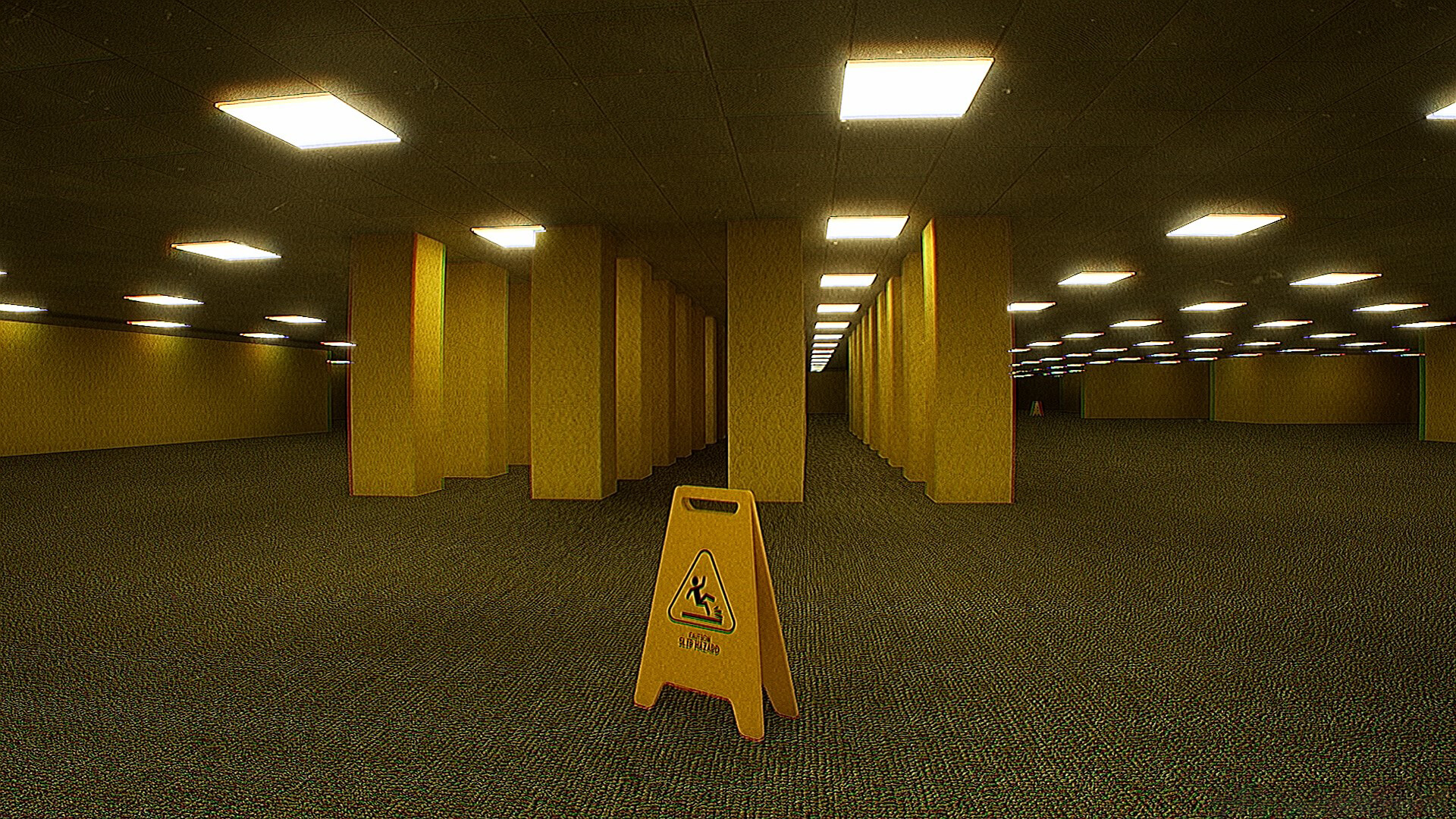
The Backrooms first appeared in online forums as part of the broader creepypasta genre, a term describing user-generated horror stories shared on platforms like Creepypasta.com and 4chan’s /x/ board. Early iterations often described the Backrooms as an infinite, windowless space filled with mundane office furniture and flickering fluorescent lights, evoking a sense of bureaucratic dread. These descriptions were deliberately vague, relying on atmospheric details rather than concrete explanations, which encouraged readers to fill in gaps with their own interpretations.Key examples include:
The anonymity of these forums allowed contributors to experiment with the narrative without fear of backlash, leading to rapid and unpredictable evolution. The lack of a central authority meant that each iteration could reinterpret or expand upon previous descriptions, creating a patchwork of inconsistent but compelling details.
Key Milestones in Viral Popularity and Media Adaptations
The Backrooms’ trajectory from niche forum lore to mainstream internet phenomenon can be traced through several viral moments, each of which amplified its reach and reshaped its presentation. These milestones demonstrate how digital folklore spreads through iterative reinterpretation, often accelerated by platforms like Reddit, YouTube, and gaming communities.A timeline of significant developments includes:
- 2020: YouTube Compilations and Visual Storytelling
YouTube creators began producing compilations of Backrooms lore, often set to eerie ambient music or accompanied by found-footage-style visuals. Channels like Creepy Pastas and The Backrooms Archive (now defunct) curated forum posts into video essays, introducing the concept to a broader audience. These videos emphasized the Backrooms’ surreal, dreamlike quality, often using stock footage of abandoned buildings to evoke the setting.
- 2021–2022: Gaming and Interactive Media
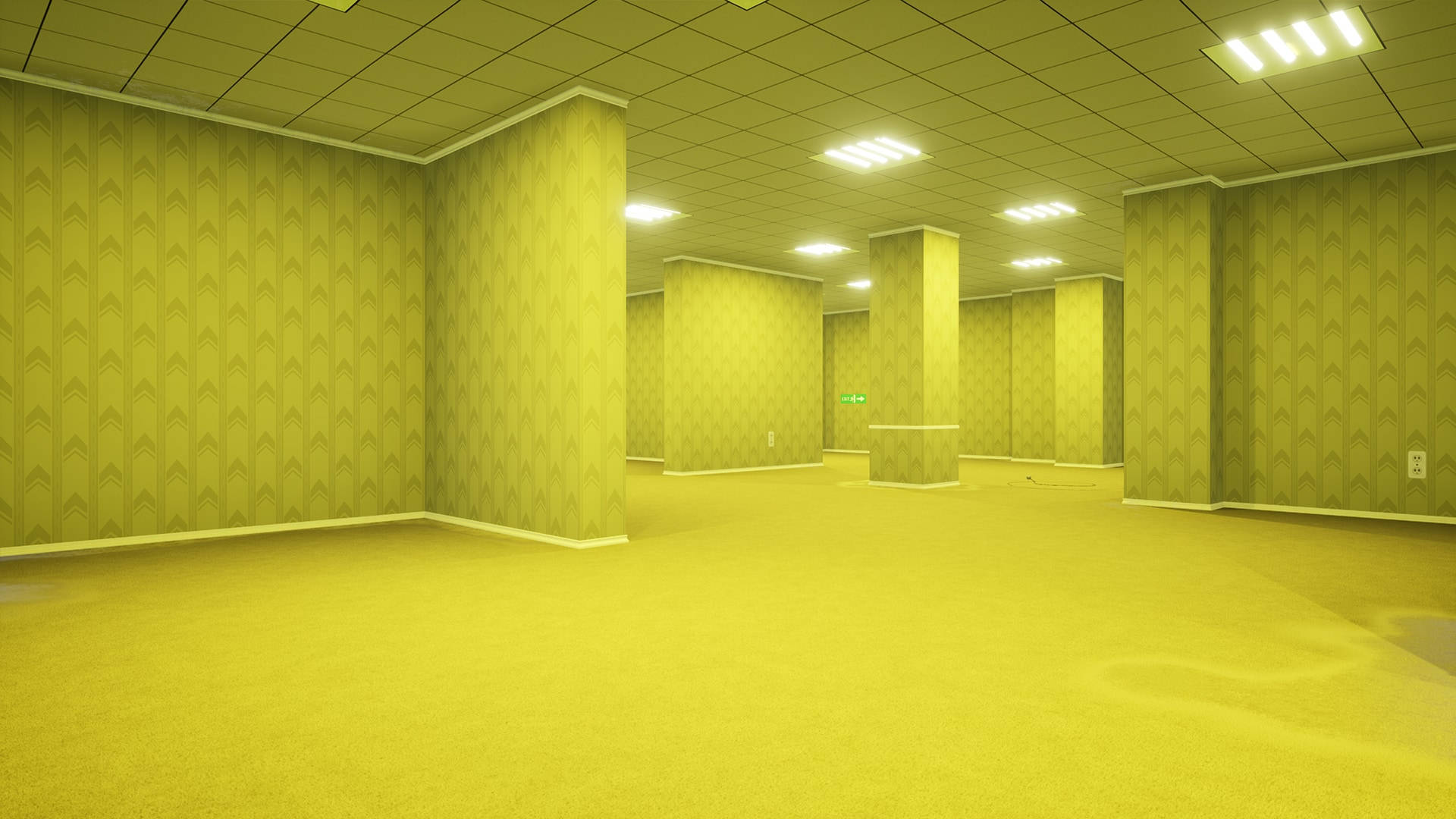
The Backrooms transitioned into interactive formats, most notably with the release of The Backrooms (2021), a browser-based horror game by Aether Games. The game’s first-person exploration of the "Yellow Room" (a fluorescent-lit office space) provided a tangible experience of the lore, blending text-based descriptions with gameplay mechanics. This adaptation introduced new elements, such as the "Entity" and the concept of "rooms" as distinct but interconnected spaces.
- 2023: Memes, Merchandise, and Mainstream Recognition
By 2023, the Backrooms had become a staple of internet humor and horror, appearing in memes, merchandise (e.g., posters, stickers), and even mainstream media references. The ambiguity of the lore allowed it to be repurposed for comedic or satirical content, further cementing its place in digital culture. Podcasts like The Backrooms Podcast and collaborations with artists expanded its visual and auditory representation.
Each of these stages contributed to the Backrooms’ evolution, with visual and interactive adaptations building upon the foundational ambiguity of the original text-based descriptions. The lack of a single authoritative source ensured that the lore remained open-ended, inviting continuous reinterpretation.
Role of Anonymity in Shaping the Backrooms’ Narrative
Anonymity was a defining factor in the Backrooms’ development, enabling its narrative to evolve in unpredictable and often contradictory ways. The absence of real-world identities allowed contributors to experiment with unsettling themes without constraints, leading to a lore that prioritized atmosphere over consistency. This dynamic differed significantly between digital spaces (forums, Discord) and physical media (books, comics), where editorial control could impose greater coherence.In digital spaces:
In contrast, physical media adaptations (e.g., The Backrooms: A Guide to the Infinite Office by Candlewick Press, 2023) introduced editorial oversight, which sometimes standardized or streamlined the lore. While these adaptations preserved the core unsettling atmosphere, they also imposed a degree of consistency, such as defining specific "rooms" with distinct visual and thematic identities. This shift highlighted the tension between the Backrooms’ origins as a chaotic, user-generated myth and its later incarnations as a curated horror franchise.
Text-Based Descriptions and Their Influence on Visual Adaptations
The Backrooms’ initial descriptions in creepypasta forums and early Reddit threads were deliberately sparse, relying on sensory details and psychological unease rather than concrete explanations. These text-based foundations laid the groundwork for later visual adaptations, which sought to translate the original atmosphere into multimedia formats. The transition from words to images required creative reinterpretations, often emphasizing the ambiguous and surreal aspects of the lore.Key elements of early text descriptions and their visual adaptations include:
Lore and Mythology of the Backrooms
The Backrooms exist as a labyrinthine, non-Euclidean expanse that defies conventional understanding, blending elements of cosmic horror, psychological dread, and existential ambiguity. Its mythology is deliberately fragmented, drawing from internet folklore, urban legends, and speculative fiction to create a setting where rules are fluid and perception is unreliable. The core elements of its lore—entities, environments, and behavioral norms—are often contradictory, reinforcing the Backrooms' status as an ever-shifting nightmare. This section organizes its key components into a structured framework, analyzing how they incorporate horror tropes while maintaining deliberate obscurity. Comparisons to other infinite spaces in fiction highlight the Backrooms' unique traits, while recurring symbols are dissected for their psychological resonance.Structured Lore Framework
The Backrooms' mythology is best understood through a modular system where each location, entity, and rule operates as an interconnected yet autonomous element. The following table categorizes these components, emphasizing their role in sustaining the setting's horror. Contradictions within the lore—highlighted in blockquotes—serve to deepen ambiguity, ensuring the Backrooms resist definitive interpretation.| Location Description | Key Features | Entities/Characters | Rules/Behavior |
|---|---|---|---|
| The Backrooms (Generic) |
|
|
|
| The Hallways (001) |
|
|
|
| The Basement (002) |
|
|
|
| The Office (003) |
|
|
|
Comparison to Other Infinite Spaces in Fiction
The Backrooms share structural similarities with other fictional infinite or labyrinthine spaces, but its mythology distinguishes it through deliberate ambiguity and user-generated expansion. Below is a comparative analysis of key traits:-
The Maze (Silent Hill):
- Psychological horror rooted in trauma and collective unconscious.
- Entities (e.g., Pyramid Head) are manifestations of guilt or repression.
- Rules are consistent within each game, with clear (though ominous) objectives.
- Contrast: The Backrooms lack a central narrative; its horror is procedural and emergent.
-
The Infinite (The Dark Tower series):
- Cosmic horror tied to multiversal collapse and fate.
- Entities (e.g., the Man in Black) are forces of entropy or destiny.
- Structure is deterministic; paths are predetermined by higher powers.
- Contrast: The Backrooms' rules are local and contradictory, with no overarching design.
-
The Labyrinth (Mazes of Menander, Greek Mythology):
- Physical horror with a clear exit (the Minotaur’s death).
- Design is static; the maze’s terror lies in its complexity.
- Contrast: The Backrooms are non-Euclidean and self-modifying, with no guaranteed escape.
-
The Void (SCP Foundation):
- Cosmic horror with hard science fiction rules (e.g., SCP-096’s "The Thing That Should Not Be").
- Entities are classified and studied, with defined behaviors.
- Contrast: The Backrooms prioritize ambiguity; entities are described through conflicting testimonies.
Media Adaptations and Fan Contributions in the Backrooms Universe
The Backrooms concept has transcended its origins as a Reddit thread to become a sprawling, collaborative narrative ecosystem, fueled by media adaptations and fan-driven expansions. These adaptations—ranging from indie games and animations to user-generated content—have not only popularized the concept but also introduced new variants, lore interpretations, and visual representations. Below, a structured overview of major adaptations, their contributions, and the role of fan engagement in shaping the Backrooms' ever-evolving mythology.Major Media Adaptations
The Backrooms' narrative has been expanded through diverse media formats, each introducing unique elements while maintaining core thematic consistency. The following table summarizes key adaptations, their formats, notable lore contributions, and reception among fans.| Title | Year | Format | Notable Contributions to Lore | Fan Reception |
|---|---|---|---|---|
| The Backrooms (Night School Studio) | 2022 | Indie Horror Game (First-Person) |
|
|
| The Backrooms (YouTube Series by TheMysteriousGamer) | 2021 | Animation (Short Film) |
|
|
| Backrooms (Webcomic by Various Artists) | 2018–Present | Digital Comic (Fan-Collaborative) |
|
|
| Backrooms (Podcast Series by The Backrooms Podcast) | 2020–Present | Audio Drama |
|
|
| Backrooms (VR Experience by The Backrooms VR) | 2023 | Virtual Reality |
|
|
| Backrooms (Fan-Made Mods for The Backrooms Game) | 2022–Present | Game Modifications |
|
|
Fan Art and Visual Expansions
Fan contributions have been instrumental in visualizing the Backrooms, transforming abstract text descriptions into tangible, shareable art. Platforms like DeviantArt, ArtStation, and Twitter host thousands of interpretations, each offering unique perspectives on variants, entities, and themes.Key examples include:
- Notable Fan Artists and Series
Psychological and Thematic Analysis of the Backrooms
The Backrooms function as a cultural artifact that distills primal human anxieties into a cohesive, navigable nightmare. Its design leverages psychological frameworks—such as the Uncanny Valley, agoraphobic dread, and existential void—to create a space where the familiar becomes alienating. Sound, ambiguity, and the absence of clear threats amplify its psychological impact, while its themes intersect with real-world conspiracy theories and paranormal lore. This analysis explores how these elements coalesce to produce a phenomenon that resonates deeply with collective and individual fears.Existential Dread and the Backrooms as a Metaphor for Isolation
The Backrooms embody existential dread through their depiction of infinite, labyrinthine spaces devoid of purpose or escape. This aligns with philosophical concepts of absurdism (as articulated by Camus) and nihilism, where the absence of meaning in an indifferent universe induces anxiety. The setting’s isolation mirrors real-world psychological conditions, such as agoraphobia, where open or confined spaces trigger panic due to perceived lack of control. The Backrooms exploit this by:"The Backrooms are not just a setting; they are a psychological experiment in which the player is both subject and architect of their own terror." —Adaptation of existential horror theory (derived from works by Thomas Ligotti and H.P. Lovecraft).
Sound Design as a Tool for Psychological Manipulation
Sound in the Backrooms serves as an auditory Uncanny Valley, where familiar noises (e.g., white noise, static) are distorted to create subliminal tension. Research in acoustic psychology (e.g., studies by Diana Deutsch on auditory illusions) demonstrates that ambiguous or repetitive sounds trigger the brain’s threat-detection systems. The Backrooms’ audio profile exploits this through:Descriptive Audio Profile for Variants (Example Framework):
| Backroom Variant | Primary Sound Signature | Psychological Effect |
|---|---|---|
| Yellow Variant | High-pitched static, faint humming | Induces claustrophobic tension; mimics "tinnitus" as a sensory invasion. |
| Blue Variant | Distant, muffled voices (e.g., "Help me") | Exploits the uncanny valley of human speech; triggers empathy and dread. |
| Green Variant | Intermittent white noise bursts | Simulates sensory deprivation, disorienting the listener. |
Intersection with Conspiracy Theories and Hidden Dimensions
The Backrooms draw parallels to real-world conspiracy theories—such as The Montauk Project (alleged government mind-control experiments) and The Philadelphia Experiment (rumored teleportation tests)—by framing hidden dimensions as both a scientific horror and a government cover-up. This exploitation of collective fears relies on:"The Backrooms are the ultimate conspiracy: not a theory, but a lived experience of the unknown." —Paraphrased from cognitive conspiracy theory research (e.g., Sunstein & Vermeule, 2009).
Ambiguity and Personal Interpretation in the Backrooms
The Backrooms’ lack of definitive rules or threats allows audiences to project their fears onto the setting, a phenomenon studied in narrative psychology (e.g., Bruner’s possible worlds theory). This ambiguity fosters:Survey/Discussion Guide Prompt for Audience Perception:
- Threat Classification: "Describe the Entity’s role in your experience of the Backrooms. Is it a protector, a hunter, or something else? What evidence supports your interpretation?"
- Sound Impact: "Which Backroom variant’s audio design affected you most? How did it alter your perception of the space’s danger?"
- Real-World Analogues: "Do you associate the Backrooms with any real-world conspiracy theories, urban legends, or psychological phenomena? Explain the connection."
- Existential Resonance: "How does the Backrooms’ ambiguity reflect or challenge your personal beliefs about the universe’s nature (e.g., ordered vs. chaotic)?"
The Backrooms endure as a testament to the power of ambiguity in modern horror, where the absence of definitive answers fuels its terror and intrigue. From its anonymous origins in internet forums to its adaptation in games, comics, and fan-driven expansions, the concept has grown into a living myth—one that thrives on contradiction, psychological depth, and the unsettling beauty of the unknown. Its influence extends beyond entertainment, tapping into primal fears of isolation, hidden dimensions, and the fragility of human perception. As new variants emerge and interpretations diverge, The Backrooms remain a dynamic reflection of contemporary anxieties, proving that some mysteries are best left unexplained—and infinitely explorable.
FAQ
What is the movie The Backrooms about?
The Backrooms is a 2023 horror film based on the creepypasta of the same name. It follows characters who enter a vast, windowless office complex filled with identical beige corridors, fluorescent lighting, and eerie, mundane dangers. The movie blends psychological horror with surreal, bureaucratic dread, staying close to the original story’s unsettling atmosphere.
What is the Backrooms creepypasta based on?
The Backrooms originated as a 2017 creepypasta by a user named "XxSlayerxX" on the Creepypasta Wiki. It was inspired by the idea of an infinite, labyrinthine office space with mundane yet terrifying hazards, drawing from themes of existential horror, bureaucratic nightmares, and the uncanny. The concept later expanded into memes, games, and the 2023 film.
What are the entities in The Backrooms?
The Backrooms creepypasta doesn’t feature traditional "entities," but it describes the space itself as a sentient, malevolent force—often called "The Backrooms" or "The Entity." Some interpretations include shadowy figures, distorted faces in windows, or the "Janitor," a recurring figure who may be a guardian or threat. The film adds a more defined antagonist, "The Janitor," who hunts intruders.
What are The Backrooms supposed to represent?
The Backrooms symbolize existential dread, bureaucratic horror, and the banality of modern life spiraling into something incomprehensible. The endless, identical corridors represent anxiety, depression, or the feeling of being trapped in a meaningless system. The creepypasta also critiques office culture and the dehumanizing effects of mundane, repetitive environments.
What is the Backrooms theory?
The most popular theory is that The Backrooms is a liminal space—a void between dimensions—created by human fear, bureaucracy, or even a failed government experiment. Some fans speculate it’s a purgatory-like realm for those who "fall through the cracks" of reality, while others suggest it’s a manifestation of collective unconscious trauma. The film leans into the idea of it being a hidden, parallel dimension.
How are The Backrooms explained?
The Backrooms is intentionally ambiguous, but explanations typically frame it as a surreal, non-Euclidean space existing outside normal reality. The creepypasta describes it as a place you can enter through "weak points" (like cracks in walls or mirrors) or by losing your way in mundane settings. Scientifically, it’s treated as a fictional horror concept with no real-world basis, though some fans tie it to theories about "thin places" or shared dreaming. The film avoids a definitive answer, embracing the mystery.
Leave a Comment
Comments are moderated before appearing. The data you submit is processed according to the Privacy Policy of Voltefac.