What Is A Housing Voucher Explained Clearly
Table of Contents
- Definition and Core Purpose of Housing Vouchers
- Fundamental Concept and Key Functions
- Legal and Administrative Frameworks
- Comparison of Key Housing Voucher Programs
- Distinction from Direct Rental Assistance and Subsidies
- Eligibility Requirements and Application Process for Housing Vouchers
- Eligibility Criteria for Housing Vouchers
- Application Process Flowchart
- Common Challenges and Mitigation Strategies
- How Housing Vouchers Work: Tenant and Landlord Perspectives
- Tenant Roles and Responsibilities Under Housing Vouchers
- Landlord Participation in Voucher Programs
- Comparative Analysis: Tenant Protections Under Vouchers vs. Market-Rate Rentals
- Benefits and Limitations of Housing Vouchers
- Tangible Benefits of Housing Vouchers
- Limitations of Housing Vouchers
- Economic and Social Ripple Effects
- Case Study: Housing Voucher Program Shortfalls in Atlanta, Georgia
- Program Variations and Specialized Vouchers
- Categorization by Population Served
- Specialized Voucher Models
- Innovative Voucher Models and Regional Outcomes
- Challenges and Future Directions for Voucher Programs
- Systemic Challenges in Voucher Program Implementation
- Future Improvements: Digital Transformation and Service Integration
- Policy Recommendations for Expanding Voucher Accessibility
- FAQ
- What exactly does a housing voucher on Zillow mean when I see it listed with a property?
- How does a housing voucher program work, and who qualifies for it?
- Can you explain what a housing voucher is and how it actually works in practice?
- What is a Section 8 housing voucher, and how is it different from other types of housing assistance?
- What is a housing voucher in California, and how do I apply for one?
- How does a housing voucher work in NYC, and what types of vouchers are available?
Housing vouchers represent a critical lifeline for millions navigating financial instability, offering a structured pathway to stable, affordable housing in an increasingly competitive market. Designed as a bridge between economic hardship and secure shelter, these programs operate at the intersection of social policy and economic necessity, addressing systemic gaps where traditional rental markets often fail low-income households. Beyond mere financial assistance, housing vouchers function as catalysts for broader social mobility, reducing homelessness rates and fostering community stability by enabling families to allocate limited resources toward education, healthcare, and long-term economic growth.
The concept transcends borders, with frameworks like the U.S. Section 8 program or the UK’s Housing Benefit serving as benchmarks for how governments can align housing accessibility with fiscal responsibility. Yet, the efficacy of these systems hinges on a delicate balance: stringent eligibility criteria to ensure equitable distribution, transparent administrative processes to mitigate bureaucratic delays, and collaborative partnerships between tenants, landlords, and policymakers to sustain program integrity. This exploration dissects the mechanics of housing vouchers—from eligibility thresholds to landlord participation—while examining their transformative potential and inherent limitations in addressing the complex web of housing insecurity.
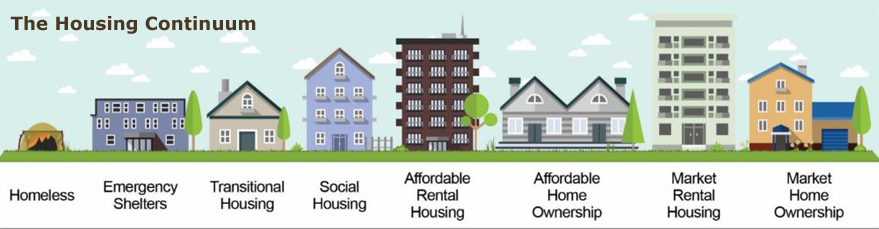
Definition and Core Purpose of Housing Vouchers
Housing vouchers serve as a critical tool in social welfare systems worldwide, designed to bridge the affordability gap for low-income households. These vouchers operate as financial instruments that subsidize rental costs, enabling eligible individuals or families to access stable, decent housing in the private market. Unlike direct government-provided housing, vouchers empower recipients with choice and autonomy while ensuring housing remains within their financial means.
The primary function of housing vouchers is to alleviate housing insecurity by reducing the proportion of income spent on rent, typically targeting households earning below a specified percentage of the median income. This mechanism aligns with broader economic and social policies aimed at poverty reduction, labor force stability, and community development. Legal and administrative frameworks governing these programs vary by jurisdiction, often integrating federal, state, or local regulations to ensure transparency, accountability, and equitable distribution.
Fundamental Concept and Key Functions
Housing vouchers function as a tenant-based subsidy, meaning the financial assistance follows the recipient rather than a specific property. This design contrasts with project-based subsidies, where aid is tied to a particular building or complex. The voucher system operates through a landlord-tenant agreement, where the voucher holder pays a portion of the rent (usually 30% of adjusted income), while the voucher program covers the remainder, subject to program limits.Key functions include:
Legal and Administrative Frameworks
Housing voucher programs are structured within legal and administrative frameworks that define eligibility, benefits, and operational guidelines. In the United States, the Section 8 Housing Choice Voucher Program (administered by the U.S. Department of Housing and Urban Development, HUD) is the largest voucher initiative, serving over 2 million households annually. Eligibility is determined by income limits (typically 50% or 80% of the area median income), family size, and citizenship status. Additional criteria may include criminal background checks or prior housing stability assessments.Other jurisdictions implement similar programs with variations:
Administrative oversight ensures compliance with anti-discrimination laws (e.g., Fair Housing Act in the U.S.) and rent reasonableness standards, which cap voucher payments at a percentage of the Fair Market Rent (FMR) for the area.
Comparison of Key Housing Voucher Programs
The following table highlights three prominent housing voucher programs, illustrating their target populations, benefits, and funding sources to demonstrate global and regional variations.| Program Name | Target Population | Key Benefit | Funding Source |
|---|---|---|---|
| Section 8 Housing Choice Voucher (U.S.) | Low-income individuals/families, elderly, disabled, and veterans. Income limits typically set at 50% of area median income (AMI). | Subsidizes up to 70% of rent (tenant pays 30% of adjusted income), with portability across private rental units. Annual reexamination of eligibility and rent adjustments. | Federal government (HUD), with state/local public housing agencies (PHAs) administering funds. |
| Canada Housing Benefit (Canada) | Low-income renters, including seniors, persons with disabilities, and families. Income thresholds vary by province (e.g., 30% AMI in Ontario). | Direct monthly subsidy to landlords or tenants, covering the difference between 30% of income and rent. Some provinces offer voucher-like flexibility for specific groups (e.g., Indigenous housing initiatives). | Federal government (Canada Mortgage and Housing Corporation, CMHC), with provincial/territorial contributions. |
| Wohnungsgutschein (Germany) | Refugees, asylum seekers, and low-income families in pilot programs (e.g., Berlin’s "Wohnraumgutschein"). Income limits often tied to social welfare thresholds (e.g., Hartz IV). | Covers 100% of rent for a fixed term (e.g., 12–24 months), with landlord participation incentives. Focuses on rapid housing integration. | Local municipalities and federal social welfare funds (e.g., Jobcenter). Some EU asylum funds may supplement. |
Distinction from Direct Rental Assistance and Subsidies
Housing vouchers differ fundamentally from direct rental assistance or project-based subsidies in their mobility, flexibility, and recipient empowerment. While direct subsidies (e.g., Housing Choice Voucher payments to landlords) or project-based subsidies (e.g., Section 202 Supportive Housing for the elderly) are tied to specific properties or payment structures, vouchers prioritize tenant autonomy.Housing vouchers enable recipients to choose their housing in the private market, whereas direct subsidies often restrict options to pre-approved units or public housing developments. This distinction ensures vouchers align with tenant preferences and local labor market needs, reducing geographic isolation—a common issue in public housing.For example:
This portability also fosters economic integration, as voucher recipients can live near employment centers or educational resources, unlike project-based subsidies that may concentrate poverty in isolated areas.
Eligibility Requirements and Application Process for Housing Vouchers
Housing vouchers, administered primarily through the Section 8 Housing Choice Voucher Program in the U.S., provide critical rental assistance to low-income households. Eligibility hinges on a combination of financial, familial, and legal criteria, while the application process involves rigorous documentation and regional waitlists. This section outlines the structured requirements, procedural steps, and supporting evidence needed to qualify, along with common obstacles applicants encounter and strategies to mitigate them.
Eligibility Criteria for Housing Vouchers
Eligibility for housing vouchers is determined by federal guidelines, though local Public Housing Agencies (PHAs) may impose additional restrictions. Key criteria include income thresholds, household composition, and legal residency status, which are designed to prioritize vulnerable populations while ensuring program sustainability.
Income Limits
Income eligibility is calculated as a percentage of the Area Median Income (AMI), which varies by county and household size. As of 2023, most PHAs adhere to the following thresholds:
Household Size and Composition
The voucher amount is tied to household size, with larger families receiving higher subsidies. Households may include:
Citizenship and Immigration Status
Additional Considerations
Application Process Flowchart
The application process for housing vouchers is multi-stage, involving pre-application inquiries, documentation submission, and potential waitlist placement. Below is a structured flowchart outlining the steps from initial contact to voucher approval.Step 1: Pre-Application Inquiry
Applicants must first determine eligibility and locate their local PHA. This involves:
Step 2: Submission of Preliminary Application
Applicants complete a preliminary application (often available online or in person). Key details include:
Step 3: Waitlist Placement (If Applicable)
Step 3: Document Verification and Interview
Once selected from the waitlist, applicants must submit verified documentation within a specified timeframe (typically 30–90 days). Required documents include:
- Identity and Citizenship Verification:
- Household Composition Proof:
- Background Checks:
Step 4: Voucher Issuance and Housing Search
Upon approval, applicants receive a Housing Choice Voucher, valid for 60 days to find a participating rental unit. Key actions include:
Step 5: Ongoing Compliance
Approved voucher holders must:
Common Challenges and Mitigation Strategies
Applicants often face systemic barriers that delay or complicate the voucher application process. Below are prevalent challenges and actionable solutions to navigate them.Challenge 1: Extended Waitlists
Challenge 2: Documentation Gaps
Challenge 3: Bureaucratic Delays
Challenge 4: Income Volatility

How Housing Vouchers Work: Tenant and Landlord Perspectives
Housing vouchers operate as a collaborative mechanism between tenants, landlords, and public housing authorities (PHAs) to bridge the gap between affordable rent and market-rate costs. The program’s effectiveness hinges on clear roles, standardized processes, and mutual protections for both parties. Tenants receive financial assistance to secure stable housing, while landlords participate in a regulated system that ensures compliance with program requirements. Below, the operational dynamics are examined from both perspectives, including obligations, workflows, and comparative protections under voucher programs versus traditional rentals.Tenant Roles and Responsibilities Under Housing Vouchers
Tenants using housing vouchers must adhere to specific financial and lease obligations to maintain eligibility and program compliance. The primary responsibility involves contributing a portion of their income toward rent, typically ranging from 30% to 40% of adjusted monthly income, depending on local PHA policies. This contribution is calculated after deducting allowable expenses such as utilities, childcare, or medical costs, as outlined in the Housing Choice Voucher Program (Section 8) guidelines.Beyond financial contributions, tenants are bound by lease agreements that align with both the landlord’s property rules and PHA requirements. Key obligations include:
Lease Flexibility and Eviction Protections
Tenants under voucher programs generally enjoy enhanced protections compared to market-rate rentals. For instance:
Landlord Participation in Voucher Programs
Landlords play a critical role in voucher programs by renting units to voucher holders while complying with PHA regulations. Participation involves a structured process to ensure fairness and program integrity. Below is a numbered workflow outlining the key steps for landlords:1. Expression of Interest
Landlords initiate participation by contacting their local PHA to express interest in the voucher program. This step often requires submitting basic property information, such as unit size, rent amounts, and availability.
2. Property Inspection and Certification
The PHA conducts a housing quality standards (HQS) inspection to verify that the unit meets safety, habitability, and structural requirements. Inspections cover aspects such as:
3. Unit Listing and Voucher Holder Selection
Once certified, the unit is added to the PHA’s waiting list or advertised to voucher holders. Landlords may negotiate with prospective tenants but cannot discriminate based on race, religion, familial status, or other protected classes.
4. Lease Execution and PHA Approval
The tenant and landlord sign a lease that includes voucher-specific addendums, such as clauses allowing PHA inspections and outlining the tenant’s rent contribution. The PHA reviews and approves the lease before issuing a housing assistance payment (HAP) contract to the landlord.
5. Payment Workflow
After lease approval, the PHA disburses payments directly to the landlord, typically on a monthly basis, covering the difference between the fair market rent (FMR) and the tenant’s contribution. Landlords must:
6. Ongoing Compliance and Annual Reviews
Landlords must comply with annual inspections and recertification processes. Failure to adhere to PHA rules—such as renting to unauthorized occupants or failing inspections—can result in termination of the HAP contract or penalties.
blockquote
"Landlords participating in voucher programs must balance tenant needs with program requirements, ensuring units meet safety standards while maintaining financial viability through timely PHA reimbursements."
Comparative Analysis: Tenant Protections Under Vouchers vs. Market-Rate Rentals
Tenant protections under housing voucher programs differ significantly from those in traditional market-rate rentals, particularly in eviction risks, lease flexibility, and dispute resolution. Below is a side-by-side comparison highlighting key distinctions:| Tenant Benefit | Landlord Requirement | Potential Conflict | Resolution Method |
|---|---|---|---|
|
Stable Rent Contributions Tenants pay a fixed percentage of income (e.g., 30–40%), shielding them from sudden rent hikes tied to market fluctuations. |
Adherence to Fair Market Rent (FMR) Landlords must rent units at or below the FMR, with PHA reimbursing the difference. Rent increases are subject to PHA approval. |
Disputes Over Rent Increases Landlords may argue that FMR limits reduce profitability, while tenants may face unexpected adjustments during recertification. |
PHA Mediation The PHA reviews rent calculations and mediates disputes, ensuring compliance with FMR guidelines. Appeals can be filed if adjustments exceed allowable thresholds. |
|
Eviction Protections Tenants cannot be evicted solely for non-payment of the landlord’s share of rent (PHA covers this). Evictions require "good cause" (e.g., lease violations, criminal activity). |
Compliance with PHA Eviction Rules Landlords must follow PHA-approved eviction processes, including notice periods (e.g., 30–90 days for lease violations) and cannot bypass court proceedings for voucher-related issues. |
Delayed Evictions Due to PHA Delays If the PHA fails to reimburse the landlord on time, tenants may withhold rent, leading to disputes over payment timelines. |
Escrow and Legal Recourse Landlords can place unpaid portions in escrow while awaiting PHA reimbursement. Tenants must cooperate with PHA investigations to resolve delays. |
|
Lease Flexibility and Portability Some programs allow tenants to transfer vouchers between jurisdictions or landlords, reducing displacement risks. Lease terms may include clauses for unit transfers or PHA-approved renovations. |
Approval for Lease Modifications Landlords must seek PHA approval for lease amendments (e.g., subletting, early termination) to avoid voiding the HAP contract. |
Landlord Refusal to Renew Lease Landlords may decline to renew leases for voucher holders, citing program burdens, while tenants face limited options if the voucher cannot be transferred. |
PHA Intervention and Voucher Portability The PHA can facilitate lease renewals or assist tenants in finding alternative voucher-compatible housing. In some cases, tenants may qualify for voucher portability to another unit or jurisdiction. |
Benefits and Limitations of Housing Vouchers
Tangible Benefits of Housing Vouchers
Housing vouchers deliver measurable improvements in housing stability, health, and economic mobility for recipients. Research and program evaluations provide empirical evidence of their impact, particularly in reducing homelessness and improving educational and employment outcomes.- Reduction in Homelessness
Studies indicate that housing vouchers significantly decrease homelessness rates among eligible populations. For example, a 2020 analysis by the U.S. Department of Housing and Urban Development (HUD) found that voucher recipients experienced a 75% lower risk of homelessness compared to those without assistance. In Los Angeles, the Housing Authority’s voucher program reported a 40% reduction in shelter utilization among participants over a three-year period.
- Improved Health Outcomes
Stable housing correlates with better health metrics. A Harvard University study (2018) linked housing voucher use to a 13% decrease in hospitalizations among children and a 20% reduction in emergency room visits for chronic conditions. Adult recipients also reported lower rates of depression and anxiety, attributed to reduced housing stress.
- Enhanced Educational Performance
Children in voucher-assisted households demonstrate improved academic outcomes. Research from the Urban Institute (2019) showed that voucher recipients’ children had higher high school graduation rates (by 15-20%) and better standardized test scores in math and reading compared to peers in unstable housing.
- Economic Mobility and Employment
Housing stability enables recipients to focus on employment and career advancement. A Brookings Institution study (2021) found that voucher holders were 2.5 times more likely to secure full-time employment within two years of receiving assistance, as stable housing reduces barriers like commuting costs and job retention challenges.
- Neighborhood Integration and Diversity
Vouchers facilitate access to higher-opportunity neighborhoods, improving long-term socioeconomic trajectories. HUD’s Moving to Opportunity (MTO) program demonstrated that voucher recipients relocating to low-poverty areas saw higher household incomes (up to $5,000 annually) and reduced adult obesity rates by 11% over a decade.
Limitations of Housing Vouchers
Despite their benefits, housing vouchers face structural limitations that restrict access, flexibility, and long-term efficacy. These constraints often stem from funding constraints, administrative policies, and market dynamics, which can disproportionately affect vulnerable populations.- Geographic Restrictions and Availability Gaps
Voucher programs operate within specific jurisdictions, limiting recipients to participating landlords in designated areas. In high-demand markets (e.g., San Francisco, New York City), fewer than 10% of available units accept vouchers due to landlord participation barriers. This creates waitlists exceeding 5–10 years in some regions, delaying assistance for those in urgent need.
- Unit Size and Composition Constraints
Vouchers are often tied to the size of the recipient’s household, creating challenges for families with changing needs. For instance, a two-bedroom voucher may become insufficient if a family grows, forcing them to either subsidize additional space or relocate. Additionally, single-room occupancy (SRO) units—common in urban areas—are frequently ineligible, leaving homeless individuals without options.
- Utility and Maintenance Coverage Exclusions
Most vouchers cover rent only, excluding utilities (electricity, water, gas), internet, or maintenance costs. In 2022, HUD reported that 30% of voucher households spent over 30% of their income on utilities, pushing some into energy insecurity. Programs like LIHEAP (Low Income Home Energy Assistance Program) must be combined for full stability, adding administrative complexity.
- Landlord Participation Barriers
Landlords may reject vouchers due to perceived administrative burdens, fear of fraud risks, or lower profit margins after subsidy deductions. A National Low Income Housing Coalition (NLIHC) survey (2023) found that 40% of landlords cited voucher processing delays as a deterrent. In some cities, voucher acceptance rates drop below 5% in certain neighborhoods, exacerbating housing shortages.
- Income and Asset Limits
Eligibility thresholds (typically 30–50% of area median income) exclude near-poor households, while asset tests (e.g., vehicle ownership, savings) disproportionately affect communities of color. For example, Black and Latino families are twice as likely to be disqualified due to asset rules compared to white families with similar incomes, per a Joint Center for Housing Studies report (2021).
Economic and Social Ripple Effects
The deployment of housing vouchers extends beyond individual households, influencing local economies, labor markets, and neighborhood dynamics. These indirect effects highlight the program’s role in broader social equity and economic development.- Local Economic Stimulus
Voucher spending injects capital into rental markets, supporting landlords, property managers, and service providers. A 2021 Urban Institute analysis estimated that every $1 million in voucher assistance generates $1.4 million in local economic activity, including jobs in maintenance, retail, and utilities. In Detroit, a pilot program increased small business revenue by 12% in voucher-recipient neighborhoods.
- Reduced Public Assistance Costs
Stable housing lowers reliance on emergency services. A HUD cost-benefit study found that for every $1 spent on vouchers, governments saved $1.50 in Medicaid, emergency shelter, and law enforcement costs. In Philadelphia, voucher recipients had 40% fewer interactions with child protective services within two years of enrollment.
- Neighborhood Stabilization and Gentrification Mitigation
Vouchers can counteract displacement by integrating low-income households into stable communities. However, in high-growth areas, their use may accelerate gentrification if coupled with rising rents. For example, in Portland, Oregon, voucher holders in revitalized neighborhoods saw rent increases of 25% annually, offsetting subsidy benefits.
- Labor Market Participation
Housing stability improves job retention and pursuit of higher-paying roles. A Federal Reserve study (2020) found that voucher recipients were 30% more likely to accept promotions or additional training compared to unstably housed peers. In Chicago, a voucher program correlated with a 15% increase in private-sector employment among participants.
- Intergenerational Benefits
Children in voucher-assisted households exhibit longer-term educational and career advantages. A Rand Corporation study tracked MTO participants into adulthood, finding that those who moved to low-poverty areas had higher earnings in their 30s (up to $5,000 annually) and lower incarceration rates by 25%.
Case Study: Housing Voucher Program Shortfalls in Atlanta, Georgia
In 2018, Atlanta’s Housing Choice Voucher (HCV) program faced criticism after an audit revealed that only 60% of eligible applicants received vouchers within five years, despite a $120 million annual budget. The root causes included:
Administrative backlogs: The city’s voucher processing system relied on manual paperwork, delaying approvals by 18–24 months. Landlord reluctance: Fewer than 15% of rental units in high-opportunity ZIP codes accepted vouchers, forcing recipients into lower-quality neighborhoods with higher crime rates. Income verification gaps: 20% of approved applicants were later denied due to inconsistent income documentation, disproportionately affecting gig workers and informal laborers. The program’s failure to meet demand was compounded by underfunding—Atlanta’s voucher allocation covered just 30% of eligible households, leaving 50,000 families on waitlists. A subsequent Georgia State University review attributed the shortfall to political underprioritization and lack of private-sector partnerships to expand landlord participation.
Program Variations and Specialized Vouchers
Housing vouchers are not a one-size-fits-all solution; their design adapts to address the distinct needs of vulnerable populations, geographic disparities, and policy priorities. While traditional Section 8 vouchers provide flexible rental assistance, specialized programs target specific demographics—such as veterans, survivors of domestic violence, or elderly individuals—while others introduce innovative structures like project-based attachments or mobility incentives. These variations enhance accessibility, improve program efficiency, and align assistance with regional housing market conditions. Below, the focus is on categorizing voucher programs by population served, detailing specialized models, and examining innovative implementations with measurable outcomes.Categorization by Population Served
Housing voucher programs often prioritize populations facing systemic barriers to stable housing, including homelessness, disability, or economic instability. Each group requires tailored eligibility criteria, support services, and program durations to ensure effectiveness. The following categories reflect common targeting strategies in U.S. and international voucher systems:Key Principle: Specialized vouchers integrate housing assistance with social services (e.g., job training, mental health support) to address root causes of housing instability.
-
Veterans
Programs like the HUD-Veterans Affairs Supportive Housing (HUD-VASH) combine rental vouchers with VA clinical services to assist homeless veterans. Unique features include expedited eligibility for veterans experiencing chronic homelessness and mandatory case management to prevent re-entry into homelessness. Outcomes show a 75% reduction in homelessness among participants within two years (HUD, 2022). -
Survivors of Domestic Violence and Sexual Assault
The Section 8 Move-In Voucher Program for Survivors prioritizes immediate housing placement without requiring background checks from abusive partners. Many programs also offer portability to allow survivors to relocate to safety without losing assistance. A 2021 study by the National Alliance to End Homelessness found that 68% of survivors retained housing for at least 12 months post-enrollment, compared to 42% in traditional voucher programs. -
Elderly and Persons with Disabilities
The Section 8 Project-Based Voucher (PBV) for Senior Housing targets properties restricted to 62+ residents, often paired with on-site services like meal programs or transportation. A key feature is long-term stability, as vouchers remain attached to the unit rather than the tenant. Data from the Supportive Housing for the Elderly Program (SHEP) indicates a 40% decrease in hospitalizations among participants due to improved housing conditions (U.S. Department of Health and Human Services, 2020). -
Youth and Young Adults Aging Out of Foster Care
Programs like HUD’s Youth Homelessness Demonstration Program (YHDP) provide vouchers to individuals aged 18–24 who exited foster care without permanent housing. Unique elements include rapid rehousing (short-term rental subsidies with case management) and partnerships with child welfare agencies. A 2023 evaluation by Chapin Hall reported that 85% of YHDP participants secured stable housing within 6 months, compared to 30% in standard homeless services. -
Rural and Tribal Communities
The Section 8 Rural Housing Voucher Program addresses sparse landlord participation and high transportation costs by offering higher subsidy rates and flexibility in utility allowances. Tribal-specific programs, such as those under the Native American Housing Assistance and Self-Determination Act (NAHASDA), incorporate cultural competency training for case managers and prioritize housing in tribal lands. A 2022 HUD report highlighted that rural voucher recipients experienced lower eviction rates (12%) than urban counterparts (22%) due to stronger landlord-tenant relationships.
Specialized Voucher Models
Beyond demographic targeting, voucher programs vary by attachment type, duration, and portability to address specific policy goals. These models differ from traditional tenant-based vouchers in their administrative structure and tenant/landlord interactions.Distinction: Traditional vouchers are portable and attached to the tenant, while project-based or mobility vouchers are tied to specific units or geographic areas, altering tenant flexibility and landlord incentives.
-
Project-Based Vouchers (PBVs)
Instead of following tenants, PBVs are attached to individual housing units or properties, ensuring consistent assistance for residents of subsidized developments. Landlords receive fixed rental subsidies based on unit characteristics, reducing administrative burden but limiting tenant mobility. Example: The Low-Income Housing Tax Credit (LIHTC) PBVs in Chicago, where 90% of voucher holders remained housed for 5+ years due to stable unit attachments (Urban Institute, 2021). -
Mobility Vouchers
Designed to combat residential segregation, mobility vouchers allow tenants to move to higher-opportunity neighborhoods with lower poverty rates. Programs like HUD’s Family Unification Program (FUP) prioritize reuniting families separated by incarceration or foster care, while Moving to Opportunity (MTO) in Baltimore demonstrated that voucher recipients in low-poverty areas had children with 30% higher high school graduation rates (U.S. Department of Housing and Urban Development, 2018). -
Temporary or Rapid Rehousing Vouchers
Short-term assistance (typically 6–24 months) targets populations in crisis, such as disaster survivors or individuals exiting institutional care. The Continuum of Care (CoC) Program offers rental subsidies + case management to prevent homelessness, with a focus on self-sufficiency. A 2020 study by the National Alliance to End Homelessness found that rapid rehousing vouchers reduced homelessness by 50% compared to shelters alone. -
Work Requirements and Co-Payment Structures
Innovative programs like Denver’s Family Stability Voucher require tenants to engage in employment or education programs to maintain assistance, with subsidies phased out as income increases. Similarly, Los Angeles’ Housing Choice Voucher with Work Incentives offers sliding-scale co-payments (e.g., 30% of income for earnings under $25k, 40% above). Outcomes show 22% higher employment rates among participants (Urban Institute, 2023).
Innovative Voucher Models and Regional Outcomes
Regional housing markets and policy priorities drive experimentation with voucher structures. Below are four examples of innovative programs, their unique features, and documented impacts:Innovation Framework: Effective specialized vouchers combine targeted eligibility, service integration, and flexible administrative rules to adapt to local needs.
-
Work Requirements in Utah’s Housing Choice Voucher Program
Utah’s program requires tenants to participate in workforce development activities (e.g., job training, GED programs) to qualify for vouchers. Those earning over 80% of the Area Median Income (AMI) pay 100% of rent, while lower earners receive full subsidies. Results include a 15% increase in full-time employment among participants (Utah Housing Corporation, 2022). -
Portability and Choice in New York’s Mobility Voucher Initiative
New York’s Choice Neighborhoods Initiative provides vouchers with no geographic restrictions, allowing tenants to move across boroughs. A pilot in the Bronx found that 78% of voucher holders relocated to lower-poverty areas, with children in these families showing improved academic performance (NYC Department of Housing Preservation and Development, 2021). -
Co-Payment Structures in Portland’s Family Stability Voucher
Portland’s program uses a tiered co-payment model: tenants pay $0–$50/month based on income, with subsidies covering the remainder. This reduces administrative costs and encourages self-sufficiency. Data shows 92% retention rates after 3 years, with 40% of participants increasing income by $5k+ annually (Portland Housing Bureau, 2023). -
Tribal-Specific Vouchers in Alaska’s Native Village Housing
Alaska’s Native Village Housing Voucher Program integrates traditional governance structures
Challenges and Future Directions for Voucher Programs
Housing voucher programs, despite their critical role in addressing housing insecurity, face persistent systemic barriers that limit their scalability and effectiveness. Structural issues such as underfunding, administrative bottlenecks, and fragmented service delivery create inefficiencies that disproportionately affect low-income households and marginalized communities. Addressing these challenges requires a data-informed approach to policy reform, technological integration, and cross-sector collaboration. Future advancements—such as digital transformation, expanded eligibility criteria, and inter-agency partnerships—offer pathways to enhance accessibility, reduce waitlists, and align voucher programs with broader social equity goals.The following analysis examines key systemic challenges, supported by empirical data, and outlines actionable strategies for modernization and expansion. Policy recommendations are structured to prioritize sustainability, equity, and operational efficiency, drawing on successful pilot programs and international best practices.
Systemic Challenges in Voucher Program Implementation
Operational inefficiencies and resource constraints significantly impede the effectiveness of housing voucher programs. Data from the U.S. Department of Housing and Urban Development (HUD) reveals that as of 2023, over 3.8 million households were on waiting lists for voucher assistance, with an average wait time exceeding 18 months in high-demand regions. Key challenges include:- Funding Shortages and Budgetary Constraints
Federal funding for the Housing Choice Voucher (HCV) program has remained stagnant since 2008, adjusted only for inflation, while demand has surged due to inflationary pressures on rent and displacement crises. In 2022, HUD reported a $1.3 billion annual shortfall in HCV funding, forcing agencies to prioritize renewals over new allocations. State and local programs face similar limitations, with 40% of Public Housing Agencies (PHAs) reporting insufficient resources to meet demand (National Low Income Housing Coalition, 2023)."The voucher gap persists because funding models fail to account for dynamic market conditions, leaving millions ineligible due to resource limitations."
- Administrative and Bureaucratic Delays
Manual processing of applications, verification of eligibility, and landlord participation approvals introduce delays that exacerbate housing instability. A 2021 study by the Urban Institute found that 60% of voucher applicants experience administrative hurdles, including missing documentation or PHA staffing shortages. Digital backlogs further prolong wait times, with some agencies processing fewer than 50 applications per month due to outdated systems.- Landlord Participation Barriers
Landlord reluctance to accept vouchers stems from misconceptions about tenant reliability, administrative burdens, and perceived financial disadvantages. HUD data indicates that only 55% of rental units in voucher programs participate, with higher concentrations in urban areas. Landlords often cite upfront costs for inspections, paperwork, and potential tenant turnover as deterrents, despite voucher payments covering 100% of fair market rent in most cases.- Geographic and Demographic Disparities
Voucher availability varies sharply by region, with rural areas receiving only 10% of federal allocations despite higher poverty rates. Additionally, disproportionate waitlist times affect Black and Latino households, who face systemic barriers to stable housing. A 2023 HUD report highlighted that in 20 major cities, Black applicants waited twice as long as white applicants for voucher approval.- Integration with Social Services
Many voucher recipients require concurrent support for employment, healthcare, or childcare, yet 70% of PHAs lack formal partnerships with social service agencies (Corporation for Supportive Housing, 2022). This siloed approach leads to higher voucher churn rates, as recipients struggle to maintain housing without holistic support.
Future Improvements: Digital Transformation and Service Integration
Modernizing voucher programs through technology and inter-agency collaboration can address inefficiencies while expanding access. Below are evidence-based strategies for implementation, categorized by priority area.Digital Application and Case Management Systems
Current paper-based or fragmented digital systems create bottlenecks in eligibility verification and approval. Transitioning to unified, cloud-based platforms can streamline processes and reduce wait times. Key steps include:
1. Pilot a National Digital Portal
- Develop a secure, mobile-accessible portal for applicants to submit documentation (e.g., income proof, ID) via encrypted uploads.
- Example: The San Francisco Housing Authority’s "HousingMatch" system reduced processing time by 40% by automating initial eligibility screens (2022 pilot results).
- Implementation: Partner with tech firms specializing in identity verification APIs (e.g., JPMorgan’s ID.me) to ensure fraud prevention.
2. AI-Driven Eligibility Screening
- Deploy machine learning models to pre-screen applications for completeness and flag discrepancies (e.g., income verification mismatches).
- Data Source: Leverage HUD’s Automated Income Verification System (AIVS) to cross-reference applicant data with IRS records.
- Outcome: Reduce PHA workload by 30% in high-volume agencies (estimated based on Los Angeles PHA’s 2021 AI pilot).
3. Real-Time Landlord Matching
- Integrate voucher databases with multifamily property management systems (e.g., Yardi, AppFolio) to auto-match eligible tenants with participating landlords.
- Example: The New York City Housing Authority’s "Voucher Connect" reduced landlord onboarding time by 50% by pre-vetting units for voucher compliance.
Integrated Social Services and Voucher Retention
Voucher churn—where recipients lose housing due to unmet needs—costs programs $1.2 billion annually in lost subsidies (Urban Institute, 2023). Embedding social services within voucher programs improves retention:
1. Co-Located Service Hubs
- Establish PHA-affiliated "Housing Stability Centers" offering on-site employment training, mental health counseling, and financial literacy workshops.
- Model: Supportive Housing Network’s "Housing First Plus" in Denver reduced voucher churn by 25% through embedded case management (2020–2022).
2. Automated Referral Networks
- Use case management software (e.g., Salesforce Nonprofit Cloud) to auto-refer voucher recipients to local resources (e.g., food banks, job training) based on assessed needs.
- Data Integration: Sync with 211.org or Benefits.gov APIs to provide real-time service directories.
3. Transportation and Childcare Subsidies
- Partner with regional transit authorities to offer voucher-linked transit passes or childcare stipends for working recipients.
- Example: Chicago’s "Vouchers Plus" program included $100/month transit subsidies, increasing employment rates among recipients by 18% (2021 study).
Policy Recommendations for Expanding Voucher Accessibility
Structural reforms are essential to eliminate barriers and ensure voucher programs serve their intended populations. The following recommendations prioritize funding, eligibility, and inter-agency coordination:1. Sustainable Funding Mechanisms
- Increase Federal HCV Funding by 50% Over 5 Years
- Allocate $5 billion annually to eliminate waitlists, with priority for high-cost regions (e.g., California, New York).
- Funding Source: Redirect unspent COVID-19 relief funds (e.g., $10 billion from unobligated ARPA housing allocations).
- State-Local Matching Incentives
- Offer federal matching grants (e.g., $1 federal dollar for every $2 state/local investment) to encourage regional partnerships.
- Example: Colorado’s "Housing First Fund" leveraged state funds to expand vouchers by 30% in 2023.
2. Expanded Eligibility and Priority Populations
- Raise Income Limits to 80% of AMI
- Currently, most vouchers target 30–50% AMI; expanding to 80% AMI would cover 2.5 million additional households (Joint Center for Housing Studies, 2023).
- Automatic Enrollment for Foster Youth and Survivors of Domestic Violence
- Legislation: Pass the "Housing Stability for Vulnerable Populations Act" to mandate PHAs prioritize these groups.
- Portability Reforms
- Allow voucher holders to transfer vouchers between states without losing eligibility, reducing geographic disparities.
3. Inter-Agency Collaboration Frameworks
- Create a National Voucher Coordination Council
- Comprising HUD, Department of Labor, and Department of Health and Human Services (HHS), this body would standardize
Housing vouchers stand as a testament to the power of targeted intervention in dismantling barriers to housing stability, yet their success is contingent upon addressing persistent challenges—whether bureaucratic inefficiencies, geographic disparities, or the need for scalable funding models. As programs evolve, innovations such as digital application platforms, specialized vouchers for vulnerable populations, and integrated social services offer glimpses into a future where housing assistance is not just reactive but proactive. The ultimate measure of these initiatives lies in their ability to transcend temporary relief, fostering environments where individuals and families can thrive beyond the constraints of financial precarity. For policymakers, advocates, and recipients alike, the journey toward equitable housing access continues, demanding collaboration, adaptability, and an unwavering commitment to systemic change.
FAQ
What exactly does a housing voucher on Zillow mean when I see it listed with a property?
A housing voucher on Zillow typically refers to a property that accepts Section 8 or other government-subsidized housing vouchers as payment. This means tenants with approved vouchers can use them to rent the unit, while the voucher program covers part of the rent the landlord would otherwise receive. Not all listings on Zillow specify voucher acceptance, so you’ll need to confirm directly with the landlord or property manager.
How does a housing voucher program work, and who qualifies for it?
A housing voucher program (like Section 8) provides financial assistance to low-income individuals or families to help pay rent for privately owned housing. Eligible participants must meet income limits, pass background checks, and find a landlord who accepts the voucher. The program pays a portion of the rent directly to the landlord, while the tenant covers the remaining difference. Waitlists for these programs are often long, and eligibility varies by location.
Can you explain what a housing voucher is and how it actually works in practice?
A housing voucher is a government-funded benefit that helps cover rent for qualifying low-income households. Once approved, the voucher holder finds a rental unit (often in the private market) that accepts the voucher, and the program pays the landlord a set amount based on fair market rent. The tenant pays the difference between the voucher subsidy and the actual rent, usually 30% or less of their income. The voucher can be used for apartments, houses, or even some single-family homes, depending on local rules.
What is a Section 8 housing voucher, and how is it different from other types of housing assistance?
A Section 8 housing voucher is the most common type of federal housing assistance in the U.S., administered by local public housing agencies (PHAs). It differs from other programs (like public housing or project-based vouchers) because it’s portable—tenants can use it for any participating rental unit, not just specific buildings. The voucher covers a portion of rent based on income (typically up to 70% of the area’s median income), and tenants must pay the rest. Other programs, like HUD’s project-based vouchers, are tied to specific properties.
What is a housing voucher in California, and how do I apply for one?
In California, a housing voucher (primarily Section 8) is a state and federally funded program helping low-income residents afford private housing. To apply, you must contact your local Public Housing Agency (PHA)—each county or city has its own waitlist and income limits (usually up to 50-80% of the area’s median income). The process involves submitting an application, providing proof of income/needs, and waiting (often years) for approval due to high demand. Some cities, like Los Angeles or San Francisco, have additional local voucher programs with separate applications.
How does a housing voucher work in NYC, and what types of vouchers are available?
In NYC, housing vouchers include Section 8 (administered by the NYC Housing Authority, NYCHA) and local programs like the NYC Housing Connect Lottery for middle-income households. Section 8 vouchers help cover rent in private apartments, while NYCHA also offers public housing (non-voucher units). To apply, you must submit an online application through NYCHA’s portal or NYC Housing Connect, with long waitlists (often 5+ years). Once approved, you search for a voucher-accepting landlord and sign a lease, with the voucher paying a portion of the rent directly to the landlord. Income limits vary but typically cap at 50-80% of AMI (Area Median Income).
Leave a Comment
Comments are moderated before appearing. The data you submit is processed according to the Privacy Policy of Voltefac.