What Is The Backrooms Origin Themes And Modern Horror Impact
Table of Contents
- Origins and Cultural Roots of the Backrooms
- Chronological Development and Key Moments
- Divergence from and Borrowing of Horror Tropes
- Thematic and Symbolic Analysis of the Backrooms
- Existentialism and the Absurdity of Meaninglessness
- Bureaucratic Horror and the Dehumanization of Procedural Dread
- Isolation and Paranoia in Sensory-Deprived Spaces
- Comparative Analysis: Backrooms and Absurdist Literature
- Lore and Worldbuilding Mechanics of the Backrooms
- Core Rules Governing the Backrooms
- Structural Differences Between the Backrooms and Traditional Horror Settings
- FAQ
- What is the Backrooms movie about?
- What is the Backrooms movie rated?
- What is the Backrooms movie streaming on?
- What is the Backrooms movie based on?
- What is the Backrooms streaming on?
- What is the Backrooms rated?
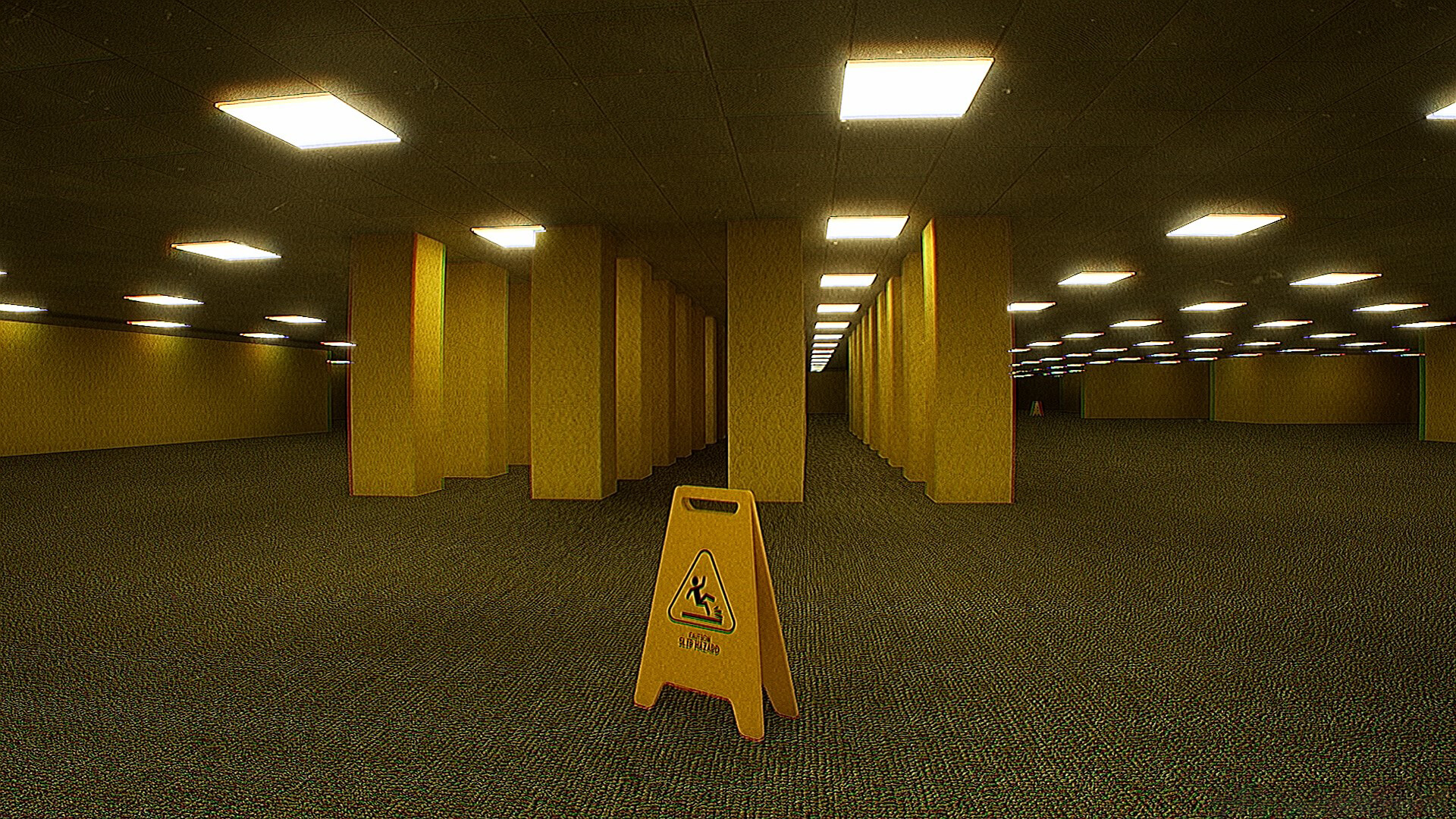
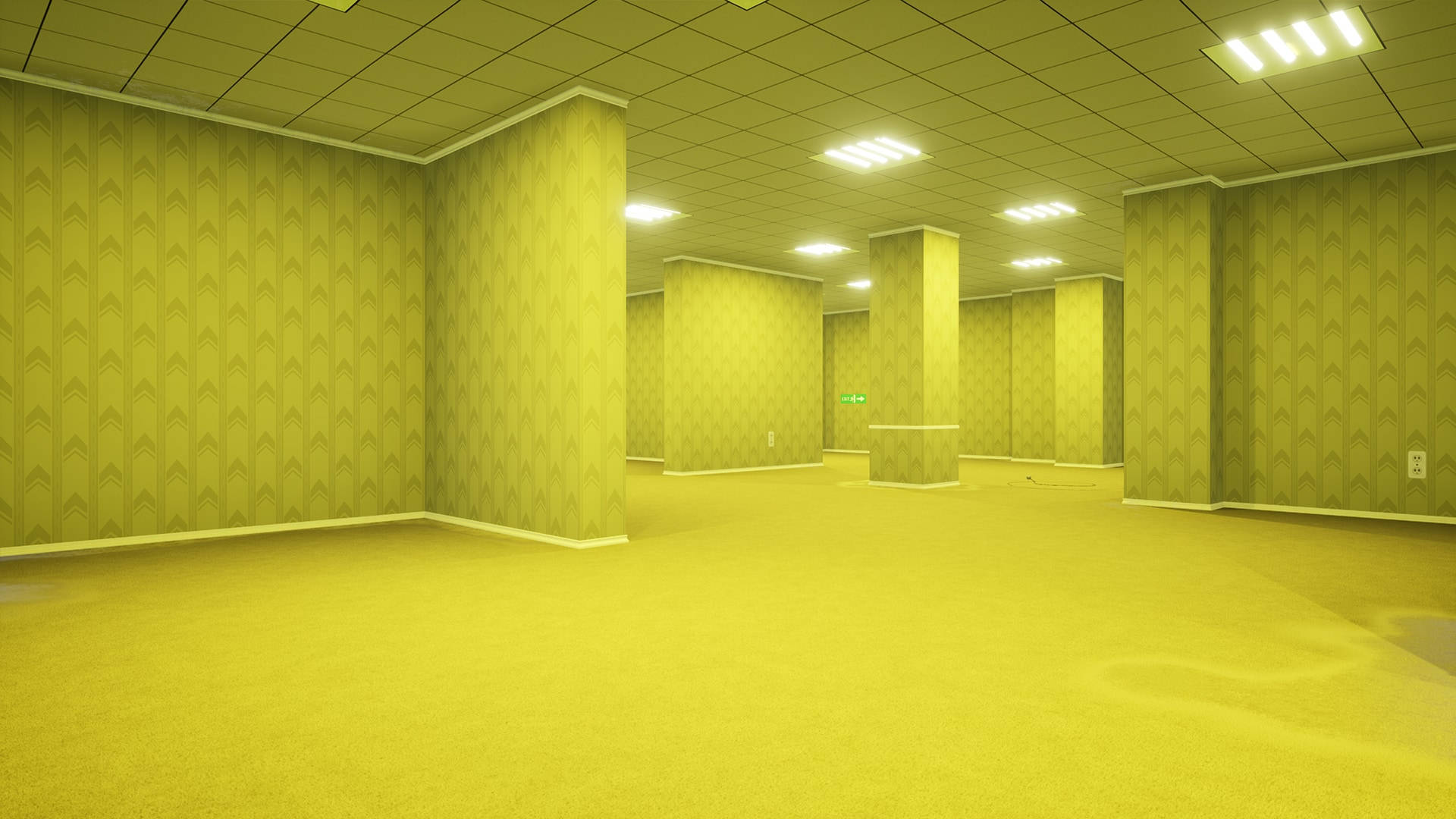
The Backrooms represent a defining phenomenon of modern internet horror—a labyrinthine, bureaucratic nightmare that transcends traditional storytelling to embody existential dread and digital-age paranoia. Emerging from obscure online forums in the mid-2010s, this concept evolved from fragmented memes into a fully realized mythos, blending elements of liminal space horror, absurdist fiction, and procedural dread. Unlike conventional horror settings, the Backrooms thrives on ambiguity, its rules and environments shifting subtly across interpretations while retaining a core unsettling logic: an endless, fluorescent-lit corridor where every door leads deeper into an uncanny void.
Rooted in the collective imagination of platforms like 4chan and Reddit, the Backrooms draws inspiration from literary absurdist works such as Kafka’s The Trial and Camus’ The Stranger, as well as cinematic precedents like The Empty Man and Annihilation. Its appeal lies in its adaptability—whether as a metaphor for corporate alienation, a critique of digital isolation, or a surreal exploration of human psychology, the concept resonates as both a cautionary tale and a creative playground. This analysis dissects its origins, thematic depth, and the mechanics that make it a cornerstone of contemporary horror lore.

Origins and Cultural Roots of the Backrooms
The Backrooms emerged as a modern internet phenomenon blending existential horror, bureaucratic absurdity, and liminal space folklore. Its development reflects broader trends in online culture—particularly the proliferation of collaborative storytelling, memetic evolution, and the fusion of niche horror tropes into cohesive, viral narratives. Unlike traditional horror settings, the Backrooms evolved organically through fragmented discussions, visual memes, and textual expansions, drawing from preexisting digital and literary influences while carving its own distinct identity.The concept’s origins trace back to early 2010s internet forums, where users experimented with surreal, non-Euclidean spaces as settings for horror. Key platforms like 4chan (/x/ and /b/ boards), Reddit (r/creepy, r/UnresolvedMysteries), and Discord communities served as incubators for its development. By 2017–2018, the Backrooms solidified as a recognizable entity through Amaury "AmauryTheGreat" Martorell’s early visualizations (e.g., the "Backrooms Map" and "Color Coordinates"), which codified its layout and aesthetic. These works were later amplified by YouTube creators (e.g., Glocksin’s and The Backrooms channel) and Twitter threads, transforming it into a self-sustaining meme-complex.
Chronological Development and Key Moments
The Backrooms’ evolution can be segmented into three phases: folklore incubation (2010–2016), visual codification (2017–2019), and mainstream expansion (2020–present). Each phase introduced defining elements that shaped its cultural footprint.-
2010–2016: Folklore and Early Discussions
The Backrooms’ conceptual precursors appeared in fragmented form across forums and early internet horror communities. Key examples include:-
2010–2012: SCP Foundation and Liminal Spaces
The SCP Foundation wiki (launched 2007) popularized non-Euclidean and bureaucratic horror through entries like SCP-239 ("The Backrooms") (2012), which described a "faceless" entity lurking in office-like corridors. While not the Backrooms as known today, it shared themes of infinite repetition and existential void. -
2014–2015: Creepypasta and The Empty Man Influence
Stories like "The Slender Man’s Backrooms" (2014, 4chan) and references to "The Empty Man" (2015, horror film) introduced the idea of hidden, labyrinthine spaces as metaphors for psychological horror. The Empty Man’s cult, which worshipped a "faceless god" in liminal realms, directly paralleled the Backrooms’ later themes of faceless entities and "The Hound of God." -
2016: Reddit’s r/creepy and Early "Office Spaces"
Users on r/creepy began posting about "faceless office spaces" and "infinite hallways," often citing them as sources of nightmares. These posts lacked a unified narrative but established the core motif of bureaucratic horror—endless paperwork, flickering lights, and the absence of human faces.
-
2010–2012: SCP Foundation and Liminal Spaces
-
2017–2019: Visual Codification and Memetic Expansion
The Backrooms transitioned from textual descriptions to visual and interactive media, thanks to key creators:-
2017: AmauryTheGreat’s Early Maps
Amaury Martorell (a digital artist) began posting hand-drawn maps of the Backrooms on Twitter, labeling regions like "The Office" (Color Coordinate: 07A) and "The Hotel" (Color Coordinate: 05A). These maps introduced the Color Coordinate system, a navigational framework that became central to the lore. -
2018: The Backrooms YouTube Channel
The Backrooms YouTube channel (later renamed The Backrooms) launched, producing first-person videos of the space using Unreal Engine 4. These videos emphasized atmospheric horror—flickering fluorescent lights, distorted geometry, and the sound of white noise or distant whispers. -
2019: Discord Communities and Collaborative Lore
Private Discord servers (e.g., "The Backrooms Lore Team") formalized the Backrooms’ rules, entities, and regions. This period saw the introduction of:- The "Hound of God" as a primary antagonist.
- "The Faceless" as both victims and potential threats.
- "The Rules" (e.g., "Do not speak unless spoken to," "Do not look directly at The Hound").
-
2017: AmauryTheGreat’s Early Maps
-
2020–Present: Mainstream Adoption and Media Adaptations
The Backrooms entered the cultural zeitgeist through:-
2020: Among Us and Roblox Adaptations
The game Among Us (2018) saw fan-made maps replicating the Backrooms, while Roblox hosted user-generated horror experiences (e.g., "The Backrooms: Infinite Office"). -
2021: Five Nights at Freddy’s and Phasmophobia Crossovers
The Backrooms appeared in custom FNAF skins and Phasmophobia’s "The Backrooms" map, blending corporate horror with supernatural elements. -
2022–2023: SCP-239 and The Empty Man Resurgence
The Backrooms’ influence fed back into original sources: SCP-239 was updated to reflect modern lore, and The Empty Man’s sequel (2020) referenced "the Faceless" as a cult symbol.
-
2020: Among Us and Roblox Adaptations
Divergence from and Borrowing of Horror Tropes
The Backrooms synthesizes elements from liminal space horror, bureaucratic horror, and existential dread, while diverging in key structural and thematic ways. Below are its primary influences and innovations:-
Liminal Space Horror
The Backrooms shares DNA with non-Euclidean spaces (e.g., The Empty Man’s "void between worlds") and urban legends (e.g., The Slender Man’s hidden forests). However, it distinguishes itself by:- Corporate Aesthetic: Unlike natural liminal spaces (e.g., Annihilation’s "Shimmer"), the Backrooms is artificially constructed, resembling a failed office park or government facility.
- Facelessness as Core Theme: While The Empty Man features faceless figures, the Backrooms erases all human features, creating a universal void rather than a cult-specific horror.
- Navigational Rules: Unlike SCP-239 (which is static), the Backrooms encourages exploration through its Color Coordinate system, blending choose-your-own-adventure structure with horror.
-
Bureaucratic Horror
Works like They Live (1988) and The Cell (2000) explore faceless systems, but the Backrooms abstracts bureaucracy into pure geometry. Key differences:- No Clear Antagonist: In They Live, the enemy is alien consumerism; in the Backrooms, the threat is the space itself (e.g., The Hound, The Faceless, or The Rules).
- Existential Stasis: The Backrooms traps victims in a loop of mundane horror, whereas bureaucratic horror often involves active oppression (e.g., Brazil’s dystopian paperwork).
-
Existential Dread
The Backrooms channels cosmic horror (Lovecraft) and surrealism (Borges’ *"The Aleph"
Thematic and Symbolic Analysis of the Backrooms
The Backrooms exist as a cultural artifact that transcends its origins as an internet meme, embedding itself into contemporary discourse on existential dread, institutional alienation, and psychological fragmentation. Its themes resonate deeply with philosophical traditions—particularly existentialism and absurdism—as well as modern anxieties rooted in bureaucratic systems, digital detachment, and sensory deprivation. The environment itself functions as a symbolic canvas, where flickering lights, labyrinthine corridors, and distorted time serve as metaphors for human disorientation in an increasingly impersonal world. By examining recurring motifs through the lenses of literary theory, surrealist aesthetics, and real-world parallels, the Backrooms reveal themselves as both a mirror and a warning about the dehumanizing structures of modernity.
Existentialism and the Absurdity of Meaninglessness
The Backrooms embody core existentialist concerns, particularly the search for meaning in a universe indifferent to human existence. The setting’s infinite, repetitive corridors—void of purpose or narrative—mirror Albert Camus’ concept of the absurd: the conflict between humanity’s desire for meaning and the silent, uncaring universe. Unlike traditional existentialist works where characters grapple with moral choices (e.g., The Stranger’s Meursault), the Backrooms strip away agency entirely. Survivors are not protagonists but passive observers, trapped in a space that defies logic, time, and even physics. This aligns with Camus’ assertion that "the struggle itself toward the heights is enough to fill a man’s heart," yet in the Backrooms, even the struggle is futile. The absence of clocks, the cyclical nature of the environment, and the inevitability of "going crazy" reflect the existentialist trap: the mind’s inability to reconcile its need for structure with the chaos of reality.The Backrooms also echo Jean-Paul Sartre’s radical freedom—the idea that existence precedes essence—but invert it. In Sartre’s philosophy, individuals define their own purpose through action; in the Backrooms, purpose is already absent, and action leads only to deeper entrapment. The "yellow sign" (a recurring symbol warning of danger) becomes a paradox: it is both a guide and a taunt, reinforcing the absurdity of seeking answers in a system designed to confuse. The environment’s indifference to human suffering aligns with Sartre’s hell is other people, but here, the "others" are either absent, hostile, or indistinguishable—amplifying the isolation.
Bureaucratic Horror and the Dehumanization of Procedural Dread
The Backrooms’ design—its sterile corridors, fluorescent lighting, and labyrinthine layout—draws heavily from bureaucratic horror, a subgenre that exposes the dehumanizing effects of institutional systems. This theme is most explicitly explored in Franz Kafka’s The Trial and The Castle, where protagonists are trapped in incomprehensible legal and administrative nightmares. However, the Backrooms diverge from Kafka’s works by removing even the illusion of control. In Kafka, Josef K. at least understands the existence of a system (however opaque); in the Backrooms, the rules are not just unknown but actively shifting, as if the bureaucracy itself is alive and hostile. This aligns with Michel Foucault’s concept of disciplinary power, where institutions (prisons, hospitals, offices) condition individuals through surveillance and routine. The Backrooms extend this idea: the space itself is the institution, and the "rules" are not imposed by human authority but by an abstract, almost digital logic—echoing modern critiques of algorithmic governance and corporate dehumanization.Key symbols reinforcing bureaucratic horror include:
- Flickering lights: A direct metaphor for institutional instability, where authority (light) is unreliable and intermittent. In real-world offices, flickering fluorescents often signal neglect or malfunction, mirroring how bureaucracies fail their own systems.
- Endless corridors: Represent the procedural dread of navigating institutional red tape, where progress is illusory and exits are nonexistent. This parallels the "hallway of offices" in Kafka’s The Trial, where Josef K. endlessly seeks a door that never opens.
- Distorted time: Time dilation or loops reflect the way bureaucracy warps perception—hours spent in meetings feel like minutes, while critical decisions take years. The Backrooms’ time anomalies suggest a system where causality is secondary to process.
A critical deviation from Kafka is the Backrooms’ lack of human agents. In Kafka, bureaucrats are at least people; in the Backrooms, the horror is impersonal, as if mediated by an AI or an abstract force. This reflects modern anxieties about faceless corporations, automated customer service, and the erosion of human interaction in digital spaces.
Isolation and Paranoia in Sensory-Deprived Spaces
The Backrooms’ sensory deprivation—monochromatic lighting, muffled sounds, and the absence of natural landmarks—creates an environment where paranoia thrives. This aligns with psychological studies on sensory deprivation tanks and solitary confinement, where prolonged isolation leads to hallucinations, distrust, and a collapse of reality perception. The space’s design exploits the cocktail party effect—the brain’s tendency to fill gaps in sensory input with fear or delusion—transforming ambiguity into terror. Unlike traditional horror settings (e.g., haunted houses), the Backrooms offer no clear threats; the danger lies in the absence of danger, forcing the mind to invent it.Recurring symbols amplifying isolation include:
- Fluorescent colors: Often associated with clinical or prison environments, these hues induce a sense of artificiality and detachment. Studies show fluorescent lighting can exacerbate anxiety and cognitive dissonance, mirroring the Backrooms’ psychological toll.
- Distorted reflections: Mirrors or surfaces that show altered versions of the self (e.g., The Shining’s "Here’s Johnny!") reinforce paranoia about identity and trust. In the Backrooms, this extends to shared hallucinations—where survivors may see others only to realize they are either dead or not human, blurring the line between perception and madness.
- Time loops and echoes: Auditory distortions (e.g., voices repeating phrases) create a feedback loop of paranoia, akin to the Monty Haul phenomenon, where survivors hear their own voices in recordings, questioning their sanity.
The Backrooms also reflect real-world parallels in:
- Office environments: Open-plan workspaces, where employees are physically present but emotionally isolated, mirror the Backrooms’ "yellow sign" areas—spaces that appear safe but are inherently dangerous.
- Pandemic-induced isolation: The COVID-19 era saw a surge in reports of "cabin fever" and sensory deprivation, with individuals describing experiences akin to the Backrooms—endless, featureless time and the erosion of trust in shared reality.
- Digital alienation: Virtual spaces (e.g., VR chat rooms, social media) often lack tactile or spatial cues, leading to a similar disorientation. The Backrooms’ "glitches" (e.g., doors appearing/disappearing) parallel the uncanny valley of digital interactions, where human connection feels both present and absent.
Comparative Analysis: Backrooms and Absurdist Literature
The Backrooms share structural and thematic motifs with absurdist literature, particularly works by Kafka, Camus, and Beckett, but deviate in key ways that reflect modern anxieties. Below is a comparative breakdown:
Key Deviations from Absurdist Tradition:Theme/Motif Absurdist Literature (Kafka, Camus, Beckett) The Backrooms Modern Parallels Meaninglessness Characters seek purpose in a godless world (The Stranger). Purpose is actively denied; even madness offers no resolution. Digital existentialism (e.g., doomscrolling, algorithmic feeds). Bureaucratic Traps Protagonists navigate incomprehensible systems (The Trial). The system is invisible and adaptive, with no clear rules. Corporate automation, AI-driven decision-making. Isolation Characters are alone but in shared human spaces (e.g., Meursault’s trial). Isolation is absolute; others may be hostile or inhuman. Pandemic lockdowns, remote work loneliness. Time Distortion Time feels static or accelerated (Waiting for Godot). Time loops or dilates unpredictably, with no cause. Glitches in digital time (e.g., Zoom delays, server lag). Surreal Imagery Dreamlike logic (The Metamorphosis: Gregor as an insect). The environment shifts based on perception, with no fixed reality. VR sickness, deepfake distortions.
- Active Hostility: In Camus or Beckett, the world is indifferent; in the Backrooms, it is actively antagonistic (e.g., entities, traps).
- Digital Aesthetic: The Backrooms’ design (e.g., flickering lights, glitches) reflects modern technology’s influence, unlike the organic surrealism of Kafka or Dalí.
- No Redemption
Lore and Worldbuilding Mechanics of the Backrooms
The Backrooms exist as a self-contained, rule-driven horror environment where survival depends on an understanding of its core mechanics rather than traditional plot structures. Unlike linear narratives or procedural horror games, the Backrooms thrive on systemic ambiguity—where rules are implied through environmental cues, NPC behavior, and the player’s own observations. This section dissects the core operational principles governing movement, interaction, and survival, while contrasting its worldbuilding with established horror frameworks. Additionally, it provides a structured methodology for designing original Backrooms variants, ensuring consistency in their eerie logic.
Core Rules Governing the Backrooms
The Backrooms function as a deterministic yet unpredictable space, where mechanics are enforced through environmental feedback rather than explicit exposition. These rules are inferred through player experimentation, NPC dialogue, and the Signal’s intermittent guidance. Below are the verified operational principles, categorized by their functional domains.### Movement Mechanics
The Backrooms’ spatial logic defies Euclidean geometry, with traversal governed by procedural door networks and temporal distortions. Key rules include:- Door Systems:
- Doors are one-way portals that lead to adjacent rooms, often with no visible return path. Some doors lock behind the traveler, while others cycle between states (e.g., opening/closing independently of the player).
- Color-coded doors (e.g., yellow, blue, red) may indicate hazard levels or entity presence, though their meanings vary by Backrooms variant.
- Emergency exits (marked with symbols like a running figure or a lightning bolt) often lead to high-risk areas (e.g., infested zones, time loops).
- Time Dilation:
- Certain rooms experience accelerated or decelerated time, perceptible through:
- Clock malfunctions (e.g., analog clocks spinning backward, digital displays freezing).
- NPC behavior (e.g., entities moving in slow motion or repeating actions).
- Personal time distortion (e.g., the player ages rapidly in "The Hospital" but perceives minutes as hours).
- Time loops occur in high-stress zones, where the player relives the same 10–30 seconds indefinitely until a condition is met (e.g., finding an object, avoiding an entity).
- Navigation Hazards:
- False walls (e.g., painted surfaces, thin partitions) collapse under pressure, revealing voids or alternate dimensions.
- Gravity shifts cause objects (and players) to float or invert, requiring adaptive movement strategies.
- Magnetic fields in "The Factory" or "The Server Farm" attract metal objects, creating projectile hazards.
### Interaction Mechanics
Objects and entities in the Backrooms respond to contextual logic, often with unexpected consequences. Interaction rules prioritize environmental feedback over traditional inventory systems.- Objects and Tools:
- Functionality decays over time; tools may rust, degrade, or malfunction when unused.
- Electronics (e.g., radios, flashlights) emit static or distorted signals, sometimes broadcasting entity communications.
- Containers (e.g., lockers, crates) often reset their contents upon reopening, as if repopulated by an unseen force.
- Weapons (e.g., guns, knives) may fire blanks, jam, or backfire, with unpredictable effects (e.g., attracting entities).
- Non-Player Characters (NPCs):
- Humanoid NPCs (e.g., "The Janitor," "The Scientist") follow scripted routines but may deviate under stress (e.g., attacking if threatened).
- Entities (e.g., "The Hound," "The Crawler") exhibit hive-mind behavior, coordinating through subsonic growls or pheromone trails.
- Dialogue is non-linear; NPCs may repeat phrases, ignore the player, or speak in tongues when agitated.
- Bargaining with entities is possible but context-dependent (e.g., offering specific items, performing actions, or sacrificing sanity).
- The Signal:
- A mysterious radio transmission that provides fragmented guidance, such as:
- Room coordinates (e.g., "Turn left at the blue door, then three rooms forward").
- Warnings (e.g., "Do not touch the red button," "The entity is in the vents").
- Riddles (e.g., "The key is not a key," "You are already inside").
- Overuse degrades its reliability; prolonged listening may cause auditory hallucinations or entity attraction.
### Survival Mechanics
Survival in the Backrooms hinges on resource management, sanity preservation, and risk mitigation. Unlike traditional horror, death is often procedural rather than instantaneous.- Hunger and Thirst:
- Food spoils rapidly unless preserved (e.g., canned goods, sealed containers).
- Water sources may be contaminated (e.g., "The Swamp" has bioluminescent algae that causes hallucinations).
- Starvation induces hallucinations, including:
- False exits (e.g., seeing a door where none exists).
- Entity mimicry (e.g., hearing a loved one’s voice calling from a vent).
- Sanity and Psychological Effects:
- Prolonged exposure to entities causes dissociation, where the player forgets their own name or sees their reflection move independently.
- The Signal’s distortions may rewrite memories, making the player believe they never entered the Backrooms.
- Isolation triggers paranoia; the player may hear whispers in static or see shadows move when alone.
- Entity Encounters:
- Detection mechanics rely on sound, scent, and movement:
- Footsteps echo unnaturally in empty rooms.
- Blood or bodily fluids attract entities; cleaning traces is critical.
- Light sources (e.g., flashlights) may blind entities temporarily or lure them closer.
- Combat is asymmetrical; entities regenerate, teleport, or split into smaller forms.
- Sacrificial logic applies: leaving an offering (e.g., a body part, a personal item) may temporarily pacify an entity.
Structural Differences Between the Backrooms and Traditional Horror Settings
The Backrooms diverge from Lovecraftian horror (Call of Cthulhu) and survival horror (Resident Evil) through three key structural elements, each serving a distinct narrative function. These differences emphasize systemic horror over monolithic threats or scripted narratives.
Key Implications:Structural Element Backrooms Implementation Traditional Horror Comparison Narrative Function Environmental Determinism Rules are inferred through experimentation; the world reacts to player actions in real-time. Resident Evil: Rules are explicitly taught (e.g., inventory management, puzzle solutions). Creates player agency while enforcing unpredictable consequences. Non-Linear Progression No fixed endgame; success is defined by escaping the Backrooms’ logic, not defeating a boss. Call of Cthulhu: Progress is linear, with set objectives (e.g., stopping a ritual). Encourages exploration over completionism, reinforcing existential dread. Entity as System, Not Monster Entities are emergent behaviors of the environment (e.g., mold growth, door malfunctions). Alien: The Xenomorph is a singular, physical threat with defined weaknesses. Shifts horror from combat to understanding the rules, making fear intellectual.
- No "Win Condition": Traditional horror provides victory states (e.g., escaping the mansion, destroying the cult). The Backrooms offer no permanent resolution, only temporary escapes.
- Horror as a Puzzle: Unlike Resident Evil’s scripted scares, the Backrooms require deductive reasoning (e.g., "Why does this door only open at 3:17 AM?").
- Player as the Variable: In Call of Cthulhu, the player’s sanity affects perception. In the Backrooms, the player’s actions alter the world’s rules (e.g., breaking a mirror may
The Backrooms endure as more than a viral myth; it is a cultural artifact reflecting the anxieties of an era defined by digital detachment and institutional disillusionment. By distilling bureaucratic horror into a shareable, ever-expanding narrative, it invites creators and consumers alike to confront the uncanny within mundane spaces—whether in the sterile glow of an office hallway or the disorienting silence of a server room. Its legacy lies not in a fixed story, but in the collaborative fear it inspires, proving that horror’s most potent forms often emerge not from monsters, but from the rules we impose on ourselves—and the ones we dare not question.
FAQ
What is the Backrooms movie about?
The Backrooms movie (2024) is a horror film based on the creepypasta phenomenon of the same name. It follows a man who discovers a mysterious, endless office complex filled with surreal, decaying hallways, strange entities, and a sinister presence known as "The Manager." The film blends psychological horror with eerie exploration themes.
What is the Backrooms movie rated?
The Backrooms movie is rated R by the MPAA for strong disturbing violence, gore, and some sexual content.
What is the Backrooms movie streaming on?
The Backrooms movie is available to stream on Peacock (U.S.) and can be rented or purchased digitally on platforms like Amazon Prime Video, Apple TV, and Vudu.
What is the Backrooms movie based on?
The Backrooms movie is based on the 2019 creepypasta of the same name, originally created by a user named "XxCavemanProdigy666xX." The story expanded into an internet legend featuring lore, maps, and fan-made content before inspiring the film.
What is the Backrooms streaming on?
As of now, The Backrooms (2024) is streaming exclusively on Peacock in the U.S. and may be available for digital purchase or rental elsewhere.
What is the Backrooms rated?
The Backrooms (2024) has an R rating for disturbing imagery, violence, and thematic elements. On Rotten Tomatoes, it holds a 38% audience score and a 23% critics score.
Leave a Comment
Comments are moderated before appearing. The data you submit is processed according to the Privacy Policy of Voltefac.