What Is A Masjid Exploring Its Spiritual Architectural And Social Role
Table of Contents
- Definition and Core Concept of a Masjid
- Linguistic and Religious Foundations of Masjid
- Distinguishing Features of a Masjid
- Spiritual and Communal Purpose of a Masjid
- Architectural and Design Elements of a Masjid
- Comparative Analysis of Traditional and Modern Masjid Designs
- Functions and Activities Conducted in a Masjid
- Categorized Activities by Frequency
- Comparative Roles of Masjids in Urban vs. Rural Settings
- Historical Evolution of Masjids
- Origins and Early Development Under the Prophet Muhammad and the Rashidun Caliphate
- Architectural and Cultural Innovations During the Umayyad and Abbasid Eras
- Madrasas and the Role of Masjids as Centers of Learning During the Islamic Golden Age
- Iconic Historical Masjids and Their Architectural Innovations
- Masjids as Symbols of Resistance and Preservation of Islamic Identity
- FAQ
- What exactly is a masjid in the context of Islam?
- What does the term "masjid" mean?
- What’s the difference between a masjid and a mosque?
- What is a masjid building like?
- What is a masjid center, and what does it do?
- What is a masjid hafiz, and what do they do?
A masjid, or mosque, stands as a cornerstone of Islamic life, transcending its role as a place of worship to become a living embodiment of faith, community, and cultural heritage. Rooted in the Arabic term masjid (مَسْجِد), which etymologically derives from the verb sajada (سَجَدَ), meaning "to prostrate," the structure serves as a sacred space where Muslims engage in ritual devotion, intellectual pursuit, and collective solidarity. Beyond its physical form—whether a grand historical edifice or a modest local gathering place—a masjid reflects the dynamic interplay between spiritual tradition and contemporary adaptation, offering a microcosm of Islamic civilization’s enduring values.
From the Prophet Muhammad’s era, where the first masjid in Medina symbolized unity among diverse tribes, to modern virtual congregations bridging global distances, the concept of a masjid has evolved while retaining its core purpose: fostering connection between the divine, the individual, and the community. This exploration delves into its definition, architectural symbolism, multifaceted functions, and historical resilience, revealing how masjids remain pivotal in shaping religious identity, social welfare, and cultural continuity across generations.
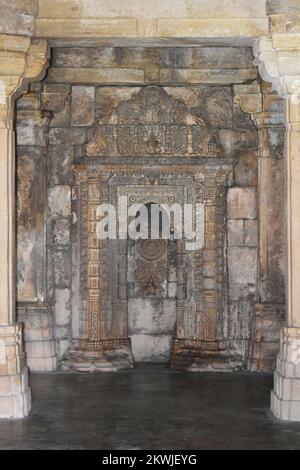
Definition and Core Concept of a Masjid
The term masjid (مَسْجِد) holds profound significance in Islamic tradition, deriving from the Arabic root sajada (سَجَد), meaning "to prostrate." Linguistically, masjid is the verbal noun of the verb sajada, indicating a place where Muslims perform sajdah (prostration) during prayer. Beyond its literal function, the masjid embodies the spiritual, communal, and educational dimensions of Islamic life, serving as a sacred space for worship, reflection, and collective devotion. Its definition extends beyond physical architecture to encompass virtual and temporary congregational spaces, reflecting the adaptability of Islamic practice to diverse contexts.The masjid is not merely a building but a living institution that integrates religious, social, and cultural roles. Its design, rituals, and functions are rooted in the Quran and Sunnah, distinguishing it from other places of worship through its emphasis on equality, accessibility, and communal participation. The following sections explore its linguistic origins, structural features, spiritual purpose, and modern adaptations, illustrating its enduring relevance in Muslim societies worldwide.
Linguistic and Religious Foundations of Masjid
The word masjid appears in the Quran in multiple contexts, reinforcing its spiritual and communal dimensions. The most notable reference is in Surah Al-Hajj (22:40), which describes the Kaaba in Makkah as the bayt al-muqaddas (the sacred house) and the masjid al-haram (the forbidden masjid), highlighting its sanctity and exclusivity for worship. Another key mention is in Surah At-Tawbah (9:108), where the Prophet Muhammad (ﷺ) is instructed to establish prayer in the masjid al-haram, underscoring its centrality in Islamic ritual.Linguistically, masjid is categorized as a maṣdar (verbal noun) in Arabic, derived from the root s-j-d, which encompasses actions related to humility, submission, and reverence. This etymology aligns with the Islamic concept of taslim (submission to Allah), a core tenet of faith. The term also carries connotations of purity and devotion, as the act of prostration (sajdah) symbolizes complete surrender to the divine will. Unlike churches or temples, which may be associated with specific deities or rituals, the masjid is universally accessible to all Muslims, regardless of ethnicity or nationality, reinforcing its role as a unifying institution.
Distinguishing Features of a Masjid
The masjid is defined by a combination of architectural, ritual, and social attributes that set it apart from other religious structures. The following table outlines its essential features, their descriptions, religious bases, and cultural variations:| Feature | Description | Religious Basis | Cultural Variations |
|---|---|---|---|
| Directional Orientation (Qibla) | The masjid is designed to face the Kaaba in Makkah, ensuring all prayer spaces align with the qibla (direction of prayer). This alignment is maintained globally, even in virtual or temporary setups. | "Wherever you are, turn your face toward al-Masjid al-Haram." (Quran 2:144)The Prophet (ﷺ) emphasized the importance of qibla in prayer, as recorded in Sahih Bukhari. |
In regions where the Kaaba is not visible (e.g., East Asia), masjids use compasses or GPS to determine qibla. Some modern masjids incorporate digital qibla indicators. |
| Open and Accessible Design | The masjid’s architecture prioritizes openness, with no barriers between worshippers to symbolize equality. Seating is often arranged in rows facing the mihrab (prayer niche), ensuring all participants share the same perspective. |
The Prophet (ﷺ) discouraged exclusivity in masjids, stating:"The masjid is not for one person but for all Muslims." (Sahih Muslim)The Quran (24:36) prohibits segregation in worship. |
Traditional masjids in South Asia feature open courtyards (sahn), while Middle Eastern designs may include domes and minarets. In urban areas, masjids are often multi-story to accommodate large congregations. |
| Presence of a Mihrab and Minbar | The mihrab marks the qibla wall and focuses worshippers’ attention during prayer. The minbar (pulpit) is used for Friday sermons (khutbah) and religious teachings, symbolizing the masjid’s role in education. | The mihrab’s use is supported by the Prophet’s (ﷺ) practice of designating a specific area for prayer (Sahih Bukhari). The minbar was introduced by the Prophet (ﷺ) for communal guidance. | Mihrabs vary in design: Ottoman masjids feature ornate calligraphy, while contemporary masjids may use simple geometric patterns. Minbars range from wooden structures to modern podiums. |
| Cleanliness and Purity | The masjid is maintained in a state of ritual purity (taharah), with regular cleaning, especially before prayers. Water fountains (ablution stations) are mandatory for performing wudu (ritual washing). |
The Prophet (ﷺ) emphasized purity as a prerequisite for prayer:"Allah does not accept prayer without purity." (Sahih Muslim)The Quran (5:6) links cleanliness to acceptance of deeds. |
Some masjids use traditional miswak (toothstick) stations, while others incorporate modern hygiene facilities. In cold climates, heated floors are common. |
| Communal and Educational Functions | The masjid serves as a hub for jumu’ah (Friday) prayers, Islamic studies (dars), and social services. Libraries, schools (madrasah), and community centers are often integrated into its facilities. |
The Prophet (ﷺ) established the masjid as a center for learning and charity:"The best among you are those who learn the Quran and teach it." (Sahih Bukhari)The Quran (9:103) encourages mutual consultation and education. |
In Southeast Asia, masjids host pondok (residential schools), while in the West, they may offer English-language classes or interfaith dialogue programs. |
Spiritual and Communal Purpose of a Masjid
The masjid fulfills multifaceted roles that extend beyond ritual worship, addressing the spiritual, educational, and social needs of the Muslim community. Its primary purposes include:1. A Sacred Space for Worship
The masjid is the designated place for the five daily prayers (salat), jumu’ah congregational prayers, and special supplications (du’a). The atmosphere of reverence and unity during these acts strengthens individual and collective devotion. The Prophet (ﷺ) described the masjid as a place where angels circulate, and sins are forgiven for those who enter with purity of intent (Sahih Muslim). This spiritual ambiance encourages Muslims to seek closeness to Allah through consistent prayer and reflection.
2. A Center for Islamic Education
From the time of the Prophet (ﷺ), the masjid has been a repository of knowledge, where the Quran, Hadith, and Islamic jurisprudence (fiqh) are taught. The khutbah (sermon) during jumu’ah often includes lessons on ethics, history, and contemporary issues, reinforcing the masjid’s role as a moral compass. Modern masjids offer classes in Arabic, Quranic recitation (tajweed), and Islamic studies, catering to both children and adults. The Prophet (ﷺ) emphasized the importance of seeking knowledge, stating:
Architectural and Design Elements of a Masjid
The architectural and design elements of a masjid reflect its spiritual, cultural, and communal significance, serving as a physical manifestation of Islamic principles. From the geometric precision of traditional structures to the adaptive innovations of contemporary designs, each feature embodies symbolic depth while addressing functional needs. The interplay between form, symbolism, and utility ensures that masjids remain spaces of worship, reflection, and social cohesion across centuries and regions. Below, the comparative analysis of traditional and modern designs, symbolic significance of key components, regional variations, and a structured layout guide are explored to highlight the evolution and diversity of masjid architecture.
Comparative Analysis of Traditional and Modern Masjid Designs
The following table contrasts fundamental architectural elements of traditional and modern masjids, emphasizing their functional and symbolic adaptations over time. The comparison underscores how technological advancements, cultural shifts, and urbanization have influenced design while preserving core Islamic tenets.
Element Traditional Design Modern Adaptations Purpose Examples Dome
- Symmetrical, often segmented into petals or ribbed structures (e.g., Seljuk, Mughal).
- Constructed with brick, stone, or wood, sometimes gilded or painted.
- Heightened to symbolize the heavens and facilitate acoustic clarity for the adhan (call to prayer).
- Use of reinforced concrete or steel frameworks for larger, lightweight spans.
- Integration of geometric patterns or LED lighting for nighttime visibility.
- Open or perforated designs to enhance natural ventilation.
- Represents the vault of heaven and the divine presence.
- Acoustically optimizes the space for congregational prayers and sermons.
- Serves as a focal point for visual and spiritual orientation.
- Traditional: Great Mosque of Córdoba (Spain), Blue Mosque (Istanbul).
- Modern: King Abdullah Mosque (Jeddah, Saudi Arabia), Masjid al-Haram expansion (Mecca).
Mihrab
- Niche in the qibla wall, often adorned with intricate calligraphy (e.g., Quranic verses, names of Allah).
- Constructed from marble, wood, or stucco, sometimes inlaid with gold or semi-precious stones.
- Positioned centrally to align with the Kaaba in Mecca.
- Minimalist designs with backlit or laser-projected Quranic text.
- Use of interactive digital displays for dynamic content (e.g., translations, historical context).
- Modular placement to accommodate flexible prayer spaces.
- Symbolizes the direction of prayer (qibla) and spiritual focus toward Allah.
- Serves as a visual and tactile guide for congregational alignment.
- Emphasizes the unity of worshippers in facing the same direction.
- Traditional: Mihrab of the Al-Aqsa Mosque (Jerusalem), Mosque of Ibn Tulun (Cairo).
- Modern: Masjid al-Faisaliyah (Riyadh), Petronas Mosque (Kuala Lumpur).
Minbar
- Staircase or pulpit adjacent to the mihrab, often carved from wood or stone.
- Decorated with geometric patterns, floral motifs, or Quranic inscriptions.
- Used by the imam (prayer leader) for delivering khutbah (sermons).
- Retractable or movable platforms for flexibility in space usage.
- Integration of sound amplification systems for larger congregations.
- Designs incorporating multimedia screens for visual sermons.
- Represents the imam’s authority and the transmission of religious knowledge.
- Facilitates clear communication during congregational prayers and Friday sermons.
- Symbolizes the hierarchy of leadership in Islamic worship.
- Traditional: Minbar of the Great Mosque of Kairouan (Tunisia), Ottoman minbars (e.g., Suleymaniye Mosque).
- Modern: Masjid al-Nour (Los Angeles), London Central Mosque (UK).
Courtyard (Sahn)
- Open, unroofed space surrounded by arcades or columns.
- Used for ablutions (wudu), communal gatherings, and social interactions.
- Often paved with stone or marble, sometimes with fountains or gardens.
- Covered or partially enclosed courtyards for climate control (e.g., retractable roofs).
- Integration of landscaped gardens or water features for aesthetic and symbolic purposes.
- Multi-functional spaces for educational programs, exhibitions, or community events.
- Represents the purity and openness of Islamic worship.
- Serves as a transitional space between the external world and the prayer hall.
- Encourages social cohesion and pre-prayer rituals (e.g., ablutions).
- Traditional: Courtyard of the Great Mosque of Damascus, Al-Azhar Mosque (Cairo).
- Modern: Masjid al-Haram expansion (Mecca), Masjid Jamek (Singapore).
Minarets
- Tall, slender towers with balconies (sherefe) for the muazzin (caller to prayer).
- Constructed from brick, stone, or wood, often with decorative spires or calligraphy.
- Number varies by tradition (e.g., two in Ottoman architecture, four in Mughal).
- Use of steel or fiberglass for taller, more slender designs.
- Integration of LED lighting or solar panels for sustainability.
- Multi-purpose towers for broadcasting, observation, or symbolic landmarks.
- Symbolizes the call to prayer (adhan) and the proximity to Allah.
- Serves as a visual marker for the community and a focal point in the urban landscape.
- Reinforces the masjid’s role as a center for daily and communal life.
- Traditional:
Functions and Activities Conducted in a Masjid
The masjid serves as a multifunctional center beyond its primary role as a place of worship, integrating religious, social, educational, and community-building activities. Its operations vary by frequency—daily, weekly, monthly, and annually—while adapting to the unique needs of urban and rural communities. These activities reflect the masjid’s role as a dynamic institution fostering spiritual growth, social cohesion, and interfaith engagement.The functions of a masjid extend beyond ritualistic practices, encompassing structured programs that address religious obligations, community welfare, and educational development. Urban and rural settings influence the scale, accessibility, and focus of these activities, with masjids often serving as hubs for localized solutions to social challenges. Below, a categorized breakdown of activities, comparative analysis of urban vs. rural roles, and examples of welfare and educational initiatives illustrate the masjid’s comprehensive function.
Categorized Activities by Frequency
Masjids organize activities based on their recurrence, ensuring sustained engagement and fulfillment of both religious and communal needs. Daily activities form the foundation of spiritual discipline, while weekly, monthly, and annual events address broader community and educational objectives.
- Daily Activities
- Five Daily Prayers (Salah): The core function, performed at designated times (Fajr, Dhuhr, Asr, Maghrib, Isha), with congregational prayers (Jama’ah) encouraged, especially for Friday (Jumu’ah) and Eid prayers.
- Quranic Recitation (Tajweed Classes): Regular sessions for memorization (Hifz), recitation practice, and Tajweed (proper pronunciation) instruction, often led by qualified Quran teachers (Qari).
- Dua and Supplication (Dua Sessions): Structured or informal gatherings for collective supplications, addressing personal, communal, or global issues (e.g., disaster relief, political stability).
- Da’wah and Counseling: One-on-one or group sessions for religious guidance, addressing doubts about Islam, personal conduct (Akhlak), and moral dilemmas.
- Charity Collection (Sadaqah/Zakat Distribution): Daily or weekly collection points for Zakat (obligatory alms) and Sadaqah (voluntary charity), with immediate distribution to needy individuals or local welfare programs.
- Weekly Activities
- Friday Congregational Prayer (Jumu’ah): Mandatory for adult males, featuring a sermon (Khutbah) delivered by the Imam or Khatib, covering Islamic jurisprudence (Fiqh), moral lessons, and current events from an Islamic perspective.
- Islamic Studies Classes: Structured lessons for adults and children covering Aqidah (creed), Fiqh (jurisprudence), Seerah (Prophetic biography), and Hadith studies, often segmented by age group.
- Youth and Women’s Programs:
- Youth groups (e.g., Scouts, Islamic clubs) focusing on leadership, sports, and Islamic ethics.
- Women’s circles (e.g., Hijab workshops, parenting classes, Quranic studies for women).
- Community Cleanup and Maintenance: Volunteer-driven initiatives to clean the masjid premises, gardens, or nearby public spaces, promoting environmental stewardship (Khilafah).
- Interfaith Dialogue Sessions: Weekly meetings with local religious leaders (Christian, Jewish, Hindu) to discuss shared values, address misconceptions, and collaborate on social causes.
- Monthly Activities
- Laylatul Qadr (Night of Decree) Preparations: Intensive Quran recitation (Tilawah) and night prayers (I’tikaf) leading up to the last 10 nights of Ramadan, often with guest scholars delivering lectures.
- Zakat and Waqf Management Reviews: Audits of financial records, distribution reports, and planning for upcoming charitable projects (e.g., building wells, funding education).
- Cultural and Artistic Events:
- Islamic calligraphy (Khatt) workshops.
- Poetry readings (e.g., Naat for Prophet Muhammad’s praise).
- Exhibitions on Islamic history or science (e.g., contributions of Muslim scholars to medicine, astronomy).
- Skill Development Workshops: Vocational training in tailoring, IT, or language classes (e.g., Arabic, English) for unemployed community members.
- Mental Health and Counseling Clinics: Partnerships with psychologists or Islamic counselors to address stress, grief, or addiction, often targeting youth and elderly.
- Annual Activities
- Ramadan Observances:
- Taraweeh prayers (night prayers).
- Iftar gatherings for the needy.
- Quran completion competitions (Qira’at).
- Eid al-Fitr and Eid al-Adha Celebrations: Large-scale prayers, feasts (Eid meals), and distribution of Zakat al-Fitr (mandatory charity before Eid prayers) and Qurbani (sacrificial meat).
- Annual Conferences and Seminars: Thematic events on topics like Islamic economics, women’s rights, or countering extremism, often featuring national/international scholars.
- Community Service Projects:
- Blood donation drives.
- Disaster relief coordination (e.g., post-earthquake or flood aid).
- Tree-planting campaigns (environmental conservation).
- Masjid Anniversary and Waqf Celebrations: Commemorations of the masjid’s founding, with historical retrospectives, renovations, or expansions funded by community donations.
The frequency and nature of activities in a masjid are influenced by local demographics, cultural norms, and resource availability. For instance, masjids in diaspora communities may prioritize language classes and interfaith dialogue, while rural masjids focus on agricultural cooperatives and basic healthcare workshops.Comparative Roles of Masjids in Urban vs. Rural Settings
The operational dynamics of a masjid differ significantly between urban and rural environments due to variations in population density, accessibility, and community needs. Below is a comparative analysis highlighting key distinctions:
Aspect Urban Masjid Rural Masjid Accessibility
- Central location with high foot traffic, often near commercial or residential hubs.
- Accessibility challenges for disabled individuals may require ramps or elevators.
- Parking constraints necessitate shuttle services or partnerships with nearby transit.
- Located in or near villages, accessible via walking paths or shared transport (e.g., donkeys, motorcycles).
- Limited infrastructure (e.g., unpaved roads) may restrict large gatherings.
- Proximity to agricultural fields allows integration of farming-related activities (e.g., blessing crops).
Community Size and Diversity
- Serves a large, heterogeneous population with diverse ethnic, linguistic, and socioeconomic backgrounds.
- Requires multilingual services (e.g., Arabic, English, local dialects) and culturally sensitive programs.
- Higher demand for specialized services (e
Historical Evolution of Masjids
The origins and development of masjids reflect the spiritual, intellectual, and cultural growth of Islamic civilization. From modest structures in the early Islamic era to grand architectural marvels during the Islamic Golden Age, masjids evolved as symbols of faith, centers of learning, and bastions of resistance. Their transformation mirrors the expansion of Islam, the rise of scholarly traditions, and the enduring struggle to preserve Islamic identity amid political and colonial challenges.The historical trajectory of masjids can be divided into distinct phases: the foundational period under the Prophet Muhammad and the Rashidun Caliphate, the expansion during the Umayyad and Abbasid eras, the institutionalization of religious education through madrasas, and the architectural innovations of the Ottoman and Mughal empires. Each phase introduced new functions, designs, and societal roles, cementing the masjid’s place as a cornerstone of Islamic life.
Origins and Early Development Under the Prophet Muhammad and the Rashidun Caliphate
The first masjids emerged in the 7th century CE, serving as places of worship, community gathering, and early Islamic governance. The Masjid al-Haram in Mecca, built by the Prophet Ibrahim (Abraham) and later expanded by the Prophet Muhammad, became the holiest site in Islam. Its expansion during the Prophet’s era included the Hijr Ismail (the Kaaba’s eastern wall) and the Maqam Ibrahim (the Station of Abraham), establishing foundational rituals like the Tawaf (circumambulation) and Salat (prayer).The Masjid al-Nabawi in Medina, constructed by the Prophet Muhammad in 622 CE, marked the first purpose-built masjid in Islamic history. Its design incorporated a qibla wall (facing Mecca), a minbar (pulpit), and a sahn (courtyard), features that became standard in later masjids. The Prophet’s mosque also housed his residence, a school for companions, and a refuge for early Muslims, blending spiritual, social, and administrative functions.
Under the Rashidun Caliphate (632–661 CE), masjids proliferated across newly conquered territories, including Masjid Quba (the first mosque outside Mecca) and Masjid al-Aqsa in Jerusalem, which held religious significance as the Prophet’s night journey (Isra and Mi’raj) began there. These early structures emphasized simplicity, with mud brick or palm frond construction, reflecting the modest means of the time.
Architectural and Cultural Innovations During the Umayyad and Abbasid Eras
The Umayyad Caliphate (661–750 CE) introduced monumental masjid architecture, blending Islamic traditions with Byzantine and Persian influences. The Great Mosque of Damascus (705–715 CE), built under Caliph al-Walid I, featured a hypostyle hall (rows of columns supporting a roof), a mihrab (prayer niche), and a minaret (for the call to prayer). Its use of marble, mosaics, and domes set a precedent for later Islamic architecture.The Abbasid Caliphate (750–1258 CE) further refined masjid design, with the Great Mosque of Samarra (847–851 CE), notable for its spiral minaret and geometric tilework. The Al-Aqsa Mosque in Jerusalem underwent expansions under the Abbasids, incorporating octagonal and dome structures influenced by Byzantine models. This era also saw the rise of madrasas (religious schools), where masjids became integral to scholarly life.
"The masjid is not merely a place of worship but a living testament to the fusion of faith, art, and governance in Islamic civilization." — Ibn Khaldun, Muqaddimah (14th century)Madrasas and the Role of Masjids as Centers of Learning During the Islamic Golden Age
By the 10th century, masjids evolved into madrasas, institutions dedicated to Islamic jurisprudence (fiqh), theology (kalam), and the sciences. The Al-Azhar Mosque and University (970 CE), founded in Cairo by the Fatimid Caliph al-Mu'izz, became the world’s oldest degree-granting university, attracting scholars from across the Islamic world. Its library housed over 16,000 manuscripts, preserving knowledge in medicine, astronomy, and philosophy.Other notable madrasas included:
- Nizamiyyah Madrasa (Baghdad, 1065 CE), funded by the Seljuk vizier Nizam al-Mulk, emphasizing Sunni jurisprudence.
- Al-Qarawiyyin University (Fez, 859 CE), the oldest continuously operating educational institution in the world, teaching Quranic exegesis and Islamic law.
- Dar al-Hikmah (Baghdad), a research academy where scholars like Ibn Sina (Avicenna) and Al-Biruni translated and expanded upon Greek and Persian scientific texts.
These institutions ensured that masjids remained intellectual hubs, contributing to advancements in medicine (e.g., Rhazes’ medical encyclopedias), mathematics (e.g., Al-Khwarizmi’s algebra), and astronomy (e.g., Al-Sufi’s star catalogs).
Iconic Historical Masjids and Their Architectural Innovations
Masjids from the Islamic Golden Age to the Ottoman and Mughal periods introduced groundbreaking architectural techniques and artistic styles. Below are key examples:
- Great Mosque of Córdoba (785–987 CE, Spain)
- Originally a Visigothic church, it was transformed into a hypostyle mosque with double-tiered arches and horseshoe-shaped columns.
- Featured geometric patterns and Arabic calligraphy, setting a precedent for Andalusian Islamic art.
- Later converted to a Catholic cathedral, preserving its hybrid architectural legacy.
- Sultan Ahmed Mosque (Blue Mosque, 1609–1616 CE, Istanbul)
- Designed by Sinan, the Ottoman imperial architect, it introduced six minarets (a symbol of imperial power) and semi-domes supporting a central dome.
- Iznik tiles adorned the interior, creating a blue-dominated aesthetic that became iconic.
- Its open courtyard and multiple prayer halls accommodated large congregations, reflecting Ottoman administrative needs.
- Al-Rifa’i Mosque (1550 CE, Cairo)
- Known for its octagonal minaret, a rare example of Mamluk-era architecture.
- Incorporated Persian and Ottoman influences, with intricate stucco work and calligraphic inscriptions.
- Served as a sufi retreat, blending mystical traditions with mainstream Islamic practice.
- Badshahi Mosque (1673 CE, Lahore, Pakistan)
- Built by Mughal Emperor Aurangzeb, it mirrored the Great Mosque of Mecca in scale, with white marble and red sandstone.
- Featured four minarets, a central dome, and symmetrical courtyards, reflecting Mughal grandeur.
- Designed to accommodate 25,000 worshippers, symbolizing the empire’s religious and political authority.
- Sultan Hassan Mosque (1356–1361 CE, Cairo)
- Commissioned by Sultan Hassan, it combined madrasa, mosque, and mausoleum in one complex.
- Used massive minarets and geometric brickwork, influencing later Ottoman and Safavid designs.
- Demonstrated the fusion of religious, educational, and funerary functions in Islamic architecture.
Masjids as Symbols of Resistance and Preservation of Islamic Identity
Throughout history, masjids have served as fortresses of faith during periods of colonization, persecution, and cultural erosion. Their preservation became an act of defiance, maintaining Islamic identity in the face of foreign domination.
- South Asia: The Mughal and Colonial Periods
- During British colonial rule (18th–20th centuries), masjids like the Jama Masjid in Delhi (1656 CE) became centers of anti-colonial resistance.
- The Khilafat Movement (1919–1924) used masjids as platforms to protest British policies, with All India Muslim League leaders delivering sermons calling for independence.
- Mughal-era masjids, such as the Fatehpur Sikri’s Jama Masjid, were repurposed as administrative and cultural symbols under
The masjid is far more than a building; it is a dynamic institution where faith, architecture, and society converge. As centers of worship, education, and social justice, masjids have adapted to the needs of every era—from the scholarly madrasas of the Islamic Golden Age to the inclusive community hubs of today. Their design, whether traditional or innovative, carries symbolic depth, while their activities reflect the evolving roles of Muslims in diverse contexts. By preserving Islamic heritage and fostering dialogue, masjids continue to inspire unity, resilience, and spiritual growth, proving that their significance extends beyond borders and time.
FAQ
What exactly is a masjid in the context of Islam?
A masjid (also spelled masjid or masjid) is an Arabic term for a mosque, which is a place of worship for Muslims. In Islam, it serves as a space for prayer (salat), community gatherings, religious education, and acts of charity. The word comes from the Arabic root masada, meaning "to prostrate," reflecting its role in worship.
What does the term "masjid" mean?
"Masjid" (مَسْجِد) literally means "place of prostration" in Arabic, referring to where Muslims bow and prostrate during prayer. It can also denote any sacred space, including temporary prayer areas or even the Kaaba in Mecca. The term emphasizes the act of worship central to its purpose.
What’s the difference between a masjid and a mosque?
There is no difference—"masjid" and "mosque" refer to the same thing. "Masjid" is the Arabic term, while "mosque" is the English adaptation. Some regions or languages may use one term more commonly (e.g., "masjid" in South/Southeast Asia, "mosque" in Western contexts), but they share identical religious and functional meanings.
What is a masjid building like?
A masjid building typically includes a prayer hall with a mihrab (niche indicating the direction of Mecca), a minbar (pulpit for sermons), and often a dome or open courtyard. Designs vary by culture—some are minimalist, while others feature intricate Islamic architecture, gardens, or ablution areas (wudu spaces). Many also include community spaces like libraries or classrooms.
What is a masjid center, and what does it do?
A masjid center is a multi-functional Islamic community hub that goes beyond prayer, offering services like religious education (Quran classes, Islamic studies), social programs (youth activities, counseling), cultural events, and sometimes administrative roles (marriage registrations, charity distribution). It serves as a focal point for spiritual and community life outside formal worship.
What is a masjid hafiz, and what do they do?
A masjid hafiz (حَافِظ) is a guardian or caretaker of a mosque, responsible for its upkeep, security, and daily operations. Their duties may include managing keys, overseeing cleanliness, coordinating prayer times, assisting with maintenance, and sometimes leading minor administrative tasks. The role varies by masjid but emphasizes preserving the sacred space for worshippers.


Leave a Comment
Comments are moderated before appearing. The data you submit is processed according to the Privacy Policy of Voltefac.