| Regional Variations |
Osaka (thick cutlets), Hokkaido (local pork), Kyoto (thin usuyaki).
Culinary Components and Preparation Methods of Tonkatsu
The authenticity of tonkatsu lies in its precise balance of ingredients, meticulous breading technique, and controlled frying process. This dish exemplifies the harmony between simplicity and craftsmanship, where each component—from the meat selection to the seasoning—contributes to its signature crispy exterior and tender interior. Understanding these elements distinguishes traditional Japanese tonkatsu from its Western adaptations, such as schnitzel, while regional variations further highlight the dish’s adaptability without compromising its core identity.The preparation of tonkatsu adheres to a structured methodology that prioritizes texture, flavor, and presentation. Key distinctions emerge between pork-based tonkatsu (the original form) and chicken-based alternatives, as well as differences in breading techniques, frying temperatures, and regional adaptations. Below, the foundational ingredients, step-by-step techniques, and comparative analyses are explored to elucidate the culinary intricacies of tonkatsu.
Standard Ingredients in Authentic Tonkatsu
The core ingredients of tonkatsu are selected for their ability to deliver a crispy, golden crust while maintaining a juicy, flavorful interior. The choice of meat, breading composition, and seasonings are critical to achieving the dish’s defining characteristics.Meat Selection
Pork (Standard): Traditionally, tonkatsu uses pork loin (ロース, rōsu) or pork shoulder (バラ, bara), favored for their fat content and tenderness. The fat marbling ensures moisture during frying, while the lean-to-fat ratio (approximately 70:30) prevents dryness. Pork belly (バラの脂身, bara no shibumi) is occasionally used for richer flavor but requires adjustments in frying time to avoid excessive oil absorption.
Chicken (Modern Adaptation): Chicken breast or thigh is substituted in Western-style tonkatsu or for dietary preferences. Chicken tonkatsu (とりカツ, tori katsu) typically uses boneless, skinless breast for uniformity, though thighs are preferred in some regions for juiciness. The leaner profile necessitates shorter frying times and lighter breading to avoid toughness.Breading Composition
The breading for tonkatsu consists of three layers, each serving a distinct purpose:
1. Flour Coating (小麦粉, komugiko): A thin, even layer of all-purpose flour (or bread flour for extra crispiness) adheres to the meat, creating a base for the subsequent coatings. Potato starch (ジャガイモでん粉, jagaimo denpun) is often mixed (1:1 ratio) to enhance crispiness and reduce gluten formation, which can make the crust rubbery.
2. Egg Wash (卵, tamago): Beaten eggs (room temperature) provide a binding agent, ensuring the breadcrumbs adhere uniformly. The egg mixture typically includes a pinch of salt and black pepper for subtle seasoning, though some recipes omit pepper to preserve the natural pork flavor.
3. Panko Breadcrumbs (パン粉, panpuko): Japanese panko (light, fluffy breadcrumbs) is essential for achieving the signature crispy texture. Unlike Western breadcrumbs, panko expands during frying, creating air pockets that contribute to a lighter crust. Substitutes like fine dry breadcrumbs or cornflakes are used in Western versions but yield a denser result. Seasonings and Enhancements
Salt: Added to the egg wash or sprinkled directly onto the breaded meat before frying to accentuate flavor.
Black Pepper: A minimal amount (¼ teaspoon per egg) is standard in pork tonkatsu; omitted in chicken versions to avoid overpowering the meat.
Garlic Powder or Onion Powder: Occasionally included in the flour or breadcrumbs for depth, though purist recipes avoid these to maintain authenticity.
Aromatic Oils: Some regional styles infuse the frying oil with garlic, ginger, or soy sauce for additional flavor, though this is rare in traditional tonkatsu.Supporting Elements
Frying Oil: Vegetable oil, canola oil, or lard (traditionally preferred for its high smoke point and flavor) is heated to 170–180°C (340–356°F). Lard is favored in classic Japanese tonkatsu for its ability to render slowly, imparting a subtle richness.
Dipping Sauces: While not part of the tonkatsu itself, accompanying sauces like tonkatsu sauce (カツソース), wagiyaki sauce (和ぎ焼きソース), or tonkatsu ponzu are integral to the dining experience. These sauces are typically sweet, tangy, and slightly savory, balancing the dish’s richness.
Traditional Breading and Frying Process
The preparation of tonkatsu follows a methodical sequence designed to ensure an even, crispy crust without compromising the meat’s tenderness. Temperature control, breading technique, and frying precision are paramount to achieving the dish’s defining texture.Step-by-Step Breading Technique
1. Meat Preparation:
Cutting: The pork loin or chicken breast is pounded to an even 1.5–2 cm (0.6–0.8 inches) thickness using a meat mallet or rolling pin. This ensures uniform cooking and prevents uneven crispiness.
Seasoning: The meat is lightly seasoned with salt on both sides, avoiding over-salting, which can draw out moisture prematurely.
Drying: Pat the meat dry with paper towels to remove surface moisture, which is critical for adhesion of the flour coating.2. Layered Breading:
Flour Coating: Dredge the meat in flour mixed with potato starch (1:1 ratio) until fully coated, tapping off excess. This layer should be thin but even.
Egg Wash: Dip the floured meat into a bowl of beaten eggs (room temperature) at a slight angle to ensure even coating. Allow excess egg to drip off.
Panko Application: Press the meat into a bowl of panko breadcrumbs, ensuring full coverage. For extra crispiness, some chefs double-coat by repeating the egg and panko process. The breadcrumbs should adhere firmly without clumping.3. Resting:
Allow the breaded meat to rest for 10–15 minutes at room temperature. This step ensures the breading sets and adheres more securely during frying, reducing the risk of crumbs falling off prematurely.Frying Process
1. Oil Temperature:
Heat oil in a deep, heavy-bottomed pan (such as a cast-iron skillet or dedicated fryer) to 170–180°C (340–356°F). A thermometer is essential for accuracy; oil should be hot enough to sizzle when a small piece of breading is dropped in but not smoking excessively.2. Frying Technique:
Single Batch: Fry one piece at a time to avoid overcrowding, which lowers oil temperature and leads to greasy, uneven results.
Timing: Pork tonkatsu requires 3–4 minutes per side for pork loin (adjust for thickness), while chicken tonkatsu cooks in 2–3 minutes per side. The internal temperature should reach 63°C (145°F) for pork and 74°C (165°F) for chicken.
Color and Texture: The crust should turn golden brown, with a crispy, lace-like pattern forming on the surface. Overfrying results in a dark, bitter crust, while underfrying yields a pale, soggy exterior.3. Draining and Resting:
Transfer fried tonkatsu to a wire rack or paper towel-lined plate to drain excess oil. Avoid stacking pieces, as this traps steam and softens the crust.
Let the tonkatsu rest for 2–3 minutes before serving to allow the meat juices to redistribute, ensuring tenderness.Texture and Quality Indicators
Ideal Crust: Light, crispy, and not brittle; should shatter slightly when pressed gently with tongs.
Interior: Juicy, with a firm yet tender bite. Overcooked tonkatsu becomes dry, while undercooked pieces remain pink and rubbery.
Oil Clarity: The oil should remain golden and clear after frying. Dark or foamy oil indicates burning or overuse, requiring filtration or replacement.
Comparison of Japanese and Western-Style Tonkatsu Preparation
While tonkatsu and its Western counterpart, schnitzel, share a breaded and fried foundation, distinct differences in technique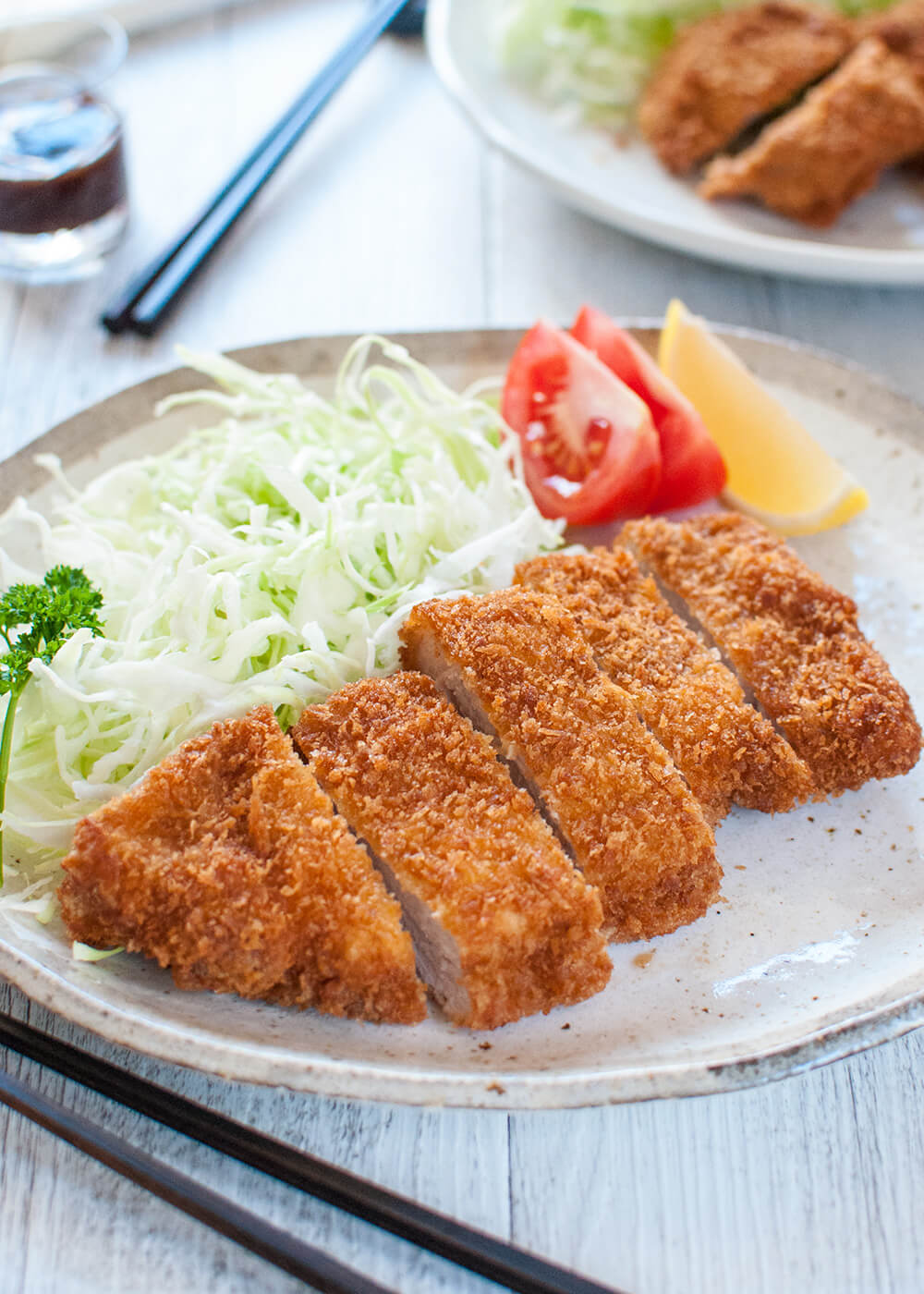
Cultural Role and Popularity of Tonkatsu in Japan
Tonkatsu transcends its status as a mere dish, embedding itself deeply into the fabric of Japanese culinary and social culture. Its evolution from a post-war comfort food to a modern fast-food staple reflects broader economic and societal transformations in Japan. Affordability, accessibility, and adaptability have cemented tonkatsu’s place in daily life, while its presence in media and popular culture underscores its symbolic resonance—representing both nostalgia and contemporary Japanese identity.The dish’s cultural significance is rooted in its ability to adapt to changing economic conditions, particularly during Japan’s rapid industrialization and recovery after World War II. Tonkatsu became a cornerstone of kissaten (Japanese cafés), where it served as an inexpensive yet satisfying meal for workers, students, and families. Its role extended beyond sustenance, becoming a symbol of resilience and shared experience in an era of reconstruction.
Affordability and Accessibility as a Post-War Staple
Tonkatsu’s rise to prominence in the mid-20th century was closely tied to Japan’s post-war economic recovery, where cost-effective, protein-rich foods were essential. The dish’s simplicity—breaded pork cutlet served with rice, miso soup, and cabbage—made it an ideal choice for a population rebuilding from scarcity. Restaurants and kissaten capitalized on its affordability, often offering set meals (teishoku) that included tonkatsu, rice, and side dishes for a fixed price, typically between 300 and 500 yen (approximately $2–$4 USD at the time).The accessibility of tonkatsu was further amplified by its preparation methods, which required minimal specialized equipment. Small family-run eateries and street vendors could serve it efficiently, ensuring widespread availability in urban centers and rural areas alike. This democratization of flavor contributed to tonkatsu’s status as a unifying dish, transcending regional and class boundaries. Even today, tonkatsu remains a budget-friendly option, with many establishments offering lunch specials (kyūshoku) priced under 1,000 yen (approximately $7 USD), reinforcing its role as an everyday comfort food.
Tonkatsu in Kissaten and the Symbolism of Shared Meals
The kissaten culture of the Shōwa era (1926–1989) played a pivotal role in popularizing tonkatsu, transforming it from a casual street food into a social ritual. These cafés, often located near train stations or in bustling commercial districts, became gathering places for students, office workers, and families seeking respite from the demands of urban life. Tonkatsu’s hearty yet unpretentious nature made it a perfect fit for the kissaten menu, where it was frequently paired with tonkatsu sauce, shredded cabbage, and pickles—a combination that balanced richness with freshness.Beyond its culinary appeal, tonkatsu in kissaten embodied the spirit of omotenashi (Japanese hospitality), where the act of sharing a meal fostered community. The dish’s association with warmth and familiarity is evident in its continued presence in modern kissaten, many of which have preserved retro interiors and menus to evoke nostalgia. For instance, chains like Sukiya and Matsuya (both originating as tonkatsu-focused kissaten) have expanded nationally, yet retain the intimate, welcoming atmosphere of their post-war predecessors. This enduring connection highlights tonkatsu’s role not just as food, but as a cultural artifact of Japan’s mid-century social fabric.
Tonkatsu’s influence extends into contemporary Japanese media, where it frequently appears as a symbol of comfort, tradition, or even rebellion. In anime and manga, the dish often represents nostalgia for simpler times or serves as a backdrop for character development. For example:
Anime: In Gintama (2006–2020), tonkatsu is depicted as a beloved street food in Edo-period Japan, blending historical anachronism with modern humor. The character Sakata Gintoki is shown enjoying tonkatsu in a scene that underscores its universal appeal across eras.
Manga: Shōnen Jump series like Yotsuba&! (2003–present) feature tonkatsu as a casual, family-friendly meal, reinforcing its role as a dish for all ages.
Film: The 2017 film Confessions (Kokuhaku) includes a tonkatsu scene that symbolizes the protagonist’s struggle with identity, tying the dish to themes of self-discovery and longing.Beyond entertainment, tonkatsu’s symbolic weight is evident in its use in advertising and marketing. Brands like Kagetsudo (a historic tonkatsu chain) leverage its cultural cachet in campaigns that emphasize heritage and craftsmanship. The dish’s ability to evoke both warmth and modernity makes it a versatile symbol in Japanese popular culture, capable of representing everything from tradition to youthful rebellion.
Cultural Anecdotes and Historical Quotes
The enduring legacy of tonkatsu is encapsulated in the words of cultural figures and historians who have reflected on its impact. One notable anecdote involves Yoshiteru Nakagawa, a food historian and author of The History of Japanese Fast Food, who observed:
"Tonkatsu was not just food; it was a silent participant in Japan’s post-war recovery. When people spoke of it, they weren’t just describing a cutlet—they were recalling the first taste of abundance after years of rationing. Its simplicity made it a mirror of the nation’s resilience."
Another perspective comes from Jiro Ono, the late owner of Sukiyabashi Jiro (famous for its sushi), who, in interviews, praised tonkatsu as a dish that "democratized luxury." His remark highlights how tonkatsu bridged the gap between high-end cuisine and everyday meals, a feat rare in Japanese culinary history. Such testimonials underscore tonkatsu’s role as more than sustenance—it is a cultural touchstone that reflects Japan’s collective memory and aspirations.Serving Styles and Pairings of Tonkatsu
Tonkatsu is not merely a standalone dish but an integral part of Japanese culinary culture, often enjoyed as a complete meal (set meal) that balances flavor, texture, and presentation. Its serving styles reflect regional traditions, economic accessibility, and evolving dining customs, from humble kissaten (coffee shops) to upscale ryōtei (high-end restaurants). Pairings with complementary side dishes (okazu) and beverages enhance the dining experience, reinforcing tonkatsu’s role as both a comfort food and a refined culinary expression.
The presentation of tonkatsu adheres to cultural aesthetics, emphasizing harmony (wa), respect (kei), and purity (sei), while its adaptability allows it to transcend casual and formal settings. Traditional accompaniments—such as tonjiru or shredded cabbage—serve functional and symbolic purposes, reinforcing the dish’s balance of richness and freshness. Meanwhile, modern adaptations in high-end dining introduce artistic plating and gourmet twists, demonstrating tonkatsu’s enduring relevance in contemporary Japanese cuisine.
Traditional Side Dishes (Okazu) Served with Tonkatsu
Tonkatsu is customarily paired with side dishes that counteract its richness, provide nutritional balance, and align with seasonal availability. These okazu vary by region and establishment but often include light, umami-rich, or crisp components to create a cohesive meal. Below are the most iconic pairings, categorized by their role in the dining experience:
-
Shredded Cabbage (Kinpira Gobo or Kinpira Kabu)
A staple in tonkatsu meals, shredded cabbage (kabu) is typically dressed with a tangy dressing of soy sauce, mirin, and sugar, often stir-fried with garlic. Its crisp texture and mild bitterness cut through the fried richness of tonkatsu, while its preparation reflects the washoku principle of contrasting flavors. In some regions, kinpira gobo (braised burdock root) may substitute cabbage, particularly in winter when gobo is in season.
-
Tonkatsu Jiru (Tonkatsu Stew)
A hearty, dashi-based soup featuring thinly sliced pork belly, onions, carrots, and tofu in a light broth, tonjiru is designed to soak up residual katsu sauce and provide a warming contrast. The dish’s simplicity underscores the ichijū-sansai (one soup, three sides) structure of traditional Japanese meals, where tonkatsu serves as the main protein. Variations include adding miso or shiitake mushrooms for depth.
-
Miso Soup with Tofu and Wakame
A ubiquitous accompaniment, miso soup with soft tofu (kinugoshi) and seaweed (wakame) offers umami and a neutral base to balance the meal. Its preparation often mirrors regional miso styles (e.g., red miso in Kanto, white miso in Kansai), subtly influencing the tonkatsu pairing’s flavor profile.
-
Steamed Rice (Gohan)
White rice is the cornerstone of any tonkatsu meal, serving as a neutral canvas to absorb flavors from the pork, katsu sauce, and accompanying dishes. The act of eating tonkatsu with rice—dipping the cutlet into the sauce before placing it on rice—is a cultural ritual (katsu-gohan) that highlights the dish’s comfort-food appeal.
-
Pickled Vegetables (Tsukemono)
Lightly fermented or vinegar-based pickles, such as takuan (pickled daikon radish) or sunomono (cucumber salad), introduce acidity and probiotics to digestively balance the fried meal. Their bright flavors also refresh the palate between bites of tonkatsu.
-
Onion Rings (Ringo)
A modern yet traditional addition, onion rings are typically served with a sweet-and-sour vinegar dip (karashi or ponzu). Their crispy texture and mild sweetness complement tonkatsu’s savory profile, particularly in casual settings like yakiniku (grilled meat) restaurants or tonkatsu-ya chains.
-
Grilled or Simmered Eggplant (Nasu Dengaku)
In some regions, especially Kyoto, tonkatsu is paired with nasu dengaku—eggplant simmered in a sweet miso glaze. This dish embodies the kaiseki influence on tonkatsu pairings, where seasonal vegetables are prepared to highlight natural sweetness.
The selection of okazu reflects the ichijū-sansai principle, where one soup and three sides create a nutritionally complete meal. Tonkatsu’s pairings prioritize contrast—crisp with soft, rich with light, and umami with acidity—to ensure a harmonious dining experience.
Cultural Significance of Tonkatsu Presentation
The presentation of tonkatsu is governed by aesthetic and functional traditions that extend beyond mere visual appeal. Key elements include the use of katsu sauce, plating techniques, and the ritual of eating (katsu-gohan), each carrying cultural weight:
-
Katsu Sauce (Tonkatsu Sauce)
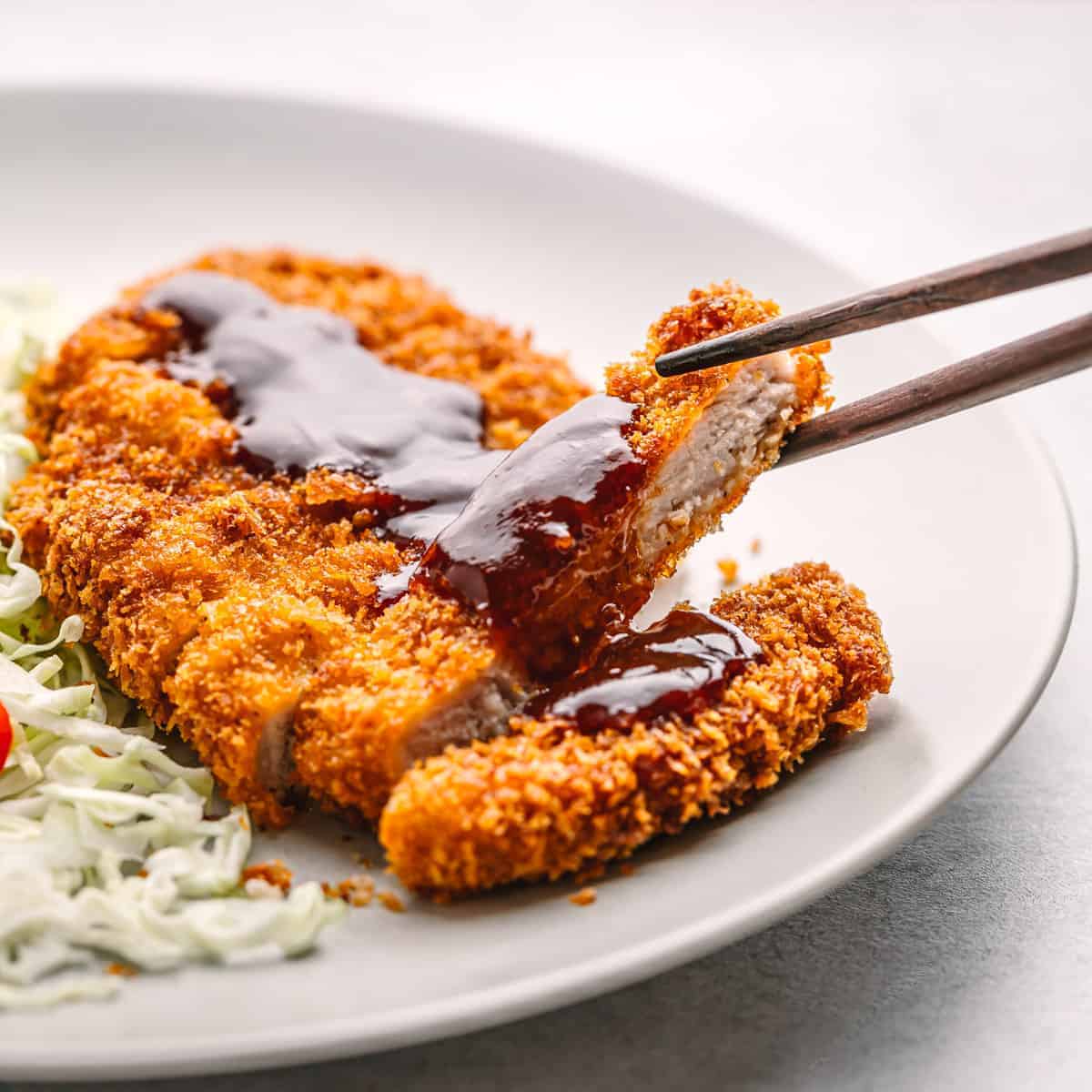
A sweet-and-tangy Worcestershire-based sauce, katsu sauce is applied generously to tonkatsu, symbolizing abundance and indulgence. Its glossy sheen and vibrant color (often red or brown) enhance the dish’s visual appeal, while its sticky texture ensures the pork remains moist. The sauce’s origin traces back to Western influences, yet its adoption into tonkatsu reflects Japan’s ability to localize foreign ingredients into traditional cuisine.
-
Plating and Garnishes
In casual settings, tonkatsu is often served on a wooden or ceramic plate with a side of shredded cabbage and rice, emphasizing simplicity. High-end presentations, however, may feature:
- Artistic arrangements of sauce drizzles or edible flowers.
- Gold leaf or microgreens for luxury dining.
- Deconstructed tonkatsu (e.g., pork cutlet slices with sauce art) in izakaya or kaiseki contexts.
The use of white plates in traditional settings symbolizes purity, while dark plates in modern dining highlight the dish’s richness.
-
Eating Ritual (Katsu-Gohan)
The act of dipping tonkatsu into katsu sauce before placing it on rice is a deliberate cultural practice. This method:
- Prevents the rice from absorbing excess grease.
- Enhances flavor transfer between the sauce and pork.
- Reflects the Japanese preference for balanced bites (aijū), where each mouthful integrates multiple textures and tastes.
In formal settings, chopsticks are used to place the cutlet on rice, while casual diners may eat it directly with hands (teishoku style).
-
Seasonal and Regional Variations
In Hokkaido, tonkatsu may be paired with fukujinzuke (pickled vegetables) and butter to combat cold weather. In Osaka, kushikatsu (deep-fried skewers) often accompany tonkatsu as a shared dish. Kyoto versions might include yudofu (boiled tofu) to align with kaiseki principles.
Tonkatsu’s presentation is a microcosm of wabi-sabi (imperfect beauty) and omotenashi (hospitality). The dish’s simplicity in casual settings contrasts with its refined adaptations in high-end dining, yet both adhere to the core principle of balance—between flavors, textures, and cultural heritage.
Tonkatsu in Casual vs. High-End Settings
Tonkatsu’s versatility allows it to thrive in diverse dining environments, each adapting its preparation, presentation, and pairings to suit the occasion. The following table outlines the key differences between casual eateries (e.g., tonkatsu-ya, kissaten) and high-end restaurants (e.g., ryōtei, kaiseki establishments):
Global Adaptations and Fusion Variations of Tonkatsu
Tonkatsu, a cornerstone of Japanese comfort food, has transcended its national borders through globalization, adaptation, and culinary innovation. Outside Japan, regional ingredient availability, cultural preferences, and fusion trends have reshaped tonkatsu into diverse variations—ranging from spiced adaptations in Latin America to umami-rich hybrids in East Asia. These adaptations often retain the core technique of breading and frying pork cutlet while incorporating local flavors, textures, and presentation styles. Challenges such as sourcing high-quality meat, replicating panko consistency, and balancing authenticity with local tastes further define these global iterations, making tonkatsu a dynamic case study in cross-cultural culinary exchange.The evolution of tonkatsu abroad reflects broader trends in Japanese cuisine, where dishes like ramen, okonomiyaki, and sushi have undergone similar transformations. While traditionalists emphasize preserving the essence of tonkatsu—thinly pounded pork, crispy panko crust, and tonkatsu sauce—global adaptations prioritize accessibility and flavor profiles that resonate with local palates. Below, the adaptations in key regions, fusion recipes, and technical challenges are examined to illustrate how tonkatsu has become a globally adaptable dish while retaining its identity.
Regional Adaptations and Ingredient Substitutions
The adaptation of tonkatsu in different countries is primarily driven by ingredient availability, dietary restrictions, and cultural culinary traditions. In regions where pork is less common or expensive, substitutes such as chicken, beef, or even plant-based proteins have emerged. Additionally, local spices, sauces, and cooking techniques are integrated to create hybrid dishes that appeal to indigenous tastes.United States and Canada
In North America, tonkatsu is often reimagined with a focus on bold flavors and convenience. Pork tenderloin or boneless pork loin replaces traditional katsu cuts due to their accessibility, and the breading may incorporate cornstarch or flour blends to enhance crispiness in high-altitude regions. Tonkatsu sauce is frequently replaced with or complemented by spicy mayo (a fusion of Japanese mayo and chili oil) or tonkatsu gravy (a creamy, slightly sweet sauce with Worcestershire or soy-based umami). Some restaurants serve tonkatsu as part of "Japanese-style fried chicken" menus, where the cutlet is marinated in soy, ginger, and garlic before breading. Brazil
Brazil’s tonkatsu adaptations reflect its Portuguese and Japanese immigrant influences. Known locally as tonkatsu or filé à Osaka, the dish often features pork fillet (filé mignon) or chicken breast due to pork’s higher cost. The breading may include farinha de rosca (Portuguese breadcrumbs) or crushed pão de queijo (cheese bread) for a unique texture. A defining feature is the molho tonkatsu, which sometimes incorporates goiabada (guava paste) or cachaça for a tropical twist. In São Paulo, tonkatsu is frequently paired with farofa (toasted cassava flour) or arroz carreteiro (rice cooked with bacon and eggs), blending Japanese and Brazilian comfort food elements. South Korea
In South Korea, tonkatsu has been absorbed into the broader korean-style fried chicken (양념치킨, yangnyeom-chikin) culture. Known as tonkatsu or pork cutlet rice (돈가스, don-gaseu), the dish often uses pork belly or rib meat, which is marinated in soy sauce, mirin, and garlic before breading. The breading may include potato starch for extra crispiness, and the sauce is frequently replaced with yangnyeom (spicy-sweet sauce) or cheese sauce. Tonkatsu is commonly served as part of a set meal (세트메뉴, set-meun) with rice, kimchi, and pickled vegetables, reflecting Korea’s preference for balanced, hearty dishes. Other Notable Adaptations
Australia/New Zealand: Tonkatsu is often served with Vegemite-infused tonkatsu sauce or paired with avocado salad to cater to local tastes.
India: In cities with Japanese restaurants, tonkatsu may be served with mint chutney or tamarind sauce, and the pork may be substituted with chicken or lamb in vegetarian-friendly versions.
Middle East: In countries like the UAE or Israel, tonkatsu is sometimes adapted with baharat spice blends or served with hummus and tabbouleh for a Mediterranean twist.
Fusion Recipe Example: Spicy Tonkatsu Curry
A popular fusion variation combines tonkatsu with Japanese curry, a dish already well-adapted globally. This iteration replaces the traditional tonkatsu sauce with a spicy, aromatic curry gravy, creating a rich, one-pot meal. Below is a step-by-step breakdown of the preparation, emphasizing technique and flavor balance.Ingredients (Serves 4)
4 boneless pork loin cutlets (150g each), pounded to 1cm thickness
200g panko breadcrumbs
2 eggs, beaten
100g all-purpose flour
1 tsp salt
1 tsp black pepper
Oil for frying (vegetable or canola)
Curry Gravy:
2 tbsp butter
1 large onion, diced
2 carrots, julienned
2 potatoes, cubed
2 cloves garlic, minced
1 tbsp ginger, grated
2 tbsp Japanese curry roux (e.g., S&B Golden Curry)
500ml chicken or vegetable stock
1 tbsp soy sauce
1 tbsp Worcestershire sauce
1 tsp chili flakes (adjust to taste)
1 tbsp honey or sugar (optional, for balance)
Fresh cilantro or parsley for garnishStep-by-Step Preparation 1. Preparation of Pork Cutlets
Pound the pork cutlets to an even 1cm thickness using a meat mallet or rolling pin. Season both sides with salt and pepper.
Set up a breading station with three shallow dishes: one with flour, one with beaten eggs, and one with panko. Lightly coat each cutlet in flour, dip into egg, then press firmly into panko, ensuring full coverage. Rest for 10 minutes to adhere.2. Frying the Tonkatsu
Heat oil in a deep frying pan to 170°C (340°F). Fry the cutlets in batches for 3–4 minutes per side until golden brown and internal temperature reaches 63°C (145°F). Drain on a wire rack to maintain crispiness.3. Preparation of Curry Gravy
In a large pot, melt butter over medium heat. Sauté onions until translucent (5 minutes), then add garlic and ginger, cooking for 2 minutes until fragrant.
Add carrots and potatoes, stirring to coat in butter. Cook for 5 minutes.
Pour in stock, soy sauce, Worcestershire sauce, and chili flakes. Bring to a simmer, then add the curry roux, stirring continuously to dissolve.
Simmer for 15–20 minutes until vegetables are tender. Adjust seasoning with honey or additional soy sauce if needed.4. Assembly and Serving
Place fried tonkatsu cutlets in bowls and ladle hot curry gravy over the top. Garnish with fresh cilantro or parsley.
Serve with steamed rice and a side of pickled daikon or green onions to cut through the richness.Visual Description of the Dish
The spicy tonkatsu curry presents a striking contrast of textures and colors. The tonkatsu cutlets exhibit a deep golden-brown crust, crisp and shattering under slight pressure, with a juicy, pink interior visible at the edges. The curry gravy is a rich, amber hue, speckled with chunks of tender carrot and potato, their edges caramelized from simmering. The sauce has a semi-thick, velvety consistency, clinging to the cutlets and rice, with a froth of melted butter on the surface. Garnishes of bright green cilantro or parsley add a pop of color, while the pickled vegetables on the side introduce a vibrant yellow or white contrast. The plating is rustic yet deliberate, often served in a deep bowl to emphasize the hearty, comforting nature of the dish.
Challenges in Authentic Tonkatsu Preparation Outside Japan
Replicating authentic tonkatsu outside Japan presents several technical and logistical hurdles, particularly in maintaining the
Health and Dietary Considerations in Tonkatsu Consumption
Tonkatsu, a staple of Japanese comfort food, presents a complex nutritional profile influenced by its preparation methods—deep-frying, breading, and meat selection. While rich in protein and flavor, its traditional form is high in calories, saturated fats, and sodium, reflecting broader dietary concerns in fried foods. Modern adaptations and dietary restrictions have prompted innovations such as gluten-free alternatives and plant-based substitutions, addressing health-conscious and specialized consumer needs. This section examines the nutritional breakdown of tonkatsu, its potential health implications, and adaptive variations to accommodate diverse dietary requirements.The health implications of tonkatsu stem from its core components: pork cutlet, wheat-based breading, and frying oil. Deep-frying contributes to elevated saturated fat content, while the breading introduces refined carbohydrates and gluten. Traditional tonkatsu, when consumed in moderation, can be part of a balanced diet due to its protein density, but excessive intake may pose risks such as weight gain, elevated cholesterol, or blood sugar spikes. Modern preparations often mitigate these risks through reduced-fat frying techniques, leaner meat cuts, or alternative coatings. Understanding these trade-offs is essential for both culinary professionals and consumers seeking to integrate tonkatsu into health-oriented diets.
Nutritional Profile of Traditional Tonkatsu
A standard serving of tonkatsu (approximately 150–200g, including breading) provides 350–500 kcal, with 25–35g of fat (primarily saturated) and 20–25g of protein. The breading contributes 15–20g of carbohydrates, largely from wheat flour, while the pork cutlet itself is a lean protein source, though marbling in higher-fat cuts (e.g., pork belly) increases caloric density. Sodium levels can exceed 1,000mg per serving due to seasoning and soy sauce-based tonkatsu sauce, posing concerns for individuals with hypertension or cardiovascular conditions.
Key Nutritional Metrics (Per 150g Serving, Approximate):
Calories: 400 kcal
Fat: 30g (12g saturated)
Protein: 22g
Carbohydrates: 18g
Sodium: 1,200mg
Comparative Nutritional Analysis with Similar Fried Dishes
Tonkatsu shares preparation methods with other fried cutlets, such as Austrian Wiener Schnitzel or American fried chicken, but differs in meat selection, breading thickness, and cooking oil. Below is a comparative table highlighting macronutrient differences per 150g serving:
| Dish |
Calories (kcal) |
Fat (g) |
Saturated Fat (g) |
Protein (g) |
Carbohydrates (g) |
Sodium (mg) |
|---|
| Tonkatsu (Pork) |
400 |
30 |
12 |
22 |
18 |
1,200 |
| Wiener Schnitzel (Veal) |
380 |
28 |
10 |
20 |
15 |
900 |
| Fried Chicken (Dark Meat) |
450 |
32 |
10 |
25 |
20 |
1,500 |
| Chicken Katsu (Chicken) |
350 |
25 |
8 |
24 |
16 |
1,100 |
Observations:
Tonkatsu and fried chicken exhibit higher sodium levels compared to schnitzel, likely due to Japanese seasoning practices.
Chicken katsu generally contains less fat than pork tonkatsu, reflecting the leaner profile of poultry.
Schnitzel’s lower saturated fat content may stem from veal’s natural composition and thinner breading.
Dietary Restrictions and Adaptive Variations
Tonkatsu’s traditional preparation poses challenges for individuals with gluten sensitivities, celiac disease, or vegetarian/vegan diets. However, modern adaptations address these needs while preserving the dish’s essence. The following alternatives are widely adopted in health-conscious and specialized culinary contexts:
-
Gluten-Free Breading:
Substitutes for wheat flour include rice flour, cornstarch, or gluten-free breadcrumbs, ensuring adherence to celiac-safe diets. These alternatives may yield a lighter texture but retain crispiness when fried. Example: A tonkatsu breaded with 70% rice flour and 30% panko achieves a similar crunch with reduced gluten content.
-
Plant-Based Tonkatsu:
Tofu, king oyster mushrooms, or seitan serve as protein-rich bases for vegetarian tonkatsu. Tofu-based versions, when pressed and marinated in soy sauce, mimic the texture of pork when breaded and fried. Mushroom tonkatsu leverages the umami-rich properties of shiitake or enoki, though texture may differ from meat.
-
Reduced-Fat Preparations:
Techniques such as air-frying (reducing oil by 50%) or baking with a thin egg wash lower saturated fat intake. Some establishments offer "light" tonkatsu, using lean pork cuts (e.g., tenderloin) and minimal breading.
-
Low-Sodium Seasoning:
Traditional tonkatsu sauce relies on soy sauce, a high-sodium ingredient. Alternatives include tamari (gluten-free soy sauce with lower sodium) or homemade sauces with reduced salt content, balanced by citrus or vinegar for acidity.
Health Benefits and Risks of Tonkatsu Consumption
While tonkatsu is energy-dense, its nutritional profile offers potential benefits when consumed mindfully. The primary advantages include:
High-Quality Protein: Pork cutlets provide essential amino acids, supporting muscle maintenance and repair.
Iron and Zinc: Pork is a rich source of these minerals, crucial for immune function and metabolism.
Cultural Comfort: Tonkatsu’s association with katsudon (tonkatsu rice bowl) or katsu curry offers a balanced meal when paired with steamed rice and vegetables, diluting the dish’s overall caloric impact.However, risks arise from excessive consumption, particularly in traditional preparations:
Cardiovascular Concerns: High saturated fat and sodium intake may contribute to hypertension or elevated LDL cholesterol, especially in individuals with preexisting conditions.
Weight Management: Regular consumption of fried foods is linked to obesity due to calorie surplus, particularly when paired with high-carbohydrate sides (e.g., tempura or fried rice).
Digestive Issues: The heavy breading and frying process can exacerbate acid reflux or gastrointestinal discomfort in sensitive individuals.
Mitigation Strategies for Healthier Consumption:
Limit tonkatsu to 1–2 servings per week, opting for grilled or baked alternatives on other occasions.
Pair with steamed vegetables or miso soup to balance the meal’s macronutrient profile.
Choose leaner pork cuts (e.g., loin) and request reduced breading at restaurants.
Regional and Modern Preparations: Health Trade-Offs
Regional variations in tonkatsu preparation reflect local dietary habits and health priorities. For instance:
Tokyo-Style Tonkatsu: Often uses thin, crisp breading and lean pork, aligning with urban health trends favoring lighter fried foods.
Osaka-Style Tonkatsu: May incorporate thicker breading and pork belly, prioritizing flavor over nutritional moderation.
Western Adaptations: Some global versions replace pork with chicken or turkey, reducing saturated fat while maintaining protein content.Modern health-focused restaurants in Japan and abroad have introduced "tonkatsu bowls" Tonkatsu stands as a testament to Japan’s culinary ingenuity, where tradition meets adaptability in every bite. From its humble origins as a Western import to its current status as a fast-food icon, the dish encapsulates the nation’s post-war recovery, cultural resilience, and modern innovation. Whether enjoyed with a cold beer in a Tokyo kissaten or reinvented with global spices, tonkatsu continues to captivate palates worldwide, proving that authenticity and creativity can coexist in perfect harmony. Its legacy endures not just as food, but as a cultural narrative—one that invites both curiosity and indulgence.
FAQ
what is tonkatsu sauce?
Q: What ingredients are in tonkatsu sauce?
what is tonkotsu ramen?
Q: What is tonkotsu ramen?
what is tonkotsu?
Q: What does tonkotsu mean?
what is tonkatsu made of?
Q: What is tonkatsu made of?
what is tonkatsu sauce made of?
Q: What is tonkatsu sauce made of?
what is tonkotsu broth?
Q: What is tonkotsu broth?
|
Leave a Comment
Comments are moderated before appearing. The data you submit is processed according to the Privacy Policy of Voltefac.