| Governments and Regulatory Bodies |
Entities enforcing laws (e.g., copyright, patent offices) or setting standards (e.g., antitrust, data
Types of Licensing Models and Their Applications
Licensing models define the legal and commercial terms under which intellectual property (IP) is distributed, used, or monetized. These models vary significantly across industries, influencing innovation, accessibility, and revenue generation. The four primary licensing frameworks—proprietary, open-source, freemium, and commercial—each serve distinct strategic objectives, from exclusivity and control to collaboration and scalability. Understanding their applications, sector-specific adaptations, and evolving dynamics (e.g., subscription vs. perpetual) is critical for businesses navigating IP management, compliance, and market positioning.The selection of a licensing model often aligns with industry norms, regulatory requirements, and business objectives. For instance, software developers may prioritize open-source models to foster community-driven innovation, while pharmaceutical companies rely on proprietary licensing to protect patented formulations. Below, the core models are categorized with industry examples, followed by a comparative analysis of their sectoral variations, revenue implications, and the trade-offs between restrictive and permissive licensing frameworks.
Categorization of Primary Licensing Models
Licensing models are structured to balance IP protection with accessibility, monetization, and compliance. The four primary models—proprietary, open-source, freemium, and commercial—differ in their revenue mechanisms, usage restrictions, and target audiences. Each model is tailored to specific industry needs, such as software development, media distribution, or hardware manufacturing.Key distinctions among the models include:
Proprietary licensing emphasizes exclusivity and control, often tied to high revenue potential but with limited user access.
Open-source licensing prioritizes collaboration and transparency, enabling widespread adoption but requiring careful management of derivative works.
Freemium licensing leverages tiered access to attract users while monetizing premium features, common in digital platforms.
Commercial licensing combines elements of proprietary and open-source models, typically involving direct sales or licensing agreements with defined terms.The following sections detail each model with real-world applications, illustrating how they address industry-specific challenges.
Proprietary Licensing: Exclusivity and Control
Proprietary licensing grants exclusive rights to the IP holder, restricting unauthorized use, modification, or distribution. This model is prevalent in industries where IP is a competitive differentiator, such as enterprise software, proprietary algorithms, or branded pharmaceuticals. The primary objective is to maximize revenue through controlled access, often via paid licenses, subscriptions, or hardware bundling.Characteristics of proprietary licensing:
Restricted usage: Licenses are granted under strict terms, typically prohibiting reverse engineering or redistribution.
High revenue potential: Monetization occurs through one-time purchases, recurring subscriptions, or enterprise agreements.
Limited scalability: Access is often gated to paying customers, reducing market penetration but ensuring premium pricing.
Legal protections: Enforced through patents, copyrights, or trade secrets to prevent infringement.Industry examples:
Software: Adobe Creative Suite (Photoshop, Illustrator) operates under proprietary licensing, requiring paid subscriptions for full functionality.
Pharmaceuticals: Patent-protected drugs (e.g., Pfizer’s COVID-19 vaccine) are licensed exclusively to manufacturers under strict regulatory compliance.
Hardware: Apple’s iOS ecosystem relies on proprietary licensing for its operating system, restricting development to approved devices.
Media: Disney’s proprietary licensing of characters (e.g., Mickey Mouse) for merchandise ensures controlled commercial use.Trade-offs:
While proprietary licensing secures high margins and brand control, it may limit market reach and innovation due to restricted access. Companies must balance exclusivity with strategic partnerships (e.g., OEM agreements) to expand adoption without compromising IP integrity.
Open-Source Licensing: Collaboration and Transparency
Open-source licensing permits free access to IP, often with requirements for sharing modifications or attributing original authors. This model accelerates innovation through community contributions but necessitates careful management of derivative works to maintain compliance. Open-source licenses are categorized into permissive (e.g., MIT, Apache) and copyleft (e.g., GNU GPL), each imposing varying obligations on users.Key features of open-source licensing:
Free distribution: Source code or content is available without direct payment, though support or enterprise features may incur costs.
Community-driven development: Users can modify and redistribute the IP, fostering rapid iteration and specialization.
Dual licensing: Some projects (e.g., MySQL) offer open-source versions alongside proprietary commercial licenses for additional features.
Compliance requirements: Permissive licenses impose minimal restrictions, while copyleft licenses mandate open-source distribution of derivative works.Industry examples:
Software: Linux (GNU GPL) and Android (Apache License) dominate open-source ecosystems, powering servers, smartphones, and IoT devices.
Media: Wikimedia projects (e.g., Wikipedia) use Creative Commons licenses to enable global knowledge sharing.
Hardware: Raspberry Pi’s open-source hardware designs allow third-party manufacturers to produce compatible devices.
Scientific research: Open-access journals (e.g., PLOS) distribute research under Creative Commons licenses to accelerate discovery.Trade-offs:
Open-source models reduce barriers to entry but require robust governance to prevent fragmentation or legal disputes. Companies like Red Hat monetize open-source projects through support, training, or proprietary extensions, demonstrating how to sustain revenue without restrictive licensing.
Freemium Licensing: Tiered Access and Monetization
Freemium licensing offers a basic version of a product for free while charging for premium features, subscriptions, or advanced functionalities. This model is widely adopted in digital platforms (e.g., SaaS, mobile apps, gaming) to acquire users and convert them into paying customers. The success of freemium depends on designing compelling free tiers that demonstrate value while creating clear upgrade paths.Components of freemium licensing:
Free tier: Core functionalities are accessible without cost, often with limitations (e.g., storage, features, or usage caps).
Premium tier: Advanced features, ad removal, or enterprise tools are monetized via subscriptions or one-time purchases.
Conversion strategies: Techniques such as freemium-to-paid upsells, time-limited trials, or feature gating drive revenue.
Data monetization: Some freemium models (e.g., social media platforms) generate revenue through ads or user data analytics.Industry examples:
Software: Slack offers a free tier with limited message history and integrations, while premium plans include advanced security and retention.
Gaming: Fortnite provides free-to-play gameplay with monetization through cosmetic skins and battle passes.
Productivity tools: Notion’s free plan includes basic page creation, while paid plans unlock collaboration and automation features.
Media: Spotify’s free tier includes ads and limited skips, while Premium offers ad-free streaming and offline downloads.Trade-offs:
Freemium models excel at user acquisition but may dilute brand perception if the free tier lacks perceived value. Companies must carefully balance feature parity between tiers to avoid cannibalizing premium sales while ensuring the free version remains attractive.
Commercial Licensing: Hybrid Models and Direct Sales
Commercial licensing blends elements of proprietary and open-source models, typically involving direct sales, licensing agreements, or revenue-sharing arrangements. This model is common in industries where IP is both a product and a service, such as enterprise software, media distribution, or proprietary APIs. Commercial licenses often include customizable terms to accommodate client needs, such as site licenses, volume discounts, or usage-based pricing.Characteristics of commercial licensing:
Direct monetization: Revenue is generated through upfront purchases, subscriptions, or licensing fees rather than ads or open-source contributions.
Customizable terms: Agreements may include clauses for support, training, or exclusive distribution rights.
B2B focus: Common in enterprise solutions where clients require tailored solutions and SLAs (Service Level Agreements).
Hybrid approaches: Some companies (e.g., Elastic) offer open-source versions with commercial licenses for additional features or support.Industry examples:
Software: Microsoft’s commercial licensing for Windows and Office includes volume licensing for enterprises.
Media: Netflix’s commercial licensing of TV shows and movies enables global distribution under revenue-sharing agreements.
Hardware: Qualcomm licenses its patented 5G technology to device manufacturers under negotiated terms.
APIs: Twilio’s commercial API licensing allows developers to integrate communications services while monetizing usage.Trade-offs:
Commercial licensing offers predictable revenue streams but requires significant sales and support infrastructure. Companies must invest in customer success programs to justify premium pricing and maintain competitive differentiation.
Sector-Specific Variations in Licensing Models
Licensing models adapt to industry-specific regulations, business models, and consumer expectations. Below is a comparative analysis of how proprietary, open-source, freemium, and commercial models manifest across four key sectors: software, media, pharmaceuticals, and hardware. The table highlights differences in revenue mechanisms, compliance requirements, and user access.
| Sector |
Licensing Model Dominance |
Key Differences and Examples |
|---|

Legal and Compliance Aspects of Licensing
Licensing agreements serve as legally binding contracts that define the terms under which intellectual property (IP) may be used, distributed, or monetized. Ensuring compliance with these agreements is critical to mitigating legal risks, avoiding costly disputes, and maintaining operational integrity. This section examines the essential legal clauses required in licensing agreements, identifies common compliance pitfalls, and outlines structured verification procedures. Additionally, it explores the intersection of licensing with international legal frameworks to ensure global adherence.The legal framework governing licensing agreements is multifaceted, encompassing contract law, IP rights, and jurisdictional regulations. A well-drafted agreement not only clarifies obligations but also provides recourse mechanisms in case of breaches. Below, the focus shifts to the critical clauses, compliance challenges, verification methodologies, and international considerations that shape licensing practices.
Critical Legal Clauses in Licensing Agreements
Every licensing agreement must include specific clauses to ensure clarity, enforceability, and protection for all parties involved. These clauses address ownership, usage rights, termination conditions, and dispute resolution, among others. Omitting or vaguely defining these elements can lead to ambiguity, litigation, or unintended exposure to legal risks.The following clauses are universally recognized as essential in licensing agreements:
- Grant of License
The clause explicitly defines the scope of rights granted to the licensee, including the type of IP (e.g., patents, copyrights, trademarks) and the permitted uses (e.g., commercial, non-commercial, geographic limitations). It should specify whether the license is exclusive, non-exclusive, or sole, and whether sublicensing is allowed. For example, a software license may restrict the licensee from reverse-engineering the code unless explicitly permitted.
- Ownership of Intellectual Property
This clause clarifies that the licensor retains ownership of the IP, while the licensee gains only the rights specified in the agreement. It may also address improvements or derivative works created by the licensee, determining whether these become the property of the licensor or remain with the licensee. Ambiguity in this clause can lead to disputes over IP ownership, particularly in collaborative projects.
- Term and Termination
The term defines the duration of the license, including renewal options and conditions. Termination clauses outline the circumstances under which the agreement can be terminated, such as breach of contract, non-payment, or expiration. It should also specify notice periods, cure periods (for minor breaches), and the consequences of termination, such as the licensee’s obligation to destroy licensed materials or cease use. For instance, a termination clause may require 30 days’ written notice for material breaches.
- Payment and Royalties
If the license involves financial compensation, this clause details payment schedules, royalty rates, and methods of calculation (e.g., per unit sold, percentage of revenue). It should also address late fees, audit rights for the licensor, and the licensee’s obligation to provide financial reports. Failure to define these terms precisely can result in payment disputes or underpayment.
- Confidentiality and Non-Disclosure
Given the sensitive nature of IP, this clause protects proprietary information shared during negotiations or the license period. It typically prohibits the licensee from disclosing trade secrets, business strategies, or technical details to third parties without prior consent. Violations can lead to injunctions or monetary damages.
- Indemnification
This clause allocates liability between parties for claims arising from IP infringement, breaches of warranty, or third-party claims. For example, if the licensed software infringes on a third party’s patent, the indemnification clause specifies whether the licensor or licensee will bear the legal costs and damages. Without clear indemnification terms, one party may face unexpected financial burdens.
- Governing Law and Jurisdiction
This clause designates the legal system that will govern the interpretation and enforcement of the agreement, as well as the venue for resolving disputes. It often includes a choice-of-law provision (e.g., "This agreement shall be governed by the laws of the State of California") and a forum selection clause (e.g., "Any disputes shall be resolved in the courts of New York"). Ignoring this clause can lead to prolonged litigation in unfavorable jurisdictions.
- Warranties and Limitations of Liability
Warranties may include assurances that the licensor has the right to grant the license, that the IP is free from infringement, or that the licensed product meets certain standards. Limitations of liability cap the licensor’s financial responsibility for indirect damages (e.g., lost profits) and may exclude certain types of harm (e.g., consequential damages). Without these provisions, licensees could pursue excessive claims in the event of product failures.
- Miscellaneous Provisions
This section often includes force majeure clauses (excusing performance due to unforeseen events like natural disasters), assignment restrictions (prohibiting the licensee from transferring rights without consent), and survival clauses (ensuring certain terms, like confidentiality, remain in effect post-termination). These clauses address operational contingencies and long-term obligations.
Common Pitfalls in Licensing Compliance and Mitigation Strategies
Non-compliance with licensing agreements can result in legal action, financial penalties, or reputational damage. Common pitfalls arise from misinterpretation of terms, operational oversights, or failure to adapt to evolving regulatory environments. Structured checklists and proactive monitoring can mitigate these risks by ensuring adherence to contractual obligations and industry standards.The following pitfalls are frequently encountered in licensing compliance, along with strategies to address them:
- Unintended Use of Licensed IP
Licensees may inadvertently exceed the permitted scope of use, such as deploying software in a geographic region not covered by the license or using it for purposes beyond those specified. For example, a license for a medical device software may restrict use to clinical settings, but the licensee could deploy it in a home-care scenario without authorization. Mitigation involves:
- Conducting regular audits to verify compliance with usage restrictions.
- Implementing internal policies that align employee behavior with license terms.
- Using automated tools to monitor IP usage patterns and flag anomalies.
- Failure to Track License Expirations or Renewals
Missed renewal deadlines or expiration of licenses can disrupt operations, particularly in industries reliant on continuous access to IP (e.g., SaaS platforms, pharmaceuticals). A lapse in a critical license may expose the business to legal action from the licensor or third-party claims. Mitigation includes:
- Maintaining a centralized license management system with automated alerts for renewal dates.
- Assigning dedicated personnel to oversee license portfolios and coordinate renewals.
- Documenting all license terms and conditions in a searchable database for quick reference.
- Ignoring Third-Party IP Risks
Licensees may inadvertently infringe on third-party IP rights while using licensed materials, particularly if the licensor’s IP is built upon open-source components or prior art. For instance, a software licensee could unknowingly violate a patent held by a competitor if the licensed code incorporates a patented algorithm. Mitigation requires:
- Conducting thorough IP due diligence before entering into licensing agreements.
- Engaging legal counsel to review the licensor’s IP portfolio for potential conflicts.
- Including indemnification clauses that shift liability to the licensor for third-party claims.
- Non-Compliance with Reporting or Audit Requirements
Many licensing agreements require licensees to submit periodic reports (e.g., sales data, usage metrics) or allow the licensor to conduct audits. Failure to comply can trigger termination or financial penalties. For example, a publisher may audit a book distributor’s sales records to verify royalty payments. Mitigation involves:
- Integrating reporting systems with license terms to automate data submission.
- Designating a compliance officer to oversee audit requests and respond promptly.
- Maintaining accurate records of all transactions related to the licensed IP.
- Overlooking International Compliance Obligations
Licensing agreements involving cross-border transactions must comply with multiple jurisdictions’ laws, including export controls, data privacy regulations (e.g., GDPR), and IP-specific treaties. For instance, licensing software to a country under U.S. export controls (e.g., Iran, North Korea) may require compliance with the International Traffic in Arms Regulations (ITAR). Mitigation includes:
- Consulting with legal experts specializing in international IP law.
- Including jurisdiction-specific clauses in agreements to address local requirements.
- Monitoring changes in international trade and IP laws that may impact the license.
- Lack of Clear Documentation and Version Control
Disorganized documentation can lead
Licensing in Software Development and Open-Source Ecosystems
Open-source software (OSS) development thrives on collaboration, transparency, and shared innovation, but its success depends on well-defined licensing frameworks that balance accessibility with legal protection. Licensing in this context serves as the legal backbone of OSS projects, ensuring contributors retain rights over their work while fostering widespread adoption and modification. The interplay between permissive and restrictive licenses determines how software can be used, redistributed, or built upon, directly influencing project sustainability and ecosystem growth. This section explores the role of licensing in OSS, the technical implications of license compatibility, the strategic selection of licenses for new projects, and the complexities of dual-licensing models adopted by industry leaders.
Role of Licensing in Open-Source Collaboration and Rights Protection
Licensing in open-source software establishes the terms under which code, documentation, and other project assets may be accessed, modified, and distributed. It achieves two critical objectives: protecting contributors’ intellectual property and facilitating community-driven development. By defining permissible uses—such as commercial redistribution, sublicensing, or patent grants—licenses ensure contributors are credited and compensated (where applicable) while allowing others to innovate without legal barriers.The copyleft principle, embedded in licenses like the GNU General Public License (GPL), enforces derivative works to remain open-source, preserving the collaborative nature of the project. Conversely, permissive licenses (e.g., MIT, Apache 2.0) impose minimal restrictions, enabling integration into proprietary systems without mandating reciprocity. This duality allows OSS to serve diverse needs, from community-driven tools to enterprise-grade solutions.
Open-source licensing is not merely a legal formality but a social contract between contributors and users, governing trust, attribution, and the sustainability of the project.
The Open Source Initiative (OSI) and Free Software Foundation (FSF) classify licenses based on their permissiveness, ensuring alignment with open-source principles. However, the choice of license also reflects the project’s goals: maximizing adoption (permissive) or preserving freedom (copyleft). For example, Linux’s GPLv2 ensures kernel modifications remain open, while Node.js’s MIT License prioritizes ease of integration into closed-source applications.
License Compatibility and Its Technical Impact on Software Projects
License compatibility determines whether multiple open-source components can coexist in a single project without violating legal obligations. Incompatible licenses may force developers to restructure code, use wrapper libraries, or abandon certain dependencies—introducing technical debt and fragmentation. The GPL’s strong copyleft requires entire projects incorporating GPL-licensed code to also be open-sourced, creating conflicts with permissive or proprietary licenses. Conversely, Apache 2.0 and MIT are widely compatible due to their minimal restrictions, making them preferred choices for modular or mixed-licensed projects.Below is a comparative analysis of major open-source licenses by permissiveness, compatibility, and typical use cases:
| License Type |
Permissiveness Level |
Key Compatibility Notes |
Common Use Cases |
|---|
| MIT License |
High (Permissive) |
Compatible with all OSI-approved licenses. No copyleft obligations; can be used in proprietary software. |
Libraries (e.g., React, jQuery), tools, and projects requiring broad adoption. |
| Apache License 2.0 |
High (Permissive) |
Compatible with most licenses, including GPL (with patent grants). Requires attribution and license inclusion. |
Enterprise software (e.g., Hadoop, Kubernetes), cloud services, and projects needing patent protection. |
| GNU GPLv3 |
Low (Strong Copyleft) |
Incompatible with permissive licenses unless entire project is GPLv3. Requires source availability for derivatives. |
Operating systems (Linux), databases (MariaDB), and projects prioritizing user freedom. |
| Mozilla Public License (MPL 2.0) |
Moderate (Weak Copyleft) |
File-level copyleft: Only modified files must be open-sourced. Compatible with GPL but not with strong copyleft in all cases. |
Mozilla Firefox, libraries where partial openness is acceptable. |
| AGPLv3 |
Low (Strong Copyleft for Network Use) |
Extends GPL to SaaS applications (e.g., web services must release modified source). Incompatible with permissive licenses. |
Cloud-based tools (e.g., Nextcloud), projects requiring network transparency. |
Technical Challenges Arising from Incompatibility:
- Dynamic Linking Issues: Linking a GPL-licensed library with a proprietary application may trigger GPL obligations, as courts (e.g., Symphony v. Halo) have interpreted this broadly.
- Dependency Management: Tools like FOSSA or Black Duck scan for license conflicts during CI/CD, but manual audits remain critical for complex projects.
- Forking and Fragmentation: Incompatible licenses (e.g., GPL vs. BSD) can lead to project forks, as seen with PostgreSQL (originally BSD) and MySQL (dual-licensed).
Selecting a License for a New Software Project
The choice of license for a new project involves balancing legal protection, community alignment, and business objectives. Below are the key factors to evaluate, structured by priority:
A poorly chosen license can stifle adoption, increase legal risks, or limit monetization strategies—making early deliberation critical.
1. Project Goals and Audience
Open-source projects must align their licenses with their intended impact:
- Community Tools (e.g., utilities, libraries) often favor MIT/Apache 2.0 for maximum adoption.
- Mission-Critical Infrastructure (e.g., databases, OS kernels) may use GPL/AGPL to enforce openness.
- Hybrid Models (e.g., Elastic License) combine open-source with proprietary extensions for revenue.
2. Legal and Compliance Risks
- Patent Exposure: Licenses like Apache 2.0 include explicit patent grants, reducing litigation risks (e.g., Google’s use in Android).
- Jurisdictional Variations: Some licenses (e.g., GPLv3) include anti-circumvention clauses that may conflict with local laws (e.g., DMCA in the U.S.).
- Contributor Agreements (CLAs): Projects like Linux use CLAs to manage patent risks, while others (e.g., Apache) rely on license terms.
3. Community Adoption and Ecosystem Fit
- License Popularity: The OSI’s annual survey shows MIT (37%) and Apache 2.0 (29%) dominate, while GPL (12%) is less common due to copyleft concerns.
- Dependency Compatibility: Check if the license aligns with existing dependencies (e.g., avoiding GPL in a project using MIT-licensed tools).
- Corporate Contributions: Enterprises (e.g., Microsoft, IBM) prefer permissive licenses for internal use, influencing project sustainability.
4. Monetization Strategies
- Dual-Licensing: Offers proprietary licenses alongside open-source (e.g., MySQL, Redis), but requires careful enforcement.
- Sponsorship Models: Projects like Vercel (MIT-licensed) rely on cloud services, while GPL projects (e.g., Blender) use donations.
- Service Wrapping: Companies like Red Hat monetize GPL software (e.g., RHEL) by bundling support and proprietary tools.
Step-by-Step License Selection Process:
1. Define Scope: Identify whether the project is a library, application, or infrastructure component.
2. Assess Dependencies: Audit existing licenses to avoid conflicts.
3. Consult Legal: Engage counsel to review patent, export
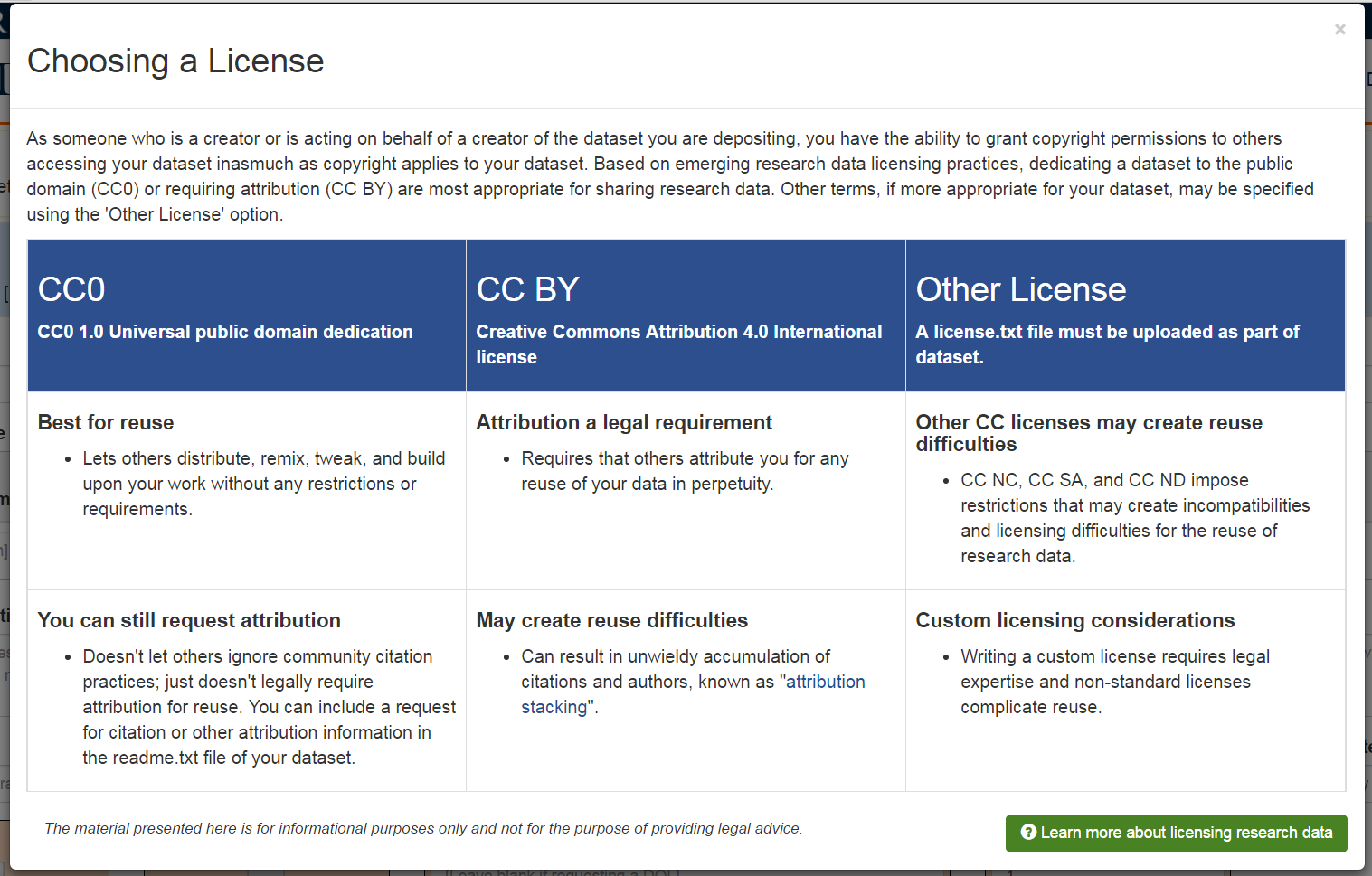
Licensing Strategies for Businesses and Content Creators
Licensing strategies serve as the foundation for monetizing intellectual property (IP) while balancing risk, scalability, and revenue potential. Businesses and content creators must align their licensing approaches with market demands, competitive positioning, and long-term growth objectives. The choice between exclusive and non-exclusive licensing, for instance, directly impacts revenue streams, brand control, and operational flexibility. For content creators—such as artists, writers, or developers—crafting a licensing agreement requires clarity on usage rights, compensation structures, and enforcement mechanisms. Meanwhile, startups and established enterprises adopt distinct tactical approaches due to differences in resource availability, IP portfolios, and strategic priorities. Below, structured frameworks and actionable templates provide clarity on implementation.
Framework for Choosing Between Exclusive and Non-Exclusive Licensing
The decision between exclusive and non-exclusive licensing hinges on revenue maximization vs. market penetration, brand control vs. scalability, and long-term partnerships vs. short-term gains. Exclusive licensing grants a single entity sole rights to use the IP within a defined scope, often yielding higher royalties but limiting market reach. Non-exclusive licensing allows multiple parties to leverage the IP simultaneously, broadening adoption but typically reducing per-license revenue. The choice depends on the IP’s strategic value, industry norms, and the licensor’s capacity to enforce agreements.Key considerations for selection:
- Exclusive Licensing
- Pros:
- Higher revenue potential per licensee due to monopolistic control.
- Stronger incentive for the licensee to invest in marketing or development (e.g., proprietary software tools, branded merchandise).
- Simplified enforcement, as conflicts are limited to the single licensee.
- Cons:
- Risk of underutilization if the licensee fails to capitalize on the IP.
- Loss of revenue from alternative markets or licensees.
- Potential reputational damage if the licensee misuses the IP (e.g., unethical practices).
- Ideal for: High-value IP (e.g., patents, blockbuster franchises), industries with strong brand loyalty (e.g., luxury goods, entertainment), or when the licensor lacks resources to manage multiple relationships.
- Non-Exclusive Licensing
- Pros:
- Wider market adoption and revenue diversification through multiple licensees.
- Reduced risk of dependency on a single partner.
- Faster monetization in competitive markets (e.g., open-source software, generic pharmaceuticals).
- Cons:
- Lower per-license revenue due to competition among licensees.
- Increased administrative burden in managing multiple agreements.
- Potential dilution of brand value if licensees apply inconsistent standards.
- Ideal for: Commoditized IP (e.g., standard algorithms, generic designs), industries with rapid innovation cycles (e.g., tech startups, media), or when the goal is to establish industry standards.
Decision Matrix for Licensors:
To determine the optimal strategy, licensors should evaluate:
1. IP Valuation: Is the IP a unique differentiator (exclusive) or a commodity (non-exclusive)?
2. Market Demand: Are there multiple potential licensees willing to pay premiums (exclusive) or a large but price-sensitive audience (non-exclusive)?
3. Enforcement Capacity: Can the licensor monitor and enforce compliance across multiple parties (non-exclusive) or is centralized control feasible (exclusive)?
4. Strategic Alignment: Does the licensee’s business model complement the licensor’s goals (e.g., a tech company licensing a patent to a hardware manufacturer)?
Actionable Steps for Content Creators to Draft Licensing Agreements
Content creators—whether independent artists, writers, or developers—must design licensing agreements that protect their IP while aligning with monetization goals. A well-structured agreement clarifies usage rights, compensation, and termination clauses, reducing disputes and maximizing earnings. Below are steps to draft a robust agreement, tailored to different revenue models (e.g., one-time sales, royalties, or subscription-based).Step 1: Define Scope of Rights
Specify the exact permissions granted to the licensee, avoiding vague language that could lead to misuse. Use SMART criteria (Specific, Measurable, Achievable, Relevant, Time-bound) for clarity.
- Examples of rights to include:
- Territorial limits: Global, regional (e.g., EMEA), or country-specific.
- Medium restrictions: Digital-only, print, merchandise, or multimedia adaptations.
- Duration: Fixed term (e.g., 5 years) or perpetual with renewal options.
- Modification rights: Whether the licensee can alter the work (e.g., translations, remasters).
- Red flags to avoid:
- Granting "all rights" without exclusivity clauses.
- Omitting restrictions on derivative works (e.g., fan fiction, spin-offs).
Step 2: Establish Compensation Structures
Align payment terms with the creator’s revenue priorities. Common models include:
- Flat fee: One-time payment for a defined scope (e.g., $5,000 for a book cover illustration).
- Royalties: Percentage of sales (e.g., 10% of net revenue from licensed merchandise).
- Revenue share: Profit-based split (e.g., 30% of gross margins from a licensed app).
- Hybrid models: Combining upfront fees with ongoing royalties (e.g., a game developer pays $20,000 upfront + 5% of in-game sales).
Pro Tip: For high-value IP, include minimum guarantee clauses (e.g., "Licensee shall pay at least $X annually, regardless of usage") to ensure baseline income.
Step 3: Enforce Quality and Brand Standards
Protect the creator’s reputation by including quality control clauses that require:
- Approval of adaptations (e.g., script changes for a licensed character).
- Compliance with ethical standards (e.g., no offensive representations).
- Regular audits for unauthorized uses (e.g., tracking digital piracy or bootleg merchandise).
Step 4: Outline Termination Conditions
Define circumstances under which the license can be revoked, such as:
- Breach of contract: Non-payment, misuse, or failure to meet performance benchmarks.
- Expiration: Automatic termination at the end of the term unless renewed.
- Creator’s right to reclaim: If the licensee abandons the project or violates exclusivity.
Step 5: Include Dispute Resolution and Jurisdiction
- Specify mediation/arbitration as the first step before litigation.
- Designate a jurisdiction favorable to the creator (e.g., courts in their home country).
- Require binding arbitration to avoid prolonged legal battles.
Template Clause for Termination:
"Either party may terminate this agreement with 90 days’ written notice for material breach. Upon termination, the Licensee shall cease all use of the Licensed Material and return or destroy all copies. The Licensor retains all rights not expressly granted herein."
Comparative Licensing Strategies: Startups vs. Established Enterprises
Startups and established enterprises adopt divergent licensing strategies due to differences in IP maturity, financial resources, and strategic objectives. Below is a comparative analysis of tactical approaches, highlighting trade-offs and industry-specific examples.Key Tactical Differences:
| Factor | Startups | Established Enterprises |
|---|
| IP Portfolio | Often limited to proprietary software, trademarks, or early-stage patents. | Diverse portfolio (patents, copyrights, trade secrets, franchises). |
| Revenue Priorities | Focus on liquidity and validation (e.g., licensing to raise capital). | Prioritize long-term revenue streams (e.g., recurring royalties from franchises). |
| Risk Appetite | High tolerance for non-exclusive licensing to attract partners quickly. | Prefer exclusive deals to protect market dominance (e.g., Disney’s franchise deals). |
| Enforcement Capacity | Limited resources; rely on standardized agreements (e.g., open-source licenses). | Dedicated legal/IP teams; enforce strict compliance (e.g., Apple’s App Store policies). |
| Partner Selection | Target complementary startups (e.g., a SaaS tool licensing a startup’s API). | Seek strategic alliances (e.g., a car manufacturer licensing autonomous tech). |
| Pricing Strategy | Low-cost or free licensing to drive adoption (e.g., MIT License for open-source). | Premium pricing for exclusive rights (e.g., pharmaceutical patents to Gilead). |
| Scalability Focus | Prioritize quick wins (e.g., licensing to a single large client). | Optimize for global scalability (e.g., Netflix’s multi-territory content deals). |
Industry-Specific Examples:
- Tech
Emerging Trends and Future of Licensing
The licensing landscape is undergoing rapid transformation due to technological advancements, shifting regulatory environments, and evolving business models. Blockchain, artificial intelligence (AI), and software-as-a-service (SaaS) innovations are redefining how intellectual property (IP) is managed, distributed, and monetized. These developments introduce new challenges in ownership, compliance, and automation, necessitating adaptive licensing frameworks. Governments and industry consortia are increasingly stepping in to standardize practices, particularly in high-stakes sectors like AI and biotechnology, where ethical and legal ambiguities persist.The convergence of decentralized technologies, AI-driven content creation, and subscription-based licensing models is reshaping traditional IP ecosystems. Below are key trends and their implications for businesses, creators, and regulatory bodies.
Blockchain and Smart Contracts in Licensing Automation
Blockchain technology and smart contracts are automating licensing agreements by eliminating intermediaries, reducing fraud, and ensuring transparency. These systems execute self-enforcing contracts when predefined conditions are met, such as payment milestones or usage thresholds. In the realm of non-fungible tokens (NFTs) and digital assets, blockchain-based licensing enables fractional ownership, dynamic royalties, and immutable proof of authenticity.Key applications include: -
Automated Royalty Distribution:
Smart contracts on platforms like Ethereum or Polygon automatically distribute royalties to creators, collectors, and secondary market participants upon resale. For example, artists using NFT marketplaces like OpenSea or Rarible can embed licensing terms (e.g., 10% royalty on resales) directly into the token’s metadata, enforced without manual intervention.
-
Dynamic Licensing for Media and Entertainment:
Blockchain enables time-bound or usage-based licenses for digital content. A film studio could issue a smart contract granting a streaming platform temporary rights to distribute a movie in a specific region, with automatic revocation if piracy is detected via blockchain audits.
-
Supply Chain and IP Tracking:
Industries like pharmaceuticals and luxury goods use blockchain to verify licensing compliance for counterfeit prevention. For instance, LVMH’s AURA platform tracks the provenance of luxury items, ensuring licensed manufacturers adhere to authenticity standards.
-
Decentralized Autonomous Organizations (DAOs) for Collective Licensing:
DAOs allow communities to govern licensing terms collaboratively. Projects like IPFS (InterPlanetary File System) combined with Filecoin enable decentralized storage with built-in licensing clauses, where users vote on usage policies for shared content.
Blockchain’s impact on licensing extends beyond automation—it introduces programmable scarcity and trustless verification, reducing reliance on centralized authorities. However, scalability, regulatory recognition, and legal enforceability remain critical hurdles.
AI-Generated Content and Licensing Norms
The proliferation of AI tools—such as generative models (e.g., MidJourney, Stable Diffusion) and large language models (e.g., GPT-4)—has introduced complex questions about authorship, derivative works, and licensing jurisdiction. Traditional copyright frameworks, which assume human creativity, struggle to classify AI outputs, leading to legal ambiguities and industry fragmentation.Key challenges and adaptations include: -
Ownership Disputes and "AI Wash":
Courts in the U.S. (e.g., Thaler v. Perlmutter, 2022) have ruled that AI cannot hold copyrights, but disputes persist over who owns outputs: the user, the AI developer, or the training data contributors. Companies like Stability AI face lawsuits from artists claiming their work was used to train models without consent.
-
Derivative Works and Training Data Licenses:
AI models often rely on datasets licensed under permissive terms (e.g., Creative Commons CC-BY or CC0). However, derivative works created by AI may inadvertently violate fair use or transformative use doctrines. For example, an AI-generated novel based on public domain texts could infringe if it replicates copyrighted elements (e.g., character designs).
-
Emerging Licensing Models for AI Outputs:
Platforms are adopting dual licensing or AI-specific clauses to clarify usage rights. Adobe’s Firefly model, for instance, requires users to agree that their prompts and outputs are licensed under CC-BY, while Microsoft’s Copilot integrates enterprise licensing to govern AI-generated content in corporate environments.
-
Regulatory Proposals and Standardization:
The EU AI Act (2024) proposes stricter rules on AI training data, requiring transparency in licensing agreements. Similarly, the U.S. Copyright Office has signaled interest in updating guidelines for AI-generated works, potentially introducing machine-readable licensing metadata to streamline compliance.
AI-generated content is forcing a reevaluation of moral rights and collective bargaining for digital creators. Industry consortia, such as the Content Authenticity Initiative (CAI), are developing standards to embed licensing provenance into AI outputs, though adoption remains voluntary.
The License-as-a-Service (LaaS) model integrates licensing management directly into SaaS platforms, offering businesses scalable, compliance-ready solutions without manual oversight. This shift aligns with the as-a-service trend, where licensing becomes an embedded feature of software delivery. Key drivers include the need for real-time compliance tracking, multi-tenant licensing, and automated audits.Core components and use cases include: -
Embedded Licensing in Cloud Services:
Platforms like AWS, Salesforce, and Figma use LaaS to enforce usage-based licenses (e.g., per-user, per-seat, or API call limits). For example, Figma’s Team and Enterprise plans dynamically adjust access rights based on subscription tiers, with automated alerts for overages.
-
Compliance Automation for End-Users:
LaaS tools (e.g., Flexera, Snow Software) integrate with SaaS applications to monitor license entitlements, detect unauthorized usage, and generate compliance reports. This reduces the burden on IT teams, particularly in enterprises with complex, multi-vendor ecosystems.
-
Subscription Flexibility and Metered Billing:
LaaS enables pay-as-you-go licensing, where users pay only for active features. For instance, GitHub’s Copilot offers tiered access (free for individuals, enterprise-grade for businesses) with embedded license checks to prevent abuse.
-
Cross-Platform Licensing Sync:
Unified LaaS dashboards (e.g., Microsoft Azure Active Directory) synchronize licenses across devices and applications, ensuring consistent access control. This is critical for Bring Your Own Device (BYOD) policies in hybrid work environments.
LaaS reduces license sprawl and shadow IT by centralizing governance, though it requires robust identity management and audit trails to prevent revenue leakage. The model is particularly advantageous for SMBs lacking dedicated licensing teams.
Government and Regulatory Standardization in Emerging Technologies
Governments and international bodies are increasingly intervening to standardize licensing frameworks for AI, biotechnology, and quantum computing, where ethical and legal risks are high. These efforts aim to balance innovation with intellectual property protection, data privacy, and public safety. Key initiatives include:
-
AI-Specific Licensing Guidelines:
The European Commission’s AI Act mandates that high-risk AI systems (e.g., medical diagnostics) must comply with transparency requirements, including clear licensing disclosures for training data. Similarly, the U.S. National Institute of Standards and Technology (NIST) is developing AI licensing playbooks for federal agencies.
-
Biotechnology and Genetic Data Licensing:
Advances in CRISPR and synthetic biology have led to debates over gene patenting and biological material licensing. The WHO’s Pandemic Treaty (2024) proposes global standards for licensing vaccine and therapeutic IP, particularly in low-income countries, to prevent monopolistic pricing.
-
Quantum Computing and Cryptographic Licenses:
Quantum-resistant algorithms (e.g., NIST’s post-quantum cryptography standards) require updated licensing for encryption software. Governments like China and the U.S. are
Licensing remains a dynamic intersection of legal precision, technological adaptation, and strategic foresight, evolving alongside the assets it governs. From the rigid frameworks of proprietary software to the collaborative ethos of open-source initiatives, its models reflect broader societal values—whether prioritizing exclusivity, accessibility, or revenue optimization. As industries embrace automation through smart contracts and grapple with AI-generated content’s legal ambiguities, the role of licensing will only expand in defining ownership, usage rights, and ethical boundaries. For businesses and creators alike, mastering these principles is not merely compliance but a competitive advantage in an era where intellectual property is both a shield and a catalyst for innovation.
FAQ
What does licensing mean in the context of business?
Licensing in business is a legal agreement where one party (the licensor) grants another (the licensee) the rights to use intellectual property—such as patents, trademarks, or copyrights—for a fee or royalty. It allows companies to expand their reach without developing products themselves, while the original owner retains control and earns revenue. Common examples include software licenses, franchise agreements, or brand licensing deals.
What is a licensing authority, and what does it do?
A licensing authority is a government agency or regulatory body responsible for issuing permits, certifications, or licenses to individuals or businesses to ensure compliance with laws, safety standards, or professional requirements. These authorities enforce regulations in sectors like healthcare, construction, or transportation, often requiring applicants to meet specific qualifications or pass exams before granting approval.
What does it mean to license a product?
Licensing a product involves granting a third party the legal right to manufacture, distribute, or sell a product under the owner’s intellectual property (e.g., a patented design, trademark, or brand name). The product owner (licensor) typically receives royalties or upfront payments, while the licensee handles production and marketing. Examples include licensed toys (e.g., Disney characters) or branded electronics.
How does licensing work in international business?
In international business, licensing allows a company (licensor) to authorize foreign firms (licensees) to produce and sell its products or use its IP in exchange for fees, often avoiding trade barriers or high setup costs. It’s common in industries like technology, fashion, or food (e.g., McDonald’s franchises or software distribution), but contracts must address legal differences, currency, and enforcement across borders.
What are licensing fees, and how do they work?
Licensing fees are payments made by a licensee to a licensor for the right to use intellectual property, typically structured as upfront lump sums, ongoing royalties (a percentage of sales), or a combination of both. Fees vary by industry, with royalties often tied to revenue (e.g., 5–10% for patents) or fixed costs for simpler agreements like software use. The terms are negotiated in the licensing contract.
How much does a car licensing fee cost?
Car licensing fees vary by country and region. In the U.S., fees typically range from $20–$100 annually for standard registration, plus taxes and title fees (e.g., $50–$200 in California). In the UK, the "road tax" (Vehicle Excise Duty) costs £180–£2,500+ per year, depending on the car’s emissions and type. Always check local DMV or transport authority websites for exact rates.
|

Leave a Comment
Comments are moderated before appearing. The data you submit is processed according to the Privacy Policy of Voltefac.