What Is A Management Consultant And Their Strategic Impact
Table of Contents
- The Core Definition and Role of a Management Consultant
- Fundamental Responsibilities of Management Consultants
- Comparison of Management Consulting with Operational and IT Consulting
- Industries with High Demand for Management Consultants
- Key Skills and Competencies Required for Management Consultants
- Top 5 Technical and Soft Skills for Consultants
- Emotional Intelligence and Adaptability in Dynamic Environments
- Structuring a Consultant Skills Matrix
- Common Consulting Methodologies and Frameworks
- McKinsey 3-Horizon Growth Model
- BCG’s Growth-Share Matrix
- PESTLE Analysis: Step-by-Step Application
- Agile Consulting Approach: Phases and Tools
- Limitations of Traditional Waterfall Methodologies
- Consulting Engagement Lifecycle: From Pitch to Implementation
- Stages of a Typical Consulting Project
- Timeline of Critical Milestones in a 6-Month Engagement
- Structuring a Statement of Work (SOW) Document
- Tools and Technologies in Modern Consulting
- Software Tools Widely Used in Consulting
- AI-Driven Tools in Due Diligence and Competitive Intelligence
- Workflow: Leveraging Power BI for Executive Dashboards
- Challenges and Ethical Considerations in Consulting
- Ethical Dilemmas and Hypothetical Scenarios in Consulting
- Framework for Assessing Client Readiness for Change
- Challenges in Emerging Markets vs. Mature Economies
- FAQ
- What is the average salary for a management consultant?
- What does a management consultant actually do on a day-to-day basis?
- What is the role of a management consultant at Accenture?
- What is a typical job description for a management consultant?
- What kind of companies hire management consultants?
- What are the main responsibilities of a management consultant job?
Management consultants serve as strategic partners to organizations, offering expert problem-solving and actionable insights to drive performance and innovation. Unlike traditional business roles, their external perspective and specialized methodologies enable them to diagnose inefficiencies, optimize operations, and align strategies with long-term growth objectives. From healthcare and finance to retail and technology, their influence spans industries where adaptability and data-driven decision-making are critical. This exploration delves into their core responsibilities, essential competencies, and the frameworks that underpin their transformative work.
The role of a management consultant extends beyond tactical advice, blending analytical rigor with leadership to address complex business challenges. Their ability to navigate ambiguity, balance stakeholder interests, and implement sustainable solutions distinguishes them from operational or technical specialists. By leveraging structured methodologies—such as Agile sprints or PESTLE analysis—they translate raw data into strategic roadmaps, ensuring clients achieve measurable outcomes. Understanding their scope, tools, and ethical considerations is essential for organizations seeking to harness their full potential.
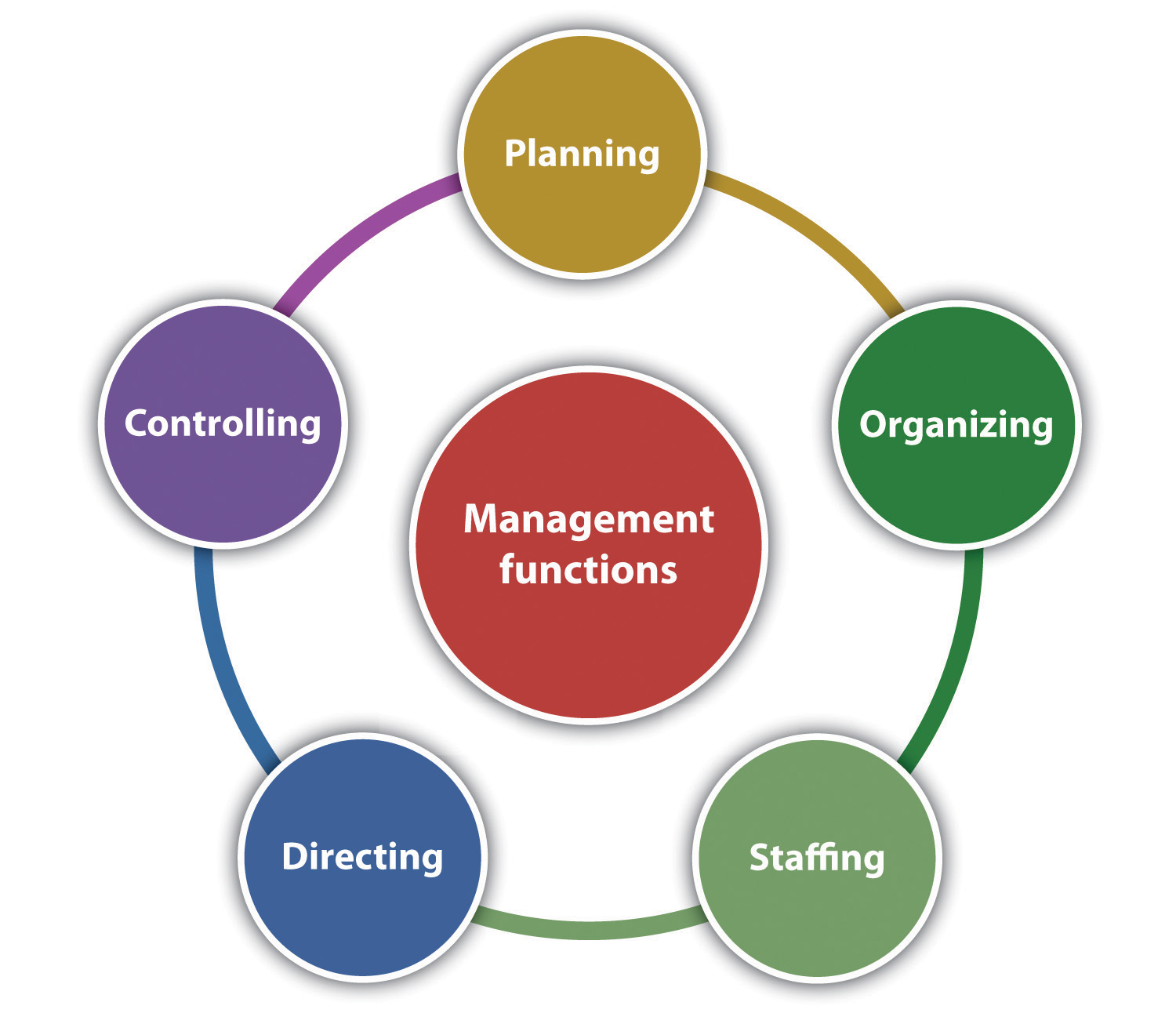
The Core Definition and Role of a Management Consultant
Management consultants serve as external advisors who partner with organizations to diagnose business challenges, design actionable solutions, and implement strategic improvements. Their role extends beyond mere advisory—consultants leverage structured methodologies, industry expertise, and data-driven insights to enhance operational efficiency, optimize performance, and drive sustainable growth. Unlike internal executives or managers, consultants operate with a neutral, objective perspective, free from organizational biases, and focus on delivering measurable outcomes within defined scopes of authority.The distinction between management consultants and other business professionals lies in their temporary, project-based engagement and cross-functional expertise. While executives and managers oversee day-to-day operations and long-term vision within a single organization, consultants provide specialized, short-term interventions across multiple industries. Their authority is derived from their analytical rigor, external credibility, and ability to challenge conventional thinking—rather than hierarchical position or tenure.
Fundamental Responsibilities of Management Consultants
Management consultants fulfill a triad of critical responsibilities: problem identification, solution design, and change facilitation. Their work is structured around a problem-solving framework that includes:- Diagnostic Analysis: Consultants conduct deep-dive assessments of organizational inefficiencies, market gaps, or strategic misalignments using tools like SWOT analysis, benchmarking, or process mapping. For example, a retail client may engage consultants to analyze supply chain bottlenecks causing delays, while a healthcare provider might seek insights into patient flow optimization.
A key differentiator is their focus on outcomes over processes. Unlike operational consultants (who refine existing workflows) or IT consultants (who optimize technology systems), management consultants prioritize high-level strategic alignment—addressing "why" and "what" before "how."
Comparison of Management Consulting with Operational and IT Consulting
The objectives of management consulting diverge significantly from those of operational or IT consulting, as outlined below:| Aspect | Management Consulting | Operational Consulting | IT Consulting |
|---|---|---|---|
| Primary Focus | Strategic alignment, organizational design, and long-term growth. | Process optimization, efficiency improvements, and cost reduction. | Technology integration, system architecture, and digital innovation. |
| Key Deliverables |
|
|
|
| Authority Scope | Advisory; no direct operational control. | Tactical; may influence process redesign. | Technical; limited to IT infrastructure. |
| Industry Relevance | Cross-industry (e.g., healthcare, finance, energy). | Sector-specific (e.g., manufacturing, logistics). | Technology-driven sectors (e.g., fintech, SaaS). |
| Example Engagement | A global pharmaceutical firm hires McKinsey to realign its R&D portfolio with emerging market trends, resulting in a 20% revenue growth projection over 3 years. |
A manufacturing plant engages Accenture to reduce production cycle time by 30% through Lean principles. |
A retail bank partners with Deloitte to migrate its legacy core banking system to a cloud-based platform, improving scalability. |
Industries with High Demand for Management Consultants
Management consultants are most sought after in sectors undergoing disruption, regulation, or rapid scaling, where external expertise accelerates adaptation. The following industries exemplify high demand, driven by unique challenges and growth opportunities:- Healthcare and Life Sciences
-
Key Drivers: Rising costs, regulatory compliance (e.g., HIPAA, GDPR), and digital transformation (e.g., telemedicine, AI diagnostics).
Example: Bain & Company advised a hospital network on value-based care models, reducing readmission rates by 15% while improving patient outcomes.
-
Consulting Focus Areas:
- Revenue cycle optimization.
- Mergers and acquisitions (e.g., consolidating regional clinics).
- Data analytics for personalized treatment plans.
-
Key Drivers: Fintech disruption, post-2008 regulatory reforms (e.g., Basel III), and customer experience (CX) expectations.
Example: Boston Consulting Group (BCG) helped a traditional bank design a digital-first strategy, increasing mobile app adoption by 40% in 18 months.
- Wealth management transformation.
- Fraud detection using machine learning.
- Open banking and API integration.
-
Key Drivers: E-commerce competition, supply chain volatility, and sustainability pressures.
Example: McKinsey assisted a CPG client in restructuring its direct-to-consumer (DTC) model, achieving a 25% increase in gross margins through dynamic pricing and inventory optimization.
- Omnichannel retail strategies.
- Sustainability-linked cost reductions (e.g., circular economy models).
- Customer journey mapping.
-
Key Drivers: Decarbonization mandates, energy transition (e.g., renewable integration), and infrastructure aging.
Example: PwC advised an oil major on transitioning 30% of its portfolio to renewables, securing $5B in green financing.
- Carbon footprint reduction strategies.
- Grid modernization for smart utilities.
- Policy and regulatory navigation (e.g., EU Green Deal compliance).
-
Key Drivers: Cloud migration, cybersecurity threats, and 5G/edge computing adoption.
Example: Strategy& (PwC’s strategy arm) helped a telecom provider monetize its 5G network through IoT partnerships, generating $1.2B in new revenue streams.
Key Skills and Competencies Required for Management Consultants
Management consulting demands a blend of technical expertise and interpersonal abilities to address complex business challenges effectively. Consultants must navigate ambiguity, align diverse stakeholders, and translate data into actionable strategies. The most successful professionals combine analytical rigor with emotional intelligence, ensuring solutions are both evidence-based and human-centered. Below, the critical skills—technical and soft—are examined, along with their application in dynamic environments, structured assessment frameworks, and the balance between specialization and generalist adaptability.Top 5 Technical and Soft Skills for Consultants
A consultant’s toolkit comprises foundational technical skills that enable problem-solving and soft skills that foster collaboration and influence. Technical competencies provide the analytical backbone, while soft skills ensure solutions are implemented successfully. Below are the five most critical skills, categorized by their primary function:Technical Skills
-
Data Analysis and Financial Modeling
Proficiency in tools like SQL, Excel (advanced functions, pivot tables, Power Query), and statistical software (R, Python, or Tableau) is essential for interpreting large datasets. Financial modeling—including DCF (Discounted Cash Flow), LBO (Leveraged Buyout), and scenario analysis—enables consultants to evaluate business viability, optimize capital structure, and assess M&A opportunities. For example, a consultant advising a private equity firm on a $500M acquisition would rely on detailed financial models to justify valuation and identify synergies.Key Tools: SQL, Python (Pandas, NumPy), Excel (VLOOKUP, XLOOKUP, Power Pivot), Tableau/Power BI, R.
-
Process Optimization and Lean Six Sigma
Consultants frequently redesign workflows to eliminate inefficiencies, applying methodologies like Lean (value stream mapping) and Six Sigma (DMAIC—Define, Measure, Analyze, Improve, Control). In manufacturing, a consultant might reduce defect rates by 30% by implementing statistical process control (SPC), directly impacting cost savings. Digital transformation projects also leverage process mapping to integrate automation (RPA) or AI-driven decision-making. -
Digital and Technology Acumen
Understanding emerging technologies—cloud computing (AWS, Azure), cybersecurity frameworks (ISO 27001), and AI/ML applications (predictive analytics, NLP)—is non-negotiable. For instance, a retail consultant might deploy AI to forecast demand, reducing overstock by 20% while improving supply chain responsiveness. Familiarity with ERP systems (SAP, Oracle) and CRM platforms (Salesforce) further enhances operational consulting engagements.
-
Stakeholder Management and Influence
Consultants act as translators between technical teams, executives, and end-users. Effective stakeholder mapping—identifying decision-makers, influencers, and resistors—ensures alignment. For example, during a post-merger integration, a consultant must balance the C-suite’s strategic vision with frontline employees’ operational concerns. Tools like the RACI matrix (Responsible, Accountable, Consulted, Informed) formalize roles and expectations. -
Change Leadership and Communication
Implementing recommendations often requires overcoming resistance to change. Consultants use frameworks like Kotter’s 8-Step Model to drive adoption, combining clear messaging with iterative feedback loops. A healthcare consultant introducing electronic health records (EHR) might conduct town halls, pilot programs, and training sessions to address clinician skepticism.
Emotional Intelligence and Adaptability in Dynamic Environments
Emotional intelligence (EQ) and adaptability are differentiators in consulting, where ambiguity and high stakes are constants. EQ—comprising self-awareness, self-regulation, motivation, empathy, and social skills—enables consultants to navigate political landscapes, mediate conflicts, and build trust. Adaptability, or the ability to pivot strategies in response to new data or shifting priorities, ensures resilience in volatile markets.Emotional Intelligence in Consulting
-
Self-Awareness and Self-Regulation
Consultants often operate under tight deadlines with high-pressure clients. Self-awareness—recognizing cognitive biases (e.g., confirmation bias) or emotional triggers—prevents tunnel vision. Self-regulation, such as managing frustration during prolonged stakeholder pushback, maintains professionalism. For instance, a consultant advising a struggling airline during a fuel crisis must remain composed while analyzing volatile cost data. -
Empathy and Active Listening
Empathy allows consultants to tailor solutions to cultural or organizational contexts. Active listening—paraphrasing client concerns and asking probing questions—reveals unspoken needs. In a cross-border expansion project, a consultant might uncover cultural resistance to hierarchical decision-making in a flat-organization client, adjusting the change management approach accordingly. -
Social Skills and Networking
Building rapport with clients extends beyond the project team. Consultants leverage weak ties (e.g., alumni networks, industry events) to access insights or referrals. A McKinsey consultant working on a renewable energy transition might draw on connections with policymakers to navigate regulatory hurdles.
-
Scenario Planning and Agile Methodologies
Adaptability is honed through scenario planning, where consultants stress-test assumptions. For example, during the COVID-19 pandemic, retail consultants shifted from physical store optimization to e-commerce acceleration, repurposing data models to simulate digital demand. Agile frameworks (e.g., sprints, Kanban) allow iterative adjustments, as seen in tech consulting engagements where product roadmaps evolve based on user feedback. -
Cognitive Flexibility
Consultants must reframe problems when initial hypotheses fail. Cognitive flexibility—switching between analytical and creative thinking—is critical. A strategy consultant advising a declining telecom firm might pivot from cost-cutting to exploring 5G partnerships after market data reveals shifting consumer preferences.
Structuring a Consultant Skills Matrix
A skills matrix (or competency grid) quantifies a consultant’s proficiency across technical and soft skills, aiding in talent development and project staffing. Below is a template for assessing core competencies, with proficiency levels rated on a 1–5 scale (1 = Novice, 5 = Expert). Customization is possible based on firm specializations (e.g., adding "Cybersecurity Risk Assessment" for a tech-focused boutique).| Skill Area | Proficiency Level | |||||||||||||||||||||||||||||||||||||||||||
|---|---|---|---|---|---|---|---|---|---|---|---|---|---|---|---|---|---|---|---|---|---|---|---|---|---|---|---|---|---|---|---|---|---|---|---|---|---|---|---|---|---|---|---|---|
| 1 (Novice) | 2 (Basic) | 3 (Intermediate) | 4 (Advanced) | 5 (Expert) | ||||||||||||||||||||||||||||||||||||||||
| Technical Skills | No exposure | Understands concepts; requires guidance | Applies independently; handles routine tasks | Designs solutions; mentors others | Leads industry innovation; publishes thought leadership | |||||||||||||||||||||||||||||||||||||||
| Financial Modeling (DCF, LBO, Scenario Analysis) | — | Basic Excel functions; understands NPV | Builds simple models; validates assumptions | Develops complex models; optimizes capital structure | Influences valuation methodologies; trains teams | |||||||||||||||||||||||||||||||||||||||
| Process Optimization (Lean/Six Sigma) | — | Familiar with DMAIC; identifies waste | Leads small improvement projects | Designs end-to-end process redesigns | Develops proprietary frameworks; speaks at conferences | |||||||||||||||||||||||||||||||||||||||
| Digital Transformation (AI, Cloud, RPA) | — | Understands basic AI concepts; uses basic Python | Implements automation scripts; pilots tools | Architects digital strategies; integrates systems | Drives firm-wide tech adoption; advises CTOs | |||||||||||||||||||||||||||||||||||||||
| Soft Skills | — | — | — | — | — | |||||||||||||||||||||||||||||||||||||||

| Platform | Primary Use Case | Key Features | Integration Capabilities | Scalability | Cost Structure |
|---|---|---|---|---|---|
| Salesforce (Consulting Cloud) | Client relationship management (CRM) and project tracking | AI-driven insights (Einstein AI), customizable dashboards, and automation for sales and service workflows | Integrates with Slack, Microsoft 365, and third-party APIs via AppExchange | Highly scalable for enterprise clients with modular pricing | Subscription-based; pricing varies by module (e.g., $25–$300/user/month) |
| Workday | Human capital management (HCM) and financial planning | Unified HR and finance modules, predictive analytics for workforce planning, and mobile accessibility | Connects with SAP, Oracle, and Tableau; supports REST APIs | Scalable for global enterprises with cloud-native architecture | Custom pricing based on user count and modules (typically $12–$20/user/month for core HCM) |
| Deloitte Consulting’s Deloitte Insight | Data analytics and client engagement management | AI-powered data discovery, natural language querying, and pre-built industry templates | Integrates with Power BI, Salesforce, and Deloitte’s proprietary tools | Designed for large-scale deployments with enterprise-grade security | Enterprise licensing; pricing confidential but aligned with project scope |
| Accenture’s Accenture Song | AI-driven business transformation and automation | Generative AI for document analysis, robotic process automation (RPA), and predictive modeling | Compatibility with Microsoft Azure, Salesforce, and legacy ERP systems | Modular deployment for phased implementations | Custom pricing based on engagement size and AI model complexity |
AI-Driven Tools in Due Diligence and Competitive Intelligence
Artificial intelligence is revolutionizing two critical areas of consulting: due diligence and competitive intelligence. AI tools enhance speed, accuracy, and depth of analysis by automating repetitive tasks and uncovering patterns that would be infeasible for human analysts alone.Natural Language Processing (NLP) for Document Analysis
NLP-powered tools, such as IBM Watson Discovery or Google Cloud Natural Language API, parse unstructured data (e.g., contracts, earnings call transcripts, or regulatory filings) to extract key insights. For example:
Predictive Analytics and Machine Learning
Machine learning models predict market trends, customer behavior, or operational risks. Consultants use these tools to:
Generative AI for Hypothesis Testing
Generative AI models, such as OpenAI’s GPT-4 or Google’s PaLM, assist consultants in:
Case Study: AI in M&A Due Diligence
During a $5 billion acquisition, a Big Four firm used AI-powered due diligence platforms (e.g., KPMG Clara or PwC’s Deal Analytics) to:
1. Automate Document Review: Extracted 12,000+ contracts in 3 weeks (vs. 6 weeks manually).
2. Identify Red Flags: Flagged 47 potential liabilities (e.g., undisclosed litigation) via NLP.
3. Accelerate Integration Planning: Generated a post-merger integration (PMI) roadmap using predictive analytics on historical deal data.
Workflow: Leveraging Power BI for Executive Dashboards
Power BI is a cornerstone tool for transforming raw client data into actionable, executiveChallenges and Ethical Considerations in Consulting
Management consulting operates at the intersection of strategic expertise and client trust, where ethical dilemmas and operational challenges frequently arise. Consultants must navigate conflicts of interest, maintain confidentiality, and balance client expectations with realistic outcomes while adapting to diverse market conditions. Ethical lapses—such as overpromising results, misrepresenting data, or failing to disclose potential biases—can erode credibility and lead to legal or reputational consequences. Meanwhile, assessing client readiness for change requires a structured approach to identify resistance, misalignment, or lack of commitment before engagement begins. Additionally, consulting in emerging markets introduces unique complexities, including regulatory ambiguity, cultural nuances, and infrastructure limitations, which differ significantly from the challenges in mature economies. Establishing a robust code of conduct further ensures alignment with professional standards, protecting both the firm and its clients.Ethical Dilemmas and Hypothetical Scenarios in Consulting
Ethical challenges in consulting often stem from competing priorities, such as maintaining objectivity while delivering results that satisfy clients. Below are common dilemmas illustrated through hypothetical scenarios, highlighting the tension between professional integrity and business expectations.-
Conflict of Interest: Dual Representation
A consulting firm is hired by a pharmaceutical company to optimize its supply chain but later discovers the firm’s parent company owns a logistics provider competing with the client’s vendors. The consultant must decide whether to disclose this relationship to the client, risking the loss of the engagement, or proceed without transparency, potentially undermining trust.Ethical Principle: Disclosure and Transparency
The Institute of Management Consultants (IMC) guidelines mandate full disclosure of any potential conflicts, even if they appear minor. Firms must establish conflict-of-interest policies requiring pre-approval for engagements involving related parties. -
Overpromising Results: The "Silver Bullet" Trap
During a pitch for a digital transformation project, a consultant assures a retail client that AI-driven inventory management will reduce costs by 30% within 12 months, despite internal data showing only incremental gains. The client signs the contract, but implementation reveals technical limitations and resistance from operations teams. The consultant faces pressure to meet unrealistic targets while risking reputational damage.Ethical Principle: Realistic Expectations and Data Integrity
Consultants must ground projections in verifiable benchmarks and historical performance. The Project Management Institute (PMI) emphasizes aligning commitments with feasible outcomes, avoiding "hype-driven" promises. -
Confidentiality Breaches: Whistleblowing vs. Loyalty
A consultant working on a sustainability initiative for an energy firm uncovers evidence of environmental violations. The client insists on suppressing the findings to avoid regulatory scrutiny. The consultant must weigh their obligation to protect the client’s interests against their duty to report illegal activities to authorities.Ethical Principle: Legal Compliance Over Client Secrecy
Most consulting codes (e.g., ICC Code of Conduct) prioritize legal and ethical obligations over confidentiality when illegal or unethical behavior is involved. Firms should include whistleblower protections in their policies. -
Cultural Sensitivity: Misinterpreted Advice
A U.S.-based consulting team recommends a flat organizational structure for a Japanese client’s manufacturing division, citing agility benefits. The client’s leadership, however, interprets this as a lack of respect for hierarchical traditions. The advice, though well-intentioned, creates unintended cultural friction.Ethical Principle: Contextual Adaptation
The Hofstede Cultural Dimensions Theory underscores the need for consultants to tailor recommendations to cultural norms, particularly in high-power-distance societies where hierarchy influences decision-making.
Framework for Assessing Client Readiness for Change
Client readiness is a critical determinant of consulting success, yet many engagements fail due to unaddressed resistance or misalignment. Below is a structured framework to evaluate readiness, incorporating red flags and mitigation strategies.-
Executive Sponsorship and Alignment
The absence of a dedicated executive sponsor or conflicting priorities among leadership are common red flags. Consultants should verify:- Clear ownership of the project within the client’s organization.
- Consensus among key stakeholders on the project’s objectives.
- Allocation of resources (budget, personnel) without competing demands.
Red Flag Indicator:
If executives delegate the project to mid-level managers without authority to enforce changes, the initiative risks stagnation. -
Data-Driven Decision-Making Culture
Clients resistant to evidence-based recommendations may prioritize intuition or political influences over analytics. Assess:- Historical reliance on data for strategic decisions.
- Availability of accurate, up-to-date internal data.
- Willingness to challenge assumptions with pilot tests or A/B experiments.
Red Flag Indicator:
If the client dismisses pilot results or insists on "gut feelings" over quantitative analysis, the engagement may require additional change-management support. -
Change Management Capability
Organizations with weak change management frameworks often struggle to sustain consulting-led transformations. Evaluate:- Existence of a change management office (CMO) or dedicated team.
- Past success in implementing similar initiatives (e.g., ERP rollouts, process reengineering).
- Employee engagement metrics (e.g., survey scores on willingness to adopt new methods).
Mitigation Strategy:
Propose a phased approach with dedicated change agents to bridge gaps in internal capability. -
Regulatory and Compliance Readiness
In highly regulated industries (e.g., healthcare, finance), clients may lack the infrastructure to comply with new recommendations. Review:- Existing compliance frameworks and audit histories.
- Legal constraints that could limit implementation (e.g., labor laws, data privacy).
- Relationship with regulatory bodies to preempt delays.
Red Flag Indicator:
If the client’s legal team raises objections during the diagnostic phase, the project may require early legal integration.
Challenges in Emerging Markets vs. Mature Economies
Consulting in emerging markets presents distinct challenges compared to mature economies, shaped by differences in regulatory environments, infrastructure, and cultural expectations. Below is a comparative analysis of key factors.| Factor | Emerging Markets | Mature Economies |
|---|---|---|
| Regulatory Uncertainty |
|
|
| Infrastructure and Technology |
|
FAQWhat is the average salary for a management consultant?Management consultant salaries vary by experience, firm, and location. Entry-level consultants at top firms (e.g., McKinsey, BCG) earn $100K–$150K (base + bonus), while senior partners can make $300K–$1M+. Mid-level consultants typically range from $120K–$200K annually in the U.S. What does a management consultant actually do on a day-to-day basis?Management consultants analyze business problems, recommend solutions, and help implement strategies for clients. Daily tasks include data analysis, client meetings, process improvement workshops, and preparing reports or presentations. They often work on projects like cost-cutting, digital transformation, or market entry strategies. What is the role of a management consultant at Accenture?At Accenture, management consultants advise clients on strategy, operations, technology, and innovation. They work across industries (e.g., healthcare, finance) to solve complex challenges, often leveraging Accenture’s tech tools like AI or cloud services. Roles range from general consulting to specialized areas like digital or sustainability. What is a typical job description for a management consultant?A management consultant’s job involves diagnosing business issues, designing tailored solutions, and guiding clients through execution. Key responsibilities include conducting research, presenting findings, managing projects, and collaborating with cross-functional teams. Problem-solving, stakeholder management, and analytical skills are core to the role. What kind of companies hire management consultants?Management consulting firms (e.g., McKinsey, Bain, BCG, Deloitte, PwC) hire consultants, but many corporations, nonprofits, and government agencies also employ in-house consultants. Boutique firms specialize in niches like healthcare or retail, while large firms offer broader industry expertise. What are the main responsibilities of a management consultant job?Management consultants identify client needs, gather data, develop actionable recommendations, and assist with implementation. They often lead teams, manage budgets, and communicate insights to executives. Roles require strong analytical, interpersonal, and project management skills to deliver measurable results. |
Leave a Comment
Comments are moderated before appearing. The data you submit is processed according to the Privacy Policy of Voltefac.