What Are O E Ms Understanding Core Roles Industries Models
Table of Contents
- Definition and Core Concept of Original Equipment Manufacturers (OEMs)
- Differentiation Between OEMs, ODMs, and Private-Label Producers
- Prominent Industries Utilizing OEM Models
- OEM-to-Consumer Journey: A Text-Based Flowchart
- Business Models and Revenue Streams of Original Equipment Manufacturers (OEMs)
- Revenue Model Comparison: OEMs vs. Aftermarket Suppliers vs. Direct-to-Consumer Brands
- Case Study: Revenue Streams of a Hypothetical Smartphone OEM
- Vertical Integration in OEM Business Models
- Comparative Analysis: Tesla vs. BYD in Electric Vehicle Manufacturing
- Key Processes in OEM Operations
- Step-by-Step Collaboration Process from Contract Signing to Quality Assurance
- Role of Contracts in OEM Relationships
- Challenges and Risks in OEM Partnerships
- Top Five Risks in Global OEM Partnerships
- Regional Challenges: Emerging vs. Developed Markets
- Strategies to Mitigate OEM Risks Innovation and Technology in OEM Manufacturing The integration of advanced technologies has redefined Original Equipment Manufacturers (OEMs) by optimizing production, reducing costs, and elevating product quality. Automation, artificial intelligence (AI), and Industry 4.0 frameworks now underpin OEM operations, enabling data-driven decision-making and agile manufacturing. Emerging technologies such as the Internet of Things (IoT) and additive manufacturing (3D printing) further enhance efficiency, while collaborative research and development (R&D) partnerships accelerate innovation. This section examines how OEMs leverage these technologies to maintain competitiveness, supported by real-world case studies and a historical timeline of technological milestones. Automation and AI in Production Efficiency
- Integration of IoT and Industry 4.0 in Manufacturing
- R&D Collaborations Driving Product Innovation
- Technological Milestones in OEM Manufacturing
- FAQ
- What exactly are OEMs in the context of business?
- How do OEMs function within the manufacturing industry?
- What is the difference between OEMs and ODMs?
- What role do OEMs play in the automotive industry?
- What are OEMs in the context of the automotive sector?
- Who are the major OEMs in the aviation industry?
Original Equipment Manufacturers (OEMs) serve as the backbone of global production, transforming raw materials into branded products that power industries from automotive to electronics. These entities operate at the intersection of design, manufacturing, and supply chain expertise, enabling brands to scale operations without vertically integrating every stage of production. By specializing in high-volume, precision manufacturing, OEMs reduce costs, accelerate time-to-market, and mitigate risks for partnering companies—while maintaining strict quality and proprietary standards.
Their influence extends beyond assembly lines, shaping revenue models through licensing, white-labeling, and bulk contracts, and driving innovation through collaboration with cutting-edge technologies like AI and Industry 4.0. From Tesla’s vertically integrated supply chain to Foxconn’s role in smartphone assembly, OEMs exemplify how strategic partnerships and operational efficiency redefine modern manufacturing ecosystems. Understanding their mechanics—from contract negotiations to risk mitigation—reveals why they remain indispensable in an era of rapid technological and geopolitical change.
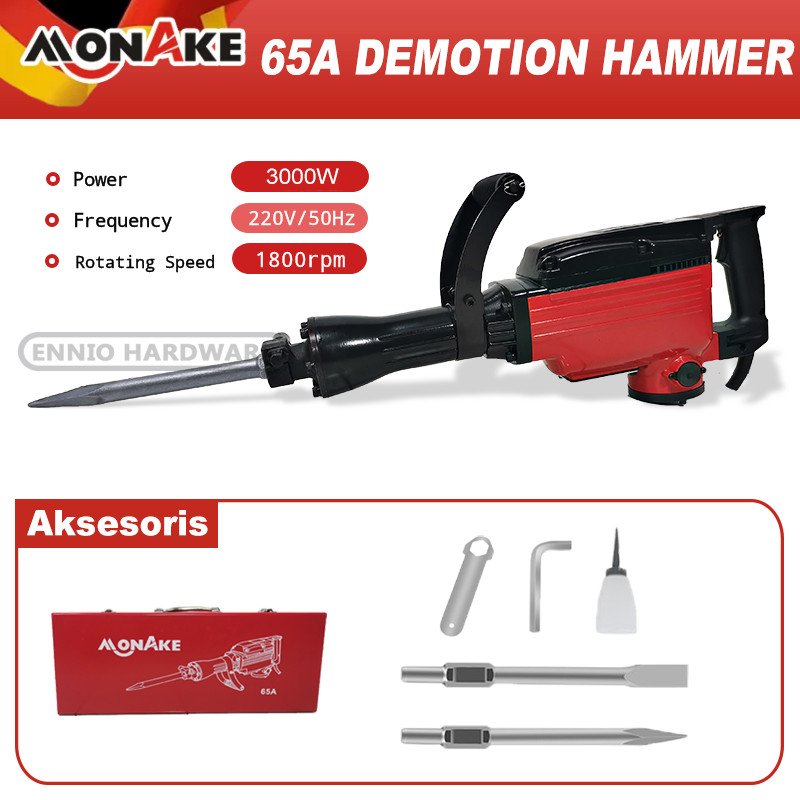
Definition and Core Concept of Original Equipment Manufacturers (OEMs)
Original Equipment Manufacturers (OEMs) represent a foundational pillar in global manufacturing and supply chain ecosystems, specializing in producing components, sub-assemblies, or complete products under the branding or specifications of another company. The term "OEM" refers to the manufacturer whose products are incorporated into another entity’s end product, often without direct consumer recognition. This model enables brands to outsource production while maintaining control over design, quality, and branding, thereby optimizing cost efficiency, scalability, and innovation. OEMs play a critical role in reducing time-to-market for final products, leveraging economies of scale, and facilitating vertical integration across industries.The significance of OEMs extends beyond mere production; they act as strategic partners in supply chains, ensuring seamless coordination between raw material suppliers, component manufacturers, and end-product assemblers. Their operations are governed by contractual agreements that define intellectual property rights, quality standards, and delivery timelines, often underpinned by just-in-time (JIT) inventory systems. This interdependence fosters collaboration while mitigating risks such as supply chain disruptions, geopolitical instability, or fluctuating demand.
Differentiation Between OEMs, ODMs, and Private-Label Producers
Understanding the distinctions between OEMs, Original Design Manufacturers (ODMs), and private-label producers is essential for grasping their respective roles in manufacturing ecosystems. While all three models involve third-party production, their operational scope, ownership of designs, and branding strategies vary significantly. Below is a structured comparison:| Term | Definition | Key Distinction |
|---|---|---|
| OEM (Original Equipment Manufacturer) | Produces components or complete products under a client brand’s specifications, often without modifying the design. The final product retains the brand’s identity. |
|
| ODM (Original Design Manufacturer) | Develops and manufactures products under its own design, which can then be rebranded by clients. ODMs often serve as both designers and producers. |
|
| Private-Label Producer | Manufactures products exclusively for a retailer or distributor, which then sells them under its own brand name. The producer has no involvement in design or marketing beyond production. |
|
Prominent Industries Utilizing OEM Models
OEMs are integral to industries where modular production, component specialization, and brand collaboration drive efficiency. The following sectors exemplify their dominance, alongside major players:1. Automotive Industry
OEMs in automotive manufacturing supply critical components such as engines, transmissions, electronics, and chassis systems to original equipment brands. The sector relies heavily on OEMs to meet stringent quality and safety standards while reducing development costs.
2. Electronics and Consumer Technology
The electronics industry leverages OEMs for mass production of devices ranging from smartphones to semiconductors, where economies of scale and rapid iteration are critical.
3. Healthcare and Medical Devices
In healthcare, OEMs ensure compliance with regulatory standards (e.g., FDA, ISO 13485) while producing disposable or reusable medical equipment, diagnostics, and pharmaceutical packaging.
4. Aerospace and Defense
Aerospace OEMs supply critical sub-assemblies such as avionics, landing gear, and composite materials, often under long-term contracts with defense contractors or commercial airlines.
5. Industrial Machinery and Robotics
OEMs in this sector provide specialized machinery parts, automation systems, and robotic components to original equipment brands, enabling customization for specific applications.
OEM-to-Consumer Journey: A Text-Based Flowchart
The lifecycle of an OEM-produced product from conception to distribution follows a structured, collaborative process. Below is a step-by-step representation of the typical journey:[Start]
│
▼
1. Brand/Client Specification
│
▼
▼
2. Contract Negotiation & IP Agreement
│
▼
▼
3. Design Validation & Prototyping
│
▼
▼
4. Tooling & Production Setup
│
▼
▼
5. Mass Production
│
▼
▼
6. Quality Control & Certification
│
▼
Business Models and Revenue Streams of Original Equipment Manufacturers (OEMs)
Revenue Model Comparison: OEMs vs. Aftermarket Suppliers vs. Direct-to-Consumer Brands
OEMs, aftermarket suppliers, and DTC brands employ fundamentally different revenue strategies, each aligned with their core competencies and market access. OEMs generate revenue primarily through bulk manufacturing contracts, licensing of intellectual property (IP), and white-labeling, where they produce goods for other brands under private-label agreements. Aftermarket suppliers, in contrast, focus on replacement parts, upgrades, and service-based revenue, often operating with lower profit margins due to competition and fragmented demand. DTC brands, such as those in consumer electronics or fashion, rely on direct sales, subscription models, and premium pricing, leveraging brand loyalty and reduced intermediary costs. The following table highlights key differences in profit margins and scalability:Profit Margins and Scalability Factors:The scalability of OEMs is further amplified by their ability to lock in long-term contracts with original design manufacturers (ODMs) or retailers, ensuring steady cash flow. Aftermarket suppliers, however, must continuously innovate to justify higher prices, while DTC brands face the challenge of balancing inventory costs with customer demand unpredictability. The revenue diversity of OEMs—spanning hardware, software, and services—positions them uniquely to weather economic fluctuations compared to their counterparts.
OEMs: High margins on bulk contracts (10–30%) but require massive production volumes; scalability dependent on supplier diversification. Aftermarket Suppliers: Lower margins (5–15%) due to price sensitivity; scalability limited by niche demand. DTC Brands: Moderate margins (20–40%) but vulnerable to supply chain disruptions; scalability tied to brand equity and marketing efficiency.
Case Study: Revenue Streams of a Hypothetical Smartphone OEM
Consider NexusTech, a fictional smartphone manufacturer that generates revenue through three primary streams: licensing, bulk sales, and white-labeling. Each stream leverages distinct market opportunities while maintaining alignment with the company’s vertical integration strategy.Revenue Stream Breakdown for NexusTech:Key Insights:
Licensing: NexusTech licenses its proprietary AI-driven camera algorithms and battery management software to competitors, generating $500 million annually (15% of total revenue). Bulk Sales: The company supplies 12 million units annually to carriers (e.g., Verizon, Vodafone) under cost-plus contracts, yielding $4.2 billion (60% of revenue). White-Labeling: NexusTech produces 5 million units per year for budget brands (e.g., "EcoPhone"), earning $800 million (12% of revenue) with lower margins but higher volume.
NexusTech’s model demonstrates how OEMs diversify risk by balancing high-margin IP licensing with volume-driven hardware sales. The white-label segment, though less profitable, expands brand reach and justifies premium pricing in core markets.
Vertical Integration in OEM Business Models
Vertical integration—where a company controls multiple stages of production, from raw materials to retail—is a defining characteristic of many OEMs. This strategy reduces dependency on third parties, enhances quality control, and enables just-in-time manufacturing. However, the extent of integration varies by industry and company philosophy.Examples of Vertical Integration:
Trade-offs of Vertical Integration:Vertical integration is most effective when an OEM’s core competency lies in both hardware and software, as seen with Apple’s ecosystem. Companies like Foxconn, however, thrive as specialized manufacturers without assuming retail or design risks. The choice of integration depth directly impacts profitability, innovation speed, and market agility.
Pros: Higher margins, proprietary technology, reduced supply chain risks. Cons: High capital expenditure, operational complexity, slower adaptation to market changes.
Comparative Analysis: Tesla vs. BYD in Electric Vehicle Manufacturing
The electric vehicle (EV) industry exemplifies how business model differences between OEMs shape market positioning, scalability, and profitability. Tesla and BYD—both leaders in EV adoption—employ distinct strategies despite operating in the same sector.| Metric | Tesla | BYD |
|---|---|---|
| Primary Revenue Stream | Direct sales (DTC), software (FSD), energy storage (Powerwall) | Bulk sales to OEMs (e.g., Toyota), DTC in China, government contracts |
| Vertical Integration | Full-stack (batteries, chips, manufacturing, retail) | Partial (batteries in-house, but outsources some assembly) |
| Profit Margins | 25–30% (high due to DTC model and software) | 15–20% (lower due to OEM partnerships and price-sensitive markets) |
| Scalability Drivers | Brand loyalty, proprietary tech (e.g., 4680 batteries), global expansion | Cost leadership, government subsidies, high-volume production |
| Key Partnerships | None (self-sufficient) | Toyota (OEM supply), Chinese municipalities (subsidies) |
| Market Positioning | Premium segment (e.g., Model S, Cybertruck) | Mass-market and premium (e.g., BYD Atto 3 vs. Han EV) |
Strategic Implications:This comparison underscores how OEMs adapt their business models based on regulatory environments, consumer demand, and competitive pressures. Tesla’s vertical integration aligns with its innovation-driven strategy, whereas BYD’s hybrid model prioritizes market penetration and cost efficiency.
Tesla’s model is less scalable in price-sensitive markets but achieves higher profitability per unit. BYD’s approach is more resilient to economic downturns due to diversified revenue but faces lower margins.

Key Processes in OEM Operations
Original Equipment Manufacturers (OEMs) execute highly structured workflows to deliver customized products tailored to brand specifications while maintaining operational efficiency, cost control, and quality standards. These processes span from initial contractual agreements to post-production quality assurance, integrating supply chain coordination, risk management, and compliance enforcement. The collaboration between OEMs and brands relies on clearly defined contractual frameworks, real-time supply chain visibility, and supplier vetting to ensure alignment with performance, ethical, and regulatory requirements.The operational workflow in OEM partnerships is segmented into discrete phases, each governed by standardized procedures to mitigate risks and optimize resource allocation. Contracts serve as the legal backbone of these relationships, outlining obligations, intellectual property protections, and performance metrics. Concurrently, supply chain management—leveraging tools like Enterprise Resource Planning (ERP) systems and just-in-time (JIT) inventory—enables OEMs to balance cost efficiency with responsiveness to demand fluctuations. Supplier selection criteria further refine these processes, ensuring only qualified partners contribute to production, thereby upholding quality and compliance across the value chain.
Step-by-Step Collaboration Process from Contract Signing to Quality Assurance
The OEM-brand collaboration follows a linear yet iterative process, beginning with contractual negotiations and culminating in post-delivery audits. Each step is designed to align technical, financial, and operational objectives while embedding quality control at every stage.-
Contract Negotiation and Finalization
The process initiates with a Request for Proposal (RFP) or direct negotiation between the brand and OEM, where key terms—such as production volume, pricing, delivery timelines, and penalties for non-compliance—are defined. Legal teams draft agreements incorporating:- Non-Disclosure Agreements (NDAs) to protect proprietary designs and trade secrets.
- Intellectual Property (IP) clauses specifying ownership of tooling, software, or unique manufacturing processes.
- Performance benchmarks tied to metrics like defect rates, on-time delivery (OTD), and cost per unit.
- Termination clauses outlining conditions for early exit (e.g., breach of contract, insolvency).
Example: A global automotive OEM and a tier-1 supplier may include a "first-right-of-refusal" clause in their contract, allowing the brand to prioritize the supplier for future projects if specifications remain unchanged.
-
Product Design and Specification Alignment
Once the contract is signed, the brand’s engineering team provides detailed technical drawings, Bill of Materials (BOM), and functional requirements. The OEM’s design team cross-references these with manufacturability guidelines, identifying potential bottlenecks or cost-saving opportunities. This phase often includes:- Computer-Aided Design (CAD) reviews to ensure compatibility with existing tooling or the need for new molds/dies.
- Material selection validation, including sourcing alternatives to mitigate supply chain disruptions.
- Prototype development and iterative testing to refine ergonomics, durability, or aesthetic features.
Critical Note: Misalignment in this stage can lead to costly rework. For instance, a smartphone manufacturer’s OEM discovered late-stage that a proposed battery design conflicted with the brand’s thermal management system, requiring a $2M redesign.
-
Supplier Sourcing and Vetting
The OEM evaluates and selects suppliers for raw materials, components, and sub-assemblies based on predefined criteria. This step is critical for maintaining quality and avoiding delays. Key evaluation factors include:- Cost competitiveness without compromising quality (e.g., total cost of ownership over spot pricing).
- Lead time consistency and ability to scale production during peak demand (e.g., holiday seasons).
- Compliance with industry standards (e.g., ISO 9001 for quality, REACH for chemical safety, or IATF 16949 for automotive).
- Geographic proximity to reduce logistics costs and carbon footprint.
- Financial stability and track record of meeting contractual obligations.
- Sustainability certifications (e.g., Fair Labor Association, Conflict-Free Smelter Program).
Supplier Checklist Example:
Supplier A is selected due to a 72% weighted score vs. Supplier B’s 57%.Criteria Weight (%) Supplier A Supplier B Cost per Unit 30 $4.20 $4.50 Lead Time (Weeks) 25 6 8 ISO 9001 Certification 20 Yes No Defect Rate (PPM) 15 50 200 Sustainability Score 10 85/100 60/100 -
Production Planning and Execution
With suppliers confirmed, the OEM transitions to production planning, utilizing ERP systems (e.g., SAP, Oracle) to integrate demand forecasting, capacity planning, and resource allocation. Key activities include:- Just-in-Time (JIT) Inventory: Minimizes holding costs by synchronizing material deliveries with production schedules, reducing waste but requiring precise supplier coordination.
- Modular Assembly: Breaks production into stages (e.g., PCB assembly, chassis fabrication) to parallelize workflows and identify defects early.
- Lean Manufacturing Principles: Eliminates non-value-added steps (e.g., excessive inventory, overproduction) to improve efficiency.
- Real-Time Monitoring: IoT sensors and digital twins track equipment performance and environmental conditions (e.g., temperature, humidity) to prevent defects.
Risk Mitigation in JIT: A semiconductor OEM mitigated JIT risks during the COVID-19 pandemic by maintaining a 30-day buffer stock of critical components (e.g., capacitors) and diversifying suppliers across Vietnam, Malaysia, and China.
-
Quality Assurance and Compliance Verification
Quality control is embedded throughout production but intensifies during final inspection. Methods include:- Statistical Process Control (SPC): Monitors production variability using control charts to detect deviations (e.g., dimensional tolerances in injection-molded parts).
- Automated Testing: Robotic vision systems or AI-driven inspections identify surface defects (e.g., scratches on LCD panels) with >95% accuracy.
- Third-Party Audits: Independent bodies (e.g., TÜV, UL) verify compliance with safety, environmental, and regulatory standards (e.g., FCC, CE marking).
- Customer Acceptance Testing (CAT): The brand conducts functional tests (e.g., stress tests on electric vehicle batteries) before approval.
Defect Cost Example: A medical device OEM calculated that a 1% defect rate in sterilization packaging cost $120,000 annually in recalls and reputational damage, prompting a shift to 100% automated UV validation.
-
Post-Delivery Support and Continuous Improvement
The relationship extends beyond delivery through:- Warranty Claims Management: OEMs collaborate with brands to investigate field failures and implement corrective actions (e.g., firmware updates for IoT devices).
- Kaizen Workshops: Joint teams identify process inefficiencies (e.g., assembly line bottlenecks) and implement incremental improvements.
- Data Analytics: Predictive maintenance algorithms (e.g., using vibration sensors) extend equipment lifespan by 20–30%.
Role of Contracts in OEM Relationships
Contracts in OEM partnerships function as binding agreements that define expectations, allocate risks, and enforce accountability. Their structure varies by industry (e.g., automotive, electronics, aerospace) but universally includes clauses addressing confidentiality, IP, performance,Challenges and Risks in OEM Partnerships
Global Original Equipment Manufacturer (OEM) partnerships drive innovation and efficiency but expose organizations to complex risks spanning geopolitical instability, intellectual property (IP) vulnerabilities, and operational dependencies. While these collaborations facilitate scalability and cost optimization, they also introduce critical vulnerabilities—particularly in supply chain resilience, regulatory compliance, and market volatility. Mitigating these risks requires proactive strategies, including supplier diversification, digital transparency tools, and localized production hubs. Below, the analysis explores the top five systemic risks, regional challenges in emerging versus developed markets, and risk-mitigation frameworks, followed by a scenario-based disruption analysis to illustrate real-world impacts on production timelines.Top Five Risks in Global OEM Partnerships
OEMs operating across international borders face inherent risks that disrupt operations, erode profitability, and damage reputational capital. These risks are categorized into strategic, operational, and external threats, each requiring tailored countermeasures. The following five risks are prioritized based on frequency, severity, and cross-industry impact:- Geopolitical Instability and Trade Barriers Tariffs, sanctions, and sudden policy shifts—such as the U.S.-China trade war or Brexit—create unpredictable cost fluctuations and supply chain bottlenecks. For example, OEMs reliant on Chinese semiconductor suppliers faced a 25% tariff hike in 2019, increasing component costs by 12–18% within six months. Disruptions in logistics (e.g., Suez Canal blockage in 2021) further exacerbate delays, with some automotive OEMs reporting 30-day lead time extensions for critical parts.
- Intellectual Property Theft and Counterfeiting IP infringement costs OEMs an estimated $300–600 billion annually, according to the Global Innovation Index. Emerging markets, particularly in electronics and automotive sectors, are hotspots for IP theft, where reverse-engineering and unauthorized production of proprietary designs (e.g., Tesla’s patents in China) lead to lost revenue and legal battles. The World Intellectual Property Organization (WIPO) reports that 60% of counterfeit goods originate from Asia, with OEMs in pharmaceuticals and aerospace facing the highest exposure.
- Supplier Dependency and Single-Source Risks Over-reliance on a single supplier—whether due to cost advantages or technical specialization—creates catastrophic failure points. The COVID-19 pandemic exposed this vulnerability when Foxconn’s shutdowns in China delayed iPhone production by 3–6 weeks, costing Apple $6 billion in lost sales. Similarly, automotive OEMs dependent on Bosch for microchips faced production halts when the supplier pivoted capacity to medical devices during the pandemic.
- Regulatory and Compliance Complexity OEMs must navigate a patchwork of local regulations, including labor laws, environmental standards (e.g., EU’s REACH), and data privacy (GDPR). Non-compliance risks fines (e.g., Volkswagen’s $30 billion diesel emissions scandal) and operational shutdowns. Emerging markets add layers of ambiguity, with rapidly evolving standards (e.g., India’s PLI scheme for electronics) requiring constant legal and operational agility.
- Currency Fluctuations and Exchange Rate Risks OEMs with global supply chains are exposed to exchange rate volatility, particularly when sourcing from regions with unstable currencies (e.g., Turkish lira, Brazilian real). A 20% depreciation in the Mexican peso against the dollar in 2017 increased production costs for U.S.-based automotive OEMs by 8–12%, while Japanese electronics firms faced margin compression due to yen strength against the dollar in 2022.
Regional Challenges: Emerging vs. Developed Markets
The operational and strategic hurdles faced by OEMs vary significantly between emerging and developed markets, influenced by infrastructure, labor dynamics, and regulatory environments. Below are the distinct challenges in each region, highlighting the need for localized risk-management strategies.Emerging Markets (India, Vietnam, Mexico) While offering low-cost manufacturing and growing consumer bases, emerging markets present unique risks:
- Infrastructure Gaps: Inconsistent power supply, unreliable logistics networks (e.g., Vietnam’s port congestion), and limited digital connectivity disrupt just-in-time (JIT) production. A 2023 report by World Bank ranked Vietnam’s logistics performance 47th globally, with delays costing OEMs up to $500 million annually in automotive and electronics sectors.
- Labor Market Instability: High turnover rates (e.g., 30% annually in Indian manufacturing hubs like Gujarat) and skill shortages in specialized roles (e.g., semiconductor assembly) force OEMs to invest in reskilling programs or relocate production. Vietnam’s garment industry, for example, faces a 15% labor deficit due to migration to higher-paying tech roles.
- Weak IP Enforcement: Despite improving frameworks, enforcement remains inconsistent. In India, patent litigation backlogs exceed 50,000 cases, with pharmaceutical OEMs reporting a 40% increase in generic drug infringements since 2020. Vietnam’s lack of a unified IP court further complicates disputes.
- Political and Bureaucratic Risks: Frequent policy reversals (e.g., India’s sudden export restrictions on critical minerals) and bureaucratic delays (e.g., Mexico’s 60-day average for permits) create uncertainty. OEMs in Vietnam’s electronics sector cite corruption as a top challenge, with 20% of contracts delayed due to unofficial "fees."
- Supply Chain Fragmentation: Localized supplier ecosystems lack depth, forcing OEMs to import intermediate goods (e.g., 80% of Vietnam’s semiconductor components). The 2020–2021 supply chain crisis revealed that 60% of OEMs in India lacked backup suppliers for Tier 2 components.
Developed Markets (Germany, Japan, South Korea) Developed markets offer stability but introduce risks tied to high labor costs, aging workforces, and rigid regulatory environments:
- Labor Shortages and Aging Workforce: Germany’s manufacturing sector faces a 200,000-worker shortfall, with 30% of skilled labor aged 55+. Japan’s robotics adoption (30% of automotive production lines automated) mitigates this but increases capital expenditure. South Korea’s semiconductor industry struggles with a 15% annual attrition rate in R&D roles.
- High Operational Costs: Wages in Germany average €45/hour in manufacturing, compared to €3–5/hour in Vietnam. Energy costs post-Ukraine war surged by 200% in Germany, pushing OEMs like BMW to relocate some production to Hungary. Japan’s land scarcity drives up facility costs by 40% in Tokyo compared to rural regions.
- Regulatory Overload and Compliance Burden: Stricter environmental (e.g., EU’s Carbon Border Adjustment Mechanism) and safety standards (e.g., Japan’s seismic compliance for factories) increase costs. Automotive OEMs in Germany spend €5 billion annually on emissions compliance, while South Korean electronics firms face 18-month certification cycles for new components.
- Supply Chain Resilience vs. Efficiency Trade-off: Developed markets prioritize JIT efficiency, leaving them vulnerable to disruptions. The 2011 Fukushima disaster halted Japanese automotive production for 10 days, costing Toyota $1.6 billion. Similarly, Germany’s reliance on Dutch ports for 40% of imports created a single point of failure during COVID-19 lockdowns.
- Geopolitical Pressure for Localization: Protectionist policies (e.g., U.S. Inflation Reduction Act, EU’s Critical Raw Materials Act) force OEMs to reshore or face tariffs. German automotive OEMs are investing €50 billion by 2030 to localize battery production, while Japanese electronics firms face 25% tariffs if they source from China.
Strategies to Mitigate OEM Risks
Innovation and Technology in OEM Manufacturing
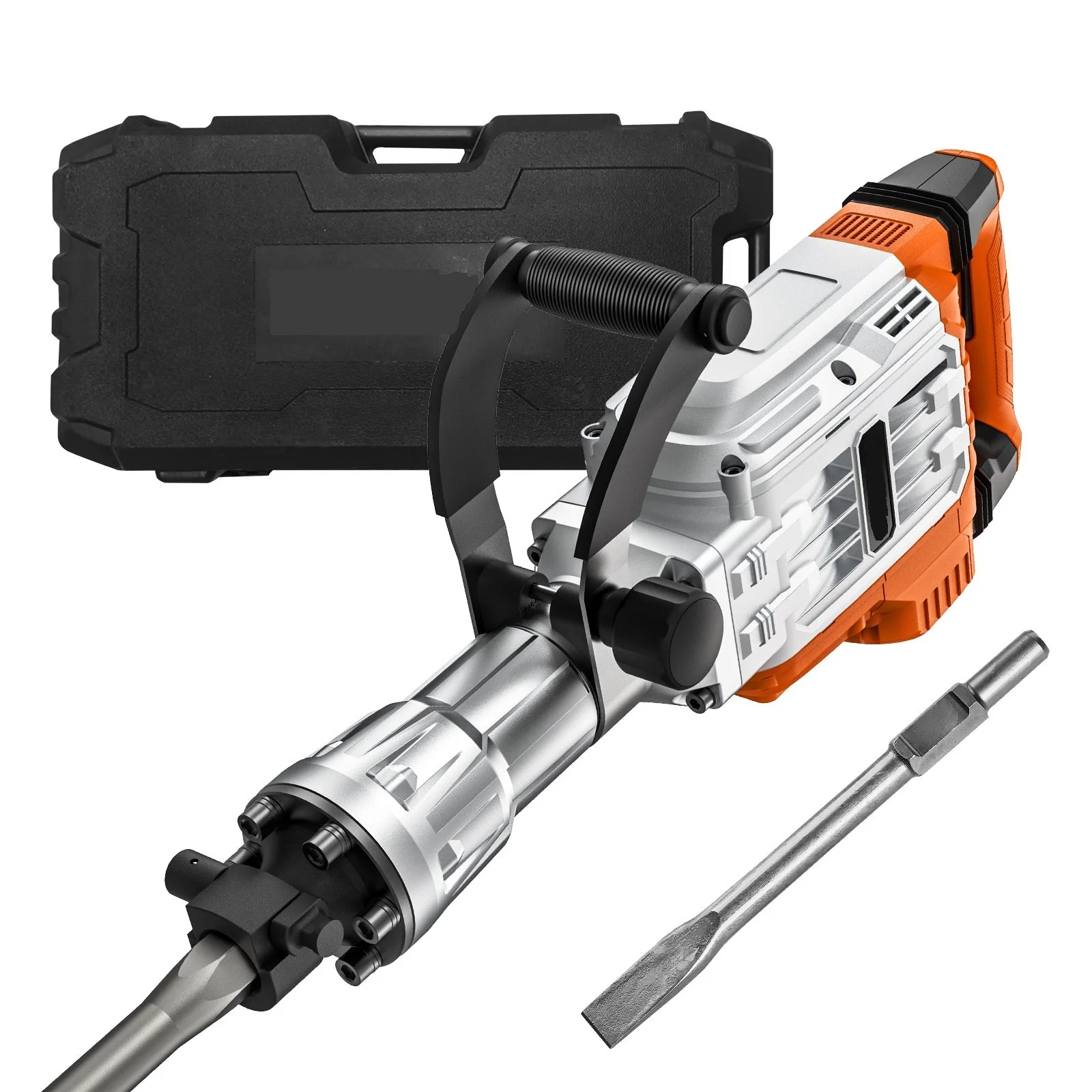
The integration of advanced technologies has redefined Original Equipment Manufacturers (OEMs) by optimizing production, reducing costs, and elevating product quality. Automation, artificial intelligence (AI), and Industry 4.0 frameworks now underpin OEM operations, enabling data-driven decision-making and agile manufacturing. Emerging technologies such as the Internet of Things (IoT) and additive manufacturing (3D printing) further enhance efficiency, while collaborative research and development (R&D) partnerships accelerate innovation. This section examines how OEMs leverage these technologies to maintain competitiveness, supported by real-world case studies and a historical timeline of technological milestones.Automation and AI in Production Efficiency
OEMs deploy automation and AI to streamline manufacturing processes, achieving cost savings through reduced labor dependency and improved precision. Robotics, particularly in assembly lines, minimizes human error while increasing throughput. AI-driven predictive maintenance systems monitor equipment health in real time, reducing unplanned downtime by up to 30% (McKinsey, 2022). Machine learning algorithms optimize production scheduling, balancing workloads across facilities to minimize idle time.Key applications include:
Automation also enables just-in-time (JIT) production, where OEMs like Toyota synchronize material delivery with assembly cycles, cutting inventory costs by 20–30% (Harvard Business Review, 2020).
Integration of IoT and Industry 4.0 in Manufacturing
The adoption of Industry 4.0—characterized by smart factories, cyber-physical systems, and digital twins—transforms OEM operations into interconnected ecosystems. IoT sensors embedded in machinery collect real-time data, enabling condition-based monitoring and prescriptive analytics. For example:Key Industry 4.0 components in OEMs:
Case Study: Bosch’s Smart Factory
Bosch’s Reutlingen plant uses AI-driven production lines where robots collaborate with human workers (cobots). IoT-connected tools adjust parameters dynamically, achieving 99.9% first-pass yield in automotive sensor manufacturing (Bosch, 2023).
R&D Collaborations Driving Product Innovation
OEMs partner with universities, research institutions, and startups to accelerate innovation through open innovation models. These collaborations address niche technological gaps while reducing R&D costs. Notable examples include:Blockquote:
"Collaborative R&D reduces time-to-market by 40% while lowering R&D spend by 20–25% through shared infrastructure and expertise." — Boston Consulting Group (2022)
Technological Milestones in OEM Manufacturing
The evolution of OEM manufacturing reflects a century of technological advancement, from mechanical automation to AI-driven smart factories. Below is a text-based timeline of key milestones:| Year | Milestone | Impact on OEMs |
|---|---|---|
| 1950s | Introduction of Numerical Control (NC) machines | Enabled precise, repeatable manufacturing in aerospace (e.g., Boeing 707). |
| 1970s | Computer-Aided Design (CAD) (e.g., CATIA) | Revolutionized product design, reducing prototyping time by 50%. |
| 1980s | Robotics in Assembly Lines (e.g., KUKA robots) | Automated welding in automotive OEMs (e.g., BMW, Toyota). |
| 1990s | Enterprise Resource Planning (ERP) (e.g., SAP) | Integrated supply chain management, improving inventory accuracy. |
| 2000s | 3D Printing (Additive Manufacturing) | Enabled rapid prototyping (e.g., GE Aviation’s fuel nozzles). |
| 2010s | Industry 4.0 and IoT Adoption | Real-time monitoring (e.g., Siemens’ MindSphere platform). |
| 2015–2020 | AI and Machine Learning in QC | Tesla’s Optimus robots and AI defect detection in electronics. |
| 2020–2023 | Digital Twins and Autonomous Systems | Bosch’s AI-driven factories and autonomous warehouses (e.g., Amazon). |
OEMs represent a fusion of manufacturing precision and business agility, bridging the gap between concept and consumer with unparalleled efficiency. Their ability to adapt—whether through automation, diversified supplier networks, or cross-industry collaborations—ensures resilience against disruptions while fostering innovation. As industries evolve, the role of OEMs will only grow in complexity, demanding deeper integration of technology, ethical sourcing, and sustainable practices. For businesses and policymakers alike, grasping the dynamics of OEM operations is not merely strategic but essential to navigating the future of global production.
FAQ
What exactly are OEMs in the context of business?
OEMs (Original Equipment Manufacturers) are companies that produce components, subassemblies, or finished products that other businesses—often brand-name companies—use as part of their own products. They typically operate behind the scenes, supplying parts or systems to larger manufacturers who then sell them under their own brand. OEMs are common in industries like electronics, automotive, and industrial machinery.
How do OEMs function within the manufacturing industry?
In manufacturing, OEMs design, produce, and supply parts or entire products to other companies (often called ODMs or brand owners) who integrate them into their final goods. These manufacturers focus on quality, cost-efficiency, and meeting technical specifications set by their clients. Examples include suppliers of car engines, phone components, or machinery parts.
What is the difference between OEMs and ODMs?
OEMs (Original Equipment Manufacturers) produce goods based on specifications provided by another company, often branding the final product under the client’s name. ODMs (Original Design Manufacturers) go further by designing the product themselves and may also handle manufacturing. While OEMs follow existing designs, ODMs create and customize products for clients.
What role do OEMs play in the automotive industry?
In the automotive industry, OEMs are manufacturers that produce vehicles or critical components (like engines, transmissions, or electronics) for automakers like Toyota, GM, or Volkswagen. These suppliers often work under strict quality and safety standards to ensure parts meet industry regulations. Many OEMs also collaborate directly with automakers on R&D for new technologies.
What are OEMs in the context of the automotive sector?
OEMs in automotive refer to companies that design and build vehicles or key automotive parts (e.g., chassis, infotainment systems, or electric drivetrains) for sale to dealerships or other brands. They can be full vehicle manufacturers (e.g., Ford, Hyundai) or specialized suppliers (e.g., Bosch for sensors). OEMs often have long-term contracts with automakers for supply.
Who are the major OEMs in the aviation industry?
Major OEMs in aviation include companies like Boeing and Airbus, which manufacture complete aircraft, as well as suppliers like Rolls-Royce (engines), Honeywell (avionics), and Spirit AeroSystems (airframe components). These OEMs provide either final products (e.g., planes) or critical parts to airlines and other aviation firms. Smaller OEMs may specialize in niche components like landing gear or interiors.
Leave a Comment
Comments are moderated before appearing. The data you submit is processed according to the Privacy Policy of Voltefac.