What Is Blood Plasma Donation Explained Clearly

Published

Table of Contents

Blood plasma donation represents a vital yet often misunderstood medical practice where the liquid component of blood—rich in essential proteins, antibodies, and clotting factors—is collected to save lives and treat critical conditions. Unlike whole blood donation, plasma separation allows donors to contribute life-saving therapies repeatedly without compromising their own health, making it a cornerstone of modern healthcare. From emergency trauma care to rare disease treatments, plasma plays a pivotal role in sustaining global medical advancements, yet its process, benefits, and ethical implications remain underdiscussed in public discourse.

The procedure itself is streamlined yet meticulously regulated, involving advanced apheresis technology to extract plasma while returning red blood cells to the donor. This method ensures minimal disruption while maximizing therapeutic yield, though eligibility, safety protocols, and compensation structures vary significantly across regions. Understanding these dynamics—not only the technical steps but also the broader impact on patients and donors—highlights why plasma donation stands as both a scientific marvel and a humanitarian necessity in an era where medical demand continues to outpace supply.

what is blood plasma donation

Definition and Basic Overview of Blood Plasma Donation

Blood plasma donation is a critical medical procedure where a component of whole blood—specifically the liquid portion containing essential proteins, clotting factors, antibodies, and nutrients—is collected and processed for therapeutic use. Unlike whole blood donation, plasma donation focuses solely on extracting this fluid component while returning red blood cells and other cellular elements to the donor. This process supports patients requiring treatments for conditions such as burns, trauma, immune deficiencies, and chronic illnesses, where plasma-derived products are life-saving.

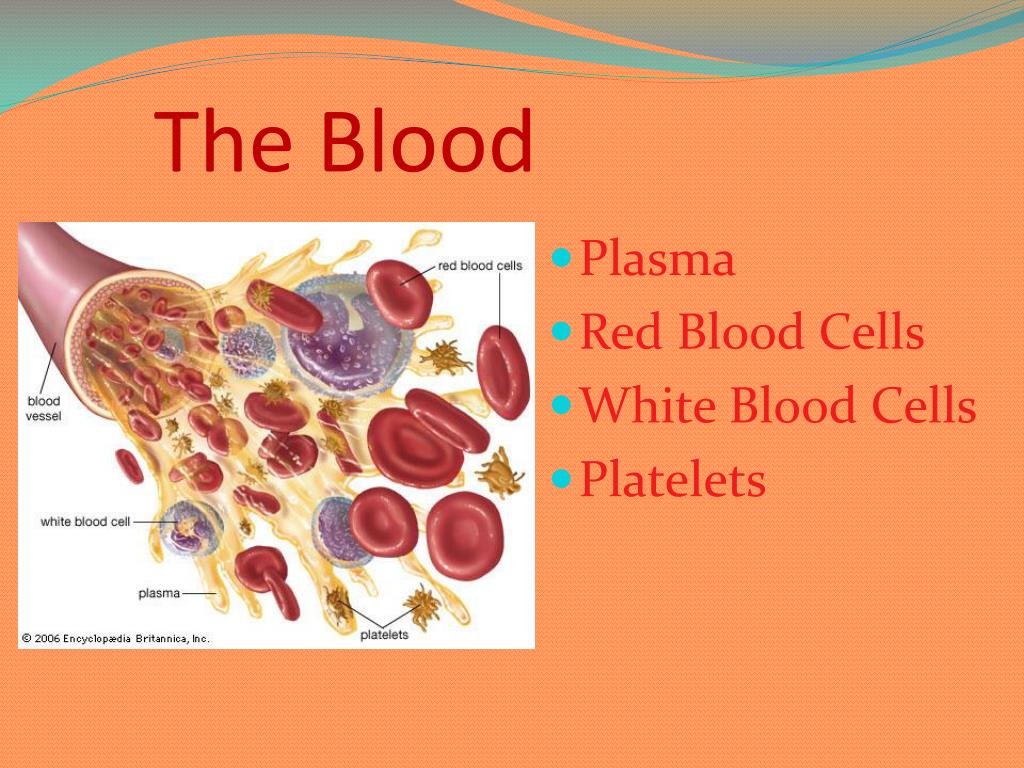
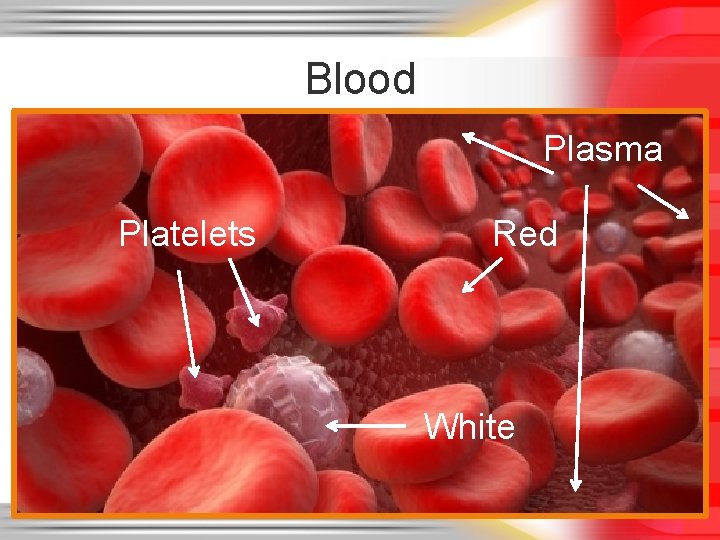
Plasma constitutes approximately 55% of whole blood and is composed of 90% water, along with proteins like albumin, globulins, and fibrinogen, electrolytes, hormones, and vitamins. Its unique composition enables it to serve as a versatile therapeutic resource, distinct from other blood components like red blood cells or platelets. The donation process leverages apheresis technology, a specialized method that separates plasma from whole blood during collection, ensuring minimal disruption to the donor’s overall blood volume.

Composition and Role of Blood Plasma in the Human Body

Blood plasma performs vital functions in maintaining physiological balance, including transportation of nutrients, hormones, and waste products, regulation of fluid balance and pH levels, and facilitation of immune responses through antibodies. Key components include:
  • Albumin: Accounts for 50-60% of plasma proteins, maintaining osmotic pressure and transporting substances like hormones and fatty acids.
  • Globulins: Include alpha, beta, and gamma globulins, with the latter containing antibodies (immunoglobulins) critical for immune defense.
  • Fibrinogen: Essential for blood clotting, converting to fibrin during coagulation.
  • Electrolytes and Nutrients: Sodium, potassium, calcium, glucose, and vitamins ensure cellular function and metabolic processes.
  • The therapeutic applications of plasma stem from its ability to replenish these components in patients with liver disease, bleeding disorders, autoimmune conditions, or severe infections. For instance, immune globulin (IVIG), derived from plasma, treats chronic inflammatory demyelinating polyneuropathy (CIDP) and primary immunodeficiency disorders, while fresh frozen plasma (FFP) restores clotting factors in trauma or surgical patients.

    Comparison of Blood Plasma Donation with Other Blood Donation Types

    The following table contrasts plasma donation with whole blood, platelet, and red blood cell donations, highlighting procedural differences, frequency, and eligibility criteria:
    Feature Plasma Donation Whole Blood Donation Platelet Donation Red Blood Cell Donation
    Collection Method Apheresis: Plasma separated and collected; remaining components returned to donor. Single needle draw: Whole blood collected and later separated into components. Apheresis: Platelets separated using a centrifuge; other components returned. Whole blood collected, then red cells separated (often via apheresis for dedicated donations).
    Frequency Every 2 weeks (up to 24 times/year for eligible donors). Every 8 weeks (or 56 days for males; 16 weeks for females). Every 2 weeks (up to 24 times/year). Every 16 weeks (or as prescribed for apheresis-based donations).
    Duration 45–60 minutes (including setup). 10–15 minutes for donation; processing may take longer. 60–90 minutes (platelet yield depends on donor weight). 10–30 minutes (red cells collected via apheresis).
    Volume Collected 600–800 mL of plasma (13–15% of total blood volume). 450–500 mL (8–10% of total blood volume). 1–2 units (each unit ~50–70 mL; total yield varies). 200–300 mL of red cells (via apheresis).
    Eligibility Criteria
    • Age 17+ (with parental consent in some regions).
    • Weight ≥110 lbs (50 kg).
    • Hemoglobin ≥12.5 g/dL (varies by region).
    • No recent travel to malaria-risk areas or high-risk behaviors (e.g., tattoos, unprotected sex).
    • Age 16–70 (varies by country).
    • Weight ≥110 lbs (50 kg).
    • Hemoglobin ≥12.5 g/dL (females), ≥13.0 g/dL (males).
    • No history of hepatitis, HIV, or other contagious diseases.
    • Age 17+ (with parental consent).
    • Weight ≥110 lbs (50 kg); higher weight preferred for yield.
    • Platelet count ≥150,000/µL.
    • No recent illness or medication affecting platelets.
    • Age 17+ (with parental consent).
    • Weight ≥110 lbs (50 kg).
    • Hemoglobin ≥12.5 g/dL (higher for apheresis).
    • No history of sickle cell trait (for dedicated red cell donations).
    Recovery Time 2–4 hours (hydration and rest recommended). 24–48 hours (avoid strenuous activity). 1–2 days (platelet regeneration takes 2–4 days). 48–72 hours (red cells replenish in ~4 weeks).
    Therapeutic Use
    • Treatment of burns, trauma, and shock (FFP).
    • Immunodeficiencies (IVIG, hyperimmune globulins).
    • Coagulation disorders (Factor VIII, Factor IX).
    • Transfusions for anemia, surgery, or chronic illness.
    • Separation into red cells, plasma, and platelets for specific needs.
    • Support for cancer patients, chemotherapy recipients, and bleeding disorders.
    • Treatment of thrombocytopenia (low platelet count).
    • Transfusions for anemia, surgical blood loss, or sickle cell disease.
    • Exchange transfusions in neonatal jaundice or thalassemia.
    Note: Eligibility and frequency may vary by country and blood donation center. Donors must adhere to local health regulations and deferral guidelines (e.g., travel restrictions, medical history).

    Step-by-Step Procedure for First-Time Plasma DonorsMedical and Scientific Importance of Blood Plasma Donation

    Blood plasma serves as a cornerstone of modern medicine, functioning as a versatile biological resource essential for treating acute injuries, chronic illnesses, and rare genetic disorders. Derived from whole blood through centrifugation, plasma contains critical proteins, antibodies, and clotting factors that cannot be synthetically replicated. Its therapeutic applications extend beyond immediate patient care, supporting the production of life-saving medications such as immunoglobulins, albumin, and coagulation factors. The global demand for plasma continues to rise, driven by advancements in biopharmaceuticals and the increasing prevalence of autoimmune, hematological, and infectious diseases. Plasma donation thus plays a pivotal role in bridging gaps in healthcare infrastructure, particularly in emergency response and long-term treatment protocols.

    The therapeutic potential of plasma is underpinned by its unique composition, which includes over 1,000 distinct proteins. These components are harnessed to develop specialized treatments that address conditions ranging from severe burns and trauma to hereditary disorders like hemophilia and primary immunodeficiency. Plasma-derived therapies also mitigate complications in surgical procedures, organ transplants, and critical care scenarios where synthetic alternatives fall short. The scientific validation of plasma’s efficacy is further reinforced by clinical studies demonstrating improved survival rates and reduced morbidity in patients receiving plasma-based interventions.

    Critical Applications in Trauma and Burn Management

    Plasma is a first-line treatment in trauma and burn care due to its ability to restore circulatory volume and deliver essential clotting factors. In cases of massive hemorrhage or shock, fresh frozen plasma (FFP) is administered to prevent disseminated intravascular coagulation (DIC), a life-threatening condition where uncontrolled clotting depletes the body’s resources. For burn victims, plasma-based therapies such as human albumin solutions (HAS) reduce edema, stabilize blood pressure, and accelerate wound healing by maintaining oncotic pressure.

    The American College of Critical Care Medicine (ACCM) highlights that plasma administration in trauma patients with coagulopathy reduces mortality by 20–30% when combined with packed red blood cells (PRBCs). Additionally, plasma’s role in massive transfusion protocols (MTPs) has been standardized in military and civilian medical settings, where its early administration correlates with improved outcomes in combat-related injuries. Studies from the U.S. Army Institute of Surgical Research demonstrate that plasma-to-red blood cell ratios of 1:1 or higher significantly lower mortality rates in hemorrhagic shock patients.

    Production of Plasma-Derived Therapies

    Plasma is the primary source material for manufacturing immunoglobulins, albumin, and coagulation factors, which are integral to treating a spectrum of medical conditions. The Fractionation Process, conducted by biopharmaceutical companies, separates plasma into its constituent proteins through a series of cold ethanol precipitation, chromatography, and viral inactivation steps. This process yields:
  • Intravenous Immunoglobulin (IVIG): Used to treat primary immunodeficiencies, chronic inflammatory demyelinating polyneuropathy (CIDP), and autoimmune diseases like Guillain-Barré syndrome.
  • Albumin: Critical for fluid resuscitation in hypovolemic patients and as a carrier protein in drug formulations.
  • Coagulation Factors (e.g., Factor VIII, Factor IX): Essential for managing hemophilia and von Willebrand disease, with recombinant alternatives often supplemented by plasma-derived concentrates for complex cases.
  • The World Federation of Hemophilia (WFH) reports that 80% of Factor VIII and 60% of Factor IX used globally are derived from plasma, underscoring its irreplaceable role in hematology. Advances in nanofiltration and solvent/detergent treatment have further enhanced the safety of plasma-derived products, reducing the risk of transfusion-transmitted infections to negligible levels.

    Global Healthcare Impact and Emergency Response

    Plasma donation sustains healthcare systems during public health crises, natural disasters, and pandemics by ensuring a stable supply of critical therapies. During the COVID-19 pandemic, convalescent plasma (CP) emerged as an adjunctive treatment, leveraging antibodies from recovered patients to mitigate severe disease progression. While later overshadowed by vaccines, CP demonstrated short-term benefits in reducing ICU admissions in early clinical trials, as documented by the National Institutes of Health (NIH). Similarly, plasma reserves are mobilized during Ebola outbreaks to treat coagulopathy and hemorrhagic complications, with the World Health Organization (WHO) endorsing its use in resource-limited settings.

    Chronic illness management also relies heavily on plasma-derived products. For instance, alpha-1 antitrypsin (AAT) deficiency, a genetic disorder causing lung and liver disease, requires lifelong replacement therapy derived exclusively from plasma donations. The Alpha-1 Foundation estimates that 10,000–15,000 units of plasma-derived AAT are administered annually to U.S. patients, illustrating the direct correlation between donor availability and therapeutic access.

    Scientific Validation and Survival Rate Improvements

    The efficacy of plasma-based therapies is supported by robust clinical evidence, particularly in critical care and neonatal medicine. A 2018 meta-analysis in JAMA Surgery found that early plasma administration in trauma patients reduced 30-day mortality by 15% compared to delayed or no treatment. Similarly, neonatal hyperbilirubinemia, a condition treated with intravenous immunoglobulin (IVIG), shows a 40% reduction in exchange transfusion requirements when plasma-derived products are used, per studies in Pediatrics.

    The Global Plasma Protein Association (GPPA) reports that plasma-derived therapies contribute to over 1 million patient treatments annually, with albumin alone preventing 500,000 deaths yearly from hypovolemic shock. These statistics underscore plasma’s role as a lifeline in both high-income and low-resource settings, where synthetic alternatives remain inaccessible.

    "Plasma is the only biological resource that can be fractionated into multiple life-saving therapies, making it indispensable in both acute and chronic care. The absence of plasma-derived products would cripple modern medicine’s ability to treat bleeding disorders, immune deficiencies, and critical illnesses."
    — American Red Cross, Plasma Program Guidelines (2023)
    what is blood plasma donation - Ilustrasi 2

    Eligibility and Health Requirements for Donating Blood Plasma

    Blood plasma donation is a regulated process governed by strict health and safety standards to ensure the safety of donors and recipients. Eligibility criteria are designed to minimize risks associated with infectious diseases, medical conditions, and procedural complications. Donors must meet specific physiological, medical history, and behavioral requirements before being approved. These criteria are periodically updated based on scientific evidence and public health guidelines, including those from organizations such as the American Association of Blood Banks (AABB) and the World Health Organization (WHO).

    The screening process includes a combination of self-reported medical history, physical examinations, and laboratory tests to assess donor suitability. Below are the key components of eligibility, including general health criteria, disqualifying conditions, and the screening workflow.

    General Health Criteria for Plasma Donors

    Plasma donation centers establish baseline health requirements to ensure donors are physically capable of undergoing the procedure without adverse effects. These criteria typically include:

    - Age: Donors must generally be between 18 and 65 years old, though some centers may extend the upper limit to 70 years with additional medical clearance.

  • Weight: Donors must meet a minimum weight requirement, often 110 lbs (50 kg) or higher, to ensure adequate blood volume and circulatory stability during donation.
  • Hemoglobin Levels: A baseline hemoglobin level of at least 12.5 g/dL (for males and females) is required to prevent anemia post-donation.
  • Blood Pressure: Donors must have stable blood pressure readings within a defined range (e.g., systolic between 90–180 mmHg and diastolic between 50–100 mmHg).
  • Pulse Rate: A resting heart rate within 50–100 beats per minute (bpm) is typically required to ensure cardiovascular safety.
  • General Health: Donors must be free from acute illnesses, fever, or infections at the time of donation. Chronic conditions may require case-by-case evaluation.
  • Note: Centers may adjust these criteria based on local regulations and donor response during the initial donation.

    Conditions and Medications That Disqualify Donors

    Certain medical conditions, medications, and lifestyle factors pose risks to donors or recipients and may result in temporary or permanent deferral. Below is a categorized checklist of common disqualifiers:

    ### Medical Conditions Leading to Deferral
    Donors with the following conditions are typically deferred indefinitely or for a specified period:

    - Infectious Diseases:

  • Active or recent hepatitis B or C (chronic or acute).
  • HIV/AIDS or exposure to high-risk behaviors.
  • Syphilis (active or untreated).
  • Malaria (travel or residence in endemic areas within the past year).
  • West Nile virus, Zika virus, or Chagas disease (recent exposure or infection).
  • - Neurological and Systemic Disorders:

  • Alzheimer’s disease, dementia, or Creutzfeldt-Jakob disease (CJD).
  • Severe diabetes requiring insulin (unless stable and approved by a physician).
  • Active cancer (excluding certain non-metastatic skin cancers, e.g., basal cell carcinoma).
  • Seizure disorders (unless well-controlled and approved by a physician).
  • - Cardiovascular and Respiratory Conditions:

  • Uncontrolled hypertension (blood pressure consistently above 180/100 mmHg).
  • Recent heart attack or stroke (typically deferred for 12 months).
  • Chronic obstructive pulmonary disease (COPD) or severe asthma (case-by-case evaluation).
  • ### Medications and Substance Use

  • Immunosuppressants (e.g., corticosteroids, chemotherapy drugs).
  • Antibiotics for active infections (e.g., penicillin, tetracycline).
  • Anticoagulants (e.g., warfarin, aspirin at high doses).
  • Recreational drugs (e.g., marijuana, cocaine, methamphetamine).
  • Alcohol abuse (chronic or binge drinking may lead to deferral).
  • ### Behavioral and Lifestyle Factors

  • Recent tattoos or piercings (deferred for 3–12 months, depending on sterilization standards).
  • Travel to high-risk regions (e.g., areas with vCJD or malaria within specified timeframes).
  • Sexual activity with multiple partners or men who have sex with men (MSM) (deferral periods vary by country; e.g., 3–12 months in some regions).
  • Recent blood transfusions or organ transplants (typically deferred for 12 months).
  • Important: Donors must disclose all medications, supplements, and recent medical procedures to avoid disqualification. Some conditions (e.g., well-controlled epilepsy) may allow donation with physician approval.

    Screening Process for Plasma Donors

    The plasma donation screening process is designed to identify potential health risks and ensure donor safety. It consists of three primary stages: pre-donation questionnaire, physical examination, and laboratory testing.

    ### 1. Pre-Donation Questionnaire
    Donors complete a detailed health history questionnaire covering:

  • Medical history (past and current illnesses, surgeries, hospitalizations).
  • Medication use (prescription, over-the-counter, and supplements).
  • Travel history (international travel, residence in high-risk areas).
  • Sexual history (partners, sexually transmitted infections).
  • Tattoos and piercings (timing, sterilization methods).
  • Substance use (alcohol, tobacco, recreational drugs).
  • Key Requirement: Honesty in responses is critical, as falsified information may lead to immediate disqualification and legal consequences.

    2. Physical Examination

    A trained phlebotomist conducts a brief physical assessment to evaluate:
  • Vital signs (blood pressure, pulse, temperature).
  • Hydration status (skin turgor, mucous membranes).
  • Venous access (suitability of veins for needle insertion).
  • Signs of infection or illness (e.g., rashes, swollen lymph nodes).
  • ### 3. Laboratory Testing
    Mandatory blood tests are performed to screen for:

  • Infectious diseases (HIV, hepatitis B/C, syphilis, West Nile virus).
  • Hemoglobin levels (to prevent anemia).
  • Hematocrit (percentage of red blood cells in blood).
  • Prothrombin time (PT) and partial thromboplastin time (PTT) (for clotting disorders).
  • Albumin levels (to assess liver function and plasma quality).
  • Additional tests may be conducted based on donor history (e.g., CMV status for specialized plasma products).

    Common Eligibility Exceptions and Deferral Periods

    Some conditions or behaviors result in temporary deferrals rather than permanent disqualification. Below is a responsive table outlining common exceptions and their associated deferral periods:
    Condition/Behavior Deferral Period Notes
    Recent minor surgery (e.g., dental extraction, wisdom teeth removal) 72 hours (3 days) No infection or complications.
    Recent major surgery (e.g., appendectomy, hysterectomy) 6 months Full recovery and physician clearance required.
    Tattoo or piercing (sterile, professional setting) 3–12 months Varies by country; some centers require 12 months.
    Travel to malaria-endemic regions 12 months Applies to both residents and visitors.
    Travel to vCJD-risk countries (e.g., UK, France) Indefinite (lifetime deferral for residents) Based on cumulative exposure risk.
    Sexual contact with a high-risk individual (e.g., HIV-positive partner) 3–12 months Varies by jurisdiction; some countries enforce stricter

    Procedures and Safety Measures During Blood Plasma Donation

    Blood plasma donation is a controlled, multi-step medical procedure conducted under strict protocols to ensure donor safety and product efficacy. The process involves specialized equipment, trained personnel, and adherence to regulatory guidelines to minimize risks while maximizing the collection of high-quality plasma. This section outlines the technical workflow, safety measures, and operational constraints governing plasma donation sessions.

    Step-by-Step Technical Process of Plasma Donation

    The plasma donation procedure is performed using apheresis technology, which separates plasma from whole blood in real-time, allowing for selective collection while returning red blood cells and other components to the donor. The process typically follows these stages:
    1. Pre-Donation Screening and Preparation
      Donors undergo a health assessment, including blood pressure, hemoglobin levels, and temperature checks. A sterile site on the arm (typically the antecubital fossa) is prepared with antiseptic solution, and a double-lumen needle (or butterfly needle) is inserted into a vein. The needle connects to tubing leading to the apheresis machine, which circulates blood through a closed, sterile system.
    2. Apheresis Machine Operation and Plasma Separation
      The apheresis machine employs centrifugal force or membrane filtration to separate plasma from whole blood. Whole blood enters the machine, where a rotating centrifuge spins the blood at high speeds (typically 2,000–5,000 RPM), causing components to separate by density. Plasma, the lightest fraction, is diverted into a collection bag, while red blood cells, platelets, and other cellular components are returned to the donor via a second lumen in the needle.
      Component Separation Mechanism Returned to Donor
      Plasma Centrifugal separation (density-based) Collected in sterile bag
      Red Blood Cells (RBCs) Sedimentation at bottom of chamber Returned to donor via second lumen
      Platelets and White Blood Cells (WBCs) Intermediate layer (buffy coat) Returned to donor (unless platelet apheresis is performed)
      The machine continuously monitors the donor’s vital signs (heart rate, blood pressure, oxygen saturation) and adjusts the flow rate to prevent complications such as hypotension or citrate toxicity (from anticoagulant use).
    3. Post-Separation and Termination
      Once the target plasma volume (typically 600–800 mL per session) is collected, the machine automatically stops the separation process. The remaining blood components are returned to the donor, and the tubing is disconnected. A final compression bandage is applied to the needle site to prevent hematoma formation.
    4. Post-Donation Monitoring
      Donors are observed for 5–15 minutes to ensure stability, with staff checking for signs of dizziness, nausea, or delayed bleeding. Hydration and snack provisions are offered to aid recovery.

    Safety Protocols During and After Donation

    Safety in plasma donation is governed by international standards (e.g., FDA, WHO, AABB) and institutional protocols to prevent infections, adverse reactions, and long-term health risks. Key measures include:
    1. Sterility and Infection Control
      All equipment, including needles, tubing, and collection bags, is single-use and sterile. Apheresis machines undergo automated disinfection cycles between donors. Universal precautions (gloves, masks, gowns) are enforced by staff. Donors are screened for infectious diseases (HIV, hepatitis B/C, syphilis, etc.) via pre-donation testing and deferred if at risk.
    2. Anticoagulant Management
      Citrate phosphate dextrose (CPD) or acid-citrate dextrose (ACD) is added to blood to prevent clotting during separation. Excess citrate can cause hypocalcemia (tingling, muscle cramps), managed by:
      • Calcium gluconate infusion (rarely required).
      • Monitoring ionized calcium levels in high-risk donors (e.g., those with low body weight).
      • Adjusting flow rates based on donor tolerance.
    3. Hemodynamic Monitoring
      Continuous pulse oximetry, blood pressure, and ECG monitoring (in high-risk donors) detect early signs of:
      • Hypotension (from fluid shifts).
      • Citrate reaction (metallic taste, numbness).
      • Vasovagal reactions (bradycardia, syncope).
      Staff are trained in emergency protocols, including intravenous fluid resuscitation and oxygen administration.
    4. Post-Donation Care
      Donors receive:
      • A cooling pack for the needle site to reduce bruising.
      • Hydration instructions (2–3 liters of water post-donation).
      • A 24-hour observation period for delayed reactions (e.g., fever, joint pain).
      • Exclusion criteria for repeat donations if adverse events occur (e.g., severe citrate reaction).

    Time Commitment and Operational Limits

    Plasma donation is structured to balance efficiency with donor safety, with strict limits on session duration and frequency.
    1. Session Duration
      A single plasma donation session typically lasts 90–120 minutes, including:
      • 15–30 minutes for pre-donation screening and setup.
      • 45–60 minutes for plasma separation (varies by machine efficiency and donor physiology).
      • 15–30 minutes for post-donation monitoring and recovery.
      Advanced apheresis machines (e.g., Haemonetics MCS+ or Fresenius Amicus) can complete separation in 30–45 minutes, reducing overall time.
    2. Frequency Limits
      Regulatory bodies enforce minimum recovery periods between donations to prevent anemia or fluid overload:
      • United States (FDA): No more than twice per week with 48 hours between donations; maximum 24 donations per year.
      • European Union (EMA): Twice weekly with 48 hours between sessions; maximum 60 donations per year.
      • India (NDDB): Once every 15 days; maximum 24 donations per year.
      Donors must maintain hemoglobin levels ≥12.5 g/dL (or ≥13.0 g/dL for males) to qualify for repeat donations.
    3. Recovery Time
      Most donors experience minimal side effects and can resume normal activities immediately. However:
      • Fatigue or lightheadedness may persist for 1–2 hours due to fluid shifts.
      • Bruising or soreness at the needle site typically resolves within 24–48 hours.
      • Hydration and iron-rich foods (e.g., leafy greens, red meat) are recommended for 24–48 hours post-donation to replenish fluids and iron stores.

    Equipment Used in Plasma Donation: Apheresis Machines

    The apheresis machine is the core device in plasma donation, integrating centrifugation, anticoagulation, and component separation in a closed system. Below is a descriptive breakdown of key components:
    Component Function Safety Features
    Centrifuge Chamber

    what is blood plasma donation - Ilustrasi 3

    Benefits for Donors and Compensation Structures in Blood Plasma Donation

    Blood plasma donation offers tangible rewards for donors, extending beyond altruism to include physical health advantages and financial incentives. The practice of compensating donors has evolved globally, balancing ethical considerations with the need to sustain plasma collection programs. This section examines the multifaceted benefits donors derive—ranging from measurable health improvements to emotional fulfillment—and explores the diverse compensation models adopted worldwide, including variations in payment structures, eligibility criteria, and specialized donation programs.

    Physical and Emotional Benefits for Donors

    Donating blood plasma provides donors with several documented health and psychological advantages, supported by medical research and donor testimonials. Physically, plasma donation can contribute to long-term cardiovascular health by stimulating the body’s production of new plasma, which may help regulate blood pressure and cholesterol levels. Studies suggest that regular donors exhibit lower risks of iron overload and certain cardiovascular diseases, particularly in regions where dietary iron intake is high. Additionally, the process triggers the release of endorphins, promoting a temporary sense of well-being and reducing stress.

    Emotionally, donors often report a heightened sense of purpose and community engagement. The act of giving plasma fosters a connection to medical advancements, particularly in life-saving therapies, and many donors describe the experience as empowering. For individuals with chronic conditions, such as those requiring frequent plasma infusions (e.g., hemophilia or autoimmune disorder patients), donating plasma can create a reciprocal relationship with the healthcare system, reinforcing a cycle of mutual support.

    Regular plasma donation may contribute to improved iron metabolism and reduced risk of atherosclerosis by stimulating erythropoiesis and lipid regulation.

    Compensation Models: Paid vs. Volunteer Programs

    The structure of donor compensation varies significantly by country, reflecting differences in healthcare systems, economic priorities, and ethical frameworks. In many developed nations, plasma donation is monetized to incentivize participation, particularly for specialized plasma types (e.g., convalescent, hyperimmune, or rare genetic variants). The United States, for instance, operates under a predominantly paid model, where donors receive compensation ranging from $50 to $100 per donation, with higher rates for specialized plasma. This approach ensures a steady supply for pharmaceutical manufacturing but has sparked debates about exploitation versus necessity.

    In contrast, countries like the United Kingdom and Australia rely heavily on voluntary, unpaid donation programs, aligning with their universal healthcare systems. These models emphasize altruism and reduce the risk of commercialization, though they may face challenges in meeting demand for plasma-derived medicines. Hybrid systems exist in regions such as Canada and parts of Europe, where donors receive modest reimbursements for travel or refreshments rather than direct cash payments. The choice between paid and volunteer models often hinges on balancing ethical concerns with the practical need to sustain plasma collection infrastructure.

    The World Health Organization (WHO) recommends that plasma donation programs prioritize voluntary, non-remunerated donation to prevent coercion, though exceptions are made for specialized plasma types critical to medical research.

    Maximizing Donor Impact Through Specialized and Frequent Donations

    Donors can amplify their contribution to medical science by participating in specialized plasma programs or adhering to optimal donation frequencies. Plasma collection centers often prioritize donors with unique biological markers, such as those who have recovered from infectious diseases (e.g., convalescent plasma for COVID-19 or Zika) or possess rare antibodies. For example, donors who have survived severe infections may provide hyperimmune plasma, which contains high concentrations of disease-fighting antibodies. Similarly, individuals with specific genetic traits (e.g., high levels of clotting factors) are sought after for manufacturing specialized therapies.

    Frequent donation schedules also enhance impact, provided donors meet medical eligibility criteria. In the U.S., donors can typically give plasma every 28 days, with a maximum of twice per week at approved centers. Centers like BioLife Plasma Services or CSL Plasma offer loyalty programs that reward donors for consistent participation, including bonuses for reaching donation milestones. Additionally, donors can explore clinical trials or research programs that compensate for participation in studies involving plasma collection, further broadening opportunities to contribute to medical advancements.

    Specialized plasma donations, such as convalescent plasma, have been pivotal in treating emerging infectious diseases, with historical examples including the use of post-pandemic plasma during the 1918 influenza and 2009 H1N1 outbreaks.

    Global Overview of Plasma Donation Incentives and Policies

    Compensation structures for plasma donation differ markedly across regions, influenced by healthcare policies, economic factors, and cultural attitudes toward altruism. Below is a comparative table highlighting countries with the highest donor incentives, their payment models, and key policies governing plasma collection.
    Country/Region Compensation Model Payment Range (USD) Specialized Plasma Incentives Key Policy Notes
    United States Paid (direct cash) $50–$100 per donation; up to $1,000/month for frequent donors Higher rates for convalescent, hyperimmune, or rare genetic plasma (e.g., $150–$300) Regulated by the FDA; centers must adhere to strict safety and donor health protocols. No federal cap on payments.
    Germany Paid (reimbursement + cash) €25–€40 per donation; additional €10–€20 for specialized plasma Premiums for immune plasma (e.g., post-vaccination or recovered donors) Overseen by Paul-Ehrlich-Institut; donations limited to 24 times/year to protect donor health.
    Australia Voluntary (modest reimbursement) $0–$30 (travel/refreshment allowances) No specialized plasma payments; research donations may offer additional incentives Managed by Australian Red Cross Lifeblood; emphasizes altruism but faces shortages for rare plasma types.
    Canada Paid (hybrid model) $20–$50 CAD per donation; some centers offer gift cards or points Limited incentives for convalescent plasma (e.g., during pandemics) Regulated by Health Canada; donations capped at 84 times/year to ensure donor safety.
    India Paid (high-volume model) ₹500–₹1,500 (~$6–$18) per donation No structured incentives for specialized plasma; demand driven by pharmaceutical exports Regulated by the Drug Controller General of India; concerns over donor exploitation and safety standards.
    Japan Voluntary (no payment) $0 No specialized plasma programs; reliance on volunteerism Managed by Japanese Red Cross; faces chronic plasma shortages due to cultural reluctance to donate.
    South Africa Paid (limited reimbursement) ZAR 150–ZAR 300 (~$8–$17) Occasional incentives for convalescent plasma during outbreaks Overseen by the National Health Laboratory Service; donor safety is a priority despite economic constraints.
    Notes on the Table:
  • Payment ranges reflect typical compensation at major collection centers and may vary by location or donor frequency.
  • Specialized plasma incentives are often time-limited (e.g., during disease outbreaks) and subject to eligibility criteria.
  • Countries with voluntary models (e.g., UK, Japan) rely on public health campaigns to sustain donor pools, often with lower overall collection volumes.
  • Economic disparities influence the feasibility of paid programs; regions with high plasma demand (e.g., U.S., India) tend to offer higher incentives.
  • Challenges and Ethical Considerations in Blood Plasma Donation

    Blood plasma donation, while critical for medical advancements and patient care, presents distinct operational and ethical complexities. Donors may encounter physical discomfort, logistical hurdles, or systemic inequities, while regulatory bodies and collection centers must navigate ethical dilemmas such as exploitation risks in compensated programs and ensuring equitable access to plasma-derived therapies. These challenges necessitate robust oversight, transparent policies, and donor-centered practices to uphold safety, fairness, and trust in plasma donation systems.

    Ethical and practical concerns in plasma donation extend beyond individual donor experiences to broader societal and regulatory implications. The balance between incentivizing participation and preventing coercion, alongside ensuring plasma products remain accessible to all patients, requires meticulous governance. Regulatory frameworks, donor education, and institutional accountability play pivotal roles in mitigating risks while sustaining the integrity of plasma collection networks.

    Common Challenges Faced by Plasma Donors

    Donors often experience physical and logistical barriers that can deter consistent participation in plasma donation programs. These challenges include:

    - Physical Discomfort and Fatigue
    Plasma donation involves the removal of approximately 600–800 mL of plasma per session, which may cause temporary dehydration, lightheadedness, or bruising at the needle site. Frequent donations can exacerbate these effects, particularly for donors with preexisting conditions such as low blood pressure or anemia. Centers must provide adequate hydration protocols, post-donation monitoring, and clear guidelines on donation frequency to mitigate risks.

    - Time and Scheduling Constraints
    The plasma donation process typically requires 1–2 hours per session, including registration, medical screening, and recovery time. Donors with demanding work schedules, caregiving responsibilities, or long commutes may struggle to allocate time for regular donations. Mobile donation units and flexible appointment systems can help alleviate this burden, though accessibility remains a challenge in rural or underserved areas.

    - Logistical and Financial Barriers
    Compensated plasma donation programs often require donors to meet strict eligibility criteria, such as minimum weight (typically 110 lbs or 50 kg) and hemoglobin levels, which can disproportionately exclude individuals from lower-income backgrounds or marginalized communities. Additionally, transportation costs, time off work, and indirect expenses (e.g., childcare) may create financial disincentives for potential donors. Some centers offer reimbursement for travel or parking, but systemic solutions—such as partnerships with public transit or employer-sponsored donation programs—are needed to improve inclusivity.

    - Psychological and Emotional Stress
    Donors may experience anxiety related to needle phobias, fear of adverse reactions, or concerns about the ethical implications of compensated donation. Transparent communication about the safety of the process, clear explanations of how plasma is used, and peer support networks can reduce psychological barriers. Centers should also address misconceptions, such as the belief that plasma donation weakens the immune system, through evidence-based education.

    Ethical Concerns in Plasma Donation Programs

    The ethical landscape of plasma donation is shaped by economic incentives, global health disparities, and the potential for donor exploitation. Key ethical considerations include:

    - Exploitation in Compensated Donation Systems
    Paid plasma donation programs raise concerns about coercion, particularly when donors from vulnerable populations—such as low-income individuals or students—rely on plasma sales as a primary income source. Ethical frameworks must ensure that compensation does not create undue pressure or exploit financial desperation. Regulatory bodies, such as the U.S. Food and Drug Administration (FDA) and the European Directorate for the Quality of Medicines (EDQM), enforce limits on donation frequency (e.g., no more than twice weekly) and require centers to provide comprehensive disclosures about risks and benefits.

    "The ethical imperative in plasma donation is to prevent the commodification of human bodily fluids while ensuring equitable access to life-saving therapies."
    World Health Organization (WHO) Guidelines on Plasma Collection
  • Equitable Access to Plasma-Derived Therapies
  • Plasma products, such as immunoglobulins and clotting factors, are essential for treating conditions like hemophilia, autoimmune disorders, and chronic infections. However, high costs and supply chain inefficiencies can limit access in low- and middle-income countries. Ethical distribution models prioritize global solidarity mechanisms, where surplus plasma from high-income nations is shared with regions facing shortages. Organizations like the International Federation of Red Cross and Red Crescent Societies (IFRC) advocate for such collaborations to address disparities.

    - Informed Consent and Transparency
    Donors must receive clear, unbiased information about the donation process, potential risks, and how their plasma will be used. Misleading advertising—such as claims that plasma donation "boosts immunity" or "detoxifies the body"—can erode trust. Centers should use standardized consent forms that comply with Good Manufacturing Practice (GMP) and International Council for Harmonisation (ICH) guidelines, ensuring donors understand that their contributions are part of a medical supply chain, not a direct patient-to-patient transfusion.

    - Data Privacy and Donor Anonymity
    Plasma donation involves the collection of sensitive health data, including blood type, infectious disease markers, and medical history. Centers must adhere to General Data Protection Regulation (GDPR) (in the EU) or Health Insurance Portability and Accountability Act (HIPAA) (in the U.S.) to protect donor confidentiality. Anonymized data sharing for research purposes should only occur with explicit consent and under strict ethical review.

    Regulatory Frameworks Governing Plasma Collection and Distribution

    Plasma donation is subject to stringent regulatory oversight to ensure safety, quality, and ethical compliance. Key frameworks include:

    - International Standards
    The WHO and International Society of Blood Transfusion (ISBT) provide global guidelines on plasma collection, storage, and distribution. These include:

  • Minimum donor health criteria (e.g., hemoglobin ≥12.5 g/dL, absence of infectious diseases).
  • Maximum donation volume (≤700 mL per session, with recovery periods).
  • Testing requirements for pathogens like HIV, hepatitis B/C, and syphilis.
  • Traceability systems to monitor plasma from collection to final product.
  • - Regional Regulations

  • United States: The FDA regulates plasma collection under 21 CFR Part 640, mandating licensed centers, donor screening, and product labeling. The American Association of Blood Banks (AABB) sets additional standards for plasma-derived therapies.
  • European Union: The EDQM enforces Directive 2002/98/EC and Regulation (EC) No 1394/2007, requiring plasma to be collected only from voluntary, unpaid donors (except in specific therapeutic plasma exchange cases). Paid plasma centers must comply with Directive 2004/33/EC on plasma for fractionation.
  • Canada: Health Canada and Héma-Québec regulate plasma under the Food and Drugs Act, emphasizing voluntary donation and rigorous testing.
  • India: The Drugs and Cosmetics Act (1940) and National Blood Policy (2002) prohibit paid plasma donation for commercial use, though therapeutic plasma exchange programs operate under strict medical supervision.
  • - Certification and Accreditation
    Donation centers must obtain accreditation from bodies such as:

  • AABB (for U.S. and international centers).
  • FACT (Foundation for the Accreditation of Cellular Therapy).
  • Joint Commission International (JCI) for global standards.
  • Accreditation ensures compliance with Good Tissue Practice (GTP) and Good Manufacturing Practice (GMP) for plasma fractionation.

    Best Practices for Donation Centers to Maintain Ethical Standards

    To uphold donor trust and ethical integrity, plasma donation centers should implement the following best practices:

    - Donor-Centered Policies

  • Transparent Compensation Structures: Clearly disclose payment amounts, frequency limits, and any conditions (e.g., minimum donation thresholds). Avoid practices that incentivize over-donation, such as per-session bonuses.
  • Flexible Scheduling: Offer extended hours, weekend appointments, and mobile units to accommodate donors with varying availability.
  • Cultural and Linguistic Accessibility: Provide multilingual staff, translated materials, and community outreach in diverse neighborhoods to engage underrepresented groups.
  • - Safety and Comfort Protocols

  • Pre-Donation Screening: Use automated donor history questionnaires (DHQs) and rapid infectious disease testing to minimize deferral risks.
  • Post-Donation Care: Supply hydration stations, light snacks, and supervised recovery areas to reduce adverse reactions.
  • Needle Safety: Mandate single-use, closed-system collection devices to prevent needle-stick injuries and cross-contamination.
  • - Ethical Recruitment and Marketing

  • Avoid Targeting Vulnerable Populations: Refrain from aggressive recruitment in low-income areas, homeless shelters, or near universities where students may rely on plasma sales.
  • Accurate Advertising: Prohibit claims that imply medical benefits (e

    Blood plasma donation transcends a simple act of giving; it embodies a fusion of medical innovation and altruism, where each session contributes to lifelines for burn victims, immunocompromised patients, and those battling chronic illnesses. While challenges such as donor discomfort, ethical concerns in paid programs, and logistical barriers persist, the overarching benefit—saving and improving countless lives—underscores its indispensable role in healthcare. By demystifying the process, recognizing its scientific importance, and addressing ethical considerations, society can foster greater participation and ensure equitable access to plasma therapies worldwide. The ripple effect of a single donation extends far beyond the clinic, reinforcing plasma’s status as a silent yet transformative pillar of modern medicine.

  • FAQ

    What medical uses does blood plasma donation have?

    Blood plasma is used to treat conditions like burns, trauma, and immune disorders (e.g., hemophilia, thrombocytopenia). It provides essential proteins (antibodies, clotting factors) and fluids for patients with liver disease, shock, or surgical complications. Plasma derivatives (like albumin or IVIG) are also used for chronic illnesses.

    What is blood platelet donation, and how is it different from plasma donation?

    Platelet donation involves collecting platelets (blood cells that help clotting) from whole blood or via apheresis, where only platelets are removed. Unlike plasma donation, it’s used primarily for cancer patients, surgery recipients, or those with severe bleeding disorders. Donors typically give platelets every 1–2 weeks.

    How does human plasma donation work, and who can donate?

    Human plasma donation involves drawing whole blood, separating the plasma via centrifugation, and returning red blood cells to the donor (apheresis). Healthy adults (18–65+ years, depending on location) with a hemoglobin level ≥12.5 g/dL can donate every 2–4 weeks. It takes ~1–1.5 hours per session.

    What is AB plasma blood donation, and why is it special?

    AB plasma is the universal donor type for plasma transfusions because AB blood lacks antibodies against A or B antigens, making it safe for all recipients. Donors with AB blood type are in high demand, as their plasma can be used for anyone needing transfusions, regardless of their blood type.

    Is blood plasma donation safe for donors?

    Yes, plasma donation is generally safe when done at licensed centers with sterile equipment. Risks are minimal (e.g., temporary bruising, dizziness) and monitored by staff. Donors must meet health criteria (no infections, low blood pressure, etc.) and can experience mild dehydration or fatigue afterward, which resolves quickly.

    Does blood plasma donation hurt, and what should I expect?

    Plasma donation may cause mild discomfort (like a pinch) during needle insertion, but the process is usually painless. Some donors report temporary tingling or coldness in the arm. After donation, you might feel lightheaded or dizzy, but staff provide snacks/water to help. Bruising at the site is possible but rare.

    Leave a Comment

    Comments are moderated before appearing. The data you submit is processed according to the Privacy Policy of Voltefac.