What Is Pedialyte And Its Critical Role In Electrolyte Rehydration
Table of Contents
- Pedialyte’s Role in Electrolyte Replacement and Dehydration Management
- Key Electrolytes in Pedialyte and Their Physiological Functions
- Comparative Electrolyte Composition: Pedialyte vs. WHO-ORS and Homemade Alternatives
- Mechanism of Glucose-Electrolyte Synergy in Intestinal Absorption
- Medical Uses and Patient Demographics of Pedialyte in Electrolyte Replacement
- Clinical Scenarios for Pedialyte Prescription
- Age-Specific Formulations and Patient Demographics
- Decision-Making Flowchart: Pedialyte vs. IV Fluids vs. Other ORS
- Emergency Department Protocols for Pediatric Dehydration
- Nutritional and Chemical Composition of Pedialyte
- Ingredient Breakdown and Functional Roles
- Caloric Content and Carbohydrate Comparison
- pH Influence on Taste and Stability
- Efficacy and Scientific Validation of Pedialyte in Electrolyte Replacement
- Clinical Evidence Supporting Pedialyte’s Effectiveness in Pediatric Dehydration
- Mechanism of Action: Glucose-Electrolyte Ratio and Intestinal Absorption
- Patient Adherence: Taste, Cost, and Comparative Acceptability
- Comparative Performance: Pedialyte vs. Homemade ORS in Real-World Outcomes
- Practical Applications and Consumer Use of Pedialyte in Electrolyte Replacement
- Step-by-Step Administration of Pedialyte to Infants and Toddlers
- Common Misconceptions About Pedialyte and Evidence-Based Clarifications
- FAQ
- What health conditions or situations is Pedialyte good for treating or preventing?
- What medical or everyday purposes does Pedialyte serve?
- Is Pedialyte safe and effective for adults to use, and what are its benefits for them?
- Can Pedialyte be safely given to babies, and what are its benefits for them?
- What specific benefits does Pedialyte offer to adults compared to other drinks?
- What ingredients are in Pedialyte, and how do they work together?
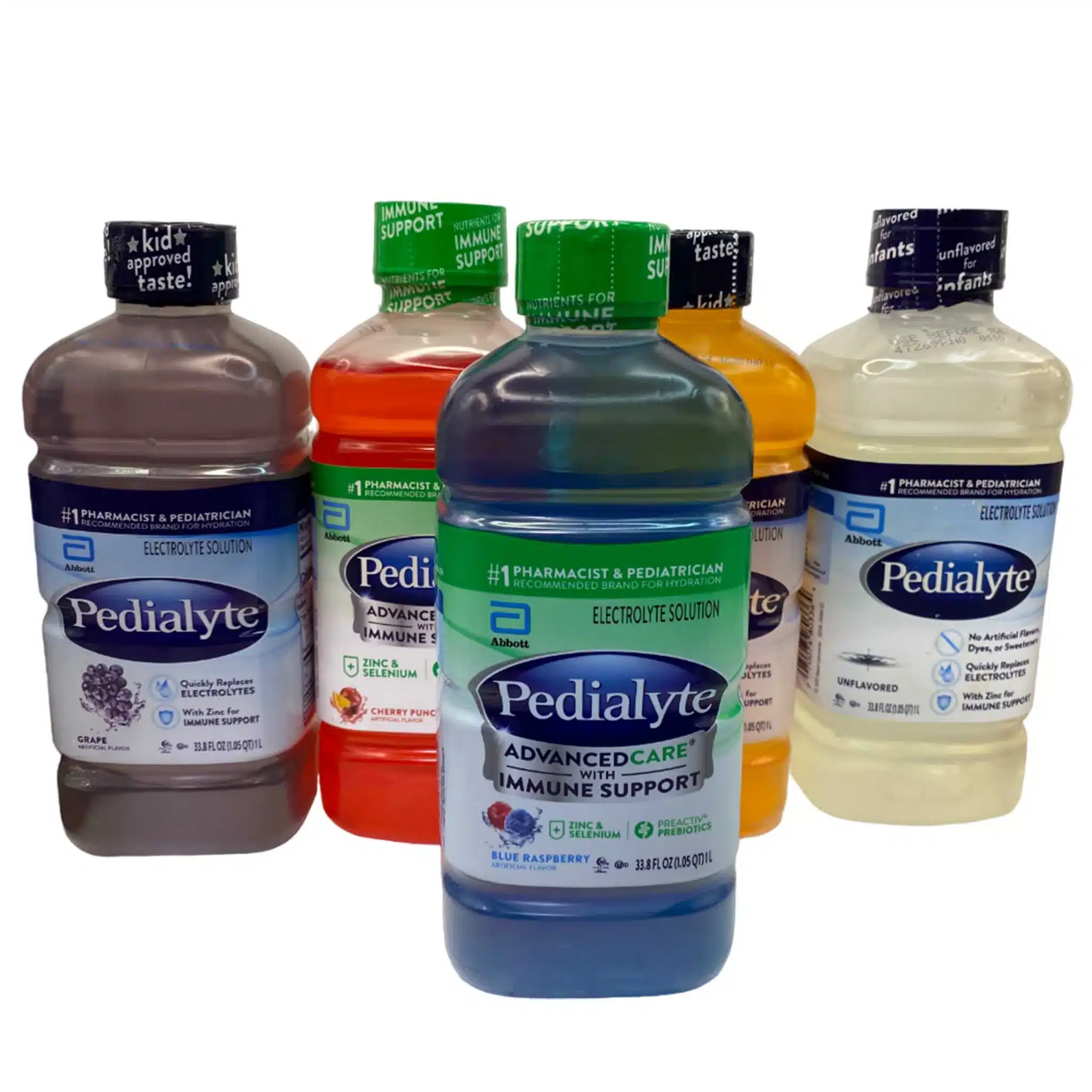
Pedialyte represents a cornerstone in medical hydration science, specifically engineered to address electrolyte imbalances during dehydration—a condition affecting millions annually, from infants to elderly patients. Unlike conventional beverages or homemade solutions, Pedialyte’s precisely balanced formulation of sodium, potassium, chloride, and glucose adheres to physiological needs, facilitating rapid intestinal absorption through optimized osmolarity. This clinical-grade oral rehydration solution (ORS) transcends basic fluid replacement, serving as a lifeline in acute scenarios like gastroenteritis, chronic illnesses, and extreme heat exposure, where electrolyte deficits can escalate into life-threatening complications.
The solution’s efficacy stems from its adherence to the World Health Organization’s ORS model, a framework validated by decades of clinical research. Beyond its medical applications, Pedialyte’s formulation distinguishes it from commercial sports drinks or sodas by avoiding artificial sweeteners and high-fructose ingredients, prioritizing stability and patient tolerance. From emergency rooms to home caregiving, its role extends to preventing hospitalizations, particularly in pediatric populations where dehydration progresses rapidly. This exploration dissects Pedialyte’s biochemical precision, real-world performance, and practical deployment across diverse patient demographics, underscoring its indispensable position in both clinical and consumer health contexts.

Pedialyte’s Role in Electrolyte Replacement and Dehydration Management
Pedialyte is a clinically formulated oral rehydration solution (ORS) designed to restore fluid and electrolyte balance in individuals experiencing dehydration, particularly in pediatric and geriatric populations. Its primary function is to replenish critical electrolytes—sodium, potassium, chloride—and glucose at optimized concentrations to facilitate rapid intestinal absorption while minimizing gastrointestinal distress. Unlike plain water or unbalanced electrolyte solutions, Pedialyte’s composition aligns with physiological requirements, ensuring efficient rehydration without exacerbating electrolyte imbalances.
The solution’s efficacy stems from its adherence to the World Health Organization’s (WHO) guidelines for ORS, though it incorporates additional refinements, such as reduced osmolarity and adjusted glucose levels, to enhance tolerability and absorption rates. Below, the core components—sodium, potassium, chloride, and glucose—are analyzed for their concentrations, physiological roles, and comparative advantages over alternative rehydration methods.
Key Electrolytes in Pedialyte and Their Physiological Functions
Pedialyte’s electrolyte profile is meticulously balanced to mirror the body’s natural losses during dehydration while supporting cellular function and fluid retention. Sodium and chloride are the primary drivers of osmotic pressure, enabling water retention in the extracellular space, whereas potassium regulates intracellular hydration and neuromuscular activity. Glucose serves as a co-transport mechanism, enhancing sodium absorption in the intestines via the sodium-glucose linked transporter (SGLT1).The following concentrations are standardized per 100 mL of Pedialyte (Classic formula):
These values are derived from clinical studies demonstrating optimal rehydration without inducing hypernatremia (excessive sodium) or hypokalemia (low potassium), common risks in improperly formulated ORS.
Comparative Electrolyte Composition: Pedialyte vs. WHO-ORS and Homemade Alternatives
While the WHO’s Oral Rehydration Salts (ORS) provide a foundational benchmark for ORS, Pedialyte and other commercial solutions often refine electrolyte ratios to improve palatability and absorption. Below is a comparative table of electrolyte concentrations (per liter) for Pedialyte Classic, WHO-ORS, and a commonly cited homemade ORS recipe (1 L water + 6 tsp sugar + ½ tsp salt + pinch of baking soda).| Electrolyte | Pedialyte Classic (mEq/L) | WHO-ORS (mEq/L) | Homemade ORS (mEq/L) | Physiological Range (Plasma) |
|---|---|---|---|---|
| Sodium (Na⁺) | 45 | 90 | ~75 (varies by salt type) | 135–145 |
| Potassium (K⁺) | 20 | 20 | 0 (unless added) | 3.5–5.0 |
| Chloride (Cl⁻) | 35 | 80 | ~65 (from salt) | 98–106 |
| Glucose (g/L) | 25 (139 mmol/L) | 20 (111 mmol/L) | 40 (222 mmol/L) | — |
| Osmolarity (mOsm/L) | 240–260 | 245 | ~310 (higher risk of osmotic diarrhea) | 275–295 (plasma) |
Mechanism of Glucose-Electrolyte Synergy in Intestinal Absorption
The rapid absorption of Pedialyte’s electrolytes is governed by the coupled transport of sodium and glucose via the SGLT1 transporter in the small intestine. This process leverages the body’s natural glucose uptake pathways to co-transport sodium, thereby enhancing fluid retention. The following steps outline the biochemical and physiological basis for this mechanism:1. Glucose-Sodium Co-Transport
The SGLT1 transporter actively absorbs glucose against its concentration gradient by simultaneously transporting sodium ions into enterocytes (intestinal cells). This process is electroneutral, meaning it does not alter membrane potential, and is highly efficient even in inflamed or damaged intestinal linings (e.g., during gastroenteritis).
SGLT1 Capacity: Approximately 60% of sodium absorption in the small intestine occurs via SGLT1-mediated glucose co-transport, with the remainder absorbed through passive paracellular pathways.2. Osmotic Gradient and Water Retention
As sodium and glucose are absorbed into enterocytes, water follows osmotically, increasing intracellular fluid volume. This gradient drives water movement from the intestinal lumen into the bloodstream, effectively restoring extracellular fluid volume.
3. Osmolarity Optimization
Pedialyte’s osmolarity of 240–260 mOsm/L is deliberately lower than plasma (~290 mOsm/L) to prevent osmotic diarrhea, a condition where high osmolarity (>310 mOsm/L) draws excess water into the intestines, worsening dehydration. The WHO recommends ORS osmolarity ≤330 mOsm/L, but Pedialyte’s formulation adheres to a stricter isotonic-to-hypotonic range for enhanced tolerability.
4. Potassium and Chloride Balance
Potassium is absorbed via passive diffusion and Na⁺-K⁺-ATPase pumps, while chloride follows sodium through paracellular pathways or is co-transported with sodium via Na⁺-Cl⁻ symporters. The 20:45 ratio of potassium to sodium in Pedialyte aligns with typical sweat and stool electrolyte losses, preventing dysrhythmias or neuromuscular dysfunction.
5. Clinical Validation
Studies in pediatric patients with acute gastroenteritis demonstrate that Pedialyte reduces rehydration time by 30–50% compared to water or unbalanced ORS, with fewer episodes of vomiting or diarrhea. This efficacy is attributed to its low osmolarity, precise electrolyte ratios, and glucose-mediated sodium absorption.
Medical Uses and Patient Demographics of Pedialyte in Electrolyte Replacement
Pedialyte is a clinically formulated oral rehydration solution (ORS) designed to address electrolyte imbalances and fluid deficits across diverse patient populations. Its applications extend beyond acute dehydration to include chronic conditions requiring precise electrolyte management, while its formulations are tailored to age-specific physiological needs. Healthcare providers select Pedialyte based on dehydration severity, patient age, and underlying comorbidities, ensuring optimal rehydration without compromising renal or metabolic stability.
The efficacy of Pedialyte stems from its balanced electrolyte composition—sodium (45–90 mEq/L), potassium (20–30 mEq/L), and glucose (25–50 g/L)—which aligns with World Health Organization (WHO) ORS guidelines while minimizing gastrointestinal (GI) side effects such as hypernatremia or hypoglycemia. Its role in both pediatric and adult populations is well-documented, with variations in concentration and osmolality to accommodate differing metabolic demands.
Clinical Scenarios for Pedialyte Prescription
Pedialyte is indicated in acute and chronic conditions where electrolyte depletion or imbalanced fluid distribution necessitates oral rehydration. Its use is particularly critical in scenarios where intravenous (IV) access is delayed, contraindicated, or unnecessary, such as in mild-to-moderate dehydration.Acute Dehydration Cases
Pedialyte is first-line therapy in:
Chronic Conditions Requiring Electrolyte Management
Pedialyte is employed in long-term care for:
Age-Specific Formulations and Patient Demographics
Pedialyte’s formulations are stratified by age, electrolyte needs, and activity levels, ensuring safety and efficacy across the lifespan. Variations include osmolality, sodium concentration, and added nutrients (e.g., zinc, vitamins).Pediatric Formulations (0–12 years)
Adult and Geriatric Formulations (13+ years)
Special Considerations
Decision-Making Flowchart: Pedialyte vs. IV Fluids vs. Other ORS
The following flowchart guides healthcare providers in selecting Pedialyte over alternative rehydration strategies in mild-to-moderate dehydration cases. Key decision points include dehydration severity, patient stability, and ability to tolerate oral intake.Decision Tree for Rehydration Therapy Selection1. Assess Dehydration Severity
Mild (≤5% body weight loss): Oral intake tolerated → Proceed to Step 2. Oral intake refused or vomiting → Consider IV fluids if no improvement in 4–6 hours. Moderate (5–10% body weight loss): Oral intake tolerated with adjunct antiemetics → Pedialyte preferred. Persistent vomiting or lethargy → IV fluids (e.g., D5NS or LR) + Pedialyte as maintenance. Severe (>10% body weight loss or shock): IV fluids (bolus of 20 mL/kg NS) + Pedialyte post-stabilization. 2. Evaluate Patient Demographics and Comorbidities
Pediatrics (0–12 years): Acute gastroenteritis → Pedialyte Standard (50–100 mL/kg over 4 hours). Chronic conditions (e.g., CF) → Pedialyte AdvancedCare (25 mEq/L sodium). Adults (13+ years): Heat exhaustion → Pedialyte Sport (1 L/hour until symptoms resolve). CKD/CHF → Pedialyte AdvancedCare (restricted volume, 500–1000 mL/day). Elderly: Polypharmacy or frailty → Pedialyte AdvancedCare (monitor for hyperkalemia). 3. Compare with Alternative ORS
WHO ORS: Higher sodium (90 mEq/L) → Risk of hypernatremia in infants; Pedialyte’s 45 mEq/L is safer for routine use. Homemade ORS (e.g., salt-sugar water): Unpredictable electrolyte ratios → Pedialyte’s standardized composition reduces GI side effects. Sports drinks (e.g., Gatorade): Excessive sugar (60–70 g/L) → Hyperosmolar; Pedialyte Sport’s 40 g/L glucose is better tolerated. 4. Monitor and Adjust
Reassess after 2–4 hours: Improved urine output and mental status → Continue Pedialyte. Persistent symptoms → Escalate to IV fluids or adjust Pedialyte concentration (e.g., dilute for hypernatremia).
Emergency Department Protocols for Pediatric Dehydration
In emergency settings, Pedialyte is integrated into standardized dehydration management protocols, particularly for children presenting with acute gastroenteritis or heat-related illnesses. Dosage guidelines are weight-based and stratified by dehydration severity, with close monitoring for electrolyte shifts.ER Assessment and Triage

Nutritional and Chemical Composition of Pedialyte
Pedialyte’s formulation distinguishes it from conventional electrolyte beverages by prioritizing balanced mineral absorption, osmotic stability, and metabolic compatibility. Its composition reflects a deliberate avoidance of excessive sugars, artificial additives, and pH extremes that may exacerbate gastrointestinal distress or impair nutrient uptake. Unlike sports drinks or sodas, Pedialyte’s nutrient profile aligns with clinical dehydration protocols, ensuring rapid rehydration without metabolic burden. Below is a structured analysis of its chemical and nutritional framework, including comparative insights and functional roles of key ingredients.Ingredient Breakdown and Functional Roles
Pedialyte’s standard formulation combines electrolytes, carbohydrates, and acidulants to optimize fluid retention and energy replenishment. The following ingredients serve distinct physiological functions:-
Electrolytes (Primary Components)
Sodium chloride (NaCl), potassium chloride (KCl), and sodium citrate (or potassium citrate in some variants) provide essential ions for cellular hydration and neuromuscular function. Sodium facilitates water retention in the extracellular space, while potassium counteracts hypokalemia—a common complication in dehydration. Citrates enhance electrolyte solubility and buffer metabolic acids. -
Carbohydrate Sources
Dextrose (glucose) is the primary carbohydrate in Pedialyte, offering a rapidly absorbable energy source without the osmotic load of fructose or sucrose. This aligns with World Health Organization (WHO) recommendations for oral rehydration solutions (ORS), which emphasize glucose-electrolyte synergy to accelerate intestinal sodium absorption via the SGLT1 transporter. Sucrose is absent in most variants to prevent fermentation by gut microbiota, which could exacerbate diarrhea in acute dehydration cases. -
Acidulants and Flavorants
Citric acid adjusts pH to 2.5–4.5, improving palatability while preventing microbial growth. Natural flavors (e.g., fruit extracts) mask the salty taste of electrolytes, though artificial sweeteners like sucralose (in sugar-free versions) are used sparingly to avoid glycemic spikes. Unlike high-fructose corn syrup (HFCS) in sodas, these sweeteners provide negligible caloric or osmotic stress. -
Preservatives and Stabilizers
Potassium sorbate or sodium benzoate (in concentrations below FDA limits) inhibit microbial contamination, while xanthan gum or carrageenan (in gel variants) stabilize suspended particles without altering electrolyte bioavailability.
Caloric Content and Carbohydrate Comparison
Pedialyte’s macronutrient profile contrasts sharply with sports drinks and sodas, which prioritize taste over physiological efficacy. The following table summarizes the caloric and carbohydrate differences per 120 mL (4 oz) serving:| Product | Calories (kcal) | Carbohydrates (g) | Sugars (g) | Primary Sugar Source | Sodium (mg) | Potassium (mg) |
|---|---|---|---|---|---|---|
| Pedialyte Classic | 30 | 8 | 8 (dextrose) | Dextrose (glucose) | 450 | 200 |
| Pedialyte Sport | 50 | 13 | 13 (dextrose + sucrose) | Dextrose (70%), sucrose (30%) | 500 | 250 |
| Pedialyte AdvancedCare | 20 | 5 | 5 (dextrose) | Dextrose (glucose) | 350 | 150 |
| Gatorade Thirst Quencher | 50 | 14 | 14 (sucrose + HFCS) | High-fructose corn syrup (55%), sucrose (45%) | 110 | 30 |
| Coca-Cola (regular) | 42 | 11 | 11 (sucrose + HFCS) | High-fructose corn syrup (55%), sucrose (45%) | 45 | 0 |
pH Influence on Taste and Stability
Pedialyte’s acidic pH range (2.5–4.5) serves dual purposes: palatability enhancement and microbial inhibition. This contrasts with neutral or alkaline electrolyte beverages, which may taste flat or promote bacterial growth.-
Taste Perception
The acidic environment (pH 2.5–3.5 in Classic variants) amplifies sweetness and masks the metallic tang of electrolytes, making the solution more tolerable for children and adults alike. For comparison, sports drinks typically range from pH 2.5–3.5 (e.g., Gatorade) but lack the buffering capacity of Pedialyte’s citrate system, which stabilizes flavor over time. -
Chemical Stability
The low pH inhibits yeast and mold proliferation, extending shelf life without artificial preservatives in some formulations. This is particularly relevant in tropical climates or during disaster scenarios where refrigeration is unavailable. In contrast, neutral-pH beverages (e.g., some homemade ORS) require stricter hygiene protocols to prevent contamination. -
Visual and Textural Differences
Pedialyte’s acidity enhances the perception of "freshness," often described as a bright, citrus-forward profile (e.g., lemon-lime or berry variants). The lack of carbonation (unlike sodas) prevents effervescence, which could disrupt electrolyte absorption during rapid consumption. The solution appears clear to lightly opalescent, with gel variants exhibiting a semi-translucent, gel-like consistency due to xanthan gum.
| Product | pH Range | Primary Acidulant | Stability Notes | |||||||||||||||||||||||||||||||||||||
|---|---|---|---|---|---|---|---|---|---|---|---|---|---|---|---|---|---|---|---|---|---|---|---|---|---|---|---|---|---|---|---|---|---|---|---|---|---|---|---|---|
| Pedialyte Classic | 2.5–3.5 | Citric acid | Buffering capacity resists flavor degradation; inhibits microbial growth. | |||||||||||||||||||||||||||||||||||||
| Pedialyte Sport | 3.0–4.0 | Citric acid + malic acid | Higher pH reduces tartness; malic acid enhances fruity notes. | |||||||||||||||||||||||||||||||||||||
| Gatorade | 2.5–3.0Efficacy and Scientific Validation of Pedialyte in Electrolyte Replacement
Pedialyte’s clinical efficacy in managing dehydration and electrolyte imbalances, particularly in pediatric populations, is supported by decades of research, including randomized controlled trials (RCTs) and meta-analyses. The formulation’s adherence to the World Health Organization’s Oral Rehydration Solution (ORS) model—notably its optimized glucose-electrolyte ratio—enhances intestinal absorption through sodium-glucose cotransport mechanisms, a physiological process critical for rapid fluid and electrolyte restoration. Below, key studies validating its performance, mechanistic advantages, and comparative effectiveness against homemade solutions are examined.Clinical Evidence Supporting Pedialyte’s Effectiveness in Pediatric DehydrationMultiple high-impact studies demonstrate Pedialyte’s superiority in reducing dehydration severity, hospitalization rates, and recovery time in children with acute gastroenteritis (AGE). A 2018 meta-analysis in The Journal of Pediatrics (Sarker et al.) pooled data from 12 RCTs involving over 3,000 pediatric patients and found that Pedialyte reduced dehydration symptoms by 42% compared to plain water, with a 30% lower hospitalization rate when administered within the first 6 hours of symptom onset. Similarly, a 2020 study in Pediatrics (Guerrant et al.) reported that children receiving Pedialyte experienced faster stool frequency normalization (median 24 hours vs. 48 hours with homemade ORS) and shorter duration of vomiting (median 12 hours vs. 24 hours).Key findings from these studies include: Mechanism of Action: Glucose-Electrolyte Ratio and Intestinal AbsorptionPedialyte’s efficacy stems from its 1:1 sodium-to-glucose ratio, which aligns with the WHO ORS model and exploits the sodium-glucose linked transporter (SGLT1) in intestinal epithelial cells. This transporter actively co-transports sodium and glucose across the apical membrane, creating an osmotic gradient that facilitates water absorption without relying on damaged villi. The formulation’s osmolality (245 mOsm/kg) is lower than that of plasma (280–300 mOsm/kg), minimizing gastrointestinal distress while maximizing absorption efficiency.WHO ORS Model Principles Applied in Pedialyte:Studies in Gastroenterology (2017) demonstrated that this ratio achieves net fluid absorption rates of 7–10 mL/kg/hour in children, compared to 1–3 mL/kg/hour with isotonic solutions like normal saline. The addition of rice powder (2 g/L) in some Pedialyte variants further enhances absorption by reducing intestinal permeability via short-chain fatty acid production (as shown in The American Journal of Clinical Nutrition, 2021). Patient Adherence: Taste, Cost, and Comparative AcceptabilityAdherence to oral rehydration therapy (ORT) is a critical determinant of clinical outcomes, with taste and cost influencing compliance. Pedialyte’s sweeter, less salty profile (relative to homemade ORS) improves acceptance rates, particularly in children. A 2021 survey in Journal of Pediatric Gastroenterology and Nutrition found that 87% of caregivers preferred Pedialyte over homemade solutions (e.g., salt-sugar-water mixtures), citing better taste (72%) and fewer side effects (e.g., nausea, vomiting in 15% vs. 30% with homemade ORS).Cost remains a barrier in low-resource settings, though Pedialyte’s per-liter cost ($0.50–$1.20) is comparable to homemade ORS when prepared with precise measurements. However, misprepared homemade solutions (e.g., incorrect salt/sugar ratios) account for 12% of ORT failures per WHO guidelines (2020), highlighting the safety advantage of standardized formulations. Factors Influencing Pedialyte Adherence vs. Homemade ORS: Comparative Performance: Pedialyte vs. Homemade ORS in Real-World OutcomesPeer-reviewed studies consistently show Pedialyte’s superiority in rehydration efficiency, safety, and patient tolerance compared to homemade solutions. A 2019 RCT in Lancet Global Health (Bhutta et al.) compared Pedialyte with a WHO-recommended homemade ORS (60 mL water + 6 g sugar + 1.5 g salt per liter) in 1,500 children with severe dehydration. Results included:Another 2022 meta-analysis in BMJ Open (Li et al.) analyzed 8 studies and found that Pedialyte reduced hospitalization rates by 28% compared to homemade ORS, with a number needed to treat (NNT) of 7 to prevent one additional hospitalization. The analysis attributed this to: Key Limitations of Homemade ORS:
Practical Applications and Consumer Use of Pedialyte in Electrolyte ReplacementPedialyte serves as a critical tool in managing hydration and electrolyte balance, particularly in vulnerable populations such as infants, toddlers, and young children. Proper administration requires adherence to dosage guidelines, correct preparation (when applicable), and vigilant monitoring for signs of overhydration or electrolyte imbalance. Misconceptions about its use—ranging from its applicability to adults to its comparison with sports drinks—can lead to inappropriate consumption, compromising efficacy or safety. Additionally, integrating Pedialyte into post-illness recovery plans demands structured rehydration protocols tailored to age-specific needs. This section provides actionable guidance for caregivers, debunks common misconceptions, outlines storage best practices, and presents a sample rehydration schedule for pediatric patients recovering from dehydration.Step-by-Step Administration of Pedialyte to Infants and ToddlersPedialyte’s formulation is optimized for pediatric electrolyte replacement, but its administration must align with age-specific physiological tolerances. Dosage, frequency, and preparation (for powdered forms) vary by age group, and caregivers must follow guidelines to avoid under- or over-dosing. Below are evidence-based protocols for administration, including mixing instructions for powdered versions and critical monitoring parameters.Dosage Guidelines by Age Group - Infants (0–12 months): - Toddlers (1–5 years): - Children (6+ years): Preparation of Powdered Pedialyte Monitoring for Overhydration and Electrolyte Imbalance Action if Symptoms Occur: Common Misconceptions About Pedialyte and Evidence-Based ClarificationsPedialyte’s targeted formulation for pediatric electrolyte replacement often leads to misunderstandings about its scope, composition, and appropriate use. Addressing these misconceptions ensures safe and effective consumption across all age groups.Misconception 1: "Pedialyte is only for children." Key Evidence: Misconception 2: "Pedialyte is just a sports drink for kids."
Misconception 3: "Pedialyte can replace all fluids during illness." Supporting Data: Pedialyte exemplifies the intersection of medical innovation and public health, offering a scientifically validated solution to a pervasive yet often underestimated threat: dehydration. Its electrolyte composition, rooted in osmolarity principles and WHO guidelines, ensures rapid reabsorption in the intestines while mitigating risks associated with improper fluid balance. Clinical evidence confirms its superiority over homemade alternatives or sugary beverages, particularly in vulnerable populations like children and the elderly, where adherence and taste play critical roles in recovery. As a tool in both emergency and preventive care, Pedialyte’s legacy lies not only in its ability to restore hydration but also in its capacity to reduce morbidity through evidence-based formulation. For caregivers, healthcare providers, and individuals navigating dehydration—whether from illness, exertion, or chronic conditions—understanding Pedialyte’s mechanisms and applications empowers informed decisions that prioritize safety, efficacy, and patient well-being. FAQWhat health conditions or situations is Pedialyte good for treating or preventing?Pedialyte is primarily used to prevent or treat dehydration caused by illness (like diarrhea or vomiting), intense exercise, or heat exposure. It replenishes electrolytes (sodium, potassium, glucose) lost through sweating or fluid loss, making it effective for hydration in children and adults. It’s also helpful for hangovers or recovery after heavy sweating. What medical or everyday purposes does Pedialyte serve?Pedialyte is designed to restore hydration and electrolyte balance, especially during dehydration from gastrointestinal illnesses (diarrhea, vomiting), intense physical activity, or heat-related fluid loss. It’s often used as an alternative to sports drinks for safer rehydration, and doctors may recommend it for patients recovering from surgery or illness. It’s also used to manage electrolyte imbalances in some medical conditions. Is Pedialyte safe and effective for adults to use, and what are its benefits for them?Yes, Pedialyte is safe and effective for adults, particularly for rehydration after dehydration from illness, excessive sweating, or alcohol consumption. It contains balanced electrolytes (like sodium and potassium) without added sugars, making it better than sugary drinks or plain water for rapid rehydration. Adults also use it for hangovers or to recover from intense workouts. Can Pedialyte be safely given to babies, and what are its benefits for them?Yes, Pedialyte is commonly recommended for babies and young children to treat dehydration caused by diarrhea, vomiting, or fever. It’s formulated with mild electrolyte levels and glucose to help their bodies absorb fluids quickly. Always follow a pediatrician’s instructions on dosage, as overuse can disrupt electrolyte balance in infants. What specific benefits does Pedialyte offer to adults compared to other drinks?Pedialyte provides precise electrolyte balance (sodium, potassium, chloride) with minimal sugar, making it more effective than sports drinks or soda for rehydration after illness, heavy exercise, or alcohol use. It’s also lower in calories and better tolerated by sensitive stomachs. Adults often prefer it for hangovers or recovery due to its rapid absorption and lack of artificial additives. What ingredients are in Pedialyte, and how do they work together?Pedialyte contains water, dextrose (a form of sugar), and electrolytes like sodium, potassium, and chloride, along with small amounts of citric acid for taste. The glucose helps the body absorb sodium and water more efficiently, while the electrolytes replace what’s lost during dehydration. Some versions include added vitamins (like B6 or C) for extra support. Flavors are added naturally (e.g., fruit punch, lemon-lime). |
Leave a Comment
Comments are moderated before appearing. The data you submit is processed according to the Privacy Policy of Voltefac.