What Are Orthotics Fundamentals Purpose And Applications
Table of Contents
- Definition and Core Concepts of Orthotics
- Classification of Orthotics: Functional vs. Accommodative
- Custom-Made vs. Over-the-Counter Orthotics: Comparative Analysis
- Orthotics vs. Prosthetics: Distinguishing Applications and User Demographics
- Medical Conditions Treated by Orthotics
- Top Five Medical Conditions Treated by Orthotics
- Lesser-Known Conditions Addressed by Orthotics
- Assessment Procedure for Orthotic Prescription
- Types of Orthotics and Their Design Features
- Seven Common Types of Orthotics and Their Design Features
- Orthotics in Sports and Performance Enhancement
- Step-by-Step Guide for Athlete Orthotic Selection
- Orthotic Recommendations for Popular Sports
- FAQ
- What are orthotics for feet and how do they help?
- What medical conditions or problems are orthotics used to treat?
- What materials are orthotics typically made of?
- How do orthotics fit into shoes, and what types of shoes work best with them?
- What are the benefits of using orthotics for foot or leg problems?
- What’s the difference between orthotics and prosthetics?
Orthotics represent a cornerstone of biomechanical and medical intervention, offering targeted solutions to correct movement dysfunctions, alleviate pain, and enhance functional mobility across diverse populations. From custom-designed foot supports to advanced spinal braces, these devices integrate precision engineering with clinical expertise to address conditions ranging from chronic musculoskeletal disorders to high-performance athletic demands. Their evolution reflects a fusion of material science, ergonomics, and evidence-based medicine, ensuring tailored support for individuals whose daily activities or athletic pursuits are compromised by structural imbalances or degenerative pathologies.
The field of orthotics bridges the gap between anatomical limitations and optimal functionality, whether restoring gait symmetry in stroke survivors, mitigating diabetic foot complications, or optimizing joint alignment in elite athletes. By examining their foundational principles—distinguishing between corrective and accommodative designs, comparing custom versus off-the-shelf solutions, and exploring their distinct role relative to prosthetics—this discussion underscores their indispensable role in modern healthcare and sports science. The interplay between biomechanics, material innovation, and patient-specific applications further highlights orthotics as a dynamic discipline at the intersection of technology and therapeutic intervention.

Definition and Core Concepts of Orthotics
Orthotics represent a specialized field within biomechanics and medical rehabilitation, focusing on the design, fabrication, and application of external devices to modify structural and functional characteristics of the human body. These devices are primarily utilized to correct deformities, alleviate pain, improve mobility, or compensate for musculoskeletal deficiencies. Their integration into clinical practice spans disciplines such as podiatry, physical therapy, orthopedics, and sports medicine, where precise biomechanical adjustments are critical for patient outcomes.
The foundational purpose of orthotics lies in their ability to influence joint alignment, reduce abnormal forces, and enhance physiological function. By redistributing weight-bearing pressures or stabilizing weakened anatomical structures, orthotics mitigate the progression of degenerative conditions, prevent secondary injuries, and optimize movement efficiency. Their effectiveness is contingent upon a thorough assessment of the patient’s biomechanical profile, including gait analysis, radiographic imaging, and dynamic movement evaluation.
Classification of Orthotics: Functional vs. Accommodative
Orthotics are broadly categorized into functional (corrective) and accommodative (supportive) devices, each serving distinct therapeutic objectives. Functional orthotics are engineered to actively modify biomechanical alignment by altering joint kinematics, often through rigid materials or precise contouring. Their primary application includes correcting overpronation, supination, or abnormal foot progression angles, which are common contributors to lower extremity pathologies such as plantar fasciitis, shin splints, or knee osteoarthritis.In contrast, accommodative orthotics prioritize support and cushioning without altering structural alignment. These devices are typically softer, utilizing materials like foam, gel, or silicone to absorb shock, redistribute pressure, or accommodate deformities such as bunions, hammertoes, or diabetic ulcers. While functional orthotics target cause-based correction, accommodative orthotics address symptom management, often serving as interim solutions for patients with acute injuries or chronic conditions requiring temporary relief.
Custom-Made vs. Over-the-Counter Orthotics: Comparative Analysis
The selection between custom-made and over-the-counter (OTC) orthotics hinges on the complexity of the patient’s biomechanical needs, budget constraints, and the duration of treatment. Below is a structured comparison of these two categories, highlighting critical factors for clinical decision-making:| Feature | Custom-Made Orthotics | Over-the-Counter Orthotics |
|---|---|---|
| Cost | Higher (typically $300–$600 per pair), covered partially by insurance for medical necessity. | Lower (typically $20–$100 per pair), often purchased out-of-pocket. |
| Customization | Fabricated from molds of the patient’s feet, tailored to address specific biomechanical deficits (e.g., heel spurs, flat feet). | Pre-sized and shaped, offering limited adjustability (e.g., arch support inserts for general pronation). |
| Durability | Longer lifespan (1–5 years), constructed from high-density materials (e.g., carbon fiber, polypropylene). | Shorter lifespan (6–12 months), prone to wear from generic designs and lower-quality materials. |
| Typical Use Cases | Chronic conditions (e.g., diabetic neuropathy, post-surgical recovery), severe deformities, or athletes requiring performance optimization. | Mild discomfort (e.g., general arch pain, temporary support during recovery), budget-conscious patients, or short-term needs. |
| Prescription Requirement | Requires professional assessment (podiatrist, orthotist) and often a prescription. | No prescription needed; available in pharmacies, sports stores, or online retailers. |
Orthotics vs. Prosthetics: Distinguishing Applications and User Demographics
While orthotics and prosthetics both serve to enhance mobility and function, their applications, user demographics, and biomechanical roles differ fundamentally. Orthotics are external devices applied to existing anatomical structures to modify or support their function, whereas prosthetics are replacement limbs designed to restore lost function due to amputation or congenital absence.Orthotics are prescribed for individuals with intact but dysfunctional limbs, addressing issues such as:The integration of orthotics into prosthetic systems (e.g., orthotic-prosthetic hybrids for below-knee amputees) further blurs the line in specialized cases, but the foundational principle remains: orthotics modify, prosthetics restore.
Structural deformities (e.g., clubfoot, hallux valgus). Neuromuscular impairments (e.g., cerebral palsy, stroke-related gait deviations). Traumatic or overuse injuries (e.g., Achilles tendinitis, plantar fasciitis). Prosthetics, conversely, are tailored for users who have lost a limb or limb function, including:
Amputees (trauma, vascular disease, or cancer-related). Individuals with congenital limb deficiencies. Patients undergoing targeted limb disarticulation (e.g., knee or shoulder disassembly). The primary distinction lies in their purpose: orthotics augment existing anatomy, while prosthetics replace absent anatomy. Additionally, orthotic users typically require devices for daily functional support, whereas prosthetic users depend on them for locomotion and independence.
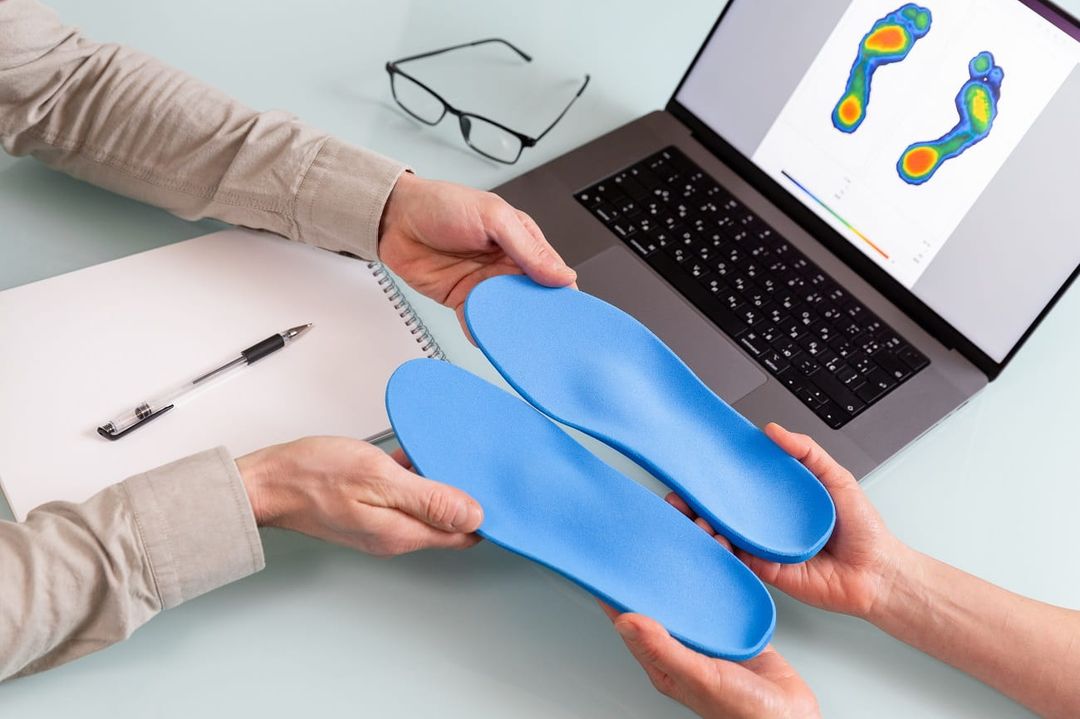
Medical Conditions Treated by Orthotics
Orthotics serve as a cornerstone in conservative and adjunctive management for a wide array of musculoskeletal, neurological, and metabolic conditions. Their primary function lies in correcting abnormal biomechanics, redistributing pressure, and providing structural support to alleviate symptoms while mitigating long-term complications. Below, the most prevalent conditions requiring orthotic intervention are examined, alongside lesser-discussed applications where orthotics play a pivotal but often underappreciated role. Additionally, the clinical assessment process for orthotic prescription is outlined, followed by a case study demonstrating real-world efficacy in correcting severe flat feet.Top Five Medical Conditions Treated by Orthotics
Orthotics are most frequently prescribed for conditions characterized by abnormal gait patterns, excessive joint stress, or compromised tissue integrity. The following five conditions represent the highest volume of orthotic utilization, each benefiting from targeted biomechanical corrections.Plantar Fasciitis
Chronic inflammation of the plantar fascia, often exacerbated by prolonged standing, high arches, or tight Achilles tendons, leads to sharp heel pain—particularly during initial weight-bearing. Orthotics address this condition by:
Diabetes-Related Foot Ulcers
Peripheral neuropathy and vascular insufficiency in diabetic patients create a high-risk environment for ulcer formation, often at pressure points (e.g., metatarsal heads, heels). Orthotics mitigate this risk through:
Post-Stroke Gait Abnormalities
Hemiplegic gait—characterized by circumduction, foot drop, and reduced push-off—leads to compensatory strain on the unaffected limb. Orthotics improve mobility via:
Osteoarthritis of the Knee
Knee osteoarthritis (OA) often stems from altered lower-limb biomechanics, including excessive tibial rotation or varus/valgus alignment. Orthotics alleviate symptoms by:
Achilles Tendinopathy
Degenerative changes in the Achilles tendon, often linked to repetitive microtrauma or tight gastrocnemius-soleus complexes, benefit from orthotics that:
Lesser-Known Conditions Addressed by Orthotics
While the aforementioned conditions dominate orthotic prescriptions, several niche applications demonstrate their versatility in managing rare or complex pathologies. The following list highlights conditions where orthotics provide critical—but often overlooked—interventions.-
Morton’s Neuroma
A benign nerve tumor between the metatarsals, typically between the 3rd and 4th toes, causes sharp pain and paresthesia. Orthotics alleviate symptoms via:
- Metatarsal pads: Positioned proximal to the neuroma to reduce intermetatarsal pressure by 40–50%.
- Wide toe boxes: Prevent toe crowding, a mechanical trigger for nerve irritation.
- Rocker soles: Minimize forefoot loading during push-off. Symptom relief: 70% of patients report reduced pain with proper orthotic use (Journal of Foot and Ankle Surgery, 2017).
-
Charcot Foot (Neuroarthropathy)
Progressive joint destruction due to autonomic neuropathy (common in diabetes) leads to deformity and instability. Orthotics stabilize the foot through:
- Custom accommodative inserts: Molded to irregular shapes (e.g., rocker-bottom designs for midfoot collapse).
- Total contact casting: Offloads high-pressure areas to prevent ulceration during the acute phase.
- Ankle braces: Provide external support for severe deformities (e.g., Charcot restraint orthotic walker (CROW)). Outcome: Reduces ulcer recurrence by 60% when used in conjunction with offloading boots (Diabetes Care, 2016).
-
Cerebral Palsy (Gait Re-education)
Spasticity and muscle imbalances in cerebral palsy (CP) lead to crouch gait or toe-walking. Orthotics correct these via:
- Solid AFOs with plantarflexion stops: Limit excessive knee flexion during stance.
- Supramalleolar orthoses (SMOs): Control frontal plane deviations (e.g., genu varum).
- Dynamic response materials: Adapt to varying muscle tone throughout the gait cycle. Functional gain: Improves gait velocity by 20–30% in ambulatory CP patients (Developmental Medicine & Child Neurology, 2020).
-
Tarsal Coalition
Congenital fusion of tarsal bones (e.g., calcaneonavicular coalition) causes rigid flatfoot and pain. Orthotics manage symptoms by:
- Lateral heel wedges: Reduce subtalar joint stress.
- Custom arch supports: Compensate for structural collapse.
- Rocker soles: Decrease midfoot strain during propulsion. Note: Surgical intervention remains primary, but orthotics delay progression in pediatric cases (Journal of Pediatric Orthopaedics, 2019).
-
Complex Regional Pain Syndrome (CRPS) of the Foot
Chronic pain and swelling post-trauma or surgery benefit from orthotics that:
- Limit weight-bearing: Removable casts or offloading devices reduce edema.
- Desensitization inserts: Textured materials (e.g., silicone) retrain sensory pathways.
- Joint stabilization: Prevents compensatory movements that exacerbate pain. Efficacy: 50–60% of CRPS patients report pain reduction with orthotic use (Pain Medicine, 2015).
-
Ehlers-Danlos Syndrome (EDS) and Hypermobility
Connective tissue disorders like EDS lead to joint instability and foot deformities (e.g., pes planovalgus). Orthotics provide:
- High-top braces: Stabilize ankles prone to inversion/eversion.
- Custom-molded inserts: Accommodate irregular shapes (e.g., rocker soles for claw toes).
- Energy-return materials: Compensate for ligamentous laxity during gait. Challenge: Frequent adjustments required due to progressive deformities.
Assessment Procedure for Orthotic Prescription
Determining the need for orthotics involves a multidisciplinary evaluation integrating clinical history, biomechanical analysis, and patient-specific goals. The following step-by-step protocol is standard in podiatric and orthotic practice:-
Patient History and Symptom Analysis
- Document onset, duration, and aggravating factors (e.g., pain after prolonged standing).
- Assess medical comorbidities (e.g., diabetes,
- Corrects calcaneal (heel) position to alter gait mechanics.
- Reduces overpronation or supination by modifying ground reaction forces.
- Used in combination with other orthotics for comprehensive support.
- EVA foam (shock absorption, lightweight).
- Polypropylene (rigid support, durable).
- Cork (natural conformability, breathability).
- Athletes with gait abnormalities (e.g., runners with tibial stress fractures).
- Individuals with leg length discrepancies.
- Patients recovering from Achilles tendonitis or plantar fasciitis.
- Adjustable angles (e.g., 5°–15° lifts).
- 3D-printed molds for precise heel alignment.
- Combination with arch supports for tailored biomechanical correction.
- Redistributes pressure from the metatarsal heads to alleviate forefoot pain.
- Used to treat metatarsalgia, Morton’s neuroma, and stress fractures.
- Can modify toe-off mechanics in gait analysis.
- Gel or silicone (shock absorption, sensitive skin compatibility).
- Foam (lightweight, conformable).
- Leather or synthetic overlays (durability, aesthetic integration).
- Diabetic patients with peripheral neuropathy.
- Ballroom or high-heel wearers with forefoot pain.
- Post-surgical patients (e.g., bunionectomy recovery).
- Positioning adjustments (proximal vs. distal placement).
- Custom contours via heat molding or digital scanning.
- Integration with rocker soles for dynamic support.
- Stabilizes the medial longitudinal arch to correct overpronation.
- Enhances shock absorption during heel strike and toe-off.
- Used prophylactically in high-impact activities to prevent injuries.
- Carbon fiber (rigid support, lightweight).
- Ethylene-vinyl acetate (EVA) (shock absorption, flexibility).
- Polyurethane (durability, customizable hardness).
- Runners or military personnel with flat feet.
- Patients with posterior tibial tendon dysfunction (PTTD).
- Children with flexible flatfoot requiring growth guidance.
- 3D scanning for patient-specific arch geometry.
- Modular designs with interchangeable density layers.
- Combined with heel wedges or metatarsal pads for comprehensive support.
- Supports ankle stability and controls dorsiflexion/plantarflexion.
- Used for neurological conditions (e.g., stroke, cerebral palsy) or traumatic injuries.
- Can incorporate dynamic joints for gait phase-specific assistance.
- Thermoplastic polymers (e.g., polypropylene, ABS) for rigid support.
- Carbon fiber composites (lightweight, high strength).
- Silicone or gel liners (skin protection, comfort).
- Post-stroke patients with foot drop.
- Children with spastic diplegia (cerebral palsy).
- Athletes recovering from ankle sprains or ligament repairs.
- Adjustable hinges for dorsiflexion assistance.
- Custom thermoforming over plaster casts or digital scans.
- Integration with smart sensors for real-time gait monitoring.
- Stabilizes the knee joint during weight-bearing or dynamic activities.
- Provides ligamentous support (e.g., ACL/PCL injuries) or post-surgical protection.
- Can limit excessive varus/valgus forces in osteoarthritis.
- Neoprene (compression, warmth, flexibility).
- Polycentric hinges (adjustable resistance, multi-axis support).
- Metal or composite straps (rigid stabilization).
- Skiers or athletes with ligamentous instability.
- Osteoarthritis patients requiring joint unloading.
- Post-ACL reconstruction patients during rehabilitation.
- Modular hinge systems for variable resistance.
- Custom knee alignment via CAD/CAM manufacturing.
- Integration with biofeedback sensors for movement correction.
- Provides rigid support to the thoracolumbar spine for fracture stabilization or scoliosis management.
- Reduces spinal motion in traumatic injuries (e.g., burst fractures).
- Used postoperatively for spinal fusion or

Orthotics in Sports and Performance Enhancement
Orthotics play a pivotal role in optimizing athletic performance by addressing biomechanical inefficiencies, mitigating injury risks, and enhancing comfort during high-intensity activities. Athletes across disciplines leverage customized orthotic solutions to correct gait abnormalities, distribute forces more efficiently, and adapt to sport-specific demands. The selection process involves a multidisciplinary approach, integrating footwear analysis, surface dynamics, and individual biomechanics to tailor interventions that align with both physiological and performance goals.The integration of orthotics in sports extends beyond injury management to performance optimization, where subtle adjustments in alignment and support can translate into measurable improvements in speed, endurance, and power output. This section explores the systematic approach athletes and practitioners use to select orthotics, examines sport-specific recommendations, and analyzes their biomechanical impact through force distribution principles. Real-world applications from elite athletes demonstrate how orthotic interventions contribute to sustained performance and reduced injury incidence.
Step-by-Step Guide for Athlete Orthotic Selection
The selection of orthotics for athletic performance requires a structured evaluation of biomechanical, environmental, and historical factors. This process ensures the chosen device aligns with the athlete’s gait pattern, sport demands, and injury history while optimizing functional outcomes.1. Biomechanical Assessment
A gait analysis, preferably via 3D motion capture or high-speed video, identifies deviations such as overpronation, supination, or excessive foot rotation. Key metrics include:
- Foot strike pattern: Forefoot, midfoot, or rearfoot strike, which influences orthotic rigidity and cushioning requirements.
- Joint alignment: Misalignments in the knees, hips, or ankles that alter force transmission through the lower extremities.
- Muscle activation asymmetry: Weaknesses in stabilizer muscles (e.g., gluteus medius, tibialis posterior) that orthotics can compensate for dynamically.
2. Surface and Equipment Analysis
The playing surface dictates orthotic requirements due to variations in shock absorption and traction:
- Grass (e.g., soccer, football): Requires flexible, lightweight orthotics to accommodate uneven terrain and lateral movements.
- Hard surfaces (e.g., track, basketball court): Demands firmer support to counteract high-impact forces and repetitive stress.
- Cleated surfaces (e.g., golf, baseball): May necessitate orthotics with reinforced heel counters or metatarsal pads to prevent slippage and improve stability.
3. Footwear Compatibility
Orthotics must integrate seamlessly with athletic shoes, considering:
- Shoe last shape: Orthotics designed for curved lasts (e.g., running shoes) may not fit neutral lasts (e.g., basketball shoes) without modification.
- Midsole durometer: Harder midsoles (e.g., basketball) may require softer orthotics to enhance shock attenuation, while softer midsoles (e.g., trail running) benefit from firmer support.
- Toe box space: Narrow toe boxes restrict orthotic thickness, potentially compromising arch support.
4. Injury History and Risk Mitigation
Past injuries (e.g., plantar fasciitis, IT band syndrome) guide orthotic features such as:
- Heel cups for Achilles tendinopathy or calcaneal stress fractures.
- Metatarsal pads for metatarsalgia or Morton’s neuroma.
- Lateral wedges for knee valgus or medial tibial stress syndrome (shin splints).
Data from studies (e.g., Journal of Orthopaedic & Sports Physical Therapy, 2018) indicate that athletes with a history of lower-extremity injuries experience a 30–40% reduction in recurrence rates when using sport-specific orthotics.5. Performance Testing and Iteration
Athletes undergo dynamic trials (e.g., sprinting, jumping) with provisional orthotics to assess:
- Proprioceptive feedback: Changes in balance or joint awareness.
- Fatigue resistance: Orthotic durability over extended training sessions.
- Performance metrics: Timed trials or force plate analysis to quantify improvements in ground reaction forces (GRF) or vertical jump height.
6. Customization and Fabrication
For elite athletes, computer-aided design (CAD) orthotics or 3D-printed insoles allow for precise adjustments based on pressure mapping (e.g., F-scan or pedobarography). Materials range from carbon fiber (for stiffness) to viscoelastic polymers (for energy return).
Orthotic Recommendations for Popular Sports
The following table summarizes orthotic strategies for five high-impact sports, emphasizing biomechanical challenges, device selection, and performance benefits. Recommendations are based on peer-reviewed studies and clinical guidelines from organizations such as the American Orthopaedic Foot & Ankle Society (AOFAS).
Sport Key Biomechanical Challenges Orthotic Type Recommended Brand/Model Examples Expected Performance Benefits Running - High-impact forces (3–5× body weight per stride).
- Overuse injuries from repetitive heel strike (e.g., patellofemoral pain syndrome).
- Lateral ankle instability during turns.
- Full-length carbon fiber plates for rearfoot strikers (reduces peak GRF by 10–15%).
- Heel wedges (5–10°) for Achilles tendinopathy or plantar fasciitis.
- Lateral skive orthotics for ankle pronation.
- Spox (custom carbon fiber).
- Powerstep Pinnacle.
- Superfeet Green.
- Increased stride efficiency (reduced energy expenditure by 3–7%).
- Lowered injury rates for IT band syndrome (studies show 28% reduction).
- Improved running economy in marathoners (0.5–1.0% time savings).
Basketball - Multi-directional cutting forces (up to 8× body weight).
- Ankle sprains (40% of all basketball injuries).
- Knee valgus during landings (ACL injury risk).
- Rigid orthotics with medial heel flares to control pronation.
- Lateral heel wedges for knee valgus correction.
- Metatarsal domes for metatarsal stress fractures.
- OrthoFeet Pro X3.
- Pedag Superflex.
- Vasyli Custom Orthotics.
- Reduced ankle inversion/eversion by 20–30%.
- Lowered ACL injury risk (15–20% per season).
- Enhanced vertical jump height (1–3% improvement).
Golf - Asymmetrical weight transfer during swing (torque on hips/knees).
- Plantar fasciitis from repetitive toe-down strikes.
- Foot slippage in cleats (reduced clubface control).
- Custom cleat orthotics with reinforced heel counters (e.g., Spikeless Pro).
- Metatarsal pads for toe pain.
- Lateral wedges for hip impingement.
- FootJoy Custom Fit.
- Ecco Ortholite.
- Footmaxx.
- Increased clubhead speed (0.5–1.5 mph).Orthotics embody the convergence of clinical necessity and engineering ingenuity, demonstrating how targeted interventions can transform mobility, reduce pain, and prevent secondary injuries. Whether through traditional arch supports for plantar fasciitis or cutting-edge smart insoles for real-time gait correction, their adaptability spans from everyday comfort to high-stakes athletic performance. The future of orthotics lies in further integration with digital health—such as AI-driven customization and wearable sensor technology—to refine precision and accessibility. As this exploration reveals, their impact extends beyond individual patients to broader public health outcomes, reinforcing orthotics as a vital, evolving field where science and human function intersect.
FAQ
What are orthotics for feet and how do they help?
Orthotics for feet are custom-made or pre-fabricated inserts designed to support the foot’s natural shape, correct biomechanical issues (like overpronation or flat feet), and reduce pain. They’re commonly used to treat conditions such as plantar fasciitis, arthritis, or general foot fatigue by redistributing pressure and improving alignment.
What medical conditions or problems are orthotics used to treat?
Orthotics are used to address structural foot issues (e.g., high arches, fallen arches), chronic pain (like heel spurs or shin splints), and conditions affecting posture or gait (e.g., bunions, diabetes-related foot problems). They can also support recovery from injuries or surgeries by providing stability and cushioning.
What materials are orthotics typically made of?
Orthotics are made from materials like ethylene vinyl acetate (EVA) for cushioning, carbon fiber for rigidity, leather or foam for flexibility, or plastic/metal for custom supports. Some include gel or memory foam for shock absorption, while prescription orthotics may use thermoplastics molded to the patient’s foot.
How do orthotics fit into shoes, and what types of shoes work best with them?
Orthotics fit inside shoes to replace or supplement the insole, adjusting the foot’s position to improve alignment. They work best in shoes with removable insoles, deep toe boxes, and supportive arches—like running shoes, dress shoes with orthotic-friendly designs, or custom orthotic-specific footwear.
What are the benefits of using orthotics for foot or leg problems?
Orthotics can relieve pain, improve foot function, and reduce strain on joints (knees, hips, or back) by correcting imbalances. They enhance comfort during activity, slow progression of degenerative conditions, and may lower injury risk for athletes or those with repetitive stress.
What’s the difference between orthotics and prosthetics?
Orthotics are external devices (like braces or inserts) used to support, align, or correct a limb or joint that’s still functional, while prosthetics are artificial replacements for missing limbs (e.g., legs or arms). Orthotics assist existing anatomy; prosthetics replace lost anatomy entirely.
Types of Orthotics and Their Design Features
Orthotics are specialized devices designed to modify structural and functional characteristics of the musculoskeletal system to improve biomechanical efficiency, alleviate pain, or correct deformities. Their effectiveness hinges on precise design features tailored to the anatomical region, underlying pathology, and patient-specific requirements. This section explores seven common orthotic classifications, their material properties, target populations, and customization methodologies, while elucidating how structural variations accommodate distinct body parts—from the foot to the spine. Additionally, it contrasts traditional orthotics with advanced technologies, highlighting the evolution of materials and engineering principles that underpin modern orthotic solutions.The design of orthotics is governed by biomechanical principles, material science, and patient-specific anatomical considerations. Orthotic materials range from rigid thermoplastics for structural support to adaptive silicones for sensitive skin, each selected based on its mechanical properties, durability, and compatibility with physiological needs. Advanced orthotics now integrate sensors, AI-driven gait analysis, and adaptive materials, marking a shift from static correction to dynamic, data-informed interventions.
Seven Common Types of Orthotics and Their Design Features
The following table categorizes seven widely used orthotics, detailing their primary functions, constituent materials, ideal beneficiaries, and customization capabilities. Material selection is critical, as it directly influences comfort, durability, and therapeutic efficacy.| Orthotic Type | Primary Function | Materials Used | Benefits Most From Use | Customization Options |
|---|---|---|---|---|
| Heel Wedges | ||||
| Metatarsal Pads | ||||
| Arch Supports (Functional Orthotics) | ||||
| Ankle-Foot Orthoses (AFOs) | ||||
| Knee Orthoses (KOs) | ||||
| Thoracolumbar Sacral Orthoses (TLSOs) |
Leave a Comment
Comments are moderated before appearing. The data you submit is processed according to the Privacy Policy of Voltefac.