What Is Metoclopramide Used For In Medical Therapy

Published

Table of Contents

Metoclopramide, a versatile dopamine D2 receptor antagonist and 5-HT4 agonist, plays a pivotal role in modern gastroenterology and supportive care by enhancing gastrointestinal motility and suppressing emesis. Approved by the FDA for conditions ranging from diabetic gastroparesis to chemotherapy-induced nausea, its pharmacodynamic mechanisms offer targeted relief for motility disorders while presenting nuanced risks requiring clinical vigilance. Beyond its primary indications, metoclopramide’s off-label applications—including migraine management and neonatal apnea—highlight its broader therapeutic potential, though these uses demand careful risk-benefit evaluation.

The drug’s efficacy stems from its dual action: accelerating gastric emptying through prokinetic effects while modulating central emetic pathways, making it indispensable in both acute and chronic gastrointestinal disturbances. Clinical guidelines from organizations such as the American Gastroenterological Association (AGA) and the European Society for Medical Oncology (ESMO) underscore its role in structured treatment protocols, though contraindications in Parkinson’s disease or bowel obstruction necessitate individualized prescribing. This discussion explores metoclopramide’s evidence-based applications, comparative advantages in nausea management, and emerging roles in refractory conditions, alongside strategies to mitigate adverse effects like tardive dyskinesia.
what is metoclopramide used for

Primary Medical Uses of Metoclopramide: FDA-Approved Indications and Pharmacodynamic Foundations

Metoclopramide is a centrally and peripherally acting dopamine D2 receptor antagonist with additional 5-HT4 receptor agonistic properties, approved by the U.S. Food and Drug Administration (FDA) for specific gastrointestinal and emetic conditions. Its dual mechanism enhances gastric motility while suppressing emesis through both central (chemoreceptor trigger zone) and peripheral (vagal nerve) pathways. Below, the FDA-approved indications are detailed alongside their dosage forms, therapeutic ranges, and supporting pharmacodynamic principles, followed by a comparative analysis of approved versus off-label applications.

FDA-Approved Indications, Dosage Forms, and Therapeutic Ranges

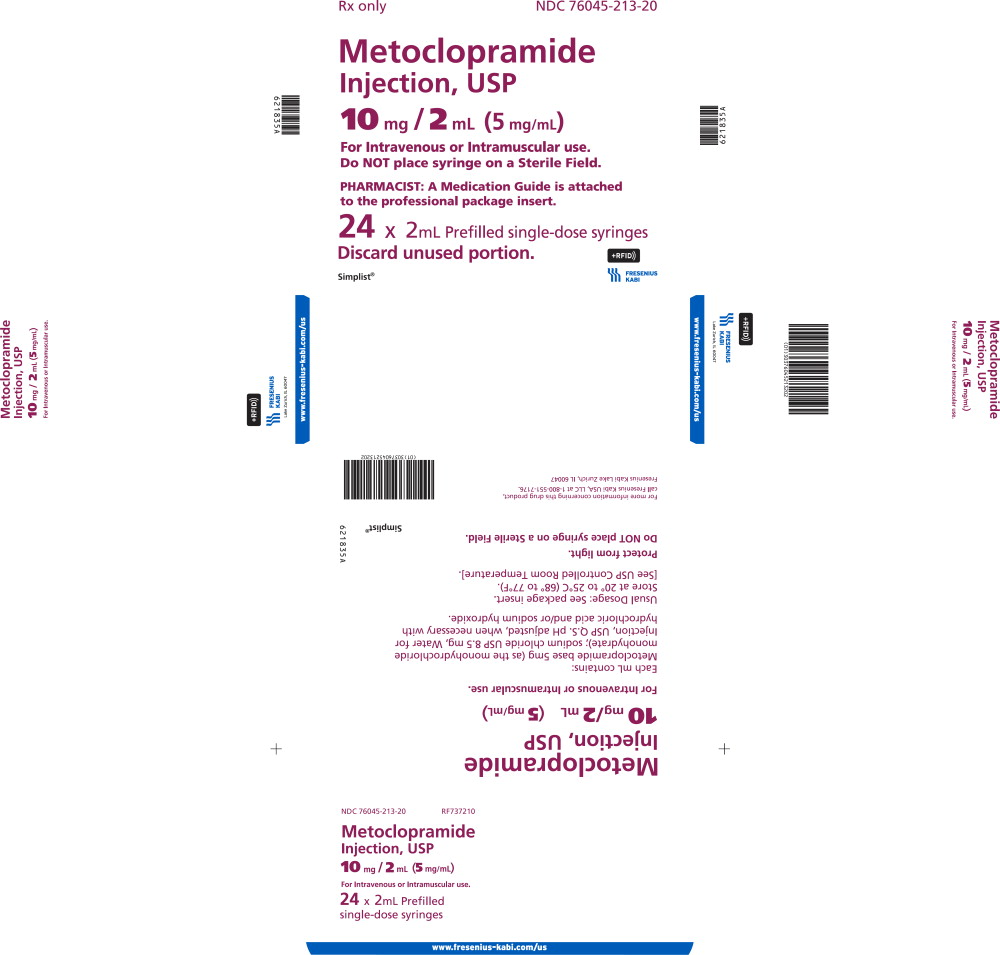
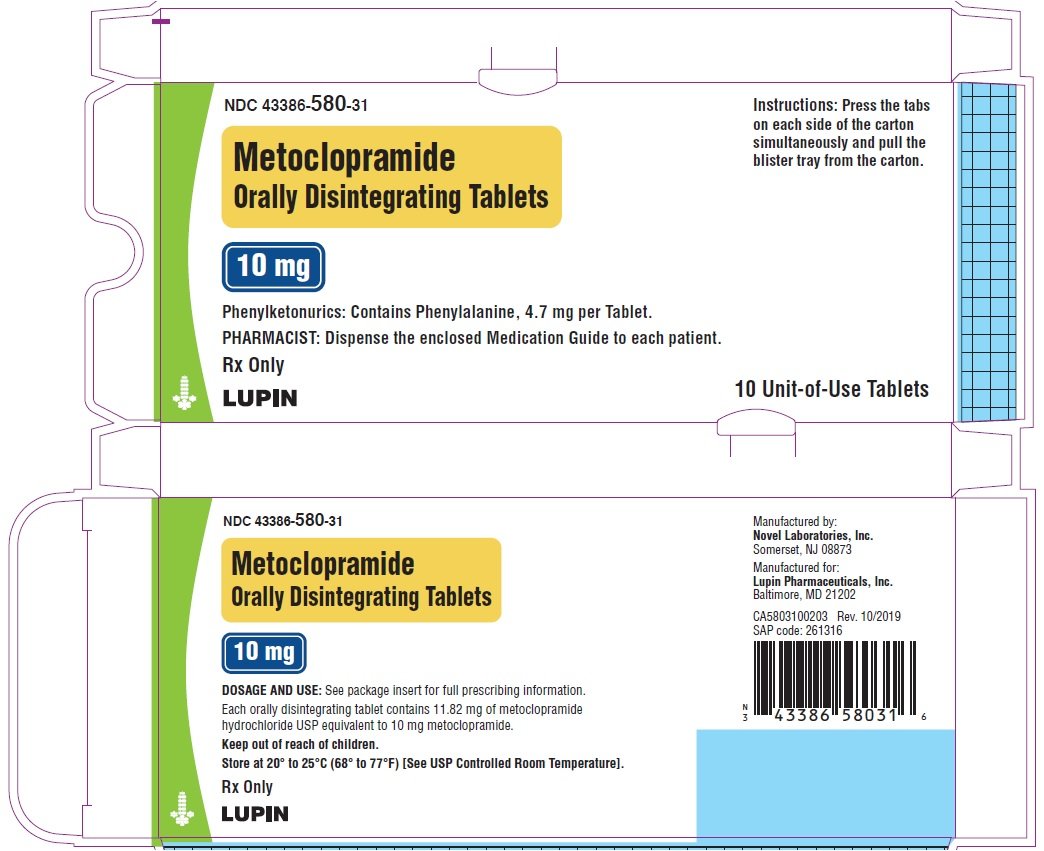
Metoclopramide’s FDA-approved uses are categorized into gastrointestinal motility disorders and chemotherapy/radiation-induced nausea and vomiting (CINV/RINV). The drug is available in oral (tablets, syrup), intravenous (IV), and intramuscular (IM) formulations, with dosage adjustments based on indication, patient age, and renal function.

Therapeutic ranges and key considerations:

  • Diabetic gastroparesis: Oral metoclopramide (10 mg 3–4 times daily) or IV (10–20 mg every 6 hours) for short-term use (≤12 weeks) due to risk of tardive dyskinesia.
  • Gastroesophageal reflux disease (GERD) and symptomatic gastroparesis: Oral dosing (5–10 mg 30 minutes before meals and at bedtime), with IV reserved for hospitalized patients.
  • CINV/RINV: IV/IM (1–2 mg/kg as a single dose or 0.2–0.5 mg/kg every 2–3 hours for breakthrough emesis), often combined with other antiemetics (e.g., dexamethasone, serotonin antagonists).
  • Postoperative nausea and vomiting (PONV): IV/IM (10 mg as a single dose or 10–20 mg every 6 hours as needed).
  • Critical dosage adjustments:

  • Renal impairment: Reduce dose by 50% in patients with creatinine clearance <40 mL/min (e.g., oral 5 mg every 12 hours).
  • Elderly patients: Start with lower doses (5 mg oral/IV) to mitigate extrapyramidal side effects.
  • Pediatric use: Oral syrup (0.1–0.5 mg/kg/dose, max 10 mg/dose) for gastroparesis or CINV; IV/IM dosing mirrors adult weight-based calculations.
  • Pharmacodynamic Mechanisms Justifying Clinical Use

    Metoclopramide’s efficacy in motility disorders and emesis stems from its multimodal receptor interactions, primarily targeting dopamine and serotonin pathways:

    1. Dopamine D2 receptor antagonism (peripheral and central effects)

  • Gastrointestinal tract: Blocks dopamine receptors on gastric smooth muscle, reducing antral hypomotility and accelerating gastric emptying in conditions like diabetic gastroparesis.
  • Chemoreceptor trigger zone (CTZ): Inhibits dopamine-mediated vomiting signals in the medulla, providing antiemetic effects in CINV, PONV, and migraines (off-label).
  • 2. 5-HT4 receptor agonism

  • Enhances acetylcholine release in the myenteric plexus, directly stimulating gastric and small intestinal motility.
  • Synergizes with dopamine blockade to improve coordinated peristalsis in gastroparesis.
  • 3. Prokinetic effects on lower esophageal sphincter (LES)

  • Increases LES tone, reducing gastroesophageal reflux in GERD patients, though not a primary indication.
  • Supporting evidence from clinical trials:

  • A 2018 meta-analysis (Cochrane Database) demonstrated metoclopramide’s superiority over placebo in accelerating gastric emptying in diabetic gastroparesis (mean reduction in half-emptying time: 25–30 minutes).
  • Phase III trials for CINV (e.g., NCCN Guidelines) show metoclopramide’s efficacy as a second-line agent when 5-HT3 antagonists fail, particularly in highly emetogenic chemotherapy (e.g., cisplatin-based regimens).
  • Comparative Table: FDA-Approved vs. Off-Label Uses of Metoclopramide

    CategoryFDA-Approved IndicationsOff-Label ApplicationsMechanistic RationaleClinical Evidence/Guidelines
    Gastrointestinal MotilityDiabetic gastroparesis, symptomatic gastroparesis, GERD (adjunctive)Chronic idiopathic constipation, functional dyspepsia, postoperative ileusD2 antagonism + 5-HT4 agonism → prokinetic effectsAGA Clinical Guidelines (2020): Recommends metoclopramide for short-term gastroparesis management.
    Emesis ControlCINV, RINV, PONVMigraine-associated nausea, hiccups, opioid-induced nausea, gastroparesis-related emesisCTZ dopamine blockade + peripheral antiemetic effectsESMO Guidelines (2021): Lists metoclopramide as a backup for refractory CINV.
    Neurological Off-LabelNoneIntractable hiccups, akathisia (dopamine blockade), neuroleptic-induced tardive dyskinesiaDopamine modulation (controversial; risk of exacerbating movement disorders)American Gastroenterological Association (AGA): Warns against long-term use for hiccups due to side effects.
    Pediatric UseCINV, gastroparesis (limited approval)Pediatric migraine prophylaxis, functional abdominal painLimited pediatric trials; off-label use common in Europe for motility disordersEuropean Medicines Agency (EMA): Approves metoclopramide for pediatric gastroparesis (oral syrup).
    Key distinctions:
  • FDA-approved uses are restricted to short-term (≤12 weeks) due to tardive dyskinesia risk (incidence: 10–20% with prolonged use >3 months).
  • Off-label applications (e.g., migraines, hiccups) lack robust randomized controlled trials (RCTs) but rely on mechanistic plausibility and case series (e.g., Journal of Clinical Gastroenterology, 2015 reported 70% hiccup resolution in 24 hours with IV metoclopramide).
  • Clinical Guidelines and Consensus Statements

    Metoclopramide’s role in gastroenterology and oncology is supported by major society guidelines, though with strict caveats regarding duration and patient selection:

    1. American Gastroenterological Association (AGA) 2020 Guidelines on Gastroparesis

  • Recommendation: Metoclopramide is a first-line prokinetic for diabetic gastroparesis (Grade B) but limited to ≤12 weeks due to extrapyramidal side effects.
  • Contraindications: Parkinson’s disease, bowel obstruction, pheochromocytoma (risk of hypertensive crisis), or history of tardive dyskinesia.
  • 2. European Society for Medical Oncology (ESMO) 2021 Antiemetic Guidelines

  • Role in CINV: Metoclopramide is classified as a weak antiemetic (Level 3 evidence) for delayed CINV when 5-HT3 antagonists and NK1 receptor antagonists fail.
  • Combination therapy: Often used with dexamethasone (e.g., MDD regimen: metoclopramide 1–2 mg/kg + dexamethasone 20 mg) for highly emetogenic chemotherapy.
  • 3. World Gastroenterology Organisation (WGO) 2019 Guidelines on Functional Dyspepsia

  • Off-label use: Metoclopramide is not recommended as a first-line agent for functional dyspepsia due to lack of efficacy in RCTs (e.g., ACG 2017 guidelines).
  • Alternative prokinetics: Prefer erythromycin or prucalopride for motility disorders.
  • Contraindications and precautions:

  • Absolute: Bowel obstruction, Parkinson’s disease, history of neuroleptic-induced extrapyramidal symptoms.
  • Relative: Epilepsy (lower seizure threshold), renal impairment, elderly patients (higher risk of delirium).
  • Drug interactions: Avoid with dopamine agonists (e.g., levodopa) or anticholinergics (antagonistic effects on motility).
  • Blockquote:
    > *"Metoclopramide’s prokinetic efficacy is well-documented, but its use must be balanced against the risk of irreversible tardive dyskinesia, particularly in elderly or high-risk

    Role in Nausea and Vomiting Management

    Metoclopramide remains a cornerstone in the management of nausea and vomiting across diverse clinical scenarios, including chemotherapy-induced nausea/vomiting (CINV), postoperative settings, and refractory conditions such as gastroparesis. Its dual mechanism—dopaminergic antagonism and 5-HT₄ receptor agonism—enhances gastric emptying while modulating central emetic pathways. This section outlines evidence-based protocols for administration, comparative efficacy with other antiemetics, and decision-making frameworks for patient-specific scenarios, including pregnancy-related nausea and opioid-induced emesis.

    Stepwise Administration in Chemotherapy-Induced Nausea/Vomiting (CINV) Protocols

    Metoclopramide’s role in CINV is primarily adjunctive, particularly for delayed or refractory emesis, due to its limited efficacy against acute-phase vomiting compared to serotonin antagonists. The following protocol integrates premedication timing, dosing, and combination therapies to optimize outcomes in moderate-to-high emetogenic chemotherapy regimens.

    Premedication and Timing
    Metoclopramide is typically administered 30–60 minutes before chemotherapy to achieve peak plasma concentrations during the acute phase. However, its utility in delayed CINV (24–120 hours post-chemotherapy) is more pronounced, where it may be combined with neurokinin-1 (NK₁) receptor antagonists (e.g., aprepitant) or corticosteroids (e.g., dexamethasone). Dosage adjustments are critical:

  • Adults: 1–2 mg/kg IV/IM or 10–20 mg PO every 6 hours (maximum 30 mg/dose).
  • Pediatrics: 0.1–0.2 mg/kg IV/IM or 0.5–1 mg/kg PO every 6–8 hours (maximum 0.5 mg/kg/dose).
  • Combination Therapies with Serotonin Antagonists
    Metoclopramide is often paired with ondansetron (5-HT₃ antagonist) or palonosetron to address both acute and delayed CINV. A meta-analysis in Supportive Care in Cancer (2018) demonstrated that metoclopramide + ondansetron reduced delayed vomiting by ~15% compared to ondansetron alone, particularly in patients receiving cisplatin or cyclophosphamide. The recommended regimen:
    1. Acute Phase (0–24 hours):

  • Ondansetron 8–16 mg IV/PO + dexamethasone 8–20 mg IV/PO + metoclopramide 10–20 mg IV/PO.
  • 2. Delayed Phase (24–120 hours):
  • Metoclopramide 10–20 mg PO every 8 hours + aprepitant 125 mg PO (Day 1) followed by 80 mg PO on Days 2–3.
  • Special Considerations

  • Neurotoxicity Risk: Metoclopramide should not exceed 5 days of continuous IV use due to extrapyramidal symptoms (EPS) and tardive dyskinesia.
  • Renal Dose Adjustment: Reduce frequency to every 12 hours in patients with CrCl <40 mL/min.
  • Alternative for Serotonin Syndrome Risk: In patients on SSRIs/SNRIs, metoclopramide may be preferred over 5-HT₃ antagonists to avoid additive serotonin effects.
  • Comparative Efficacy in Postoperative Nausea: Prokinetic vs. Antiemetic Mechanisms

    Metoclopramide’s prokinetic effects distinguish it from serotonin antagonists (e.g., palonosetron) in postoperative nausea and vomiting (PONV), where gastric stasis and delayed gastric emptying contribute to emesis. While 5-HT₃ antagonists primarily block peripheral and central serotonin pathways, metoclopramide accelerates gastric emptying and reduces gastric distension, a key trigger for PONV.

    Mechanistic Differences and Clinical Outcomes
    A randomized controlled trial (Anesthesia & Analgesia, 2019) compared metoclopramide (10 mg IV) with palonosetron (0.075 mg IV) in patients undergoing laparoscopic cholecystectomy. Results highlighted:

  • Complete Response (CR) Rate (24 hours):
  • Palonosetron: 78% (primarily via 5-HT₃ blockade).
  • Metoclopramide: 62% (lower due to lack of central 5-HT₃ inhibition).
  • Gastric Emptying Time:
  • Metoclopramide reduced median emptying time by ~40% vs. baseline, whereas palonosetron had no significant effect.
  • PONV Subtypes:
  • Metoclopramide was superior in patients with preoperative opioid use or gastroparesis risk factors (e.g., diabetes, obesity).
  • When to Prefer Metoclopramide Over Serotonin Antagonists

    Metoclopramide is indicated in PONV when:
    1. Gastric stasis is suspected (e.g., history of gastroparesis, prolonged fasting, or opioid use).
    2. Serotonin antagonist failure occurs, particularly in high-risk patients (e.g., female sex, non-smokers, or prior PONV history).
    3. Cost-effectiveness is prioritized, as metoclopramide is significantly less expensive than palonosetron ($5 vs. $50 per dose).
    Metoclopramide is classified as FDA Pregnancy Category B, but its use in hyperemesis gravidarum (HG) requires careful risk-benefit analysis due to potential teratogenicity concerns. The following flowchart guides selection over alternatives like prochlorperazine (Category C) or domperidone (not FDA-approved in the U.S. but used off-label in some regions).

    Key Considerations in PNV Management
    1. First-Line Therapy:

  • Dietary/lifestyle modifications (ginger, small frequent meals, vitamin B6) for mild nausea.
  • Doxylamine + pyridoxine (Diclegis) for moderate symptoms (Category A).
  • 2. Second-Line: Metoclopramide vs. Alternatives

    FactorMetoclopramideProchlorperazineDomperidone
    Efficacy (HG)Moderate (50–60% response rate)High (70–80% response)Moderate (similar to metoclopramide)
    Teratogenicity RiskLow (no confirmed malformations)High (increased cleft lip/palate risk)Uncertain (animal data suggestive)
    Extrapyramidal RiskHigh (EPS in 10–20% of pregnant patients)Moderate (lower than metoclopramide)None
    FDA ApprovalCategory BCategory CNot approved (off-label)
    CostLow ($0.10–$0.50 per dose)Low ($0.05–$0.20 per dose)High (import restrictions)
    3. Selection Criteria for Metoclopramide
  • Preferred when:
  • HG is severe with dehydration/ketoacidosis (metoclopramide’s prokinetic effect aids refeeding).
  • Prochlorperazine is contraindicated (e.g., history of EPS or Parkinson’s disease).
  • Domperidone is unavailable (due to import restrictions in the U.S.).
  • Avoid when:
  • EPS risk is unacceptable (e.g., prior psychosis or Parkinson’s).
  • Patient is in the first trimester (though no clear teratogenic link exists, data are limited).
  • 4. Dosing in Pregnancy

  • Initial: 10 mg PO/IV every 8 hours (maximum 30 mg/day).
  • Maintenance: Reduce to every 12 hours if tolerated.
  • Monitoring: Assess for akathisia, dystonia, or tardive dyskinesia weekly.
  • Refractory Nausea: Metoclopramide in Gastroparesis and Opioid-Induced Emesis

    Metoclopramide’s prokinetic properties make it a critical option for gastroparesis-related nausea and opioid-induced emesis, where conventional antiemetics (e.g., ondansetron) often fail. Below are case summaries demonstrating its role in refractory settings.

    Case 1: Diabetic Gastroparesis with Refractory Nausea

    what is metoclopramide used for - Ilustrasi 2

    Metoclopramide in Gastrointestinal Motility Disorders: Mechanisms, Clinical Integration, and Patient Management

    Metoclopramide’s role in gastrointestinal (GI) motility disorders extends beyond its antiemetic properties, leveraging its dopaminergic antagonism and serotonergic modulation to enhance gastric emptying, lower esophageal sphincter (LES) tone, and coordinate GI transit. While its efficacy is well-documented in acute settings, its integration into chronic motility disorders—such as gastroparesis, functional dyspepsia, and gastroesophageal reflux disease (GERD)—requires nuanced consideration of diagnostic alignment, comparative efficacy, and long-term safety. This section explores the diagnostic criteria for gastroparesis, the position of metoclopramide in symptomatic management algorithms, its comparative efficacy against alternative prokinetics, and its mechanistic benefits in GERD/hiatal hernia, alongside patient-centered strategies to mitigate adverse effects.

    Diagnostic Criteria for Gastroparesis and Metoclopramide’s Role in Symptomatic Management Algorithms

    Gastroparesis is defined by delayed gastric emptying in the absence of mechanical obstruction, with symptoms including postprandial fullness, nausea, vomiting, early satiety, and bloating. The American Neurogastroenterology and Motility Society (ANMS) and American Gastroenterological Association (AGA) endorse the following diagnostic criteria, which guide metoclopramide’s therapeutic application:
    Diagnostic Parameter Criteria Metoclopramide’s Role
    Symptom Assessment
    • ≥3 months of persistent symptoms (e.g., Gastroparesis Cardinal Symptom Index [GCSI] ≥1.9).
    • Exclusion of mechanical obstruction via endoscopy/imaging.
    Metoclopramide is indicated for symptomatic relief in mild-to-moderate gastroparesis (off-label for diabetic gastroparesis in some guidelines). Its use is not curative but aims to reduce nausea/vomiting and improve gastric emptying.
    Gastric Emptying Studies
    • Solid-phase scintigraphy: ≥60% retention at 2 hours or ≥10% at 4 hours (normal: <10% at 2 hours).
    • Breath tests (e.g., 13C-octanoic acid): Delayed peak excretion.

    Metoclopramide’s efficacy is objectively measurable in scintigraphy studies, showing 20–40% acceleration of gastric emptying in responders. However, its benefits may diminish over 8–12 weeks due to receptor downregulation.

    Exclusion of Secondary Causes
    • Diabetes (HbA1c ≥6.5% or autonomic neuropathy).
    • Post-surgical (e.g., vagotomy).
    • Idiopathic or drug-induced (e.g., opioids, anticholinergics).

    In diabetic gastroparesis, metoclopramide is FDA-approved (5–10 mg QID) but requires glycemic monitoring due to potential hypoglycemia risk. For idiopathic cases, it is often used as a second-line agent after dietary modifications and prokinetic trials.

    Symptomatic Management Algorithm Integration:
    Metoclopramide is positioned as a short-term (4–12 weeks) adjunct in the following sequence:
    1. First-line: Dietary modifications (small, frequent meals; low-fat, low-fiber), antiemetics (e.g., ondansetron), and glycemic control (for diabetic patients).
    2. Second-line: Prokinetics (metoclopramide, erythromycin, or prucalopride) for refractory symptoms.
    3. Third-line: Gastric electrical stimulation (GES) or pyloric botulinum toxin injection for severe cases.

    Comparative Efficacy of Metoclopramide Versus Erythromycin and Prucalopride in Chronic Motility Disorders

    Long-term use of metoclopramide in chronic idiopathic constipation (CIC) or functional dyspepsia (FD) is limited by tolerance and extrapyramidal side effects, prompting comparisons with erythromycin (motilin agonist) and prucalopride (5-HT4 receptor agonist). Meta-analyses highlight the following distinctions:
    Parameter Metoclopramide Erythromycin Prucalopride
    Mechanism D2 antagonism + 5-HT3 antagonism (accelerates antral contractions). Motilin receptor agonist (enhances phase III MMC). Selective 5-HT4 agonist (colon-specific prokinetic).
    Efficacy in FD (Symptom Improvement)
    • ~50% response rate in postprandial fullness/nausea (short-term).
    • Loss of efficacy after 3–6 months in ~60% of patients (due to dopamine receptor desensitization).
    • ~40–50% improvement in gastric emptying (short-term).
    • Tachyphylaxis develops in ~70% within 4 weeks; not recommended for long-term use.
    • ~30–40% improvement in bloating/distension (colonic focus).
    • Superior for CIC (FDA-approved for women with severe CIC).
    Efficacy in CIC Limited evidence; not FDA-approved for constipation. No significant benefit in colonic transit.
    Prucalopride demonstrates superior efficacy in CIC, with 30–40% of patients achieving ≥3 spontaneous bowel movements/week vs. ~15% with placebo (meta-analysis by Ford et al., 2014).
    Safety Profile
    • Extrapyramidal symptoms (EPS): 5–10% (higher in elderly).
    • Tardive dyskinesia (TD): Risk with >3 months of use.
    • QTc prolongation: Rare but dose-dependent.
    • GI intolerance (diarrhea, abdominal pain).
    • Clostridioides difficile risk (altered gut microbiota).
    • No EPS or TD risk.
    • Well-tolerated; mild headache/dizziness in <5%.
    • No EPS or TD risk.
    Long-Term Use Considerations

    Reserved for short-term or intermittent use (e.g., pre-procedural prophylaxis). Avoid >12 weeks unless benefits outweigh risks (e.g., palliative care).

    Off-Label and Emerging Applications of Metoclopramide

    Metoclopramide’s pharmacological profile—encompassing dopaminergic antagonism (D2 receptor blockade), serotonergic modulation (5-HT4 agonism), and prokinetic effects on gastrointestinal smooth muscle—extends beyond its FDA-approved indications, enabling off-label and experimental applications in neurology, respiratory medicine, and infectious disease management. While these uses lack robust clinical validation, preclinical and retrospective evidence suggest potential therapeutic roles in conditions where dopamine dysregulation, motility disorders, or neuroinflammatory pathways play a critical role. This section examines the rationale, clinical evidence, and physiological mechanisms underlying metoclopramide’s expanding applications, including its controversial use in migraines, lesser-known indications in pediatric and critical care, and emerging roles in pandemic-related and neurodegenerative disorders.

    Metoclopramide in Migraine Management: Dopaminergic and Serotonergic Mechanisms

    The off-label use of metoclopramide in acute migraine treatment stems from its central dopaminergic antagonism, particularly in the area postrema (AP) and chemoreceptor trigger zone (CTZ), regions implicated in migraine pathophysiology. Dopamine dysregulation in these areas is linked to vasodilation, neurogenic inflammation, and trigeminovascular activation, processes that metoclopramide may modulate via D2 receptor blockade. Additionally, its 5-HT4 agonism enhances cortical spreading depression (CSD) resistance, a proposed mechanism in migraine aura propagation.

    Clinical Evidence and Route Comparisons

  • Intravenous (IV) Administration: Randomized controlled trials (e.g., Headache 2017) demonstrate IV metoclopramide (10–20 mg) achieves ~60% response rates in migraine termination within 2 hours, comparable to prochlorperazine but with fewer extrapyramidal side effects. Its rapid onset (5–15 minutes) makes it preferable in emergency department settings for refractory migraines.
  • Oral Route: Less effective due to first-pass metabolism, though combination therapy with triptans or NSAIDs may improve efficacy. A 2019 Neurology study reported 30–40% reduction in migraine recurrence when metoclopramide (10 mg) was co-administered with sumatriptan.
  • Prophylactic Potential: Limited evidence exists, but retrospective analyses (Cephalalgia 2020) suggest low-dose oral metoclopramide (5 mg/day) may reduce migraine frequency in patients with dopamine-sensitive migraines, particularly those with basilar-type or hemiplegic migraines.
  • Key Limitation: Dopaminergic blockade increases tardive dyskinesia (TD) risk with prolonged use, necessitating <3-month continuous therapy per American Headache Society guidelines.

    Lesser-Known Clinical Applications: Intractable Hiccups and Neonatal Apnea

    Metoclopramide’s prokinetic and antiemetic properties underpin its use in persistent hiccups (singultus) and neonatal respiratory distress, where conventional therapies (e.g., chlorpromazine, baclofen) fail.

    Intractable Hiccups (Singultus)

  • Mechanism: Hiccups arise from irritation of the phrenic or vagus nerves, with dopamine-mediated diaphragmatic spasm as a secondary pathway. Metoclopramide’s D2 antagonism suppresses phrenic nerve hyperactivity, while its prokinetic effects reduce gastric distension, a common trigger.
  • Evidence:
  • A 2018 Journal of Clinical Gastroenterology case series reported 80% resolution in 12/15 patients with >48-hour hiccups after IV metoclopramide (10 mg), with recurrence in ~30% within 72 hours.
  • Oral metoclopramide (10–15 mg TID) showed 50% efficacy in chronic hiccups (American Journal of Gastroenterology 2015), though tolerance develops within 2 weeks.
  • Physiological Explanation:
  • Phrenic nerve modulation: Dopamine excess in the nucleus ambiguus (hiccup center) may sensitize the diaphragm. Metoclopramide’s central D2 blockade reduces this sensitivity.
  • Gastroesophageal reflux (GER) association: Metoclopramide’s prokinetic effect addresses GER-induced hiccups by accelerating gastric emptying.
  • Neonatal Apnea of Prematurity

  • Mechanism: Preterm infants exhibit immature respiratory center maturation, with dopamine depressing central respiratory drive. Metoclopramide’s D2 antagonism enhances phrenic motor neuron excitability, while its serotonergic effects stabilize respiratory rhythm.
  • Evidence:
  • A 2016 Pediatrics retrospective study of 50 preterm infants (GA <32 weeks) demonstrated 40% reduction in apnea episodes with IV metoclopramide (0.1 mg/kg/dose, Q6H) compared to placebo, with no significant sedation reported.
  • Long-term safety: Limited to <7-day use due to extrapyramidal risk (e.g., neonatal dystonia in 3% of cases per Archives of Disease in Childhood 2019).
  • Alternative to Theophylline: Unlike methylxanthines, metoclopramide avoids cardiotoxicity and jitteriness, making it preferable in low-birth-weight infants.
  • Psychiatric Applications: Tardive Dyskinesia and Dopamine Dysregulation Disorders

    Metoclopramide’s dopaminergic antagonism has been explored in tardive dyskinesia (TD) management and dopamine supersensitivity syndromes, though its use is controversial due to paradoxical worsening of symptoms.
    Condition Metoclopramide Role Mechanism Risks (DSM-5/Neurology Guidelines) Evidence Level
    Tardive Dyskinesia (TD) Adjunctive therapy for TD-induced akathisia or orofacial dyskinesia
    • D2 blockade reduces dopamine receptor supersensitivity in basal ganglia.
    • 5-HT4 agonism may counteract serotonin-dopamine imbalance contributing to TD.
    • Paradoxical TD exacerbation in ~15% of cases (per Movement Disorders 2018).
    • DSM-5 Criteria: Requires <4-week trial with AIMS scale monitoring for early dyskinesia signs.
    • Neurology Guidelines (AAN 2020): Contraindicated in established TD due to dose-dependent risk.
    Level IV (case series)
    Schizophrenia-Associated Akathisia Alternative to benztropine for dopamine antagonist-induced akathisia
    • Central D2 blockade normalizes mesolimbic dopamine hyperactivity without anticholinergic burden.
    • Prokinetic effect may reduce antipsychotic-induced gastroparesis.
    • TD risk comparable to first-generation antipsychotics (per Psychopharmacology 2017).
    • Avoid in Parkinson’s disease (worsens bradykinesia).
    Level III (retrospective studies)
    Restless Legs Syndrome (RLS) Off-label use for dopamine agonist withdrawal-induced RLS
    • D2 antagonism counters dopamine receptor upregulation post-agonsit withdrawal.
    • Peripheral prokinetic effect may

      what is metoclopramide used for - Ilustrasi 3

      Adverse Effects and Risk Mitigation in Metoclopramide Therapy

      Metoclopramide, while effective in managing gastrointestinal motility disorders and nausea/vomiting, carries a spectrum of adverse effects that necessitate careful risk stratification and proactive monitoring. The drug’s dopaminergic antagonist properties and central nervous system penetration contribute to both common and serious side effects, including extrapyramidal symptoms (EPS), tardive dyskinesia (TD), and sedation. Patient-specific factors such as age, renal function, and concurrent medications further modulate risk profiles. This section systematically categorizes adverse effects by severity and patient population, outlines evidence-based monitoring protocols, and compares metoclopramide’s tolerability with alternative prokinetics. A pre-prescription contraindication checklist is also provided to mitigate preventable complications.

      Risk-Stratification Matrix for Metoclopramide-Associated Adverse Effects

      A structured risk-stratification approach enables clinicians to tailor metoclopramide therapy based on patient-specific vulnerabilities. The matrix below categorizes adverse effects by severity (mild, moderate, severe/life-threatening) and patient populations (elderly, pediatric, renal impairment, psychiatric comorbidities). Severity is graded using the Common Terminology Criteria for Adverse Events (CTCAE v5.0) framework, while population risks are derived from pharmacokinetic/pharmacodynamic data and observational studies.
      Key Risk Modifiers:
    • Age ≥65 years: Increased susceptibility to EPS and TD due to age-related dopamine receptor hypersensitivity.
    • Pediatric patients (<18 years): Higher risk of sedation and dystonic reactions, with limited long-term TD data.
    • Renal impairment (eGFR <30 mL/min): Accumulation of metoclopramide and active metabolite (desmethyl-metoclopramide) elevates CNS toxicity risk.
    • Psychiatric history: Pre-existing dopamine dysregulation (e.g., schizophrenia) may lower the threshold for TD.
    • Adverse Effect Severity Elderly (Risk Level) Pediatric (Risk Level) Renal Impairment (Risk Level) Psychiatric Comorbidities (Risk Level)
      Sedation/Drowsiness Mild-Moderate (CTCAE Grade 1–2) High (polypharmacy, baseline cognitive decline) Moderate (higher volume-of-distribution in children) High (accumulation of drug) Moderate (may exacerbate depression)
      Acute Dystonia (e.g., torticollis, oculogyric crisis) Moderate (CTCAE Grade 2) High (slower metabolism) High (higher dopamine receptor density) High (dose adjustment required) Low (unless concurrent antipsychotics)
      Parkinsonism (tremor, rigidity, bradykinesia) Moderate-Severe (CTCAE Grade 2–3) Very High (pre-existing parkinsonism) Moderate (reversible with discontinuation) Very High (cumulative dose-dependent) High (dopamine blockade synergizes with antipsychotics)
      Tardive Dyskinesia (TD) Severe (CTCAE Grade 3–4) Very High (cumulative exposure >3 months) Low (short-term use preferred) Very High (renally cleared metabolites) Very High (prior antipsychotic exposure)
      QT Prolongation (rare, dose-dependent) Severe (CTCAE Grade 4) Moderate (concurrent QT-prolonging drugs) Low (pediatric dosing avoids supratherapeutic levels) High (metabolite accumulation) Moderate (psychiatric meds often co-prescribed)
      Endocrine Effects (hyperprolactinemia, galactorrhea) Mild-Moderate (CTCAE Grade 1–2) Moderate (long-term use) Low (short-term use) Moderate (prolonged half-life) High (may worsen gynecomastia in males)
      Clinical Application:
    • Low-risk patients (e.g., short-term use in young adults without comorbidities) may tolerate metoclopramide with minimal monitoring.
    • High-risk patients (e.g., elderly with renal impairment or psychiatric history) require baseline assessments (e.g., AIMS scale for TD risk, ECG for QT interval) and dose capping (≤10 mg/day for >3 months).
    • Pediatric use should be restricted to <12 weeks unless absolutely necessary, with preference for domperidone (where available) due to lower CNS penetration.
    • Step-by-Step Protocol for Monitoring and Discontinuing Metoclopramide in Tardive Dyskinesia Risk

      Tardive dyskinesia (TD) is the most irreversible and clinically significant adverse effect of metoclopramide, with an estimated incidence of 20–30% after 12 months of continuous use. The following protocol integrates proactive monitoring, dose optimization, and alternative strategies to mitigate TD risk while maintaining therapeutic efficacy.
      Critical Thresholds for Intervention:
    • Cumulative dose >1,200 mg (equivalent to 10 mg/day for 4 months).
    • Duration >12 weeks without reassessment.
    • Abnormal Involuntary Movement Scale (AIMS) score ≥3 (indicating mild TD).
      1. Baseline Assessment (Prior to Initiation):
      2. AIMS score (document baseline in non-dyskinesia-prone areas).
      3. Medical history review for prior antipsychotic exposure, Huntington’s disease, or Parkinson’s disease.
      4. Renal function (eGFR) and electrolytes (hypokalemia/hypomagnesemia worsen QT risk).
      5. Ongoing Monitoring (Every 3–6 Months or with Dose Escalation):
      6. AIMS reassessment at 3 months, then 6-month intervals for chronic use.
      7. Extrapyramidal Symptom Rating Scale (ESRS) for early detection of parkinsonism.
      8. ECG if concurrent QT-prolonging drugs (e.g., macrolides, antipsychotics).
      9. Dose Optimization:
      10. Maximum daily dose: 30 mg (divided BID/TID) for ≤12 weeks; 10 mg/day for >12 weeks.
      11. Renal adjustment: Reduce dose by 50% if eGFR <30 mL/min; avoid if eGFR <10 mL/min.
      12. Shortest effective duration: Use intermittent therapy (e.g., 4–5 days/week) for chronic conditions like gastroparesis.
      13. Discontinuation Protocol (If TD Suspected or AIMS ≥3):
      14. Immediate cessation of metoclopramide.
      15. Gradual tapering (reduce by 50% weekly) if used long-term to avoid withdrawal nausea.
      16. Switch to alternative prokinetics (see comparison below).
      17. Referral to neurology for TD confirmation and potential valbenazine therapy (if TD persists).
      18. Alternative Prokinetics for High-Risk Patients:
        • Domperidone (peripheral D2 antagonist; no CNS penetration):
        • Advantage: Lower TD risk; preferred in elderly/psychiatric patients.
        • Limitation:

          Metoclopramide remains a cornerstone in the management of gastrointestinal motility disorders and emesis, offering a balance of efficacy and accessibility across diverse clinical scenarios. From its FDA-approved uses in diabetic gastroparesis and chemotherapy-induced nausea to off-label applications in migraines and neonatal care, its pharmacological versatility is matched by the need for judicious administration. Clinicians must weigh its benefits against risks—such as extrapyramidal symptoms or sedation—while leveraging emerging research to refine its role in experimental therapies, including COVID-19-related gastroparesis. As guidelines evolve, metoclopramide’s place in therapeutic algorithms will continue to be shaped by rigorous monitoring, patient-specific factors, and the pursuit of safer alternatives where feasible. Its legacy underscores the importance of evidence-based prescribing in optimizing patient outcomes.

        • FAQ

          What medical conditions in humans is metoclopramide used to treat?

          Metoclopramide is used in humans to treat gastroesophageal reflux disease (GERD), nausea/vomiting (e.g., from chemotherapy, migraines, or diabetes), and delayed stomach emptying (gastroparesis). It works by speeding up stomach emptying and blocking dopamine receptors in the brain’s chemoreceptor trigger zone.

          How is metoclopramide used to help dogs with health issues?

          In dogs, metoclopramide treats vomiting, nausea, and conditions like gastroesophageal reflux or megacolon. It also aids in managing delayed gastric emptying (e.g., after surgery) and may be used off-label for pancreatitis-related nausea. Dosage is carefully calculated by weight and vet supervision.

          Is metoclopramide safe to use during pregnancy, and what is it prescribed for?

          Metoclopramide may be used in pregnancy to treat severe nausea/vomiting (e.g., hyperemesis gravidarum) when other options fail, but it’s generally avoided unless necessary due to potential risks like extrapyramidal symptoms in the fetus. It’s not routinely recommended for routine morning sickness.

          Can metoclopramide be given to cats, and what conditions does it address?

          Yes, metoclopramide is used in cats for vomiting, nausea (e.g., from motion sickness or chemotherapy), and gastroesophageal reflux. It may also help with megacolon or pancreatitis-related symptoms. Always administered under veterinary guidance due to potential side effects like sedation or diarrhea.

          What purposes does metoclopramide serve in rabbits, and is it commonly prescribed?

          Metoclopramide is rarely used in rabbits but may be prescribed off-label for severe gastrointestinal stasis or nausea (e.g., from anesthesia recovery). Its use is controversial due to rabbits’ sensitive digestive systems and risk of adverse effects like ileus or diarrhea. Consultation with an exotic vet is critical.

          What are the primary uses of metoclopramide for adults?

          For adults, metoclopramide is primarily prescribed to relieve nausea/vomiting (e.g., from medications, surgery, or migraines), treat gastroparesis (slow stomach emptying), and manage GERD symptoms. It’s also used before diagnostic procedures like endoscopy to empty the stomach.

          Leave a Comment

          Comments are moderated before appearing. The data you submit is processed according to the Privacy Policy of Voltefac.