| Cultural Significance |
- Communal meals (e.g., Greek souvlaki gatherings, Italian aperitivo).
- Religious influences (e.g., olive oil in Christian rituals, fasting dishes).
- Preservation of traditions through oral history and family recipes.
|
- Hospitality centered on mezze (shared small plates).
- Ramadan feasts (iftar) featuring dates and sweet dishes.
- Trade
Historical Evolution and Cultural Impact of Mediterranean Cuisine
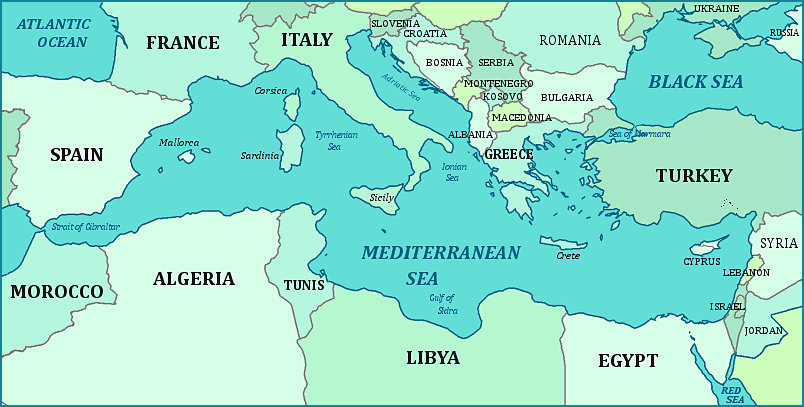
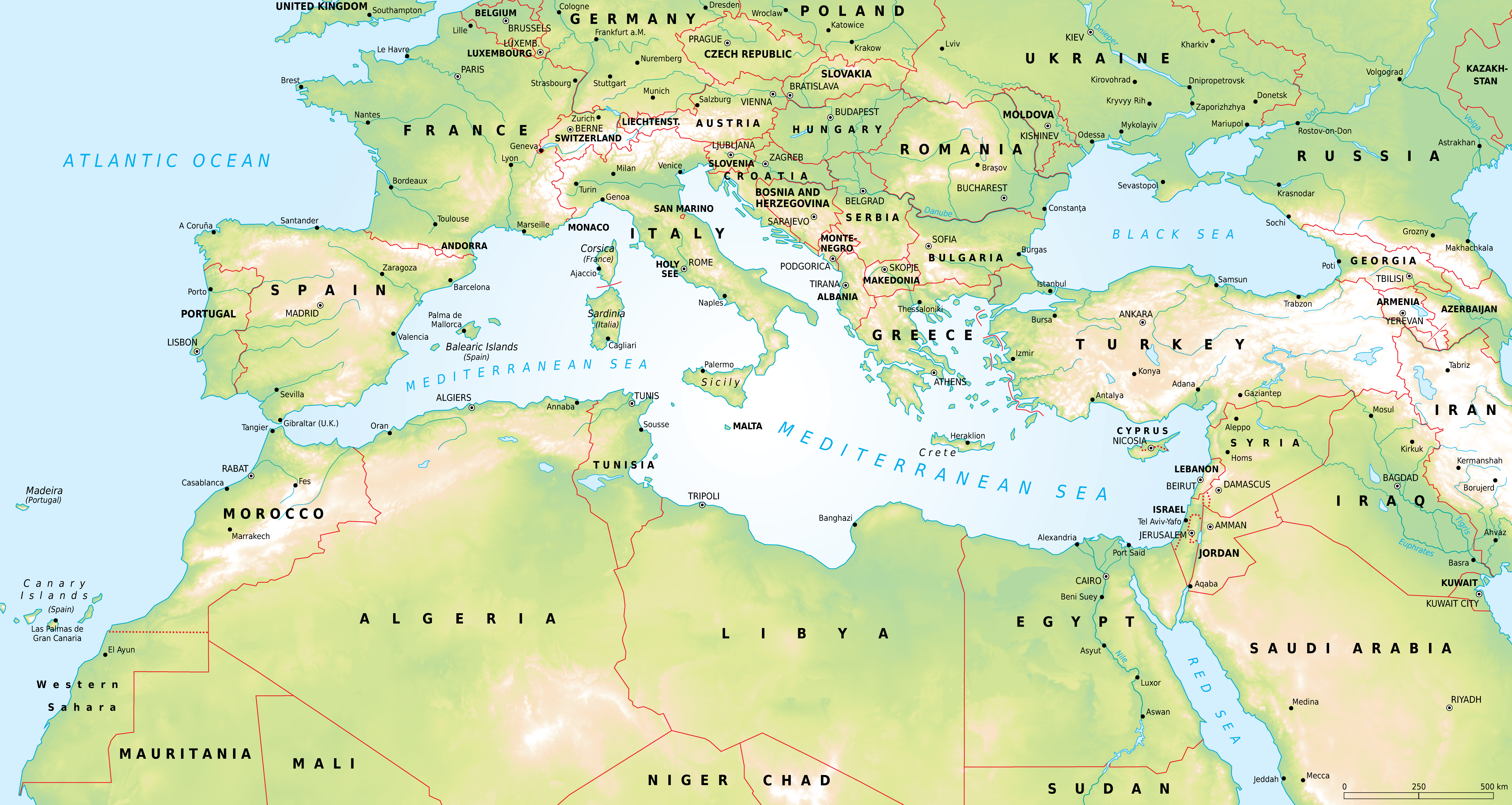
The Mediterranean region’s culinary heritage is a product of millennia of cross-cultural exchange, where trade, conquest, and religious practices intertwined to create a shared gastronomic identity. Ancient civilizations—Greeks, Romans, Phoenicians, and later Arabs—served as conduits for ingredients, techniques, and philosophies that defined the region’s foodways. Trade networks like the Silk Road and Phoenician maritime routes facilitated the movement of spices, grains, and cooking methods, while religious traditions imposed dietary restrictions that influenced meal structures and ingredient selection. This evolution reflects how Mediterranean cuisine transcends mere sustenance, embodying cultural resilience, adaptation, and the blending of diverse influences into a cohesive culinary tradition.The development of Mediterranean food was not linear but a dynamic interplay of external forces and local innovation. Trade routes expanded culinary horizons, introducing new flavors and ingredients, while empires standardized agricultural practices and culinary techniques. Religious texts and laws further shaped dietary habits, creating shared norms that persisted across centuries. Below, the historical progression is examined through key civilizations, trade dynamics, and religious influences, illustrating how these elements coalesced into the modern Mediterranean diet.
Trade Routes and the Diffusion of Ingredients
Ancient trade networks were the primary vectors for culinary exchange in the Mediterranean, linking distant regions and introducing ingredients that became staples. The Phoenician maritime empire (1500–300 BCE) established trade routes across the Mediterranean, transporting goods such as olive oil, wine, and dried fish from the Levant to North Africa and Iberia. Meanwhile, the Silk Road (200 BCE–1400 CE) connected the Mediterranean to Central Asia, introducing spices like cinnamon, pepper, and saffron, which enriched dishes in Byzantine and Islamic kitchens. The Roman road system (312 BCE onward) further integrated the region, enabling the widespread distribution of wheat, garlic, and legumes from the fertile lands of North Africa and the Middle East.The Arab expansion (7th–8th centuries CE) introduced new crops such as citrus fruits, rice, and almonds, while the Ottoman Empire (13th–20th centuries) facilitated the exchange of coffee, tomatoes, and eggplants between the Balkans and the Levant. These movements were not one-way; Mediterranean ingredients like olive oil and wine traveled eastward, becoming integral to Middle Eastern and Central Asian cuisines. The Columbian Exchange (15th–16th centuries) later introduced New World crops—tomatoes, potatoes, and peppers—to the Mediterranean, permanently altering traditional dishes.
Ancient Civilizations and Their Culinary Contributions
The Mediterranean’s culinary foundation was laid by successive empires, each contributing distinct techniques, ingredients, and social customs. Below is a chronological overview of their influence:
-
Minoan and Mycenaean Civilizations (2000–1100 BCE)
Early Mediterranean diets centered on grains, legumes, and wild game, with olive oil as a primary fat. Archaeological evidence from Knossos (Crete) reveals storage jars (pithoi) containing preserved fish, olives, and figs, indicating early preservation methods. These cultures also developed communal dining practices, precursor to the Greek symposium.
-
Ancient Greeks (800–146 BCE)
The Greeks systematized culinary knowledge, documenting recipes in works like Aristotle’s Oeconomicus and Athenaeus’ Deipnosophistae. They refined olive oil production, introduced garum (fermented fish sauce), and popularized dishes like mageiros (a stew of meat and vegetables). Greek colonization spread these techniques across the Mediterranean, from Sicily to the Black Sea.
-
Roman Empire (27 BCE–476 CE)
The Romans expanded agricultural productivity through villae rusticae (farm estates), introducing irrigation and crop rotation. Their cuisine, documented in Apicius’ De Re Coquinaria (1st century CE), incorporated Greek and Etruscan influences, featuring dishes like pulmentum (a sauce of wine, vinegar, and herbs) and patina (a layered dish with eggs and cheese). Roman legions disseminated these foods across Europe, embedding Mediterranean staples into northern diets.
-
Byzantine Empire (330–1453 CE)
The Byzantines preserved and adapted Greek and Roman culinary traditions, introducing sugar refining (from Persia) and spiced dishes influenced by Arab trade. Their cookbooks, such as Alexander the Chef’s Book of Dishes (10th century), included recipes for pastitsio (a layered pasta dish) and melitinia (a sweet cheese pie), foreshadowing modern Mediterranean baked goods.
-
Islamic Golden Age (8th–14th centuries)
Arab scholars and traders introduced citrus fruits, rice, and spices (e.g., saffron, cumin) to the Mediterranean. The Andalusian school of cuisine (Al-Andalus, Iberian Peninsula) blended Arab, Berber, and Visigothic traditions, creating dishes like al-ajban (a spiced meat stew) and sambusak (filled pastries). Islamic dietary laws (halal) also influenced food preparation, emphasizing cleanliness and humane slaughter.
-
Ottoman Empire (13th–20th centuries)
The Ottomans refined coffee culture, introduced baklava (layered pastry with nuts and honey), and standardized kebabs and meze (small plates). Their control over trade routes ensured the Mediterranean’s access to peppers, tomatoes, and eggplants from the Americas, which were later adopted into Greek moussaka and Italian parmigiana.
Religious Influences on Mediterranean Dietary Practices
Religion played a pivotal role in shaping Mediterranean food cultures, imposing dietary laws that dictated consumption patterns and influenced social rituals. The three Abrahamic faiths—Judaism, Christianity, and Islam—each contributed distinct rules that reinforced communal identity and culinary traditions.
"Blessed is the man who has not walked in the counsel of the wicked, nor stood in the way of sinners, nor sat in the seat of scoffers; but his delight is in the law of the Lord, and on his law he meditates day and night. He is like a tree planted by streams of water, which yields its fruit in its season, and its leaf does not wither. In all that he does, he prospers." — Psalm 1:1–3 (King James Version)
While not a direct culinary text, this passage reflects the biblical emphasis on purity and stewardship, principles that extended to dietary laws in Judaism and later influenced Christian fasting practices.
Judaism introduced kashrut (dietary laws) in the Torah, prohibiting pork, shellfish, and mixing meat with dairy. These rules fostered the development of alternative proteins like legumes, fish, and poultry, which became staples in Sephardic and Ashkenazi cuisines. Christianity adopted fasting traditions from Judaism, with Lent and Friday abstinence (from meat) shaping regional dishes like Italian risotto or Greek fasolada (white bean soup). Islam prescribed halal slaughter and prohibited alcohol, leading to the prominence of spiced meat dishes, dates, and dairy in North African and Middle Eastern cuisines.Religious festivals further reinforced culinary practices:
- Jewish Passover (Seder meal) features matzah (unleavened bread) and bitter herbs (maror), symbolizing liberation.
- Christian Easter celebrates with lamb roasts (symbolizing sacrifice) and sweet breads in Orthodox traditions.
- Islamic Eid al-Fitr includes sweet pastries (baklava, ma’amoul) and communal feasting.
These traditions ensured that food remained a vessel for cultural and spiritual expression, transcending mere sustenance.
Legends and Literary References to Mediterranean Food
Ancient texts often immortalized food as a symbol of hospitality, abundance, or divine favor. Homer’s Odyssey (8th century BCE) provides one of the earliest literary depictions of Mediterranean cuisine, where food serves as a marker of civilization and identity. In Book 9, Odysseus recounts his encounter with the Lotus-Eaters, whose intoxicating flower-induced amnesia contrasts with the structured meals of Greek society. More significantly, the feast of the Phaeacians (Book 13) underscores the Mediterranean ideal of xenia (hospitality), where guests

Regional Variations and National Cuisines in Mediterranean Gastronomy
The Mediterranean culinary landscape is defined by its diversity, shaped by geography, climate, and historical exchanges among civilizations. Each coastal nation and island chain develops distinct traditions while sharing core principles—fresh produce, olive oil, legumes, and communal dining. Regional adaptations reflect local agriculture, trade influences, and cultural identity, from the spice-laden dishes of North Africa to the seafood-centric plates of the Adriatic. These variations illustrate how Mediterranean cuisine evolves while maintaining its unifying philosophy of balance, seasonality, and social connection.The following sections explore the geographic and cultural distinctions across Mediterranean sub-regions, the transformations of traditional dishes in diaspora communities, and the ritualistic practices embedded in preparation methods. A comparative table highlights signature dishes, staples, and techniques, while case studies demonstrate how migration reshapes culinary heritage. Descriptions of regional markets provide insight into the sensory and economic foundations of these cuisines.
Signature Dishes, Staples, and Cooking Techniques by Sub-Region
Mediterranean cuisines exhibit striking regional contrasts despite shared ingredients. The table below categorizes key nations by their defining dishes, foundational staples, and distinctive techniques, emphasizing how climate and trade routes dictate culinary identity.
| Sub-Region |
Signature Dishes |
Staple Ingredients |
Cooking Techniques |
|---|
| Greece |
- Moussaka (layered eggplant, lamb, béchamel)
- Dolmades (stuffed grape leaves with rice and herbs)
- Souvlaki (grilled pork skewers)
- Spanakopita (spinach and feta phyllo pastry)
|
- Olive oil, feta cheese, fresh herbs (oregano, dill)
- Grape leaves, eggplant, tomatoes
- Lamb and pork (historically dominant meats)
|
- Slow-braising in clay pots (patsas) for stews
- Grilling over charcoal for meats and seafood
- Layering and baking for casseroles (e.g., moussaka)
- Fermentation for cheeses and yogurts
|
| Italy |
- Pasta al pomodoro (tomato-based pasta)
- Risotto alla Milanese (saffron risotto)
- Osso buco (braised veal shanks)
- Caponata (Sicilian sweet-and-sour eggplant)
|
- Durum wheat, tomatoes, garlic, olive oil
- Rice (Northern Italy), saffron, wine
- Pork, veal, and regional cheeses (Parmigiano, Pecorino)
|
- Al dente pasta cooking with minimal water
- Risotto toastatura (sautéing rice in fat)
- Braising in red wine for meat dishes
- Layered baking for lasagna and timbales
|
| Spain |
- Paella Valenciana (saffron rice with rabbit, chicken)
- Gazpacho (cold tomato soup)
- Churros con chocolate (fried dough with thick hot chocolate)
- Pulpo a la gallega (Galician-style octopus)
|
- Saffron, paprika, garlic, olive oil
- Tomatoes, cucumbers, bell peppers
- Seafood (sardines, mussels, octopus)
- Pork and lamb (especially in Castile)
|
- Socarrat formation in paella (crispy rice at the bottom)
- Blanching and peeling seafood for stews
- Frying dough for churros with precise sugar ratios
- Slow-cooking in clay olla for stews
|
| Morocco |
- Tagine (slow-cooked meat with fruits and spices)
- Couscous (steamed semolina with vegetables)
- Pastilla (sweet-savory pigeon or chicken pie)
- Harira (lentil and chickpea soup)
|
- Ras el Hanout, cumin, saffron, cinnamon
- Lamb, chicken, and pigeon
- Dates, almonds, and honey for sweet-savory balance
- Semolina wheat, chickpeas, lentils
|
- Layered steaming in tagines with aromatic woods
Traditional tagines use a conical clay pot with a tight lid to trap steam and infuse flavors over hours.
- Dry-roasting spices before cooking
- Marinating meats in preserved lemon and olive oil
- Layering dough and fillings for pastries
|
| Turkey |
- Kebabs (Adana, şiş, or döner)
- Baklava (layered phyllo with nuts and syrup)
- Manti (dumplings with spiced meat)
- Mercimek çorbası (red lentil soup)
|
- Lamb, beef, and poultry (especially Adana kebab)
- Pistachios, walnuts, and honey for desserts
- Yogurt, bulgur, and chickpeas
- Spices: sumac, pul biber (Aleppo pepper), mint
|
- Vertical skewering for kebabs with precise meat trimming
- Layering phyllo dough for baklava with rosewater infusion
- Boiling dumplings in salted water before frying
- Slow-simmering soups with olive oil emulsification
|
| France (Southern) |
- Bouillabaisse (Provençal fish stew)
- Tapenade (olive spread with capers)
- Ratatouille (stewed vegetables)
- Socca (chick
Health Benefits and Dietary Principles of the Mediterranean Diet
The Mediterranean diet is widely recognized as one of the most scientifically validated dietary patterns for promoting longevity, reducing chronic disease risk, and improving overall well-being. Its health benefits stem from a balanced intake of whole foods, healthy fats, and plant-based ingredients, supported by decades of epidemiological and clinical research. Unlike restrictive modern diets, the Mediterranean approach emphasizes sustainability, cultural tradition, and flexibility, making it both practical and evidence-based.The diet’s association with longevity and heart health is rooted in its emphasis on olive oil, fish, nuts, vegetables, and moderate wine consumption, all of which contribute to reduced inflammation, improved lipid profiles, and enhanced cardiovascular function. Studies such as the PREDIMED (Prevention with Mediterranean Diet) trial demonstrated a 30% reduction in major cardiovascular events among high-risk individuals adhering to the diet, compared to a low-fat control group. Additionally, populations in regions like Crete and Sardinia exhibit some of the highest life expectancies globally, with low rates of obesity, diabetes, and neurodegenerative diseases—factors often linked to dietary habits.
Scientific Basis for Longevity and Cardiovascular Health
The Mediterranean diet’s protective effects are attributed to several interconnected mechanisms, primarily involving anti-inflammatory and antioxidant properties, favorable lipid metabolism, and microbiome modulation. Key components include:- Extra Virgin Olive Oil (EVOO): Rich in monounsaturated fatty acids (MUFAs) and polyphenols (e.g., oleocanthal), EVOO reduces LDL oxidation, lowers blood pressure, and exhibits antiplatelet effects, comparable to aspirin in some studies.
- Fish and Omega-3 Fatty Acids: Regular consumption of fatty fish (e.g., salmon, sardines) provides eicosapentaenoic acid (EPA) and docosahexaenoic acid (DHA), which decrease triglycerides, improve endothelial function, and reduce arrhythmia risk.
- Nuts and Seeds: Almonds, walnuts, and chia seeds supply plant-based protein, fiber, and magnesium, which collectively lower C-reactive protein (CRP) levels—a marker of systemic inflammation.
- Whole Grains and Legumes: High in resistant starch and soluble fiber, these foods promote gut microbial diversity and produce short-chain fatty acids (SCFAs) like butyrate, which enhance intestinal barrier function and reduce metabolic syndrome risk.
- Moderate Red Wine Consumption: Resveratrol, a polyphenol in red wine, activates sirtuins (longevity-associated genes) and improves insulin sensitivity, though excessive alcohol negates these benefits.
Longitudinal studies, including the Seven Countries Study (1958–2004), found that Mediterranean populations had lower all-cause mortality rates by up to 20–30% compared to Northern European or American cohorts, primarily due to reduced coronary heart disease and stroke incidence.
Comparison of Mediterranean Diet with Modern Fad Diets
While diets like keto, paleo, and veganism gain popularity for short-term weight loss or metabolic benefits, they often lack the cultural adaptability and sustained health outcomes demonstrated by the Mediterranean diet. Below is a comparative analysis across four key dimensions:
| Dietary Principle |
Mediterranean Diet |
Ketogenic Diet |
Paleolithic Diet |
Plant-Based/Vegan Diet |
|---|
| Macronutrient Focus |
Balanced: 35–45% fat (mostly unsaturated), 40–50% carbohydrates (complex), 10–20% protein. |
High-fat (70–80%), very low-carb (<50g/day), moderate protein. |
Moderate fat (25–35%), moderate protein (19–35%), low-carb (22–40%). |
Low-fat (25–35%), high-carb (45–65%), variable protein (10–15%). |
| Food Restrictions |
Limits red meat, processed foods, and added sugars; encourages olive oil, fish, and whole grains. |
Eliminates grains, legumes, fruits, and starchy vegetables; allows meat, dairy, and fats. |
Excludes dairy, grains, legumes, and processed foods; permits lean meats, fish, nuts, and vegetables. |
Excludes animal products; emphasizes plant-based fats (avocados, nuts), legumes, and whole grains. |
| Health Claims |
Reduces cardiovascular disease, diabetes, and Alzheimer’s; supports gut health and longevity. |
Rapid weight loss, improved blood sugar control, and seizure reduction (epilepsy). |
Reduces inflammation, improves metabolic markers, and may lower autoimmune risks. |
Lowers cholesterol, reduces cancer risk, and supports environmental sustainability. |
| Cultural Feasibility |
Highly adaptable; aligns with traditional cuisines in Southern Europe, North Africa, and the Middle East. |
Restrictive; difficult to sustain long-term due to social and economic barriers (e.g., cost of high-fat foods). |
Moderately adaptable but excludes dairy and grains, which are staples in many cultures. |
Variable; feasible in plant-rich cultures but challenging in regions reliant on animal proteins. |
Key Insight: The Mediterranean diet stands out for its holistic approach, combining nutritional science with cultural practicality, whereas fad diets often prioritize short-term metabolic shifts over sustainable health. For example, while keto may achieve rapid weight loss, its lack of fiber and micronutrients can lead to gut dysbiosis and nutrient deficiencies over time. Conversely, the Mediterranean diet’s whole-food focus ensures long-term adherence and reduced risk of chronic diseases.
Role of Fermented Foods in Gut Health
Fermented foods are a cornerstone of Mediterranean cuisine, contributing to gut microbiome diversity, immune function, and metabolic health. Traditional fermented staples include:
- Olives (brined or naturally fermented)
- Yogurt (especially Greek and labneh)
- Sauerkraut and pickles (lacto-fermented vegetables)
- Kefir and miso (in some regional variations)
Key Findings on Fermented Foods and Gut Health:
- Probiotic Strains: Fermented dairy (e.g., yogurt) contains Lactobacillus and Bifidobacterium species, which reduce gut permeability and modulate immune responses, lowering inflammation (Cani et al., 2009).
- Prebiotic Effects: Fermented vegetables (e.g., sauerkraut) provide organic acids (lactic, acetic) that act as prebiotics, stimulating beneficial bacterial growth (e.g., Faecalibacterium prausnitzii), linked to reduced obesity and diabetes risk (Kleessen et al., 2013).
- Antimicrobial Properties: Fermented olives contain benzoic and sorbic acids, which inhibit pathogenic bacteria like E. coli and Salmonella (Argyri et al., 2014).
- Longevity Link: The "Blue Zones" (e.g., Sardinia, Ikaria) attribute low rates of colorectal cancer to high fermented food consumption, correlating with higher butyrate-producing bacteria in the gut (Willcox et al., 2014).
Fermentation also enhances nutrient bioavailability: For instance, fermented soy (e.g., tempeh) increases lysine and iron absorption, while fermented dairy improves calcium utilization. However, industrial fermentation methods (e.g., pasteurized yogurts) may reduce live cultures, diminishing these benefits. Traditional, slow-fermented foods (e.g., aged cheeses
Modern Adaptations and Global Influence of Mediterranean Cuisine
The Mediterranean diet, once confined to coastal regions and rural traditions, has undergone a radical transformation in the 21st century. Contemporary chefs, fast-casual innovations, and cross-cultural culinary exchanges have redefined its identity, embedding its flavors into global gastronomy. This evolution reflects both a preservation of heritage and a dynamic adaptation to modern tastes, sustainability concerns, and urban lifestyles. The integration of Mediterranean techniques—such as slow cooking, fermentation, and ingredient-driven creativity—into non-traditional cuisines demonstrates its enduring relevance, while viral trends underscore its economic and cultural footprint worldwide.The global influence of Mediterranean cuisine extends beyond dietary trends, shaping foodservice models, ingredient supply chains, and even health-conscious consumer behavior. From high-end restaurants to street food stalls, its principles of simplicity, seasonality, and communal dining resonate across continents. Below, key figures, commercial trends, and cross-cultural fusions illustrate how Mediterranean gastronomy continues to innovate while maintaining its core ethos.
Contemporary Chefs and Movements Redefining Mediterranean Cuisine
Five influential chefs and culinary movements have reimagined Mediterranean traditions through avant-garde techniques, deconstruction, and fusion. Their work bridges heritage and innovation, often challenging perceptions of regional authenticity while elevating local ingredients.
"The Mediterranean diet is not a fixed menu but a philosophy—one that adapts to time, place, and creativity."
— Massimo Bottura, Osteria Francescana
-
Massimo Bottura (Italy)
Bottura’s Osteria Francescana (ranked the world’s best restaurant three times) reinterprets Italian and broader Mediterranean staples with artistic precision. His "Oops! I Dropped the Lemon Tart" (a deconstructed dessert) and "Five Ages of Parmigiano Reggiano" (a multi-course exploration of cheese) exemplify how traditional ingredients—like olive oil, tomatoes, and cured meats—can become vehicles for modern storytelling. Bottura’s Food for Soul initiative further democratizes Mediterranean principles through pop-up projects in conflict zones, emphasizing resilience and shared heritage.
-
Yotam Ottolenghi (Israel/UK)
Ottolenghi’s fusion of Middle Eastern and Mediterranean flavors—particularly his use of spices like za’atar, sumac, and harissa—has globalized dishes like shakshuka and sabich. His cookbooks ("Plenty", "Simple") and London-based restaurants (Nopi, Dishoom) prioritize vibrant, vegetable-forward plates, proving that Mediterranean cuisine thrives in urban, fast-paced environments. His collaboration with Sam Sweeney (e.g., Yotam Ottolenghi x Waitrose range) has made Mediterranean pantry staples accessible to mainstream audiences.
-
Noma-Inspired Mediterranean Fusion (Denmark/Nordic Influence)
While Noma (René Redzepi) is known for its Nordic foraging, its techniques—such as fermentation, wild herb utilization, and minimal processing—have seeped into Mediterranean restaurants. Chefs like Andoni Luis Aduriz (Spain) and Claus Meyer (Denmark) have adopted these methods to recontextualize Mediterranean ingredients. For example, Aduriz’s Mugaritz serves fermented anchovies with local Basque techniques, while Nordic-Mediterranean hybrids (e.g., smoked salmon with preserved lemon) appear in Copenhagen’s Aamanns and Stockholm’s Operakällaren.
-
The "New Mediterranean" Movement (USA/Europe)
Led by chefs like David Chang (USA) and Enrico Bartolini (Italy), this movement emphasizes sustainability, zero-waste cooking, and hyper-local sourcing within Mediterranean frameworks. Chang’s Momofuku introduced Mediterranean-inspired ramen (e.g., tuna broth with olive oil), while Bartolini’s Enrico Bartolini Cucina Naturale (Rome) focuses on seasonal, pesticide-free produce. The movement’s ethos aligns with Slow Food principles, advocating for ecological balance in food production.
-
Gastrotourism and Social Impact (Greece/Turkey)
Chefs like Niki Nakis (Greece) and Gürsu Öztürk (Turkey) blend traditional techniques with contemporary gastrotourism, offering immersive experiences tied to cultural preservation. Nakis’s Ta Karamanlidika tou Fani (a restaurant in a 19th-century mansion) revives Karamanlidika cuisine (a Jewish-Greek tradition), while Öztürk’s Mikla (Istanbul) reinterprets Ottoman-era dishes with modern plating. Both leverage tourism to sustain rural foodways, proving that innovation can coexist with heritage.
Mediterranean-Inspired Fast-Casual Trends and Global Popularity Metrics
The fast-casual sector has embraced Mediterranean flavors for their perceived health benefits, affordability, and customization potential. Below is a structured overview of five dominant trends, their global adoption, and key performance indicators (KPIs) where available.
"Fast-casual Mediterranean concepts thrive on three pillars: recognizable flavors, perceived health halo, and adaptability to local tastes."
— Technomic Inc. (2023)
| Trend |
Description |
Global Adoption (2020–2024) |
Key Metrics |
|---|
| Falafel Bowls |
A deconstructed mezze plate featuring falafel, hummus, tabbouleh, pickled vegetables, and tahini dressing, served in a bowl. Originated in Middle Eastern fast-casual chains like Lick (USA) and Ahlam (UK) but adapted globally with regional twists (e.g., spicy kimchi falafel in South Korea). |
- USA: 1,200+ falafel-specific fast-casual locations (2024, QSR Magazine).
- Europe: 300% growth in falafel bowl orders in Germany (2022–2023, Statista).
- Middle East: Falafel House (UAE) reports 40% of revenue from international tourists.
|
- Average unit volume: 800–1,200 bowls/week per location (USA).
- Social media engagement: #FalafelBowl has 50M+ posts (Instagram, 2024).
- Ingredient cost optimization: Chickpea prices dropped 15% in 2023 due to demand (FAO).
|
| Bruschetta Pizzas |
Thin-crust pizzas topped with Mediterranean ingredients like sun-dried tomatoes, olives, capers, and feta, often served as a shareable appetizer. Popularized by chains like Blaze Pizza (USA) and PizzaExpress (UK), with variations in Australia ("Mediterranean Feast" pizza) and Japan ("Olive Oil Pizza"). |
- USA: 60% of pizza chains now offer a "Mediterranean" variant (Pizza Market Report, 2023).
- Australia: Domino’s reported 25% sales increase for its Mediterranean Herb pizza (2022).
- Japan: Pizza-La’s olive oil pizza accounts for 12% of monthly orders.
|
- Unit sales: 3.2M bruschetta pizzas sold annually in the UK (YouGov).
- Social media: #MediterraneanPizza has 12M+ posts (TikTok, 2024).
- Supply chain: Olive oil imports to Asia increased 28% (2021–2023, USDA).
|
Mediterranean cuisine stands as a living testament to humanity’s ability to transform scarcity into abundance, conflict into collaboration, and tradition into innovation. Its legacy endures not only in the shared meals of diaspora communities but in the global appreciation for balanced, plant-forward eating that prioritizes both health and pleasure. As modern diets chase fleeting trends, the Mediterranean diet remains a timeless model—proving that the most enduring culinary traditions are those built on respect for nature, community, and the stories passed down through generations. Its influence, from high-end fusion restaurants to fast-casual menus, ensures that the flavors of the Mediterranean will continue to inspire and unite for centuries to come.
FAQ
What exactly is the Mediterranean food diet, and how does it differ from other eating plans?
The Mediterranean food diet is a traditional eating pattern inspired by countries bordering the Mediterranean Sea, focusing on whole foods like vegetables, fruits, whole grains, legumes, nuts, olive oil, fish, and moderate wine. It emphasizes plant-based meals, lean proteins, and healthy fats while limiting red meat, processed foods, and sweets. Unlike restrictive diets, it promotes balance, sustainability, and cultural food traditions rather than calorie counting.
A typical Mediterranean menu includes a breakfast of whole-grain bread with olive oil, fresh fruit, and yogurt; lunch might feature grilled fish or chicken with roasted vegetables, a side salad, and whole-wheat pita; dinner could be a vegetable soup, legumes, and a small portion of meat (like lamb or pork), paired with herbs and olive oil. Desserts often include nuts, honey, or small portions of fruit.
How does a Mediterranean food plan work, and what are its key principles?
A Mediterranean food plan centers on daily consumption of vegetables, fruits, whole grains, and healthy fats (like olive oil), with weekly portions of fish, poultry, beans, and nuts. It limits red meat, processed foods, and sugar while encouraging physical activity and social dining. The plan is flexible, emphasizing food quality and variety over strict rules.
What defines Greek food, and how is it similar to or different from Mediterranean cuisine?
Greek food is a subset of Mediterranean cuisine, characterized by staples like olive oil, fresh vegetables (tomatoes, cucumbers, eggplant), herbs (oregano, thyme), legumes, and seafood. Dishes like moussaka, souvlaki, and dolmades reflect Greek culture but share core Mediterranean principles—plant-heavy, lean proteins, and minimal processed ingredients. The difference lies in specific flavors (e.g., feta cheese, lemon, olives) and cooking techniques.
What is Middle Eastern food, and how does it compare to Mediterranean cuisine?
Middle Eastern food includes dishes from countries like Lebanon, Turkey, Iran, and Iraq, featuring grains (rice, bulgur), legumes, lamb, yogurt, and spices like cumin and sumac. While Mediterranean cuisine also emphasizes whole foods and olive oil, Middle Eastern meals often incorporate more lamb, dairy (like labneh), and flatbreads (pita, lavash). Both share an emphasis on fresh herbs and seasonal produce but differ in protein sources and spice profiles.
What foods are included in a Mediterranean diet food list, and what should I avoid?
A Mediterranean diet food list includes vegetables (spinach, tomatoes, zucchini), fruits (apples, berries), whole grains (quinoa, farro), legumes (lentils, chickpeas), nuts, seeds, olive oil, fish (salmon, sardines), poultry, eggs, and moderate wine. Avoid processed foods, red meat, refined sugars, trans fats, and excessive dairy. Focus on plant-based meals with healthy fats as the primary energy source.
|
|
Leave a Comment
Comments are moderated before appearing. The data you submit is processed according to the Privacy Policy of Voltefac.