What Is Mediterranean A Comprehensive Exploration
Table of Contents
- Geographical and Cultural Foundations of the Mediterranean
- Physical Boundaries and Coastal Territories
- Historical Civilizations and Their Cultural Legacies
- Climate and Ecosystems: The Mediterranean’s Unique Environment
- Seasonal Patterns and Agricultural Implications
- Biodiversity Hotspots and Endemic Species
- Visual Description of a Mediterranean Landscape
- Culinary Traditions: The Heart of Mediterranean Identity
- Core Principles of the Mediterranean Diet and Comparative Nutritional Analysis
- Step-by-Step Reconstruction of a Traditional Mediterranean Dish: Greek Moussaka
- Art and Symbolism: The Mediterranean’s Visual Legacy
- Iconography of Mediterranean Art: Symbols and Cultural Meanings
- Mediterranean Influence on Western Art Movements
- Case Study: The Birth of Venus by Sandro Botticelli
- FAQ
- What is the Mediterranean diet and how does it work?
- What types of food are typically found in Mediterranean cuisine?
- What defines Mediterranean cuisine and its key characteristics?
- What is the Mediterranean climate and what are its features?
- What is the Mediterranean Sea and where is it located?
- What countries and areas make up the Mediterranean region?
The Mediterranean is far more than a sea—it is a living tapestry of history, culture, and natural splendor where civilizations rose, traded, and transformed the world. Spanning three continents and cradling diverse ecosystems, this region has shaped global art, cuisine, and language while enduring as a crossroads of migration and innovation. From the architectural grandeur of ancient Rome to the aromatic spices of Moroccan souks and the vineyards of Tuscany, the Mediterranean’s legacy persists in every facet of modern life, offering a lens to understand humanity’s interconnected past.
At its core, the Mediterranean embodies a paradox of resilience and vibrancy, where arid summers and lush winters fostered agricultural ingenuity, and coastal trade routes disseminated ideas from Phoenician merchants to Renaissance artists. Its climate, a delicate balance of sun and rain, has cultivated unique biodiversity, while its culinary traditions—rooted in simplicity and abundance—remain a cornerstone of global health. Beyond geography, the Mediterranean is a repository of symbolic narratives, from the geometric precision of Islamic art to the mythological themes of Greek frescoes, each layer revealing the region’s enduring influence on creativity and identity.
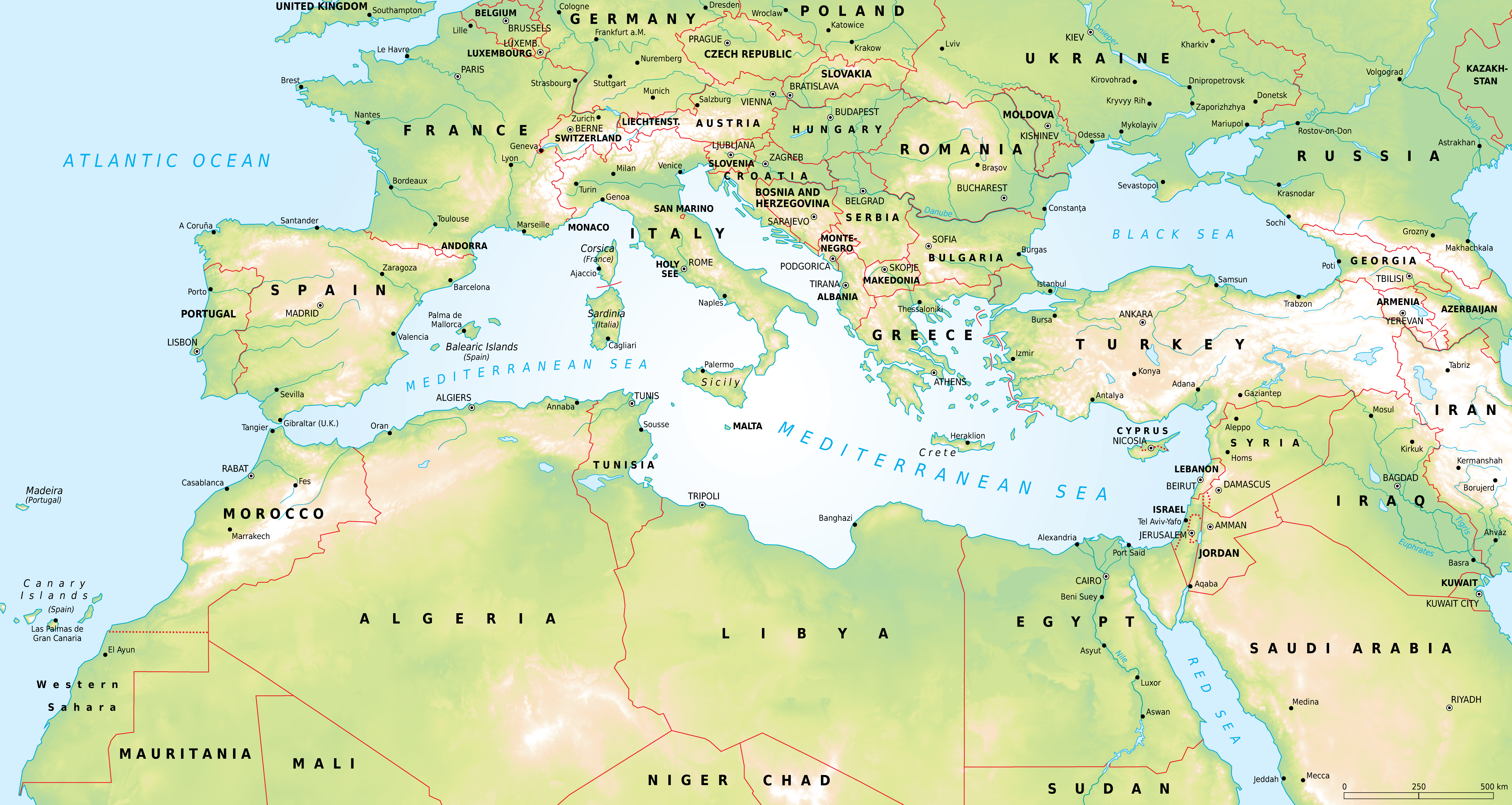
Geographical and Cultural Foundations of the Mediterranean
The Mediterranean region stands as a cradle of civilization, where the convergence of land and sea has fostered millennia of cultural exchange, trade, and innovation. Physically bounded by Europe to the north, Africa to the south, and Asia to the east, this semi-enclosed sea encompasses diverse coastal territories, each contributing unique historical, linguistic, and architectural legacies. Its strategic position has made it a crossroads for empires, religions, and ideas, shaping the modern world through enduring cultural and economic networks.The Mediterranean’s geographical expanse includes 21 sovereign states, major island chains, and microstates, each with distinct historical narratives. Below, the coastal countries and islands are categorized by continent, alongside their key urban centers and defining features, illustrating the region’s multifaceted identity.
Physical Boundaries and Coastal Territories
The Mediterranean Sea spans approximately 2.5 million square kilometers, connecting three continents and encompassing a mosaic of political entities. The following table organizes the coastal countries and major islands by continent, highlighting their geographical significance and cultural landmarks.| Country/Island | Continent | Key Cities | Notable Features |
|---|---|---|---|
| Spain | Europe | Barcelona, Valencia, Málaga, Palma (Majorca) | Roman ruins (Tarragona), Moorish architecture (Alhambra), coastal coves (Costa Brava), and UNESCO-listed cultural sites. |
| France | Europe | Marseille, Nice, Toulon, Ajaccio (Corsica) | Provençal villages, Roman aqueducts (Pont du Gard), and the island of Corsica with its distinct Corsican language. |
| Italy | Europe | Rome, Naples, Venice, Palermo (Sicily) | Ancient Roman forums, Renaissance art (Florence), Venetian canals, and the volcanic island of Sicily. |
| Greece | Europe | Athens, Thessaloniki, Corfu, Rhodes | Acropolis, Byzantine churches (Hagia Sophia influence), Cycladic islands, and the birthplace of democracy. |
| Croatia | Europe | Dubrovnik, Split, Zadar, Pula | Medieval walled cities (Dubrovnik), Roman amphitheater (Pula), and Adriatic coastline with over 1,200 islands. |
| Slovenia | Europe | Koper, Piran, Izola | Venetian-era architecture, karst landscapes, and the Istrian Peninsula’s culinary traditions. |
| Montenegro | Europe | Kotor, Budva, Herceg Novi | Bay of Kotor (UNESCO-listed), Ottoman-era mosques, and the medieval fortress of Ostrog. |
| Albania | Europe | Durrës, Sarandë, Gjirokastër | Byzantine mosaics (Butrint), Ottoman bridges, and the Albanian Riviera’s rugged coastline. |
| Malta | Europe | Valletta, Mdina, Gozo | Megalithic temples (older than the pyramids), Knights of Malta fortifications, and a multilingual society. |
| Cyprus | Asia | Nicosia, Limassol, Paphos | UNESCO-listed Paphos mosaics, Venetian harbors, and a divided island with Greek and Turkish Cypriot cultures. |
| Turkey (European side) | Asia/Europe | Istanbul, Izmir, Antalya | Hagia Sophia, ancient Lycian ruins, and the Dardanelles Strait linking the Mediterranean to the Black Sea. |
| Syria | Asia | Latakia, Tartus, Aleppo (coastal influence) | Phoenician trading ports, Crusader castles (Krak des Chevaliers), and ancient Roman roads. |
| Lebanon | Asia | Beirut, Byblos, Tyre | Phoenician maritime legacy, Cedar of Lebanon forests, and modern financial hub (Beirut). |
| Israel | Asia | Haifa, Tel Aviv, Acre | Biblical sites (Caesarea Maritima), Crusader fortresses, and the Dead Sea’s unique geography. |
| Egypt | Africa | Alexandria, Port Said, Hurghada | Pharaonic ruins (Rosetta Stone), Greco-Roman libraries, and the Suez Canal’s global trade role. |
| Libya | Africa | Tripoli, Benghazi, Tobruk | Roman amphitheater (Leptis Magna), Berber cultural influences, and Saharan trade routes. |
| Tunisia | Africa | Tunis, Carthage, Sousse | Punic ruins (Carthage), Islamic medinas, and the ancient city of Dougga. |
| Algeria | Africa | Algiers, Oran, Béjaïa | Roman mosaics (Timgad), Ottoman kasbahs, and the Tell Atlas mountain range. |
| Morocco | Africa | Tangier, Casablanca, Essaouira | Medina of Fes (UNESCO), Portuguese fortresses (Mazagan), and Berber Amazigh culture. |
Historical Civilizations and Their Cultural Legacies
The Mediterranean’s cultural tapestry is woven from the contributions of ancient civilizations whose innovations in governance, philosophy, science, and art continue to resonate globally. Below, key civilizations are examined for their enduring influences, with pivotal achievements highlighted for emphasis.The Ancient Greeks laid the foundations of Western thought, introducing democratic governance, philosophical inquiry, and architectural harmony. Their legacy is encapsulated in:
"Know thyself" (Delphic maxim) and the pursuit of arete (excellence) defined Greek ethics, while their theatrical traditions (tragedy and comedy) and Olympic Games shaped modern cultural expressions.The Roman Empire expanded Greek ideas into a legal and administrative framework, creating:
The Twelve Tables (451 BCE), Pax Romana (200 years of stability), and engineering marvels like aqueducts and roads that connected the Mediterranean basin.Phoenicia, a maritime trading network, pioneered the alphabet (precursor to Greek and Latin scripts) and established colonies like Carthage, which later clashed with Rome in the Punic Wars. Their commercial acumen fostered early globalization:
"Trade is the lifeblood of civilization" — Phoenician proverb reflecting their mercantile philosophy.The Islamic Golden Age (8th–14th centuries) preserved and advanced Greek and Roman knowledge, introducing

Climate and Ecosystems: The Mediterranean’s Unique Environment
The Mediterranean region exhibits one of the world’s most distinctive climates, characterized by pronounced seasonal contrasts and ecological diversity shaped by millennia of environmental interactions. This climate—often classified as Mediterranean (Cs) in the Köppen system—defines agricultural practices, biodiversity distribution, and human adaptation strategies. Its seasonal extremes, from wet winters to arid summers, create a fragile yet resilient ecosystem supporting endemic species and traditional land-use systems. Understanding these patterns reveals both the region’s ecological vulnerabilities and its capacity for sustainable resource management.The Mediterranean climate’s cyclical nature directly influences agricultural productivity, water availability, and ecosystem services. Unlike temperate or tropical zones, its drought-prone summers and mild, wet winters demand specialized adaptations in flora, fauna, and human cultivation techniques. Below, the seasonal dynamics are contrasted with other major climate zones, followed by an exploration of biodiversity hotspots, landscape aesthetics, ecological threats, and traditional farming innovations.
Seasonal Patterns and Agricultural Implications
The Mediterranean climate is defined by three primary seasonal phases, each with distinct meteorological and ecological consequences. Wet winters (October–March) account for 70–90% of annual precipitation, often delivered in sporadic but intense storms, while summers (June–September) are typically hot, dry, and windy, with temperatures exceeding 30°C (86°F) in coastal and inland areas. This pattern contrasts sharply with temperate climates (e.g., Western Europe), which distribute rainfall evenly year-round, or tropical climates (e.g., Southeast Asia), where high humidity and consistent warmth dominate. The table below compares key climatic and agricultural characteristics across these zones.| Climate Zone | Precipitation Pattern | Temperature Range | Growing Season Constraints | Dominant Crops | Agricultural Adaptations |
|---|---|---|---|---|---|
| Mediterranean (Cs) | Concentrated in winter (70–90% of annual total); summer drought | Mild winters (5–15°C), hot summers (25–40°C) | Water scarcity in summer; frost risk in highland regions | Olive, grapevine, almond, fig, wheat, barley | Drip irrigation, terraced fields, winter cropping, agroforestry |
| Temperate (Cfb/Cfa) | Evenly distributed; no pronounced dry season | Moderate (0–25°C year-round) | Frost in winter; limited heat stress | Corn, soybeans, potatoes, dairy pastures | Mechanized large-scale farming, crop rotation |
| Tropical (Af/Am) | High year-round (monsoonal in Am); no winter | Consistently warm (20–35°C) | Soil erosion, humidity-related diseases | Rice, cocoa, rubber, banana | Floodplain agriculture, intercropping, pest-resistant varieties |
Biodiversity Hotspots and Endemic Species
The Mediterranean basin is recognized as a global biodiversity hotspot, hosting over 25,000 plant species, 13,000 of which are endemic—meaning they exist nowhere else on Earth. This richness stems from the region’s geological history (Tethys Ocean remnants, Alpine orogeny) and climatic stability during glacial periods. However, 37% of Mediterranean plants are threatened, primarily due to habitat loss and climate change. Below are key endemic species grouped by habitat, with conservation statuses based on the IUCN Red List and EU Habitats Directive.The region’s biodiversity is concentrated in five primary habitats, each supporting unique flora and fauna:
-
Coastal and Marine Endemics
- Pancratium maritimum (Sea Daffodil) – Threatened (VU) due to coastal development; found in sandy Mediterranean shores.
- Monachus monachus (Mediterranean Monk Seal) – Critically Endangered (CR); <10 individuals remain in the wild (e.g., Greece, Morocco).
- Posidonia oceanica (Neptune Grass) – Endangered (EN); forms vital underwater meadows for fisheries but suffers from anchoring and pollution.
-
Forest and Woodland Species
- Abies algarbiensis (Algerian Fir) – Vulnerable (VU); restricted to Morocco’s Rif Mountains; threatened by logging.
- Lycodon boscae (Bosca’s Wolf Snake) – Endangered (EN); endemic to Cyprus; preyed upon by invasive cats.
- Olea europaea var. sylvestris (Wild Olive) – Near Threatened (NT); ancestor of cultivated olive; declining due to land conversion.
-
Alpine and Highland Endemics
- Asterolinon linum-stellatum (Star-of-Bethlehem) – Vulnerable (VU); found in limestone crevices of the Pyrenees and Alps.
- Rupicapra rupicapra parva (Sicilian Ibex) – Critically Endangered (CR); <100 individuals survive in Madonie Mountains.
- Edraianthus graminifolius (Grass-leaved Bellflower) – Endangered (EN); restricted to high-altitude pastures in the Balkans.
-
Wetland Specialists
- Nymphaea alba subsp. thermarum (Mediterranean White Water Lily) – Vulnerable (VU); thrives in thermal springs (e.g., Turkey’s Pamukkale).
- Triturus carnifex (Italian Crested Newt) – Endangered (EN); relies on temporary ponds in Apennine forests.
Visual Description of a Mediterranean Landscape
A Mediterranean landscape is a tapestryCulinary Traditions: The Heart of Mediterranean Identity
The Mediterranean diet transcends mere sustenance, embodying a harmonious balance of nutrition, culture, and sustainability. Rooted in centuries of agricultural practices, trade, and migration, this culinary tradition emphasizes fresh, seasonal ingredients, minimal processing, and a focus on plant-based foods. Its principles—olive oil as the primary fat, abundant legumes, whole grains, fish, and moderate wine consumption—have been recognized by the United Nations Educational, Scientific and Cultural Organization (UNESCO) as an Intangible Cultural Heritage. Beyond health benefits, the diet reflects the region’s ecological adaptability, social cohesion, and deep connection to land and sea.The Mediterranean diet’s core tenets are grounded in both scientific evidence and historical continuity. Studies, including the landmark Seven Countries Study (1958–2000), linked its consumption to reduced risks of cardiovascular disease, diabetes, and certain cancers. Yet, its significance extends beyond individual health; it is a cultural cornerstone that shapes identity, festivity, and daily life across diverse societies from Spain to Lebanon. The following sections explore its nutritional framework, iconic dishes, botanical influences, social rituals, and vinicultural heritage.
Core Principles of the Mediterranean Diet and Comparative Nutritional Analysis
The Mediterranean diet is structured around nine core principles as outlined by the Oldways Preservation Trust and the Harvard T.H. Chan School of Public Health:Comparative Nutritional Benefits of the Mediterranean Diet vs. Global Diets
The following table contrasts the Mediterranean diet with three globally dominant dietary patterns—Western, Asian (e.g., traditional Chinese), and Low-Fat/Vegan—highlighting key nutritional advantages and trade-offs.
| Nutritional Factor | Mediterranean Diet | Western Diet | Traditional Asian Diet | Low-Fat/Vegan Diet |
|---|---|---|---|---|
| Primary Fat Source | Extra virgin olive oil (EVOO; 73% monounsaturated fats, polyphenols) | Processed vegetable oils (e.g., soybean, canola; high in omega-6), butter | Sesame oil, peanut oil, lard (varies by region; often high in saturated fats) | Nuts/seeds, avocado, or plant-based oils (e.g., flaxseed, canola) |
| Protein Sources | Fish (3–4x/week), legumes (2–3x/week), poultry, minimal red meat | Red meat (beef/pork), processed meats (bacon, sausages), dairy | Fish (coastal regions), tofu/tempeh, pork (in some cultures), rice/wheat | Legumes, tofu, tempeh, seitan, plant-based meat substitutes |
| Carbohydrate Focus | Whole grains (barley, bulgur, farro), legumes, seasonal vegetables | Refined grains (white bread, pasta), potatoes, high-sugar cereals | Rice, noodles, fermented grains (e.g., miso), root vegetables | Whole grains, pseudocereals (quinoa, amaranth), legumes |
| Fiber Intake (g/day) | 30–40 (from vegetables, legumes, whole grains, nuts) | 15–20 (processed foods, low vegetable intake) | 20–30 (rice-based diets may be lower unless balanced with veggies) | 35–50 (high legume/nut consumption) |
| Omega-3 to Omega-6 Ratio | 1:2 to 1:4 (fatty fish, EVOO, nuts balance intake) | 1:10–1:20 (high processed seed oils, low fish consumption) | 1:3 to 1:8 (varies; soy/rice oil dominant in some regions) | 1:3 to 1:5 (flaxseed, chia, walnuts improve ratio) |
| Antioxidant Richness | High (EVOO, herbs, red wine, dark leafy greens, citrus) | Low (processed foods, refined sugars, limited fresh produce) | Moderate (tea, soy, some vegetables; varies by region) | Moderate to high (berries, dark chocolate, nuts, spices) |
| Sodium Intake (mg/day) | 2,000–3,500 (herbs/spices reduce salt dependency) | 3,500–5,000+ (processed foods, fast food, canned goods) | 3,000–4,500 (soy sauce, fermented foods in some cultures) | 1,500–3,000 (minimal processed foods, but some vegan substitutes high in sodium) |
| Cultural Sustainability | Local, seasonal, low food miles; traditional farming | Global supply chains, high meat/processing emissions | Rice/wheat monocultures; some regions over-fishing | Potential for high water use (e.g., almonds) or processed substitutes |
Step-by-Step Reconstruction of a Traditional Mediterranean Dish: Greek Moussaka
Moussaka, a layered casserole of eggplant, spiced ground meat, and béchamel sauce, exemplifies the Mediterranean fusion of Ottoman, Greek, and Balkan culinary influences. Its origins trace back to the 18th century, evolving from earlier dishes like imam bayildi (a Turkish eggplant stew) and Italian parmigiana. The dish became a staple in Greek cuisine post-World War II, symbolizing post-war resilience and communal cooking. Regional variations exist: in Turkey, it may include potatoes; in Lebanon, it incorporates sumac or pomegranate molasses; and in Italy, it often replaces lamb with beef.Historical Context:
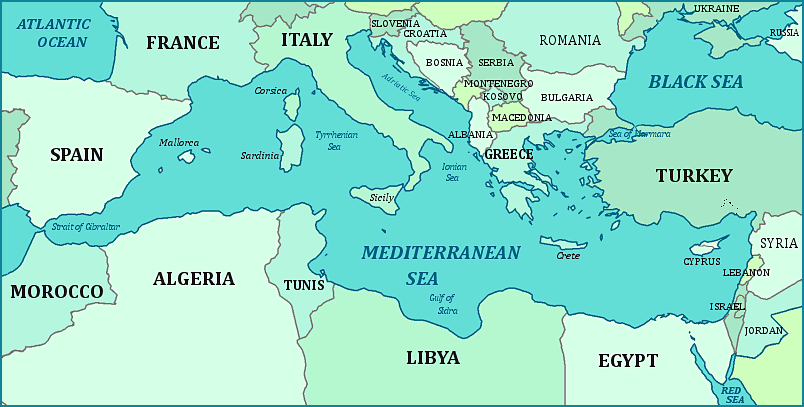
Art and Symbolism: The Mediterranean’s Visual Legacy
The Mediterranean basin has long served as a crucible of artistic innovation, where civilizations exchanged ideas, techniques, and symbolic motifs across millennia. From the idealized figures of ancient Greek vase painting to the intricate calligraphic patterns of Islamic art, the region’s visual traditions reflect its cultural syncretism—blending myth, religion, and political power into enduring forms. This legacy extends beyond aesthetics, shaping the technical and conceptual foundations of Western art while maintaining distinct regional identities. The interplay of trade, conquest, and artistic patronage ensured that Mediterranean iconography became a global language of cultural expression, influencing movements from the Renaissance to modern abstraction.The visual arts of the Mediterranean are defined by their adaptability, evolving in response to religious, political, and environmental contexts. Symbolism in these traditions often transcends literal representation, encoding philosophical, spiritual, or social values. For instance, the use of geometric patterns in Islamic art symbolizes the infinite nature of God, while Greek mythological scenes on urns serve as moral and aesthetic ideals. The following sections explore the iconography of Mediterranean art, its influence on Western movements, and the technical contrasts between regional styles, culminating in an analysis of how trade and conquest shaped artistic evolution.
Iconography of Mediterranean Art: Symbols and Cultural Meanings
Mediterranean art is distinguished by its recurring symbolic motifs, each carrying layers of meaning tied to mythology, faith, and cosmology. These symbols were not static; they adapted to the cultural and political landscapes of empires, from the Hellenistic kingdoms to the Ottoman caliphates. Below is a curated table linking key iconographic elements to their cultural significance, organized by civilization:| Symbol/Iconographic Element | Civilization/Period | Cultural Meaning | Example Medium |
|---|---|---|---|
| Meadows and Dolphins | Ancient Greek (5th–4th century BCE) | Represents harmony between humans and nature; dolphins symbolize guidance and protection (linked to Poseidon). | Black-figure and red-figure vase painting (e.g., Nereid Monument) |
| Byzantine Mosaic Figures with Halos | Byzantine Empire (6th–15th century CE) | Divine radiance and sanctity; halos denote saintly or Christological status, emphasizing otherworldly presence. | Church mosaics (e.g., Hagia Sophia, Ravenna’s Basilica of San Vitale) |
| Arabesque Patterns | Islamic (8th–16th century CE) | Represents the infinite and uncreated nature of God; avoids anthropomorphism in religious art while celebrating craftsmanship. | Architectural tiles, manuscript illumination (e.g., The Shahnameh) |
| Sphinxes and Griffins | Ptolemaic and Roman Egypt (3rd century BCE–4th century CE) | Guardians of knowledge and power; hybrid creatures symbolize the fusion of Egyptian and Greek cultural dominance. | Sarcophagi, temple reliefs (e.g., Temple of Kom Ombo) |
| Baroque Folded Drapery | Italian Renaissance/Baroque (16th–18th century) | Embodied divine light and movement; used to convey emotional intensity and spiritual transcendence. | Sculpture (e.g., Bernini’s Ecstasy of Saint Teresa), painting |
| Mandorla (Almond-Shaped Aura) | Early Christian and Byzantine | Symbolizes the divine presence surrounding Christ or saints; derived from Jewish and Zoroastrian apocalyptic traditions. | Mosaics, illuminated manuscripts (e.g., Vienna Genesis) |
Mediterranean Influence on Western Art Movements
The Mediterranean’s artistic traditions exerted a profound influence on Western art, particularly during periods of revival or cultural synthesis. The region’s emphasis on humanism, naturalism, and symbolic depth provided a template for movements like the Renaissance, Romanticism, and even Symbolism. Below are key artists and works that demonstrate this influence, framed within their broader artistic contexts:The Renaissance drew directly from classical Mediterranean sources, particularly Greek and Roman antiquity, which were rediscovered through trade and excavation. Artists like Sandro Botticelli and Michelangelo reinterpreted Mediterranean iconography to serve Christian narratives, while Leonardo da Vinci studied anatomical proportions inspired by Hellenistic sculpture.
The Romantic movement of the 18th and 19th centuries romanticized the Mediterranean as a site of ancient grandeur and emotional intensity. Artists such as Joseph Mallord William Turner and Eugène Delacroix traveled to the region, capturing its light, ruins, and myths in works that emphasized sublime beauty and historical nostalgia.
"The Mediterranean is the cradle of the arts, and its ruins are the poets of history."Key Mediterranean-inspired works include:
— Lord Byron, Childe Harold’s Pilgrimage (1812)
The Mediterranean’s influence persisted into the Symbolist and Art Nouveau movements, where artists like Gustav Klimt incorporated Byzantine mosaics’ gold leaf techniques and Islamic arabesques into decorative schemes. This legacy highlights the region’s enduring role as a wellspring of artistic inspiration, where form and symbolism intertwine to convey universal themes.
Case Study: The Birth of Venus by Sandro Botticelli
Sandro Botticelli’s The Birth of Venus (c. 1485) stands as a quintessential example of how Mediterranean iconography was recontextualized during the Renaissance. Commissioned by the Medici family, the painting synthesizes Greek mythology, Christian symbolism, and Florentine humanism into a single, harmonious composition.Composition and Symbolism:
The painting depicts Venus emerging from the sea on a scallop shell, guided by the winds Zephyr and Aura. Her arrival on the shore, where the houris (attendants) await her, follows the Aphrodite Anadyomene motif found on Greek urns, such as the Pompeian frescoes and Apulian red-figure vases. However, Botticelli’s Venus lacks the eroticism of classical representations; instead, her serene expression and elongated proportions reflect Neoplatonic ideals of divine beauty and spiritual purity.
The landscape in the background, a rare inclusion in Renaissance paintings, draws from classical poetry (e.g., Virgil’s Aeneid) and symbolizes the transition from chaos to order. The houris’ postures, derived from Byzantine mosaics, evoke a sense of reverence, further distancing the scene from pagan sensuality. The golden background and delicate linework are reminiscent of Byzantine illuminated manuscripts, while the botanical details (e.g., the myrtle tree) reference classical allegories of love and immortality.
Materials and
The Mediterranean stands as a testament to humanity’s capacity to thrive amid diversity, where every wave, olive grove, and mosaic tile tells a story of adaptation and legacy. Its climate, shaped by millennia of seasonal rhythms, has sustained civilizations through famine and flourishing, while its cultural crossroads—from the Silk Road to colonial empires—have woven a complex web of exchange. The region’s art, cuisine, and languages are not relics of the past but living traditions that continue to inspire, proving that the Mediterranean’s essence lies not in its boundaries, but in its ability to unite disparate worlds under a shared horizon. To explore it is to grasp the very pulse of global heritage.
FAQ
What is the Mediterranean diet and how does it work?
The Mediterranean diet is a traditional eating pattern inspired by the foods and lifestyles of countries bordering the Mediterranean Sea. It emphasizes whole foods like vegetables, fruits, whole grains, legumes, nuts, olive oil, fish, and moderate wine, while limiting red meat, processed foods, and sweets. Studies link it to heart health, longevity, and reduced chronic disease risk due to its balance of nutrients and healthy fats.
What types of food are typically found in Mediterranean cuisine?
Mediterranean food includes dishes like hummus, tabbouleh, grilled seafood, stuffed grape leaves (dolmas), olives, feta cheese, and roasted vegetables. Staples are olive oil, tomatoes, garlic, herbs (oregano, basil), and fresh produce, often prepared simply with grilling, baking, or light cooking. Seafood, poultry, and eggs are common protein sources, while red meat is eaten sparingly.
What defines Mediterranean cuisine and its key characteristics?
Mediterranean cuisine is defined by its emphasis on fresh, seasonal ingredients, simple preparation methods, and a balance of flavors. Key characteristics include the use of olive oil as the primary fat, an abundance of plant-based foods, shared meals with family or community, and regional variations across countries like Italy, Greece, Spain, and Morocco. It’s also known for its cultural diversity and historical trade influences.
What is the Mediterranean climate and what are its features?
The Mediterranean climate is a temperate climate characterized by hot, dry summers and mild, wet winters. It occurs in regions like Southern Europe, parts of California, and coastal Chile, where rainfall is concentrated in winter, and summers are arid. This climate supports agriculture like olives, grapes, and citrus, which thrive in warm, sunny conditions with moderate rainfall.
What is the Mediterranean Sea and where is it located?
The Mediterranean Sea is a nearly landlocked sea connected to the Atlantic Ocean via the Strait of Gibraltar. It’s bordered by Europe to the north, Africa to the south, and Asia to the east, encompassing countries like Spain, Italy, Greece, Turkey, and Egypt. It’s the largest inland sea in the world, known for its historical trade routes, diverse marine life, and cultural significance.
What countries and areas make up the Mediterranean region?
The Mediterranean region includes 21 countries bordering the Mediterranean Sea, such as Spain, France, Italy, Greece, Turkey, Lebanon, Israel, and Morocco. It also encompasses nearby islands (e.g., Sicily, Cyprus, Sardinia) and extends to coastal areas with similar climates or cultural ties, like parts of North Africa and the Middle East. The region is unified by shared history, cuisine, and geography.
Leave a Comment
Comments are moderated before appearing. The data you submit is processed according to the Privacy Policy of Voltefac.