Emo What Is Origins Culture And Modern Impact
Table of Contents
- The Historical and Cultural Roots of Emo: Origins and Evolution
- Origins of the Term "Emo" in 1980s Hardcore Punk
- Evolution of Emo in the 1990s: Indie Expansion and Subcultural Intersections
- Regional Emo Scenes: Midwest vs. UK vs. D.C. Distinctions
- Musical Identity: Genres, Bands, and Sound
- Core Musical Elements Defining Emo
- Essential Emo Bands by Subgenre and Decade
- Deep Dives into Iconic Albums and Their Influence
- Fashion and Aesthetic Evolution in Emo Culture
- Visual Markers of Emo Fashion Across Eras
- Symbolic Haircuts and Their Cultural Significance
- Blending with Streetwear, Goth, and Hipster Trends
- Evolution of Emo Accessories and Their Meanings
- Emotional Themes and Lyrical Content in Emo Music
- Depression and Existential Despair in Emo Lyrics
- Heartbreak and the Language of Loss
- Self-Doubt and Identity Crises
- Recurring Motifs and Psychological Undertones
- Comparisons with Related Genres: Post-Hardcore, Indie Rock, and Beyond
- Lesser-Known Bands Emo’s journey from underground obscurity to cultural crossroads underscores its enduring relevance as both a mirror and a catalyst for societal change. What began as a visceral response to disillusionment in the 1980s has matured into a diverse tapestry of sounds and styles, reflecting the universal human experience of vulnerability and resilience. The genre’s ability to evolve—absorbing influences from punk, goth, and indie while maintaining its emotional rawness—demonstrates its adaptability and depth. As emo continues to inspire new generations, its legacy persists not merely as a musical genre but as a testament to the power of art to validate and amplify collective emotions, proving that authenticity, however unconventional, remains its most defining characteristic. Ultimately, the story of emo is one of contradiction: a movement both celebrated and caricatured, revered and ridiculed, yet always unapologetically itself. Its cultural footprint—spanning iconic albums, rebellious fashion, and poignant lyrics—serves as a reminder that subcultures are not static entities but living, breathing expressions of human connection. By reclaiming its narrative from stereotypes, emo reaffirms its place as a vital force in the ongoing dialogue about identity, mental health, and the transformative power of creative expression. FAQ What does "emo" mean as a term?
- What is the deeper meaning behind the emo subculture?
- How would you translate "emo" into English in a general sense?
- What does "emo" mean in the context of My Chemical Romance (MCR)?
- How does Pierce the Veil relate to the emo genre?
- What does the word "emo" actually mean when people use it?
The term "emo" transcends its original association with emotional hardcore punk to embody a complex cultural phenomenon that has reshaped music, fashion, and youth identity over four decades. Emerging from the underground scenes of the 1980s, emo evolved alongside shifting social dynamics, blending raw musical expression with rebellious aesthetics that challenged mainstream norms. Its influence extended beyond music into visual culture, where distinctive fashion and lyrical themes became markers of both individuality and collective belonging. This exploration examines emo’s multifaceted legacy—from its radical beginnings to its contested mainstream presence—highlighting how a genre once dismissed as niche now occupies a pivotal role in discussions about authenticity, mental health, and subcultural resilience.
At its core, emo represents more than a musical style; it is a reflective lens through which generations have processed emotional turmoil, societal alienation, and the search for meaning. The movement’s trajectory—from the cathartic screams of early hardcore to the polished melancholy of contemporary pop-punk—mirrors broader cultural shifts, including the rise of digital connectivity and the commodification of youth countercultures. By dissecting its historical milestones, musical innovation, and sartorial evolution, this analysis reveals how emo has consistently redefined the boundaries between art, identity, and rebellion, leaving an indelible mark on global youth culture.

The Historical and Cultural Roots of Emo: Origins and Evolution
The term "emo" emerged as a multifaceted cultural and musical phenomenon, originating in the underground hardcore punk scene of the 1980s before evolving into a distinct subculture with regional variations, fashion trends, and shifting social perceptions. Initially a musical descriptor, "emo" later became synonymous with a broader aesthetic and lifestyle, reflecting the emotional intensity and introspective themes central to its identity. This evolution was shaped by regional scenes, media influence, and intersections with other subcultures, ultimately transforming emo from an underground rebellion into a contested yet enduring cultural movement.The trajectory of emo can be divided into three primary eras: the 1980s hardcore punk roots, the 1990s indie and alternative expansion, and the 2000s mainstream and post-punk revival. Each phase introduced new musical styles, fashion codes, and social dynamics, often in dialogue with goth, punk, and indie cultures. Below, a structured exploration of these developments highlights the cultural intersections, regional distinctions, and shifting perceptions that defined emo’s identity.
Origins of the Term "Emo" in 1980s Hardcore Punk
The label "emo" first appeared in the late 1970s and early 1980s as a shorthand for "emotional hardcore", a subgenre of punk rock characterized by confessional lyrics, dynamic shifts between aggression and melody, and a focus on personal and societal struggles. The term was popularized by critics and fans to distinguish bands that blended raw punk energy with introspective, often melancholic themes.Key early bands associated with the genre included:
The D.C. hardcore scene served as the epicenter of early emo, with venues like 9:30 Club and Wilson Center hosting shows that attracted both local and touring bands. The scene’s ethos emphasized DIY ethics, collective community support, and a rejection of commercial punk trends.
"Emo was never just about the music—it was about the way we lived, the way we felt, and the way we refused to conform to what was expected of us."
— Ian MacKaye (Minor Threat, Fugazi), reflecting on the D.C. scene’s cultural impact.
Evolution of Emo in the 1990s: Indie Expansion and Subcultural Intersections
By the 1990s, emo transitioned from a niche hardcore subgenre to a broader indie rock movement, influenced by bands that incorporated jangle-pop, post-hardcore, and math-rock elements. This era saw the rise of Midwest emo and UK emo, two regional scenes that diverged stylistically and aesthetically from the original D.C. model.Key developments in the 1990s:
Fashion and Social Perceptions:
The 1990s emo aesthetic shifted from the baggy clothes and studded belts of the 1980s to a more refined, indie-inspired look, including:
The mainstream media’s portrayal of emo in the late 1990s was often reductive and derisive, associating the subculture with depression, whining, and "fake angst." This backlash stemmed from:
Despite this, emo remained a vibrant underground scene, with festivals like The Fest (Chicago, 1995) and Reading Festival (UK, 1990s) fostering community among fans.
Regional Emo Scenes: Midwest vs. UK vs. D.C. Distinctions
Emo’s regional scenes developed distinct musical and aesthetic identities, shaped by local cultural influences, band collaborations, and access to resources. Below is a comparative analysis of the three most influential scenes:| Characteristic | D.C. Emo (1980s) | Midwest Emo (1990s) | UK Emo (1990s) |
|---|---|---|---|
| Musical Style | Raw, fast hardcore with melodic hooks. | Post-hardcore, indie rock, math-rock fusion. | Shoegaze, post-punk, indie pop. |
| Key Bands | Rites of Spring, Fugazi, Minor Threat. | American Football, Sunny Day Real Estate. | The Verve, The Auteurs, The Cure (indirect). |
| Lyrical Themes | Personal alienation, political disillusion. | Coming-of-age, existential dread. | Urban alienation, romantic melancholy. |
| Fashion | Ripped jeans, studded belts, band tees. | Flannel shirts, skinny jeans, pastel hair. | Doc Martens, plaid shirts, gothic touches. |
| Venue Culture | DIY basements, small clubs (9:30 Club). | Warehouses, college shows (e.g., The Fest). | Indie venues (e.g., The Moonlight Club, London). |
| Media Perception | Underground, niche. | Mocked as "whiny," but gaining indie credibility. | Often conflated with goth or shoegaze. |
| Legacy Influence | Inspired post-hardcore and math rock. | Paved the way for 2000s emo-pop. | Blurred lines with post-punk revival. |
UK Emo’s Gothic and Post-Punk Crossovers:
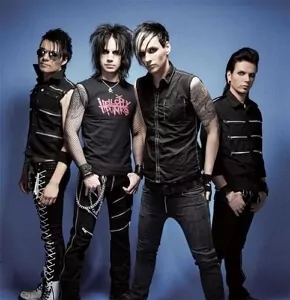
Musical Identity: Genres, Bands, and Sound
The emo genre is defined by its distinctive fusion of raw emotional expression, technical precision, and lyrical introspection, evolving from underground hardcore roots into a globally influential subculture. Its musical identity is shaped by instrumentation ranging from jagged guitar riffs to melodic pop-punk hooks, vocal styles oscillating between whispered confessions and screamed catharsis, and lyrical themes that explore alienation, trauma, and fleeting human connections. The genre’s sonic evolution—from the lo-fi recordings of Washington D.C.’s early emo scene to the polished, theatrical production of 2000s mainstream emo—reflects broader cultural shifts in youth expression, DIY ethics, and the commodification of underground music.The core elements of emo’s musical identity emerge from its intersection with hardcore punk, post-hardcore, and alternative rock, while simultaneously carving out a space for introspective lyricism and dynamic shifts in dynamics. This subgenre’s defining traits include minor-key progressions, syncopated rhythms, call-and-response vocals, and lyrical vulnerability, often contrasted with explosive instrumentation. Below, the genre’s structural and stylistic foundations are examined, alongside its pivotal bands, albums, and production techniques that cemented its legacy.
Core Musical Elements Defining Emo
Emo’s sonic DNA is rooted in instrumentation, vocal delivery, and lyrical content, each serving as a vessel for emotional and existential themes. The genre’s early iterations emphasized raw, unpolished production, characterized by fuzzy guitar tones, double-bass drumming, and minimalist arrangements, while later waves incorporated orchestral elements, synth layers, and radio-friendly production to broaden its appeal.Instrumentation
Vocal Styles
Lyrical Themes
Early emo lyrics centered on existential dread, alienation, and philosophical musings, while later iterations focused on personal struggles, nostalgia, and societal critique. Themes often revolved around:
Essential Emo Bands by Subgenre and Decade
Emo’s evolution is best understood through its subgenres and key bands, each representing a distinct phase in the genre’s development. Below is a curated list categorized by era and stylistic influence, highlighting foundational and iconic acts.Early Emo (1980s–Early 1990s): The Washington D.C. Scene
The genre’s origins trace back to Dischord Records and the emotional hardcore (emocore) movement, where bands prioritized lyrical depth over aggression. Key bands include:
Mid-1990s: The Rise of Screamo and Mathcore
The screamo subgenre emerged as a higher-energy, more abrasive offshoot, while mathcore bands incorporated complex time signatures and technical guitar work.
Late 1990s–Early 2000s: Pop-Punk Crossover and Mainstream Emo
Bands began softening their sound to appeal to mainstream audiences, leading to the pop-punk emo explosion.
2010s–Present: Emo Revival and Experimental Directions
Modern emo incorporates electronic elements, shoegaze influences, and hyper-pop aesthetics, while retaining its emotional core.
Deep Dives into Iconic Albums and Their Influence
Certain albums serve as pivotal markers in emo’s evolution, shaping the genre’s sound, lyrical themes, and cultural impact. Below are three landmark releases and their lasting effects.Rites of Spring – Killing Time (1984)
My Chemical Romance – The Black Parade (2006)
Fashion and Aesthetic Evolution in Emo Culture
Emo fashion has served as a visual language for self-expression, evolving alongside musical and subcultural shifts while retaining core elements of rebellion, individuality, and emotional intensity. From its origins in the 1980s as a countercultural response to mainstream norms, emo aesthetics have oscillated between overtly dramatic and understated minimalism, often reflecting broader trends in streetwear, goth, and DIY ethics. The interplay between these influences has not only shaped identity within the scene but also sparked controversies over misrepresentation, appropriation, and the commodification of alternative styles. This section examines the visual markers of emo fashion across decades, the symbolic weight of haircuts and accessories, and the subculture’s dynamic relationship with external trends, culminating in an analysis of DIY ethics and media stereotypes.Visual Markers of Emo Fashion Across Eras
Emo fashion has undergone distinct phases, each defined by silhouettes, textures, and symbolic details that aligned with the subculture’s emotional and political undertones. The 1980s and 1990s emphasized baggy, layered clothing—think oversized flannels, ripped jeans, and band tees—as a rejection of preppy or corporate aesthetics. Studded belts, fishnet stockings, and combat boots became staples, evoking a mix of punk rawness and a softer, more introspective sensibility. By the 2000s, the "emo core" era (popularized by bands like My Chemical Romance and Dashboard Confessional) introduced skinny jeans, graphic tees, and side-swept bangs, often paired with chokers, temporary tattoos, and layered jewelry. The 2010s and 2020s saw a fragmentation into minimalist "soft emo" (e.g., oversized sweaters, pastel accents) and maximalist "hardcore emo" (e.g., distressed denim, platform shoes, bold makeup), reflecting the subculture’s embrace of both nostalgia and contemporary streetwear.The evolution of emo fashion can be categorized into three broad phases:
Symbolic Haircuts and Their Cultural Significance
Hair has been a defining feature of emo aesthetics, often serving as a visual shorthand for identity, emotional states, and subcultural affiliation. The side bangs of the 2000s—typically dyed black, red, or silver—became iconic, framing the face in a way that emphasized vulnerability and introspection. This style was later parodied in mainstream media as a symbol of "emo drama," obscuring its roots in queer and LGBTQ+ expression within the scene. Other notable hair trends include:The length and texture of emo hair also carried meaning:
Blending with Streetwear, Goth, and Hipster Trends
Emo fashion has repeatedly absorbed and reinterpreted external trends, creating hybrid styles that reflect its adaptive nature. In the 2010s, the rise of streetwear led to collaborations between emo and skater, hip-hop, and urban aesthetics, exemplified by:The goth revival of the late 2010s and 2020s further blurred lines, with emo adopting:
Meanwhile, hipster appropriation in the 2010s led to ironic or commodified versions of emo fashion, such as:
Evolution of Emo Accessories and Their Meanings
Accessories in emo fashion are rarely superficial; they often carry personal, political, or musical significance. Below is a table mapping the evolution of key accessories and their cultural connotations:| Accessory | 1980s–1990s | 2000s–2010s | 2010s–Present | Symbolic Meaning |
|---|---|---|---|---|
| Chokers | Leather or chain chokers (punk influence) | Plastic or velvet chokers (mainstream emo core) | Minimalist chains, pearl chokers (soft emo), or spike chokers (hardcore) | Vulnerability, rebellion, or mourning; often tied to queer and LGBTQ+ visibility. |
| Rings | Silver or black enamel rings (DIY or band merch) | Stacked rings, skull rings, or band pins | Minimalist bands, gemstone rings, or zodiac/celestial motifs | Personal identity, musical fandom, or spiritual symbolism (e.g., anarchy symbols, astrological signs). |
| Temporary Tattoos | Rare; limited to rip tattoos or band logos | Common on arms/necks; My Chemical Romance’s "Helena" or "The Ghost of You" | Anime characters, celestial designs, or political slogans | Temporary self-expression, fandom, or emotional storytelling (e.g., memorializing lost loved ones). |
| Studded Belts | Leather with spikes or chains (punk influence) | Thin, black leather with small studs (emo core) | Wide belts with buckles, or utilitarian straps (streetwear crossover) | Defiance, edginess, or gender-nonconforming fashion (e.g., worn high on the hip). |
| Bandanas | Tied in punk or hardcore styles (e.g., red bandanas for anarchy) | Worn as headbands or neckerchiefs (emo core) | Dye-swatched or custom-printed (DIY ethos)
Emotional Themes and Lyrical Content in Emo MusicEmo music has long been defined by its unflinching exploration of human vulnerability, often serving as a sonic and lyrical mirror for emotional turmoil. From the raw confessions of early 1980s hardcore-influenced bands to the introspective, melancholic narratives of 2000s emo, the genre’s lyrical depth has cemented its reputation as a voice for the disaffected, the heartbroken, and the psychologically fractured. Unlike many genres that romanticize pain or adopt detached perspectives, emo lyrics frequently dissect personal anguish with visceral honesty, blending catharsis with existential questioning. This thematic intensity has not only shaped the genre’s identity but also influenced broader conversations about mental health, identity, and societal alienation.The emotional spectrum in emo music spans depression, heartbreak, and self-doubt, often intertwined with broader existential queries. Recurring motifs—such as suicide, fleeting hope, and identity crises—reflect a psychological landscape that resonates deeply with listeners grappling with similar struggles. While emo shares thematic ground with related genres like post-hardcore and indie rock, its lyrical approach distinguishes itself through a fusion of confessional rawness and melodic despair, creating a unique emotional resonance. Depression and Existential Despair in Emo LyricsDepression occupies a central place in emo lyrical content, frequently depicted through metaphors of isolation, futility, and emotional exhaustion. Early emo bands, such as Rites of Spring and Sunny Day Real Estate, framed depression as an inescapable force, using fragmented phrasing and abrupt shifts in tone to mimic the instability of mental distress. For instance, Sunny Day Real Estate’s "How to Deal" (1994) captures the cyclical nature of despair with lines like:"I don’t know what to do with myself anymore / I’m just a shell of what I used to be."The song’s lyrics, paired with its chaotic yet melancholic delivery, embody the genre’s ability to externalize internal turmoil. Later, bands like The Get Up Kids and Jimmy Eat World adopted a more structured approach, blending despair with moments of fragile hope, as seen in "The Middle" (1997), which critiques societal pressures while acknowledging personal inadequacy: "I’m not the sharpest tool in the shed / She’s not the brightest bulb in the box."This self-deprecating humor masks deeper anxieties, a hallmark of emo’s duality—balancing humor with profound sadness. Heartbreak and the Language of LossHeartbreak in emo music often transcends romantic rejection, encompassing broader losses—friendship, self-worth, and the illusion of control. Early emo’s focus on interpersonal alienation is evident in bands like Fugazi, whose "Waiting Room" (1988) portrays emotional detachment with clinical precision:"I’m waiting for the doctor to call my name / I’m waiting for the doctor to say it’s time."The metaphorical language suggests a slow unraveling, where relationships become medicalized and relationships feel like a waiting room for inevitable disappointment. In contrast, 2000s emo bands like Dashboard Confessional and My Chemical Romance framed heartbreak as a physical and spiritual wound. Dashboard Confessional’s "The Places You Have Come to Fear the Most" (2003) uses vivid, almost cinematic imagery to describe the collapse of trust: "I’m not the kind of guy who wears his heart on his sleeve / But I’m wearing it around my neck like a noose."My Chemical Romance’s "Helena" (2004) elevates heartbreak to mythic proportions, blending personal grief with a narrative of sacrifice and redemption. The song’s chorus—"I’m not the only one who’s been broken"—transforms individual pain into a collective experience, a defining trait of emo’s emotional universality. Self-Doubt and Identity CrisesIdentity crises in emo lyrics often revolve around themes of alienation, societal expectations, and the search for authenticity. Early emo’s connection to queer and outsider communities is evident in bands like Pansy Division, whose "Every Day I Get Closer" (1995) grapples with self-acceptance and the fear of judgment:"Every day I get closer to the truth / Every day I get closer to you."The lyrics suggest a dual struggle—both with personal identity and the desire for connection despite societal rejection. In the 2000s, bands like Thursday and Underoath explored identity through existential questioning, as seen in Thursday’s "Understanding in a Car Crash" (2001), which juxtaposes the banality of modern life with profound existential dread: "I’m not the only one who’s been broken / I’m not the only one who’s been lost."Underoath’s "In the Aftermath" (2005) delves into the aftermath of personal failure, using religious imagery to frame self-doubt as a spiritual trial: "I’m a prisoner of my own design / I’m a ghost in my own mind."These themes highlight emo’s ability to merge personal introspection with broader philosophical inquiries, distinguishing it from genres that prioritize escapism or aggression. Recurring Motifs and Psychological UndertonesSeveral motifs recur across emo’s evolution, each carrying distinct psychological undertones. Suicide, for instance, is rarely glorified but instead framed as a desperate, often failed escape. Sunny Day Real Estate’s "Disappear" (1994) captures this ambivalence:"I don’t want to disappear / But I don’t know how to stay here."The song’s unresolved tension reflects the emotional paralysis of suicidal ideation, where the desire for relief clashes with the fear of irreversible action. Hope, when present, is often fragile and conditional, as in Jimmy Eat World’s "Sweetness" (1996), which oscillates between despair and fleeting optimism: "I’m not the sharpest tool in the shed / But I’m trying to be better."Identity crises frequently manifest as a struggle between authenticity and conformity, exemplified in bands like Mineral’s "The Power of Three" (2002), which critiques societal pressures through a lens of existential exhaustion: "I don’t know what I’m supposed to be / I don’t know what I’m supposed to do."These motifs underscore emo’s role as both a cathartic outlet and a psychological mirror, offering listeners a language to articulate their own struggles. Comparisons with Related Genres: Post-Hardcore, Indie Rock, and BeyondWhile emo shares thematic ground with post-hardcore and indie rock, its lyrical approach differs in emphasis and delivery. Post-hardcore, exemplified by bands like Converge and Botch, often channels aggression and chaos into its lyrics, framing pain as a battleground rather than a confessional. Converge’s "Jane Doe" (2001) uses visceral imagery to depict emotional turmoil, but its delivery is more confrontational than introspective:"I’m a ghost in my own mind / I’m a prisoner of my own design."Indie rock, particularly in the vein of bands like The Smiths or Elliott Smith, adopts a more poetic and detached approach to emotional themes. Elliott Smith’s "Between the Bars" (1995) dissects heartbreak with literary precision, but its melancholy is tinged with irony and detachment: "I’m not the kind of guy who wears his heart on his sleeve / But I’m wearing it around my neck like a noose."Emo, by contrast, embraces rawness and immediacy, often blurring the line between performance and personal revelation. This distinction is evident in the contrast between emo’s confessional style and the more abstract or ironic approaches of indie rock. Metalcore and emo rap also engage with similar themes but through different sonic and lyrical frameworks. Metalcore bands like Killswitch Engage and Underoath incorporate emo’s emotional depth into heavier, more aggressive structures, as seen in Underoath’s "It’s Dangerous Business Walking Out Your Front Door" (2005), which blends despair with cathartic release: "I’m a prisoner of my own design / I’m a ghost in my own mind."Emo rap, exemplified by artists like Lil Peep and Juice WRLD, merges emo’s confessional style with hip-hop’s rhythmic intensity. Lil Peep’s "Star Shopping" (2016) captures the genre’s ability to translate emo’s emotional rawness into a modern context: "I’m not the same as I used to be / I’m not the same as I used to be."These comparisons highlight emo’s unique position as a genre that prioritizes emotional authenticity over stylistic conformity, influencing a diverse array of musical movements. Lesser-Known BandsEmo’s journey from underground obscurity to cultural crossroads underscores its enduring relevance as both a mirror and a catalyst for societal change. What began as a visceral response to disillusionment in the 1980s has matured into a diverse tapestry of sounds and styles, reflecting the universal human experience of vulnerability and resilience. The genre’s ability to evolve—absorbing influences from punk, goth, and indie while maintaining its emotional rawness—demonstrates its adaptability and depth. As emo continues to inspire new generations, its legacy persists not merely as a musical genre but as a testament to the power of art to validate and amplify collective emotions, proving that authenticity, however unconventional, remains its most defining characteristic. Ultimately, the story of emo is one of contradiction: a movement both celebrated and caricatured, revered and ridiculed, yet always unapologetically itself. Its cultural footprint—spanning iconic albums, rebellious fashion, and poignant lyrics—serves as a reminder that subcultures are not static entities but living, breathing expressions of human connection. By reclaiming its narrative from stereotypes, emo reaffirms its place as a vital force in the ongoing dialogue about identity, mental health, and the transformative power of creative expression. FAQWhat does "emo" mean as a term?"Emo" originally referred to a style of emotionally expressive music (short for "emotional hardcore") that emerged in the 1980s. Today, it broadly describes a subculture characterized by introspective lyrics, raw emotions, and often associated with fashion like skinny jeans, band tees, and dark makeup. The term can also describe a personality type focused on deep feelings and artistic expression. What is the deeper meaning behind the emo subculture?The emo subculture typically revolves around themes of emotional vulnerability, introspection, and personal struggles like loneliness, heartbreak, or existential thoughts. It often rejects mainstream conformity, embracing authenticity and self-expression as core values. While sometimes misunderstood as "angsty," it’s more about raw honesty and connection rather than aggression. How would you translate "emo" into English in a general sense?In everyday English, "emo" is already an English term (short for "emotional") and doesn’t directly translate from another language. It’s used to describe music, fashion, or attitudes centered on emotional intensity. If referring to the personality type, it might loosely translate to "highly expressive" or "deeply feeling" in a cultural context. What does "emo" mean in the context of My Chemical Romance (MCR)?My Chemical Romance (MCR) was central to popularizing the emo sound in the 2000s, blending punk, pop-punk, and emo with theatrical themes like horror, love, and rebellion. Their music and aesthetic (e.g., dramatic lyrics, makeup) helped define the "emo revival" era, though the band distanced itself from the subculture’s stereotypes over time. How does Pierce the Veil relate to the emo genre?Pierce the Veil is a post-hardcore band often associated with the broader emo scene due to their emotional lyrics, melodic yet aggressive sound, and connections to the "emo revival" of the late 2000s. While they reject strict genre labels, their music shares themes of introspection and raw emotion common in emo and post-hardcore. What does the word "emo" actually mean when people use it?When people say "emo," they’re usually referring to a music genre (emo/pop-punk) or a subculture that emphasizes emotional expression, often through music, fashion, and personal style. It can also describe someone perceived as overly introspective or dramatic, though this is often a stereotype. The term’s meaning has evolved since its origins in underground hardcore punk. |

Leave a Comment
Comments are moderated before appearing. The data you submit is processed according to the Privacy Policy of Voltefac.